
Tag: victim support

  • Allegations of Human Trafficking in Ayia Napa Raise Concerns Among MPs

    Allegations of Human Trafficking in Ayia Napa Raise Concerns Among MPs

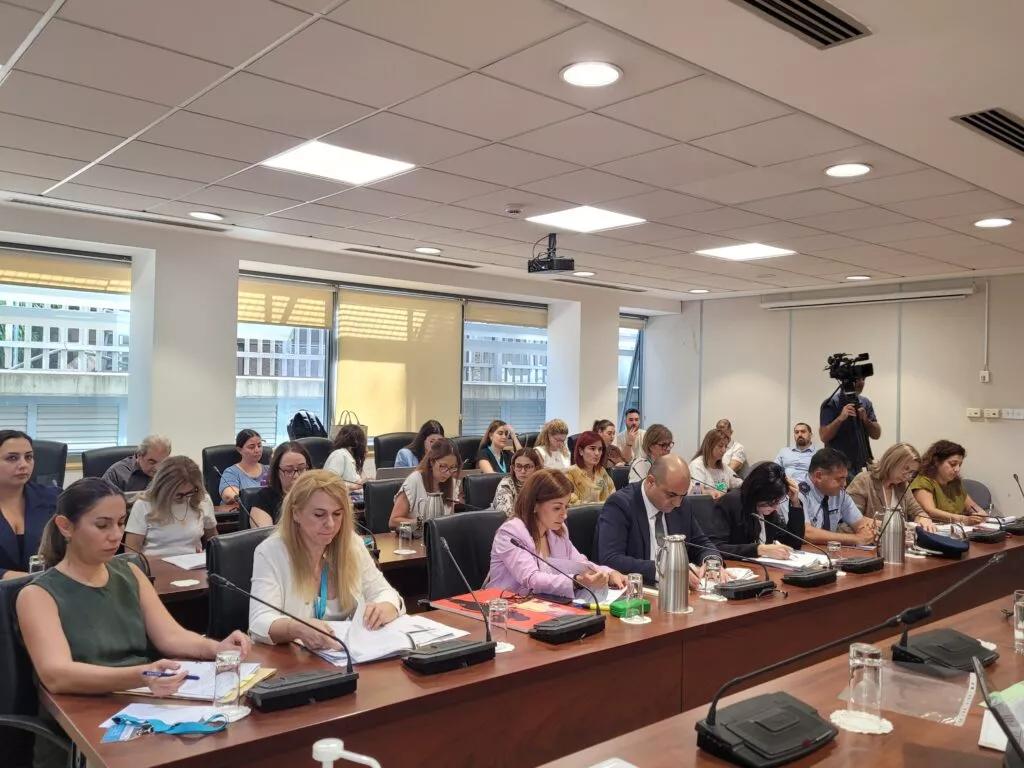
    Allegations of human trafficking in Ayia Napa have sparked significant concern among MPs, particularly following a recent Channel 4 documentary that exposed the exploitation of young women in the area. This troubling issue was extensively discussed during a meeting of the House human rights committee on Monday.

    Committee chairwoman and Akel MP Irini Charalambides revealed that deputy migration minister Nicholas Ioannides is expected to address the committee within the next fortnight. He will provide updates on the measures being implemented to protect victims, combat human trafficking, and hold perpetrators accountable.

    Andreas Anastasiadis, assistant director of the police, informed the committee that an ex officio investigation into the documentary has already been launched. The police have gathered several statements and are seeking additional information from the British broadcaster regarding the claims made in the film.

    In another development, the cyber crime department is currently examining allegations related to a website that purportedly advertised job positions in Cyprus during the summer months. Anastasiadis refrained from sharing further details to avoid compromising the ongoing investigations but noted that police efforts against human trafficking have intensified in recent years. Since 2021, there have been 30 convictions across 21 cases, with an additional 30 cases still pending.

    During the meeting, it became apparent to MPs that the multidisciplinary group tasked with combating human trafficking, which operates under the deputy migration ministry, is failing to perform its duties adequately. Chairwoman Charalambides expressed her discontent with the current situation, stating that it does not align with the timelines provided by the Ministry of Interior. As a result, she plans to advocate for the coordination of this body to be transferred to the justice ministry, which is also responsible for law enforcement.

    Disy MP Rita Superman echoed the concerns raised during the discussion, asserting that the issues revealed in the documentary reflect a broader systemic problem rather than just a negative reality for Cyprus. She emphasised that the nation is grappling with a system that has allowed for the exploitation of women and the impunity of organised groups for far too long.

    Superman pointed out that while the media often highlights procedures and restrictions, there has been insufficient focus on tangible results. She critiqued the prevailing response of “there were no complaints” regarding human trafficking cases as indicative of significant operational and political gaps.

    Volt MP Alexandra Attalidou described human trafficking as a direct outcome of systemic issues, calling for proactive measures to identify victims. She argued that the state must demonstrate zero tolerance for such practices and ensure that victims receive the necessary support to escape their situations, especially as many face intimidation that prevents them from coming forward.

    Ayia Napa’s mayor, Christos Zannetou, shared that the municipality has conducted its own investigations into local establishments and the broader social challenges facing the town. However, he highlighted that the responsibility for monitoring accommodations used by seasonal workers no longer falls under municipal authority, indicating a gap in local oversight.

    Zannetou announced a comprehensive meeting scheduled for February 6, aimed at tackling ongoing concerns regarding public safety, law enforcement, and the management of seasonal workforce accommodations. Justice Minister Constantinos Ioannou and police chief Themistos Arnaoutis are expected to attend this crucial meeting.

    The allegations raised in the documentary point to a troubling system of exploitation aimed at young British women, who are lured to Cyprus under the guise of “working holidays”. Many of these women encounter illegal employment practices, sexual harassment, and unsafe living conditions, highlighting the urgent need for intervention and reform in the region.
  • Cyprus sexual — Cyprus Sexual Harassment Laws Lack Protection for Workplace Victims

    Cyprus sexual — Cyprus Sexual Harassment Laws Lack Protection for Workplace Victims

    cyprus sexual — Concerns about the inadequacy of Cyprus sexual harassment laws were raised during a House Human Rights Committee hearing on Monday, where parliamentarians discussed the pressing need for better protections for workplace victims.

    The hearing was prompted by recent reports from Phileleftheros detailing allegations of sexual harassment involving Education Ministry officials. In this case, a superior was cleared in a disciplinary investigation and subsequently promoted, despite now facing criminal prosecution.

    Eleni Kouzoupi from the Law Office highlighted the troubling provisions allowing cases of sexual harassment to be settled out of court, labelling it “absurd”. She argued that such inclusions in legislation are fundamentally flawed and fail to address the complexities of different employment relationships, especially in sectors that often fall into grey areas.

    Nasia Dionysiou, representing the Ombudswoman’s office, outlined the existing administrative gaps, stating, “It took us 15 years and a conviction to establish a Code”. However, she noted that the Code lacks the power to enforce responsibilities, serving merely as an informational tool for employers and employees. When a complaint is lodged, minor cases can be resolved internally if the victim consents, but if not, disciplinary proceedings are initiated.

    Dionysiou pointed out that sexual harassment was not even acknowledged in public service until her office intervened. In a recent incident, her office recommended disciplinary action after uncovering improper investigation procedures and called witnesses to testify due to concerns about how evidence was initially managed.

    Questioning the Education Ministry’s handling of the recent case, Dionysiou remarked, “How do we proceed? The Education Ministry tells us they are awaiting the Law Office’s position. But right now the legislation is being violated and the Ministry is committing an offence.” This highlights the urgency for legislative reform and proper enforcement mechanisms.

    Labour Minister Yiannis Panayiotou defended the existing framework, asserting, “If victims remain exposed, then policy has failed”. He expressed confidence in the direction authorities are taking and emphasised the need for collective protection without undermining the criminal and employment laws. Panayiotou noted that 80% of citizens are now employed, a figure bolstered by the integration of women into the workforce, which has reached a participation rate of 75%.

    In response to the growing concerns, the Labour Department initiated an investigation into the handling of sexual harassment complaints in workplaces. Labour Department Director Alexandros Alexandrou reported that over the past three years, only ten complaints were received: four in 2022, one in 2023, and five in 2024, all of which were investigated.

    Trade union representatives voiced their frustrations regarding the complex and often intimidating procedures faced by victims. A representative from PASYDY described the procedures as “labyrinthine”, while representatives from the Isotita union called for improved protection for employees. Christina Kaili from the Mediterranean Institute of Gender Studies underscored the necessity for modernising procedures and establishing clear protocols to support victims.

    Parliamentarians expressed their condemnation of workplace sexual harassment. AKEL MP and committee vice-chairman Giorgos Koukoumas characterised such harassment as a form of gender-based violence and discrimination, citing examples like unwanted touching and harassing messages. MP Alexandra Attalides labelled sexual harassment as the worst form of workplace harassment and stressed the importance of allowing victims to report incidents safely without fear of retaliation. She also noted the vague responses received from the Labour Ministry following parliamentary questions submitted in August 2024.

    MP Rita Superman acknowledged the seriousness of the issue, pointing to the discrepancies between legislation and its implementation. She questioned why sexual harassment is not treated as a criminal offence from the outset, calling for urgent legislative reforms to better protect victims in the workplace.