Tag: water supply

  • Daily Reprocessing of Desalinated Water Due to Pipeline Shortages

    Daily Reprocessing of Desalinated Water Due to Pipeline Shortages

    Every day, 60,000 cubic metres of desalinated water are re-processed instead of reaching the general water supply, according to Akis Kikas from the Audit Office. This revelation was shared during a meeting with MPs on Thursday, highlighting significant inefficiencies in Cyprus’s water management.

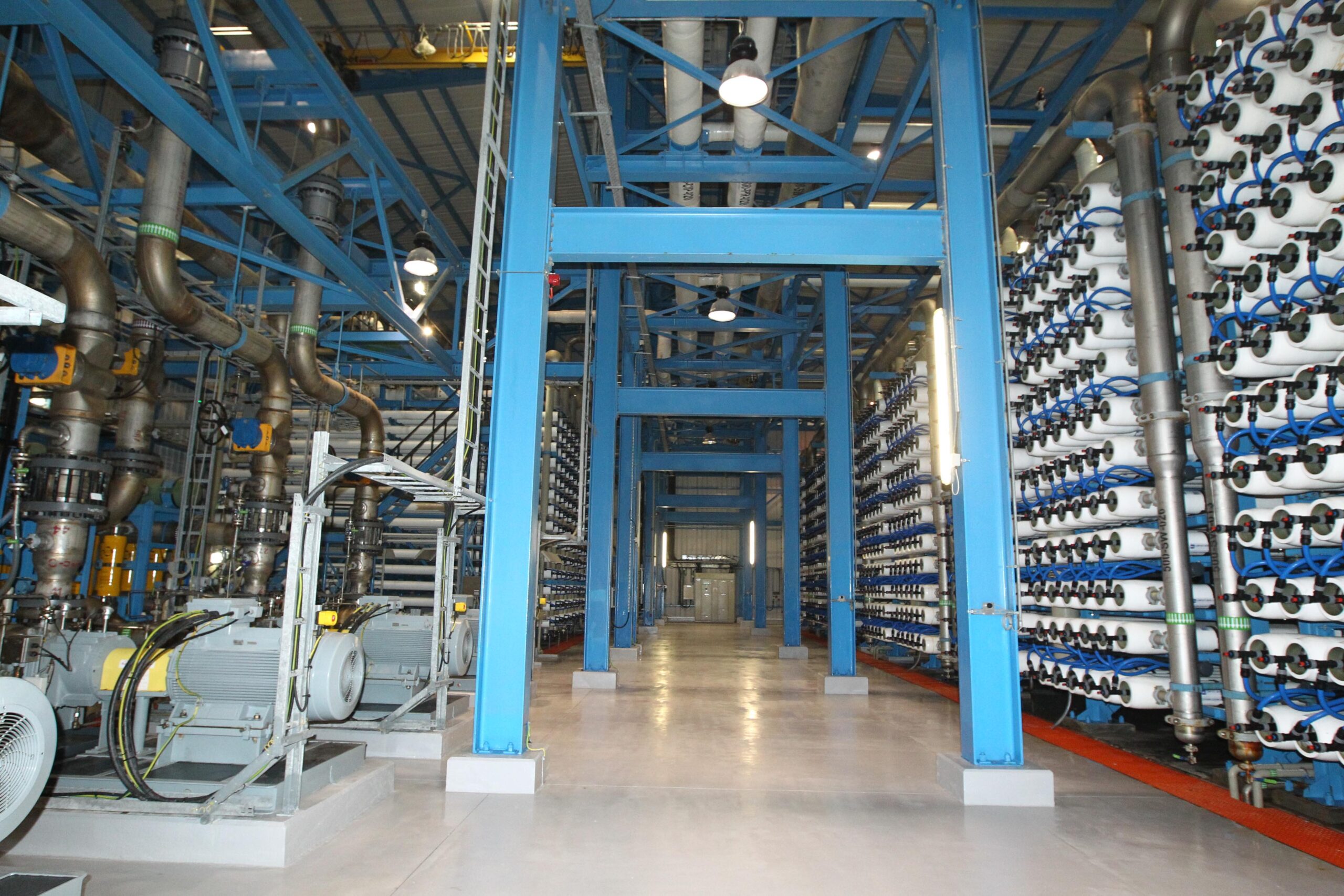
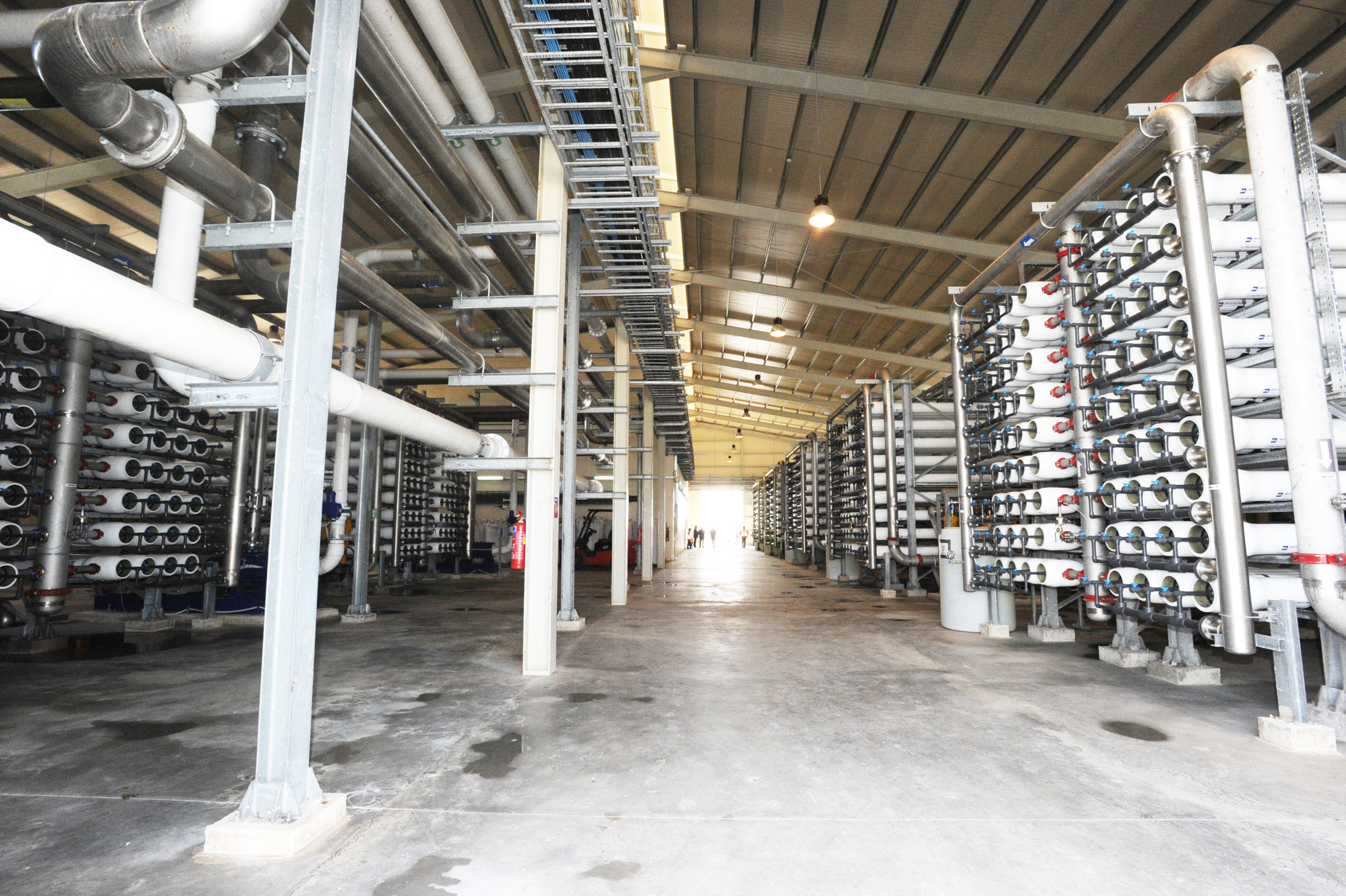
    At the facilities of the Electricity Authority of Cyprus in Vasiliko, the desalination process generates a substantial amount of water. However, due to inadequate pipeline infrastructure, this water is diverted to the southern conveyor, the island’s largest water development initiative.

    The southern conveyor is designed to collect excess water from the southwest of Cyprus, transferring it to regions in need for irrigation and domestic use. Unfortunately, this diversion leads to the desalinated water mixing with dirt, necessitating further cleaning at a refinery in Tersefanou. As a result, consumers end up paying twice for the same water.

    Kikas noted that this has been an ongoing practice for the past decade, although he clarified that only a small percentage of the total desalinated water is affected by the pipeline issues. The Audit Office is currently preparing a report on the management of the island’s water resources, with publication expected by the end of the month.

    During the same meeting, Kikas raised concerns about 15 privately-owned dams that fail to meet legal safety standards. Among the most hazardous are the dams at Tamasos, Yermasoyia, and Polemidia. The House audit committee gathered to address the maintenance of these dams, with MPs expressing alarm over the shortage of qualified engineers available for necessary repairs.

    Adding to the urgency of the situation, parliamentarians pointed out the critically low water levels in the dams amid ongoing drought conditions. The Kouris dam, the largest on the island, is currently at just 12 per cent of its capacity, while Asprokremmos and Evretou dams sit at 11.5 per cent and 14 per cent, respectively.

  • Paphos water: Paphos District to Ensure Stable Water Supply Throughout 2024

    Paphos water: Paphos District to Ensure Stable Water Supply Throughout 2024

    paphos water — paphos water — Paphos will enjoy a stable water supply next year, with assurances from the agriculture ministry that there will be no disruptions, even in adverse weather conditions. Andreas Gregoriou, the undersecretary of the agriculture ministry, made this statement during the harvest festival in Panayia, reinforcing the government’s commitment to addressing water supply challenges in the region.

    Paphos water: Ministry’s Commitment to Water Security

    Gregoriou stated, “We are in the final stage. It seems that we will manage to avoid any cuts, even though we are at the beginning of the new hydrological year, because we have expectations that we will have more rain than the previous dry year.” This outlook is bolstered by the ongoing development of new desalination units, which are expected to enhance the district’s water supply significantly.

    Desalination Units Under Construction

    According to Gregoriou, the construction of desalination units will eliminate any concerns regarding water supply in Paphos, regardless of weather fluctuations. He confidently remarked, “Therefore, Paphos’ water problem can be considered solved for 2026 as well.” This statement indicates a proactive approach to managing potential water shortages that have historically affected the area.

    Local Officials Weigh In

    Charalambos Pittokopitis, the governor of the Paphos district, also addressed the festival attendees, highlighting the resilience of the district’s water supply system. He noted that the supply has been maintained under “very difficult conditions,” indicating the challenges faced in recent years due to weather patterns and increased demand.

    Mobile Desalination Units to Boost Supply

    One key development is the installation of a mobile desalination unit near Potima beach in Kissonerga, which is projected to produce approximately 12,000 cubic metres of water. This unit, along with the return of a previously damaged desalination facility in Kouklia, will play a crucial role in ensuring that Paphos does not encounter water supply issues in the near future.

    Pittokopitis expressed confidence in the district’s water supply, stating, “I can state with certainty that the water issue regarding drinking water in both the town and in the district of Paphos has been resolved.” This statement serves to reassure residents and stakeholders about the reliability of their water resources.

    Recent Developments in Water Infrastructure

    In addition to the new mobile desalination unit, the water development department’s district engineer, Charis Kasioulis, confirmed that studies to repair the Mavrokolympos reservoir, which was drained in January, are complete. He stated that work to fix the corroded vent will be finished before the winter season, allowing the reservoir to reopen and contribute to the water supply.

    New Mobile Units from the UAE

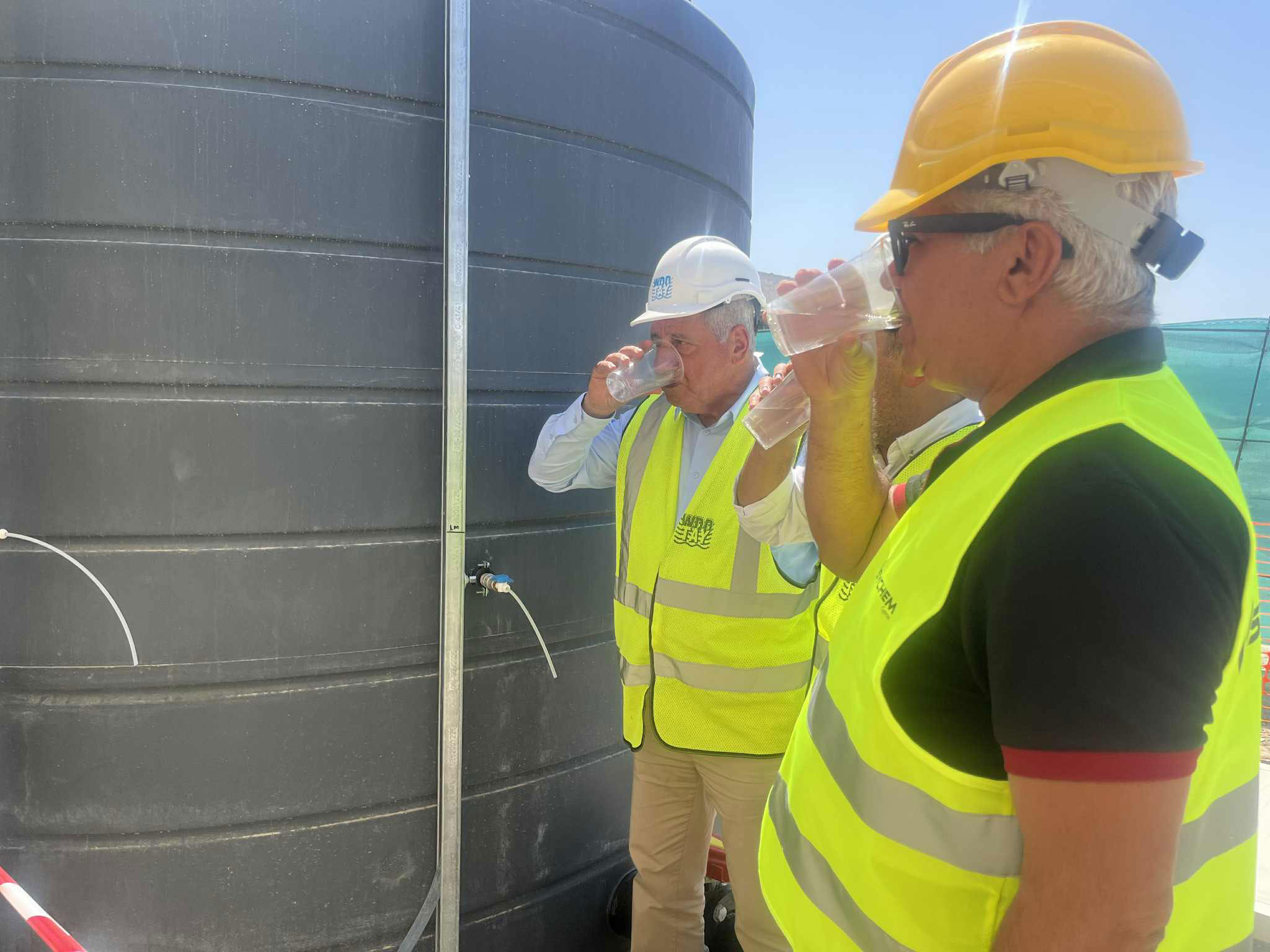
    The recent arrival of 12 mobile desalination units from the United Arab Emirates marks a significant step forward in addressing water scarcity in Cyprus. The first of these units entered service in July, with George Kazantzis, the acting director of the water development department, describing the installation process as “extremely complex.” These units are designed to support the broader water supply network across the island.

    Excess water produced by these units will be redirected to other districts currently facing supply challenges, ensuring a balanced distribution of water resources across the region. This cooperative approach is crucial in mitigating the effects of prolonged droughts.

    Government’s Proactive Measures

    The Cypriot government has taken proactive measures to prevent future water shortages, with President Nikos Christodoulides announcing the new desalination units in April. Government spokesman Konstantinos Letymbiotis assured the public that there would be “no risk” of water cuts during the summer months due to the imminent arrival of additional desalination units.

    Christodoulides emphasised that the units would be provided “free of charge,” which he described as a testament to the strength of international relations and the importance of sound internal policy regarding water management.

    Looking Ahead

    As Paphos prepares for the coming year, the combination of new desalination units, improved infrastructure, and a commitment to sustainable water management suggests a promising future for the district’s water supply. Residents can look forward to a year without the worry of water cuts, thanks to the concerted efforts of local officials and the agriculture ministry.
  • Water supply — Water Supply Disruption in Lakatamia Due to Pipeline Fault

    Water supply — Water Supply Disruption in Lakatamia Due to Pipeline Fault

    Residents in Lakatamia, Tseri, Anthoupoli, and Ergates are currently facing significant water supply disruptions. This issue stems from a fault in a water pipeline managed by the water development department (ΤΑΥ), which is responsible for delivering water to the reservoirs of the Nicosia water board (ΕΟΑ) and surrounding communities.

    The ongoing problem has resulted in the depletion of water reserves within the ΕΟΑ reservoirs, leaving many households without a reliable supply. The water development department is actively working to address the pipeline fault; however, a specific timeline for repairs has yet to be provided.

    Since the establishment of the Nicosia water board in July 2024, assessments have been made concerning the capacity of local reservoirs. In response to the persistent issues, a new, larger GLS-type reservoir is under construction to enhance water supply capabilities for Lakatamia. This new facility is anticipated to be operational before the end of the year, which officials believe will significantly improve water autonomy in the event of future supply interruptions from ΤΑΥ.

    The new reservoir is expected to extend the reserve capacity from 13 to 37 hours, providing much-needed relief during disruptions. In the meantime, authorities are advising residents to conserve water as repair efforts continue. The situation is being closely monitored to ensure the swift restoration of services to affected households.

  • Kouklia desalination — Kouklia Desalination Plant Set to Resume Operations in September

    Kouklia desalination — Kouklia Desalination Plant Set to Resume Operations in September

    The Kouklia desalination plant, which was devastated by a fire last December, is anticipated to resume operations by September 20, according to Paphos district governor Charalambos Pittokopitis.

    • The Kouklia desalination plant, which was devastated by a fire last December, is anticipated to resume operations by September 20, according to Paphos district governor Charalambos Pittokopitis.

    In June, permanent secretary of the agriculture ministry, Andreas Gregoriou, had optimistically projected that the plant would be operational by August. However, recent updates indicate a slight delay, with operations now expected to begin later in September.

    Kouklia desalination: Impact of Drought on Water Supply

    Pittokopitis highlighted the ongoing challenges posed by a prolonged drought and the destruction of the Kouklia plant. These issues have made it difficult to ensure a steady water supply for residents of Paphos and the surrounding district. “The prolonged drought of the past years and the destruction of Paphos’ desalination plant in Kouklia last December continue to create quite a few difficulties in our efforts to secure the continuous supply of water to consumers in the city and district of Paphos,” he stated.

    Additional Desalination Efforts

    As part of the broader strategy to tackle water shortages, the Potima desalination plant is also set to begin operations in September. This facility has the capacity to produce 5,000 cubic metres of water per day, with plans to double its output in October. Pittokopitis noted that Paphos has already begun receiving water from a mobile unit installed at Potima, providing 1,000 cubic metres daily. A second mobile unit is expected to be operational shortly.

    Future Water Supply Projections

    By October, the water supply from the Kouklia desalination plant is projected to reach 15,000 cubic metres daily, supplemented by an additional 12,000 cubic metres from Potima’s larger unit and two smaller units. Currently, the Asprokremmos water distillation plant serves as the main water source for lower Paphos, with a capacity of 30,000 cubic metres per day. However, this figure is set to decrease to 15,000 cubic metres in October as reserves at the Asprokremmos dam dwindle to approximately 8 million cubic metres.

    Community Awareness and Conservation

    Pittokopitis expressed cautious optimism regarding the water situation but emphasised the need for responsible usage. He urged residents to be mindful of their water consumption, stating, “We must all be very careful and frugal when it comes to using water, because even the last drop is useful.” The assurances from the water development department suggest that current reserves should suffice until the desalination units are fully operational and the winter rains arrive.

    The combination of the Kouklia and Potima plants is a crucial step in alleviating the water supply crisis in Paphos, as officials and residents alike anticipate a return to normalcy in water availability as the summer months draw to a close.