Tag: wildlife

  • Drought — Drought Threatens Cyprus’ Ancient Forests, Officials Warn

    Drought — Drought Threatens Cyprus’ Ancient Forests, Officials Warn

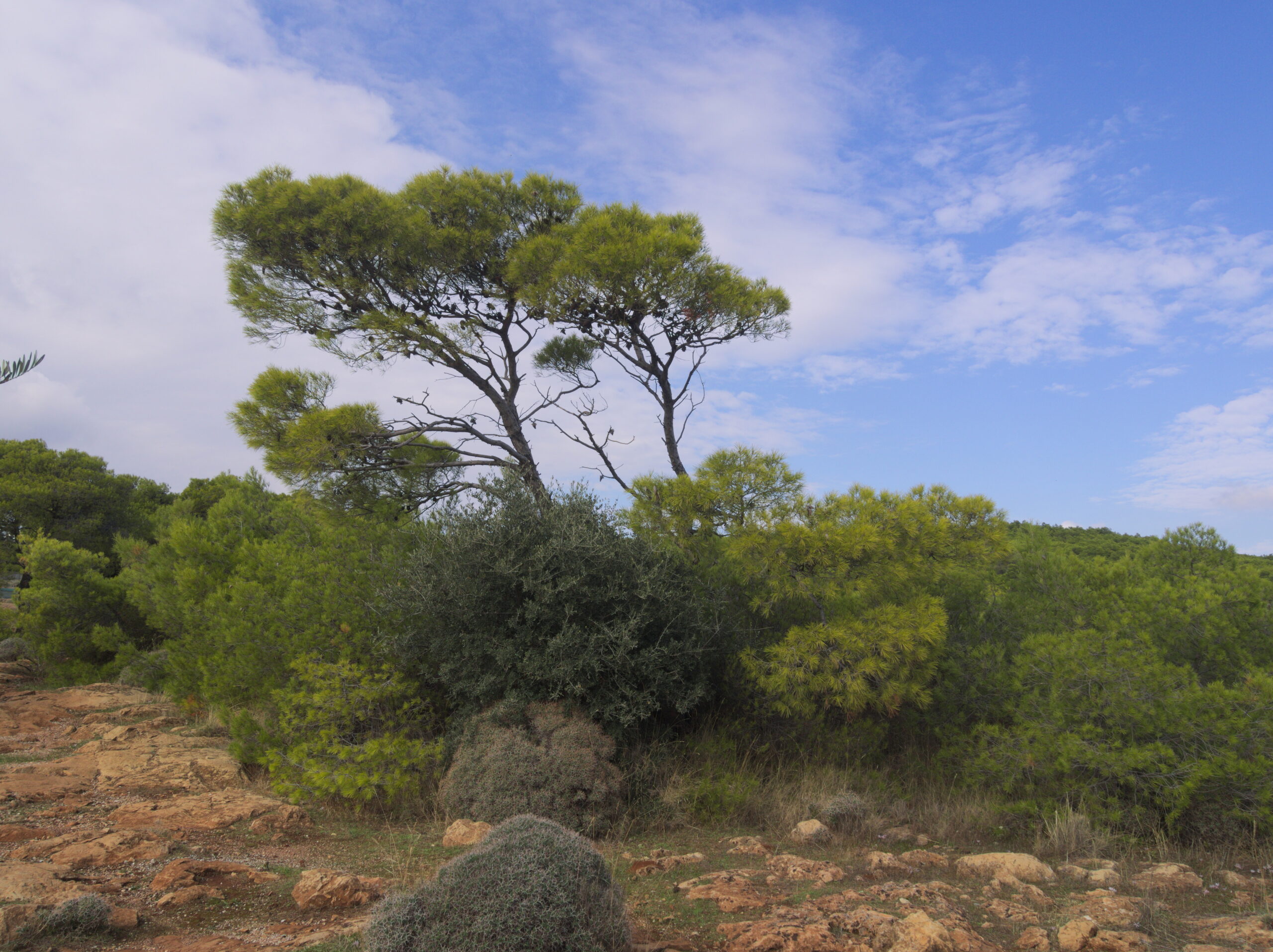
    Drought has severely damaged Cyprus’ forests, with 40 per cent of the trees in the cedar valley having already dried up, according to forestry department director, Savvas Ezekiel. Addressing the crisis on CyBC radio, he described the situation as unprecedented, raising alarms about the island’s oldest forests.

    The forestry department’s assessments reveal that mature cedars and pines are succumbing after consecutive years of minimal rainfall. While young saplings can collapse within weeks without adequate water, larger trees, although initially more resilient, begin to weaken after several dry years.

    Implications of Continued Drought

    Ezekiel warned that if Cyprus endures another dry winter, “we will lose many centuries-old trees,” a fate that could extend to forests across the island. The current drought is notable, as it marks a severity not seen since 2008.

    Areas of Concern

    Significant losses have been documented in regions such as Kakomalis and Machairas, where species like the Turkish pine (Pinus brutia) and the endemic golden oak (Quercus alnifolia) are drying at alarming rates. In the Akamas region, Jerusalem pine trees (Pinus halepensis) are also showing signs of distress, particularly deeper within the forest, although the more humid coastal edges remain relatively unaffected.

    In contrast, the high-altitude black pine (Pinus nigra) in Troodos is stable for now, benefiting from cooler temperatures and moisture, while the forests of Cape Greco are holding up due to their coastal microclimate.

    Impact on Wildlife and Fire Risk

    The drought has repercussions beyond tree mortality. Ezekiel highlighted that natural springs have been adversely affected, leading to reduced river flows and diminishing water access for birds and other wildlife. This situation raises significant concerns regarding fire risk, as the accumulation of dry biomass across forested areas creates an environment ripe for wildfires. Ezekiel stated that with everything so dry, “there is nowhere for a fire to stop.”

    Mitigation Efforts and Community Support

    In an effort to manage the growing fire risk and support mountain communities, the forestry department plans to issue a circular next week that increases the annual firewood allowances. Families in high-altitude areas will see their quota rise from 10 to 12 cubic metres, while those in lower-altitude regions will increase from 4 to 5 cubic metres.

    Scientific Perspective on Tree Mortality

    Former Green Party leader, Charalambos Theopemptou, noted that the drying of olives, carobs, and pines aligns with scientific data indicating that repeated drought is a leading cause of mass tree mortality in ecosystems. The situation is further compounded by the comments from Water Development Department (WDD) official, Giorgos Kazantzis, who emphasised that Cyprus cannot easily replenish its natural water sources and must continue to depend on dams and desalination.

    Kazantzis also pointed out that the potential for artificial rain through cloud seeding technology remains limited in Cyprus due to challenges in directing clouds and the associated risks of hail or flooding.
  • Hundreds of Bats Fled Mavrokolympos Dam Prior to Flooding, Experts Say

    Hundreds of Bats Fled Mavrokolympos Dam Prior to Flooding, Experts Say

    Experts estimate that hundreds of bats fled the Mavrokolympos dam before flooding occurred, following unexpected infrastructure damage in January. This information was disclosed by Agriculture Minister Maria Panayiotou during a recent parliamentary session, responding to inquiries regarding the fate of the Egyptian fruit bats (Rousettus aegyptiacus) that inhabit the dam’s drainage area.

    • While the flooding incident at the Mavrokolympos dam raised concerns about the bats, it also highlighted the ongoing efforts to support and sustain the thriving populations of this species in Cyprus.

    Unexpected Infrastructure Damage Causes Rapid Flooding

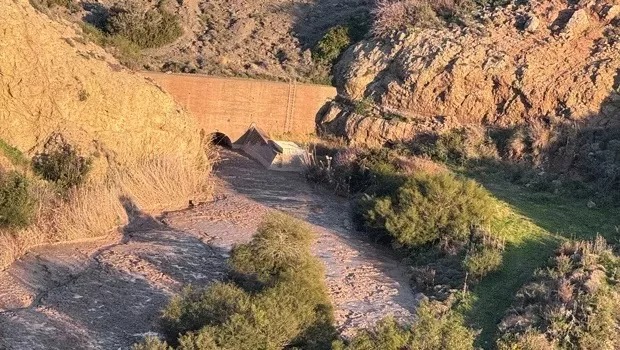
    The incident at the Mavrokolympos dam began on 19 January 2025, when damage to the base of the drainage tower resulted in uncontrolled water leakage. Minister Panayiotou described the situation as unforeseen, leading to the flooding of the drainage tunnel where the bats resided.

    Authorities Confirm No Bats Trapped in Flooded Tunnel

    As soon as the authorities became aware of the situation, they sought to confirm whether any bats had been trapped inside the drainage tunnel. However, safe access was compromised due to the large and rapidly accumulating leak, which created hazardous conditions within the tunnel.

    Using specialist bat detection equipment, officials were able to verify that no bats remained trapped. The minister stated, “The estimation of experts was that the animals abandoned the tunnel before it filled with water and mud.” This assessment provided some reassurance regarding the well-being of the bat colony.

    Environmental Impact Concerns Raised

    MP Charalambos Theopemptou raised concerns during the parliamentary session about whether a thorough Environmental Impact Assessment had been conducted prior to the actions taken by the Water Development Department. He questioned if proper protocols were followed to prevent the potential deaths of these bats.

    Minister Panayiotou clarified that the incident fell under the category of force majeure, indicating it was an unforeseen occurrence rather than a planned action. “No gate opening occurred, but the dam emptied due to leakage,” she explained. This statement highlighted that the situation was beyond the control of the authorities and did not involve any deliberate actions that might have necessitated an assessment.

    Legal Framework and Environmental Directives

    The minister further noted that the provisions of EU Directive 92/43/EEC did not apply in this case. Since the flooding resulted from force majeure rather than voluntary actions by authorities, there was no obligation to notify the European Commission or undertake mitigation measures as would typically be required.

    Furthermore, she reassured that numerous natural caves and cavities in the surrounding area could have provided refuge for any bats that left the tunnel prior to the flooding. Authorities are also investigating whether the bats may have integrated into existing colonies in nearby locations.

    Positive Trends for the Egyptian Fruit Bat Population

    Despite the incident, the Egyptian fruit bat population in Cyprus has shown encouraging growth in recent years. Minister Panayiotou reported that old colonies have been re-establishing, new colonies are forming, and there is a general increase in known populations across the island.

    Following the repairs to the dam and the cleaning of the drainage tunnel, authorities expect that the habitat will again be suitable for recolonisation by the bats. Relevant departments will closely monitor the area to document any potential return of the species in the near future.

    Next Steps for Mavrokolympos Dam

    As authorities work on repairing the damage caused by the flooding, they remain vigilant regarding the ecological implications of the incident. Minister Panayiotou expressed confidence in the resilience of the Egyptian fruit bats and their ability to adapt and thrive in suitable environments.

    She emphasised that the situation was a reminder of the importance of monitoring wildlife populations and ensuring that proper protocols are in place to protect them, even in the face of unexpected challenges.

    While the flooding incident at the Mavrokolympos dam raised concerns about the bats, it also highlighted the ongoing efforts to support and sustain the thriving populations of this species in Cyprus.