Tag: wildlife protection

  • Video Captures Men Mishandling Sea Turtle in Chlorakas

    Video Captures Men Mishandling Sea Turtle in Chlorakas

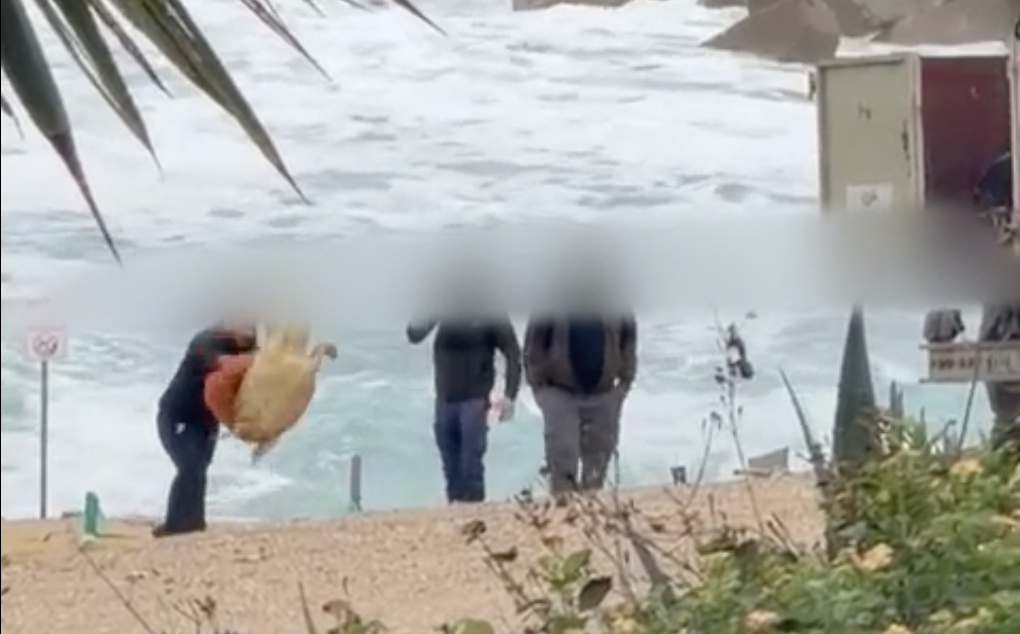
    Footage has surfaced of four men filmed throwing and kicking a sea turtle in Chlorakas, raising concerns about animal welfare and local practices. The incident, which occurred on a beach, reportedly involved employees of the Chlorakas community council.

    According to philenews, the community council stated that the turtle was already deceased when the staff were directed to collect it for burial. Eyewitnesses reported seeing the men mishandling the turtle, leading to widespread outrage among locals and tourists alike.

    A representative from the fisheries department was called to the scene to assess the situation. They confirmed that the turtle was dead and in an advanced state of decomposition, dispelling any initial concerns about its condition prior to being filmed.

    In an effort to clarify the actions taken by the community council staff, a spokesperson explained that the turtle was placed on the ground to remove sand from its body before burial. This explanation, however, has done little to quell the public’s anger over the apparent treatment of the animal.

    The local community council has since filed a report with the animal police, who are now investigating the incident further. The police have taken possession of the turtle’s body, and an autopsy is scheduled to determine the exact time and cause of death.

    It is important to note that sea turtles are protected by law in Cyprus, with legislation in place since 1971 to safeguard these creatures and their eggs. Cyprus is home to two species of sea turtles: the loggerhead (Caretta caretta) and the green turtle (Chelonia mydas), both of which nest on local beaches from May to July each year.

    The video, which has circulated widely on social media, has prompted discussions around the treatment of wildlife and the responsibilities of those working within community roles. As the investigation unfolds, many are left questioning the protocols in place for handling such situations in the future.

  • Dynamite fishing — Dynamite Fishing Claims Lives of Protected Turtles Near Larnaca

    Dynamite fishing — Dynamite Fishing Claims Lives of Protected Turtles Near Larnaca

    Dynamite fishing has led to the tragic deaths of numerous protected turtles along the coast of Larnaca, raising alarm among residents and environmentalists alike.

    Photo: in-cyprus.philenews.com

    • Dynamite fishing has led to the tragic deaths of numerous protected turtles along the coast of Larnaca, raising alarm among residents and environmentalists alike.

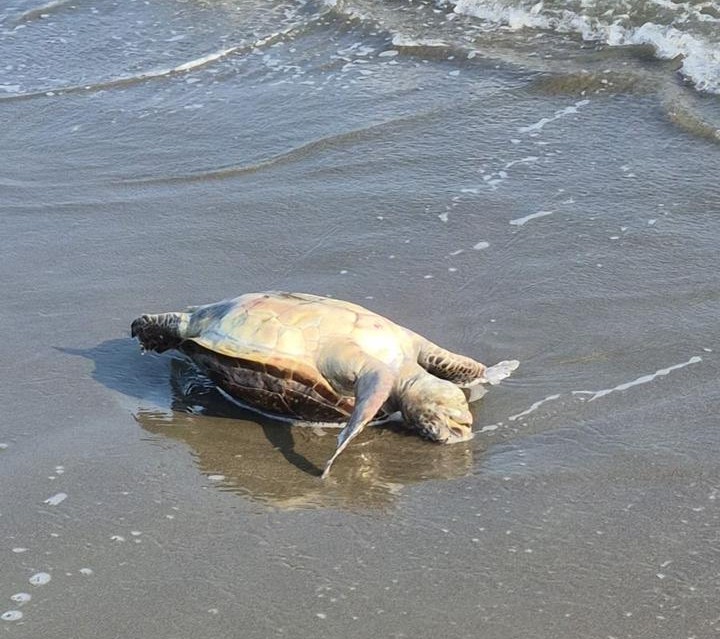
    Recently, dead sea turtles have been washing ashore on Cyprus beaches, displaying internal injuries indicative of underwater explosions. Witnesses have reported that these fatalities coincide with suspected blasts in deeper waters off the coast, signalling the troubling practice of illegal dynamite fishing.

    Photo: in-cyprus.philenews.com

    Dynamite fishing: Grim Discoveries on Pervolia Beach

    Photographs from Pervolia beach reveal multiple turtle carcasses exhibiting severe internal damage, with observers attributing this destruction to the shock waves generated by explosives. Residents handling the carcasses noted extensive internal trauma, consistent with injuries caused by blasts.

    Environmental Concerns and Official Response

    Antonia Theodosiou, the Environmental Commissioner, has been informed about these incidents and has reached out to turtle protection services. While the Fisheries Department has initiated protective measures, enforcement remains a significant hurdle, particularly during the busy holiday period when illegal fishing activities often escalate.

    The Dark Side of Fishing Explosives

    The suspected dynamite fishing operations are likely aimed at harvesting commercial fish species, taking advantage of the reduced regulatory oversight during peak tourist seasons. Historically, similar incidents in the region have resulted in the deaths of both turtles and various fish species, revealing the indiscriminate nature of such fishing methods.

    In the past, occasional turtle deaths were linked to National Guard training exercises; however, no military activities are currently scheduled in the area. The patterns of recent blasts suggest a deliberate focus on fishing rather than military causes.

    The Impact of Deep-water Explosions

    Residents have explained that deep-water explosions generate shock waves lethal to all marine life within the blast radius, with currents subsequently transporting the deceased creatures to shore. The scale of the turtle deaths points to a systematic approach to fishing rather than isolated incidents.

    Additional Threats from Vehicle Traffic

    As if the threat from dynamite fishing were not enough, turtle populations also face dangers from vehicle traffic on the beaches during nesting season. Local residents have reported significant turtle mortality due to all-terrain vehicle operations. Baby turtles, in particular, are at great risk of being struck by vehicles, leading to alarming reductions in their numbers.

    Some vehicle operators engage in speed races and exhibitions on the beaches, exacerbating the risk of collisions with nesting females and hatchlings. The combination of explosive fishing practices and vehicle traffic presents a multi-faceted threat to already vulnerable turtle populations.

    Recent Nesting Successes

    Despite the ongoing challenges, last year’s nesting season recorded 18 turtle nests, with an impressive 17 sites documenting successful hatching. However, the current protective measures put in place by fisheries authorities and local communities have shown limited effectiveness against the persistent illegal activities threatening these magnificent creatures.

  • Glamping site — Glamping Site Approved Near Natura 2000 Protected Area in Paphos

    Glamping site — Glamping Site Approved Near Natura 2000 Protected Area in Paphos

    A new glamping site has been approved near the Natura 2000 protected area known as Sarama Valley in Peristerona, Paphos. This development is set just 125 metres from the protected zone, raising environmental considerations that have been addressed in a recent assessment report.
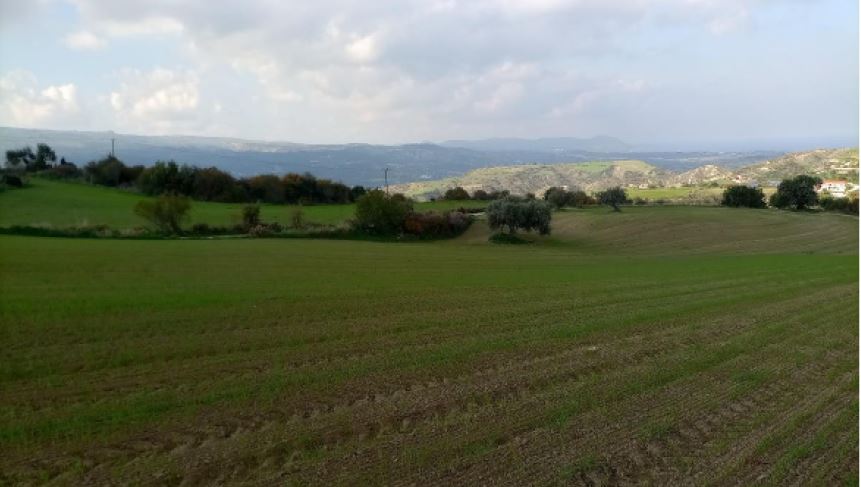
    Photo: cyprus-mail.com

    Glamping site: Assessment Report Supports Construction

    The environmental department’s approval followed a special assessment report dated August 1, which concluded that the proposed facility’s construction would not result in “irreversible damage.” This report was conducted by I.A.CO Environmental & Water Consultants Ltd, based in Nicosia.

    Site Details and Amenities

    The glamping site will cover an area of 22,743 square metres of agricultural land. A portion of this, specifically 3,034 square metres, will be dedicated to public spaces, which will include green areas and community facilities.

    Construction plans include 20 dome-shaped cabins covering a total of 419.51 square metres. The project, estimated to cost €1 million, is expected to be completed within 12 months, aiming to operate year-round.

    Visitor Capacity and Facilities

    The facility is designed to accommodate an average of 54 guests, with the potential to host up to 72 guests during peak holiday months from May to September. Amenities will feature an amphitheatre, playground, dining spaces, a biological wastewater treatment plant, and 35 parking spaces, enhancing the visitor experience.

    Environmental Considerations Addressed

    At its closest point, the glamping site is adjacent to the Natura 2000 area, which is home to various endangered bird species and plants. However, the assessment report indicated that the development would not obstruct migratory bird pathways, as the site does not overlap with designated transit corridors.

    The environmental department noted that the proposed project area has previously been used for agricultural purposes, which included wheat cultivation. The area was found to contain several types of flora, none of which are listed in the official record of rare and endangered plants in Cyprus.

    Potential Impacts and Mitigation Measures

    While the report highlighted the potential for habitat reduction, species disturbance, and increased noise from the construction, the department outlined several measures to mitigate these effects. These include:

    • Utilisation of the existing electricity grid instead of creating a new one
    • Limiting the number of guests
    • Planting 250 new trees
    • Implementing strategies to reduce light and noise pollution

    The findings led the department to conclude that the project’s construction and operation could proceed, provided that specific restrictions were adhered to, effectively minimising the potential impact on local wildlife.

    Community and Conservation Perspectives

    BirdLife Cyprus, a key stakeholder in the discussions surrounding the project, initially raised concerns. However, after reviewing revised plans presented by the developer, many of these concerns were addressed.

    Tassos Shialis, campaigns coordinator for BirdLife Cyprus, noted that modifications included the removal of open fire spaces and relocating the domes further away from the protected area. As a result, BirdLife Cyprus did not oppose the project during their second meeting, on the condition that the environmental conditions outlined in the permit approval were strictly followed.

    These conditions aim to prevent light pollution through the installation of down-lighting systems, avoid unnecessary expansion of the electricity grid, minimise noise pollution, and restrict construction activities from March to July, protecting local wildlife during critical periods.

    Future of Glamping in Paphos

    The approval of this glamping site marks a significant step towards promoting eco-tourism in the region while balancing environmental conservation. As the project progresses, it will be essential to monitor the adherence to the stipulated conditions to ensure minimal disruption to the surrounding ecosystem.

    As interest in unique accommodation options continues to grow, this development could set a precedent for future projects in sensitive areas, demonstrating that it is possible to enjoy nature responsibly while providing visitors with memorable experiences.