Category: News

  • Cyprus President Advocates for Nato Membership as Natural Progression

    Cyprus President Advocates for Nato Membership as Natural Progression

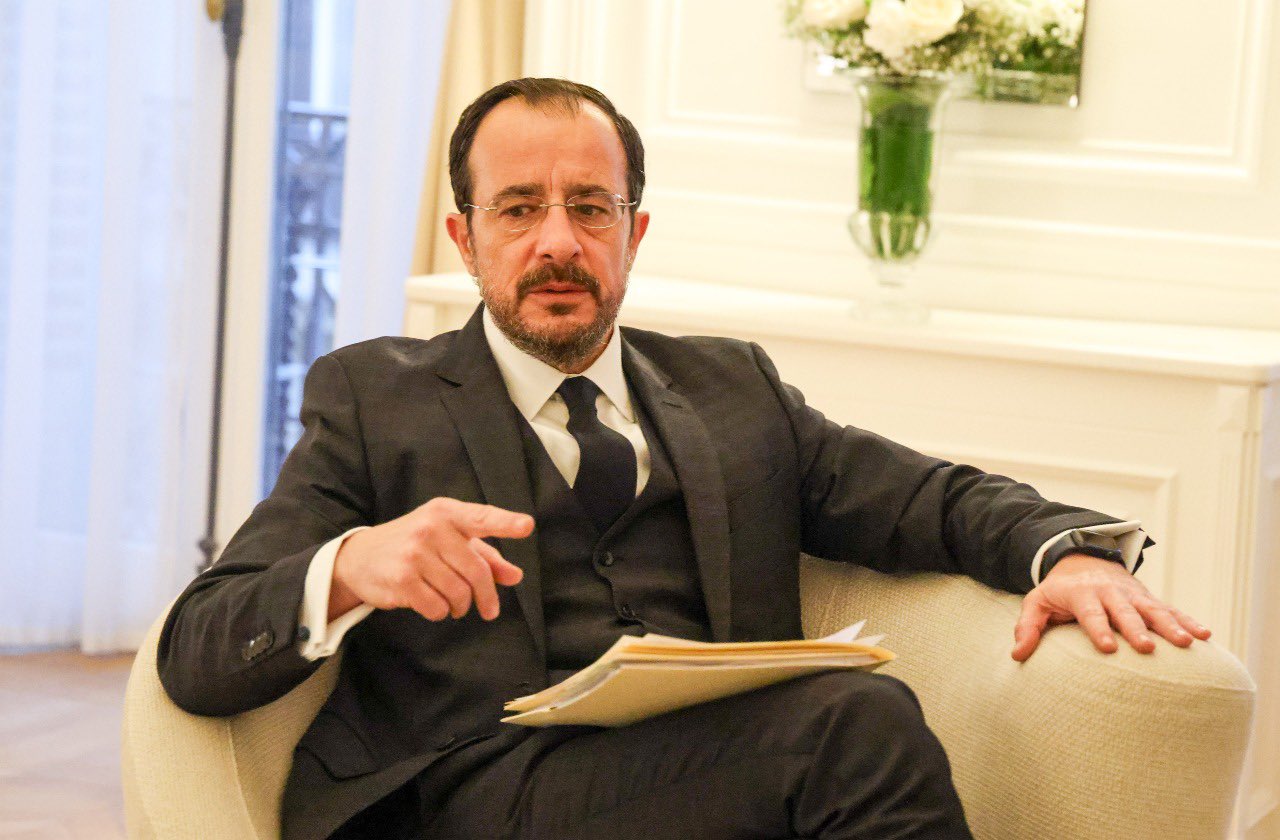
    Joining Nato would be a natural development for Cyprus, according to President Nikos Christodoulides. In an interview with French newspaper Le Figaro, he expressed strong aspirations for the island’s accession to the military alliance.

    Christodoulides stated, “If it were possible for Cyprus to apply tomorrow and receive a positive response from all member states, we would do so.” However, he acknowledged the significant hurdle posed by the unresolved Cyprus problem, which he believes would lead Turkey to veto any application.

    In light of this, the President revealed that efforts are underway to enhance Cyprus’s military capabilities to align more closely with those of existing Nato members. He noted, “For this reason, we are working methodically to strengthen our military to bring it up to the level of other Nato members, while we wait for the political conditions to be met for us to join the organisation.”

    Christodoulides highlighted that Cyprus has already established a clear foreign policy, significantly leaning towards the West. The notion of joining Nato gained traction following his meeting with former US President Joe Biden at the White House last year. Reports indicated that during this meeting, Christodoulides presented a plan for Cyprus’s future accession to Nato.

    Post-meeting, he reiterated that Cyprus was preparing for Nato membership, contingent on Turkey retracting its objections. However, these aspirations were met with resistance from Turkey, whose defence ministry declared that Cypriot membership in Nato would be “unacceptable” and could disrupt the fragile balance regarding the Cyprus issue.

    Shifting focus away from the potential for Nato membership, Cyprus has been actively reorienting its defence strategy towards the West. At the beginning of the year, the United States granted the island permission to procure military hardware directly from its government, marking a significant step in its defence policy.

    Cyprus was integrated into several US defence programmes, including the Foreign Military Sales (FMS) programme, the Excess Defence Articles (EDA) programme, and is set to receive resources under the US’s Title 10 security assistance provisions. These initiatives are designed to bolster Cyprus’s military infrastructure and capabilities.

    In the autumn, the National Guard received the Israeli Barak MX air defence system, a sophisticated surface-to-air missile capable of defending against a wide range of airborne threats. This acquisition further solidifies Cyprus’s position within the US defence ecosystem and reflects its commitment to enhancing its military readiness.
  • Cyprus defence — Cyprus Defence Minister Engages with Israel on Regional Security Ahead of EU Presidency

    Cyprus defence — Cyprus Defence Minister Engages with Israel on Regional Security Ahead of EU Presidency

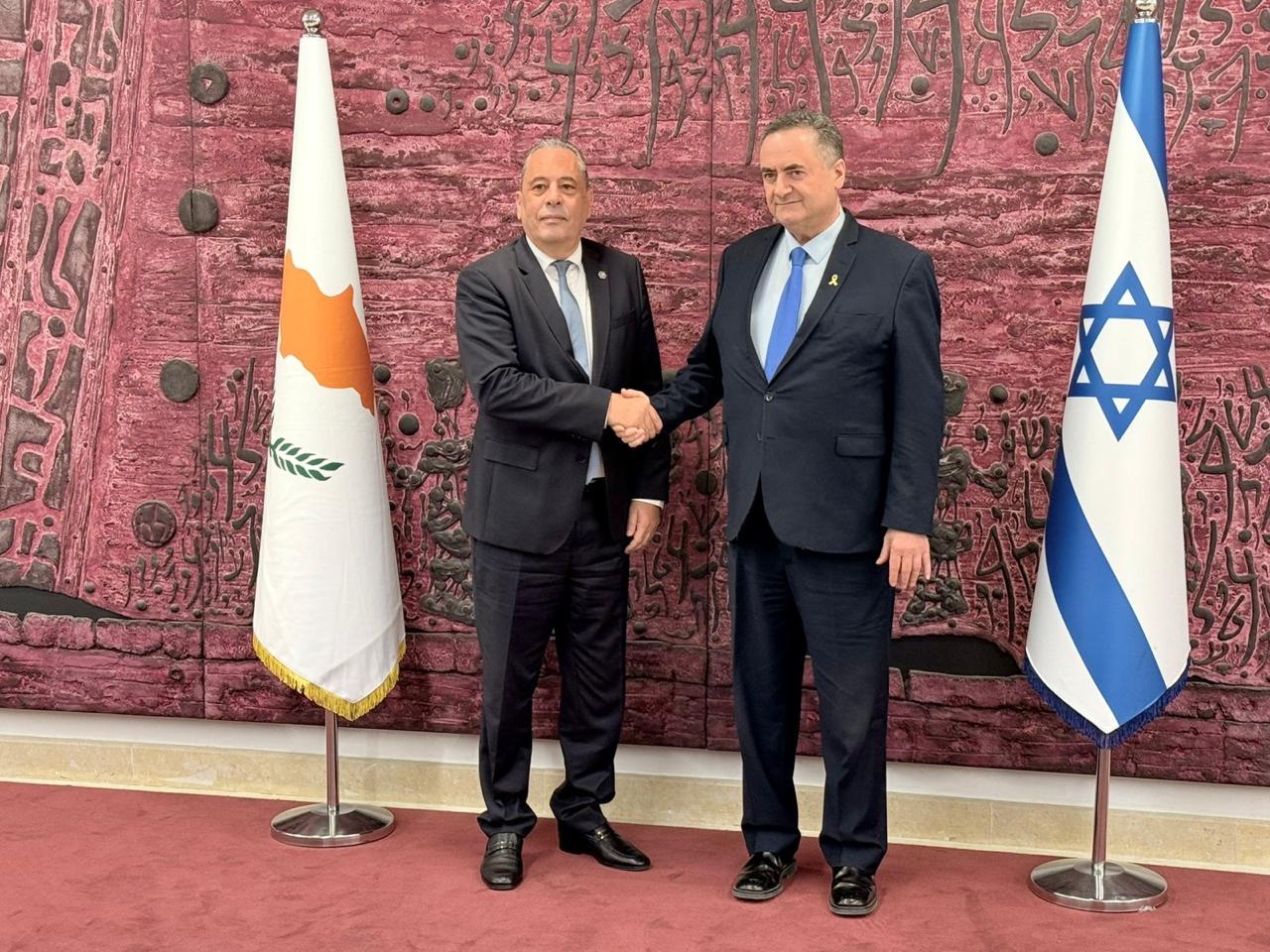
    cyprus defence — cyprus defence — Cyprus’s defence minister visited Israel to discuss regional security and bilateral cooperation ahead of the island’s upcoming European Union presidency. Vasilis Palmas met his Israeli counterpart, Israel Katz, on 15 and 16 December to exchange views on the security situation in Cyprus, Israel, and the wider Eastern Mediterranean and Middle East, according to a ministry statement.

    Photo: in-cyprus.philenews.com

    Cyprus defence: Strengthening Defence Ties

    The two ministers examined ways to reinforce bilateral defence and security ties between their countries. Palmas highlighted the importance of collaboration, stating that the Cypriot government will utilise its forthcoming EU Council presidency to enhance European unity and foster strategic stability in the region.

    Photo: in-cyprus.philenews.com

    Promoting Cooperation and Stability

    During his discussions, Palmas expressed Cyprus’s intent to deepen cooperation with Israel, aiming to encourage dialogue in areas of mutual interest while promoting regional peace, stability, and respect for international law.

    A Visit to the Civil-Military Coordination Centre

    While in Israel, Palmas visited the Civil-Military Coordination Centre, which serves as a key coordination hub for military, humanitarian, and international organisations involved in supporting the Gaza ceasefire implementation. He met with the centre’s commander, Major General Patrick D. Frank, to discuss ongoing efforts and collaborative strategies.

    Looking Ahead

    This visit comes as Cyprus prepares for its significant role in the EU, where it aims to address pressing issues in the Eastern Mediterranean. The discussions reflect a growing commitment between Cyprus and Israel to not only enhance their bilateral relations but also contribute positively to the broader regional landscape.

  • Air space — Cyprus Highlights 328 Turkish Air Space Violations to UN Security Council

    Air space — Cyprus Highlights 328 Turkish Air Space Violations to UN Security Council

    Cyprus has reported extensive Turkish air space violations to the UN Security Council, detailing 328 air incursions and 16 naval breaches during July and August 2025.

    • Cyprus has reported extensive Turkish air space violations to the UN Security Council, detailing 328 air incursions and 16 naval breaches during July and August 2025.

    A letter from Cyprus’s Permanent Mission was circulated among council members on 8 December, revealing that among the air violations, 93 involved Turkish unmanned military aircraft, while 56 were executed by armed military fighter jets. These actions have been described by Nicosia as a clear violation of its sovereignty, independence, and territorial integrity.

    The violations extended beyond mere incursions. Cyprus asserted that Turkish forces breached its national airspace, the Nicosia Flight Information Region (FIR), and territorial waters. Furthermore, allegations were made regarding the illegal use of closed ports and airports by Turkish military units.

    Concerns were also raised over nearly daily entries into the designated dead zone and the bolstering of military infrastructure in occupied territories. Such practices have been characterised as part of Turkey’s persistent aggressive behaviour, aimed at establishing new faits accomplis that threaten the security of all Cypriots.

    In its communication to the UN, Cyprus emphasised that these developments undermine efforts to resume negotiations for a peaceful resolution. Despite these challenges, Cyprus reiterated its commitment to working closely with the Secretary-General and his Personal Envoy to foster the necessary conditions for dialogue. The letter reaffirmed a desire for a bicommunal, bizonal federation with political equality, in line with United Nations resolutions.

    The Cypriot mission has requested that the letter and accompanying documents be officially recorded as part of the 80th Session of the General Assembly under the Cyprus question and the Security Council agenda.

  • Mari naval — Cyprus and France Enhance Mari Naval Base for Permanent French Military Presence

    Mari naval — Cyprus and France Enhance Mari Naval Base for Permanent French Military Presence

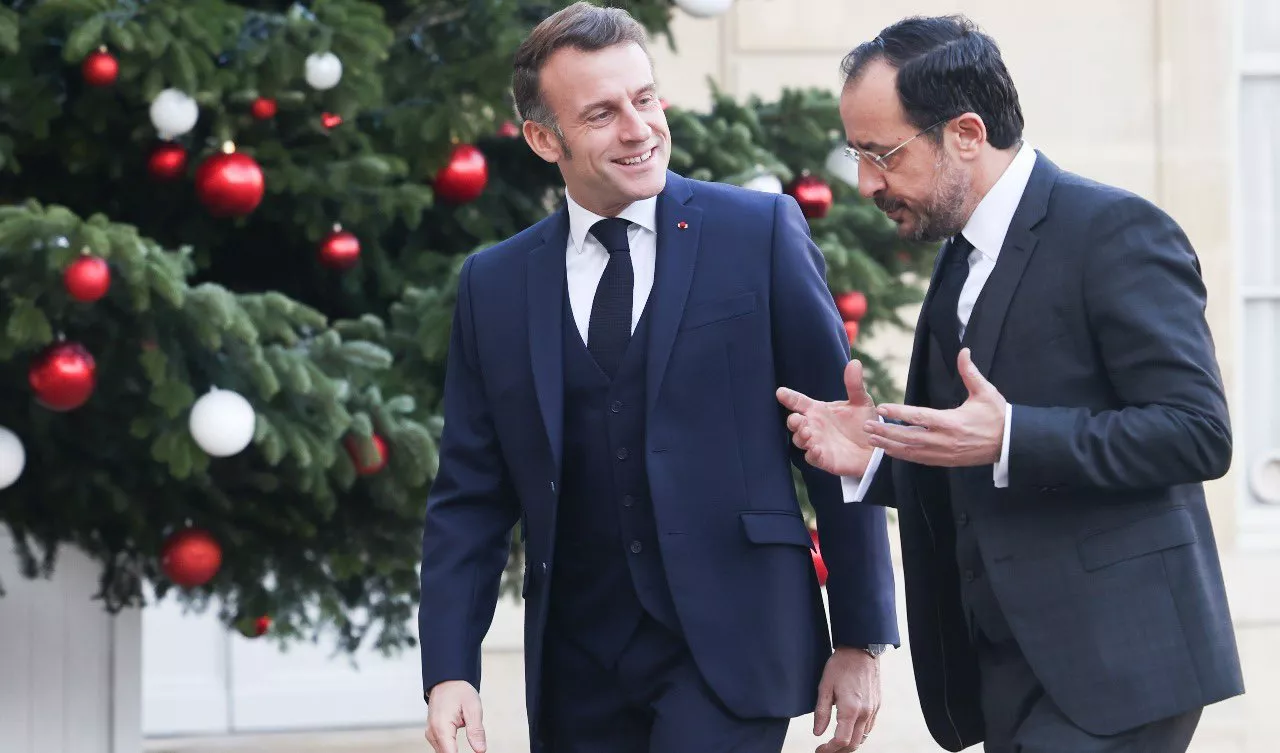
    Cyprus and France have embarked on a significant upgrade of the Mari Naval Base, aimed at ensuring a permanent French military presence in the Eastern Mediterranean. This strategic initiative was formalised through a Strategic Declaration and an accompanying Action Plan for 2026–2030, signed during a visit by President Nikos Christodoulides to Paris.

    Mari naval: Strengthening Defence and Security Collaboration

    The primary focus of the agreement is on Defence and Security, encompassing two main elements: the enhancement of the Mari Naval Base and a substantial defence procurement deal. The upgraded facility will be capable of hosting large French warships, marking a pivotal expansion of military cooperation between the two nations.

    Major Defence Procurement Deal

    As part of the agreement, the French military industry will fulfil 85% of the defence equipment requested by Cyprus under the SAFE programme. This procurement is not merely a transaction; it mandates the involvement of Cypriot companies, stipulating a 15% share in the production of each programme. This provision is expected to result in significant knowledge transfer, bolstering the capabilities of the Cypriot National Guard, particularly in aerial assets and communications systems.

    A Comprehensive Roadmap for Cooperation

    Beyond military enhancements, the Strategic Declaration outlines a broad framework for collaboration across sixteen sectors. This shift from declarations to actionable policies is designed to foster a deeper partnership between Cyprus and France.

    Key Areas of Cooperation

    • Schengen Representation: France will represent Cyprus in 25 third countries, providing consular services related to Schengen visa issuance once Cyprus achieves full Schengen Area accession.
    • IMEC Corridor: The agreement highlights cooperation in the India–Middle East–Europe Economic Corridor (IMEC), recognising Cyprus as a vital hub that contributes to regional stability and interconnectivity.
    • Investment Opportunities: During the governmental meetings, a French company showed interest in making significant investments at Larnaca port, indicating potential economic benefits for Cyprus.
    • Sectoral Collaborations: The agreement also encompasses areas such as Civil Protection, Digital Policy, Public Health, Maritime Affairs, and Energy, including workshops on integrating renewable energy sources into national grids.

    Monitoring and Implementation

    The implementation of the Strategic Declaration and Action Plan will be overseen through annual high-level intergovernmental meetings involving senior officials from the two Foreign Ministries, as well as biennial meetings at the Ministerial level. This structured approach aims to ensure that the initiatives outlined in the agreement are effectively realised and managed.

    Long-Term Implications for Regional Stability

    The upgrade of the Mari Naval Base and the broader agreement signify a pivotal moment in the defence posture of Cyprus and France in the Eastern Mediterranean. By reinforcing military capabilities and enhancing bilateral cooperation, both nations are taking proactive steps towards ensuring regional security and stability.

    As the geopolitical landscape continues to evolve, this partnership may play a crucial role in addressing emerging challenges and fostering a collaborative approach to defence and security in a region of strategic importance.

  • Sleet thunderstorms: Cyprus to Experience Sleet and Thunderstorms as Temperatures Plunge to 8°C

    Sleet thunderstorms: Cyprus to Experience Sleet and Thunderstorms as Temperatures Plunge to 8°C

    sleet thunderstorms — Cyprus is set to face sleet and thunderstorms as temperatures drop to 8°C, driven by a weak low-pressure system affecting the region.

    • sleet thunderstorms — Cyprus is set to face sleet and thunderstorms as temperatures drop to 8°C, driven by a weak low-pressure system affecting the region.

    The weather today will be predominantly cloudy, with scattered rain and isolated thunderstorms expected to begin along the coast before moving inland and to mountainous areas. Notably, the highest peaks of the Troodos Mountains may see sleet or even snow.

    Sleet thunderstorms: Wind Conditions and Sea States

    Winds will primarily blow from the north-east to the south-east, ranging from light to moderate, classified as Force 3 to 4. As the day progresses, these winds are anticipated to strengthen, with temporary strong gusts along the coast reaching Force 4 to 5. The sea, initially smooth to slight, will gradually become generally slight.

    Temperature Expectations Across the Island

    In terms of temperatures, inland areas will rise to around 17 degrees Celsius, while coastal regions are expected to be slightly warmer at approximately 18 degrees. However, the higher mountainous regions will experience a significant chill, dropping to around 8 degrees Celsius.

    Looking Ahead: A Shift in Weather

    As the week progresses, the forecast for Tuesday, Wednesday, and Thursday suggests a return to generally fine weather conditions. Temperatures are not expected to fluctuate significantly until Wednesday, remaining close to average seasonal values. A slight rise in temperatures is anticipated by Thursday.

  • Gavriel exhibition — Paphos Gallery Owner Faces Death Threats Over Gavriel Exhibition

    Gavriel exhibition — Paphos Gallery Owner Faces Death Threats Over Gavriel Exhibition

    gavriel exhibition — gavriel exhibition — An art exhibition by painter George Gavriel was abruptly removed from the Blue Iris Gallery in Paphos after the gallery’s owner received death threats, the artist revealed on Sunday.

    Gavriel stated that he chose to withdraw his works, which frequently explore political and religious themes, due to an escalating “climate of intimidation and terrorism” faced by the gallery owner. This decision was made to ensure the owner’s safety amidst a troubling situation.

    The threats reportedly began on Thursday, sparked by a social media post from a candidate of the far-right ELAM party concerning the exhibition. The situation intensified through Saturday, leading to heightened concern for the gallery’s owner.

    According to sources, the police are aware of the threats and are familiar with the identities of those behind them. However, the gallery owner opted not to file a formal complaint, indicating the level of fear and intimidation surrounding the case.

    Gavriel, who has previously endured scrutiny from the Ministry of Education for his work being deemed “derogatory of religion”, expressed his regret over the need to cancel the exhibition. He emphasised the difficult times artists face, stating, “We live in difficult times where artists exhibit under police guard, and take down their works through extortion and terrorism.”

    Adding to the unsettling events, Gavriel reported that on Saturday, three young individuals entered the gallery’s basement and removed some of the artwork, only to return the pieces later. This incident underlined the volatile atmosphere surrounding the exhibition and the challenges artists face in expressing their work freely.

  • UAE President Sheikh Mohammed Bin Zayed Al Nahyan Visits Cyprus to Enhance Trade

    UAE President Sheikh Mohammed Bin Zayed Al Nahyan Visits Cyprus to Enhance Trade

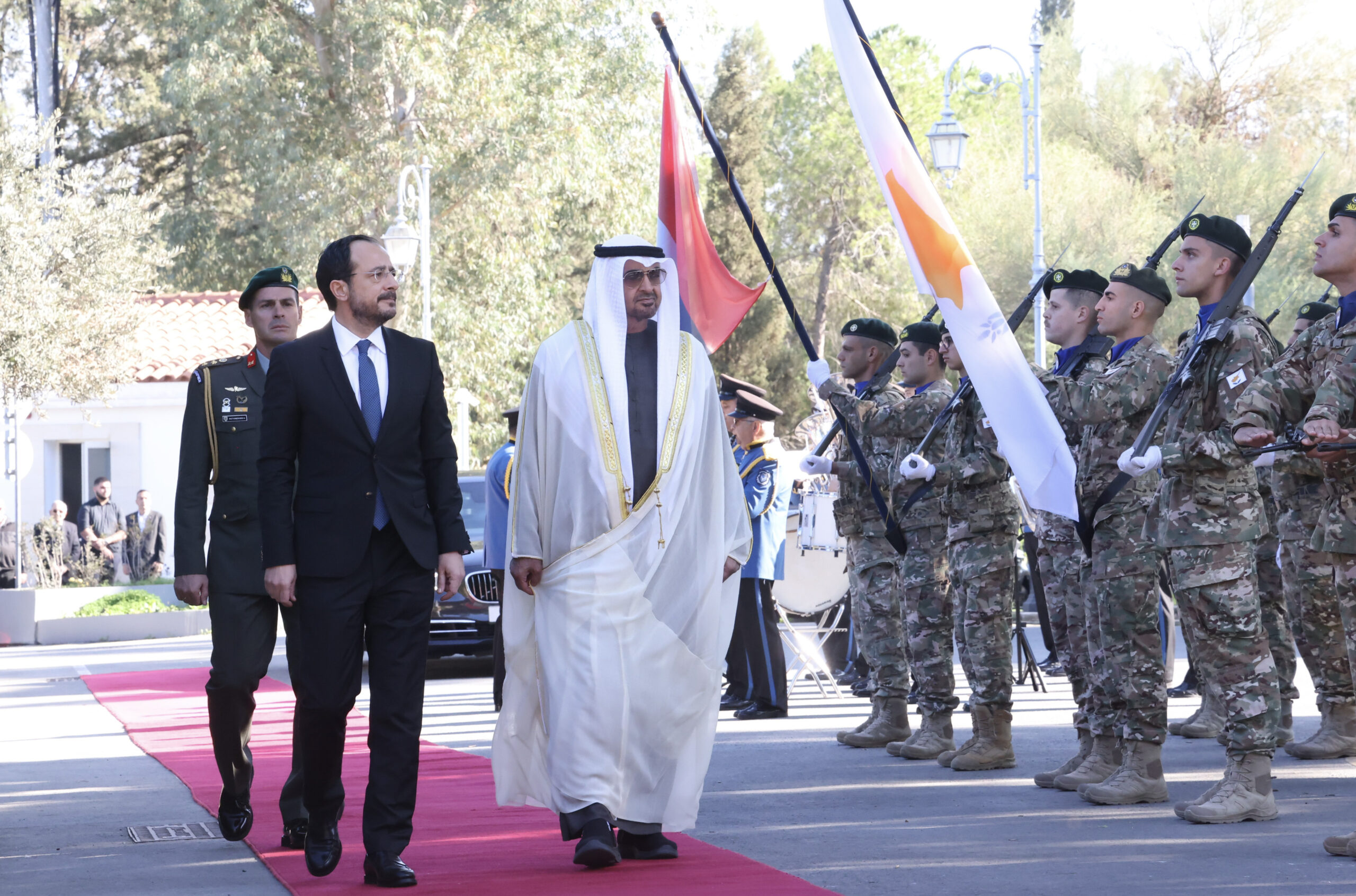
    UAE President Sheikh Mohammed bin Zayed Al Nahyan’s visit to Cyprus marks a significant step in strengthening trade relations between the two nations. On Sunday, he met with Cypriot President Nikos Christodoulides at the presidential palace in Nicosia, an event that is seen as a formal confirmation of the upgraded strategic relationship between the UAE and Cyprus.

    Trade: Welcoming Ceremony Highlights Diplomatic Ties

    The day commenced with a welcoming ceremony at Larnaca airport, where President Christodoulides greeted Sheikh Mohammed with military honours. The national anthems of Cyprus and the UAE resonated through the air as bands from the National Guard and the Cyprus police played, setting a tone of respect and collaboration.

    After the reception, Sheikh Mohammed laid a wreath at the statue of Archbishop Makarios III, further highlighting the significance of the visit. The gathering included senior officials from both nations, such as Foreign Minister Constantinos Kombos and Transport Minister Alexis Vafeades from Cyprus.

    Discussions on Key Areas of Cooperation

    The private meeting between the two presidents was followed by expanded talks involving delegations from both sides. According to Konstantinos Letymbiotis, the government spokesman, the discussions centred on enhancing bilateral cooperation across several important sectors. These include:

    • Investment
    • Energy
    • Technology
    • Trade
    • Education
    • Culture
    • Tourism
    • Shipping
    • Security
    • Critical infrastructure

    Both leaders expressed their commitment to moving from strategic alignment to practical implementation. They underscored the necessity of measurable objectives and actionable plans to fortify their relationship.

    UAE’s Interest in Cypriot Investment Opportunities

    During the talks, particular emphasis was placed on investment, with the UAE showing a keen interest in launching significant initiatives in Cyprus. Priority sectors identified include energy, infrastructure, technology, tourism, and shipping. To facilitate this cooperation, a permanent business framework will be established through a joint UAE-Cyprus business council. This council will link the Cyprus Chamber of Commerce and Industry, Invest Cyprus, and the UAE Chamber of Commerce Federation, providing a stable platform for business collaboration and project development.

    Joint Action Plan and Future Prospects

    The two presidents agreed to collaborate on a joint action plan in areas where their interests converge. This includes trade, investment, energy, political dialogue, tourism, culture, education, shipping, security, and critical infrastructure. The upcoming Cypriot Presidency of the Council of the European Union, set to begin on January 1, 2026, was highlighted as an opportunity to strengthen EU-Gulf relations, particularly with the UAE.

    The discussions also touched on the ongoing negotiations for a free trade agreement between the UAE and the EU, which is anticipated to unlock further avenues for trade, investment, and cooperative efforts.

    Regional and Humanitarian Considerations

    Amid their discussions, both leaders exchanged views on various regional and international issues, focusing on developments in the Middle East. The humanitarian situation in Gaza was particularly emphasised, with commitments to continue providing aid through all available channels. President Christodoulides described the visit as a new chapter in Cyprus-UAE relations, reinforcing the strategic partnership and establishing operational structures with measurable goals.

    “From today, a new chapter opens, defined by trust, shared interests, and our joint commitment to a more connected and prosperous region,” he stated.

    Strengthening the Ties Established Since 2022

    Sheikh Mohammed bin Zayed Al Nahyan remarked that since the establishment of strategic cooperation between Cyprus and the UAE in 2022, the ties have seen substantial growth in various sectors, including energy, industry, trade, investment, tourism, and education. He acknowledged that a UAE-EU free trade agreement would further enhance opportunities with Cyprus and welcomed the forthcoming Cypriot EU presidency as a means to bolster UAE-EU relations.

    As the visit came to a close, President Christodoulides hosted an official luncheon in honour of Sheikh Mohammed, further cementing the diplomatic ties forged during this historic meeting.

  • Exploring How EU Values Have Shaped Cyprus Over Two Decades

    Exploring How EU Values Have Shaped Cyprus Over Two Decades

    How have EU values shaped Cyprus? This question lies at the heart of a two-day event titled Are We European Now?, celebrating 20 years since Cyprus joined the European Union. Hosted by ABR (Alternative Brains Rule) under the project EUnity20, the event invites citizens, artists, researchers, and activists to engage in meaningful dialogue about the essence of being European.

    Taking place at ARTos House in Nicosia on December 19 and 20, the programme features a series of discussions, performances, screenings, and participatory workshops. These activities aim to foster a deeper understanding of how EU values are reflected in daily life and where gaps still exist.

    Critical Conversations on EU Values

    The event encourages open questioning about the impact of EU ideals on Cypriot society. Facilitated by journalist and podcaster Eleni Antoniou, the discussions cover a variety of vital topics, including environmental protection, democratic participation, equality, LGBTQI+ rights, and youth engagement.

    Whose Land, Whose Voice?

    The first panel, featuring Klitos Papastylianou and Andromachi Sofokleous, delves into Cyprus’ environmental challenges. Titled Whose Land, Whose Voice?, this discussion focuses on how EU policies influence land-use decisions and the participation of citizens in these critical matters.

    Bodies, Beliefs, and Who Decides

    Next, Costas Gavrilides and Maria Epaminonda lead a conversation on cultural conservatism in the panel Bodies, Beliefs, and Who Decides. This session examines how societal values shape issues of bodily autonomy, identity, and equality, even within the frameworks established by the EU.

    Fortress or Home

    The third discussion, Fortress or Home, hosted by Giorgos Charalambous and Nicos Trimikliniotis, tackles the complex relationship between migration, identity, and Cyprus’ role in the European project. This panel highlights the shifting perceptions of Cyprus as it grapples with these challenges.

    Permission to Speak

    Finally, Giorgos Koukoumas and Christiana Xenophontos address political participation in the session Permission to Speak. This discussion focuses on the reasons behind the growing sense of disenfranchisement among young people in Cyprus, particularly regarding protest rights and civic engagement.

    Artistic Expression Meets Public Dialogue

    Complementing the discussions, the event features various artistic performances and workshops. Participants can engage in activities like crafting postcards and letters to the EU and the Cyprus Parliament, encouraging a blend of artistic expression with civic participation.

    A notable feature is The Box of Full-Filling, a workshop led by Nurtane Karagil that collects personal statements, slogans, and found objects, creating a collective snapshot of individual experiences. This participatory element aims to capture the essence of what it means to be European in Cyprus today.

    The event kicks off on Friday evening with screenings and performances, including an introduction to the Visual Voices exhibition. This showcase is part of the art collective’s Relate series and highlights the work of artists with migrant backgrounds, reinforcing the theme of artistic engagement throughout the weekend.

    As Cyprus reflects on two decades of EU membership, Are We European Now? serves as a vital platform for exploring the intersection of EU values and everyday life on the island, fostering hope for a more inclusive and engaged future.

  • Neglect and Overcrowding in Cyprus Cemeteries Reflect Cultural Differences

    Neglect and Overcrowding in Cyprus Cemeteries Reflect Cultural Differences

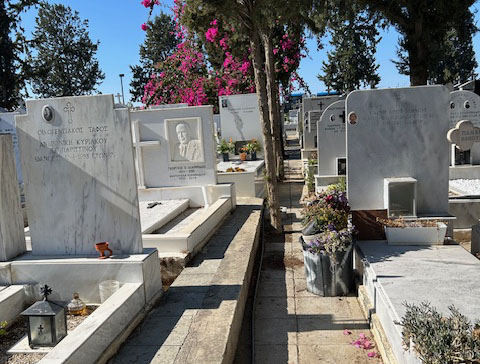
    Neglect and overcrowding in Cyprus cemeteries highlight the stark contrasts with grave management in other countries, particularly in Europe. A recent visit to a cemetery in Nicosia revealed a disheartening scene: narrow pathways and overgrown graves, many of which have been unattended for decades.

    Photo: cyprus-mail.com

    Overcrowding: Contrasting Cemetery Experiences

    In stark contrast, cemeteries in countries like Germany are often designed as serene parks, where people not only pay respects but also enjoy leisurely walks. A local resident from Dortmund remarked, “The main cemetery in Dortmund is where most people walk their dogs. It is a place where you feel at peace.” This sentiment speaks volumes about the cultural integration of cemeteries into daily life in northern Europe, a stark difference from the experience in Cyprus.

    Photo: cyprus-mail.com

    The Role of Land Ownership

    One key factor contributing to the overcrowding in Cypriot cemeteries is land ownership. The Church in Cyprus owns vast amounts of land, which raises questions about prioritisation. While they have the capacity to develop luxury housing, it prompts the question: why not allocate more land for peaceful resting places? A local visitor pondered if the Church might consider enhancing these spaces for the living, as well as the deceased.

    Cultural Influences on Grave Management

    Graveyards reflect societal values and traditions. According to an AI analysis, “Differences exist in cemetery design and grave space management, which can be influenced by region, climate, and cultural traditions.” In Cyprus, older cemeteries are often overcrowded, with perpetual rights to grave plots meaning families can reserve a space indefinitely. This contrasts sharply with the practice in Germany, where graves are typically leased for a set period, often ranging from 20 to 30 years. After this time, families are contacted to remove headstones and belongings.

    The Value of Perpetual Rights

    Perpetual rights to graves in Cyprus cater to a society that cherishes long family traditions. This arrangement allows families to return to visit graves of their loved ones over the years. However, challenges arise when there are no surviving relatives to maintain these graves, leading to neglect and abandonment. As the island’s population ages, the cycle of care for these graves may dwindle.

    Reluctance Towards Cremation

    Another layer to this issue is the cultural reluctance towards cremation in Cyprus. In northern Europe, cremation is widely accepted, with approximately 779,100 cremations in Germany in 2022, accounting for about 78 per cent of total deaths. The preference for burial in Cyprus requires more space and maintenance, yet there remains no crematorium on the island, further exacerbating the space limitations in cemeteries.

    Looking Ahead

    As discussions about cemetery management continue, the differences between northern and southern European attitudes towards death and remembrance become increasingly apparent. It raises crucial questions about the future of burial practices in Cyprus and the potential for change in how communities honour their deceased.

  • Economic ties: Cyprus and UAE Forge Stronger Economic Relations with New Business Council

    Economic ties: Cyprus and UAE Forge Stronger Economic Relations with New Business Council

    economic ties — economic ties — Cyprus and the United Arab Emirates (UAE) have significantly advanced their economic relations with the establishment of a joint business council, a move that underscores a remarkable growth in non-oil trade between the two nations.

    At a recent business forum in Nicosia, UAE Trade Minister Thani bin Ahmed Al Zeyoudi revealed that non-oil trade reached $176 million in the first nine months of this year, marking an almost 40 per cent increase compared to the same period last year. This surge is approaching the total trade value recorded in 2024, indicating robust economic momentum.

    The newly formed UAE-Cyprus Joint Business and Investment Council aims to foster structured cooperation among businesses and investors, opening doors for greater collaboration. During his address, Al Zeyoudi highlighted the forum as a prime opportunity to explore synergies across sectors of mutual interest.

    Recent initiatives reflect this growing partnership, including the establishment of the Cyprus Business Council in Dubai last month, which is designed to enhance collaboration in key areas such as finance, green technology, tourism, and logistics. These developments are part of a broader strategy to strengthen ties and facilitate mutual investment.

    Al Zeyoudi also pointed out that the Investopia investment platform from the UAE hosted its first international events in Cyprus in June, which reinforces the island’s position as a gateway to Europe for Middle Eastern investors. He noted the similarities in the economic models of both countries, characterised by streamlined company registration processes, innovation incentives, and low corporate tax rates.

    Both Cyprus and the UAE serve as essential hubs for shipping and fintech, attracting foreign direct investment in sectors like real estate, technology, and renewable energy. Al Zeyoudi encouraged UAE companies to seek opportunities in Cyprus while inviting Cypriot businesses to view the UAE as a base for regional expansion, particularly towards Asia and the wider Middle East.

    Commerce Minister Michael Damianos described the Memorandum of Understanding (MoU) as a “major step forward” in institutionalising economic cooperation. He expressed confidence that the council would provide a structured platform for entities seeking collaboration, facilitating knowledge exchange, joint ventures, and cooperative projects.