Category: News

  • Cyprus Weather Whims Bring Hail and Tornado to the Island

    Cyprus Weather Whims Bring Hail and Tornado to the Island

    cyprus weather — Cyprus weather whims have recently led to surprising meteorological events, including hailstorms in Limassol and a tornado in Avgorou. Just last Friday, the idea of hurricanes and hailstones the size of halloumi was playfully suggested, and shortly after, the island experienced these wild weather phenomena.

    Photo: cyprus-mail.com

    Cyprus weather: Unexpected Hail in Limassol

    The hail that fell across Limassol was significant enough to create a white landscape, catching many residents off guard. Reports indicate that the hailstones were quite large, with anything above 2 cm categorised as ‘large hail’. This isn’t the first time large hail has impacted the region; similar events occurred in October 2020 and August 2019, when hailstones of comparable sizes caused visibility issues and crop damage.

    The Impact on Agriculture

    While such weather may seem like a curiosity, it poses real threats to Cyprus’ agricultural sector. Potatoes, a vital export crop, particularly from the ‘red soil’ regions, could face severe damage from hail. As the island’s economy relies heavily on tourism, which accounts for approximately 15-20 per cent of the GDP, the agricultural impact can reverberate throughout the economy. The loss of crops due to unpredictable weather patterns underscores the fragility of the island’s economy.

    Weather Comparisons and Historical Context

    Despite the unusual nature of recent weather events in Cyprus, they pale in comparison to some of the most extreme hail occurrences recorded worldwide. The largest hailstone ever documented measured over 20 cm in diameter, while hail in Bangladesh has caused numerous fatalities. In 1888, India experienced the deadliest hailstorm, resulting in 246 deaths and devastating livestock.

    Current Weather Conditions

    Fortunately, the weather over the weekend has been milder. In Nicosia, temperatures reached a comfortable 23°C on Friday, with partly sunny skies. The forecast indicated a gradual warming trend through Saturday, before cooling slightly to 20°C on Sunday. Monday promises clearer skies with more sunshine.

    Limassol’s weather mirrored this trend, with Friday’s temperature climbing to 26°C. A brief precipitation event resulted in a 9-cm measurement that most likely reflects a data anomaly rather than a significant rain event. As the weekend progresses, temperatures are expected to hover around 21°C on Sunday, rebounding to 23°C on Monday.

    Regional Forecasts

    • Larnaca: Starting under mostly cloudy skies at 25°C on Friday, warming to 26°C on Saturday before dipping to 22°C on Sunday.
    • Paphos: A mix of partly sunny conditions and showers is expected, with temperatures ranging from 21°C on Sunday to 23°C on Monday.
    • Ayia Napa: This region will experience breezy conditions, with sunny spells on Friday and a temperature drop to 20°C on Sunday.
    • Troodos: The mountainous area will feel the chill, with temperatures dropping to near freezing on Saturday, and only reaching 15°C by Monday.

    Looking Ahead

    As the current pleasant weather settles in, indications suggest that more rain is on the horizon. Forecasts predict light showers across most districts on Thursday and Friday, coupled with cooler temperatures and breezier conditions. This upcoming weather shift will require residents to prepare adequately.

    Weekend Weather Tips

    • Savour the calm after a tumultuous week of hail and tornadoes.
    • Utilise Saturday’s sunshine for outdoor activities, as it offers the best weather of the weekend.
    • Be mindful of wind conditions, particularly in coastal areas and the Troodos region.
    • Make the most of Monday’s clear skies, providing a bright start to the week ahead.
    • Prepare for the anticipated rain later in the week, utilising the stable weather to catch up on any outdoor plans.

    As Cyprus navigates these erratic weather patterns, the hope is that the island can find a balance between enjoying the beauty of its climate while also safeguarding its agricultural and economic stability.
  • MPs Progress on Teacher Evaluation Bill, Seeking Compromise

    MPs Progress on Teacher Evaluation Bill, Seeking Compromise

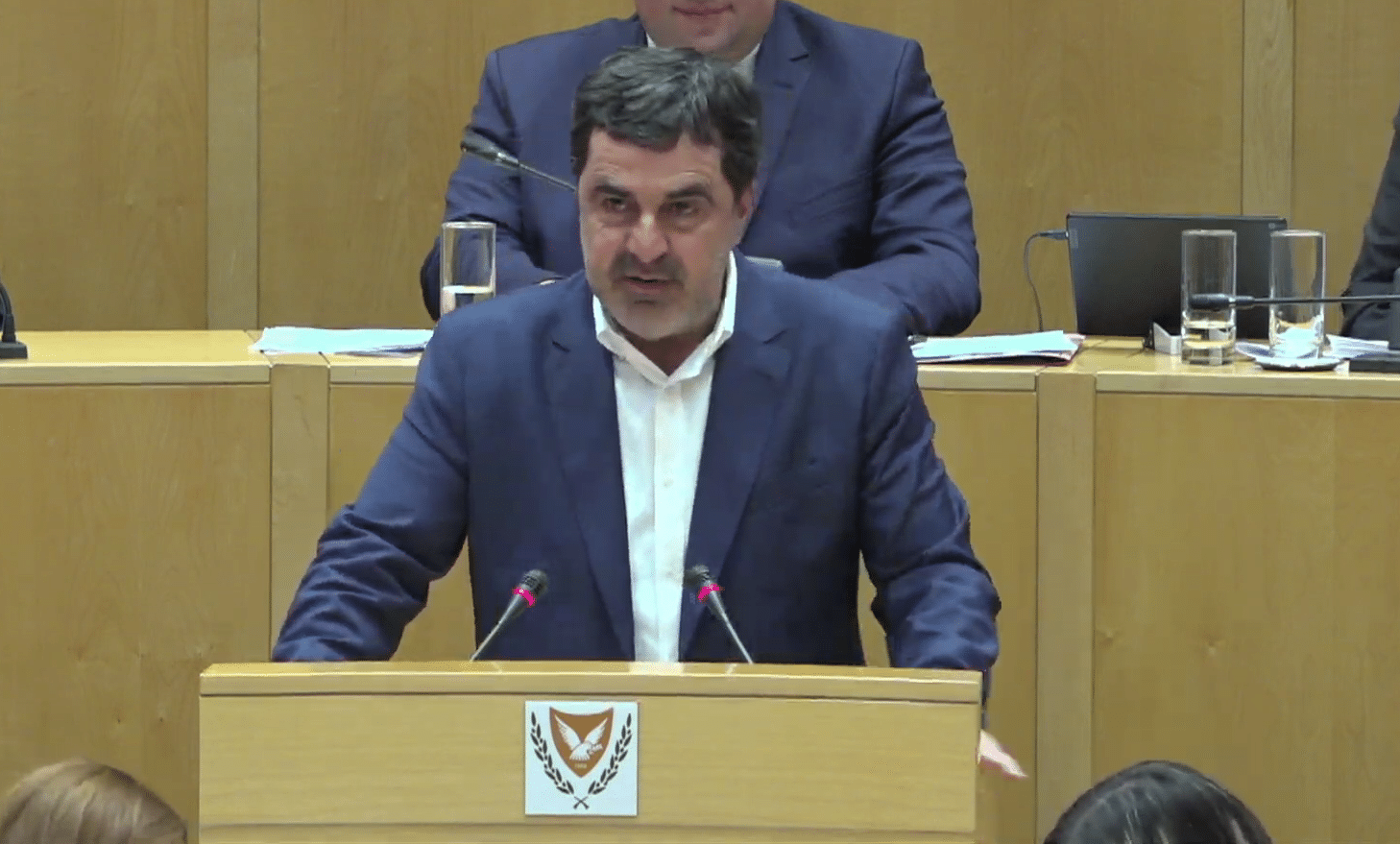
    MPs are advancing discussions on a new teacher evaluation bill aimed at enhancing teaching performance, according to Diko MP Pavlos Mylonas, the chair of the House education committee. Mylonas expressed optimism that a workable outcome is within reach as various parties and individual MPs prepare amendments to the proposed legislation.

    Negotiations Focused on Clarity and Compromise

    Amid ongoing discussions, Mylonas highlighted the committee’s efforts to explore compromises that address concerns raised by education unions. He noted that ambiguities within the legislative framework, particularly regarding overlapping responsibilities, need clarification. The committee intends to tackle these issues during an article-by-article debate, and an extraordinary session may be convened if necessary to ensure the process is completed efficiently.

    Confidence in Plenary Progress

    When asked about the likelihood of the bill reaching the plenary, Mylonas conveyed strong confidence, stating he was “almost certain” that parliamentary groups would maintain their current positions. He emphasised the importance of creating a system that benefits teachers, ultimately leading to improved educational outcomes for students.

    Aiming for a Fairer Evaluation System

    Mylonas acknowledged that while the emerging proposal from the committee may not be flawless, it represents a genuine effort to establish a fair, effective, and merit-based evaluation system. With over 20,000 educators and more than 100,000 students impacted, the need for a balanced approach is paramount, and differing opinions are to be expected.

    Placing Students at the Centre

    Throughout the discussions, Mylonas reiterated the necessity of focusing on students’ needs, asserting that the interests of the majority should guide the legislative process. He remains hopeful that an agreement can be reached that reflects the collective interests of all stakeholders involved in the education sector.

    A Historical Perspective on Teacher Evaluation

    The push for a modernised teacher evaluation system follows Cyprus’s long-standing commitment to educational reform, dating back fifty years to the introduction of the first evaluation system. With the Republic now under EU obligations to update this framework, the stakes are high. The education ministry’s initial proposal, made nearly a year ago, has faced strong resistance from state school teachers, who advocate for maintaining the status quo while presenting their demands for change.

    A Comprehensive Summary of Ongoing Debates

    As discussions continue, a comprehensive summary of the long-standing debate regarding the new evaluation system is available for those looking to understand the complexities and nuances of this significant legislative effort.

  • Eu safe — Cabinet Approves Arms Procurement for EU Safe Programme

    Eu safe — Cabinet Approves Arms Procurement for EU Safe Programme

    eu safe — The cabinet has approved the list of armaments that Cyprus intends to procure through the Security Action for Europe (Safe) programme.

    • eu safe — The cabinet has approved the list of armaments that Cyprus intends to procure through the Security Action for Europe (Safe) programme.

    Prepared by the defence ministry, the list signifies a strategic move towards enhancing Cyprus’s defensive capabilities. Defence Minister Vasilis Palmas, while remaining tight-lipped about the specifics, emphasised the defensive nature of the armaments. “Under no circumstances do the armaments programmes on the list concern weapons systems with an offensive posture,” he stated, reflecting on Cyprus’s historical context as an occupied territory for over five decades.

    The formal submission of the armaments list to the European Commission is scheduled for November 30. Minister Palmas explained that once the procedure receives final approval, Cyprus will have access to allocated funds amounting to €1.2 billion. This crucial financial backing will enable the country to effectively bolster its defence mechanisms.

    Following the approval, the defence ministry plans to collaborate with the finance ministry to integrate these funds into the annual state budget. When asked about the potential suppliers for the procurement, Palmas noted that while France and Germany are among the likely candidates, there are various other countries involved in joint armament production.

    The Safe programme aims to foster collaboration among EU member states and allies for common procurements of military hardware. All EU member states, along with Ukraine, four European Economic Area states—namely Iceland, Liechtenstein, Norway, and Switzerland—and six additional nations with defence agreements with the EU, including Albania, Japan, Moldova, North Macedonia, South Korea, and the United Kingdom, are eligible to participate.

    Safe will provide long-term, low-cost loans to assist EU nations in acquiring essential defence equipment. To facilitate this, EU member states must submit their national investment plans to the European Commission by the end of November. The Commission will assess these plans with the aim of initiating the first disbursements in early 2026.

  • Cyprus National Guard Completes MEDUSA-14/2025 Exercise in Egypt

    Cyprus National Guard Completes MEDUSA-14/2025 Exercise in Egypt

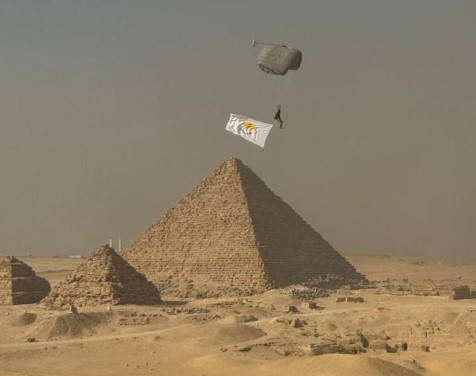
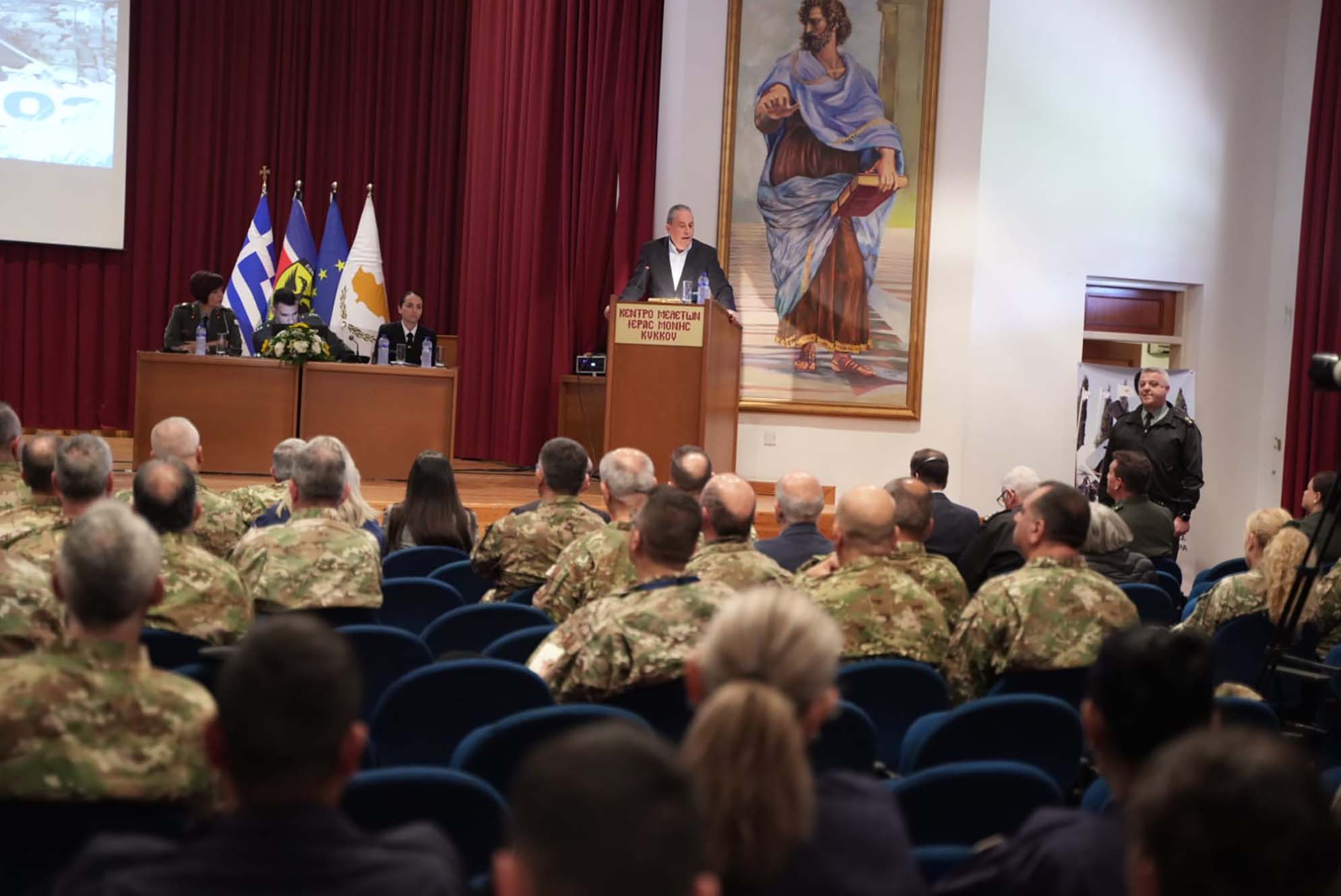
    The Cyprus National Guard has concluded its participation in the multinational exercise MEDUSA-14/2025, which took place in Alexandria, Egypt. This ten-day event involved various military units from Cyprus, Greece, France, Egypt, and Saudi Arabia, focusing on enhancing cooperative operational capabilities.

    Photo: cyprus-mail.com

    Medusa-14: Multinational Collaboration

    During the exercise, forces from five nations came together to engage in a range of aeronautical operations. The Cyprus contingent included a submarine disaster team from the navy command, a special operations team, and the offshore patrol vessel “Ioannidis.” This vessel has a history of participation in similar exercises, underscoring its operational readiness.

    Final Phases and Leadership Participation

    The concluding phase of MEDUSA-14/2025 commenced on 16 November and culminated on Tuesday. Lieutenant General Emmanuel Theodorou, the newly appointed Chief of the National Guard, was present to oversee the final activities of the exercise, reflecting the importance of the event for Cyprus’s military strategy.

    A Focus on Coordination and Tactics

    The primary objective of the exercise was to enhance the coordination of multilateral actions at both operational and tactical levels. Such training is vital for ensuring that allied forces can effectively collaborate in real-world scenarios, promoting regional stability and security.

    Annual Tradition of MEDUSA Exercises

    MEDUSA is an annual military exercise typically held between October and November. Last year, the exercises were conducted in the maritime area of Crete, demonstrating a commitment to continuous improvement in joint military operations across the Mediterranean region.

  • House Discusses Impact of AI on Democracy and Future Elections

    House Discusses Impact of AI on Democracy and Future Elections

    The effects of artificial intelligence (AI) on democracy have emerged as a pressing concern for lawmakers, particularly in the context of its potential influence on future elections. This topic dominated discussions at the House institutions committee on Wednesday, where members expressed their unease regarding Cyprus’ readiness to handle potential AI-driven interferences.

    Ai: Concerns Over External Influences

    During the committee meeting, attending MPs voiced fears about the prospect of external influences manipulating information distributed through AI applications during election periods. The chairman of the committee, Demetris Demetriou, a member of the Disy party, urged the government to put in place effective protection mechanisms for users. He called for the establishment of control measures to oversee the application of technology in political contexts.

    Amending Legislation for New Challenges

    Vasiliki Triga, a professor of political communication, highlighted the urgent need to amend current legislation to address the challenges posed by the increasing use of AI. Triga warned that applications like ChatGPT should not be regarded as “safe” for information gathering, as they often contain biases that could skew public perception.

    Regulatory Efforts Underway

    According to a representative from the digital policy directorate of the deputy ministry of innovation, efforts are already underway to regulate AI in Cyprus. The relevant EU regulation is currently under discussion at both national and European levels, especially with Cyprus set to assume the EU Council Presidency soon. The ministry official mentioned that a study had been initiated to evaluate the current state of AI implementation on the island, identify stakeholders, and support the development of a national legal framework. A preliminary version of this framework is already in place.

    Timeline for Legislative Changes

    The official presentation of the proposed bill is scheduled for March 2026, which aims to address the concerns raised during the committee discussions. In the meantime, Maria Stylianou-Lottides, the commissioner for administration and human rights, along with Maria Christofidou, the information and personal data protection commissioner, have been appointed as the supervisory authorities overseeing the regulation of AI usage.

    Progress in Regulatory Measures

    Officials from the Radio-Television Authority, tasked with supervising the implementation of the EU’s digital services act, reported that measures to facilitate regulation are advancing. They indicated that the regulation is currently under study, and procedures addressing the issues raised by the regulation are being drafted. Additionally, plans are in motion to create a register of entities that will be supervised under this new regulatory framework.

    Promoting News Literacy and Digital Awareness

    Nikolas Karydis, a representative from the Institute of Mass Media (IMME), emphasised the importance of fostering news literacy among the public. He underlined the necessity for both young people and the elderly to develop skills that will enable them to identify misinformation, particularly in an era where social media plays a significant role in information dissemination.

    Educational Initiatives in Digital Literacy

    Thanasis Tsokos, the director general of CyBC, highlighted the broadcaster’s commitment to promoting digital literacy from a young age. He advocated for the development of educational courses that would teach children about the possibilities and risks associated with digital technology, thus preparing them to navigate the challenges posed by AI and misinformation.

    Public Concerns About Misinformation

    A recent survey conducted by the Union of Cyprus Journalists revealed that television and social media remain the primary sources of information for 72 per cent of the public. Alarmingly, 44 per cent of respondents indicated that misinformation and fake news are significant concerns. The survey also found that online portals and radio are the next most common sources of information, followed by the printed press, which has a notably lower engagement at 15 per cent. Only 10 per cent of the public rely on Greek press sources, while foreign press accounts for just 9 per cent.

  • Government’s Waste Management Plan Faces Harsh Criticism

    Government’s Waste Management Plan Faces Harsh Criticism

    The government’s waste management plan has come under intense scrutiny from members of the House environment committee, who labelled it as ‘inadequate’ during a meeting on Wednesday.

    • The government’s waste management plan has come under intense scrutiny from members of the House environment committee, who labelled it as ‘inadequate’ during a meeting on Wednesday.

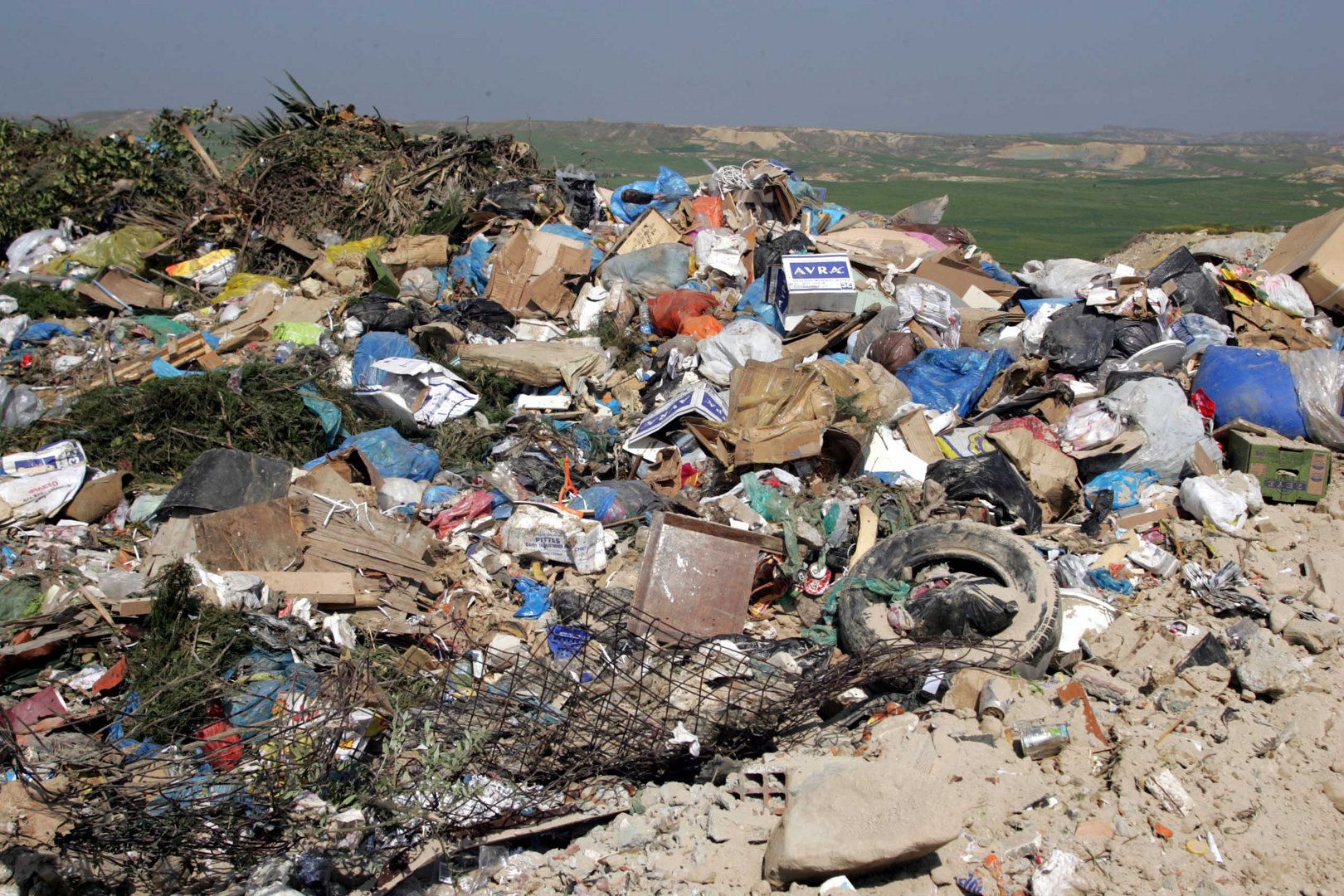
    Leading the charge, committee chairman and Greens MP Charalambos Theopemptou highlighted alarming issues such as uncontrolled landfills, hazardous unrecycled materials, and significant gaps in the collection systems. He expressed deep concern over the current situation, stating he felt “ashamed” as Cyprus prepares to take its turn as EU President in the first half of 2026.

    Theopemptou pointed out that since joining the European Union in 2004, Cyprus has struggled to implement critical EU directives on waste management, instead opting for a simplistic approach of burying waste. He urged for immediate action in light of the new EU legislation on packaging and recycling, calling for updated public contracts that mandate the use of recycled materials in construction.

    While the committee acknowledged progress in certain areas, such as steady developments in paper recycling and the presence of recycling bins in 70 per cent of pharmacies for expired medicines, other significant issues remain unaddressed. One pressing concern is the lack of a collection system for greenhouse nylon, which has led many farmers to resort to burning the material, releasing harmful pollutants into the environment.

    Theopemptou also raised alarms regarding hazardous components found in old appliances. He cited the dangers posed by materials like circuit boards in washing machines and the gases found in air conditioners, which, if not handled properly, could lead to environmental and health risks.

    Adding to the concerns, he stated that 40 per cent of the packaging submitted for recycling is currently non-processable, which raises questions about public education on recycling and compliance among manufacturers. A significant volume of non-recyclable materials ends up at the Koshi facility or is disposed of illegally, exacerbating the waste crisis.

    Akel member Nikos Kettiros joined the criticism, describing the waste management programme as “problematic” and highlighting the lack of clarity regarding its expected outcomes. He pointed out a shocking statistic: only one third of all engine oils are collected, with no oversight on where the remaining quantities are going.

    Collection rates for electrical and electronic equipment are similarly low, standing at around 30 per cent. Kettiros expressed frustration over the proliferation of illegal dumping sites, which continue to fill rivers and fields, driven by high disposal costs that incentivise illegal dumping.

    Despite instructions from the environment department to local authorities to clean up specific areas, Kettiros lamented that new dumping sites seem to appear just as quickly as existing ones are cleared. He insisted that the government’s updated waste management plan, which is expected in 2026, must provide effective and sustainable solutions to address the pressing waste crisis facing Cyprus.

  • Cyprus and Lebanon Finalise Exclusive Economic Zone Agreement After Two Decades of Negotiation

    Cyprus and Lebanon Finalise Exclusive Economic Zone Agreement After Two Decades of Negotiation

    exclusive economic — Cyprus and Lebanon have officially signed an exclusive economic zone (EEZ) delimitation agreement, concluding a dispute that has lasted two decades and paving the way for collaborative energy exploration in the eastern Mediterranean.

    Exclusive economic: Historic Signing Ceremony

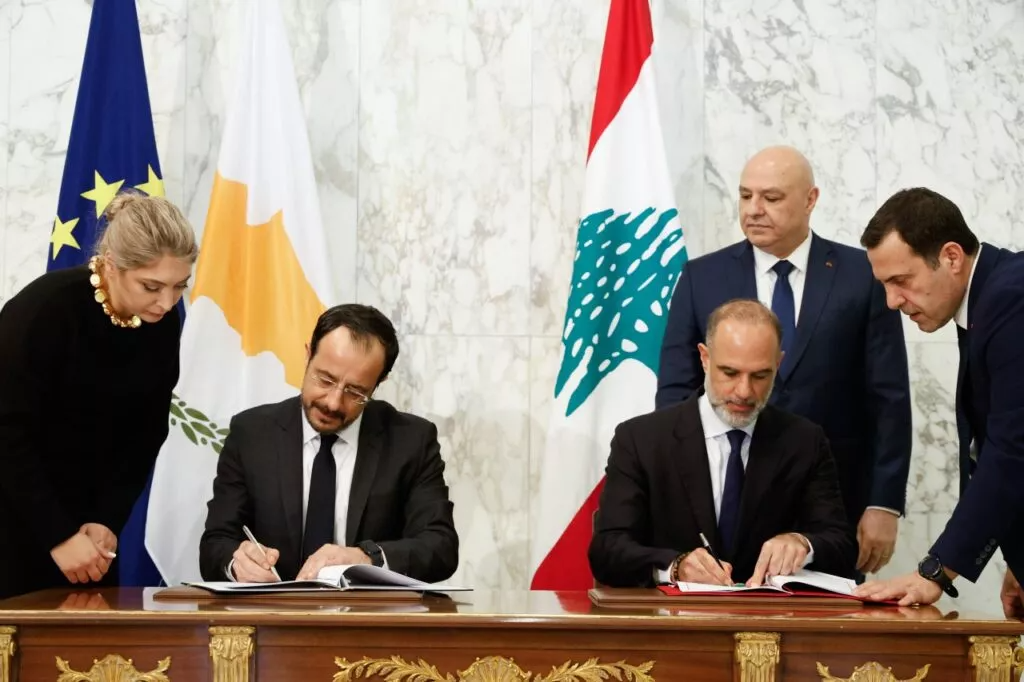
    The agreement was signed on Wednesday at Baabda Palace, with President Nikos Christodoulides of Cyprus and President Joseph Aoun of Lebanon presiding over the event. The Cypriot President, alongside Lebanon’s Minister of Transport and Public Works, Fayez Rassamny, represented their respective nations in this significant accord.

    Legal Certainty for Investors

    Both leaders expressed that the agreement establishes maritime boundaries, providing essential legal clarity for potential investors interested in energy exploration. Following the ceremony, President Christodoulides remarked that the signing is a milestone for bilateral relations, emphasizing the importance of international law and good neighbourly relations.

    A Strong Political Message

    President Christodoulides described the signing as a strong political message, indicating that Cyprus and Lebanon are committed to fostering trust and mutual respect. He highlighted the role of Lebanese political will in making this agreement possible, acknowledging the efforts of President Aoun, Prime Minister Nawaf Salam, and Lebanon’s political leadership.

    He commended the negotiating teams led by Rassamny and Cyprus’s national security adviser, Tasos Tzionis, for their diligent work, which he described as “tireless and methodical” and conducted “in a spirit of trust and transparency.”

    Strengthening Bilateral Cooperation

    During his address, Christodoulides noted that this marks the third exchange of visits between the two leaders in less than a year, reflecting the strong ties that bind the two nations. He underscored the agreement’s potential to enhance cooperation in crucial sectors such as energy and infrastructure.

    Exploring Maritime Resources

    President Aoun welcomed the agreement, stating it would enable both countries to begin exploring their maritime resources and bolster cooperation at this level. He outlined potential new joint projects in various sectors, including renewable energy, telecommunications, electricity transmission, and tourism.

    Joint Defence Initiatives

    The Lebanese president also noted the ongoing cooperation in defence and security, mentioning a joint search and rescue centre operated by both nations’ defence ministries. This initiative signifies a commitment to regional stability and collaboration in addressing common challenges.

    Feasibility Study for Electrical Interconnection

    In a significant development, both presidents announced their intention to pursue a feasibility study for an electrical interconnection between Cyprus and Lebanon. They have approached the World Bank to assist in this project, which has the potential to enhance energy cooperation.

    Broader Bilateral Discussions

    Aside from energy cooperation, the leaders engaged in discussions on broader bilateral cooperation, regional developments impacting both nations, and Lebanon’s relations with the European Union. Aoun expressed anticipation for Cyprus to assume the presidency of the Council of the European Union in the first half of 2026, hopeful that it will facilitate stronger ties with the EU.

    Invitation for Future Collaboration

    In closing, President Christodoulides reaffirmed Cyprus’s support for Lebanon’s sovereignty and territorial integrity, declaring Cyprus as a reliable partner in the region. He extended an invitation to President Aoun for upcoming events, including the EU presidency assumption ceremony on 7 January and a Council meeting in April, where sectors such as energy and education will be discussed.

    This EEZ delimitation agreement not only marks a significant step in Cyprus-Lebanon relations but also opens the door for future collaboration in energy and infrastructure, reflecting a commitment to mutual prosperity in the eastern Mediterranean.

  • Service weapon — Police Officer Injured by Service Weapon Discharge in Paralimni

    Service weapon — Police Officer Injured by Service Weapon Discharge in Paralimni

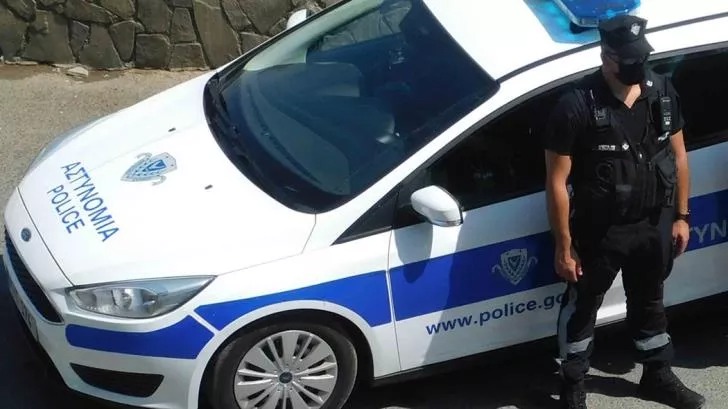
    A police officer was injured after a discharge of a service weapon in the Paralimni Police Station on Monday evening.

    • A police officer was injured after a discharge of a service weapon in the Paralimni Police Station on Monday evening.

    The incident occurred at approximately 19:45 during routine security procedures for the handover of firearms. According to an official announcement, two officers were involved in the handover process when the weapon accidentally discharged.

    The discharge resulted in a leg injury for one officer, who was promptly transported by ambulance to Famagusta General Hospital. Medical staff assessed the injury and confirmed it to be a superficial wound to the left leg. The officer is expected to receive stitches and be discharged shortly.

    In light of the incident, the Chief of Police has ordered an investigation to understand the circumstances leading to the weapon’s discharge. The police department emphasised their commitment to ensuring the safety of their personnel and the public during firearm handling procedures.

  • Health Minister Highlights Importance of Animal Health for Public Safety

    Health Minister Highlights Importance of Animal Health for Public Safety

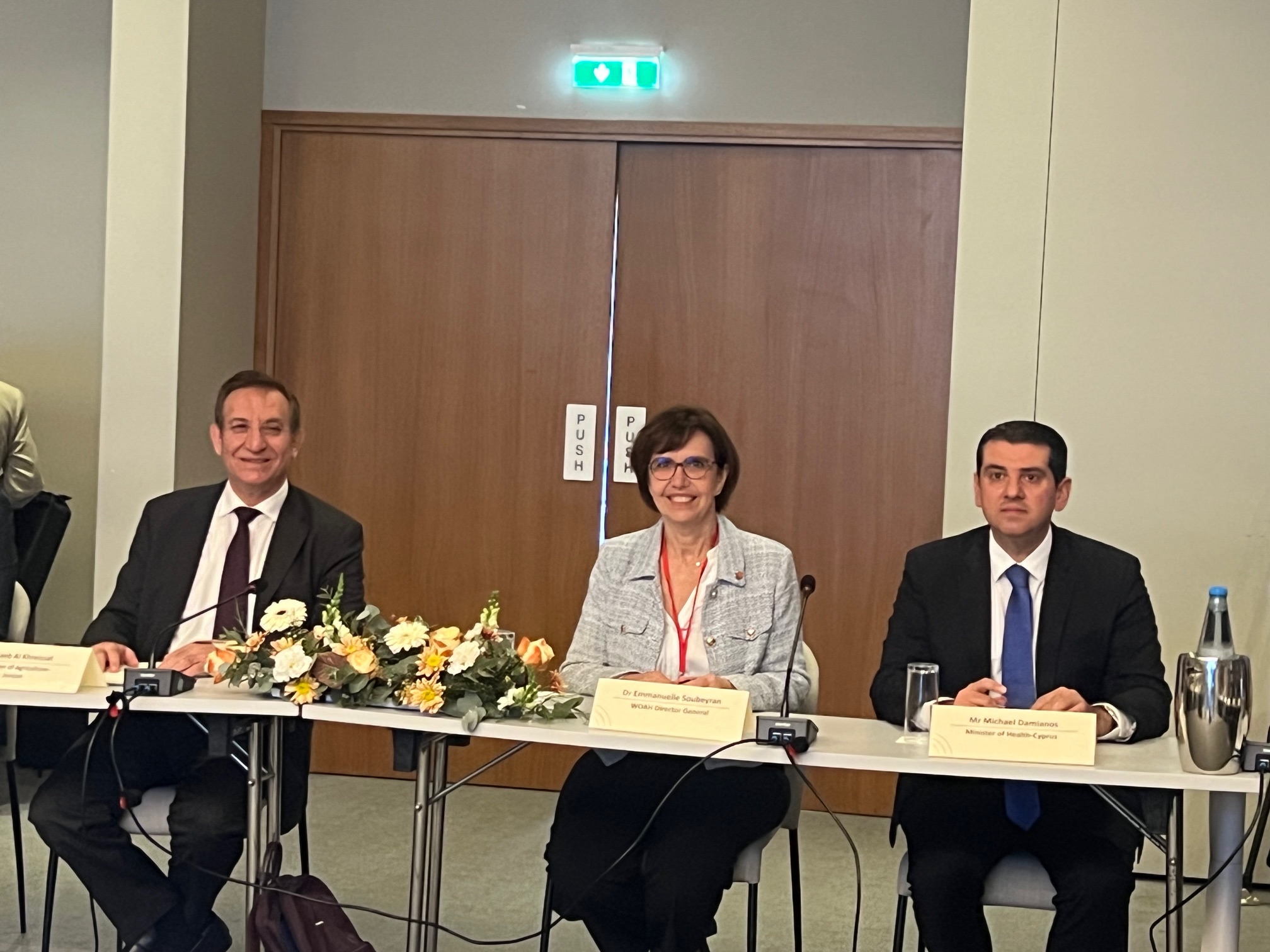
    Animal health is crucial for public health and food safety, emphasised Health Minister Michael Damianos at the 18th conference of the Middle East regional committee for the World Organisation for Animal Health (WOAH) in Larnaca. The conference, which convened on Monday and Tuesday, gathered experts, policymakers, and stakeholders committed to enhancing animal health standards across the region.

    Focus on Animal Health and Public Safety

    During his address, Damianos underscored the integral role of animal health in building resilient societies. He noted the relationship between animal well-being and food safety, highlighting that effective animal health measures are essential for ensuring the safety of food products consumed by the public. The conference aimed to address the challenges of zoonotic diseases—those transmitted between animals and humans—emphasising the need for comprehensive strategies.

    Climate Change and Animal Diseases

    Damianos also addressed the impact of climate change on animal health, noting that rising temperatures and changing weather patterns lead to the proliferation of various animal diseases. The health minister pointed out that these environmental shifts require the implementation of effective measures to manage animal populations and safeguard public health. “The distribution of animal diseases is expanding due to climate change, and we must adapt our strategies accordingly,” he stated.

    Proposed Measures for Improvement

    To combat the challenges posed by animal diseases, Damianos proposed a series of measures aimed at enhancing animal health and food safety. These include:

    • Robust Biosecurity Systems: Establishing strong biosecurity protocols to prevent disease outbreaks.
    • Early Warning Detection: Implementing systems for early detection of animal diseases.
    • Harmonised Field Surveillance: Enhancing surveillance and monitoring systems across the region.
    • Real-Time Molecular Diagnostics: Investing in advanced diagnostic technologies for quicker disease identification.
    • Risk-Based Vaccination Programmes: Developing vaccination strategies tailored to specific risks.
    • Cross-Border Information Exchange: Facilitating communication between countries to manage disease threats effectively.

    These initiatives are seen as vital for maintaining a healthy animal population and ensuring the availability of safe animal products for human consumption.

    Addressing Antimicrobial Resistance

    Damianos warned about the growing threat of antimicrobial resistance, which undermines both veterinary and human medicine. He advocated for the promotion and implementation of a national Antimicrobial Resistance action plan, stressing its importance for the effective management of this pressing issue. “Antimicrobial resistance poses a silent modern threat that we must address with urgency,” he said.

    Enhancing Veterinary Practices

    The minister also highlighted plans to bolster laboratory capacities and implement an e-prescribing platform for veterinary medicines. This initiative aims to ensure that all veterinary medications are prescribed by qualified animal health professionals, thereby improving the management of animal health and reducing the misuse of antibiotics.

    Collaboration and Shared Commitment

    Despite the complexities of the challenges ahead, Damianos expressed confidence in the collective expertise and commitment of the participants at the conference. He stated, “Although the challenges we face are complex, our collective expertise, shared values, and commitment to the principles of WOAH provide us with the necessary tools to overcome them.”

    A Regional Perspective on Animal Health

    Emmanuelle Soubeyran, the Director General of WOAH, echoed Damianos’s sentiments, highlighting the interconnectedness of animal healthcare and public health. She noted that many diseases affecting humans originate from animals, reinforcing the need for a unified approach to animal health. “Animal healthcare also concerns public health, given that many diseases can be transmitted between humans and animals,” she remarked.

    International Cooperation in Animal Health

    The conference also saw contributions from various regional leaders, including Jordanian Agriculture Minister Saeb Khreisat. Khreisat reaffirmed his commitment to improving animal healthcare and promoting safe international trade. He underscored the importance of collaboration, stating, “Diseases know no borders, and cooperation in times of need strengthens international ties.”

    As the conference continues, participants are expected to discuss further strategies and solutions to bolster animal health in the region, reflecting a strong commitment to ensuring public safety and food security across the Middle East.

  • Azeri national — Cyprus Supreme Court Upholds Arrest Warrant for Azeri National in Espionage Case

    Azeri national — Cyprus Supreme Court Upholds Arrest Warrant for Azeri National in Espionage Case

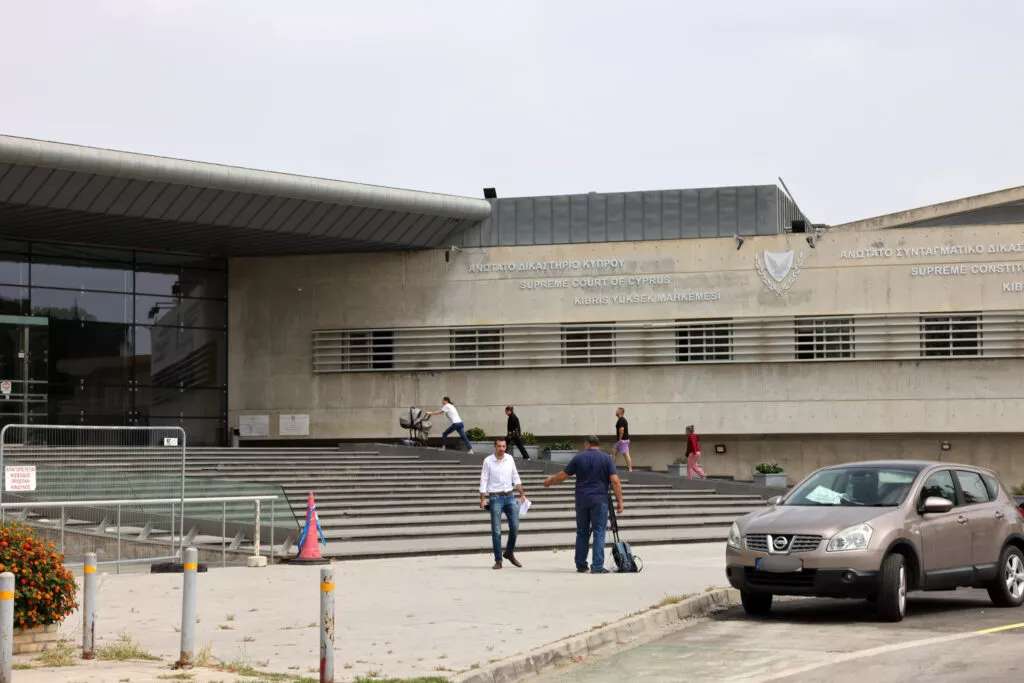
    The Cyprus Supreme Court has upheld the arrest warrant for an Azeri national, detained since June 2025, on suspicion of terrorism and espionage involving British military bases.

    • The Cyprus Supreme Court has upheld the arrest warrant for an Azeri national, detained since June 2025, on suspicion of terrorism and espionage involving British military bases.

    Azeri national: Legal Ruling on Arrest Warrant

    The Supreme Court’s decision came after an appeal was lodged by the suspect’s lawyer, Efstathios Efstathiou, challenging the validity of the warrants issued on 21 June 2025. The appeal argued that the warrants were based on unreliable intelligence and that the court had failed to apply the necessary scrutiny for information deemed anonymous or secret.

    Dismissal of the Appeal

    In its ruling, the Supreme Court dismissed the appeal, asserting that the District Court had acted within legal parameters and conducted a thorough assessment of the evidence. The court clarified that the intelligence gathered was from a “foreign collaborating service” rather than an unreliable third country, which was crucial in justifying the warrants.

    Charges Against the Suspect

    The charges against the Azeri national include conspiracy to commit a felony and various offences under the Law on Combating Terrorism. The Supreme Court highlighted that initial intelligence suggested the suspect was gathering information regarding foreign military presence and potentially organising a terrorist attack.

    Intelligence and Surveillance

    Crucially, the Supreme Court noted that the intelligence was corroborated by subsequent physical surveillance conducted by Cypriot authorities. This combination of intelligence and observation led the court to conclude that there was sufficient justification for the issuance of the warrants.

    Statements from the Court

    The Supreme Court stated, “We judge that the trial court conducted a comprehensive and correct assessment of the totality of the evidence and evaluated every relevant element to conclude that the issuance of the warrants was justified.” This assertion reinforces the court’s confidence in the legal processes followed in the case.

    International Implications

    The case highlights the complex interplay between national security and international relations, particularly concerning allegations of espionage linked to foreign entities. The involvement of the Iranian Revolutionary Guard Corps (IRGC) in the case has raised concerns about broader implications for regional security.

    Ongoing Developments

    As the case proceeds, it remains to be seen how the legal proceedings will unfold and whether further developments may arise that could impact the suspect’s status or the broader context of espionage in Cyprus.

    Community Reaction

    The case has sparked interest and concern within the local community and among legal experts, prompting discussions about the balance between civil liberties and national security. The ongoing scrutiny of intelligence practices and legal standards in such cases is likely to continue as the situation develops.