The government’s waste management plan has come under intense scrutiny from members of the House environment committee, who labelled it as ‘inadequate’ during a meeting on Wednesday.
- The government’s waste management plan has come under intense scrutiny from members of the House environment committee, who labelled it as ‘inadequate’ during a meeting on Wednesday.
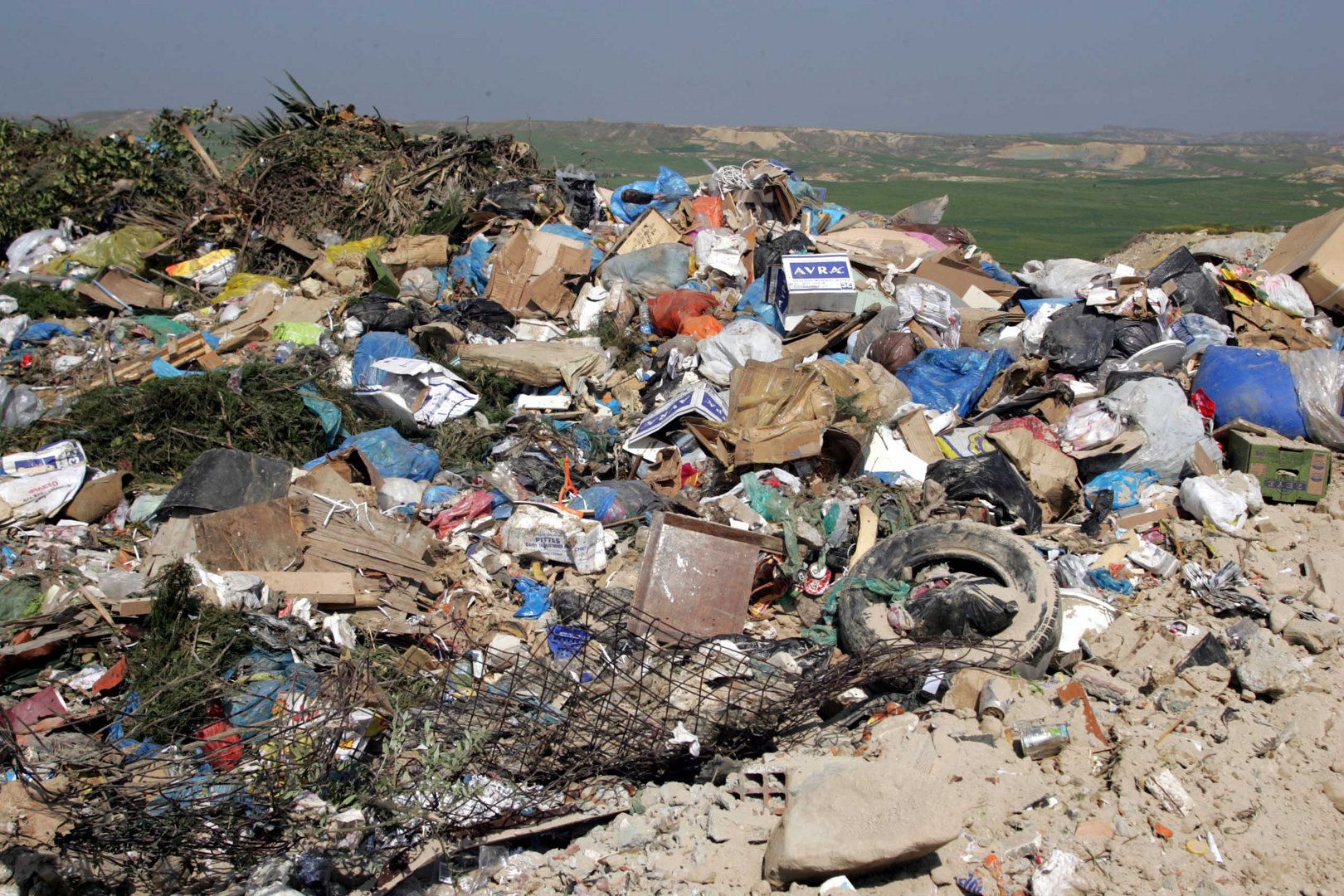
Leading the charge, committee chairman and Greens MP Charalambos Theopemptou highlighted alarming issues such as uncontrolled landfills, hazardous unrecycled materials, and significant gaps in the collection systems. He expressed deep concern over the current situation, stating he felt “ashamed” as Cyprus prepares to take its turn as EU President in the first half of 2026.
Theopemptou pointed out that since joining the European Union in 2004, Cyprus has struggled to implement critical EU directives on waste management, instead opting for a simplistic approach of burying waste. He urged for immediate action in light of the new EU legislation on packaging and recycling, calling for updated public contracts that mandate the use of recycled materials in construction.
While the committee acknowledged progress in certain areas, such as steady developments in paper recycling and the presence of recycling bins in 70 per cent of pharmacies for expired medicines, other significant issues remain unaddressed. One pressing concern is the lack of a collection system for greenhouse nylon, which has led many farmers to resort to burning the material, releasing harmful pollutants into the environment.
Theopemptou also raised alarms regarding hazardous components found in old appliances. He cited the dangers posed by materials like circuit boards in washing machines and the gases found in air conditioners, which, if not handled properly, could lead to environmental and health risks.
Adding to the concerns, he stated that 40 per cent of the packaging submitted for recycling is currently non-processable, which raises questions about public education on recycling and compliance among manufacturers. A significant volume of non-recyclable materials ends up at the Koshi facility or is disposed of illegally, exacerbating the waste crisis.
Akel member Nikos Kettiros joined the criticism, describing the waste management programme as “problematic” and highlighting the lack of clarity regarding its expected outcomes. He pointed out a shocking statistic: only one third of all engine oils are collected, with no oversight on where the remaining quantities are going.
Collection rates for electrical and electronic equipment are similarly low, standing at around 30 per cent. Kettiros expressed frustration over the proliferation of illegal dumping sites, which continue to fill rivers and fields, driven by high disposal costs that incentivise illegal dumping.
Despite instructions from the environment department to local authorities to clean up specific areas, Kettiros lamented that new dumping sites seem to appear just as quickly as existing ones are cleared. He insisted that the government’s updated waste management plan, which is expected in 2026, must provide effective and sustainable solutions to address the pressing waste crisis facing Cyprus.
Leave a Reply