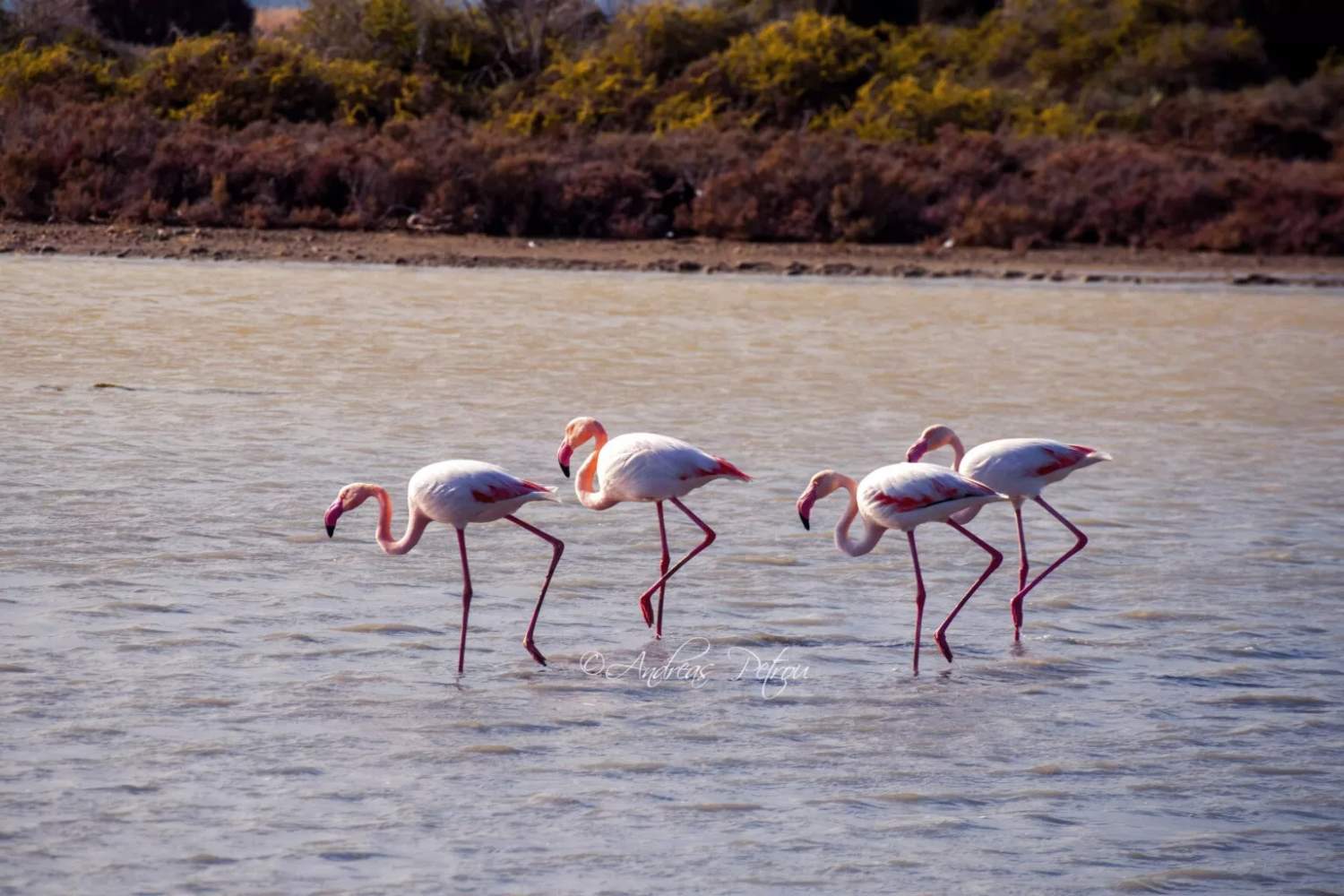
flamingo numbers — Flamingo numbers in Cyprus have plummeted from 13,000 to just 47, signalling an ecological crisis in the country’s vital wetland areas. This alarming decline was reported during a recent session of the Parliamentary Environment Committee, where officials from the Game and Fauna Service expressed deep concerns over the state of Akrotiri Salt Lake and Lake Makria.
Flamingo numbers: Critical Decline in Flamingo Population
The Game and Fauna Service has raised the alarm about the dramatic reduction in flamingo populations, with senior official Nikos Kasinis stating, “whilst up to 13,000 flamingos were recorded in previous years, their number this month was limited to just 47.” This stark figure highlights the urgent need for action to protect these birds and their habitats.
Factors Contributing to the Crisis
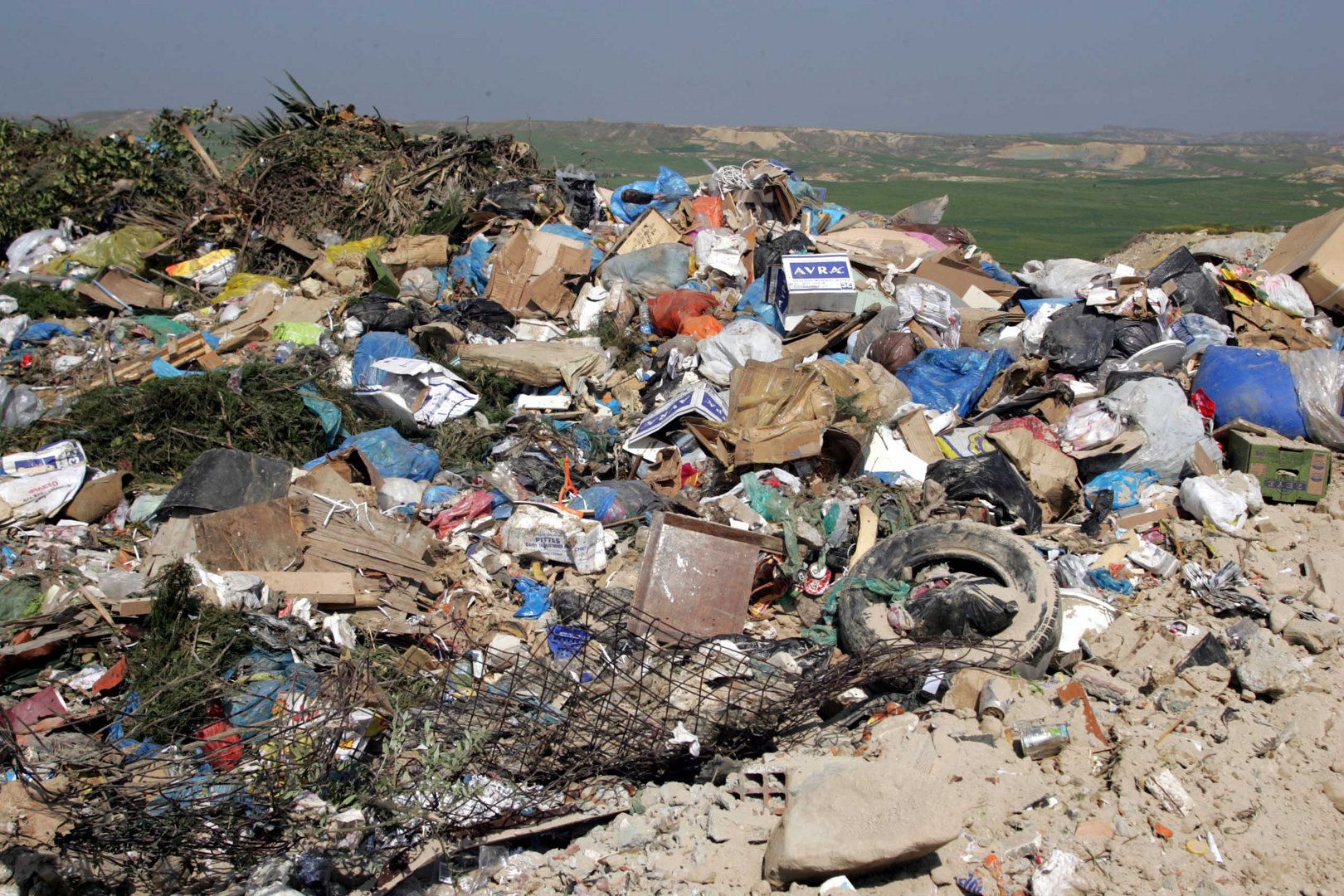
According to Kasinis, the primary contributors to this ecological disaster are poor water quality and development pressures on the wetland areas. The inflow of water to the lakes is reportedly contaminated, leading to conditions that are no longer conducive to supporting bird life. Environmental organisations such as BirdLife and Terra Cypria have echoed these concerns, stating that the wetland system has effectively collapsed.
Environmental Degradation and Development Pressures
The environment committee was informed that water levels in the Salt Lake rise only during extended droughts, suggesting that the quality of inflow has deteriorated. Kouria Mayor Pantelis Georgiou described the situation as a “generalised disorder,” warning that the aquifer water risks permanent contamination due to ongoing developments in the area. He pointed out that communities like Asomatos and Akrotiri lack essential sewerage systems, exacerbating the problem.
Action Plans and Community Involvement
Mayor Georgiou is spearheading an extensive Action Plan, which is anticipated to be finalised by February in collaboration with Limassol Municipality and various government departments. This plan will aim to address the issues affecting the wetlands and will involve discussions with non-governmental organisations (NGOs).
Urgent Need for Infrastructure Improvements
One of the mayor’s key requests from the parliamentary representatives is to secure a decree from the Interior Ministry that would extend sewerage system boundaries to include the affected communities. Georgiou highlighted that specific sewage sources from properties not connected to the sewerage network have been identified and cut off in cooperation with the Limassol Sewerage Board, but more comprehensive measures are needed.
Environmental Concerns and Public Health Risks
During the discussions, significant concerns were raised regarding the vertical pipe discharging untreated sewage into the sea at Lady’s Mile. Reports suggest that up to 500 tonnes of untreated sewage are released into swimming and fishing areas, posing serious health risks to the public and further threatening the aquatic ecosystem.
Impact on Lake Makria
Lake Makria has been described by environmentalists as a “swamp” and a “sewage site,” with allegations that contractors for large developments are discharging water without adhering to licensing regulations. Such activities are believed to be causing irreparable damage to the wetland, which is crucial for various bird species.
Demand for Immediate Action
Members of the Environment Committee expressed significant dissatisfaction with the lack of timely interventions to address these issues. MP Andreas Kafkalias questioned the inability of central authorities to coordinate effectively, while Kostas Kosta referred to the ongoing situation as a crime against the environment. Committee chair Charalambos Theopemptou urged for an audit by the Audit Office to assess the management of Akrotiri Salt Lake.
Warnings About Future Consequences
The Environment Committee has issued dire warnings that without immediate and effective measures, “half the Salt Lake will be lost in coming years,” which could have irreversible consequences for both public health and Cyprus’s biodiversity. The situation calls for urgent collaboration between government bodies, local authorities, and environmental groups to safeguard the wetland habitats.
As Cyprus grapples with this ecological crisis, the fate of its flamingo population hangs in the balance. Urgent action is needed to restore the wetlands and ensure the survival of these magnificent birds, which are integral to the country’s natural heritage.