Tag: sustainability

  • Alarm Bells Ring for Wild Mushroom Foraging in Cyprus

    Alarm Bells Ring for Wild Mushroom Foraging in Cyprus

    Alarm bells are ringing for wild mushroom foraging in Cyprus as climate change increasingly impacts the region’s forests. This year’s picking season has been disappointing, attributed largely to the rising temperatures and drying conditions affecting the island’s biodiversity. During visits to familiar foraging spots around Vavatsinia, Lythrodondas, and Troodos, the signs of distress in the forests became alarmingly apparent.

    Photo: cyprus-mail.com

    Wild mushroom: Forest Conditions Reveal Climate Change’s Toll

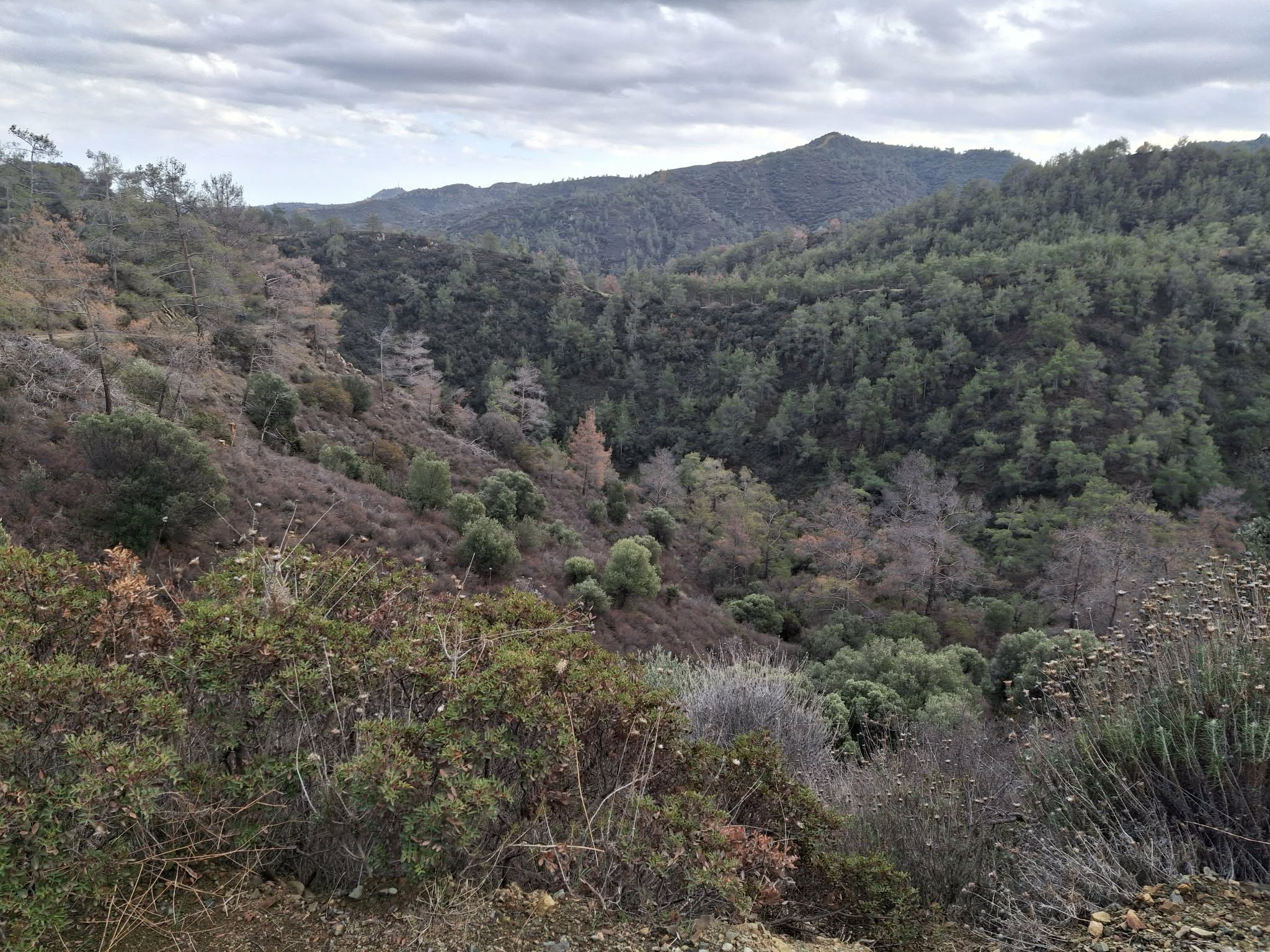
    Last week, I traversed one of my favourite forest routes from Vavatsinia to Kyprovasa, passing by Lefkara dam. The landscape bore witness to extensive tree felling and numerous dead trees, including mature Calabrian pines (Pinus brutia), which I realised had succumbed to drought. This phenomenon is most pronounced on south-facing slopes, where the soil dries out and the water table drops below the reach of tree roots.

    Photo: cyprus-mail.com

    Equally concerning was the low water level in Lefkara dam, which stands as a stark reminder of the ongoing challenges faced by Cyprus’ natural resources. The Cyprus Institute has highlighted a grim forecast: from 2020 to 2050, the number of extremely hot summer days in Cyprus is expected to increase significantly, with maximum temperatures exceeding 38˚C for an additional two weeks annually. By the century’s end, Nicosia could experience two additional months of such heat, mirroring conditions currently found in cities like Cairo.

    Consequences of Drought and Poor Foraging Practices

    The dire state of water resources is further illustrated by the Kouris dam, which is at less than 11% capacity. Compounding these challenges are the remnants of last summer’s wildfires, which have left slopes exposed and vulnerable to soil erosion. The lack of vegetation cover is particularly alarming.

    While climate change plays a significant role in the current foraging conditions, irresponsible foraging practices contribute to the problem. It is disheartening to witness individuals using rakes to forage for mushrooms, uprooting the delicate ecosystem of leaves and twigs. This method disrupts the life cycles of countless insects and prevents fungi from distributing their spores. Despite strict regulations prohibiting such practices, including potential prison sentences of up to one year or fines of up to €5,000, the destructive behaviour persists.

    The Challenges of This Year’s Harvest

    This year’s wild mushroom harvest has been particularly poor due to late rains that arrived too close to colder temperatures. Fungi require a specific temperature range of 10 to 13°C for optimal growth. When conditions are cold and wet, mushrooms can become waterlogged and mouldy before they have a chance to flourish.

    Among the most sought-after varieties is the ‘milk cap’ mushroom, or Lactarius deliciosus, known locally as the red pine mushroom. While many Cypriots are familiar with this delicacy, I also enjoy foraging for other Russula varieties. However, I advise caution, as some, like the pink-capped ‘sickener’, can cause adverse stomach reactions if consumed by the untrained. One of my preferred mushrooms is the ‘Slippery Jack’ (Suillus luteus), which I prepare by slicing and drying for use in soups and risottos.

    The Broader Implications of Climate Change

    Sadly, the lack of wild mushrooms is only one consequence of the broader environmental crisis facing Cyprus. As temperatures and drought conditions intensify, the island’s ability to cope will be severely tested. It is imperative that we acknowledge the gravity of these changes and accept the sacrifices necessary to address them.

    In my efforts to raise awareness about the issues plaguing Cyprus’ forests, I have received considerable feedback. Roger Cartwright, from the UK’s Landscape Trust, noted the visible impact of extreme summer climates on south-facing slopes during a recent study visit to the Cyprus Forestry Department. Additionally, Evgenia Emets, a former participant in the ‘Guardians of the Forest’ programme, emphasised the need for more forests that can generate and protect water resources.

    Strategies for Managing Water Resources and Forests

    As we confront these challenges, several strategies could help mitigate the impact of climate change on Cyprus’ environment:

    • Encourage tourists to conserve water, suggesting alternatives like swimming in the sea instead of frequent showers.
    • Support initiatives to recycle non-potable water from sources such as roofs, washing machines, and swimming pools.
    • Advise against planting trees on south-facing slopes, and promote the planting of native species that are better suited to withstand heat and drought.
    • Reduce the cultivation of Calabrian pines, as they are particularly vulnerable to changing climatic conditions.
    • Restrict the drilling of new wells to protect groundwater resources.
    • Evaluate the sustainability of swimming pools and excessive car washing in residential areas.
    • Limit the construction of water-intensive golf courses and promote alternative agricultural methods, such as hydroponics.
    • Encourage the storage of water in underground tanks and cisterns, which are more efficient than open reservoirs.
    • Address leaks in the water transport infrastructure to reduce wastage.

    These are challenging times for Cyprus, and as the climate crisis intensifies, it is vital we take action to protect our natural resources and the environment. The future of our forests and the delicate ecosystems they support depends on our willingness to adapt and preserve.
  • Cyprus Struggles with Lowest Forest Growth Rate in EU

    Cyprus Struggles with Lowest Forest Growth Rate in EU

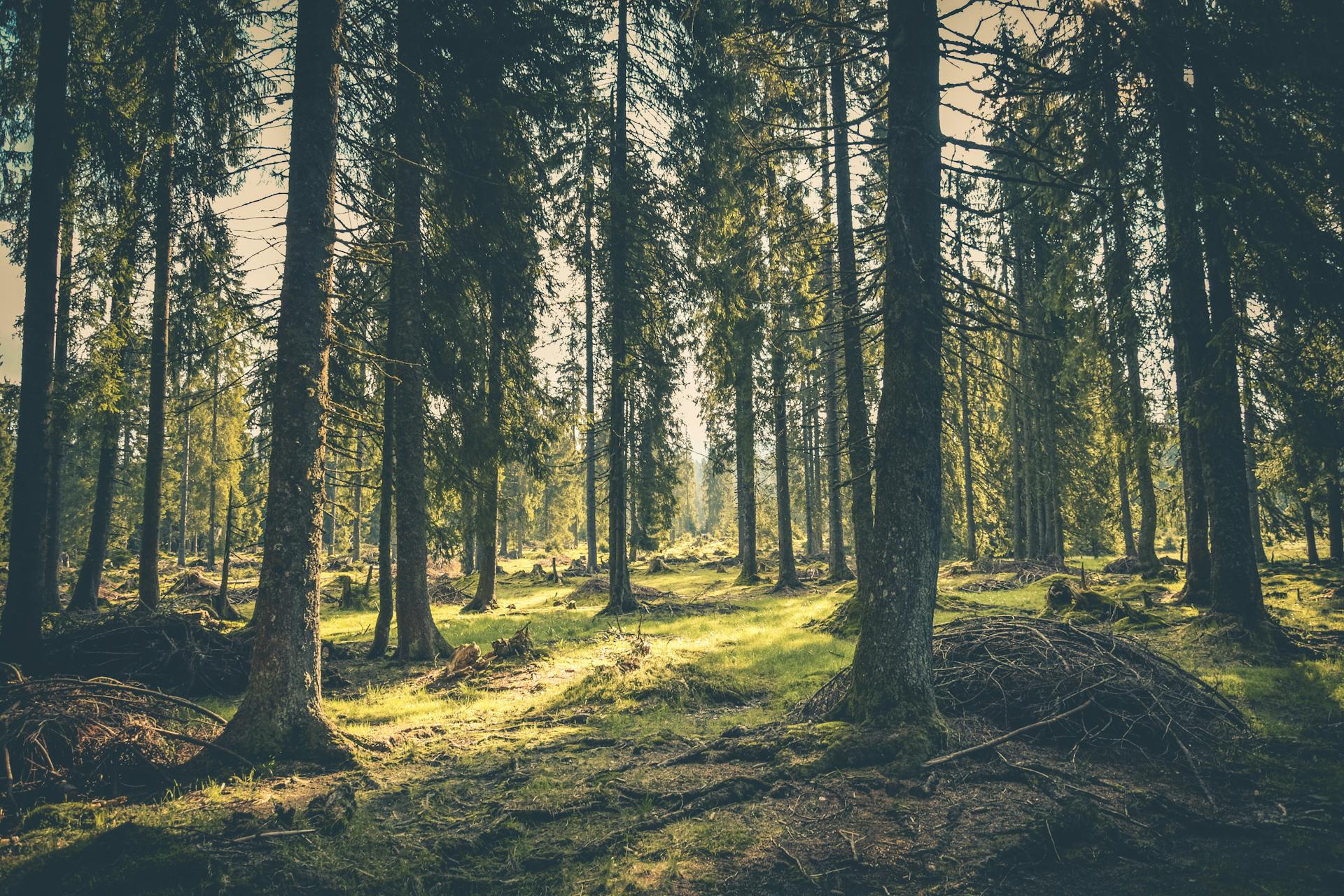
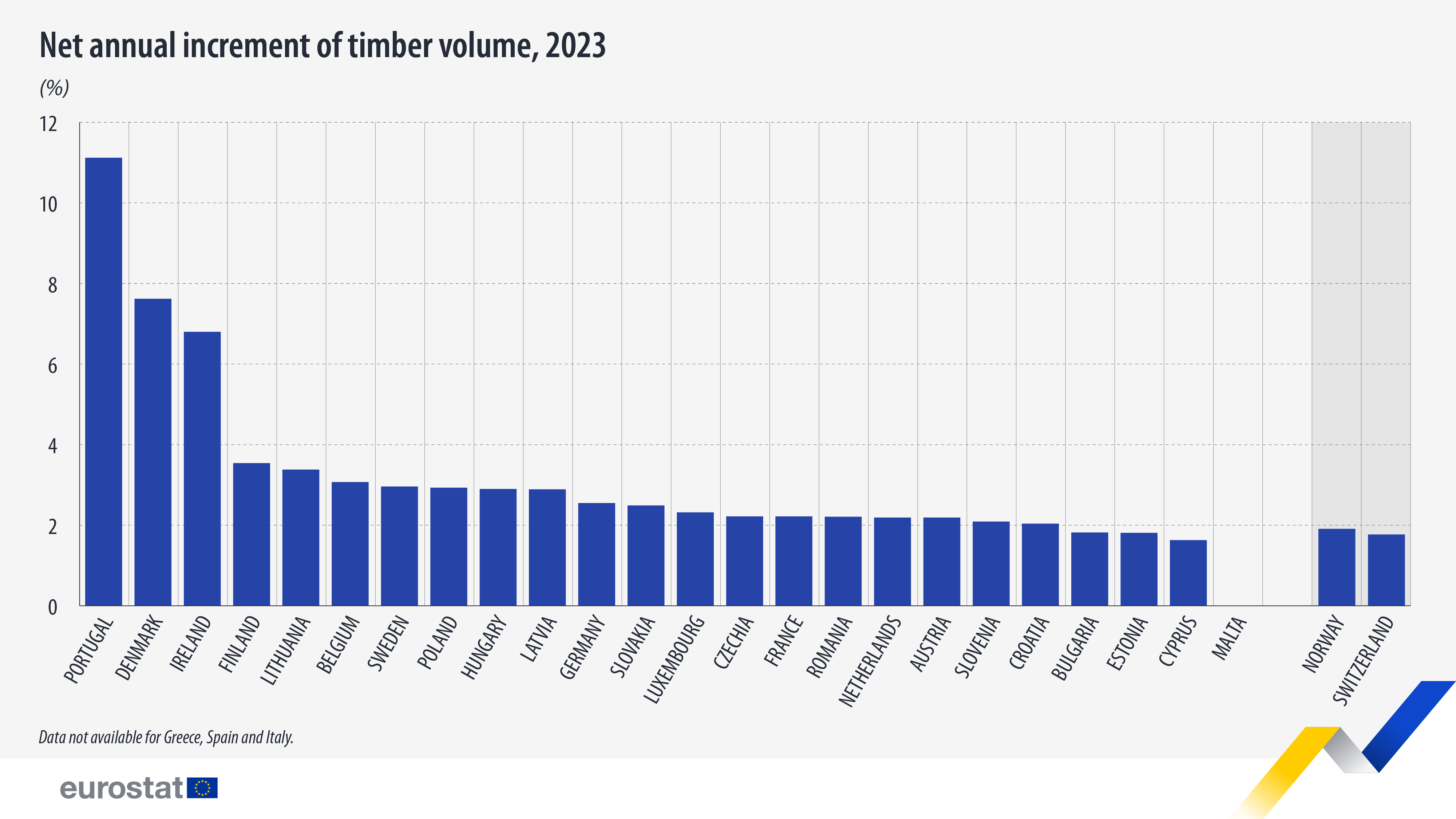
    Cyprus recorded the lowest forest growth rate among EU member states in 2023, at just 1.6 per cent, according to data released by Eurostat on Friday.

    Photo: cyprus-mail.com

    • Cyprus recorded the lowest forest growth rate among EU member states in 2023, at just 1.6 per cent, according to data released by Eurostat on Friday.

    This alarming statistic places Cyprus at the bottom of the EU ranking, alongside Malta, which saw no forest growth at all. Bulgaria and Estonia are not far behind, both achieving a modest growth rate of 1.8 per cent. In stark contrast, Portugal boasts the highest growth rate in the EU at 11.1 per cent, followed by Denmark at 7.6 per cent.

    State forest land in Cyprus encompasses approximately 18 per cent of the island’s total area, featuring a mix of natural pine forests, reforested areas, grasslands, and other non-forested lands such as dams and mining sites. Despite this coverage, the low growth rate indicates significant challenges for the island’s forestry sector.

    Eurostat’s data reveals that Cyprus is also among the EU member states with the lowest net growth of timber stock. This situation contrasts sharply with countries like Ireland and Latvia, which report significantly higher net growth rates. The implications of these figures extend beyond mere statistics; they highlight the ongoing struggle for sustainable forest management in Cyprus.

    As forest growth plays a vital role in the EU’s strategy for sustainable forest management and climate goals, Cyprus’s situation raises concerns about its future environmental stewardship. The Cypriot government has acknowledged these challenges, focusing its forestry management on environmental protection, biodiversity conservation, and recreational opportunities. This shift represents a deliberate move away from prioritising timber production towards achieving broader social and environmental benefits.

    However, the forestry department also pointed out that this approach has resulted in limited domestic timber production. Consequently, Cyprus relies heavily on timber imports from both EU member states and third countries to satisfy local demand. This dependency underscores the urgent need for a re-evaluation of forest management practices on the island.

    The forestry sector in Cyprus faces a complex situation: while there is a clear commitment to environmental sustainability, the numbers indicate that immediate action may be necessary to enhance forest growth and ensure the island’s ecological health. As Cyprus navigates these challenges, the future of its forests will be pivotal in shaping not only its environment but also its economy.

  • Government’s Waste Management Plan Faces Harsh Criticism

    Government’s Waste Management Plan Faces Harsh Criticism

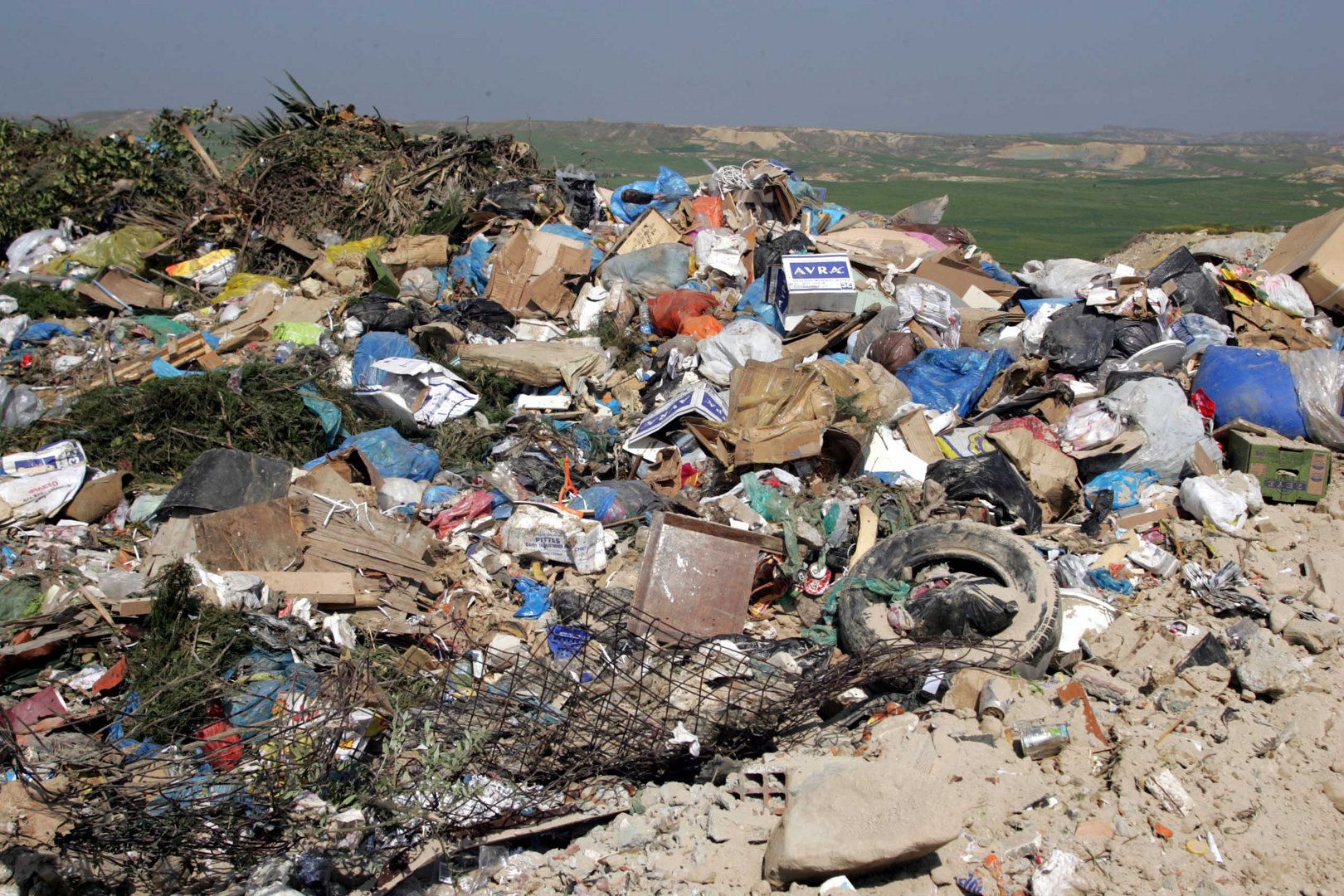
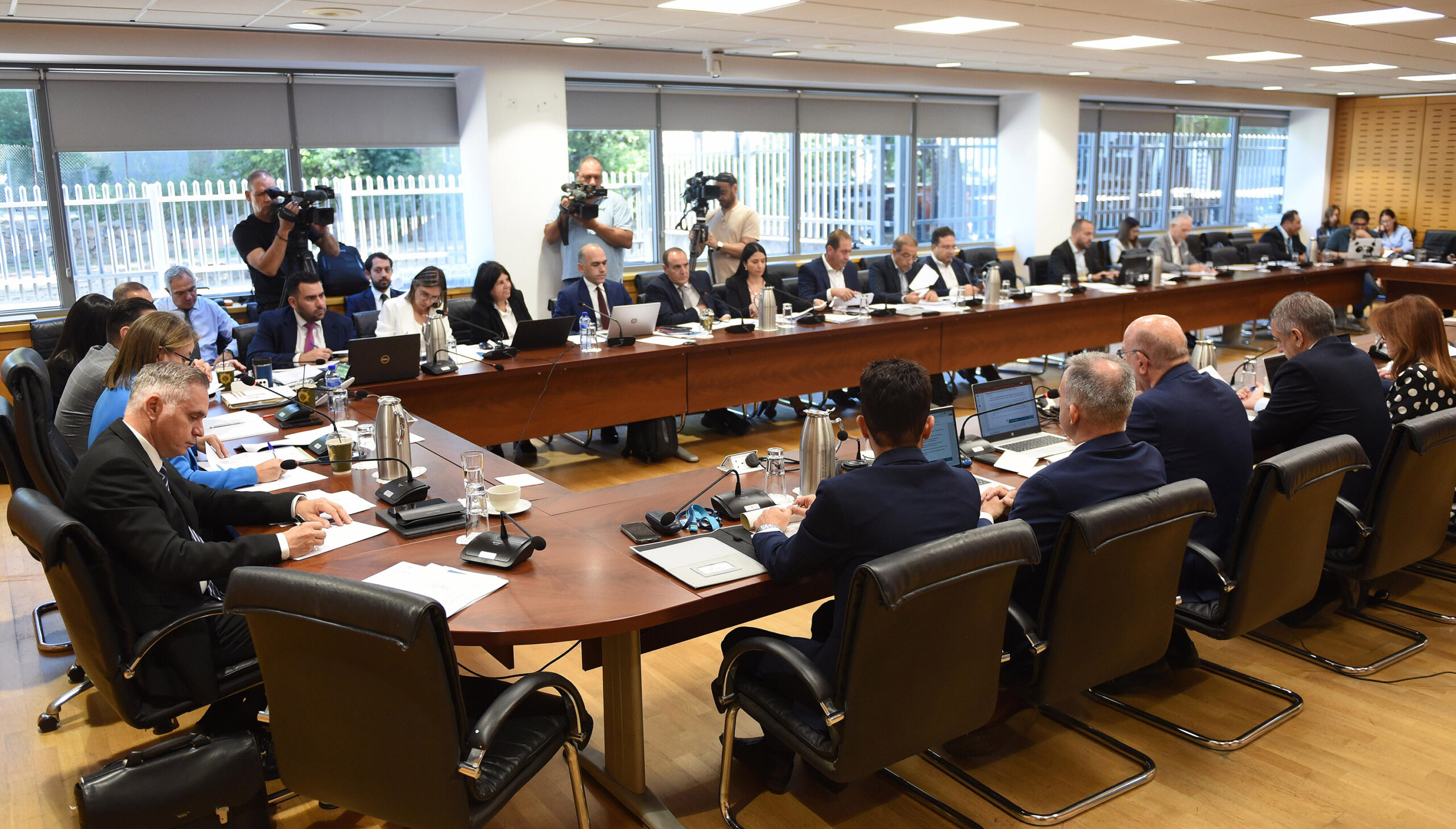
    The government’s waste management plan has come under intense scrutiny from members of the House environment committee, who labelled it as ‘inadequate’ during a meeting on Wednesday.

    • The government’s waste management plan has come under intense scrutiny from members of the House environment committee, who labelled it as ‘inadequate’ during a meeting on Wednesday.

    Leading the charge, committee chairman and Greens MP Charalambos Theopemptou highlighted alarming issues such as uncontrolled landfills, hazardous unrecycled materials, and significant gaps in the collection systems. He expressed deep concern over the current situation, stating he felt “ashamed” as Cyprus prepares to take its turn as EU President in the first half of 2026.

    Theopemptou pointed out that since joining the European Union in 2004, Cyprus has struggled to implement critical EU directives on waste management, instead opting for a simplistic approach of burying waste. He urged for immediate action in light of the new EU legislation on packaging and recycling, calling for updated public contracts that mandate the use of recycled materials in construction.

    While the committee acknowledged progress in certain areas, such as steady developments in paper recycling and the presence of recycling bins in 70 per cent of pharmacies for expired medicines, other significant issues remain unaddressed. One pressing concern is the lack of a collection system for greenhouse nylon, which has led many farmers to resort to burning the material, releasing harmful pollutants into the environment.

    Theopemptou also raised alarms regarding hazardous components found in old appliances. He cited the dangers posed by materials like circuit boards in washing machines and the gases found in air conditioners, which, if not handled properly, could lead to environmental and health risks.

    Adding to the concerns, he stated that 40 per cent of the packaging submitted for recycling is currently non-processable, which raises questions about public education on recycling and compliance among manufacturers. A significant volume of non-recyclable materials ends up at the Koshi facility or is disposed of illegally, exacerbating the waste crisis.

    Akel member Nikos Kettiros joined the criticism, describing the waste management programme as “problematic” and highlighting the lack of clarity regarding its expected outcomes. He pointed out a shocking statistic: only one third of all engine oils are collected, with no oversight on where the remaining quantities are going.

    Collection rates for electrical and electronic equipment are similarly low, standing at around 30 per cent. Kettiros expressed frustration over the proliferation of illegal dumping sites, which continue to fill rivers and fields, driven by high disposal costs that incentivise illegal dumping.

    Despite instructions from the environment department to local authorities to clean up specific areas, Kettiros lamented that new dumping sites seem to appear just as quickly as existing ones are cleared. He insisted that the government’s updated waste management plan, which is expected in 2026, must provide effective and sustainable solutions to address the pressing waste crisis facing Cyprus.

  • Cyprus Aims for Water Self-Reliance by 2028 with New Desalination Units

    Cyprus Aims for Water Self-Reliance by 2028 with New Desalination Units

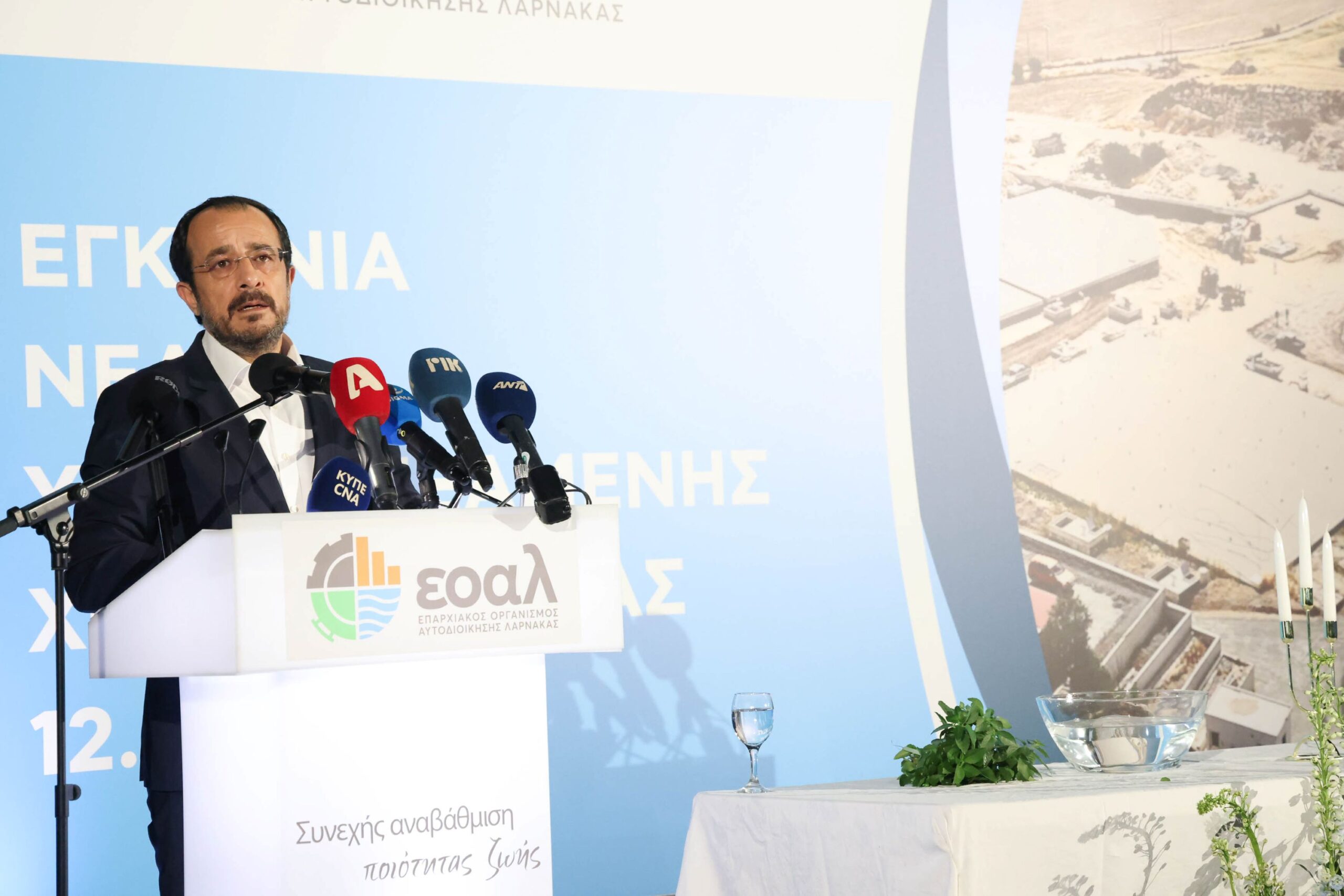
    Cyprus aims to achieve 100 per cent water self-reliance by 2028 through the installation of two permanent desalination units, as announced by President Nikos Christodoulides.

    • Cyprus aims to achieve 100 per cent water self-reliance by 2028 through the installation of two permanent desalination units, as announced by President Nikos Christodoulides.
    • This remark elicited a strong rebuttal from Andreas Gregoriou, the permanent secretary of the agriculture ministry, who asserted that Cyprus has “not been left without water.”

    During the inauguration of a new water reservoir in Larnaca, President Christodoulides emphasised the critical need for effective management of water resources. He stated, “The effective treatment of water scarcity and the rational management of water resources are of utmost importance and a strategic priority for the government.”

    The President pointed to concerning climate trends, noting that regional temperatures are rising at a rate potentially double that of other parts of the world. He cited a decrease of approximately 10 to 15 per cent in average annual rainfall since the mid-1990s.

    In a proactive response to these challenges, the government has decided on the establishment of three additional desalination units, with completion expected by summer 2026. These units are projected to increase the volume of water sourced from desalination facilities by 32 per cent.

    Plans are also in place to initiate studies for the implementation of two permanent desalination units powered by renewable energy by the end of 2025. Christodoulides articulated a goal to boost Cyprus’ self-sufficiency in water supply from the current 70 per cent to a full 100 per cent by 2028.

    Further emphasising the significance of infrastructure development, he mentioned the construction of additional tanks and reservoirs, similar to those recently established in Larnaca, which are deemed strategically important for the entire island.

    Christodoulides highlighted that Cyprus’s geographical position makes it particularly vulnerable to the impacts of climate change, underscoring the necessity for building water resilience in anticipation of extended and more frequent droughts.

    Projects in areas such as Polis Chrysochous and Kokkinokremmos were also referenced, illustrating their critical roles in enhancing and safeguarding the island’s water supply. Looking ahead, a total of 31 water-related projects are scheduled for completion by 2026.

    Currently, Cyprus’s dams are operating at only 11 per cent capacity, a situation that has drawn sharp criticism regarding the government’s water management strategies. In a recent heated discussion at the House agriculture committee, Disy MP Kyriacos Hadjiyianni expressed dissatisfaction with the administration’s actions, branding it a “disability government.”

    This remark elicited a strong rebuttal from Andreas Gregoriou, the permanent secretary of the agriculture ministry, who asserted that Cyprus has “not been left without water.”

  • Interconnector — Keravnos Labels Greek Energy Minister’s Claims as ‘Fake News’ Regarding Interconnector

    Interconnector — Keravnos Labels Greek Energy Minister’s Claims as ‘Fake News’ Regarding Interconnector

    The debate surrounding the Great Sea Interconnector has intensified, with Finance Minister Makis Keravnos accusing Greek Energy Minister Stavros Papastavrou of spreading ‘fake news’. This accusation arose after Papastavrou claimed Keravnos had failed to present studies he cited, which purportedly indicate that the project is not sustainable.

    During a session of the House finance committee, Keravnos clarified that the studies in question were commissioned by Cypriot Energy Minister George Papanastasiou and were properly submitted to the Greek energy ministry. “We all know the studies and their findings,” he remarked, acknowledging that while some concerns are valid, he himself shares numerous reservations about the project’s viability.

    Keravnos expressed his commitment to maintaining harmonious relations between the Greek and Cypriot governments, although he expressed discontent with Papastavrou’s assertions. He noted that his predecessor, Constantinos Petrides, had received these studies from the energy ministry during his tenure.

    In a recent television appearance, Papastavrou dismissed what he termed ‘constantly conflicting messages from the Cypriot side’ regarding the interconnector. He cited Keravnos as questioning the project’s viability both before and after a meeting between Cypriot President Nikos Christodoulides and Greek Prime Minister Kyriakos Mitsotakis in New York. Papastavrou stated, “The finance minister says that it should not be done and it is not sustainable, referring to two studies which he does not show to Cypriot Energy Minister George Papanastasiou.”

    Compounding the tension, Papastavrou addressed comments from President Christodoulides, who had taken issue with demands from Greece’s independent transmission system operator, Admie, for Cyprus to pay €25 million for the project. Papastavrou affirmed that Cyprus would not be ‘blackmailed’ over these payments, which are intended to support the project’s financing and ensure Admie’s income during the construction phase.

    The financial commitment from Cyprus involves five annual payments of €25 million, which the Cypriot government has withheld due to a perceived lack of progress on the project and disagreements over funding sources. Papanastasiou stated last month that the first instalment would only be released when the project is fully implemented, asserting that merely constructing cables is insufficient to meet this requirement.

    Initially, Cyprus planned to utilise funds from the European Union’s emissions trading system to cover these payments, alleviating the financial burden on taxpayers. However, Admie has raised concerns that this arrangement could potentially violate EU state aid regulations and has requested the Cyprus energy regulatory authority (Cera) to start charging consumers instead.

    In September, Greek Deputy Prime Minister Kostis Hatzidakis urged the Cypriot government to clarify its stance on the interconnector, following Keravnos’s public statements regarding the independent studies that concluded the project was unsustainable. Hatzidakis pointed out that the necessary seabed surveys to determine cable placement had not yet been completed, describing completion of these surveys as crucial for accurately estimating the project’s total cost.

    Contradicting this narrative, Greek Foreign Minister Giorgos Gerapetritis asserted that seabed surveys were ongoing and had proceeded according to schedule. This conflicting information has only added to the uncertainty surrounding the interconnector’s future.

  • Fisheries — President Christodoulides Welcomes European Commissioner for Fisheries and Oceans

    Fisheries — President Christodoulides Welcomes European Commissioner for Fisheries and Oceans

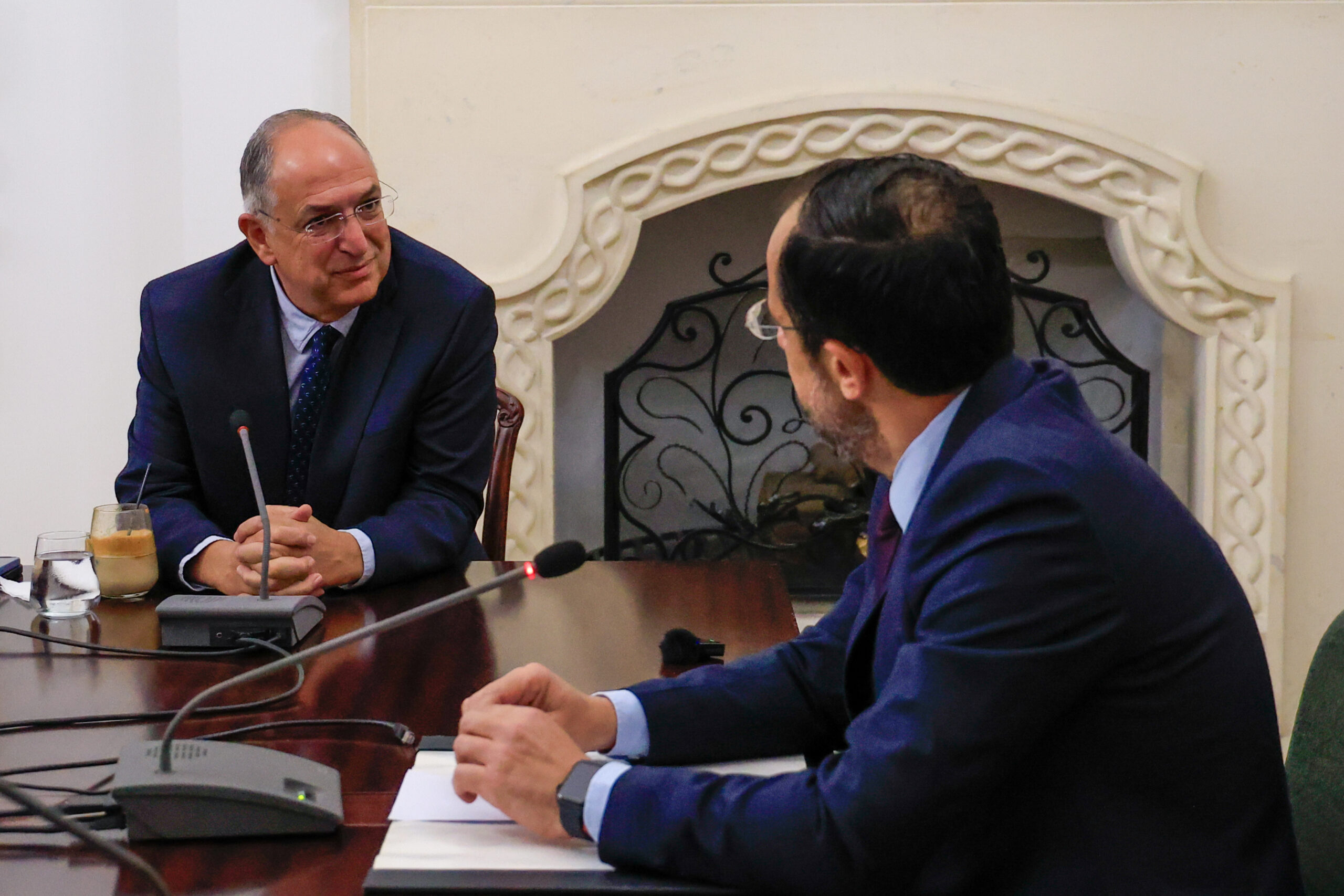
    President Nikos Christodoulides received the European Commissioner for Fisheries and Oceans, Costas Kadis, at the presidential palace on Thursday, marking a significant step in enhancing collaboration between Cyprus and the European Union.

    Kadis, who visited Cyprus with a dedicated team, expressed that the aim of the visit is to strengthen collaborative work and exchange ideas on the Commission’s advancements in fisheries. This meeting comes at a crucial time as fisheries management and ocean conservation are increasingly important topics across EU member states.

    During the discussions, Kadis provided President Christodoulides with insights into recent activities related to fisheries. “We examine issues that concern all member states with great care, with the remaining members of the group being particularly sensitive and aware of issues that concern Cyprus,” he remarked, highlighting the importance of tailored approaches to fisheries management that consider local needs and circumstances.

    The Commissioner also mentioned the formation of a team of esteemed experts focused on addressing these issues effectively. This initiative aims to foster a collaborative environment where member states can share their experiences and strategies for sustainable fisheries practices.

    As the European Union continues to navigate challenges related to marine ecosystems, Kadis’ visit underscores the commitment to enhancing cooperative efforts in the sector. With Cyprus being a vital player in the Mediterranean, these discussions are expected to yield positive outcomes for local fisheries and the broader EU agenda on ocean conservation.

  • Free tree — Free Tree Saplings Offered to Combat Climate Change in Cyprus

    Free tree — Free Tree Saplings Offered to Combat Climate Change in Cyprus

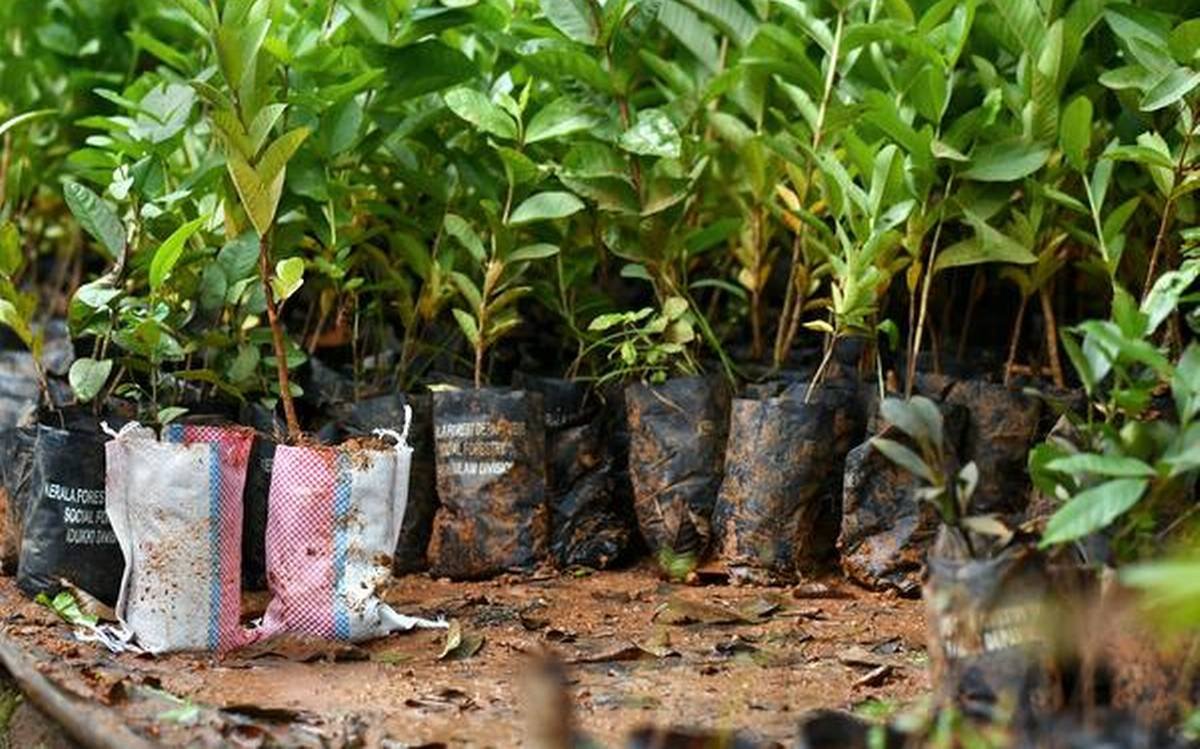
    free tree — As Cyprus intensifies its fight against climate change, the forestry department is providing free tree saplings to public bodies and residents in a significant initiative. The ‘planting for the climate’ programme aims to distribute up to 100,000 saplings, valued at €250,000, during the planting season from November to February.

    Free tree: Supporting a National Goal

    The initiative is part of a broader ambition to plant one million new trees across Cyprus by 2030. This effort aligns with a European Union commitment to plant three billion trees by the same deadline. To facilitate tracking the progress of these environmental efforts, the forestry department has established a dedicated database, monitoring activities from 2019 onwards.

    Eligibility and Application Process

    The free saplings are available to a variety of eligible applicants, including local authorities, schools, government services, churches, and organised citizen initiatives with appropriate planting sites. If the demand from these groups is insufficient, up to half of the saplings will be allocated to individual residents.

    Applications for the saplings are open from October 8 to November 7. Interested parties can submit their requests at local forestry stations, via email, or through the department’s website. Municipalities are encouraged to collaborate with local groups to enhance their chances of securing these valuable resources.

    Seedling Specifications

    In addition to smaller saplings, the programme also includes larger saplings grown in containers exceeding three litres, which may be offered free of charge. This approach aims to maximise the impact of the planting initiative by providing a range of options suitable for different planting environments.

    Community Engagement

    Through this initiative, the forestry department seeks to engage the community in environmental stewardship and promote the importance of tree planting as a tool against climate change. Residents are encouraged to participate actively, whether through individual applications or by joining organised efforts in their localities.

  • Can a National Climate Law Drive Change in Cyprus?

    Can a National Climate Law Drive Change in Cyprus?

    The question of whether a law can bring about change is particularly pertinent in the context of the climate crisis, which has become an undeniable reality. Its impacts are severe and far-reaching, affecting health, environment, and social structures globally.

    Photo: cyprus-mail.com

    Extreme weather events, such as prolonged droughts, heatwaves, and megafires, are now commonplace. These phenomena not only threaten biodiversity but also contribute to rising health issues, including heatstroke and respiratory problems linked to increased air pollution. The phenomenon of ‘climate refugees’ is becoming more prevalent, as communities are forced to migrate due to environmental degradation.

    National climate: A Call for Holistic Climate Action

    Cyprus, an island nation particularly vulnerable to climate change, stands at a crossroads. To effectively combat the climate crisis, it requires a comprehensive strategy that transcends fragmented efforts. A National Climate Law is proposed as a vital tool to establish long-term commitments and actions towards climate neutrality.

    Learning from Europe’s Example

    In Europe, 22 countries have successfully enacted similar laws, leading to measurable reductions in greenhouse gas (GHG) emissions. These regulations not only foster participation from the scientific community and citizens but also ensure rigorous monitoring of progress. The existence of such legal frameworks sends a powerful message to governments, reinforcing accountability and responsibility.

    Even if a law does not yield immediate results, its mere presence is symbolic. For Cyprus, a National Climate Law would signal a serious commitment to tackling the climate crisis, transforming intentions into actions.

    Climate Change: Not Just Another Concern

    Some argue that climate change is overshadowed by other pressing issues like wars, economic instability, and social inequality. However, the interconnectivity of these challenges reveals that climate change exacerbates all these problems. Economic systems are disrupted by extreme weather, while public health is strained by the effects of climate-related events.

    For instance, rising temperatures and deteriorating air quality contribute to cardiorespiratory issues and increase the prevalence of diseases transmitted by vectors, such as mosquitoes. Vulnerable populations, often residing in low-energy-efficiency homes, are disproportionately affected, facing higher energy bills and greater exposure to extreme weather.

    Defining Climate Legislation

    To effectively address the climate crisis, immediate and comprehensive solutions are essential. Climate legislation can play a pivotal role in this regard. Defined by ClientEarth, such laws typically outline a roadmap for reducing GHG emissions, often with long-term targets set for 2045 or 2050. They include legally binding targets, carbon budgets, and mechanisms for monitoring progress.

    Countries that have implemented climate laws, such as the United Kingdom, have seen significant advancements in transitioning to low-carbon electricity generation. The UK’s commitment to climate legislation resulted in a jump in low-carbon electricity generation from 20% in 2008 to 45% in 2016.

    Why Cyprus Needs Its Own Law

    While the European Climate Law mandates all Member States to achieve climate neutrality by 2050 and cut GHG emissions by 55% by 2030, it focuses primarily on EU-level commitments. A national climate law tailored to Cyprus’s unique circumstances can establish specific targets and measures that are crucial for local action.

    Current EU regulations allow Cyprus to set less ambitious goals, particularly in sectors that contribute significantly to pollution. Without binding national targets, the country’s policies may remain insufficient in addressing the urgent need for climate action.

    Evaluating Cyprus’ Current Efforts

    Despite existing frameworks, Cyprus has struggled to meet its GHG reduction targets as outlined in its National Energy and Climate Plan (NECP). Official data reveals that GHG emissions in 2023 are higher than in 2021, reflecting a concerning trend. Many proposed policies remain unimplemented or are delayed, with examples such as Sustainable Urban Mobility Plans failing to alter reliance on cars.

    The Potential Impact of Legislation

    The effectiveness of a National Climate Law in Cyprus remains a complex issue. While it cannot single-handedly resolve the climate crisis, it can significantly contribute to meaningful climate action if designed and executed effectively. The urgency of the climate crisis demands that we embrace all available tools, including legislation, to mitigate its impacts.

    As the climate crisis continues to unfold, the questions we face are no longer about whether it will affect us, but rather how severely it will shape our future. The introduction of a National Climate Law could be a critical step towards a more sustainable and resilient Cyprus.

  • Cycling — Exciting Cycling Event This Sunday in Paphos

    Cycling — Exciting Cycling Event This Sunday in Paphos

    This Sunday, Paphos will come alive with its vibrant cycling event as part of the European Mobility Week. The focus keyword for this event is cycling, which encourages community participation in sustainable transport.

    • The event is a collaborative effort with the Paphos Cycling Club and Next Bike, a company providing bicycles for those who may need them. Participants must register in advance to secure a bike.

    Cycling: Join the Fun at Kennedy Square

    The Paphos municipality has organised an afternoon of cycling, aptly named “Because I Can – Also by Bicycle.” This initiative aims to promote healthy and sustainable transportation options within the city. Participants are invited to gather at Kennedy Square at 6pm, where the ride will commence.

    Supporting Sustainable Mobility

    European Mobility Week, established in 2002, has become a cornerstone for promoting sustainable mobility across Europe. The organisers highlight that the week aims to foster environmental awareness while encouraging local authorities to advocate for sustainable transport solutions.

    Collaboration with Local Partners

    The event is a collaborative effort with the Paphos Cycling Club and Next Bike, a company providing bicycles for those who may need them. Participants must register in advance to secure a bike.

    Health and Environmental Benefits

    The primary goal of the event is to inspire the community to embrace alternative means of transport. By cycling, residents not only enhance their physical health but also contribute to reducing air pollution and noise in the city. Organisers emphasise the importance of making conscious choices about how we travel.

    A Call to Action for Residents

    Paphos municipality encourages everyone to take part in this exciting event. It’s an opportunity to engage with fellow residents, enjoy the outdoors, and promote a healthier lifestyle while supporting environmental sustainability. Whether you’re a seasoned cyclist or a beginner, this event welcomes all.

  • Bicommunal — Bicommunal Women’s Group Advances Tree Planting in the Buffer Zone

    Bicommunal — Bicommunal Women’s Group Advances Tree Planting in the Buffer Zone

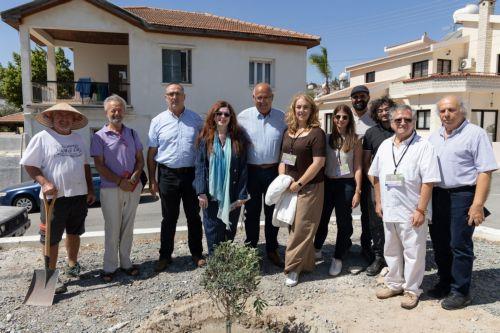
    A series of environmental projects spearheaded by a bicommunal women’s group will see tree planting and seed sowing continue within the UN-patrolled buffer zone throughout September. This initiative aims to transform the buffer zone, historically a symbol of division, into a vibrant area of unity and environmental stewardship.

    Bicommunal: Planting Olive Trees as a Symbol of Peace

    The project commenced with the planting of an olive tree in Pyla on Friday, a gesture dedicated to the memory of the missing individuals from both communities. The olive tree, recognised globally as a symbol of peace, marks the beginning of a collaborative effort to foster hope and connection.

    Creating a Legacy of Unity

    Petra Terzi, head of the Women in Film and Television chapter, one of the participating organisations, emphasised the significance of this project. “The buffer zone, which for decades has been a symbol of division, can become a green spot, a place of hope and a legacy of unity,” she stated. Through these actions, the group aspires to cultivate an environment where future generations can thrive without the barriers of walls and fear.

    Community Collaboration for Environmental Initiatives

    Munnever Ebedi, representing the Lefka Environmental Promotion Association, echoed Terzi’s sentiments by highlighting the importance of bicommunal environmental actions. “These initiatives promote cooperation between communities and represent a tangible step towards peace,” Ebedi remarked. The collaborative spirit of the project aims to bridge gaps and foster understanding between the communities involved.

    Choosing Flora for a Sustainable Future

    As part of the initiative, the group has selected trees and seeds that are native to Cyprus and resilient to local weather conditions, particularly in light of the ongoing water shortages affecting the island. This careful selection underscores a commitment to sustainability and environmental resilience, ensuring that the plants not only survive but thrive in their new environment.

    Upcoming Conference to Foster Dialogue

    In conjunction with the planting activities, a two-day conference is scheduled for September 22-23 at Ledra Palace. This event will gather academic activists from Cyprus and abroad, along with members of the Bicommunal Technical Committees for Gender, Environment, and Education. The conference aims to facilitate dialogue and exchange ideas on environmental issues while promoting gender equality and education.

    Funding and Support for the Project

    The tree planting initiative is part of the “Cyprus Women Environmental Peacemakers – CWEP” project, which is funded by the European Union. The EU has contributed €7,000 under its assistance programme for the Turkish Cypriot community, showcasing support for projects that aim to foster peace and cooperation in the region.

    Impact on Local Communities and Future Generations

    As the bicommunal women’s group continues its efforts, the impact on local communities is expected to be profound. By engaging in these environmental projects, participants not only contribute to the beautification of the buffer zone but also promote a culture of collaboration and peace. The hope is that this initiative will inspire future generations to maintain the spirit of unity and coexistence.

    Looking Ahead: A Greener Future

    The ongoing commitment to these environmental projects highlights a shared vision for a greener future in Cyprus. By transforming areas historically marked by division into spaces of cooperation and growth, the bicommunal women’s group is paving the way for a legacy that can transcend current divides.