The debate surrounding the Great Sea Interconnector has intensified, with Finance Minister Makis Keravnos accusing Greek Energy Minister Stavros Papastavrou of spreading ‘fake news’. This accusation arose after Papastavrou claimed Keravnos had failed to present studies he cited, which purportedly indicate that the project is not sustainable.
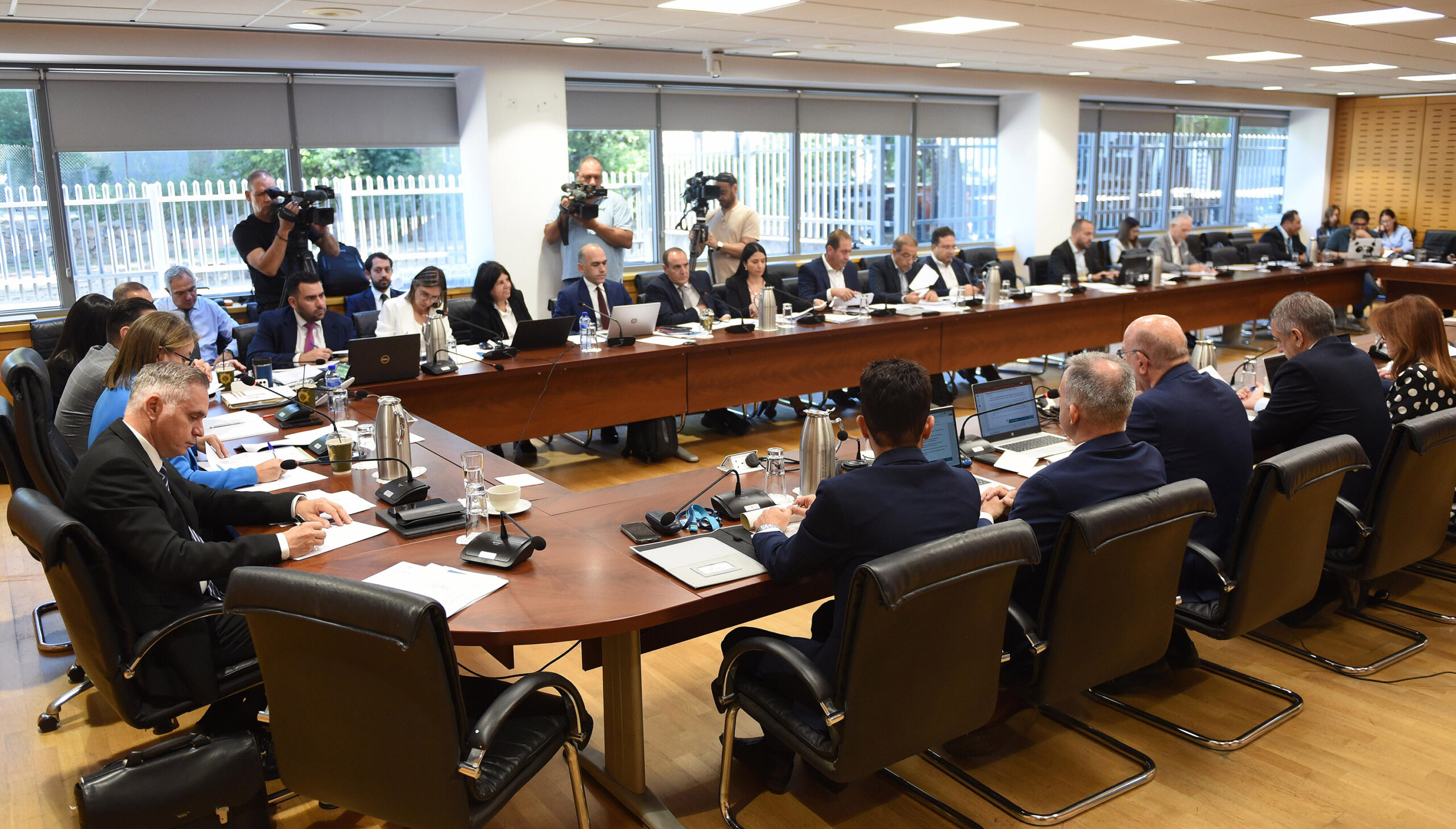
During a session of the House finance committee, Keravnos clarified that the studies in question were commissioned by Cypriot Energy Minister George Papanastasiou and were properly submitted to the Greek energy ministry. “We all know the studies and their findings,” he remarked, acknowledging that while some concerns are valid, he himself shares numerous reservations about the project’s viability.
Keravnos expressed his commitment to maintaining harmonious relations between the Greek and Cypriot governments, although he expressed discontent with Papastavrou’s assertions. He noted that his predecessor, Constantinos Petrides, had received these studies from the energy ministry during his tenure.
In a recent television appearance, Papastavrou dismissed what he termed ‘constantly conflicting messages from the Cypriot side’ regarding the interconnector. He cited Keravnos as questioning the project’s viability both before and after a meeting between Cypriot President Nikos Christodoulides and Greek Prime Minister Kyriakos Mitsotakis in New York. Papastavrou stated, “The finance minister says that it should not be done and it is not sustainable, referring to two studies which he does not show to Cypriot Energy Minister George Papanastasiou.”
Compounding the tension, Papastavrou addressed comments from President Christodoulides, who had taken issue with demands from Greece’s independent transmission system operator, Admie, for Cyprus to pay €25 million for the project. Papastavrou affirmed that Cyprus would not be ‘blackmailed’ over these payments, which are intended to support the project’s financing and ensure Admie’s income during the construction phase.
The financial commitment from Cyprus involves five annual payments of €25 million, which the Cypriot government has withheld due to a perceived lack of progress on the project and disagreements over funding sources. Papanastasiou stated last month that the first instalment would only be released when the project is fully implemented, asserting that merely constructing cables is insufficient to meet this requirement.
Initially, Cyprus planned to utilise funds from the European Union’s emissions trading system to cover these payments, alleviating the financial burden on taxpayers. However, Admie has raised concerns that this arrangement could potentially violate EU state aid regulations and has requested the Cyprus energy regulatory authority (Cera) to start charging consumers instead.
In September, Greek Deputy Prime Minister Kostis Hatzidakis urged the Cypriot government to clarify its stance on the interconnector, following Keravnos’s public statements regarding the independent studies that concluded the project was unsustainable. Hatzidakis pointed out that the necessary seabed surveys to determine cable placement had not yet been completed, describing completion of these surveys as crucial for accurately estimating the project’s total cost.
Contradicting this narrative, Greek Foreign Minister Giorgos Gerapetritis asserted that seabed surveys were ongoing and had proceeded according to schedule. This conflicting information has only added to the uncertainty surrounding the interconnector’s future.
Leave a Reply