Tag: Greece

  • Gaza peace — Greece and Cyprus Join Trump’s Gaza Peace Council

    Gaza peace — Greece and Cyprus Join Trump’s Gaza Peace Council

    gaza peace — Greece and Cyprus have received invitations from Donald Trump to join a Peace Council that will oversee Gaza’s temporary governance. As two of the 25 founding members, their participation marks a significant moment in international relations, particularly concerning the eastern Mediterranean and the Middle East.

    Gaza peace: New Developments in Gaza Governance

    According to reports from Greek media, the Peace Council includes all participants from the historic Sharm El-Sheikh ceremony. This gathering features notable countries such as France, Canada, various Gulf states, and Turkey, highlighting a united front in support of Gaza’s future.

    Strengthening Regional Influence

    The inclusion of Greece and Cyprus in this council is seen as a boost to their international standing. It underscores their growing role in key geopolitical matters, particularly in the context of ongoing tensions and developments in the region.

    Structure and Objectives of the Peace Council

    The Peace Council is part of the second phase of Trump’s Gaza peace plan, which operates under UN Security Council Resolution 2803. Its primary aim is to provide international oversight during Gaza’s transitional governance and to support stabilisation efforts necessary for implementing the peace agreement.

    Transitional Bodies Established

    To facilitate the work of the Peace Council, two transitional bodies have been created. The Executive Committee will manage the political and operational aspects of the Gaza agreement, while a Palestinian national technocratic committee has been tasked with temporarily governing Gaza during this transition.

    Leadership in the Peace Process

    In a strategic move, former Bulgarian diplomat N. Mladenov has been appointed as the High Representative. His role will involve coordinating the activities of the transitional bodies and the Peace Council, aiming to ensure a smooth governance transition in Gaza.

    International Support and Collaboration

    The Turkish presidency has confirmed that Trump has also invited President Recep Tayyip Erdoğan to join the Peace Council. This invitation further illustrates the collaborative nature of the council, with various nations coming together to address the complex challenges facing Gaza.

    The Peace Council’s formation signifies a commitment to stabilising the region and fostering cooperation among nations with vested interests in Gaza’s future governance. As the situation evolves, the roles of Greece, Cyprus, and other member nations will be crucial in shaping the outcomes of this ambitious peace initiative.

  • Cyprus flights: Flights to Cyprus Disrupted as Greece Closes Airspace Over Technical Issues

    Cyprus flights: Flights to Cyprus Disrupted as Greece Closes Airspace Over Technical Issues

    cyprus flights — cyprus flights — Flights to and from Cyprus were significantly disrupted after Greece closed its airspace on Sunday due to a technical problem with radio frequencies. This closure, described by Greek authorities, had immediate repercussions for numerous flights between the two countries.

    • As of now, passengers planning to travel to or from Cyprus are urged to stay informed about their flight status and the ongoing developments regarding airspace safety.

    Cyprus flights: Immediate Effects on Travel

    The Cypriot transport ministry confirmed that the airspace closure impacted not only direct flights between Cyprus and Greece but also those flights heading to or from Cyprus that were scheduled to fly over Greek airspace. Passengers were advised to check with their airlines for updates before heading to airports.

    Timeline of Events

    The issue began shortly before 10am on Sunday when the Greek civil aviation authority issued a directive to halt all flights in Greek airspace. Reports suggest that the technical difficulties were related to communications between aircraft and control towers, which are crucial for safe air travel.

    Flight Diversions and Limitations

    According to Euronews, as the situation unfolded, aircraft headed for Greek airports were ordered to divert, with many rerouted to neighbouring Turkey. As the afternoon progressed, the Greek civil aviation authority reported that a limited number of flights were starting to take off and land at airports across Greece, but the overall volume of air traffic remained restricted.

    Investigation Underway

    Authorities stated that the problem is currently under investigation in collaboration with external experts. The situation highlights the importance of reliable communication systems in aviation, as even minor technical issues can lead to widespread travel disruptions.

    As of now, passengers planning to travel to or from Cyprus are urged to stay informed about their flight status and the ongoing developments regarding airspace safety.

  • Interconnector: DIKO President Nikolas Papadopoulos Critiques Christodoulides and Warns on Energy Project

    Interconnector: DIKO President Nikolas Papadopoulos Critiques Christodoulides and Warns on Energy Project

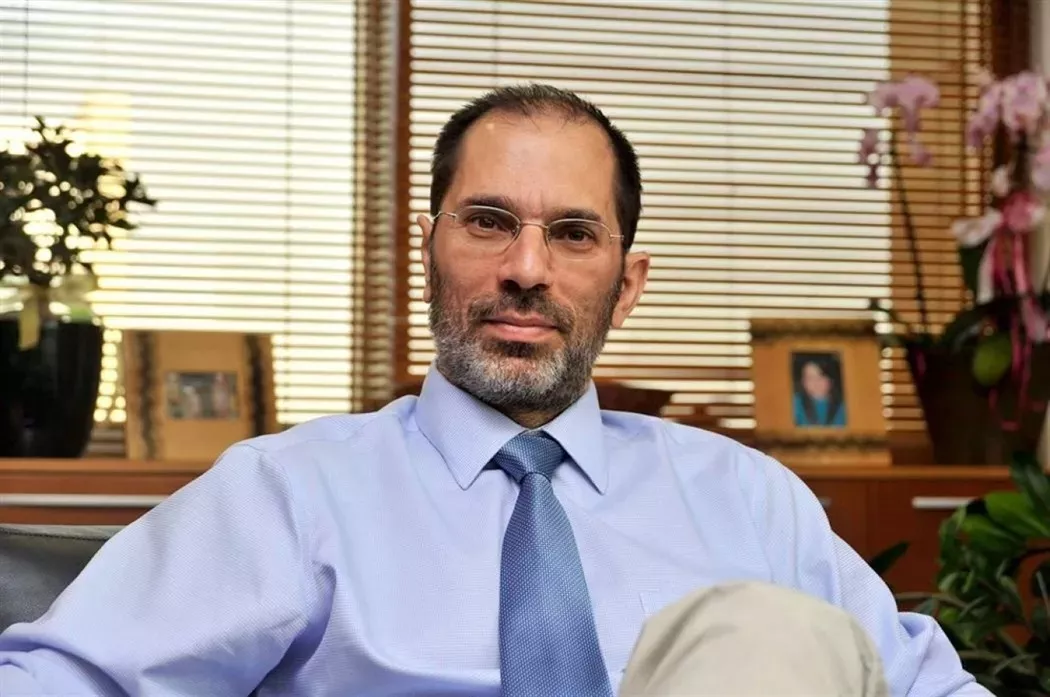
    DIKO President Nikolas Papadopoulos has voiced strong concerns regarding the government led by President Nikos Christodoulides, particularly highlighting the challenges surrounding the Cyprus-Greece electrical interconnector project.

    Disappointment in Cooperation

    In a recent interview with Politis, Mr. Papadopoulos expressed his discontent with the current administration’s performance, noting that the collaboration between DIKO and the President has not produced the desired results. He clarified that DIKO has not granted a “blank cheque” of support to the government, emphasising the party’s readiness to challenge the administration when it believes mistakes are being made.

    “We believe in the government’s programme and want to assist in its implementation, but the President of the Republic is the one who must decide whether he wants to improve the way his governance operates or whether he wants to continue with a problematic cooperation,” he stated.

    Concerns Over the Interconnector Project

    Mr. Papadopoulos has also raised alarms about the Cyprus-Greece electrical interconnector project, which he warns could face collapse if not handled carefully. He referred to such a failure as potentially “the worst geopolitical defeat for Cyprus since the S-300s.”

    Highlighting the project’s significance, he remarked on its geostrategic importance, underscoring the potential benefits it could bring, such as affordable electricity and the end of Cyprus’ energy isolation. He stated, “The GSI (Great Sea Interconnector) will bring us cheap electricity, end our energy isolation, and transform Cyprus into an energy conduit for the entire Eastern Mediterranean.”

    Mr. Papadopoulos expressed particular concern about the current delays and mixed messages from government officials regarding the project, suggesting that these could undermine its success. He warned, “We note that Cyprus and Greece fought battles in the past to exclude Turkey and the occupied territories from the European energy network. We greatly fear that if this project is led to collapse, Turkey and the occupied territories will re-enter Europe’s energy game.”

    Future Political Alliances

    Looking ahead, Mr. Papadopoulos discussed the importance of continuing the collaboration with the Democratic Rally (DISY) in the next parliament. He reminded the public of the successful history of cooperation between DIKO and DISY, particularly in critical moments such as integrating Cyprus into the euro and steering the economy away from the brink of bankruptcy.

    He concluded by asserting that “not only is there a prospect of cooperation with DISY in Parliament, but I believe that this cooperation is the only shield our people have against the economic destruction that the forces of the extremes and populism will bring if they prevail in the next Parliament.”

  • Energy waterloo — Odysseas Michaelides Labels Cyprus-Greece Interconnector Project an ‘Energy Waterloo’

    Energy waterloo — Odysseas Michaelides Labels Cyprus-Greece Interconnector Project an ‘Energy Waterloo’

    energy waterloo — The Cyprus-Greece interconnector project has been described as an ‘energy Waterloo’ by former Auditor General Odysseas Michaelides, who has raised serious concerns about the management and direction of the initiative.

    In a recent social media post, Michaelides referenced a report by Phileleftheros detailing ongoing pressure from the Greek Independent Power Transmission Operator (ADMIE) on the Cypriot regulatory authority (RAEK) to receive tens of millions in payments. He highlighted a troubling lack of decisiveness from President Christodoulides, suggesting that the government’s approach is complicating the project further.

    Energy waterloo: Concerns Over Government Decisions

    Michaelides specifically called out President Christodoulides and his main governmental partner, Nikolas Papadopoulos, for their persistent support of the project “at any cost.” He argued that this insistence is leading Cyprus into a precarious financial situation as costs continue to escalate.

    In August 2023, Michaelides informed both the European Commission and Cypriot Energy Minister G. Papanastasiou about issues surrounding the project’s Implementation Body, citing a troubling history of bankruptcy among its affiliates. He advocated for an open tender to find a more suitable entity to manage the project’s execution, but his warnings were disregarded.

    Financial Implications and Investigations

    Despite these red flags, the Christodoulides Government in October 2023 permitted the Implementation Body to sell the project’s “air” to ADMIE for a questionable sum of €48 million, a decision that is now under investigation by the European Public Prosecutor’s Office.

    The situation escalated in September 2024 when the Council of Ministers decided to commit Cyprus to a prepayment of €125 million to ADMIE, prior to the project’s completion. This prepayment has raised eyebrows, especially given the latest cost estimate of €1.9 billion, which Michaelides claims is no longer realistic.

    Calls for Accountability

    Michaelides’s concerns resonate with many who fear that the current trajectory of the project could lead to significant financial repercussions for Cyprus. He emphasised that the only oversight comes from the Minister of Finance, who has publicly documented the disconnection between the revised cost estimates and reality.

    As the project progresses, the community watches closely, questioning who will ultimately bear the financial burden. The ongoing developments surrounding the Cyprus-Greece interconnector project remain a point of contention, with implications that extend beyond mere financial figures to the broader energy strategy of Cyprus.

  • Military cooperation — Cyprus, Greece and Israel Strengthen Military Cooperation at Jerusalem Summit

    Military cooperation — Cyprus, Greece and Israel Strengthen Military Cooperation at Jerusalem Summit

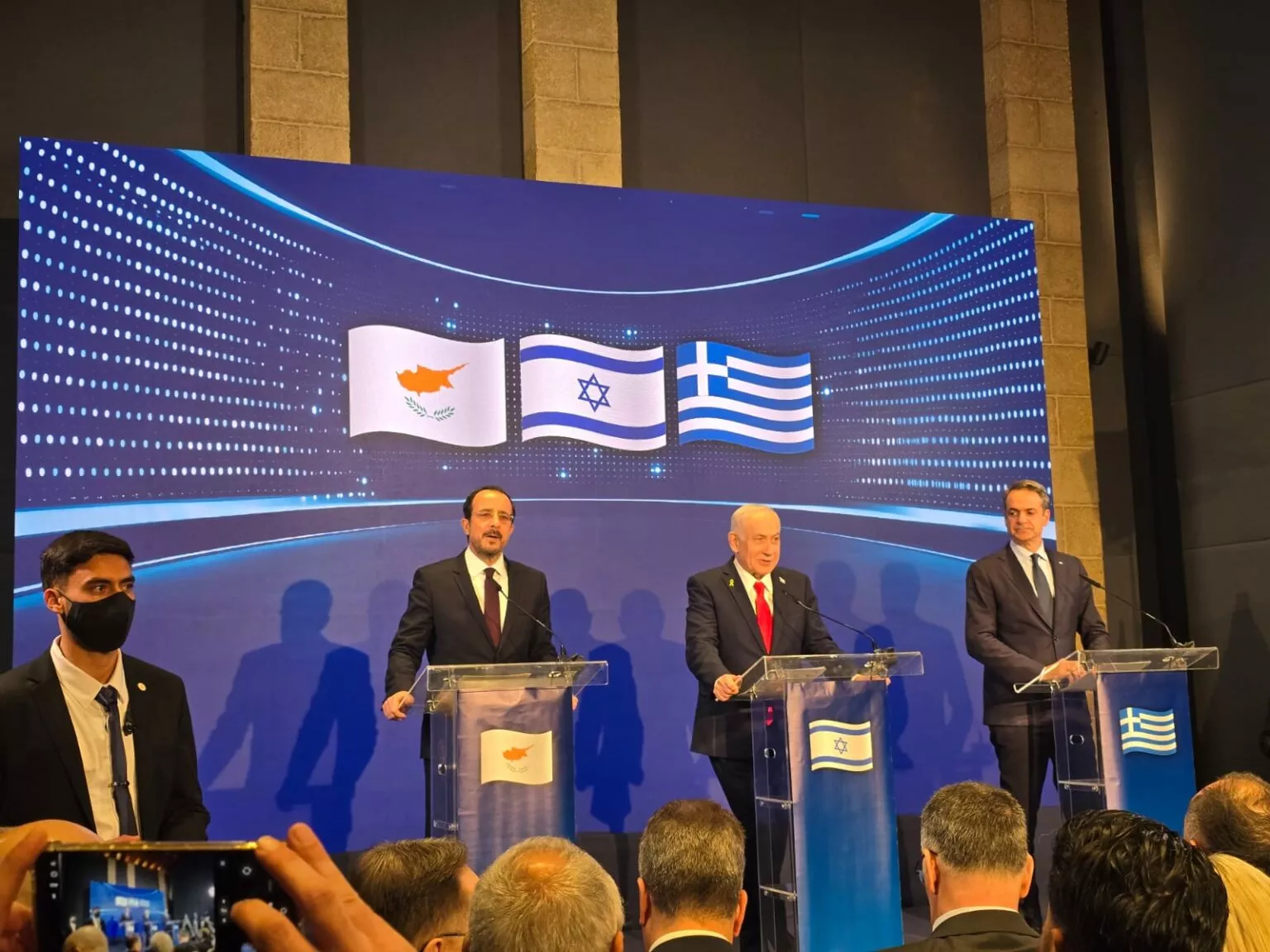
    military cooperation — Cyprus, Greece and Israel have agreed to deepen military ties, reflecting a shared commitment to enhance cooperation among their armed forces during the 10th trilateral summit in Jerusalem. The leaders of the three nations—President Nikos Christodoulides of Cyprus, Prime Minister Kyriakos Mitsotakis of Greece, and Prime Minister Benjamin Netanyahu of Israel—issued a joint declaration acknowledging the historic significance of this collaboration amid evolving regional dynamics.

    Military cooperation: Expanding Defence Collaboration

    In their declaration, the leaders highlighted the necessity of strengthening defence and military cooperation, which they view as vital in addressing security challenges across the Eastern Mediterranean and beyond. They agreed to hold annual summits and increase trilateral meetings at ministerial and working levels, further solidifying their partnership.

    Joint Military Initiatives

    Reports have emerged suggesting that Greece, Cyprus, and Israel are exploring the creation of a joint rapid response brigade. This initiative aims to safeguard their energy interests in the Eastern Mediterranean while countering Turkish claims in the region. However, the Cypriot Ministry of Defence has downplayed these reports, indicating that while discussions are ongoing, no formal plans have been established.

    Commitment to Security and Counter-Terrorism

    The summit underscored a unified stance against terrorism, with leaders pledging to enhance cooperation in security matters. They reaffirmed their commitment to combating terrorism financing and ensuring maritime security, which is crucial for protecting sea lanes and critical infrastructure from emerging threats. The establishment of the Maritime Cyber Security Centre of Excellence in Cyprus is expected to commence operations in 2026, aiming to bolster regional maritime security efforts.

    Humanitarian Efforts and Regional Stability

    The leaders also recognised the humanitarian contributions of Cyprus and Greece towards Gaza, particularly through the Amalthea maritime corridor. This initiative is coordinated with Israel and international partners to facilitate humanitarian aid effectively. They reiterated the importance of ensuring that such aid reaches civilians safely and is not misused by extremist groups.

    Emergency Preparedness Initiatives

    As part of their cooperation framework, Cyprus, Greece, and Israel have agreed to establish a trilateral working group focused on emergency preparedness and response. This group will facilitate rapid assistance during natural disasters. Additionally, plans are underway for creating a Cyprus Regional Aerial Firefighting Station, which aims to enhance the capabilities of the three nations in responding to environmental crises.

    Energy Collaboration and Infrastructure Projects

    The summit also highlighted the commitment to joint energy projects, including natural gas development and renewable energy initiatives. The leaders referenced the Great Sea Interconnector project and the recent 3+1 Energy Ministerial Summit, which included participation from the US, as pivotal steps towards promoting energy security in the region.

    Advancing Science and Technology Cooperation

    In a bid to foster innovation, the leaders agreed to strengthen trilateral cooperation in science and technology. This includes the establishment of a working group dedicated to artificial intelligence and joint research initiatives, aiming to enhance their capabilities in critical policy areas and high-performance computing.

    Deepening Cultural and Educational Ties

    Beyond military and technological collaboration, the nations expressed a desire to deepen cultural, educational, and academic exchanges. They have committed to accelerating existing agreements on environmental education and youth exchanges, recognising the importance of people-to-people ties in strengthening their partnership.

    Addressing Regional Challenges

    The leaders acknowledged the complexities of the regional landscape, including the ongoing dialogue between Israel and Lebanon. They reiterated their support for Lebanon’s sovereignty and stressed the importance of maintaining the status quo at the Holy Places in Jerusalem, underscoring the city’s significance for Judaism, Christianity, and Islam.

    As they look to the future, the leaders expressed optimism about the potential for collaboration. Christodoulides remarked on the reliability and resilience of their partnership, stating, “There are no limits to the prospects for cooperation between Cyprus, Greece, and Israel.” As the nations aim to solidify their commitments in defence, energy, and humanitarian efforts, their collaboration presents a strategic response to the challenges facing the region.

  • Defence cooperation: Defence Minister Clarifies Cyprus-Greece-Israel Cooperation Talks

    Defence cooperation: Defence Minister Clarifies Cyprus-Greece-Israel Cooperation Talks

    Defence Minister Vasilis Palmas has confirmed that discussions regarding a Cyprus-Greece-Israel defence cooperation initiative have not taken place. This statement follows reports in Greek media suggesting that high-ranking military officials from the three nations were in talks about forming a rapid reaction force aimed at countering Turkey’s military presence in the Eastern Mediterranean.

    • Officials have made it clear that any procurement will take into account repair, maintenance, and transport costs to ensure economic efficiency and long-term sustainability.

    Palmas addressed these claims in an interview with philenews, emphasising that any such initiative would depend on significant political decisions rather than merely military consultations. He underlined the importance of the matter but stated it is premature to speculate whether a trilateral defence formation will materialise in the future.

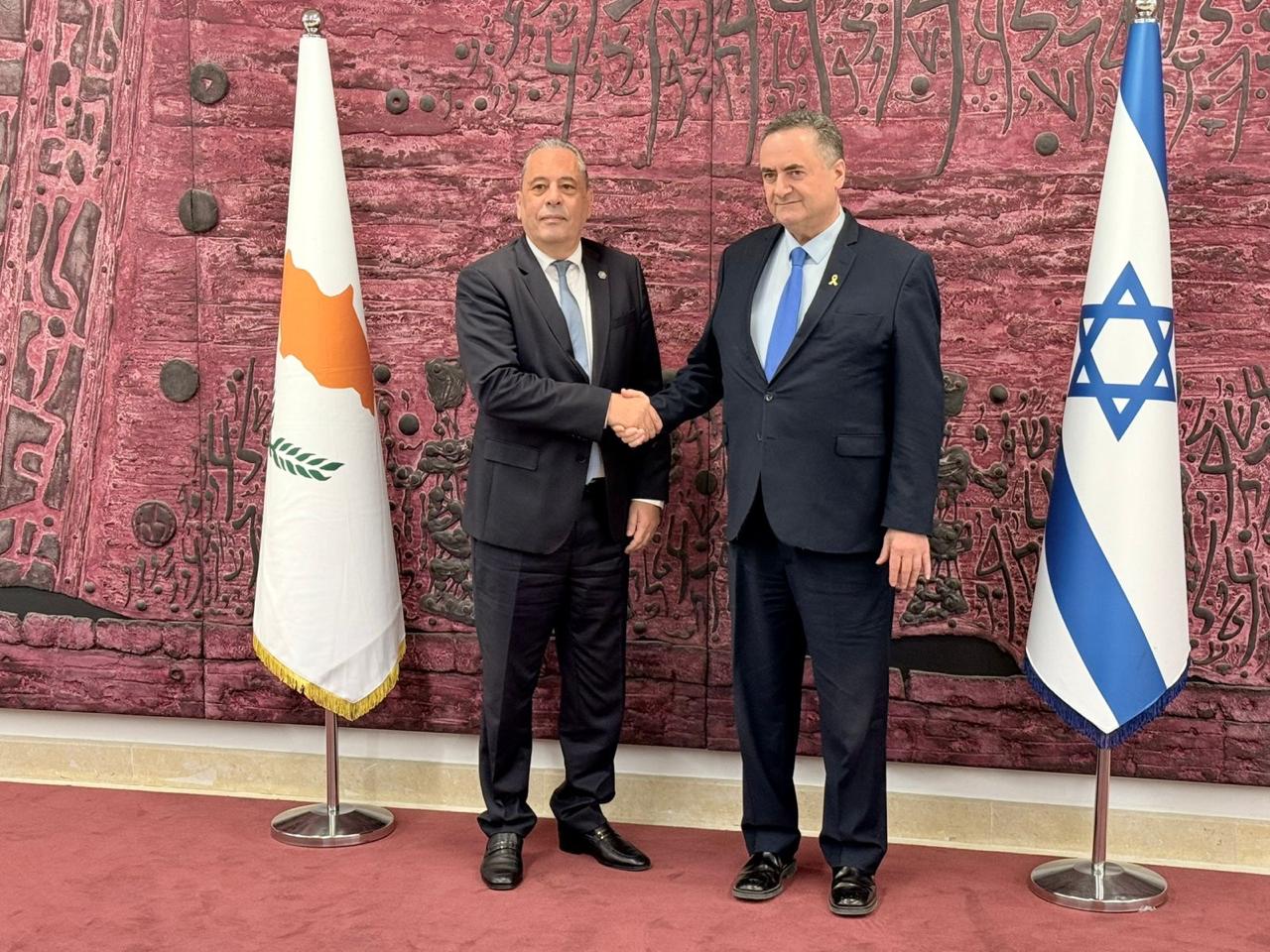
    The relationships between Cyprus, Greece, and Israel are currently at a high point, according to Palmas. He noted that during his recent visit to Israel, where he met with the Israeli Defence Minister, the potential defence cooperation was not a topic of discussion.

    Amidst these diplomatic considerations, Palmas provided updates on military infrastructure developments within Cyprus. He indicated that upgrades to the Evangelos Florakis Naval Base in Mari and the Andreas Papandreou Air Base in Paphos are currently underway. These enhancements are part of a broader strategy to strengthen the operational capabilities of the National Guard.

    Palmas revealed that the United States has begun architectural and technical plans for the upgrade of the Paphos Air Base, which is expected to bolster Cyprus’s military infrastructure significantly. The decision to enhance the Mari Naval Base was solidified following the signing of the Cyprus-France Strategic Declaration in Paris, marking a pivotal moment for Cyprus’s role in the region.

    The planned naval infrastructure aims to be capable of hosting warships, with architectural and technical plans anticipated to be completed by 2026, leading to substantial construction work starting in 2027.

    In terms of military equipment, Palmas mentioned that the Defence Ministry and National Guard General Staff are prioritising the acquisition of surplus American military equipment. Cyprus is preparing to send a delegation to the US to explore various weapons systems suited for its needs. Among the equipment under consideration are American armoured personnel carriers and potentially Bradley-type vehicles.

    Officials have made it clear that any procurement will take into account repair, maintenance, and transport costs to ensure economic efficiency and long-term sustainability.

  • Perseas military: Cyprus Hosts Perseas-2025 Military Exercise with Regional Forces

    Perseas military: Cyprus Hosts Perseas-2025 Military Exercise with Regional Forces

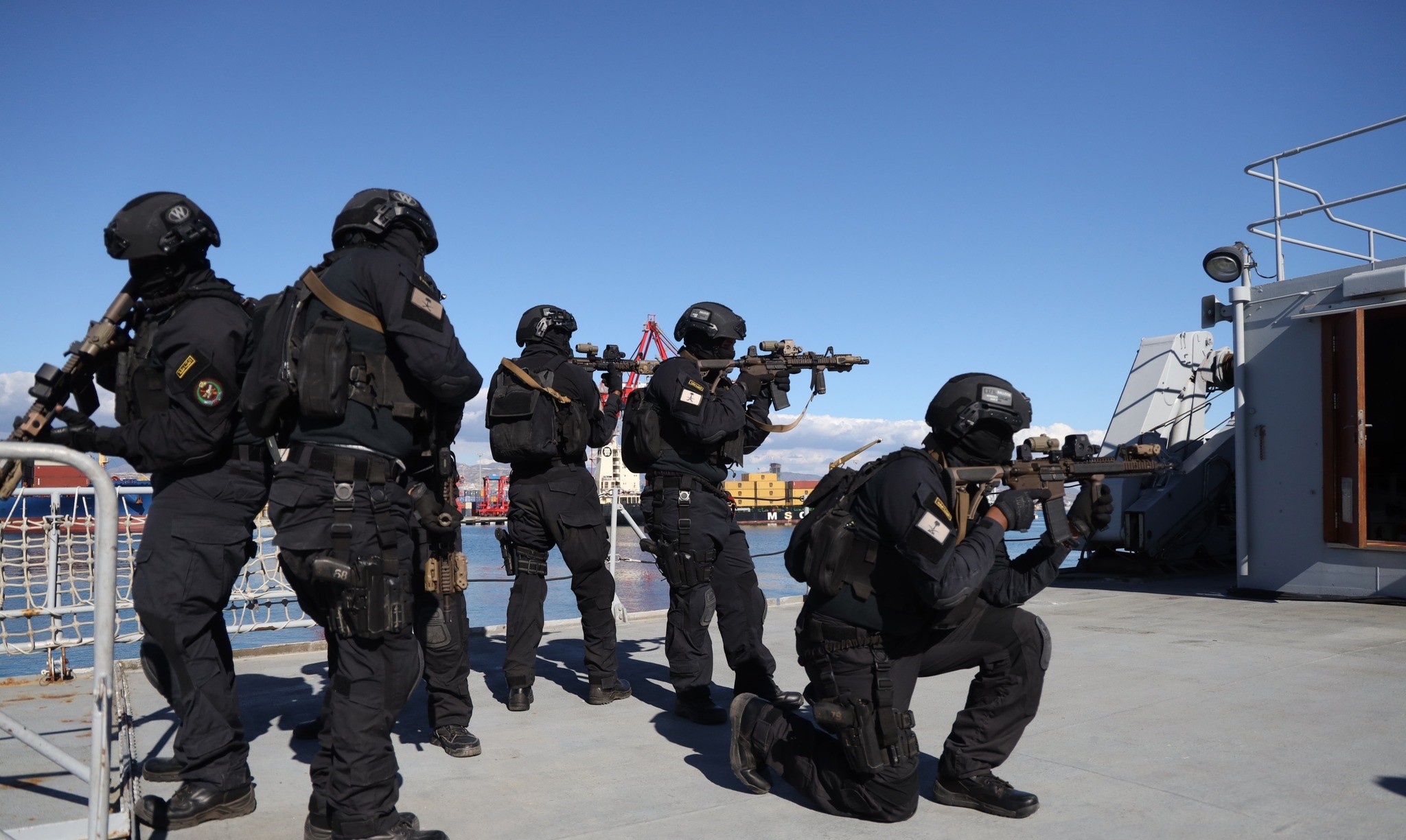
    perseas military — perseas military — The multinational “Perseas-2025” military drill has successfully brought together forces from Cyprus, Greece, Jordan, and Saudi Arabia. Conducted between November 30 and December 5, this significant exercise involved personnel from the National Guard alongside units from the participating nations, all operating across various firing ranges in Cyprus.

    Photo: cyprus-mail.com

    The Cypriot defence ministry highlighted that the drill aimed to enhance readiness in special operations, while also improving cooperation among the different armed forces involved. Cyprus contributed a diverse array of units, including its elite green beret branch, navy, and air force commands, as well as teams from search and rescue and anti-terrorist squads.

    Special forces from the Hellenic Armed Forces, the Jordanian Armed Forces, and the Royal Saudi Navy also played a crucial role in the exercise. The ministry emphasised that the primary objectives of the drill were to strengthen operational coordination and elevate collaborative efforts among the participating states.

    Perseas-2025 has been described as particularly valuable for reinforcing partnerships with regional allies committed to security cooperation. This exercise not only solidified existing relationships but also paved the way for enhanced military cooperation in the future.

  • Uncertainty Surrounds Great Sea Interconnector Cost and Future

    Uncertainty Surrounds Great Sea Interconnector Cost and Future

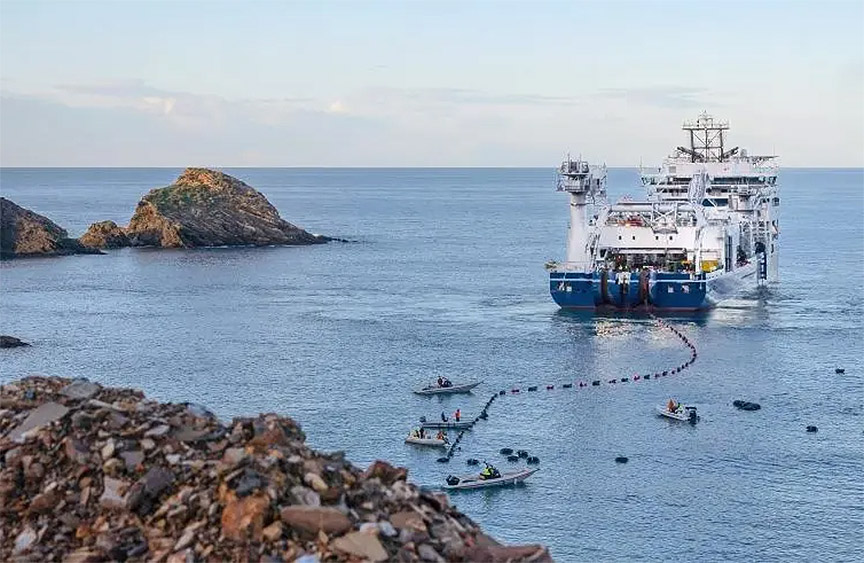
    The Great Sea Interconnector’s future is shrouded in uncertainty as discussions about its cost intensify. Recent talks in Athens led to an agreement to ‘update the techno-economic’ parameters, a move interpreted by many as indicative of stalled progress on the project. While some view this as a necessary step forward, others see it as a sign that the interconnector is struggling to gain momentum.

    Photo: cyprus-mail.com

    Great sea: Debate Over Project Viability

    Opinions on the interconnector diverge sharply. Critics argue that the announcement of a new feasibility study suggests a fundamental reassessment of the project. The GSI, which aims to connect the electricity grids of Cyprus and Greece via a subsea cable, currently faces a significant funding gap, estimated to be around €1 billion. Those sceptical of the project highlight that the necessity of further studies indicates a lack of confidence in its financial viability.
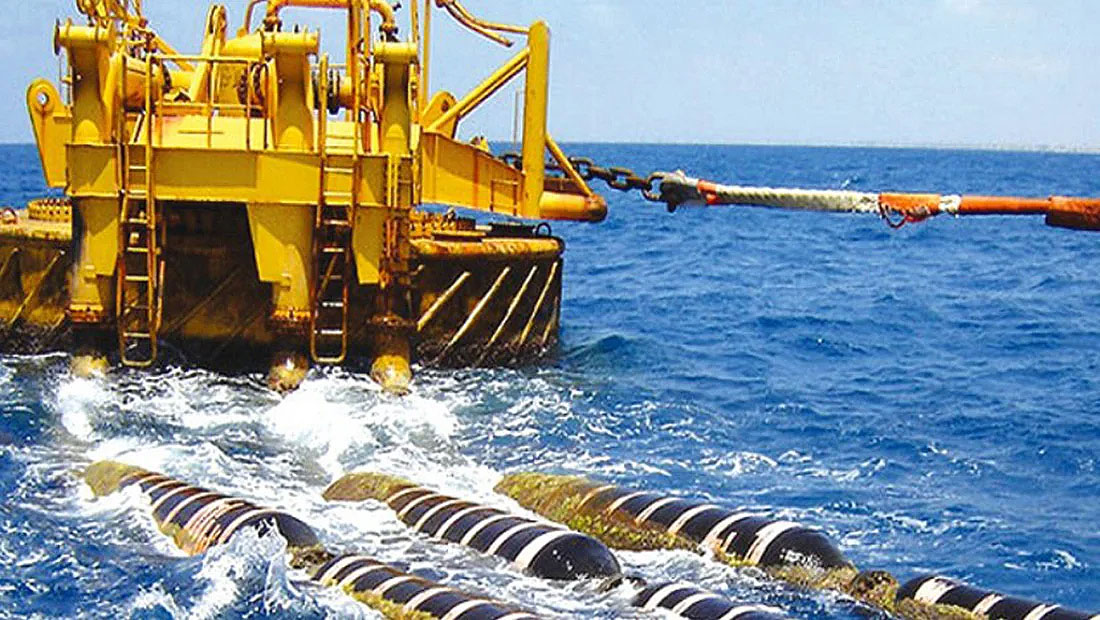
    Photo: cyprus-mail.com

    Funding Challenges

    Despite optimistic claims from Admie, Greece’s independent transmission operator and the project’s promoter, evidence of substantial investment interest remains elusive. Claims that the United States International Development Finance Corporation is considering involvement lack concrete backing. Currently, Admie has capital estimated between €250 million and €300 million and has also secured €650 million in grants from the European Commission. However, the projected cost of the interconnector stands at approximately €1.9 billion, leaving a significant funding shortfall.

    Government Statements and Investor Interest

    Following the Athens summit, Greek Energy Minister Stavros Papastavrou asserted that genuine interest from American investors exists. He stated, “Interest has been exhibited from the Americans, from American companies. We are in an exploratory phase. The Americans, as well as anyone else desiring to invest in a long-term project, they want the numbers, they want the data to understand the what, the how, and the where.”

    This perspective suggests that the feasibility study’s purpose is to provide clarity on costs, which will be critical for attracting potential investors. The study aims to determine whether the project can yield a healthy return on investment and if financial institutions will be willing to back it.

    Concerns Amidst Optimism

    However, sceptics raise valid concerns about the potential ramifications of the feasibility study. They question what would occur if the findings indicate that the interconnector is not financially viable. Would the governments of Cyprus and Greece proceed with a project deemed unfeasible? This uncertainty complicates the already precarious situation surrounding the GSI.

    Further complicating matters, the Turkish navy has deployed gunships to halt depth surveys required for the subsea cable, raising questions about the project’s feasibility if these critical surveys cannot be completed. A source familiar with the situation revealed that there is currently no clear understanding of the GSI’s total cost, contradicting positive outlooks from some officials.

    Historical Context and Previous Studies

    The interconnector project has a complicated history. Initially undertaken by EuroAsia Interconnector Ltd., the project was passed to Admie in October 2023. The Cypriot finance ministry previously submitted a cost-benefit analysis to the European Investment Bank (EIB) when EuroAsia was still involved, seeking an opinion rather than a loan application. The EIB’s recommendation advised Cyprus to invest in energy storage solutions instead.

    Admie later engaged the same consultancy that evaluated EuroAsia’s analysis to perform a second cost-benefit study, which indicated a more favourable outcome for the interconnector, albeit based on several optimistic assumptions.

    Political Perspectives and Future Prospects

    In light of the uncertainty, some remain steadfast in their belief that the GSI is essential for Cyprus’s energy security. Pavlos Liasides, who formulates energy policy for the Disy party, stated, “The GSI is a project that must be done, and will be done. It cannot be otherwise.” Liasides emphasised the interconnector’s significance in the broader context of regional energy needs, connecting Cyprus to the Middle East and Europe.

    He also highlighted the geopolitical implications of the project, noting that plans for interconnectors have been influenced by various international stakeholders, excluding certain nations, including Turkey. This exclusion adds a layer of complexity to the project’s implementation.

    Cost Implications for Consumers

    Addressing concerns about the project’s costs, Liasides pointed out that even if the GSI were to be completed without being utilised, the financial impact on consumers would be minimal, estimating an increase of only €15 per year on their bills over 25 to 30 years.

    Future Collaboration Between Cyprus and Greece

    Despite any perceived tensions between Cyprus and Greece regarding the interconnector, Liasides expressed confidence in the collaboration between the two nations. He noted the leaders’ public commitment to the project during their recent meeting in Athens, suggesting that both governments remain aligned in their objectives.

    As discussions continue, Liasides cautioned against inflammatory rhetoric that could undermine their efforts. He stated, “The GSI has adversaries; they are out there, lurking to poison relations between us and the Greek government. We mustn’t give them any ammunition.” This sentiment underscores the delicate balance that both countries must maintain as they navigate the complexities surrounding the Great Sea Interconnector.
  • New Inclusive Routes Initiative Enhances Access to Nature in Cyprus and Greece

    New Inclusive Routes Initiative Enhances Access to Nature in Cyprus and Greece

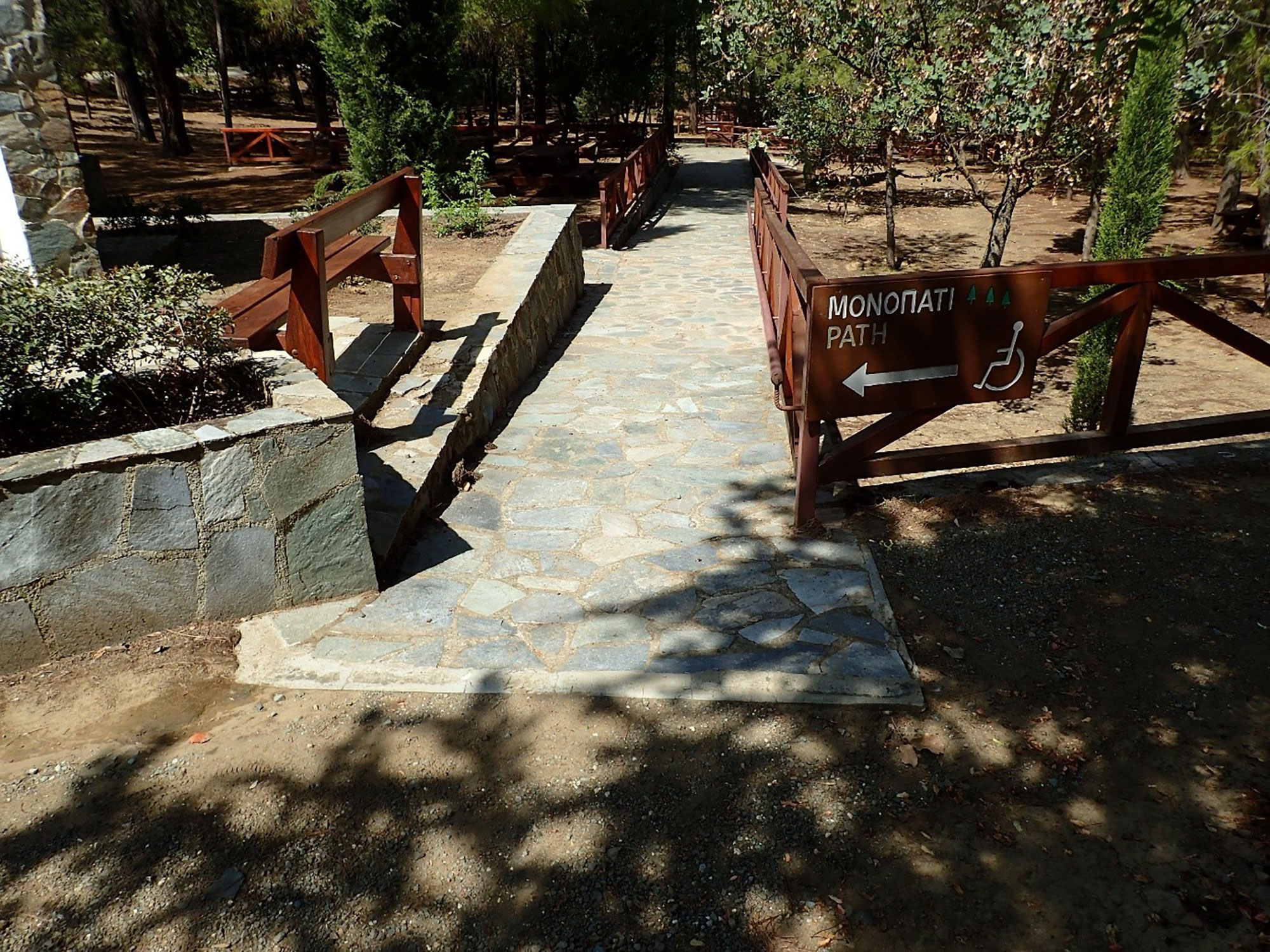
    A new cross-border programme, dubbed “Inclusive Routes,” has been launched to improve accessibility in forest recreation areas, cultural heritage sites, and tourist destinations across Cyprus and Greece. Announced by the forestry department on Friday, this initiative aims to create a more inclusive experience, particularly for individuals with disabilities.

    Inclusive routes: Transforming Nature Access for All

    The measures outlined in the project include the construction and upgrading of trails, enhancements to picnic areas, and the establishment of designated observation points and parking spaces tailored for those with mobility challenges. The forestry department elaborated that renovations will also focus on hospitality and recreation facilities.

    Target Audience: Families, Seniors, and Individuals with Disabilities

    This initiative is designed to make nature more accessible for a variety of groups, including people with disabilities, families with children, the elderly, and those facing temporary mobility difficulties. The emphasis is on creating an environment where everyone can enjoy the outdoors comfortably and safely.

    Key Locations for Improvement

    Work will be carried out in several notable areas, including the Platania and Livadi tou Passia picnic sites in the Troodos national forest park, the Kampi loop in the Machairas national forest park, Mavralis in Paphos, the Cape Greco environmental information centre, and the Stavros tis Psokas area, alongside the Athalassa and Limassol national forest parks.

    Collaboration with Local Organisations

    “Inclusive Routes” is the result of cooperation among five partner organisations from Cyprus and Greece. Notable partners include the Cyprus Paraplegics Organisation, the municipality of Syros–Ermoupolis, the Limassol district development agency, and the Lesvos local development agency. Their collaboration will ensure that the project effectively meets the needs of the community.

    Innovative Solutions for a Greener Future

    The forestry department highlighted the goal of blending environmental respect with innovative accessibility solutions. By doing so, the project aims to allow natural sites to be enjoyed by all visitors, fostering a greater appreciation for the outdoors.

    Digital Tools to Enhance Visitor Experience

    In addition to physical improvements, the project will introduce digital tools aimed at informing the public about the new accessibility measures. This will support easy navigation within forest areas, providing visitors with the information they need to explore these natural settings confidently.

    A Commitment to Universal Design Principles

    Looking ahead, the forestry department intends to integrate universal design principles into future forest infrastructure projects. This commitment to both environmental protection and social inclusion will guide the development of spaces that are welcoming to everyone, regardless of their physical ability.

  • Cyprus and Greece: Pillars of Stability in the Eastern Mediterranean

    Cyprus and Greece: Pillars of Stability in the Eastern Mediterranean

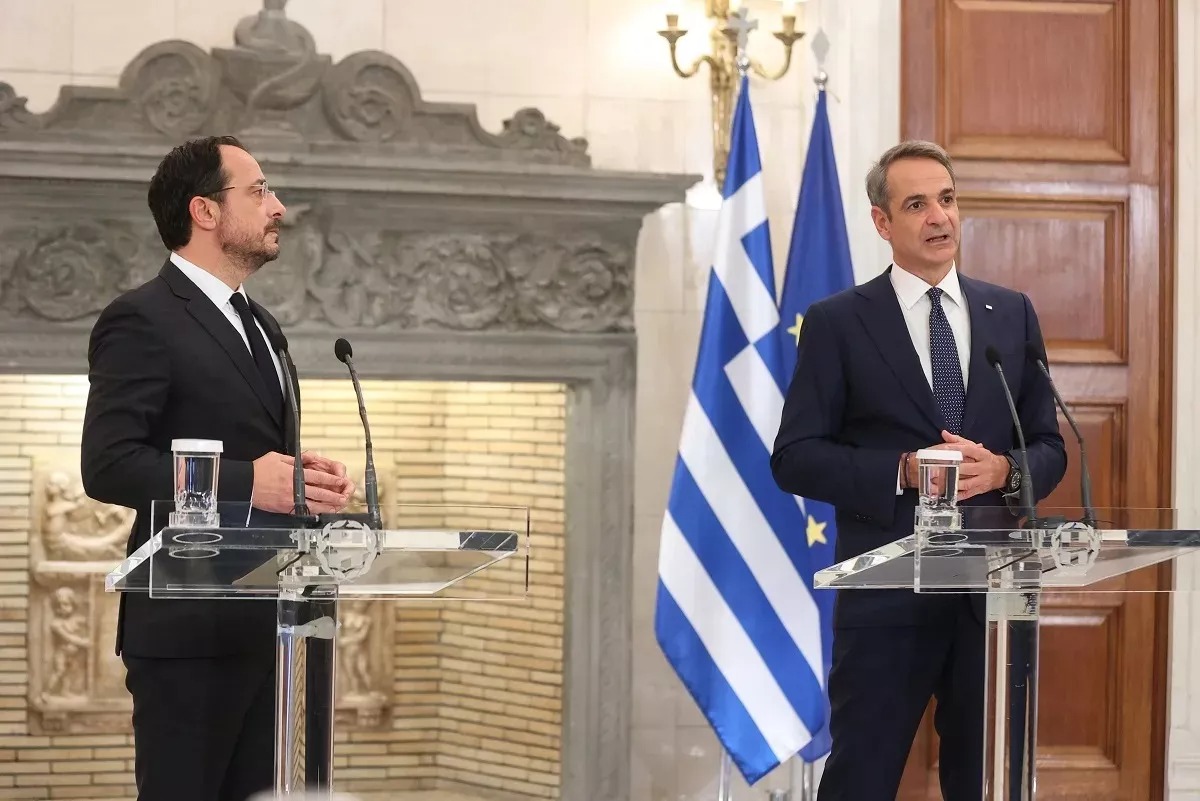
    Cyprus and Greece are described as pillars of stability in the Eastern Mediterranean by Greek Prime Minister Kyriakos Mitsotakis during his recent visit to Nicosia. Speaking at a memorial service for former President Glafcos Clerides, Mitsotakis highlighted the importance of responsibility and realism in patriotism while reflecting on Clerides’ significant contributions to the Cyprus problem.

    Cyprus and: A Call for Responsible Patriotism

    During the service, which was led by Archbishop Georgios, Mitsotakis emphasised the need for a patriotism grounded in responsibility, realism, and results. This sentiment echoes a call for a collective approach to the challenges faced by both nations, especially concerning the ongoing issues surrounding Cyprus.

    Reflecting on Clerides’ Legacy

    Clerides, the founder of the Democratic Rally (Disy), played a crucial role in addressing the Cyprus conflict. Mitsotakis noted that the former president’s experiences over the decades serve as a vital lesson: stagnation can lead to regression. He warned that the false bravado associated with contemporary pseudo-patriotism often conceals future failures.

    Commitment to Cooperation

    Reaffirming the solidarity between Athens and Nicosia, Mitsotakis pointed out the recent resumption of informal discussions regarding the Cyprus issue after a prolonged period of stagnation. He stressed that the Greek government is firmly aligned with the government of Cyprus, advocating for the existing framework of UN resolutions that promote political equality, sovereignty, and citizenship.

    Rejecting the Two-State Solution

    In his speech, Mitsotakis firmly rejected any arguments in favour of a two-state solution, describing such proposals as unacceptable. He reiterated that constructive dialogue and active diplomacy are essential for achieving positive outcomes in the region.

    Economic Growth and Energy Initiatives

    Mitsotakis further highlighted that both Cyprus and Greece are not only stabilising forces but also rapidly developing economies that are outpacing the European average. He noted their efforts in reducing national debt and contributing to the formation of a new energy landscape in the Eastern Mediterranean through significant electrical interconnection projects.

    Honouring Distinguished Guests

    The memorial service was attended by several notable figures, including Disy leader Annita Demetriou, former President Nicos Anastasiades, and former Disy leader Averoff Neophytou. President Nikos Christodoulides was represented by Interior Minister Constantinos Ioannou, underscoring the importance of unity among political leaders in addressing the challenges facing Cyprus.

    The Way Forward

    Mitsotakis’ remarks serve as a reminder of the ongoing commitment required from both nations to navigate the complexities of the Cyprus situation and uphold their roles as beacons of stability in the region. As discussions progress, the emphasis on collaboration and active diplomacy will be critical in shaping a peaceful and prosperous future for Cyprus and Greece.