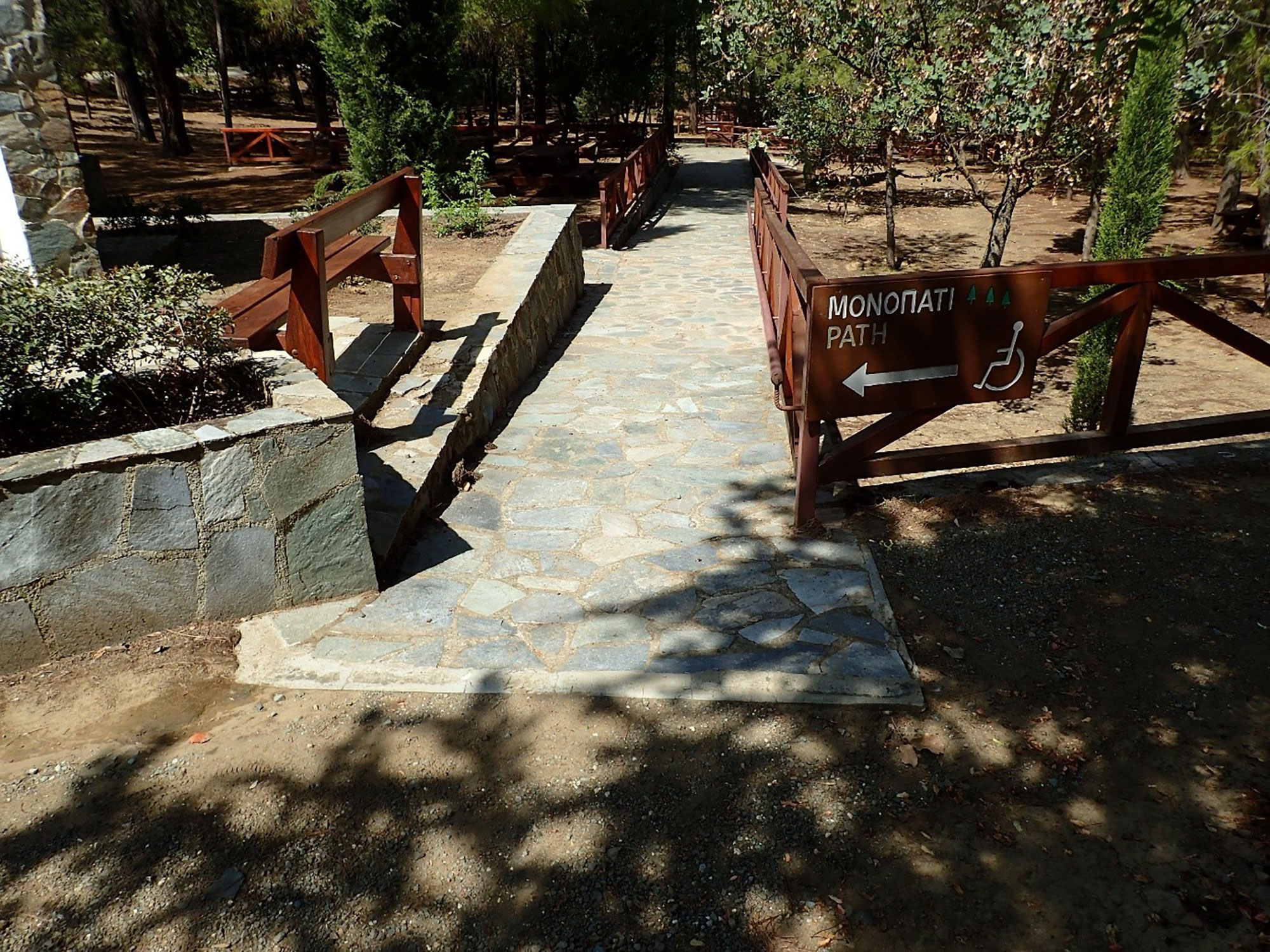
A new cross-border programme, dubbed “Inclusive Routes,” has been launched to improve accessibility in forest recreation areas, cultural heritage sites, and tourist destinations across Cyprus and Greece. Announced by the forestry department on Friday, this initiative aims to create a more inclusive experience, particularly for individuals with disabilities.
Inclusive routes: Transforming Nature Access for All
The measures outlined in the project include the construction and upgrading of trails, enhancements to picnic areas, and the establishment of designated observation points and parking spaces tailored for those with mobility challenges. The forestry department elaborated that renovations will also focus on hospitality and recreation facilities.
Target Audience: Families, Seniors, and Individuals with Disabilities
This initiative is designed to make nature more accessible for a variety of groups, including people with disabilities, families with children, the elderly, and those facing temporary mobility difficulties. The emphasis is on creating an environment where everyone can enjoy the outdoors comfortably and safely.
Key Locations for Improvement
Work will be carried out in several notable areas, including the Platania and Livadi tou Passia picnic sites in the Troodos national forest park, the Kampi loop in the Machairas national forest park, Mavralis in Paphos, the Cape Greco environmental information centre, and the Stavros tis Psokas area, alongside the Athalassa and Limassol national forest parks.
Collaboration with Local Organisations
“Inclusive Routes” is the result of cooperation among five partner organisations from Cyprus and Greece. Notable partners include the Cyprus Paraplegics Organisation, the municipality of Syros–Ermoupolis, the Limassol district development agency, and the Lesvos local development agency. Their collaboration will ensure that the project effectively meets the needs of the community.
Innovative Solutions for a Greener Future
The forestry department highlighted the goal of blending environmental respect with innovative accessibility solutions. By doing so, the project aims to allow natural sites to be enjoyed by all visitors, fostering a greater appreciation for the outdoors.
Digital Tools to Enhance Visitor Experience
In addition to physical improvements, the project will introduce digital tools aimed at informing the public about the new accessibility measures. This will support easy navigation within forest areas, providing visitors with the information they need to explore these natural settings confidently.
A Commitment to Universal Design Principles
Looking ahead, the forestry department intends to integrate universal design principles into future forest infrastructure projects. This commitment to both environmental protection and social inclusion will guide the development of spaces that are welcoming to everyone, regardless of their physical ability.
Leave a Reply