Tag: energy

  • Cyprus Faces Significant Energy Challenges in 2026

    Cyprus Faces Significant Energy Challenges in 2026

    Cyprus’ energy challenges are set to intensify in 2026, as experts warn that unresolved issues from the current year will continue to affect the sector. Persistent high electricity prices and potential rolling power cuts loom large on the horizon.

    • With so many unresolved issues, stakeholders are urged to take swift action to ensure a more sustainable energy future for Cyprus.
    Energy challenges: Urgent Decisions Required

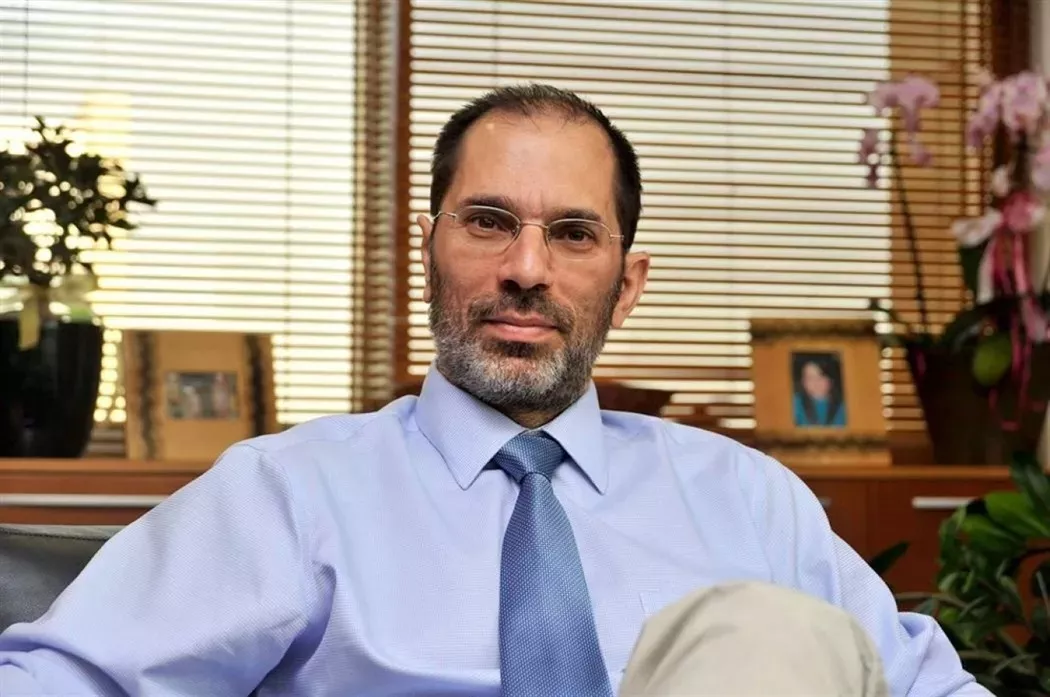
    According to Constantinos Hadjistassou, a professor at the University of Nicosia who specialises in energy, the leeway for errors in Cyprus’ energy decision-making is critically low. He emphasised the need for increased coordination among policymakers and experts to address the pressing challenges ahead.

    High Electricity Prices

    Energy expert Charles Ellinas echoed Hadjistassou’s sentiments, stating that the energy sector remains one of Cyprus’ most problematic areas. Despite some successes in 2025, the lack of tangible results necessitates urgent attention to the high cost of electricity, which is not expected to decrease in 2026.

    Ellinas highlighted that Cyprus has the highest per capita carbon dioxide emissions in Europe, primarily due to its reliance on diesel and heavy fuel oil for electricity generation. He stressed the urgent need to transition to natural gas to mitigate these emissions.

    Challenges with LNG and Natural Gas

    The LNG import project at Vasiliko continues to face difficulties, with experts noting that the completion of the pier construction is straightforward from an engineering perspective. However, the lack of a clear plan or timetable hampers progress. If completed, the project could allow Cyprus to benefit from lower LNG prices expected in 2026.

    Energean has proposed supplying natural gas through a submarine pipeline from its fields in Israel, contingent on the opening of Cyprus’ natural gas market. Hadjistassou pointed out that the energy ministry has several options available for early 2026, but delays in transitioning from diesel to natural gas will burden Cypriots with high electricity prices.

    Offshore Gas Exploration Prospects

    Looking ahead, the development of the Kronos gas field is anticipated to proceed quickly, with exports to Egypt expected by early 2028. However, Ellinas cautioned that while this may yield political advantages, it will not significantly enrich Cyprus, with profit shares expected to be less than 0.7 per cent of the annual budget.

    The progress of the Aphrodite gas field remains uncertain. Despite the resolution of disputes with Israel, Chevron must decide on investments in 2026 to move forward. With a focus on high-yield projects, Chevron’s low capital expenditure plan complicates progress on the Aphrodite project, which is estimated to cost $4 billion.

    International Collaborations and Infrastructure Projects

    The EEZ delimitation agreement with Lebanon, although politically significant, is not expected to yield direct benefits. Hadjistassou noted that Chevron is prioritising other projects, such as gas agreements with Egypt, over the Aphrodite field.

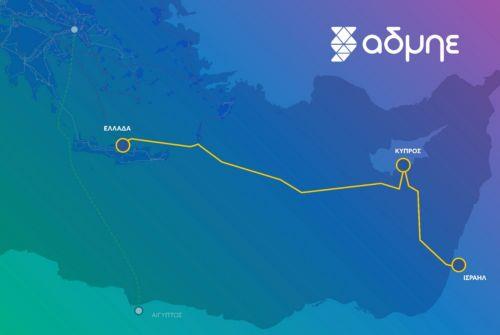
    Ellinas mentioned the Great Sea Interconnector, a proposed subsea cable linking Cyprus and Greece, which needs decisive action to become operational by the planned 2030-2031 date. The project has received backing from the European Commission and Greece, fostering hope for its advancement despite ongoing governmental ambivalence.

    Recent Developments in the Interconnector Project

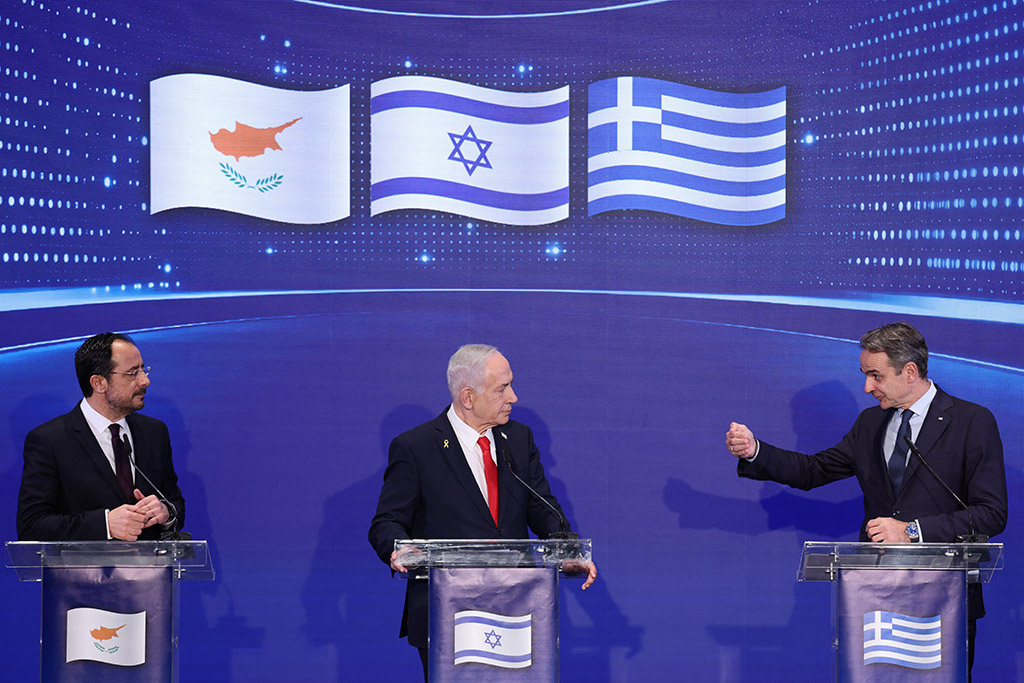
    The trilateral agreement between Cyprus, Greece, and Israel on December 22 aims to promote the Great Sea Interconnector, linking it to the India-Middle East-Europe Economic Corridor (IMEC). Israeli Prime Minister Benjamin Netanyahu underscored the significance of this collaboration, highlighting its potential to enhance energy connectivity between Europe, Asia, and the Arabian Peninsula.

    Despite the commitment, Hadjistassou referred to the project as the “not-so-Great Sea Interconnector” due to lingering uncertainties about its viability and investor interest. The financial burden of the project will largely fall on Cypriot taxpayers, raising concerns about the effective use of funds.

    Renewable Energy Integration Challenges

    As Cyprus grapples with its energy transition, integrating renewables into the grid remains a pressing issue. Hadjistassou warned that power cuts are likely to increase in 2026, particularly during periods of low electricity demand when the generation from renewable sources peaks. Without adequate battery storage, a significant portion of this generated electricity could go to waste.

    He suggested that a portion of the surplus electricity could be redirected to desalination plants to combat water scarcity, highlighting the need for innovative solutions to manage excess electricity.

    The Future of Electricity Supply

    Another critical concern for 2026 will be ensuring a stable electricity supply on the island. With the increasing reliance on renewable energy, the Dhekelia power plant’s role in maintaining grid stability is becoming more crucial. Although the Electricity Authority of Cyprus (EAC) plans to install gas turbines to enhance capacity, they will not be operational until 2028.

    In the meantime, the EAC expects to have a 160MWh battery bank at Dhekelia operational by summer 2026, which could help alleviate power cut issues. Additionally, the Transmission System Operator (TSO) aims to install another 400MWh of battery storage systems by mid-2026, further bolstering the island’s energy resilience.

    Looking Ahead

    Despite these initiatives, the cost of stored electricity will be higher than that generated from conventional sources and renewables, posing another challenge for consumers. As Ellinas summarised, 2026 is set to be another year of significant energy challenges for Cyprus, with urgent priorities including completing the LNG import project, enhancing electricity storage, upgrading the grid, increasing renewable energy installations, and deciding on the Great Sea Interconnector.

    With so many unresolved issues, stakeholders are urged to take swift action to ensure a more sustainable energy future for Cyprus.
  • Interconnector: DIKO President Nikolas Papadopoulos Critiques Christodoulides and Warns on Energy Project

    Interconnector: DIKO President Nikolas Papadopoulos Critiques Christodoulides and Warns on Energy Project

    DIKO President Nikolas Papadopoulos has voiced strong concerns regarding the government led by President Nikos Christodoulides, particularly highlighting the challenges surrounding the Cyprus-Greece electrical interconnector project.

    Disappointment in Cooperation

    In a recent interview with Politis, Mr. Papadopoulos expressed his discontent with the current administration’s performance, noting that the collaboration between DIKO and the President has not produced the desired results. He clarified that DIKO has not granted a “blank cheque” of support to the government, emphasising the party’s readiness to challenge the administration when it believes mistakes are being made.

    “We believe in the government’s programme and want to assist in its implementation, but the President of the Republic is the one who must decide whether he wants to improve the way his governance operates or whether he wants to continue with a problematic cooperation,” he stated.

    Concerns Over the Interconnector Project

    Mr. Papadopoulos has also raised alarms about the Cyprus-Greece electrical interconnector project, which he warns could face collapse if not handled carefully. He referred to such a failure as potentially “the worst geopolitical defeat for Cyprus since the S-300s.”

    Highlighting the project’s significance, he remarked on its geostrategic importance, underscoring the potential benefits it could bring, such as affordable electricity and the end of Cyprus’ energy isolation. He stated, “The GSI (Great Sea Interconnector) will bring us cheap electricity, end our energy isolation, and transform Cyprus into an energy conduit for the entire Eastern Mediterranean.”

    Mr. Papadopoulos expressed particular concern about the current delays and mixed messages from government officials regarding the project, suggesting that these could undermine its success. He warned, “We note that Cyprus and Greece fought battles in the past to exclude Turkey and the occupied territories from the European energy network. We greatly fear that if this project is led to collapse, Turkey and the occupied territories will re-enter Europe’s energy game.”

    Future Political Alliances

    Looking ahead, Mr. Papadopoulos discussed the importance of continuing the collaboration with the Democratic Rally (DISY) in the next parliament. He reminded the public of the successful history of cooperation between DIKO and DISY, particularly in critical moments such as integrating Cyprus into the euro and steering the economy away from the brink of bankruptcy.

    He concluded by asserting that “not only is there a prospect of cooperation with DISY in Parliament, but I believe that this cooperation is the only shield our people have against the economic destruction that the forces of the extremes and populism will bring if they prevail in the next Parliament.”

  • Energy waterloo — Odysseas Michaelides Labels Cyprus-Greece Interconnector Project an ‘Energy Waterloo’

    Energy waterloo — Odysseas Michaelides Labels Cyprus-Greece Interconnector Project an ‘Energy Waterloo’

    energy waterloo — The Cyprus-Greece interconnector project has been described as an ‘energy Waterloo’ by former Auditor General Odysseas Michaelides, who has raised serious concerns about the management and direction of the initiative.

    In a recent social media post, Michaelides referenced a report by Phileleftheros detailing ongoing pressure from the Greek Independent Power Transmission Operator (ADMIE) on the Cypriot regulatory authority (RAEK) to receive tens of millions in payments. He highlighted a troubling lack of decisiveness from President Christodoulides, suggesting that the government’s approach is complicating the project further.

    Energy waterloo: Concerns Over Government Decisions

    Michaelides specifically called out President Christodoulides and his main governmental partner, Nikolas Papadopoulos, for their persistent support of the project “at any cost.” He argued that this insistence is leading Cyprus into a precarious financial situation as costs continue to escalate.

    In August 2023, Michaelides informed both the European Commission and Cypriot Energy Minister G. Papanastasiou about issues surrounding the project’s Implementation Body, citing a troubling history of bankruptcy among its affiliates. He advocated for an open tender to find a more suitable entity to manage the project’s execution, but his warnings were disregarded.

    Financial Implications and Investigations

    Despite these red flags, the Christodoulides Government in October 2023 permitted the Implementation Body to sell the project’s “air” to ADMIE for a questionable sum of €48 million, a decision that is now under investigation by the European Public Prosecutor’s Office.

    The situation escalated in September 2024 when the Council of Ministers decided to commit Cyprus to a prepayment of €125 million to ADMIE, prior to the project’s completion. This prepayment has raised eyebrows, especially given the latest cost estimate of €1.9 billion, which Michaelides claims is no longer realistic.

    Calls for Accountability

    Michaelides’s concerns resonate with many who fear that the current trajectory of the project could lead to significant financial repercussions for Cyprus. He emphasised that the only oversight comes from the Minister of Finance, who has publicly documented the disconnection between the revised cost estimates and reality.

    As the project progresses, the community watches closely, questioning who will ultimately bear the financial burden. The ongoing developments surrounding the Cyprus-Greece interconnector project remain a point of contention, with implications that extend beyond mere financial figures to the broader energy strategy of Cyprus.

  • Mari naval — Cyprus and France Enhance Mari Naval Base for Permanent French Military Presence

    Mari naval — Cyprus and France Enhance Mari Naval Base for Permanent French Military Presence

    Cyprus and France have embarked on a significant upgrade of the Mari Naval Base, aimed at ensuring a permanent French military presence in the Eastern Mediterranean. This strategic initiative was formalised through a Strategic Declaration and an accompanying Action Plan for 2026–2030, signed during a visit by President Nikos Christodoulides to Paris.

    Mari naval: Strengthening Defence and Security Collaboration

    The primary focus of the agreement is on Defence and Security, encompassing two main elements: the enhancement of the Mari Naval Base and a substantial defence procurement deal. The upgraded facility will be capable of hosting large French warships, marking a pivotal expansion of military cooperation between the two nations.

    Major Defence Procurement Deal

    As part of the agreement, the French military industry will fulfil 85% of the defence equipment requested by Cyprus under the SAFE programme. This procurement is not merely a transaction; it mandates the involvement of Cypriot companies, stipulating a 15% share in the production of each programme. This provision is expected to result in significant knowledge transfer, bolstering the capabilities of the Cypriot National Guard, particularly in aerial assets and communications systems.

    A Comprehensive Roadmap for Cooperation

    Beyond military enhancements, the Strategic Declaration outlines a broad framework for collaboration across sixteen sectors. This shift from declarations to actionable policies is designed to foster a deeper partnership between Cyprus and France.

    Key Areas of Cooperation

    • Schengen Representation: France will represent Cyprus in 25 third countries, providing consular services related to Schengen visa issuance once Cyprus achieves full Schengen Area accession.
    • IMEC Corridor: The agreement highlights cooperation in the India–Middle East–Europe Economic Corridor (IMEC), recognising Cyprus as a vital hub that contributes to regional stability and interconnectivity.
    • Investment Opportunities: During the governmental meetings, a French company showed interest in making significant investments at Larnaca port, indicating potential economic benefits for Cyprus.
    • Sectoral Collaborations: The agreement also encompasses areas such as Civil Protection, Digital Policy, Public Health, Maritime Affairs, and Energy, including workshops on integrating renewable energy sources into national grids.

    Monitoring and Implementation

    The implementation of the Strategic Declaration and Action Plan will be overseen through annual high-level intergovernmental meetings involving senior officials from the two Foreign Ministries, as well as biennial meetings at the Ministerial level. This structured approach aims to ensure that the initiatives outlined in the agreement are effectively realised and managed.

    Long-Term Implications for Regional Stability

    The upgrade of the Mari Naval Base and the broader agreement signify a pivotal moment in the defence posture of Cyprus and France in the Eastern Mediterranean. By reinforcing military capabilities and enhancing bilateral cooperation, both nations are taking proactive steps towards ensuring regional security and stability.

    As the geopolitical landscape continues to evolve, this partnership may play a crucial role in addressing emerging challenges and fostering a collaborative approach to defence and security in a region of strategic importance.

  • Chevron’s Commitment Boosts Cyprus’ Energy Prospects

    Chevron’s Commitment Boosts Cyprus’ Energy Prospects

    The presence of Chevron in Cyprus’ maritime exclusive economic zone (EEZ) is viewed as a significant vote of confidence in the energy potential of Cyprus and Europe. This assertion was made by President Nikos Christodoulides during a recent meeting with Javier La Rosa, head of Chevron’s base assets and emerging countries organisation.

    At the presidential palace, Christodoulides expressed appreciation for Chevron’s involvement, highlighting its importance not just for Cyprus but also for the broader European energy landscape. “We appreciate your presence. It is a strong vote of confidence, not only for us, but also for Europe and the possibility of the region developing as an alternative source of energy for Europe,” he stated.

    The discussions between the two leaders came amid notable developments in the energy sector since their last meeting in New York in September. Christodoulides emphasised the urgency of completing pending agreements with Egypt, particularly concerning the Aphrodite gas field, to expedite its utilisation.

    Chevron is a key player in the agreement established between Cyprus and Egypt, which lays the groundwork for the commercialisation of gas from the Aphrodite gas field, located in Block 12 of Cyprus’ EEZ. This agreement is pivotal for facilitating the export of natural gas from Cyprus to Europe.

    In a recent update, Cyprus’ former energy minister, George Papanastasiou, revealed that a techno-economic study on Block 12 is underway, with expectations for completion by the end of next year. This study is critical, as it will inform the final investment decision regarding the transport of gas to the Segas liquefied natural gas (LNG) terminal in Damietta, Egypt.

    Seabed surveys commenced in June, aiming to identify a suitable location for the pipeline that will transport natural gas from Cyprus to Egypt. The initial objective is to facilitate the export of natural gas from the Aphrodite gas field to the Egyptian port city of Damietta.

    In a significant development, members of the Egyptian government visited Nicosia in September, announcing plans for the export of Cypriot natural gas to Europe via Egypt by 2027. This timeline reflects the growing collaboration between the two nations in leveraging their energy resources.

    Furthermore, natural gas from Block 6 of Cyprus’ EEZ, which includes the Kronos gas field, is also set to be transported to Damietta. The Egyptian government was designated as the host government for Block 6 in February, reinforcing its role in this energy partnership.

    Papanastasiou previously noted that the agreements for Blocks 6 and 12 comprehensively address the entire supply chain, from liquefaction in Damietta to the eventual export of LNG to European markets.

    Expressing optimism about the cooperation between Cyprus and Egypt, Egyptian Petroleum Minister Karim Badawi stated in September, “Our cooperation in the energy sector with the Republic of Cyprus is very important and is expanding daily. We are here to support the Republic of Cyprus in the full development of its energy reserves, so that it can exploit them and make them available to its citizens and to European markets which need energy.”

  • Cyprus and Greece: Pillars of Stability in the Eastern Mediterranean

    Cyprus and Greece: Pillars of Stability in the Eastern Mediterranean

    Cyprus and Greece are described as pillars of stability in the Eastern Mediterranean by Greek Prime Minister Kyriakos Mitsotakis during his recent visit to Nicosia. Speaking at a memorial service for former President Glafcos Clerides, Mitsotakis highlighted the importance of responsibility and realism in patriotism while reflecting on Clerides’ significant contributions to the Cyprus problem.

    Cyprus and: A Call for Responsible Patriotism

    During the service, which was led by Archbishop Georgios, Mitsotakis emphasised the need for a patriotism grounded in responsibility, realism, and results. This sentiment echoes a call for a collective approach to the challenges faced by both nations, especially concerning the ongoing issues surrounding Cyprus.

    Reflecting on Clerides’ Legacy

    Clerides, the founder of the Democratic Rally (Disy), played a crucial role in addressing the Cyprus conflict. Mitsotakis noted that the former president’s experiences over the decades serve as a vital lesson: stagnation can lead to regression. He warned that the false bravado associated with contemporary pseudo-patriotism often conceals future failures.

    Commitment to Cooperation

    Reaffirming the solidarity between Athens and Nicosia, Mitsotakis pointed out the recent resumption of informal discussions regarding the Cyprus issue after a prolonged period of stagnation. He stressed that the Greek government is firmly aligned with the government of Cyprus, advocating for the existing framework of UN resolutions that promote political equality, sovereignty, and citizenship.

    Rejecting the Two-State Solution

    In his speech, Mitsotakis firmly rejected any arguments in favour of a two-state solution, describing such proposals as unacceptable. He reiterated that constructive dialogue and active diplomacy are essential for achieving positive outcomes in the region.

    Economic Growth and Energy Initiatives

    Mitsotakis further highlighted that both Cyprus and Greece are not only stabilising forces but also rapidly developing economies that are outpacing the European average. He noted their efforts in reducing national debt and contributing to the formation of a new energy landscape in the Eastern Mediterranean through significant electrical interconnection projects.

    Honouring Distinguished Guests

    The memorial service was attended by several notable figures, including Disy leader Annita Demetriou, former President Nicos Anastasiades, and former Disy leader Averoff Neophytou. President Nikos Christodoulides was represented by Interior Minister Constantinos Ioannou, underscoring the importance of unity among political leaders in addressing the challenges facing Cyprus.

    The Way Forward

    Mitsotakis’ remarks serve as a reminder of the ongoing commitment required from both nations to navigate the complexities of the Cyprus situation and uphold their roles as beacons of stability in the region. As discussions progress, the emphasis on collaboration and active diplomacy will be critical in shaping a peaceful and prosperous future for Cyprus and Greece.

  • Cyprus Energy Minister Affirms Commitment to Great Sea Interconnector Project

    Cyprus Energy Minister Affirms Commitment to Great Sea Interconnector Project

    The Great Sea Interconnector (GSI) remains a priority for the Cypriot government, according to Energy Minister George Papanastasiou, despite criticism regarding its financial viability.

    • The Great Sea Interconnector (GSI) remains a priority for the Cypriot government, according to Energy Minister George Papanastasiou, despite criticism regarding its financial viability.

    Minister’s Assurance Amidst Financial Concerns

    During an event in Paphos on Monday, Papanastasiou emphasised the need for Cyprus to maintain its focus on the GSI project. This statement came on the heels of remarks from Kyriacos Kakouris, the outgoing Vice President of the European Investment Bank (EIB), who labelled the project a “financial non-starter.”

    Defending the European Nature of the Project

    Papanastasiou countered the scepticism by highlighting that the GSI is a European initiative. He stated, “any commentary, from anyone else other than the European Commission, is superfluous,” indicating that outside opinions, including those from Greek and Cypriot officials, should be viewed with caution.

    Upcoming Meetings to Discuss the GSI

    The Energy Minister also confirmed that a crucial three-way meeting involving himself, his Greek counterpart, and the European Commissioner for Energy is scheduled for November 12 in Brussels. This follows an earlier teleconference on October 16, aimed at addressing concerns surrounding the GSI.

    The Great Sea Interconnector Explained

    The GSI is envisioned as a subsea cable that will connect the electricity grids of Cyprus and Greece. This interconnection is intended to bolster energy security and diversify energy sources for Cyprus, which is currently reliant on imported fuel.

    Financial Viability Under Scrutiny

    Kakouris raised several doubts about the GSI’s financial viability, stating that the EIB has yet to receive sufficient explanations from the Greek and Cypriot governments about how the interconnector fits into their broader energy plans. He expressed concern that the project, as it stands, does not appear to be viable based on existing regulatory decisions.

    He remarked, “On its own the project, based on the decisions of the regulatory authorities, appears not to be viable,” suggesting that additional political discussions are crucial to secure state support and guarantees, especially concerning geopolitical risks associated with the project.

    Escalating Costs and Consumer Concerns

    Compounding the challenges, Kakouris noted that the project’s costs have escalated significantly, with the initial estimate of €1.4 billion now deemed outdated. He warned that the cost of lending could effectively double the total financial outlay, extending repayment over a 20 to 25-year period. This raises questions about how these costs will affect electricity consumers in both Cyprus and Greece.

    According to Kakouris, clarity is needed regarding what consumers will be charged for the interconnector over time. The agreed reimbursement ratio dictates that two-thirds of the costs will fall on Cypriot consumers, while one-third will be the responsibility of Greek consumers. He insisted that there should be assurances that the charges do not outweigh the benefits.

    Political Reactions and Calls for Transparency

    The opposition party Akel has been vocal in its criticism of the government’s handling of the GSI project. They accused the administration of “speaking with a forked tongue” and failing to take decisive action to address the project’s viability.

    Akel has demanded immediate clarification from President Nikos Christodoulides regarding the absence of an official loan request to the EIB, the government’s intentions for potentially acquiring a stake in the GSI, and whether the project is considered financially sustainable.

    Looking Ahead

    As the scheduled meetings approach, the Cypriot government faces mounting pressure to provide clear answers and a viable path forward for the GSI. Papanastasiou’s steadfast commitment to the project suggests an unwavering belief in its potential benefits, despite the financial uncertainties that loom.

    Ultimately, the future of the Great Sea Interconnector hinges on successful negotiations, financial backing, and a transparent dialogue with consumers and stakeholders. The outcome will not only impact energy policy in Cyprus but also its relationship with Greece and the broader European energy landscape.

  • Interconnector — Keravnos Labels Greek Energy Minister’s Claims as ‘Fake News’ Regarding Interconnector

    Interconnector — Keravnos Labels Greek Energy Minister’s Claims as ‘Fake News’ Regarding Interconnector

    The debate surrounding the Great Sea Interconnector has intensified, with Finance Minister Makis Keravnos accusing Greek Energy Minister Stavros Papastavrou of spreading ‘fake news’. This accusation arose after Papastavrou claimed Keravnos had failed to present studies he cited, which purportedly indicate that the project is not sustainable.

    During a session of the House finance committee, Keravnos clarified that the studies in question were commissioned by Cypriot Energy Minister George Papanastasiou and were properly submitted to the Greek energy ministry. “We all know the studies and their findings,” he remarked, acknowledging that while some concerns are valid, he himself shares numerous reservations about the project’s viability.

    Keravnos expressed his commitment to maintaining harmonious relations between the Greek and Cypriot governments, although he expressed discontent with Papastavrou’s assertions. He noted that his predecessor, Constantinos Petrides, had received these studies from the energy ministry during his tenure.

    In a recent television appearance, Papastavrou dismissed what he termed ‘constantly conflicting messages from the Cypriot side’ regarding the interconnector. He cited Keravnos as questioning the project’s viability both before and after a meeting between Cypriot President Nikos Christodoulides and Greek Prime Minister Kyriakos Mitsotakis in New York. Papastavrou stated, “The finance minister says that it should not be done and it is not sustainable, referring to two studies which he does not show to Cypriot Energy Minister George Papanastasiou.”

    Compounding the tension, Papastavrou addressed comments from President Christodoulides, who had taken issue with demands from Greece’s independent transmission system operator, Admie, for Cyprus to pay €25 million for the project. Papastavrou affirmed that Cyprus would not be ‘blackmailed’ over these payments, which are intended to support the project’s financing and ensure Admie’s income during the construction phase.

    The financial commitment from Cyprus involves five annual payments of €25 million, which the Cypriot government has withheld due to a perceived lack of progress on the project and disagreements over funding sources. Papanastasiou stated last month that the first instalment would only be released when the project is fully implemented, asserting that merely constructing cables is insufficient to meet this requirement.

    Initially, Cyprus planned to utilise funds from the European Union’s emissions trading system to cover these payments, alleviating the financial burden on taxpayers. However, Admie has raised concerns that this arrangement could potentially violate EU state aid regulations and has requested the Cyprus energy regulatory authority (Cera) to start charging consumers instead.

    In September, Greek Deputy Prime Minister Kostis Hatzidakis urged the Cypriot government to clarify its stance on the interconnector, following Keravnos’s public statements regarding the independent studies that concluded the project was unsustainable. Hatzidakis pointed out that the necessary seabed surveys to determine cable placement had not yet been completed, describing completion of these surveys as crucial for accurately estimating the project’s total cost.

    Contradicting this narrative, Greek Foreign Minister Giorgos Gerapetritis asserted that seabed surveys were ongoing and had proceeded according to schedule. This conflicting information has only added to the uncertainty surrounding the interconnector’s future.

  • Finance Minister Keravnos Raises Concerns Over Great Sea Interconnector Funding

    Finance Minister Keravnos Raises Concerns Over Great Sea Interconnector Funding

    great sea — Finance Minister Makis Keravnos has voiced significant concerns regarding the funding of the Great Sea Interconnector (GSI) project, citing potential financial risks associated with its implementation. In remarks made following a meeting of the Council of Ministers on Monday, where the 2026 state budget was under consideration, Keravnos highlighted findings from various studies suggesting that the GSI may not be financially sustainable.

    Keravnos stated, “I still think this issue is under discussion. If we pay the money, there is a risk. As I have said, studies suggest that the project is not viable.” His comments reflect a consistent apprehension regarding the project’s feasibility, a sentiment he has expressed on multiple occasions.

    The GSI aims to connect the energy grids of Cyprus, Greece, and Israel, representing a significant step towards regional energy integration. However, the project has faced various challenges, leading to the Cypriot government withholding €25 million requested by Greece’s independent transmission system operator, Admie, to assist with its funding.

    During the budget preparations, Keravnos mentioned that both internal and external risks had been evaluated, with the GSI identified as a notable concern. He emphasised the uncertainty surrounding the final cost of the project, which adds another layer of complexity to funding decisions.

    In a related matter, the Minister addressed the European Commission’s demand for the return of €67 million related to the Vasiliko liquefied natural gas (LNG) terminal, which was never completed. Keravnos assured that the government is actively managing this issue, hinting at potential offsets with future funds. “We are not giving up, we are fighting,” he asserted, indicating a commitment to navigating the financial challenges ahead.

    When pressed by journalists about the possibility of negotiating the demanded amount, Keravnos firmly stated that the figure was not negotiable under any circumstances, reaffirming the government’s position on the matter.

  • President Affirms No Disagreements with Greece on Great Sea Interconnector

    President Affirms No Disagreements with Greece on Great Sea Interconnector

    great sea — President Nikos Christodoulides has confirmed that there are no disagreements with the Greek government regarding the Great Sea Interconnector (GSI) project, a vital initiative aimed at connecting the energy grids of Cyprus, Greece, and Israel.

    His remarks come after Greek Deputy Prime Minister Kostis Hatzidakis urged the Cypriot government to clarify its stance on the GSI during a press conference. Highlighting the project’s significance, Hatzidakis noted that Cyprus stands to gain substantially from the interconnector, which would alleviate the island’s current energy isolation.

    Despite the enthusiasm surrounding the project, Hatzidakis pointed out a crucial financial concern, stating that the costs of the GSI cannot rely solely on Greek taxpayers. He stressed the need for shared funding, with a particular reference to a request made by Greece’s independent transmission system operator, Admie, for the Cypriot government to contribute €25 million towards financing the project. This request has faced resistance from Cypriot Finance Minister Makis Keravnos, who has yet to give his consent.

    Admie holds a 51 per cent stake in the GSI, making it the majority stakeholder and responsible for its execution. President Christodoulides reiterated the strategic importance of the project for Cyprus and expressed confidence in Admie’s commitment to fulfilling its responsibilities. He emphasised that the sustainability of the GSI hinges on Admie meeting its obligations.

    In a related development, the President revealed that the European Public Prosecutor’s Office (EPPO) has initiated an investigation into potential criminal offences linked to the electrical interconnection project. This announcement came after an earlier inquiry into an alleged €101 million corruption case involving the liquefied natural gas (LNG) import terminal in Vasiliko.

    Christodoulides acknowledged that the EPPO investigations may be causing delays in the implementation of both projects. However, he asserted that these delays are necessary to maintain the country’s international reputation and ensure transparency in the management of public funds. The investigation, which began in March 2024, is reportedly scrutinising bank accounts of various politicians, state officials, and civil servants, amidst allegations of procurement fraud and misappropriation of EU funds.

    While the EPPO has remained tight-lipped about specific details, sources suggest that a court request to lift bank confidentiality has revealed significant evidence currently under examination in Luxembourg. As the investigations unfold, both governments are keenly awaiting results that could impact the future of the GSI and the broader energy strategy for Cyprus.