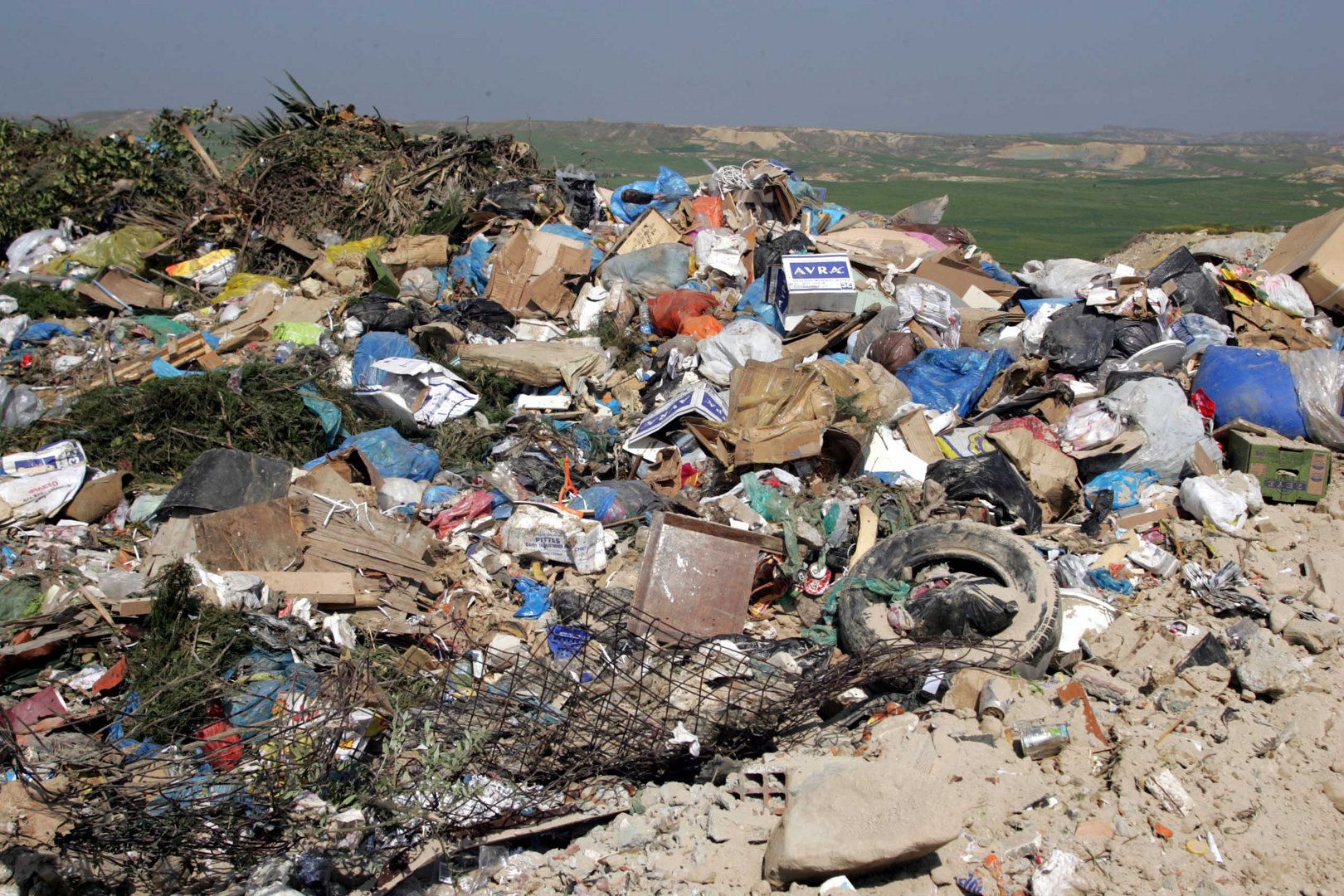
Tag: illegal dumping

  • Government’s Waste Management Plan Faces Harsh Criticism

    Government’s Waste Management Plan Faces Harsh Criticism

    The government’s waste management plan has come under intense scrutiny from members of the House environment committee, who labelled it as ‘inadequate’ during a meeting on Wednesday.

    • The government’s waste management plan has come under intense scrutiny from members of the House environment committee, who labelled it as ‘inadequate’ during a meeting on Wednesday.

    Leading the charge, committee chairman and Greens MP Charalambos Theopemptou highlighted alarming issues such as uncontrolled landfills, hazardous unrecycled materials, and significant gaps in the collection systems. He expressed deep concern over the current situation, stating he felt “ashamed” as Cyprus prepares to take its turn as EU President in the first half of 2026.

    Theopemptou pointed out that since joining the European Union in 2004, Cyprus has struggled to implement critical EU directives on waste management, instead opting for a simplistic approach of burying waste. He urged for immediate action in light of the new EU legislation on packaging and recycling, calling for updated public contracts that mandate the use of recycled materials in construction.

    While the committee acknowledged progress in certain areas, such as steady developments in paper recycling and the presence of recycling bins in 70 per cent of pharmacies for expired medicines, other significant issues remain unaddressed. One pressing concern is the lack of a collection system for greenhouse nylon, which has led many farmers to resort to burning the material, releasing harmful pollutants into the environment.

    Theopemptou also raised alarms regarding hazardous components found in old appliances. He cited the dangers posed by materials like circuit boards in washing machines and the gases found in air conditioners, which, if not handled properly, could lead to environmental and health risks.

    Adding to the concerns, he stated that 40 per cent of the packaging submitted for recycling is currently non-processable, which raises questions about public education on recycling and compliance among manufacturers. A significant volume of non-recyclable materials ends up at the Koshi facility or is disposed of illegally, exacerbating the waste crisis.

    Akel member Nikos Kettiros joined the criticism, describing the waste management programme as “problematic” and highlighting the lack of clarity regarding its expected outcomes. He pointed out a shocking statistic: only one third of all engine oils are collected, with no oversight on where the remaining quantities are going.

    Collection rates for electrical and electronic equipment are similarly low, standing at around 30 per cent. Kettiros expressed frustration over the proliferation of illegal dumping sites, which continue to fill rivers and fields, driven by high disposal costs that incentivise illegal dumping.

    Despite instructions from the environment department to local authorities to clean up specific areas, Kettiros lamented that new dumping sites seem to appear just as quickly as existing ones are cleared. He insisted that the government’s updated waste management plan, which is expected in 2026, must provide effective and sustainable solutions to address the pressing waste crisis facing Cyprus.
  • Chloraka Green Point Suffers from Illegal Rubbish Dumping

    Chloraka Green Point Suffers from Illegal Rubbish Dumping

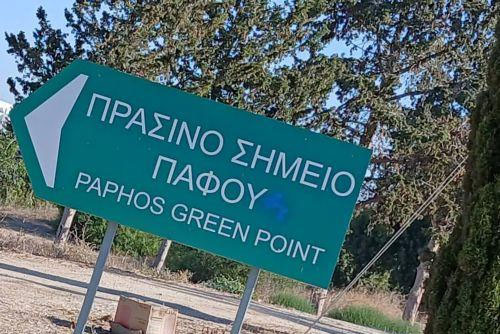
    chloraka green — The illegal dumping of rubbish at the Chloraka green point has raised serious concerns among local residents and environmental advocates. Andreas Kyriakou, chairman of Chloraka’s cultural and environmental group, has highlighted this ongoing issue, which he claims poses a significant health risk.

    Chloraka green: Ongoing Concerns Over Health Risks

    Kyriakou has pointed out that the accumulation of waste at the entrance of the green point in Paphos has been a persistent problem. He emphasised that the rubbish not only detracts from the area’s natural beauty but also threatens the health of those who frequent the site.

    Call to Action for Environmental Authorities

    In light of the situation, Kyriakou has urged the environment department to take immediate action. His frustration is palpable as he questions why the authorities have yet to address the issue, especially since the area is monitored by a surveillance system.

    Community Involvement and Awareness

    The community’s awareness regarding the illegal dumping is crucial. Local residents are encouraged to report any incidents of rubbish dumping to authorities, fostering a collective effort to maintain the green point’s integrity.

  • Cyprus Faces Environmental Neglect Amidst Growing Concerns

    Cyprus Faces Environmental Neglect Amidst Growing Concerns

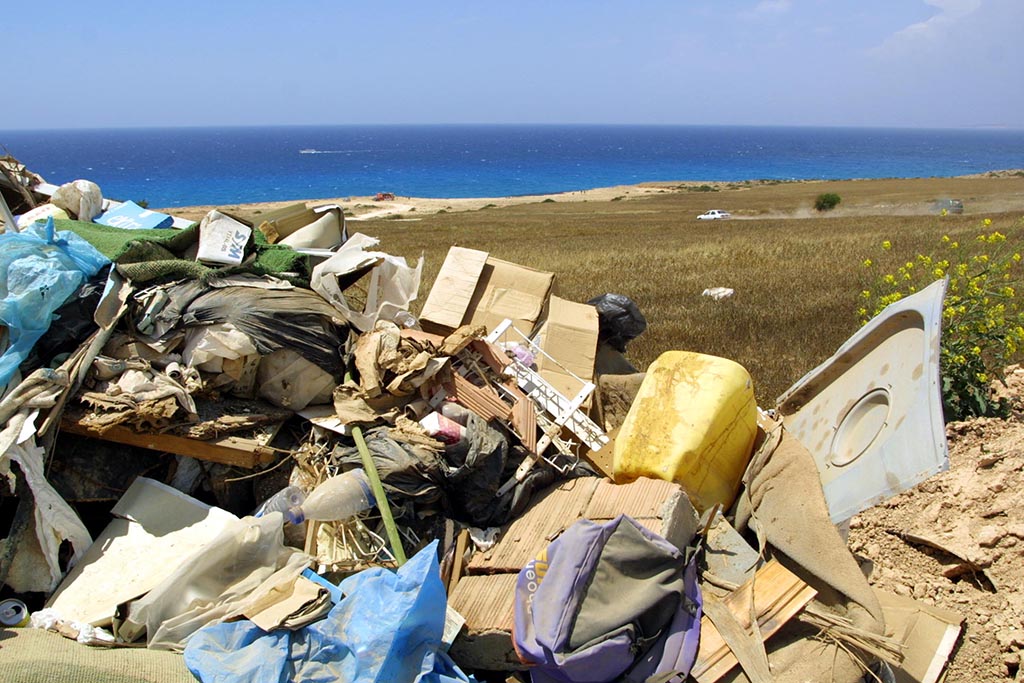
    environmental neglect — Cyprus is grappling with severe environmental neglect, highlighted by the presence of over 540 illegal rubbish dumps in Paphos alone. Reports indicate that waste is being carelessly dumped in state forests, such as in Pelendri, where debris is obstructing vital fire lanes. Furthermore, office furniture from state authorities has been abandoned in open fields in Yeri, illustrating a troubling disregard for proper waste management.

    Photo: cyprus-mail.com

    In a country where beaches are often littered with trash, clean-up efforts are sporadically initiated, primarily by private individuals rather than state initiatives. This neglect has prompted various organisations to raise alarms about Cyprus’ environmental protection record.

    In early August, an audit report revealed a “significant reluctance on the part of the state to adopt drastic and immediate measures” to tackle these violations. The situation is compounded by the European Union’s ongoing scrutiny, with Cyprus currently facing 16 active infringement procedures related to environmental issues.

    “For years the European Commission has identified that in Cyprus there is a systemic abuse of Article 6.3 of the Habitats Directive regarding the environmental appropriate assessment of projects in Cyprus,” said Tassos Shialis, BirdLife campaign coordinator. He pointed out that in March 2024, the European Commission escalated an infringement case to the European Court of Justice, urging Cyprus to take corrective measures for what he termed a “chronic problem.”

    Despite repeated warnings, Shialis noted that improvements in the application of environmental assessment procedures have been minimal. Large-scale projects, in particular, continue to be approved without adequate scrutiny, posing significant threats to Natura 2000 sites and protected species.

    The EU has a structured process for addressing such breaches, beginning with a letter of formal notice and potentially leading to fines if compliance is not achieved. In March 2024, the Commission reported that Cyprus had designated 37 special areas of conservation but had failed to establish necessary conservation measures for 28 of them. Furthermore, the objectives in place for five of these sites were deemed insufficient to protect local ecosystems.

    This pattern of negligence has persisted since Cyprus received its first letter of formal notice in June 2021, followed by a reasoned opinion in April 2022. The Commission’s referral to the Court of Justice highlights ongoing failures to safeguard critical habitats and species.

    According to the audit report issued in August, the state has shown a consistent disregard for EU environmental laws, with violations spanning urban planning, waste management, and habitat protection. Key examples include illegal developments in Ayia Thekla and Kouklia, as well as unauthorised constructions within Natura 2000 zones in Akamas.

    The report also details how the Lakatamia environmental centre was constructed without conducting an environmental impact study, illustrating a troubling lack of enforcement of existing laws. Although the regulations are in place and violators are known, the lack of effective law enforcement raises serious concerns.

    The responsibility for Cyprus’ environmental failures is complex and multifaceted. While the government holds a significant portion of the blame, the country’s ranking of 32nd out of 34 in a recent EU comparison highlights a concerning trend in environmental backsliding. Despite commitments to the UN’s Sustainable Development Goals, progress remains slow.

    Local projects often emerge in collaboration with municipal authorities, but approval processes can be convoluted, involving multiple stakeholders, including private companies. The overlapping responsibilities of various government departments, local municipalities, and regulatory bodies complicate efforts to address everyday environmental issues, such as illegal dumping and pollution.

    The environment department, while responsive to inquiries, acknowledges the tangled web of accountability, making it challenging to pinpoint who is ultimately responsible for the growing waste crisis. Director Theodoulos Mesimeris stated, “According to the law, local authorities are responsible for the cleaning and illegal dumping of waste.” This fragmented responsibility contributes to the ongoing environmental challenges faced by Cyprus.