Tag: environment

  • Flamingo Numbers Plummet to 47 as Cyprus Wetlands Face Crisis

    Flamingo Numbers Plummet to 47 as Cyprus Wetlands Face Crisis

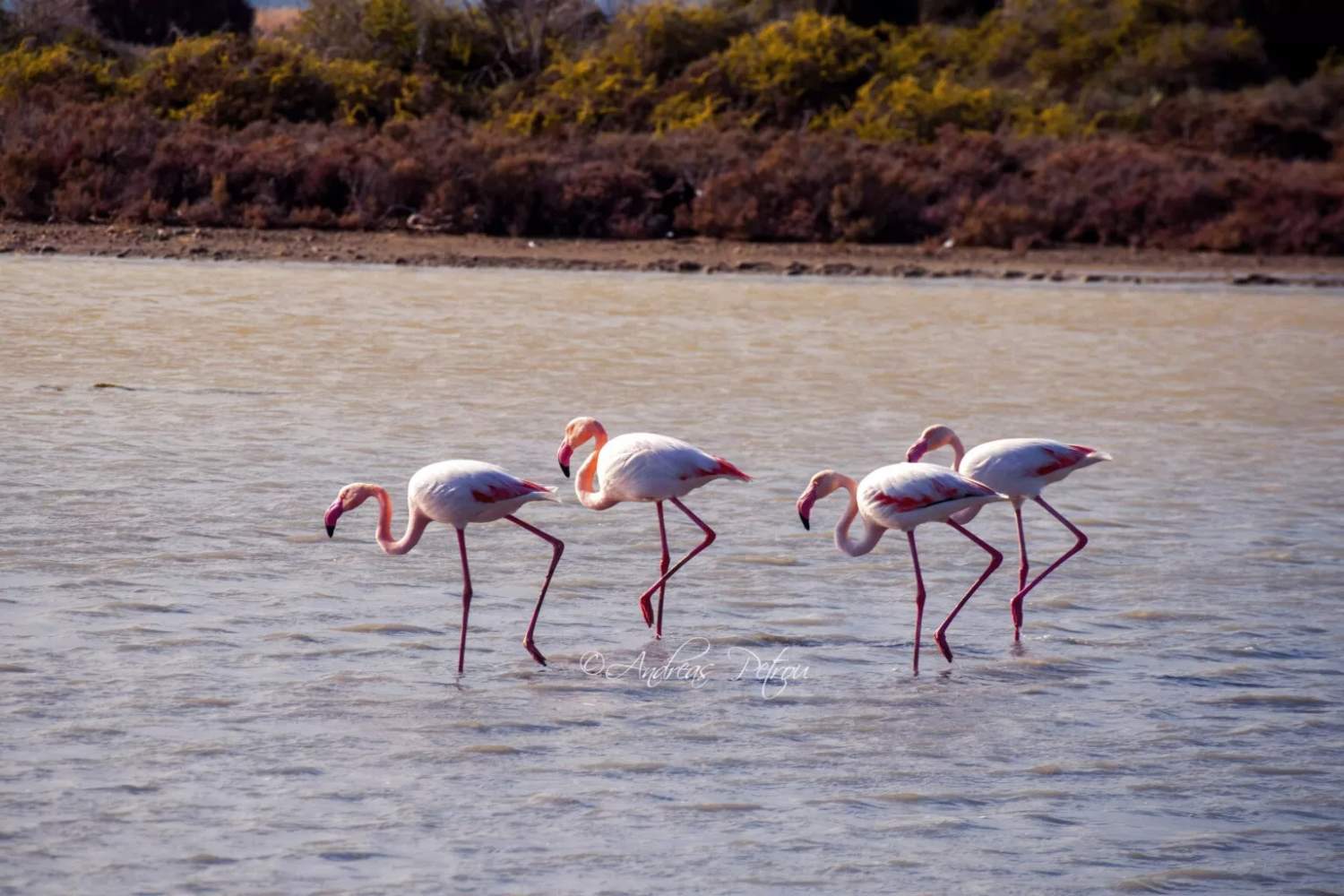
    flamingo numbers — Flamingo numbers in Cyprus have plummeted from 13,000 to just 47, signalling an ecological crisis in the country’s vital wetland areas. This alarming decline was reported during a recent session of the Parliamentary Environment Committee, where officials from the Game and Fauna Service expressed deep concerns over the state of Akrotiri Salt Lake and Lake Makria.

    Flamingo numbers: Critical Decline in Flamingo Population

    The Game and Fauna Service has raised the alarm about the dramatic reduction in flamingo populations, with senior official Nikos Kasinis stating, “whilst up to 13,000 flamingos were recorded in previous years, their number this month was limited to just 47.” This stark figure highlights the urgent need for action to protect these birds and their habitats.

    Factors Contributing to the Crisis

    According to Kasinis, the primary contributors to this ecological disaster are poor water quality and development pressures on the wetland areas. The inflow of water to the lakes is reportedly contaminated, leading to conditions that are no longer conducive to supporting bird life. Environmental organisations such as BirdLife and Terra Cypria have echoed these concerns, stating that the wetland system has effectively collapsed.

    Environmental Degradation and Development Pressures

    The environment committee was informed that water levels in the Salt Lake rise only during extended droughts, suggesting that the quality of inflow has deteriorated. Kouria Mayor Pantelis Georgiou described the situation as a “generalised disorder,” warning that the aquifer water risks permanent contamination due to ongoing developments in the area. He pointed out that communities like Asomatos and Akrotiri lack essential sewerage systems, exacerbating the problem.

    Action Plans and Community Involvement

    Mayor Georgiou is spearheading an extensive Action Plan, which is anticipated to be finalised by February in collaboration with Limassol Municipality and various government departments. This plan will aim to address the issues affecting the wetlands and will involve discussions with non-governmental organisations (NGOs).

    Urgent Need for Infrastructure Improvements

    One of the mayor’s key requests from the parliamentary representatives is to secure a decree from the Interior Ministry that would extend sewerage system boundaries to include the affected communities. Georgiou highlighted that specific sewage sources from properties not connected to the sewerage network have been identified and cut off in cooperation with the Limassol Sewerage Board, but more comprehensive measures are needed.

    Environmental Concerns and Public Health Risks

    During the discussions, significant concerns were raised regarding the vertical pipe discharging untreated sewage into the sea at Lady’s Mile. Reports suggest that up to 500 tonnes of untreated sewage are released into swimming and fishing areas, posing serious health risks to the public and further threatening the aquatic ecosystem.

    Impact on Lake Makria

    Lake Makria has been described by environmentalists as a “swamp” and a “sewage site,” with allegations that contractors for large developments are discharging water without adhering to licensing regulations. Such activities are believed to be causing irreparable damage to the wetland, which is crucial for various bird species.

    Demand for Immediate Action

    Members of the Environment Committee expressed significant dissatisfaction with the lack of timely interventions to address these issues. MP Andreas Kafkalias questioned the inability of central authorities to coordinate effectively, while Kostas Kosta referred to the ongoing situation as a crime against the environment. Committee chair Charalambos Theopemptou urged for an audit by the Audit Office to assess the management of Akrotiri Salt Lake.

    Warnings About Future Consequences

    The Environment Committee has issued dire warnings that without immediate and effective measures, “half the Salt Lake will be lost in coming years,” which could have irreversible consequences for both public health and Cyprus’s biodiversity. The situation calls for urgent collaboration between government bodies, local authorities, and environmental groups to safeguard the wetland habitats.

    As Cyprus grapples with this ecological crisis, the fate of its flamingo population hangs in the balance. Urgent action is needed to restore the wetlands and ensure the survival of these magnificent birds, which are integral to the country’s natural heritage.
  • Migratory Flamingos Grace Paralimni Lake Amidst Population Concerns

    Migratory Flamingos Grace Paralimni Lake Amidst Population Concerns

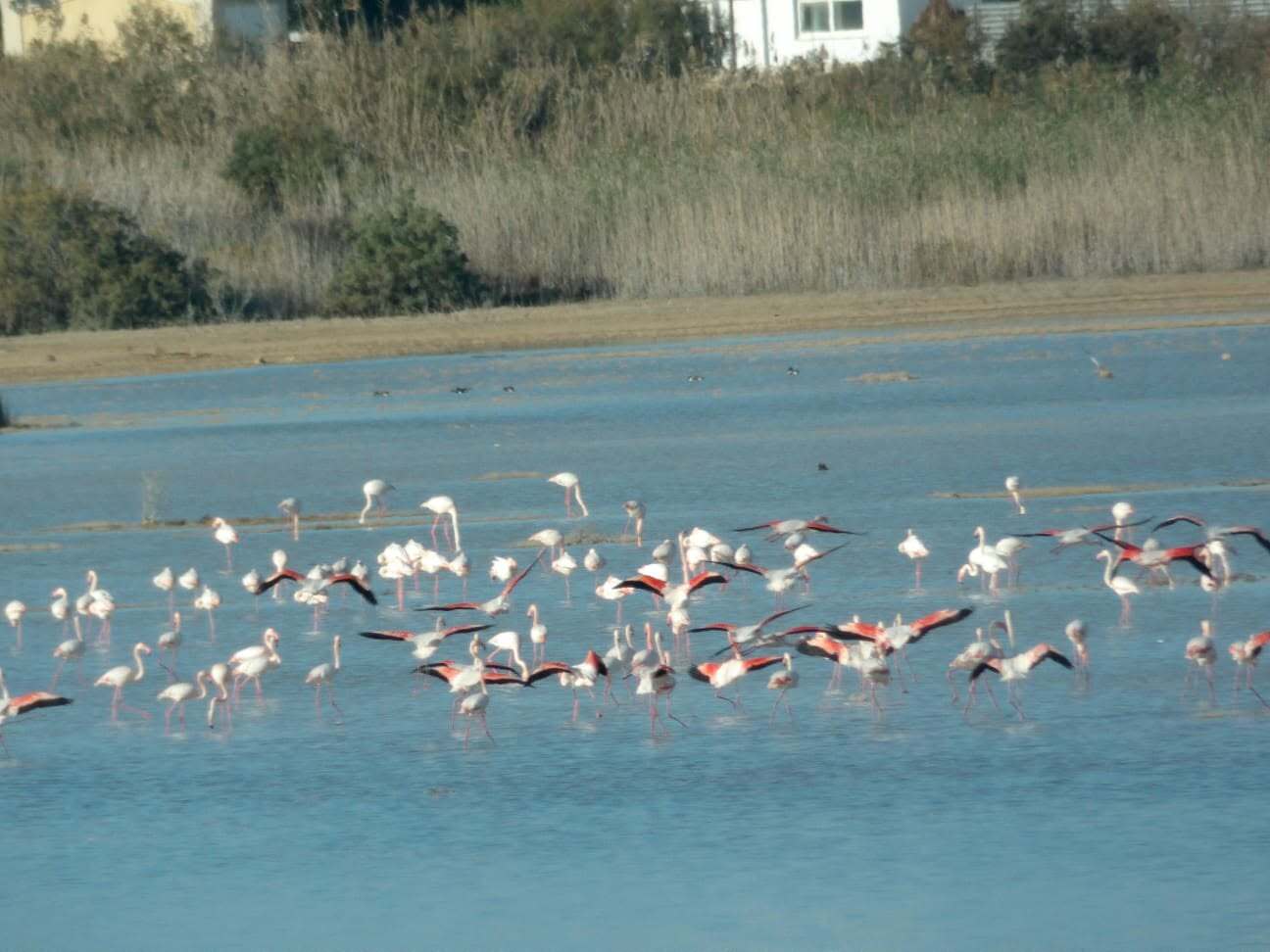
    Migratory flamingos have begun their seasonal arrival at Paralimni Lake, bringing a stunning display of pink and black plumage to the winter wetlands of Cyprus. This annual event is crucial for the island’s biodiversity, though it unfolds against a backdrop of worrying long-term population declines.

    Photo: in-cyprus.philenews.com

    According to data from BirdLife Cyprus and the Game and Fauna Service, flamingo populations across the island have seen a significant drop of between 14% and 31% over the past decade. This decline raises concerns regarding the stability of their migratory routes and the future of these vibrant birds.

    Photo: in-cyprus.philenews.com

    While larger wetland sites such as Larnaca Salt Lake and Akrotiri traditionally host the majority of the wintering population, Paralimni Lake is emerging as a vital “refuge” this season. Currently, the lake offers the shallow, brackish waters ideal for flamingos to feed on brine shrimp, particularly when conditions at other sites are not conducive. Drought has led to lower water levels at some locations, while others are too flooded for the birds to find suitable footing.

    The return of the flamingos is not just an aesthetic occurrence; it signals the importance of maintaining and protecting these habitats for the future of migratory species. As environmental challenges continue to impact these areas, the sight of flamingos at Paralimni Lake serves as a reminder of the delicate balance within the ecosystem.

    Local wildlife enthusiasts and conservationists are hopeful that the presence of these birds will draw more attention to the need for conservation efforts. The seasonal influx of flamingos also provides an opportunity for citizens and visitors alike to engage with nature, highlighting the importance of wetlands in supporting diverse wildlife.

    As the winter progresses, observers will be keen to monitor the flamingos at Paralimni Lake. Their presence not only enriches the local landscape but also acts as a barometer for the health of Cyprus’s natural habitats. Protecting these crucial environments is essential to ensure that future generations can continue to witness the beauty of migratory flamingos.

  • Cyprus Struggles with Lowest Forest Growth Rate in EU

    Cyprus Struggles with Lowest Forest Growth Rate in EU

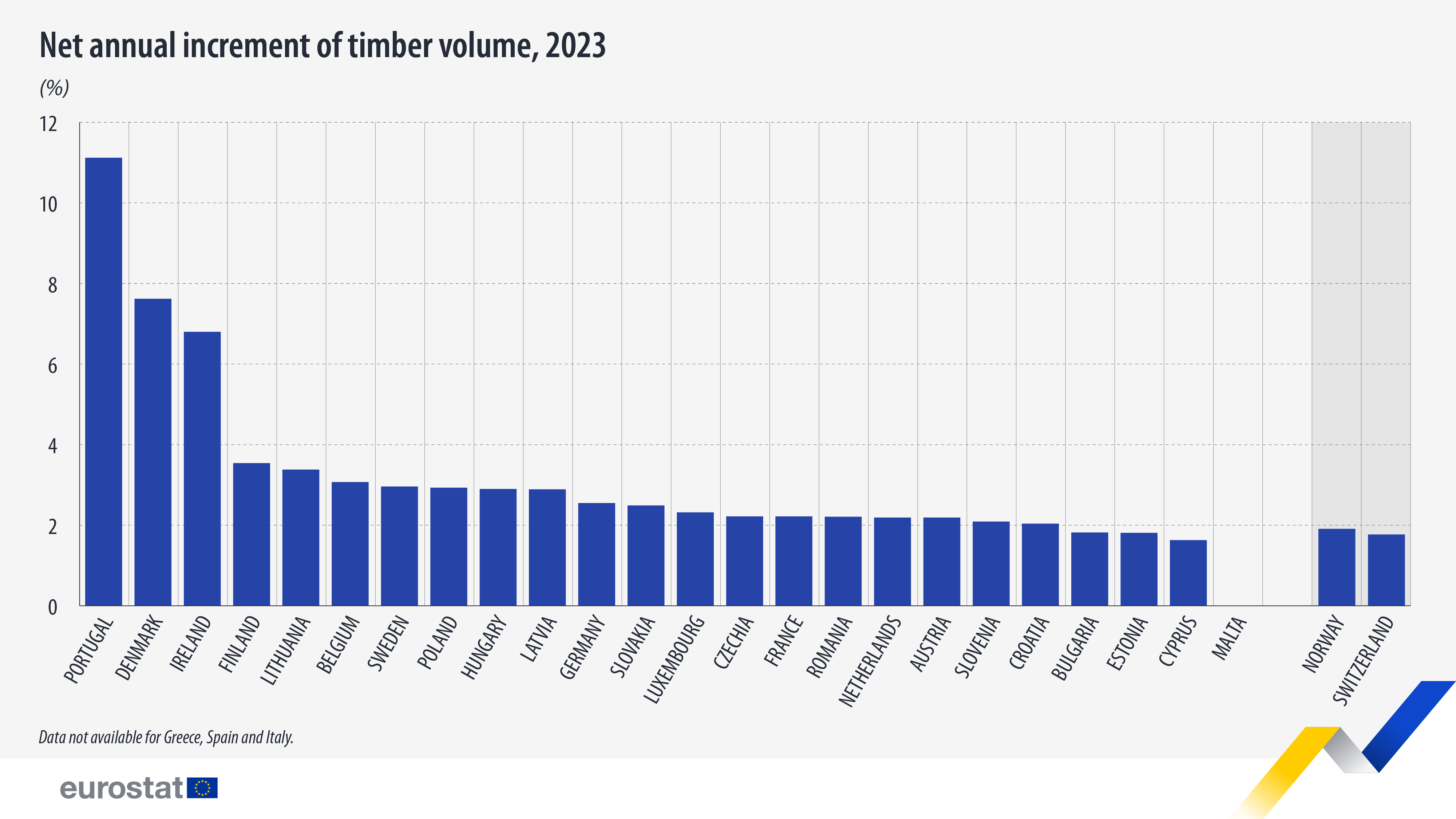
    Cyprus recorded the lowest forest growth rate among EU member states in 2023, at just 1.6 per cent, according to data released by Eurostat on Friday.

    Photo: cyprus-mail.com

    • Cyprus recorded the lowest forest growth rate among EU member states in 2023, at just 1.6 per cent, according to data released by Eurostat on Friday.

    This alarming statistic places Cyprus at the bottom of the EU ranking, alongside Malta, which saw no forest growth at all. Bulgaria and Estonia are not far behind, both achieving a modest growth rate of 1.8 per cent. In stark contrast, Portugal boasts the highest growth rate in the EU at 11.1 per cent, followed by Denmark at 7.6 per cent.

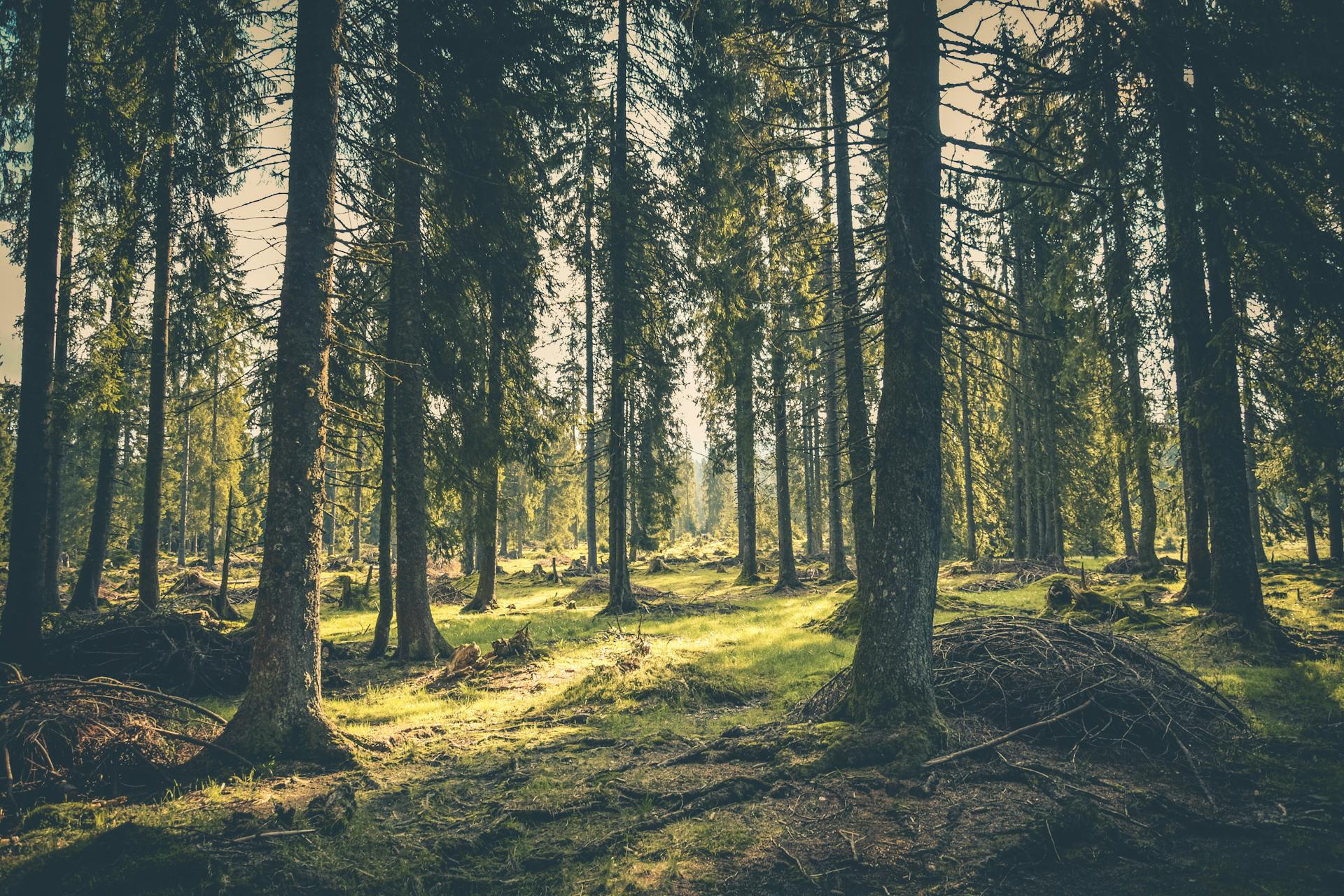
    State forest land in Cyprus encompasses approximately 18 per cent of the island’s total area, featuring a mix of natural pine forests, reforested areas, grasslands, and other non-forested lands such as dams and mining sites. Despite this coverage, the low growth rate indicates significant challenges for the island’s forestry sector.

    Eurostat’s data reveals that Cyprus is also among the EU member states with the lowest net growth of timber stock. This situation contrasts sharply with countries like Ireland and Latvia, which report significantly higher net growth rates. The implications of these figures extend beyond mere statistics; they highlight the ongoing struggle for sustainable forest management in Cyprus.

    As forest growth plays a vital role in the EU’s strategy for sustainable forest management and climate goals, Cyprus’s situation raises concerns about its future environmental stewardship. The Cypriot government has acknowledged these challenges, focusing its forestry management on environmental protection, biodiversity conservation, and recreational opportunities. This shift represents a deliberate move away from prioritising timber production towards achieving broader social and environmental benefits.

    However, the forestry department also pointed out that this approach has resulted in limited domestic timber production. Consequently, Cyprus relies heavily on timber imports from both EU member states and third countries to satisfy local demand. This dependency underscores the urgent need for a re-evaluation of forest management practices on the island.

    The forestry sector in Cyprus faces a complex situation: while there is a clear commitment to environmental sustainability, the numbers indicate that immediate action may be necessary to enhance forest growth and ensure the island’s ecological health. As Cyprus navigates these challenges, the future of its forests will be pivotal in shaping not only its environment but also its economy.

  • Mia Milia Wastewater Treatment Project Gains Momentum Amid Water Crisis

    Mia Milia Wastewater Treatment Project Gains Momentum Amid Water Crisis

    The Mia Milia wastewater treatment project has resurfaced as a vital solution to Cyprus’ escalating water shortages. Following a trilateral meeting involving President Nikos Christodoulides, Tufan Erhurman, and UN Secretary General envoy Maria Angela Holguin, discussions have rekindled commitments that had remained stagnant for years.

    Mia milia: Political Will to Move Forward

    Dr Michael Loizidis, a member of the bicommunal technical committee on the environment, shared insights with the Cyprus Mail, stating that recent talks have revitalised political commitments towards the project. Although no final contractual agreement has been established yet, both sides have shown a practical commitment to advancing the initiative.

    Current Status and Historical Context

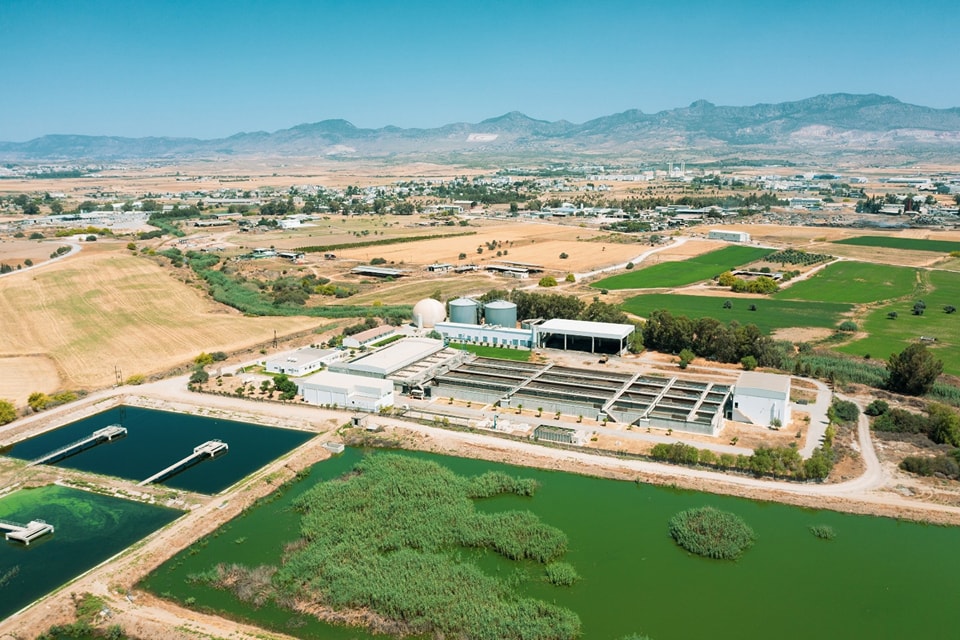
    The Mia Milia plant, located in northern Nicosia, processes approximately 12 million tonnes of wastewater annually. Dr Loizidis noted that this volume is sufficient to alleviate pressure on local water supplies and satisfy a significant portion of Nicosia’s irrigation requirements. Despite being operational since 2013, treated water has largely gone unused for over a decade due to political reasons.

    “For purely political reasons, this water has been discarded year after year,” Loizidis explained, highlighting the urgency of the situation. According to a 2011 agreement, 70 per cent of the treated water was designated for the Republic, with the remaining 30 per cent allocated to the north. Instead, much of the effluent has been discharged into the Pedeos river that divides the city.

    Finances and Infrastructure Challenges

    Loizidis pointed out that Greek Cypriots are already contributing financially to the Mia Milia project under the existing water distribution agreement, emphasising that the current discussions are merely about fulfilling long-standing commitments. He traced the origins of the project back to sewage cooperation agreements established around 50 years ago by former Nicosia mayors, Lellos Demetriades and Mustafa Akinci.

    Mia Milia stands as one of the most significant confidence-building measures agreed upon by both communities, and Loizidis urged that the time has come to implement the agreement. “We are effectively in breach of this agreement by not implementing what was agreed. Now is the opportunity to finally put all the parts together,” he remarked.

    Technical Feasibility and Next Steps

    The main impediments to the project are no longer political but technical. The plant operates efficiently and employs advanced membrane technology, producing water suitable for agricultural use. Approximately 80 per cent of the sewage treated originates from the Greek Cypriot side of Nicosia.

    However, additional infrastructure remains to be constructed, notably two new reservoirs in Potamia and Athienou. These reservoirs represent the most substantial technical hurdle, with costs expected to reach several million euros. Treated water would need to be transported through about 10 kilometres of pipelines to the existing Vathia Gonia facility near Potamia.

    The total cost of the piping and associated works on both sides is estimated to be between 15 and 20 million euros. The project is financed by the EU, which is also anticipated to support infrastructure works up to the connection point in the north.

    Potential Impact and Environmental Considerations

    If approvals are granted and construction begins swiftly, Loizidis anticipates that implementation could be completed within a year. This would enable treated water to reach Potamia, Athienou, and parts of western Nicosia, benefiting farmers and addressing discrepancies in water availability.

    Concerns regarding salinity in the water supplies and potential harm to soil quality have been dismissed by Loizidis as unlikely. “I cannot imagine this ever becoming a problem,” he stated, noting that water quality is regularly monitored on both sides and must adhere to strict agricultural and chemical standards.

    Urgency for Action

    Loizidis expressed a strong desire for the lost decade to be rectified swiftly. “For years this issue was pushed aside; it wasn’t perceived as a priority,” he said. “Now, in light of shortages and droughts, it is impossible to ignore. This project can deliver real benefits if we finally move from words to action.”

  • Paphos rainfall: Paphos Experiences Record Daily Rainfall Amid Storm Byron

    Paphos rainfall: Paphos Experiences Record Daily Rainfall Amid Storm Byron

    paphos rainfall — paphos rainfall — Paphos has experienced its highest daily rainfall in over a century, with 113.11mm recorded during the recent weather event attributed to storm Byron. According to the meteorological department, this figure marks the most significant rainfall since records began in 1916.

    The torrential downpour occurred over the weekend, as the island faced the effects of a barometric low that brought intense weather conditions. The Polis Chrysochous weather station reported that the average rainfall for December in the area is typically around 99.8mm, based on historical data spanning three decades from 1961 to 1990.

    Further highlighting the impact of storm Byron, the Kathikas station in Paphos registered 67.1mm of rain, making it the third-highest daily rainfall recorded for December since 1977. Only 2001 and 2008 experienced greater rainfalls of 99.7mm and 74.5mm, respectively.

    Across the Paphos district, several weather stations reported varying levels of rainfall, with totals between 15mm and 57mm during the storm. As the rain continued, the met department noted that from December 5 to 7, the highest amounts were concentrated in the western and southwestern regions, along with higher mountainous areas. The average rainfall for this three-day period reached 35.1mm.

    The dramatic weather has drawn attention not only for its intensity but also for its rarity, prompting discussions about climate patterns and the potential for more unusual weather events in the future. Residents and officials alike are now contemplating the implications of such extremes on local infrastructure and the environment.

  • Drought — Drought Threatens Cyprus’ Ancient Forests, Officials Warn

    Drought — Drought Threatens Cyprus’ Ancient Forests, Officials Warn

    Drought has severely damaged Cyprus’ forests, with 40 per cent of the trees in the cedar valley having already dried up, according to forestry department director, Savvas Ezekiel. Addressing the crisis on CyBC radio, he described the situation as unprecedented, raising alarms about the island’s oldest forests.

    The forestry department’s assessments reveal that mature cedars and pines are succumbing after consecutive years of minimal rainfall. While young saplings can collapse within weeks without adequate water, larger trees, although initially more resilient, begin to weaken after several dry years.

    Implications of Continued Drought

    Ezekiel warned that if Cyprus endures another dry winter, “we will lose many centuries-old trees,” a fate that could extend to forests across the island. The current drought is notable, as it marks a severity not seen since 2008.

    Areas of Concern

    Significant losses have been documented in regions such as Kakomalis and Machairas, where species like the Turkish pine (Pinus brutia) and the endemic golden oak (Quercus alnifolia) are drying at alarming rates. In the Akamas region, Jerusalem pine trees (Pinus halepensis) are also showing signs of distress, particularly deeper within the forest, although the more humid coastal edges remain relatively unaffected.

    In contrast, the high-altitude black pine (Pinus nigra) in Troodos is stable for now, benefiting from cooler temperatures and moisture, while the forests of Cape Greco are holding up due to their coastal microclimate.

    Impact on Wildlife and Fire Risk

    The drought has repercussions beyond tree mortality. Ezekiel highlighted that natural springs have been adversely affected, leading to reduced river flows and diminishing water access for birds and other wildlife. This situation raises significant concerns regarding fire risk, as the accumulation of dry biomass across forested areas creates an environment ripe for wildfires. Ezekiel stated that with everything so dry, “there is nowhere for a fire to stop.”

    Mitigation Efforts and Community Support

    In an effort to manage the growing fire risk and support mountain communities, the forestry department plans to issue a circular next week that increases the annual firewood allowances. Families in high-altitude areas will see their quota rise from 10 to 12 cubic metres, while those in lower-altitude regions will increase from 4 to 5 cubic metres.

    Scientific Perspective on Tree Mortality

    Former Green Party leader, Charalambos Theopemptou, noted that the drying of olives, carobs, and pines aligns with scientific data indicating that repeated drought is a leading cause of mass tree mortality in ecosystems. The situation is further compounded by the comments from Water Development Department (WDD) official, Giorgos Kazantzis, who emphasised that Cyprus cannot easily replenish its natural water sources and must continue to depend on dams and desalination.

    Kazantzis also pointed out that the potential for artificial rain through cloud seeding technology remains limited in Cyprus due to challenges in directing clouds and the associated risks of hail or flooding.

  • Government’s Waste Management Plan Faces Harsh Criticism

    Government’s Waste Management Plan Faces Harsh Criticism

    The government’s waste management plan has come under intense scrutiny from members of the House environment committee, who labelled it as ‘inadequate’ during a meeting on Wednesday.

    • The government’s waste management plan has come under intense scrutiny from members of the House environment committee, who labelled it as ‘inadequate’ during a meeting on Wednesday.

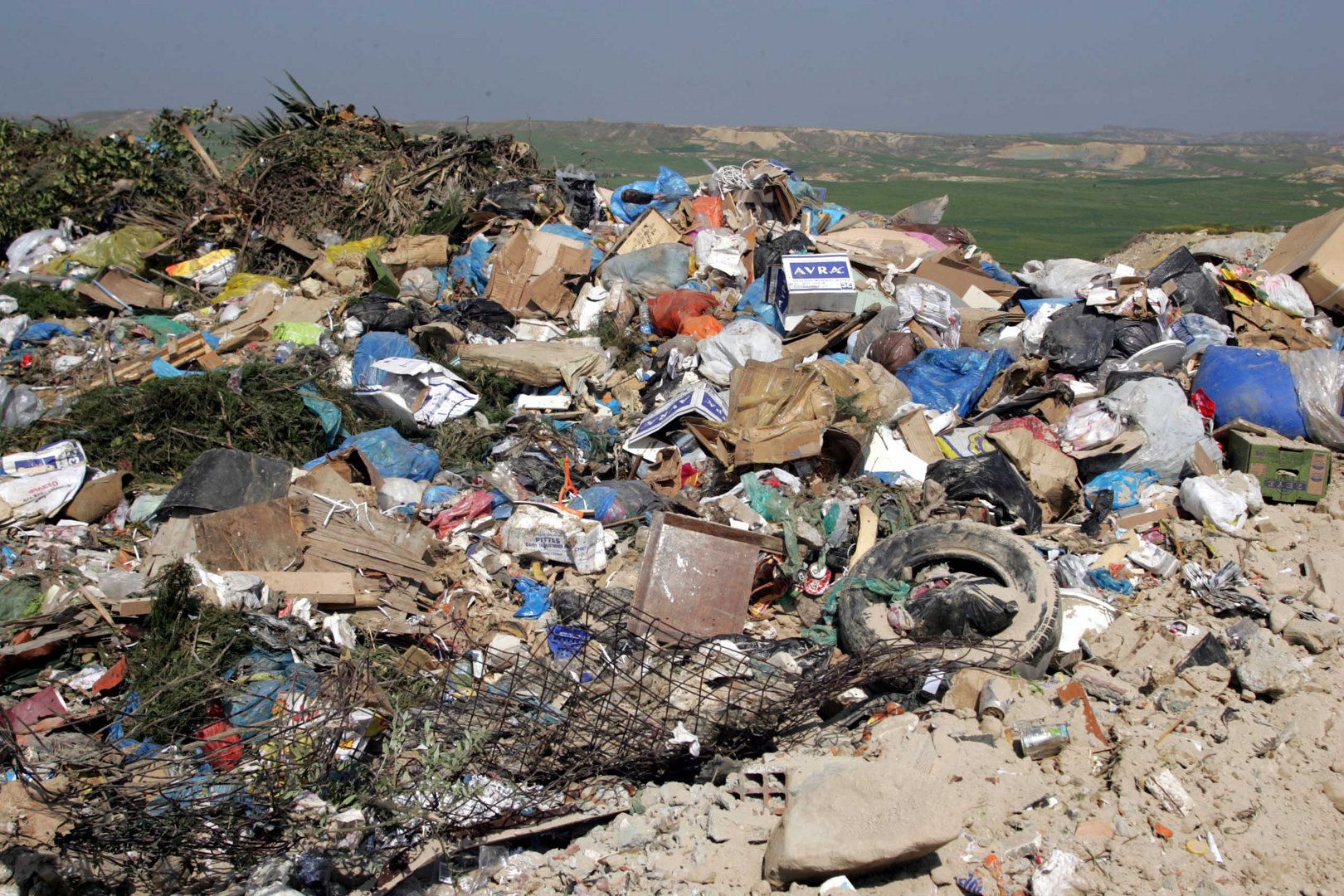
    Leading the charge, committee chairman and Greens MP Charalambos Theopemptou highlighted alarming issues such as uncontrolled landfills, hazardous unrecycled materials, and significant gaps in the collection systems. He expressed deep concern over the current situation, stating he felt “ashamed” as Cyprus prepares to take its turn as EU President in the first half of 2026.

    Theopemptou pointed out that since joining the European Union in 2004, Cyprus has struggled to implement critical EU directives on waste management, instead opting for a simplistic approach of burying waste. He urged for immediate action in light of the new EU legislation on packaging and recycling, calling for updated public contracts that mandate the use of recycled materials in construction.

    While the committee acknowledged progress in certain areas, such as steady developments in paper recycling and the presence of recycling bins in 70 per cent of pharmacies for expired medicines, other significant issues remain unaddressed. One pressing concern is the lack of a collection system for greenhouse nylon, which has led many farmers to resort to burning the material, releasing harmful pollutants into the environment.

    Theopemptou also raised alarms regarding hazardous components found in old appliances. He cited the dangers posed by materials like circuit boards in washing machines and the gases found in air conditioners, which, if not handled properly, could lead to environmental and health risks.

    Adding to the concerns, he stated that 40 per cent of the packaging submitted for recycling is currently non-processable, which raises questions about public education on recycling and compliance among manufacturers. A significant volume of non-recyclable materials ends up at the Koshi facility or is disposed of illegally, exacerbating the waste crisis.

    Akel member Nikos Kettiros joined the criticism, describing the waste management programme as “problematic” and highlighting the lack of clarity regarding its expected outcomes. He pointed out a shocking statistic: only one third of all engine oils are collected, with no oversight on where the remaining quantities are going.

    Collection rates for electrical and electronic equipment are similarly low, standing at around 30 per cent. Kettiros expressed frustration over the proliferation of illegal dumping sites, which continue to fill rivers and fields, driven by high disposal costs that incentivise illegal dumping.

    Despite instructions from the environment department to local authorities to clean up specific areas, Kettiros lamented that new dumping sites seem to appear just as quickly as existing ones are cleared. He insisted that the government’s updated waste management plan, which is expected in 2026, must provide effective and sustainable solutions to address the pressing waste crisis facing Cyprus.

  • Paphos wildfire — Paphos Wildfire Under Control, No Need for Third-Country Aircraft

    Paphos wildfire — Paphos Wildfire Under Control, No Need for Third-Country Aircraft

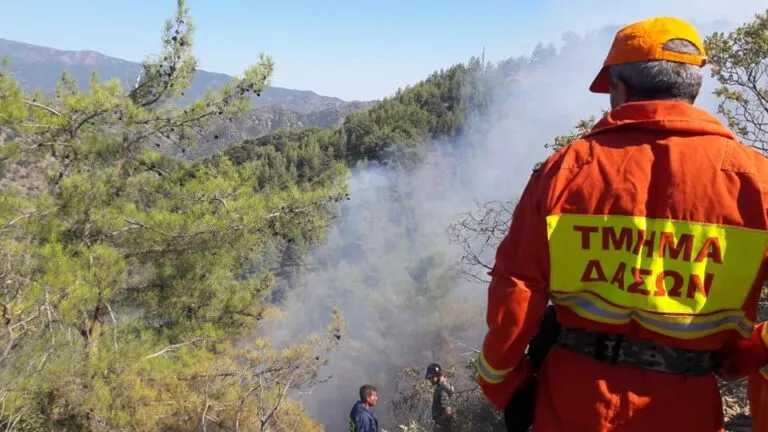
    paphos wildfire — The major wildfire in the Koili, Stroumbi and Akoursos area of Paphos district has been brought under full control, reducing the need for aircraft from third countries.

    Photo: in-cyprus.philenews.com

    • paphos wildfire — The major wildfire in the Koili, Stroumbi and Akoursos area of Paphos district has been brought under full control, reducing the need for aircraft from third countries.
    • Officials announced that, barring any unforeseen complications, there will be no requirement for additional aerial support, as the situation is now manageable.

    Officials announced that, barring any unforeseen complications, there will be no requirement for additional aerial support, as the situation is now manageable.

    Photo: in-cyprus.philenews.com

    Paphos wildfire: On-the-Ground Efforts Make Progress

    The director general of the Ministry of Agriculture, Rural Development and Environment visited the affected areas to assess the firefighting operations. He confirmed that robust firefighting forces remained active throughout the night, tirelessly working to extinguish any remaining hotspots.

    Collaboration with Neighbouring Countries

    In light of the progress made, officials have communicated with authorities in Greece, Israel, and Jordan to update them on the situation. While the aircraft from these nations are currently on standby, the local forces are confident in their ability to manage the fire without external assistance.

    Continued Vigilance Required

    Despite the control achieved, seven bulldozers were deployed overnight to assist the firefighters in their efforts, reflecting the seriousness of the situation. The commitment of these teams highlights the ongoing vigilance required to prevent any flare-ups.

  • Wildfire — Major Wildfire Unfolds Between Koili and Stroumbi in Paphos District

    Wildfire — Major Wildfire Unfolds Between Koili and Stroumbi in Paphos District

    A major wildfire is raging in agricultural land between the communities of Koili and Stroumbi in the Paphos district. The fire erupted under unknown circumstances, but strong winds have exacerbated the situation, causing it to spread rapidly.

    Photo: in-cyprus.philenews.com

    Wildfire: Firefighting Forces Mobilised

    Fire engines have been dispatched from Paphos and nearby rural stations to combat the blaze. They are joined by personnel from the Department of Forests and local community authorities, all working diligently to contain the fire’s advance.

    Photo: in-cyprus.philenews.com

    Reinforcements Arrive

    Firefighting efforts are continuously being bolstered with additional resources from various districts. Three aircraft, comprising two planes and a Civil Defence helicopter, were deployed earlier for water drops but halted operations within the last hour due to the rapidly changing conditions on the ground.

    Challenging Terrain Hinders Efforts

    The fire is primarily situated in a river gorge, presenting significant challenges for ground crews attempting to access and manage the situation. The Civil Defence and police have been alerted and are prepared for possible evacuations of both Koili and Stroumbi.

    Control Centre Established

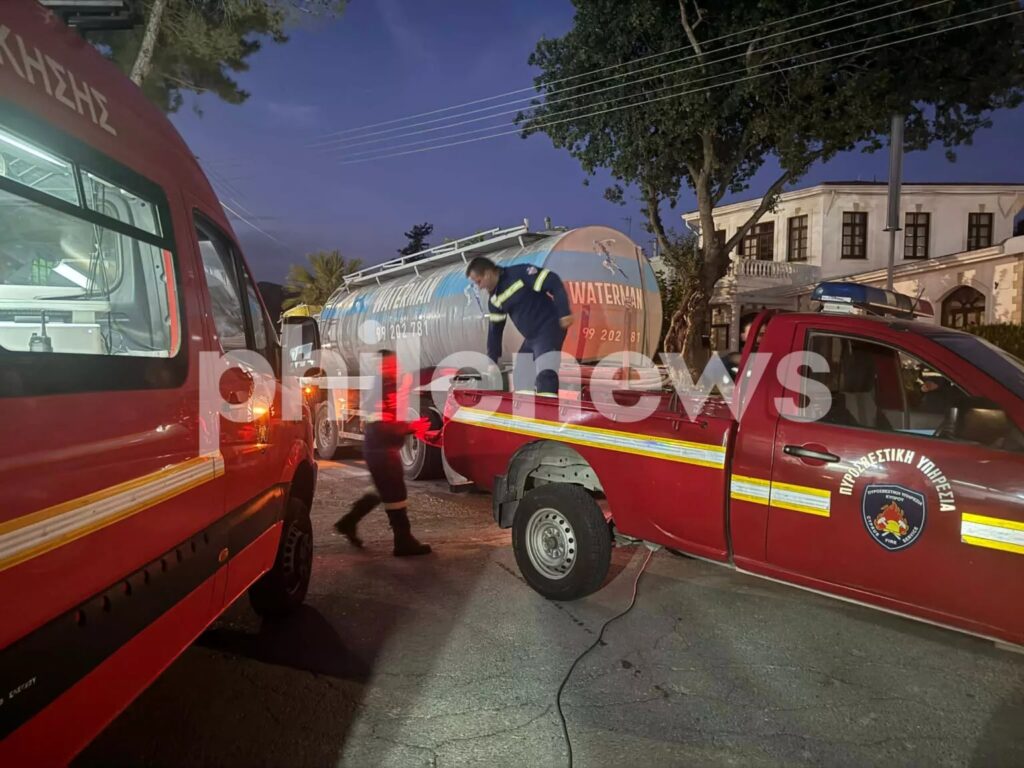
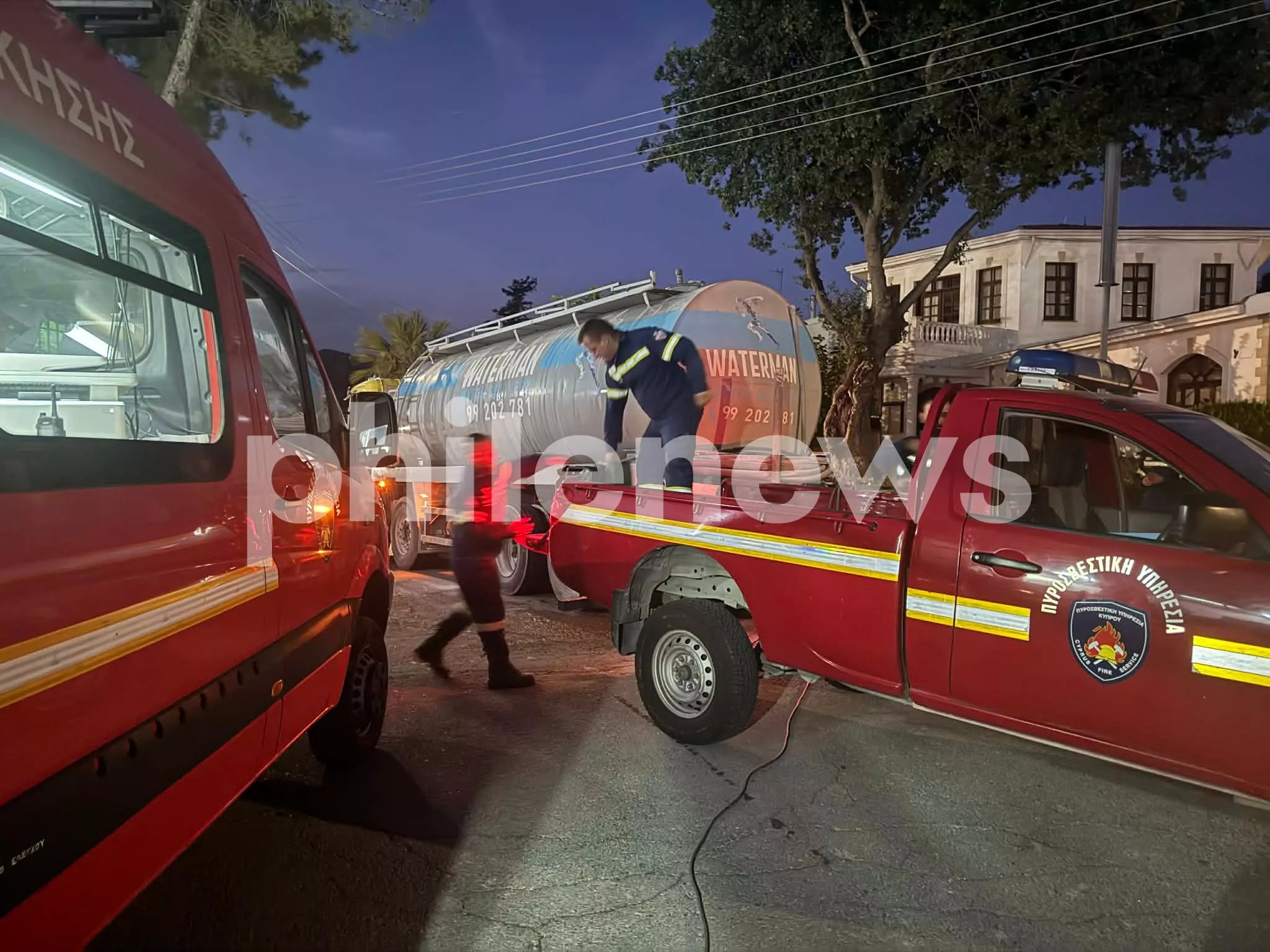
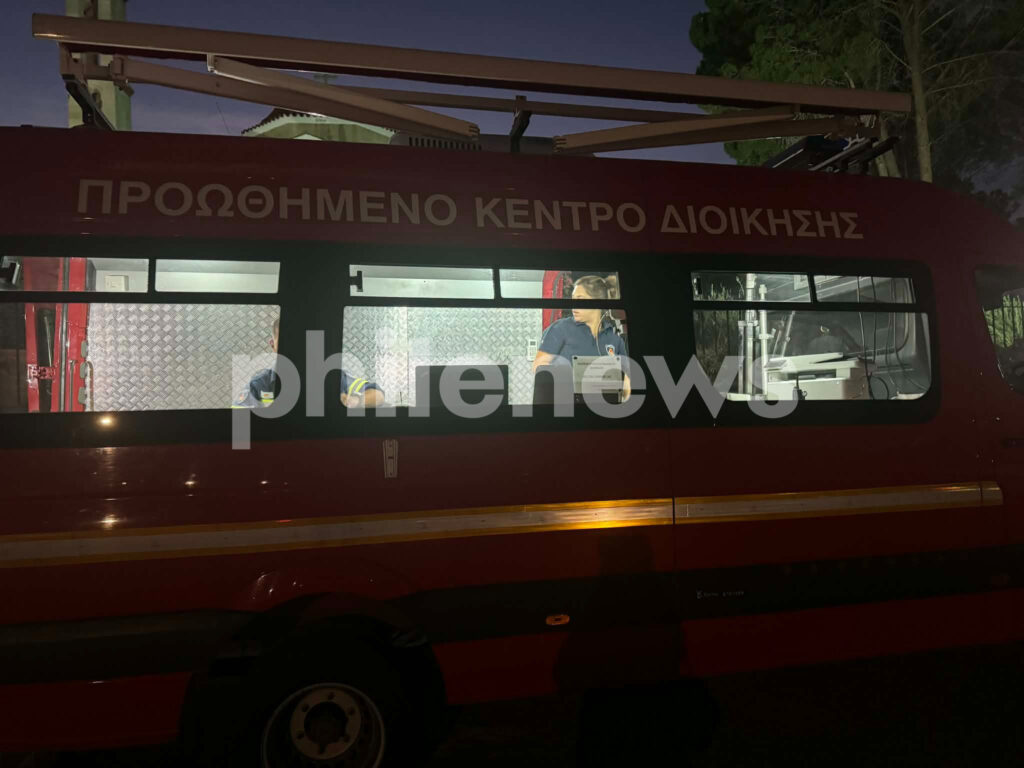
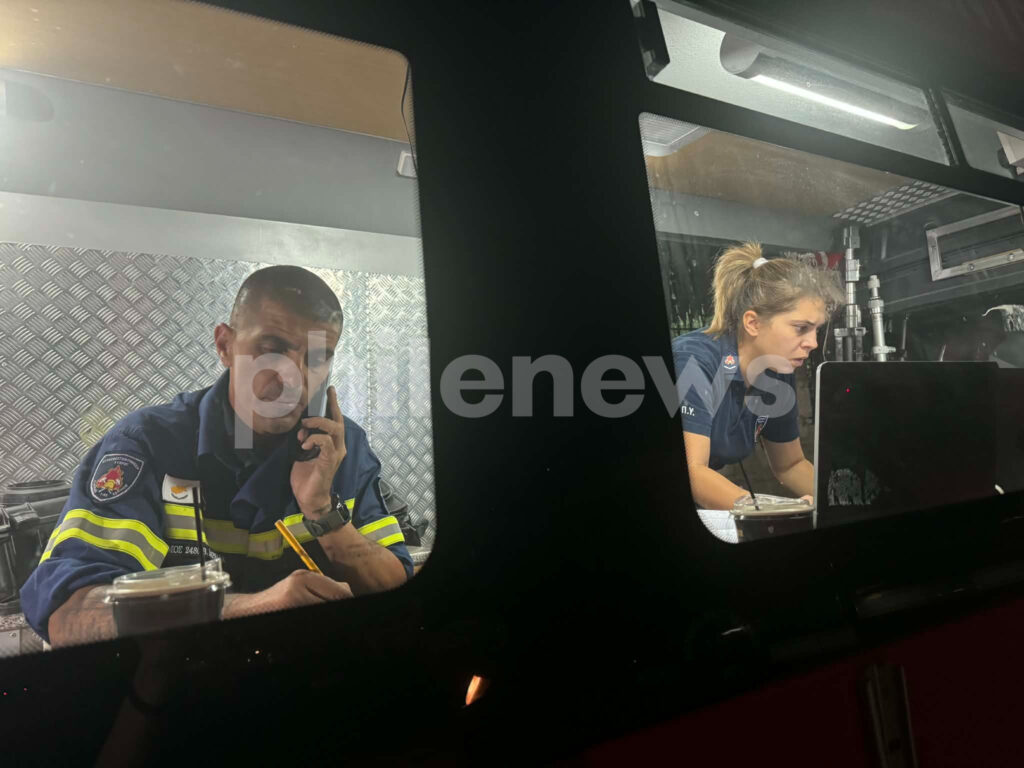
    A forward control centre has been set up in the Stroumbi community square, where various agencies, including the Fire Service, Department of Forests, Civil Defence, army, police, and other relevant services, are coordinating their efforts. According to Fire Service spokesperson Andreas Kettis, an active front has developed, with flames moving westward towards the northwest.

    Extent of the Fire

    The fire has engulfed an area measuring approximately one square kilometre, affecting dry grass, wild vegetation, and trees. Strong winds remain a significant obstacle, with a particularly intense front raging out of control between Koili and Akoursos.

    Simultaneous Fires in the Region

    In addition to the major wildfire, a smaller fire is currently reported in the Turkish Cypriot village of Pitargou, which is expected to be brought under control shortly. The situation is being monitored closely, with resources redirected as necessary.

    On-Site Assessments and Management

    Andreas Gregoriou, director general of the Agriculture Ministry, arrived at the control centre shortly after 7pm to assess the situation and determine any necessary actions. He plans to visit the fire front to evaluate the extent of the danger and to decide on further measures for the night or the coming days.

    Local Insights on the Incident

    Michalis Efthymiou, the community leader of Koili, provided insight into the firefighting efforts, stating that while bulldozers are working to combat the fire, fire engines are struggling to reach the blaze due to its location in an inaccessible area. The fire has destroyed mature cypress forests, but Efthymiou reassured that homes in both communities are not currently at risk.

    Human Factors and Unprecedented Timing

    Efthymiou speculated that human factors might have contributed to the outbreak, suggesting that it was likely initiated by someone on foot, as vehicles are unable to access that specific terrain. He noted that experiencing such fires in November is unprecedented, although today’s high temperatures have likely contributed to the fire’s rapid spread.

    Continued Monitoring and Future Actions

    The situation remains fluid, with firefighters and emergency services on high alert. As conditions evolve, further updates will be necessary to ensure the safety of the communities involved and to manage the fire effectively. The collaborative efforts of various agencies highlight the seriousness of the situation and the commitment to protecting lives and property.

  • Paphos fires — Paphos fires: Firefighters Control Two Blazes Near Paphos Villages

    Paphos fires — Paphos fires: Firefighters Control Two Blazes Near Paphos Villages

    paphos fires — Firefighters have successfully tamed two blazes near Paphos villages, marking a swift response to the fires that erupted on Sunday, 16 November 2025, at 10:20 am.

    • paphos fires — Firefighters have successfully tamed two blazes near Paphos villages, marking a swift response to the fires that erupted on Sunday, 16 November 2025, at 10:20 am.
    • The fires broke out close to the communities of Agia Varvara and Anarita. Within just over an hour, by 11:30 am, firefighting teams had achieved full control of both incidents.
    • Near Agia Varvara, the fire consumed approximately one hectare of stubble, while the fire near Anarita was more extensive, destroying ten decares of bushes and low wild vegetation.

    The fires broke out close to the communities of Agia Varvara and Anarita. Within just over an hour, by 11:30 am, firefighting teams had achieved full control of both incidents.

    Near Agia Varvara, the fire consumed approximately one hectare of stubble, while the fire near Anarita was more extensive, destroying ten decares of bushes and low wild vegetation.

    A coordinated effort involved four personnel from the Forestry Department, equipped with one fire engine, alongside four Fire Service staff, who brought two fire engines to the scene. Additionally, two members from the Game and Fauna Service assisted with another fire engine, demonstrating a unified response from various agencies.

    Authorities are currently investigating the causes of these fires, aiming to determine how they ignited in the first place. Fire safety remains a priority for the region, especially with the dry conditions prevalent at this time of year.