Category: News

  • Free tree — Free Tree Saplings Offered to Combat Climate Change in Cyprus

    Free tree — Free Tree Saplings Offered to Combat Climate Change in Cyprus

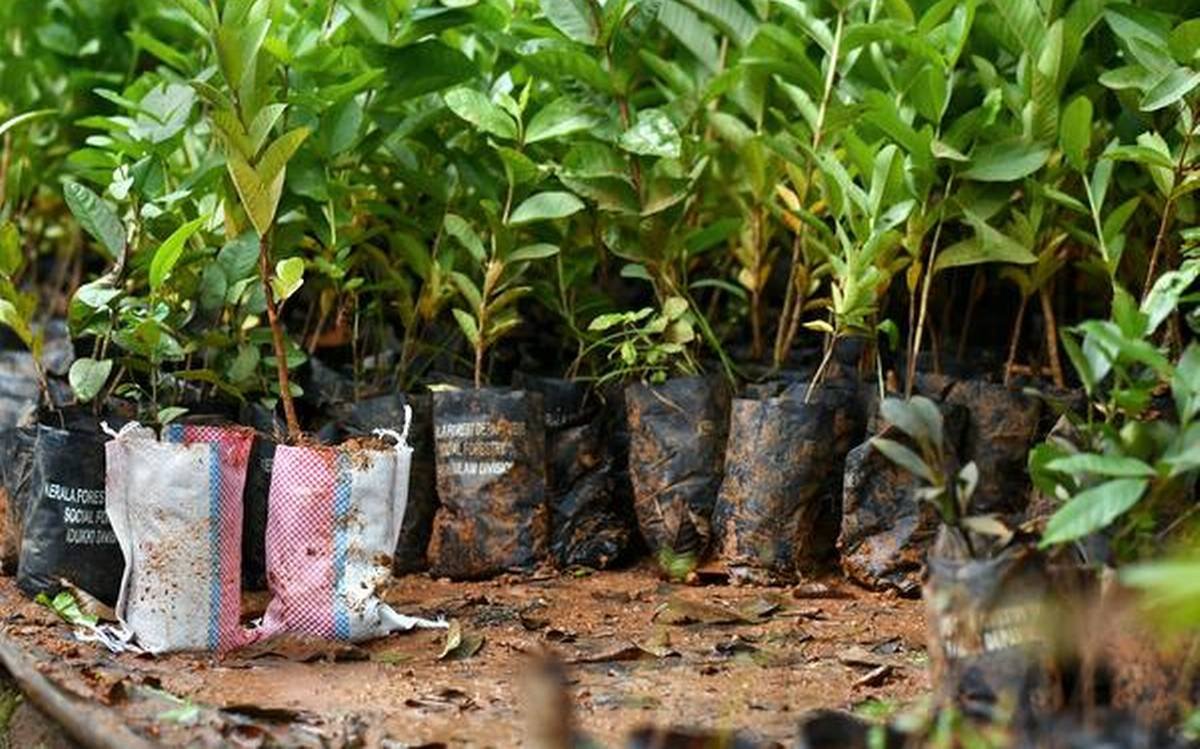
    free tree — As Cyprus intensifies its fight against climate change, the forestry department is providing free tree saplings to public bodies and residents in a significant initiative. The ‘planting for the climate’ programme aims to distribute up to 100,000 saplings, valued at €250,000, during the planting season from November to February.

    Free tree: Supporting a National Goal

    The initiative is part of a broader ambition to plant one million new trees across Cyprus by 2030. This effort aligns with a European Union commitment to plant three billion trees by the same deadline. To facilitate tracking the progress of these environmental efforts, the forestry department has established a dedicated database, monitoring activities from 2019 onwards.

    Eligibility and Application Process

    The free saplings are available to a variety of eligible applicants, including local authorities, schools, government services, churches, and organised citizen initiatives with appropriate planting sites. If the demand from these groups is insufficient, up to half of the saplings will be allocated to individual residents.

    Applications for the saplings are open from October 8 to November 7. Interested parties can submit their requests at local forestry stations, via email, or through the department’s website. Municipalities are encouraged to collaborate with local groups to enhance their chances of securing these valuable resources.

    Seedling Specifications

    In addition to smaller saplings, the programme also includes larger saplings grown in containers exceeding three litres, which may be offered free of charge. This approach aims to maximise the impact of the planting initiative by providing a range of options suitable for different planting environments.

    Community Engagement

    Through this initiative, the forestry department seeks to engage the community in environmental stewardship and promote the importance of tree planting as a tool against climate change. Residents are encouraged to participate actively, whether through individual applications or by joining organised efforts in their localities.

  • Hiv prevention — Cyprus Introduces Free HIV Prevention Drug Programme in Nicosia and Larnaca

    Hiv prevention — Cyprus Introduces Free HIV Prevention Drug Programme in Nicosia and Larnaca

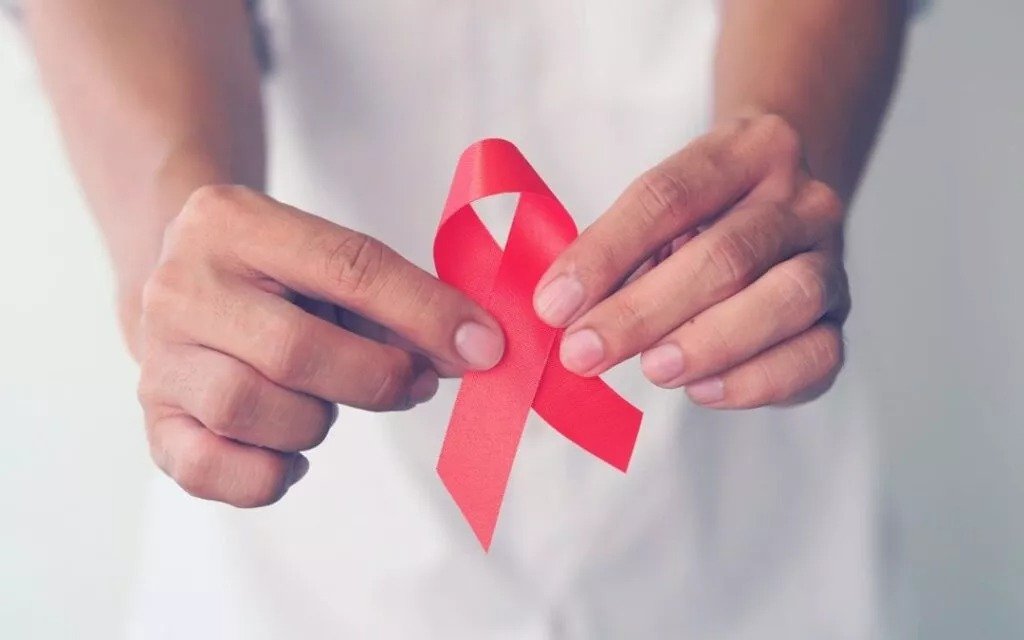
    hiv prevention — hiv prevention — The launch of Pre-Exposure Prophylaxis (PrEP) services marks a monumental step in Cyprus’ efforts to combat HIV. This initiative allows HIV-negative individuals to take medication that significantly lowers their risk of contracting the virus upon potential exposure.

    In a press release, the Health Ministry highlighted that this scientifically proven preventive method aligns with practices already established in numerous European countries, adhering to the guidelines set forth by the European Centre for Disease Prevention and Control (ECDC). The introduction of PrEP is not just a medical advancement; it embodies Cyprus’ commitment to enhancing public health and reducing new HIV diagnoses.

    The new PrEP services will be available free of charge at public health facilities in Nicosia and Larnaca, ensuring complete confidentiality for users. Appointments can be made for afternoon clinics starting from 9 October 2025. This initiative will be supervised by specialist doctors, providing essential support and guidance to those in need.

    Moreover, individuals looking for additional information and assistance can reach out to the AIDS Solidarity Movement through the Cyprus PrEP Point. This resource aims to connect citizens directly with Health Ministry services, ensuring that support is readily available.

    By implementing this programme, Cyprus not only enhances its public health framework but also aligns with international standards in addressing HIV infections. As the country steps into this new era of proactive health measures, the potential for reducing the impact of HIV is more promising than ever.

  • Dispute Over Payment Structures Clouds Great Sea Interconnector Project

    Dispute Over Payment Structures Clouds Great Sea Interconnector Project

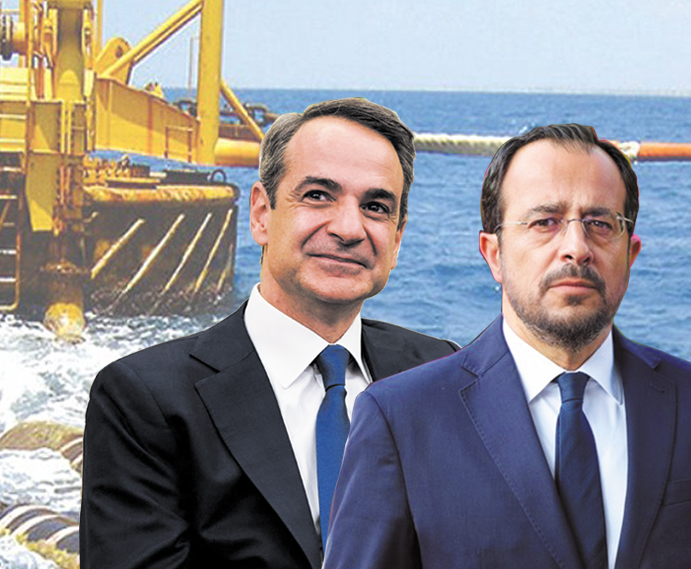
    great sea — A longstanding difference over payment structures is at the heart of the ongoing dispute involving the Great Sea Interconnector (GSI) project. Sources revealed that the energy regulator of Cyprus is at odds with Admie, Greece’s independent power transmission operator and the project promoter for the GSI.

    • In a clarification issued after President Christodoulides’ remarks, Admie stated it was not demanding the entire €251 million immediately but was contesting Cera's verification of €82 million.

    The issue resurfaced following strong comments made by Cypriot President Nikos Christodoulides, who asserted that the state would not be “blackmailed” by Admie. This statement came in response to a report from the daily Phileleftheros, which highlighted the tensions surrounding the project.

    President Christodoulides reiterated that there is “no crisis” between the governments of Cyprus and Greece, despite the apparent disagreements over the GSI. He acknowledged that some “technocratic differences” exist regarding the project.

    On Monday, the Cyprus energy regulatory authority (Cera) confirmed it had received a letter from Admie concerning its expenses on the GSI. The letter, dated September 26, appeals a previous decision made by Cera in July, where only €82 million in capital expenditures (capex) was verified by the regulator. In contrast, Admie claims it has spent €251 million to date.

    In a clarification issued after President Christodoulides’ remarks, Admie stated it was not demanding the entire €251 million immediately but was contesting Cera’s verification of €82 million.

    This disagreement stems from a history of disputes dating back to when EuroAsia Interconnector Ltd, a Cypriot company, was the original project promoter. After EuroAsia withdrew in October 2023 due to financing issues, Admie took over but found the existing agreement with Cera unsatisfactory. The previous agreement allowed for some expense recovery only after project completion, while Admie insists on the ability to recoup costs as they occur.

    Differences in regulatory practices between Cyprus and Greece exacerbate the situation. In Cyprus, it is customary for the implementing entity to be reimbursed after completing a project, whereas Greece permits reimbursement of expenses as they arise. This fundamental disagreement remains unresolved, with Admie’s recent letter being the latest development in ongoing discussions.

    Cera has not accused Admie of dishonesty regarding the €251 million claim; rather, it has requested evidence in the form of invoices to support the expenditure. Currently, Cera maintains that only €82 million can be substantiated.

    In July 2024, Cyprus and Greece entered into an interstate agreement committing Cyprus to pay €25 million annually into the GSI project from 2025 to 2030, totalling €125 million. However, this agreement does not address the core issue of when expenses can be reimbursed, leaving Admie’s costs to accumulate.

    It’s important to note that the €251 million claimed by Admie does not represent Cyprus’ total liability. Cyprus is responsible for 63% of that amount, while Greece covers the remaining 37%, as per the agreed division of costs.

    The overall cost of the interconnector project is estimated at €1.9 billion, and as time progresses, Admie’s financial claims may increase beyond the current figure. Complicating matters further is the ongoing Turkish interference, which has halted depth surveys necessary for mapping the subsea cable route. So far, surveys have only been conducted in the territorial waters off Crete and Cyprus, with Turkish claims of continental shelf rights preventing exploration in international waters. This leaves significant gaps in the necessary seabed mapping for the project.

  • MoAD Welcomes Italian and Greek Artists for Inaugural Exhibition

    MoAD Welcomes Italian and Greek Artists for Inaugural Exhibition

    The newly-established Museum of Art and Design (MoAD) will host its inaugural exhibition on Friday, October 17, showcasing the works of prominent Italian and Greek artists. This event marks a significant milestone in Cyprus’s cultural landscape, highlighting the museum’s commitment to becoming a premier destination for international contemporary art.

    Photo: financialmirror.com

    Moad: Celebrating Artistic Talent

    The exhibition will feature acclaimed creators Leonardo Blanco, an Italian mixed-media artist, and Greek painter Mara Tsafantaki. Both artists are known for their innovative approaches and have made substantial contributions to the contemporary art scene.

    Photo: financialmirror.com

    Leonardo Blanco: A Multidisciplinary Visionary

    Leonardo Blanco’s artistic practice encompasses painting, sculpture, and installation. His works are held in notable public and private collections around the globe, with permanent installations in places such as San Marino, Strasbourg at the Council of Europe, Nazareth at the Basilica of the Annunciation, and Beijing at the Water Cube Museum. In 2009, Blanco proudly represented the Republic of San Marino at the 53rd Venice Biennale of Visual Arts. He has also completed several prestigious public commissions, including a monumental steel sculpture located at the entrance to San Marino’s city centre.

    Mara Tsafantaki: A Journey Through Illustration

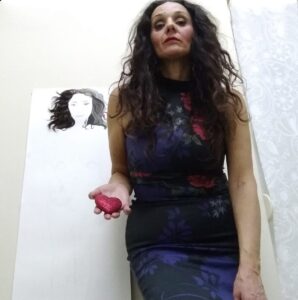
    Mara Tsafantaki, a graduate of the Athens School of Fine Arts, has garnered recognition for her work in both painting and illustration. Under the guidance of Professor Chronis Botsoglou, Tsafantaki honed her craft and has since showcased her artwork in various solo and group exhibitions across Greece and internationally. Since 2003, she has illustrated numerous children’s books published by leading Greek publishing houses such as Patakis and Papadopoulos. Notably, her illustration for “Little Leo and the Circusmicroworld,” authored by Kostas Charalas, was longlisted for the 2006 Greek State Illustration Awards and subsequently published in South Korea.

    Engaging Talks and Diverse Perspectives

    The opening event will also feature a keynote address by Italian designer Giulio Masciocchi, known for his refined aesthetic and multidisciplinary practice that spans concept and product design, interior design, and graphic communication. His contributions have significantly influenced the collections of esteemed Italian brands in fashion and design.

    Masciocchi founded G.DISEGNI in 2016, a design studio dedicated to applied arts, working across various creative fields, including textile and porcelain design, product development, and fashion design. His work embodies a distinctive contemporary vision that resonates well with the themes explored in the exhibition.

    Event Details and Public Engagement

    The inaugural reception at MoAD will take place on Friday, October 17, from 6 to 9 PM, followed by public viewing sessions on Saturday and Sunday, October 18-19, from 5 to 8 PM. This exhibition not only showcases the talent of Blanco and Tsafantaki but also represents a broader commitment to fostering dialogue among diverse artistic communities.

    Maria Ignatiou Shiakalli, the founder and Artistic Director of MoAD, expressed her enthusiasm: “This inaugural exhibition represents our commitment to bringing world-class contemporary art to Cyprus while fostering dialogue among international artistic communities.” She emphasised the importance of the event in promoting cultural exchange and engagement through art.

    Exploring Cross-Cultural Narratives

    The works of Tsafantaki and Blanco are chosen for their ability to engage with global cultural narratives. Their presentations promise to invite visitors into a compelling exploration of cross-cultural expression. Shiakalli noted, “Selected for their innovative approaches and universal themes, Tsafantaki and Blanco will present new series that reflect distinct cultural perspectives.” This aspect of their work aligns with MoAD’s mission to become a leading platform for contemporary art.

    A Vision for the Future

    Maria Ignatiou Shiakalli has been actively involved in art education, curation, and philanthropy for two decades, working on prestigious international projects. Recently, she was appointed as the exclusive art consultant for Reem Mall in Abu Dhabi, contributing her expertise to one of the UAE’s ambitious architectural projects. In 2023, she was selected to create the monumental artwork Falcon’s Flight, symbolising the emirates’ vision for the future.

    Yorgos Taxiarchopoulos, serving as Chief Curatorial Strategist at MoAD, aims to bring institutional credibility and global network expertise to the museum. He is also the Artistic Director of the Limassol Municipal Arts Centre and the founder of ACEY Europe, a non-profit entity focused on arts and culture in Greece.

    A Cultural Landmark in Nicosia

    The Museum of Art and Design is conveniently located at 37 Demostheni Severi Street, near the Foreign Ministry and the Presidential Palace in Nicosia. For more information about the inaugural exhibition and future events, interested parties are encouraged to call +35722011349.
  • Larnaca collision: Three Hospitalised in Five-Car Collision on Larnaca’s Eleftheria Avenue

    Larnaca collision: Three Hospitalised in Five-Car Collision on Larnaca’s Eleftheria Avenue

    larnaca collision — A five-car collision on Larnaca’s Eleftheria Avenue has left three drivers hospitalised, following a crash that occurred on Monday evening.

    • larnaca collision — A five-car collision on Larnaca's Eleftheria Avenue has left three drivers hospitalised, following a crash that occurred on Monday evening.
    • The incident took place around 5:30pm at the Rizoelia roundabout, where the vehicles collided, resulting in injuries to three of the drivers involved.
    • According to local police, the three drivers were taken to a nearby hospital for medical examinations to assess their injuries. Fortunately, there were no other passengers in any of the vehicles.
    • This incident highlights ongoing concerns regarding road safety in the area. As investigations continue, local residents are reminded to remain cautious and vigilant while driving.

    The incident took place around 5:30pm at the Rizoelia roundabout, where the vehicles collided, resulting in injuries to three of the drivers involved.

    According to local police, the three drivers were taken to a nearby hospital for medical examinations to assess their injuries. Fortunately, there were no other passengers in any of the vehicles.

    In the aftermath of the crash, Larnaca traffic police have initiated an investigation to determine the circumstances surrounding the collision. Authorities are working to piece together the events leading up to the incident, including any factors that may have contributed to the crash.

    This incident highlights ongoing concerns regarding road safety in the area. As investigations continue, local residents are reminded to remain cautious and vigilant while driving.

  • A e: Doctors Criticise A&E Raids by Audit Office Officials

    A e: Doctors Criticise A&E Raids by Audit Office Officials

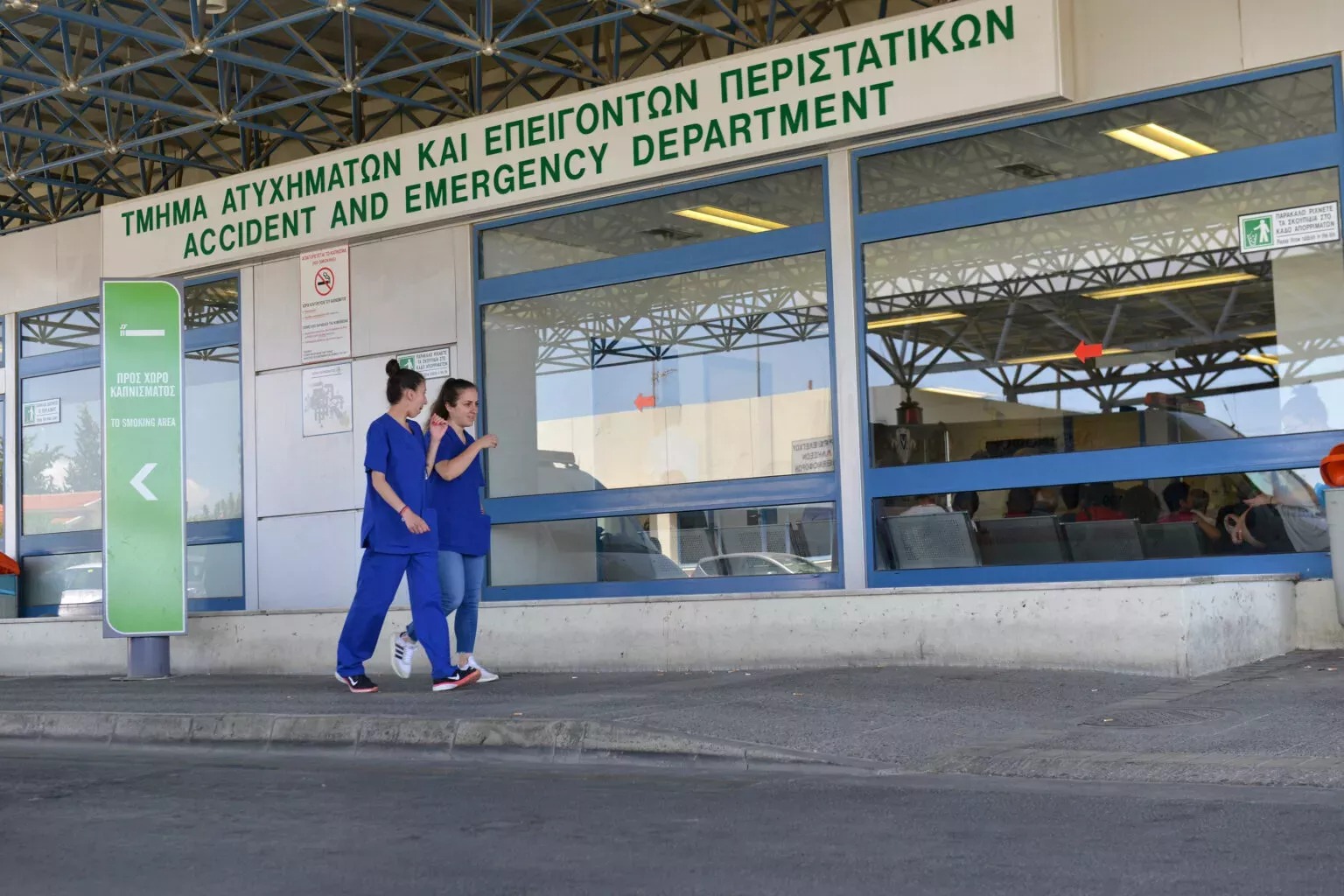
    a e — a e — Doctors are voicing their outrage following the unexpected overnight raids by Audit Office officials at the accident and emergency departments of both Nicosia and Limassol general hospitals on October 1. The inspections were conducted in a manner deemed offensive by the medical community, raising serious concerns about patient privacy and the integrity of medical data.

    Sotiris Koumas, president of the Pancyprian Union of Government Doctors, expressed his frustration about the demands placed on the medical staff. He stated, “The manner in which the inspections were conducted and the demands made by Audit Office officials were offensive and certainly exceeded limits in some cases, as they asked doctors, amongst other things, to prove they had served a patient by presenting data in the electronic files of General Healthcare System beneficiaries.”

    Koumas highlighted that no entity has the right to access the medical data of any patient who has visited the A&E, questioning the relevance of patient medical information to the purpose of the Audit Office’s inspections. “This is also a violation of patients’ rights, amongst many other things,” he added.

    During the raids, doctors on duty were reportedly asked to present their identity cards to verify their registration as medical professionals on duty that night. Koumas commented, “In other words, you call a doctor to leave his post whilst they are on active duty, and you ask them to show you their identity card. I think this is not the way for the Audit Office to conduct an inspection.”

    Adding to the controversy, officials are said to have contacted on-call doctors at home to assess their response times. Koumas explained, “At 1 am and 2 am they were telephoning doctors to check whether they would respond. If this is indeed true, it means that other serious issues arise.” These actions have prompted the union to consider the implications of such practices on the working environment for medical professionals.

    While Koumas acknowledged the Audit Office’s mandate to investigate potential abuses of power or misuse of public funds, he firmly reiterated that this does not justify the demand to access patient files. He stated, “With all due respect to the Audit Office and the Auditor General, access to patient files is permitted only to their doctor, and this is why only doctors have access to GHS files.”

    The union leader expressed concern about some colleagues who complied with requests to access patient files to confirm their treatments. He noted, “It is also very serious that some colleagues accepted and accessed the files of patients they had served in order to prove it.”

    Koumas concluded that the actions of both the audit officials and the doctors who acquiesced to these demands reflect a troubling environment that requires further scrutiny and discussion. He remarked, “The specific behaviours, both from the audit officials and from the doctors themselves, are the result of a climate that has been created and requires both analysis and criticism. Unfortunately, we have set a precedent.”

  • Arrest of Russian-Israeli Citizen in Larnaca Linked to Sea Piracy Charges

    Arrest of Russian-Israeli Citizen in Larnaca Linked to Sea Piracy Charges

    A Russian-Israeli citizen, Alexei Kartzgor, has been arrested in Larnaca under an Interpol warrant for his alleged involvement in sea piracy.

    • A Russian-Israeli citizen, Alexei Kartzgor, has been arrested in Larnaca under an Interpol warrant for his alleged involvement in sea piracy.
    • Following his arrest, Kartzgor is set to appear before the Larnaca District Court on Monday, where proceedings will begin to address the extradition request from Russia.

    The 47-year-old was apprehended on Saturday at Larnaca port, following an international arrest warrant issued by Russian authorities. According to a police spokesperson, this arrest is connected to an old case involving the hijacking of the cargo ship Arctic Sea in the Baltic Sea.

    Kartzgor’s arrest has garnered attention, particularly after reports from Israeli newspaper Yedioth Ahronoth confirmed the details. It is believed that he arrived in Cyprus by ship, unaware of the pending warrant against him.

    In a twist, it has been reported that Kartzgor was previously arrested in connection with the same case. He was released on bail in 2009 but subsequently fled, prompting Russian officials to seek his extradition.

    Following his arrest, Kartzgor is set to appear before the Larnaca District Court on Monday, where proceedings will begin to address the extradition request from Russia.

  • Cyprus 2026: Cyprus’ 2026 EU Presidency: A Challenge with Tourism Benefits

    Cyprus 2026: Cyprus’ 2026 EU Presidency: A Challenge with Tourism Benefits

    cyprus 2026 — cyprus 2026 — Cyprus’ 2026 EU Presidency presents both a significant challenge and an opportunity for tourism growth in the small nation, home to just over one million residents. As the country prepares to assume the Presidency of the Council of the European Union, it has outlined plans to host approximately 260 informal meetings, which are anticipated to generate around 62,500 overnight hotel stays during the first half of the year.

    Cyprus 2026: Boosting Tourism During Off-Peak Months

    The six-month presidency is strategically positioned in a period typically characterised by lower occupancy rates in hotels across Cyprus. Christos Aggelides, general manager of the Pasyxe tourism body, highlighted the expected positive impact on the tourism sector: “There will be 62,500 overnight stays due to the Cypriot presidency which will directly affect hotels and the tourism sector. It will have a positive effect because it will take place in a period when occupancy is not so high.”

    Key Venues and Infrastructure

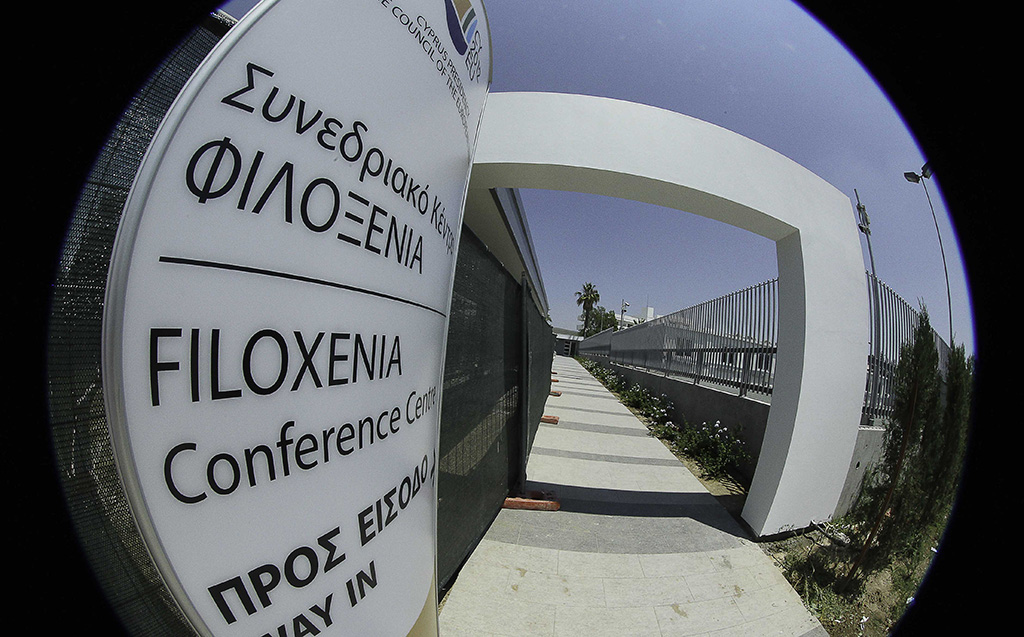
    Meetings will primarily take place at the Filoxenia conference centre, which is equipped with five main halls and smaller meeting rooms capable of accommodating up to 800 participants. This venue boasts modern technological infrastructure and interpretation systems that meet EU standards, ensuring a seamless experience for attendees. Additionally, a renovated building, previously part of the higher hotel institute, will be designated as the press centre for journalists covering the presidency.

    Financial Considerations and Budget Management

    As Cyprus prepares to host the presidency, officials have indicated that the country will bear most of the costs associated with the event, including expenses for meeting rooms, equipment, security, translation services, and catering. The deputy ministry for European affairs has made it clear that efforts are underway to minimise the burden on the state budget while maintaining high-quality service standards.

    To further ease financial pressures, Cyprus plans to invite sponsorships from companies and organisations, which could help offset some costs. The deputy ministry emphasised that while Cyprus will remain responsible for the majority of expenses, some meetings may benefit from additional funding from the EU or other bodies.

    Transparency and Cost Control Initiatives

    Budget transparency and cost control are top priorities for the government as it approaches the presidency. Akis Kikas, audit director of the contact committee of the European Court of Auditors, stated, “Transparency is ensured as in all budgets. We always make sure that there are no wasteful expenses and that basic transparency exists. All funds included in each budget are approved by you.”

    The finance ministry reiterated that the budget for the presidency is integrated within the broader state budget and adheres to spending limits set by relevant EU directives. Officials are confident that the amounts allocated for the presidency will not threaten the sustainability of public finances.

    Limited EU Funding for the Presidency

    In terms of EU funding, the finance ministry clarified that council presidencies are generally funded by national resources rather than EU contributions. Only a small portion of meetings—approximately 30—will receive partial funding from the EU or other organisations, which could cover costs like accommodation, transport, or general conference expenses.

    As the ministry pointed out, “The contribution of the European Union to the budget for Cyprus’ presidency of the council is essentially negligible.” This reinforces the need for Cyprus to manage its finances prudently while ensuring that the presidency meets the expectations of both national and European stakeholders.

    Logistics and Hospitality Standards

    The logistics surrounding the presidency will also require careful planning. Luxury vehicles, buses, and minibuses will be used to transport heads of delegations and delegates. Security and traffic management will be coordinated by the relevant authorities, ensuring a safe and smooth experience for all participants.

    In a nod to Cypriot culture, the deputy ministry for European affairs assured that catering services will showcase the country’s hospitality, professionalism, and commitment to environmental sustainability. All services will undergo quality control to maintain high standards.

    A Balancing Act for Cyprus

    As Cyprus gears up for its presidency, officials face the delicate task of ensuring efficient organisation while controlling costs and maintaining transparency. The country aims to deliver a strong national message and reaffirm its position within the European Union through effective management of this prestigious role.

    The challenges ahead are significant, but with careful planning and a proactive approach, Cyprus is poised to make its presidency a success, benefiting not only from increased tourism but also from enhanced visibility on the European stage.

  • Cyprus sheftalia — Cyprus Sheftalia Ranked Second Best Sausage Dish in the World

    Cyprus sheftalia — Cyprus Sheftalia Ranked Second Best Sausage Dish in the World

    Cyprus sheftalia has earned the impressive title of the second best sausage dish globally, as recognised by Food Atlas. This traditional delicacy, often enjoyed in pitta alongside souvlakia to create a delightful mixed kebab, has outshone familiar English favourites like Toad in the Hole and Pigs in Blankets.

    Cyprus sheftalia: A Taste of Tradition

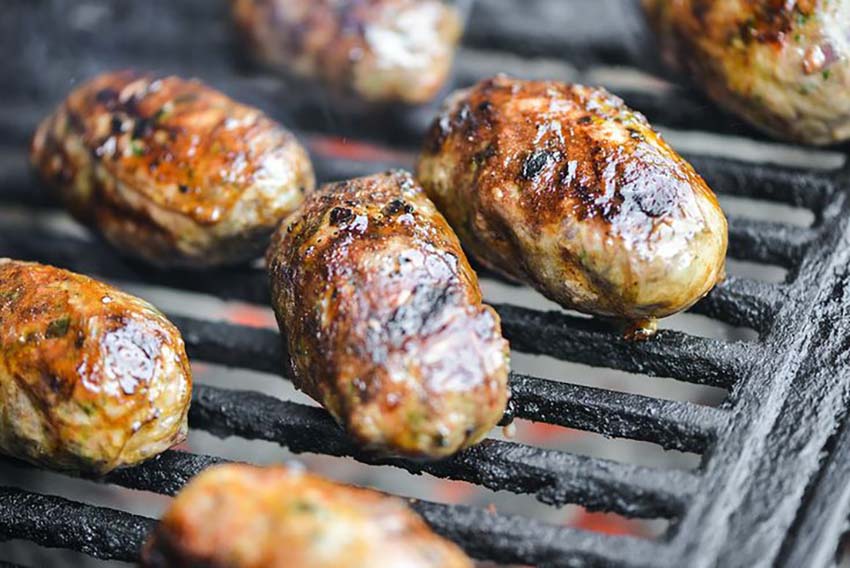
    Sheftalia is a unique dish that combines minced pork and lamb, seasoned with salt, pepper, and a hint of cinnamon. The meat is mixed with chopped red onion and parsley, then wrapped in caul fat—a delicate membrane that encases the stomachs of various animals such as cows, sheep, and pigs. This wrapping not only enhances the flavour but also helps maintain the juiciness of the meat during cooking.

    The Cooking Process

    Once prepared, the sheftalia mixture is formed into small sausage shapes, skewered, and grilled to perfection. As the sausages cook, the caul fat renders down, creating a crispy, caramelised exterior that contrasts beautifully with the tender and juicy interior. This process is a key aspect of what makes sheftalia a beloved dish in Cyprus and now recognised worldwide.

    The Journey to Recognition

    Food Atlas highlighted the rich flavours and textures of sheftalia, placing it just behind the Greek dish Spetsofai in their rankings. The criteria for this judgement reflect a deep appreciation for not just taste, but also the cultural significance of the dish. The origins of the name sheftalia are debated, with theories suggesting it either derives from the Turkish word ‘seftali’, meaning peach, likely referencing the sausage’s texture, or is named after a street vendor credited with its invention.

    Global Sausage Rankings

    Sheftalia’s recognition comes as part of a broader celebration of sausage diversity around the world. Following closely behind in the rankings are iconic dishes such as Chorizo a la Parrilla from Argentina, Ovos mexidos com Farinheira from Portugal, and Nem Nuong from Vietnam. Each dish reflects its unique cultural heritage and culinary traditions.

    A Culinary Legacy

    The acclaim for sheftalia not only highlights its deliciousness but also underscores the importance of preserving traditional recipes that connect us to our cultural roots. As it gains international recognition, Cyprus sheftalia stands as a testament to the island’s rich culinary history and the joy of sharing food that brings people together.

  • Protesting: President Christodoulides Affirms Right to Protest Amid Police Controversy

    Protesting: President Christodoulides Affirms Right to Protest Amid Police Controversy

    protesting — President Nikos Christodoulides has stated that “no one is banned from protesting,” addressing concerns following a heavy-handed police response to a demonstration outside the foreign ministry on Thursday night. His remarks came during his arrival at a rural culture festival in the village of Lofou, where he reiterated the government’s commitment to the right to protest.

    On Thursday, demonstrators gathered to voice their opposition to Israel’s interception of boats heading towards Gaza, part of the Gaza Sumud flotilla. The protest escalated when riot police intervened, deploying pepper spray and engaging in physical confrontations with attendees.

    “The police have taken a very specific position,” Christodoulides remarked, defending recent legislation that imposes stricter regulations on protests, which had come under fire following the events of Thursday night. He stated that protests and the right to demonstrate are “absolutely respected and guaranteed” in Cyprus.

    The president acknowledged ongoing criticism of police actions, urging a balanced view of the circumstances under which security forces operate. He mentioned that any alleged excessive use of force would be investigated, assuring that appropriate measures would be taken if necessary.

    Following the protest, the political landscape shifted with Akel condemning the police’s response as an “unprovoked attack.” The party called for further protests, stating, “Akel calls on everyone who does not tolerate state repression and the government’s subservience to the Netanyahu regime to mobilise.”

    Volt echoed similar sentiments, emphasising that “violent repression of peaceful demonstrations has no place in a democratic and European country.” They condemned the police violence against demonstrators advocating for Palestinian rights, asserting that such actions undermine the principles of democracy.

    Accounts from the protest highlighted the chaotic scene, with a journalist from Haravgi reporting being injured during the police intervention. Veteran journalist Christos Christofides described being “thrown to the ground” amid the turmoil, thanking those who assisted him in escaping potential injury from the crowd.

    The union of Cyprus journalists condemned the police’s actions, noting that one of their members, despite identifying as a journalist, faced violence from officers. They called for an investigation led by Police Chief Themistos Arnaoutis, demanding accountability for the errant officers involved.

    The police response was justified by their statement that the protestors had blocked a lane of traffic outside the foreign ministry, necessitating intervention to clear the area. This incident in Nicosia was part of a broader wave of global protests against Israel’s military actions, which saw thousands taking to the streets in cities worldwide including Barcelona, Milan, and Paris.