Category: News

  • Foot-and-Mouth Disease Triggers Alert in Cyprus

    Foot-and-Mouth Disease Triggers Alert in Cyprus

    Foot-and-mouth disease has emerged in occupied Cyprus, raising significant alarm in the free areas and prompting heightened vigilance to prevent the virus from crossing the Green Line.

    • Foot-and-mouth disease has emerged in occupied Cyprus, raising significant alarm in the free areas and prompting heightened vigilance to prevent the virus from crossing the Green Line.

    This highly infectious zoonotic disease poses a serious threat to livestock farming rather than directly endangering human health. It primarily affects cloven-hoofed animals, including cattle, sheep, goats, and pigs, as well as wild ungulates like deer and buffalo.

    Foot-and-mouth disease: Rapid Spread and Symptoms

    The virus spreads with alarming ease, transmitted through direct animal contact, airborne particles, or contaminated vehicles and equipment. Humans can inadvertently contribute to the virus’s spread by moving between infected and clean areas.

    Infected animals typically exhibit high fever and develop painful blisters in their mouths, tongues, lips, and hooves, which can lead to lameness and an inability to feed. Young animals are particularly vulnerable, with the disease proving fatal in some cases. Management of foot-and-mouth disease relies heavily on prevention, immediate isolation of infected animals, strict biosecurity measures, and vaccination as needed.

    Minimal Risk to Humans

    While foot-and-mouth disease is not considered a serious threat to humans, transmission can occur, although it is exceedingly rare. When it does happen, symptoms are usually mild, such as low fever and mouth irritation.

    Heightened Alert in Cyprus

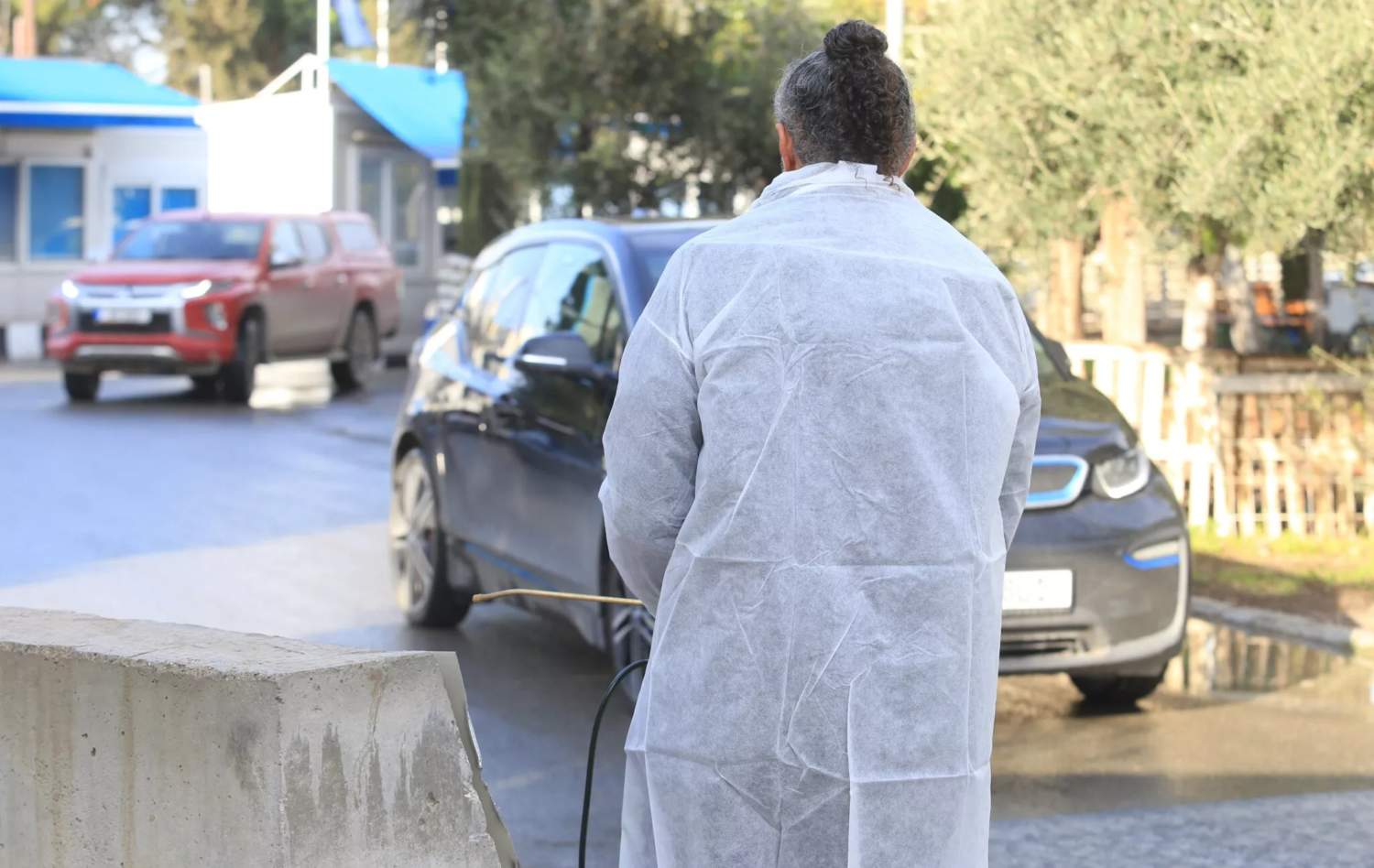
    The recent confirmation of foot-and-mouth cases in the occupied areas has pushed authorities in the Republic of Cyprus to implement extensive control measures. Quarantines, mass vaccinations of animals, and activation of European monitoring mechanisms are now in effect. The Republic’s Veterinary Services have ramped up preventive strategies, which include stringent checks along the Green Line, vehicle disinfections at crossing points, and increased surveillance of livestock units.

    As of now, the situation in the free areas remains stable, with no cases reported. However, officials stress that the risk of transmission persists, necessitating continuous vigilance and strict adherence to biosecurity protocols by both farmers and the general public.

    Preventive Measures and Community Responsibility

    The ongoing threat of foot-and-mouth disease serves as a stark reminder of the delicate balance within Cyprus’s geography. The island’s intense movement of people and livestock highlights the importance of prevention as the most effective ‘vaccine’. Authorities urge everyone to adopt a responsible attitude towards biosecurity, reinforcing the need for cooperation among farmers and citizens alike to safeguard the nation’s livestock and agricultural output.

  • Police in the Dark: A Call for Nightlife Safety in Cyprus

    Police in the Dark: A Call for Nightlife Safety in Cyprus

    nightlife safety — Police in the dark is a phrase that resonates with many in Cyprus, especially during bustling nights filled with tourists and locals alike. As the year draws to a close, the streets of the island shimmer with festive lights, creating an atmosphere that feels both joyful and, on the surface, safe. Families wander through the squares, children in tow, sipping hot chocolate while the scent of roasted chestnuts wafts through the air. Yet beneath this cheerful facade lies a pressing issue—safety in nightlife.

    Photo: cyprus-mail.com

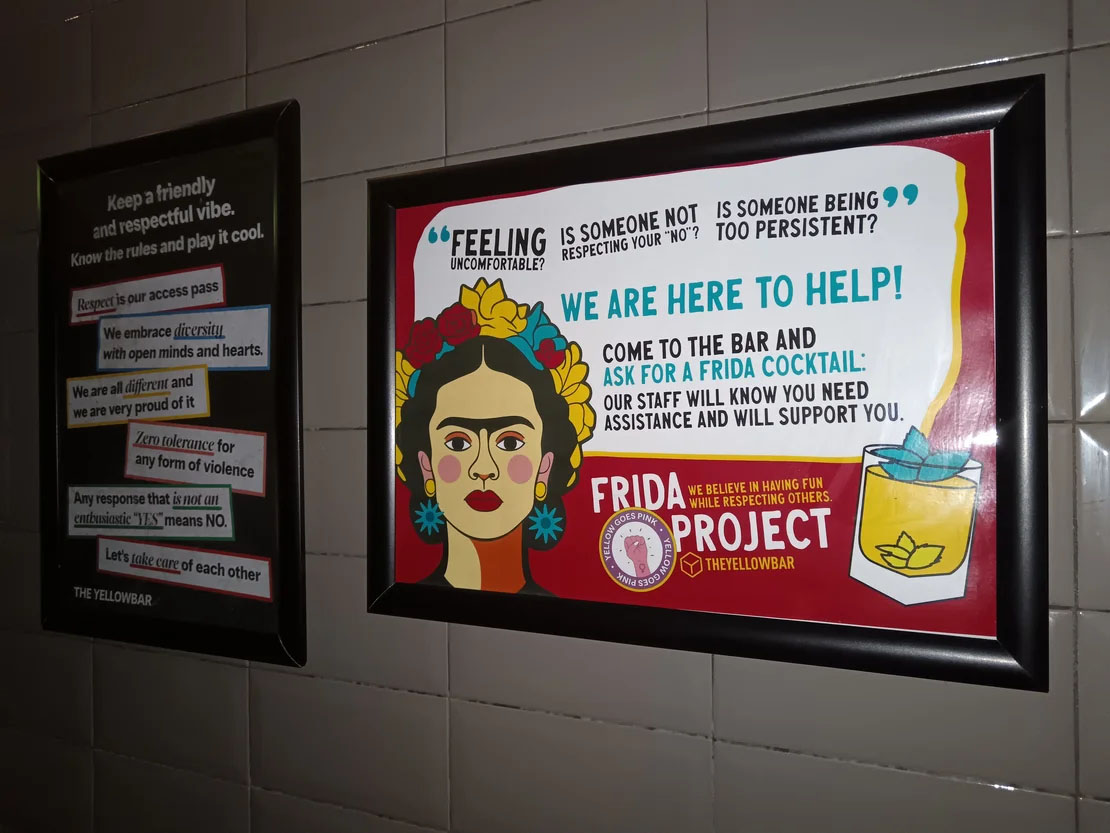
    During a recent visit to a bar in Rome, I stumbled upon a discreet yet effective safety initiative known as the “Frida cocktail”. This simple code phrase allows individuals feeling threatened to quietly seek help from bar staff without drawing attention. Intrigued, I asked the staff about it, and they explained how the system works, emphasising the importance of providing support without confrontation. This experience sparked a realisation: could a similar initiative be implemented in Cyprus?

    Cyprus, having joined the European Union in 2004, markets itself as a safe and progressive destination. Yet, despite its vibrant nightlife scene, it has lagged behind in establishing formal safety measures for those in vulnerable situations. The absence of a standardised response to distress signals in bars and clubs raises concerns, particularly for women and other at-risk groups.

    In my research, I discovered that the “Ask for Angela” initiative, which originated in the UK, has been adopted in various forms across Europe and beyond. However, in Cyprus, responses have been sporadic. Police officials acknowledged that “no framework has been established so far”, while the deputy tourism ministry expressed readiness to consult on the matter, indicating a recognition of its importance but a lack of coordinated action.

    Bar and club managements often rely on intuition and informal systems, with some owners introducing their own safety measures. However, these efforts lack consistency and training, leaving staff unequipped to handle potentially escalating situations. The goodwill of individual establishments does not substitute for a robust, unified approach to safety.

    During conversations with women about their experiences in nightlife settings, the fear of escalation when approaching security directly was palpable. The coded drink request provided a sense of discretion, but its effectiveness hinges on the staff’s awareness and readiness to respond appropriately. One young woman shared her anxiety after ordering a coded drink, relieved when staff noticed her signal but uncertain about who would take responsibility if the situation worsened.

    As summer nights in Cyprus brimmed with tourists and locals enjoying the vibrant nightlife, the need for a proactive safety framework became increasingly apparent. The island’s reputation as a welcoming destination carries an obligation to ensure the safety of all its visitors. Without clear protocols and accountability, the risk of harm lingers, and the responsibility to act remains fragmented.

    Cyprus is beginning to acknowledge the need for change, which is a promising step. However, this raises critical questions about accountability and response as the nightlife scene continues to thrive. If an incident occurs, who will take charge? The urgency of establishing a clear framework is undeniable, especially in a setting that prides itself on being safe and European.

    The story of nightlife safety in Cyprus is not one of dramatic incidents but rather the quiet absence of a cohesive system that adequately addresses the needs of its patrons. As Cyprus seeks to catch up with its European counterparts, the responsibility to ensure safety cannot rest solely on goodwill or hope. The gaps in safety frameworks are easily overlooked until someone finds themselves in a precarious situation, unsure of who to turn to for help.

    As the sun sets and the lights of the bars begin to twinkle, the question remains: will Cyprus rise to the occasion and implement the necessary measures to protect those who seek enjoyment in its nightlife?

  • Nicosia fire — Nicosia fire: Nicosia Christmas Fire Victim Died from Soot Inhalation

    Nicosia fire — Nicosia fire: Nicosia Christmas Fire Victim Died from Soot Inhalation

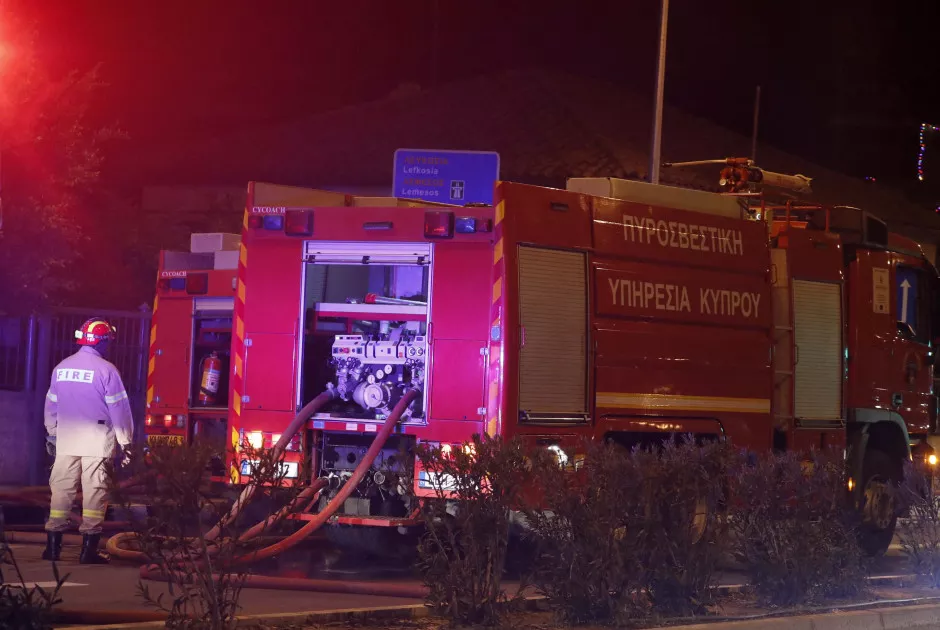
    nicosia fire — nicosia fire — A post-mortem examination has confirmed that the victim of a tragic fire in Nicosia on Christmas Day died from soot inhalation. This finding suggests that the individual was alive when the fire broke out and inhaled smoke before being engulfed by flames.

    The autopsy, conducted on Sunday, December 28, 2025, by medical examiners Angeliki Papetta and Orthodoxos Orthodoxou, highlights the dire circumstances surrounding the incident. The victim was found burned beyond recognition in a rooftop storage room of an apartment building, a discovery made shortly after midnight on Christmas Day.

    Nicosia fire: Challenges in Identification

    Due to the severe condition of the remains, identifying the victim is proving to be a complex task. Authorities have indicated that identification will rely on DNA testing, raising concerns about the victim’s next of kin. Locating family members to obtain comparative DNA samples is a significant challenge for investigators.

    Forensic Investigations Underway

    As part of the autopsy process, forensic experts collected blood samples and teeth for laboratory analysis. These efforts aim not only to assist in identification but also to check for any underlying health issues that may have contributed to the victim’s death.

    Unanswered Questions Surrounding the Blaze

    The cause of the fire that led to this tragedy remains unclear. A joint investigation is currently being conducted by the Police, the Fire Service, and the Electromechanical Services. Their aim is to determine whether the blaze was an unfortunate accident or if there are indications of a criminal act.

    As the investigation continues, the community grapples with the shock of the incident. Local officials have expressed their condolences and are urging anyone with information related to the fire to come forward.

  • Cyprus Faces Significant Energy Challenges in 2026

    Cyprus Faces Significant Energy Challenges in 2026

    Cyprus’ energy challenges are set to intensify in 2026, as experts warn that unresolved issues from the current year will continue to affect the sector. Persistent high electricity prices and potential rolling power cuts loom large on the horizon.

    • With so many unresolved issues, stakeholders are urged to take swift action to ensure a more sustainable energy future for Cyprus.
    Energy challenges: Urgent Decisions Required

    According to Constantinos Hadjistassou, a professor at the University of Nicosia who specialises in energy, the leeway for errors in Cyprus’ energy decision-making is critically low. He emphasised the need for increased coordination among policymakers and experts to address the pressing challenges ahead.

    High Electricity Prices

    Energy expert Charles Ellinas echoed Hadjistassou’s sentiments, stating that the energy sector remains one of Cyprus’ most problematic areas. Despite some successes in 2025, the lack of tangible results necessitates urgent attention to the high cost of electricity, which is not expected to decrease in 2026.

    Ellinas highlighted that Cyprus has the highest per capita carbon dioxide emissions in Europe, primarily due to its reliance on diesel and heavy fuel oil for electricity generation. He stressed the urgent need to transition to natural gas to mitigate these emissions.

    Challenges with LNG and Natural Gas

    The LNG import project at Vasiliko continues to face difficulties, with experts noting that the completion of the pier construction is straightforward from an engineering perspective. However, the lack of a clear plan or timetable hampers progress. If completed, the project could allow Cyprus to benefit from lower LNG prices expected in 2026.

    Energean has proposed supplying natural gas through a submarine pipeline from its fields in Israel, contingent on the opening of Cyprus’ natural gas market. Hadjistassou pointed out that the energy ministry has several options available for early 2026, but delays in transitioning from diesel to natural gas will burden Cypriots with high electricity prices.

    Offshore Gas Exploration Prospects

    Looking ahead, the development of the Kronos gas field is anticipated to proceed quickly, with exports to Egypt expected by early 2028. However, Ellinas cautioned that while this may yield political advantages, it will not significantly enrich Cyprus, with profit shares expected to be less than 0.7 per cent of the annual budget.

    The progress of the Aphrodite gas field remains uncertain. Despite the resolution of disputes with Israel, Chevron must decide on investments in 2026 to move forward. With a focus on high-yield projects, Chevron’s low capital expenditure plan complicates progress on the Aphrodite project, which is estimated to cost $4 billion.

    International Collaborations and Infrastructure Projects

    The EEZ delimitation agreement with Lebanon, although politically significant, is not expected to yield direct benefits. Hadjistassou noted that Chevron is prioritising other projects, such as gas agreements with Egypt, over the Aphrodite field.

    Ellinas mentioned the Great Sea Interconnector, a proposed subsea cable linking Cyprus and Greece, which needs decisive action to become operational by the planned 2030-2031 date. The project has received backing from the European Commission and Greece, fostering hope for its advancement despite ongoing governmental ambivalence.

    Recent Developments in the Interconnector Project

    The trilateral agreement between Cyprus, Greece, and Israel on December 22 aims to promote the Great Sea Interconnector, linking it to the India-Middle East-Europe Economic Corridor (IMEC). Israeli Prime Minister Benjamin Netanyahu underscored the significance of this collaboration, highlighting its potential to enhance energy connectivity between Europe, Asia, and the Arabian Peninsula.

    Despite the commitment, Hadjistassou referred to the project as the “not-so-Great Sea Interconnector” due to lingering uncertainties about its viability and investor interest. The financial burden of the project will largely fall on Cypriot taxpayers, raising concerns about the effective use of funds.

    Renewable Energy Integration Challenges

    As Cyprus grapples with its energy transition, integrating renewables into the grid remains a pressing issue. Hadjistassou warned that power cuts are likely to increase in 2026, particularly during periods of low electricity demand when the generation from renewable sources peaks. Without adequate battery storage, a significant portion of this generated electricity could go to waste.

    He suggested that a portion of the surplus electricity could be redirected to desalination plants to combat water scarcity, highlighting the need for innovative solutions to manage excess electricity.

    The Future of Electricity Supply

    Another critical concern for 2026 will be ensuring a stable electricity supply on the island. With the increasing reliance on renewable energy, the Dhekelia power plant’s role in maintaining grid stability is becoming more crucial. Although the Electricity Authority of Cyprus (EAC) plans to install gas turbines to enhance capacity, they will not be operational until 2028.

    In the meantime, the EAC expects to have a 160MWh battery bank at Dhekelia operational by summer 2026, which could help alleviate power cut issues. Additionally, the Transmission System Operator (TSO) aims to install another 400MWh of battery storage systems by mid-2026, further bolstering the island’s energy resilience.

    Looking Ahead

    Despite these initiatives, the cost of stored electricity will be higher than that generated from conventional sources and renewables, posing another challenge for consumers. As Ellinas summarised, 2026 is set to be another year of significant energy challenges for Cyprus, with urgent priorities including completing the LNG import project, enhancing electricity storage, upgrading the grid, increasing renewable energy installations, and deciding on the Great Sea Interconnector.

    With so many unresolved issues, stakeholders are urged to take swift action to ensure a more sustainable energy future for Cyprus.

  • Cannabis legalisation — The Case for Cannabis Legalisation in Cyprus: Weighing the Pros and Cons

    Cannabis legalisation — The Case for Cannabis Legalisation in Cyprus: Weighing the Pros and Cons

    The debate over cannabis legalisation in Cyprus has taken a significant turn, as Volt Cyprus introduces a proposal advocating for its regulation. This initiative aims to address the issue of organised crime, which dominates the drug trade on the island. Drawing insights from the experiences of countries like Germany, Malta, and Portugal, Volt contends that proper regulation can enhance social cohesion, safeguard public health, and provide notable economic advantages.

    Photo: in-cyprus.philenews.com

    Understanding the Proposal from Volt Cyprus

    Volt Cyprus’s proposal is seen as a bold move within the conservative landscape of Cypriot society. The party intends to foster public discussion on the subject before formally submitting a draft law. According to Phileleftheros, Volt’s approach is to encourage dialogue among citizens, experts, and scientists to explore the implications of cannabis legalisation thoroughly.

    Four Pillars of the Proposal

    • Society and Health: Volt aims to reduce stigma surrounding medical cannabis use by integrating it into the General Healthcare System (GESY). They propose treating addiction as a health issue rather than a criminal one and implementing quality health controls.
    • Economy and Development: The proposal suggests that legalisation could create hundreds of jobs, boost agricultural production, and generate significant state revenue.
    • Environment: Promoting industrial hemp is seen as a sustainable alternative for various industries, contributing to CO2 sequestration and soil restoration.
    • Justice and Youth: The proposal advocates for an end to the unjust stigmatisation of minor cannabis offences, focusing instead on prevention and education.

    Expert Opinions on Cannabis Regulation

    Dr. Giorgos Mikellides, a psychiatrist and Clinical Associate Professor at the University of Nicosia Medical School, supports the idea of regulation. He argues that while cannabis is a psychoactive substance with associated risks, criminalisation does not effectively reduce its use. Instead, it drives users to the black market, which lacks quality control and safety measures. He points out the importance of establishing regulations similar to those for alcohol and tobacco.

    Addressing Misconceptions

    Dr. Mikellides challenges the notion that cannabis serves as a ‘gateway’ to harder drugs, stating that this perception arises from the illegal distribution environment rather than the substance itself. He cites studies showing that countries with legal cannabis regulation experience lower risks associated with such transitions. Furthermore, he compares cannabis to alcohol, highlighting that while both substances carry risks, cannabis has a significantly lower impact on mortality and aggression.

    Concerns Raised by the Cyprus Addictions Authority

    In contrast to Volt’s stance, the Cyprus Addictions Authority takes a more cautious approach. Dr. Christos Minas, the president of the Authority, maintains that cannabis is a narcotic and highlights the potential hazards associated with its use, including acute intoxication and risks to mental and physical health. He presents data indicating that a substantial percentage of emergency department visits for poisoning in Europe are linked to cannabis.

    Alternative Approaches to Cannabis Policy

    Dr. Minas suggests that instead of outright legalisation, Cyprus could explore de-penalisation—transforming personal cannabis use from a criminal to a non-criminal offence, akin to a parking violation. He emphasises the need for careful consideration and public dialogue to determine the most suitable approach for Cyprus, given its unique national and economic context.

    A Broader Perspective on Cannabis Legalisation

    The debate surrounding cannabis legalisation in Cyprus is not merely a local issue; it reflects a broader trend observed across many nations. Countries like Germany and Canada have implemented legalisation, and initial findings suggest that these measures can lead to a reduction in criminal cases related to possession. However, both experts and authorities caution against rushing into legalisation without a well-thought-out framework.

    Potential Benefits and Risks

    Proponents of cannabis legalisation argue that a regulated market could lead to numerous benefits, such as generating tax revenue, creating jobs, and improving public health through controlled access. However, concerns remain regarding mental health risks, particularly for vulnerable populations. The need for comprehensive education and responsible use is emphasised as critical components of any regulatory framework.

    Looking Ahead: The Future of Cannabis in Cyprus

    As discussions continue, the future of cannabis legalisation in Cyprus hangs in the balance. Volt’s initiative has certainly sparked interest and debate among the public and policymakers alike. The upcoming open forum organised by Volt aims to delve deeper into the implications of cannabis regulation, providing a platform for experts and citizens to engage in meaningful dialogue.

    Ultimately, the path Cyprus chooses will reflect not only the desires of its citizens but also the careful consideration of public health, economic benefits, and social implications. As the conversation evolves, it will be essential for all stakeholders to approach the issue with an open mind, grounded in scientific evidence and focused on the well-being of the community.

  • Interconnector: DIKO President Nikolas Papadopoulos Critiques Christodoulides and Warns on Energy Project

    Interconnector: DIKO President Nikolas Papadopoulos Critiques Christodoulides and Warns on Energy Project

    DIKO President Nikolas Papadopoulos has voiced strong concerns regarding the government led by President Nikos Christodoulides, particularly highlighting the challenges surrounding the Cyprus-Greece electrical interconnector project.

    Disappointment in Cooperation

    In a recent interview with Politis, Mr. Papadopoulos expressed his discontent with the current administration’s performance, noting that the collaboration between DIKO and the President has not produced the desired results. He clarified that DIKO has not granted a “blank cheque” of support to the government, emphasising the party’s readiness to challenge the administration when it believes mistakes are being made.

    “We believe in the government’s programme and want to assist in its implementation, but the President of the Republic is the one who must decide whether he wants to improve the way his governance operates or whether he wants to continue with a problematic cooperation,” he stated.

    Concerns Over the Interconnector Project

    Mr. Papadopoulos has also raised alarms about the Cyprus-Greece electrical interconnector project, which he warns could face collapse if not handled carefully. He referred to such a failure as potentially “the worst geopolitical defeat for Cyprus since the S-300s.”

    Highlighting the project’s significance, he remarked on its geostrategic importance, underscoring the potential benefits it could bring, such as affordable electricity and the end of Cyprus’ energy isolation. He stated, “The GSI (Great Sea Interconnector) will bring us cheap electricity, end our energy isolation, and transform Cyprus into an energy conduit for the entire Eastern Mediterranean.”

    Mr. Papadopoulos expressed particular concern about the current delays and mixed messages from government officials regarding the project, suggesting that these could undermine its success. He warned, “We note that Cyprus and Greece fought battles in the past to exclude Turkey and the occupied territories from the European energy network. We greatly fear that if this project is led to collapse, Turkey and the occupied territories will re-enter Europe’s energy game.”

    Future Political Alliances

    Looking ahead, Mr. Papadopoulos discussed the importance of continuing the collaboration with the Democratic Rally (DISY) in the next parliament. He reminded the public of the successful history of cooperation between DIKO and DISY, particularly in critical moments such as integrating Cyprus into the euro and steering the economy away from the brink of bankruptcy.

    He concluded by asserting that “not only is there a prospect of cooperation with DISY in Parliament, but I believe that this cooperation is the only shield our people have against the economic destruction that the forces of the extremes and populism will bring if they prevail in the next Parliament.”

  • Migratory Flamingos Grace Paralimni Lake Amidst Population Concerns

    Migratory Flamingos Grace Paralimni Lake Amidst Population Concerns

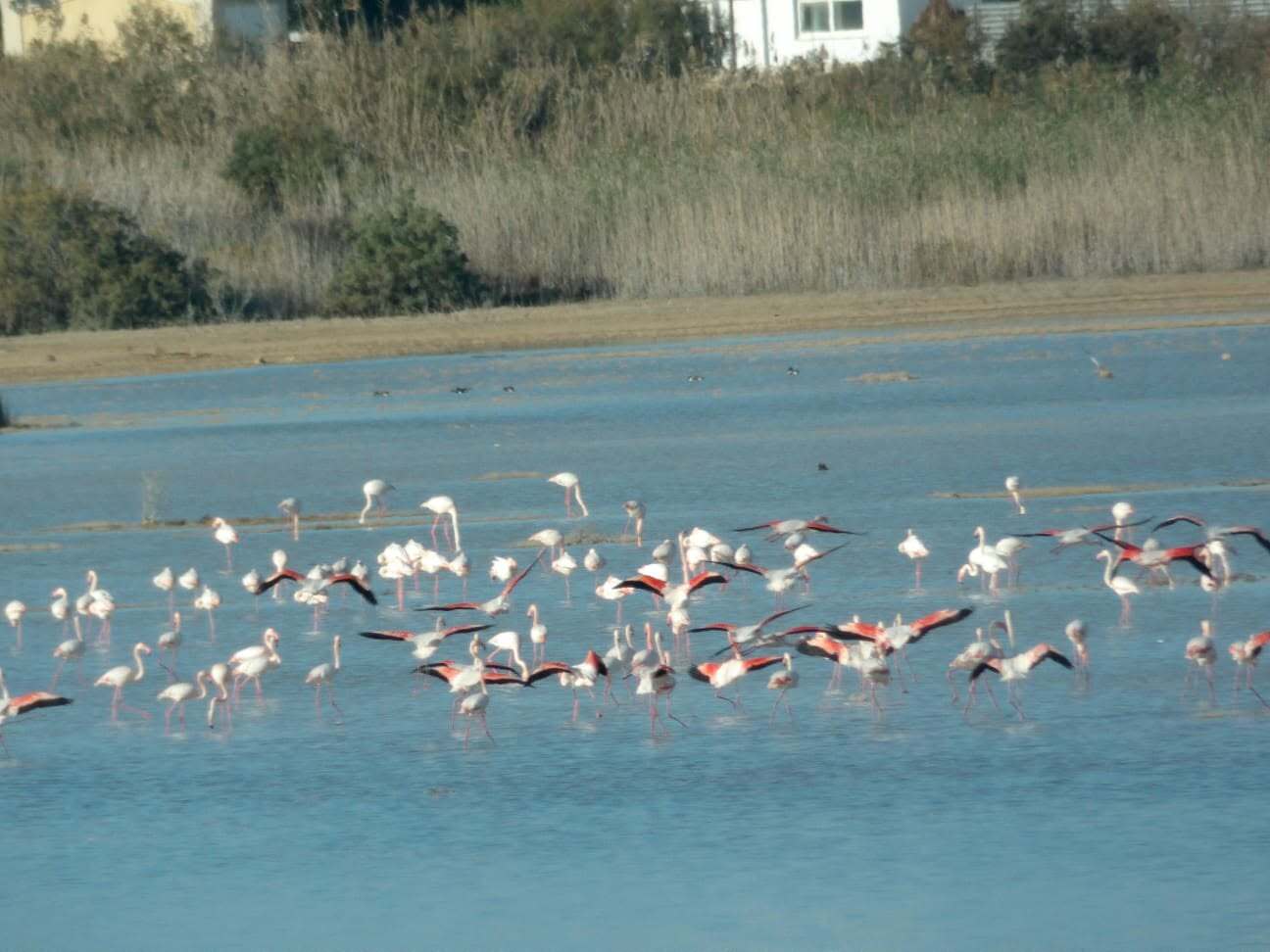
    Migratory flamingos have begun their seasonal arrival at Paralimni Lake, bringing a stunning display of pink and black plumage to the winter wetlands of Cyprus. This annual event is crucial for the island’s biodiversity, though it unfolds against a backdrop of worrying long-term population declines.

    Photo: in-cyprus.philenews.com

    According to data from BirdLife Cyprus and the Game and Fauna Service, flamingo populations across the island have seen a significant drop of between 14% and 31% over the past decade. This decline raises concerns regarding the stability of their migratory routes and the future of these vibrant birds.

    Photo: in-cyprus.philenews.com

    While larger wetland sites such as Larnaca Salt Lake and Akrotiri traditionally host the majority of the wintering population, Paralimni Lake is emerging as a vital “refuge” this season. Currently, the lake offers the shallow, brackish waters ideal for flamingos to feed on brine shrimp, particularly when conditions at other sites are not conducive. Drought has led to lower water levels at some locations, while others are too flooded for the birds to find suitable footing.

    The return of the flamingos is not just an aesthetic occurrence; it signals the importance of maintaining and protecting these habitats for the future of migratory species. As environmental challenges continue to impact these areas, the sight of flamingos at Paralimni Lake serves as a reminder of the delicate balance within the ecosystem.

    Local wildlife enthusiasts and conservationists are hopeful that the presence of these birds will draw more attention to the need for conservation efforts. The seasonal influx of flamingos also provides an opportunity for citizens and visitors alike to engage with nature, highlighting the importance of wetlands in supporting diverse wildlife.

    As the winter progresses, observers will be keen to monitor the flamingos at Paralimni Lake. Their presence not only enriches the local landscape but also acts as a barometer for the health of Cyprus’s natural habitats. Protecting these crucial environments is essential to ensure that future generations can continue to witness the beauty of migratory flamingos.

  • Energy waterloo — Odysseas Michaelides Labels Cyprus-Greece Interconnector Project an ‘Energy Waterloo’

    Energy waterloo — Odysseas Michaelides Labels Cyprus-Greece Interconnector Project an ‘Energy Waterloo’

    energy waterloo — The Cyprus-Greece interconnector project has been described as an ‘energy Waterloo’ by former Auditor General Odysseas Michaelides, who has raised serious concerns about the management and direction of the initiative.

    In a recent social media post, Michaelides referenced a report by Phileleftheros detailing ongoing pressure from the Greek Independent Power Transmission Operator (ADMIE) on the Cypriot regulatory authority (RAEK) to receive tens of millions in payments. He highlighted a troubling lack of decisiveness from President Christodoulides, suggesting that the government’s approach is complicating the project further.

    Energy waterloo: Concerns Over Government Decisions

    Michaelides specifically called out President Christodoulides and his main governmental partner, Nikolas Papadopoulos, for their persistent support of the project “at any cost.” He argued that this insistence is leading Cyprus into a precarious financial situation as costs continue to escalate.

    In August 2023, Michaelides informed both the European Commission and Cypriot Energy Minister G. Papanastasiou about issues surrounding the project’s Implementation Body, citing a troubling history of bankruptcy among its affiliates. He advocated for an open tender to find a more suitable entity to manage the project’s execution, but his warnings were disregarded.

    Financial Implications and Investigations

    Despite these red flags, the Christodoulides Government in October 2023 permitted the Implementation Body to sell the project’s “air” to ADMIE for a questionable sum of €48 million, a decision that is now under investigation by the European Public Prosecutor’s Office.

    The situation escalated in September 2024 when the Council of Ministers decided to commit Cyprus to a prepayment of €125 million to ADMIE, prior to the project’s completion. This prepayment has raised eyebrows, especially given the latest cost estimate of €1.9 billion, which Michaelides claims is no longer realistic.

    Calls for Accountability

    Michaelides’s concerns resonate with many who fear that the current trajectory of the project could lead to significant financial repercussions for Cyprus. He emphasised that the only oversight comes from the Minister of Finance, who has publicly documented the disconnection between the revised cost estimates and reality.

    As the project progresses, the community watches closely, questioning who will ultimately bear the financial burden. The ongoing developments surrounding the Cyprus-Greece interconnector project remain a point of contention, with implications that extend beyond mere financial figures to the broader energy strategy of Cyprus.

  • Passenger traffic — Increased Passenger Traffic at Cyprus Airports During Holiday Season

    Passenger traffic — Increased Passenger Traffic at Cyprus Airports During Holiday Season

    Passenger traffic has increased at Cyprus’ airports during the festive holiday period, with Larnaca and Paphos seeing a notable rise in arrivals and departures.

    • Passenger traffic has increased at Cyprus’ airports during the festive holiday period, with Larnaca and Paphos seeing a notable rise in arrivals and departures.
    • In comparison, the total passenger numbers for the entirety of 2024 were significantly lower, with Larnaca recording 8,661,354 passengers and Paphos 3,633,990.

    Passenger traffic: Busy Boxing Day at Larnaca and Paphos Airports

    On Boxing Day, Friday December 26, Larnaca International Airport recorded 65 international arrivals and 38 departures. Paphos International Airport also experienced busy traffic, with 14 arrivals and 13 departures scheduled for the same day.

    Record-Breaking Numbers for 2025

    According to data released by Hermes Airports, passenger traffic at both airports has shown a consistent upward trend throughout 2025. The figures for the first 11 months of this year surpassed the total traffic recorded for all of 2024. Specifically, Larnaca Airport welcomed 9,365,329 passengers, while Paphos Airport served 3,640,954 passengers between January and November 2025.

    In comparison, the total passenger numbers for the entirety of 2024 were significantly lower, with Larnaca recording 8,661,354 passengers and Paphos 3,633,990.

    Parking Challenges Amid Increased Demand

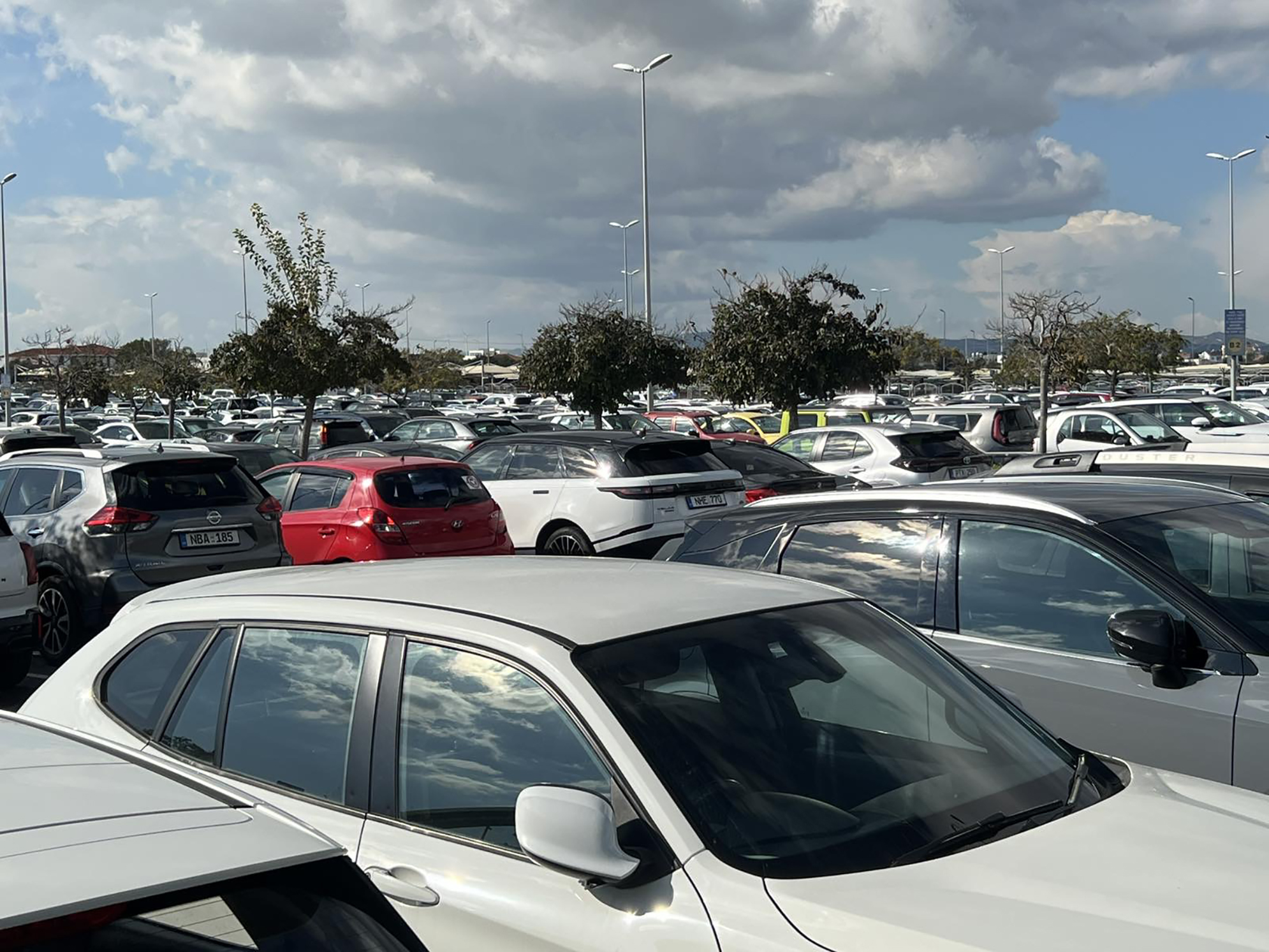
    This surge in passenger numbers has led to parking challenges at Larnaca Airport. Due to high demand during the holiday season, parking is currently operating with limited availability. A representative from Hermes Airports stated that demand is particularly acute during Christmas, prompting the addition of 500 parking spaces this year, raising total capacity to 3,500 spaces.

    Advice for Travellers

    In light of the increased passenger flow, Hermes Airports has urged travellers to reserve their parking spaces online through the company’s website to guarantee availability. The company emphasised that online reservations secure a parking spot and that arrangements will be made to accommodate all pre-booked passengers. For those unable to secure a space online, alternative arrangements are recommended.

  • Paphos Welcomes 10,500 Hotel Beds for Winter Season

    Paphos Welcomes 10,500 Hotel Beds for Winter Season

    hotel beds — Nearly 10,500 hotel beds are available in Paphos district for the winter season, according to official figures from the Paphos hoteliers association. The association’s president, Evripides Loizides, noted that while this number is similar to last year, hotel occupancy rates are unexpectedly high.

    In an interview with the Cyprus News Agency, Loizides remarked that “December was satisfactory compared with the same period last year,” reinforcing the belief that Paphos is solidifying its status as a year-round tourist destination.

    The optimism surrounding Paphos tourism is further buoyed by a remarkable year in 2025, where an estimated 4.5 million arrivals were recorded across Cyprus. Although not all visitors opt for hotel stays, the overall performance of the hotel sector has been encouraging, and Loizides is hopeful that this positive trend will continue.

    Demand appears to be shifting towards last-minute bookings, with Loizides emphasising the importance of low-cost flights in maintaining occupancy levels. Notably, markets in Poland and Germany are emerging as significant sources of tourists, especially following the decline of visitors from Russia. Meanwhile, Israel continues to show strong arrival numbers, albeit with shorter stays.

    Looking ahead, Loizides expressed cautious optimism but highlighted potential challenges in the UK market, particularly regarding the length of British tourists’ holidays. He explained that while the number of arrivals is essential, the duration of stay significantly impacts overall revenues.

    Excitingly, Paphos is set to see the launch of three weekly Lufthansa flights starting April 1, which Loizides considers a positive development for the region. Other airlines, including Ryanair, are also maintaining successful operations.

    Despite the positive outlook, the tourism industry faces ongoing challenges. Staff shortages remain a significant concern, even with some improvements observed. Additionally, Loizides raised issues regarding water availability due to reduced rainfall and rising operational costs, which could affect the sector’s profitability. “When the numbers are doing well, everything else is doing well,” he concluded, suggesting that a strong season tends to diminish the visibility of these problems.

    Earlier in the year, the Cyprus hoteliers association (Pasyxe) reported that tourist arrivals from January to December 2024 reached 4,040,200, marking a 5.1 per cent increase from 2023. Revenues also surged to €3.209 billion, nearly 20 per cent higher than in 2019, the last year before the pandemic struck.

    The UK remains a crucial market, contributing approximately a third of total arrivals, with 1,373,634 visitors. Following the UK, Israel, Poland, and Germany contributed significantly to the overall tourist figures.

    Pasyxe president Thanos Michaelides noted that while the island has made substantial progress in overcoming previous barriers, it still faces structural challenges. These include competition from unlicensed short-term rentals, issues stemming from the north, high operating costs, and persistent staff shortages.