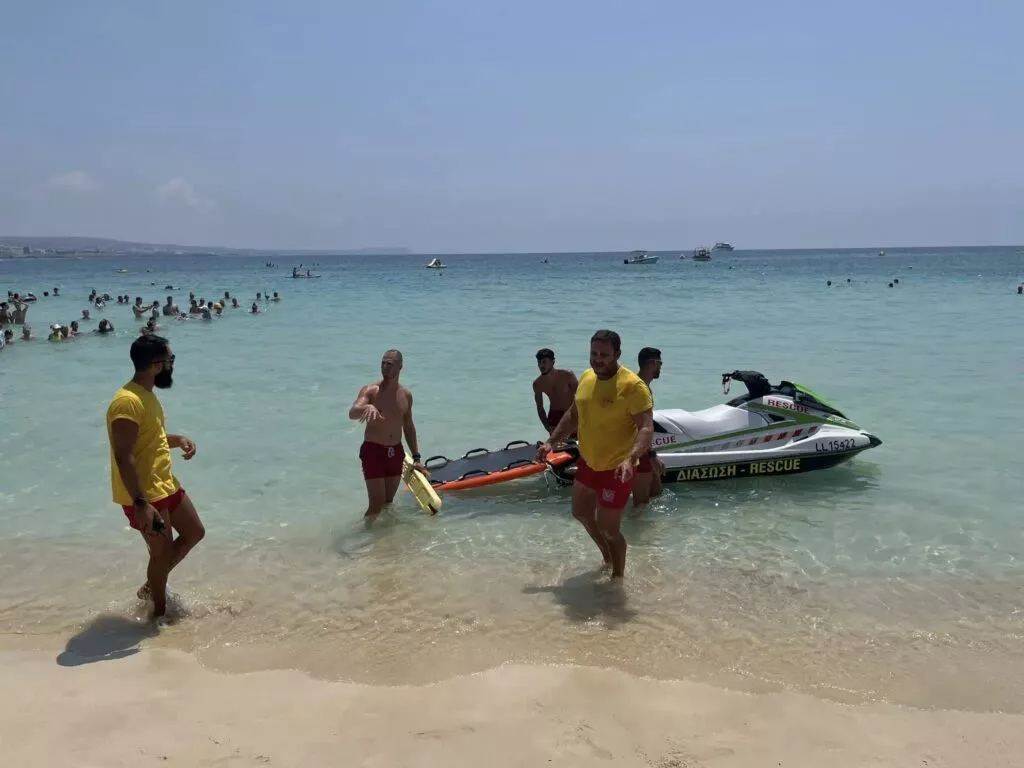
lifeguard shortage — Cyprus is grappling with a lifeguard shortage that has raised significant public safety concerns, particularly at its organised beaches. Currently, lifeguard towers are operational at only 91 of the island’s 182 organised beaches, according to Interior Minister Konstantinos Ioannou and industry officials. With approximately 20 rescue jet skis available across this network, the Pan-Cyprian Lifeguard Federation has pointed out critical infrastructure deficiencies that threaten both safety and tourism.
- As Cyprus prepares for the busy tourist season, the lifeguard federation's concerns underscore the urgent need for improvements in staffing and equipment to ensure the safety of all beach visitors.
Lifeguard shortage: Infrastructure Gaps and Safety Risks
The lifeguard federation has highlighted alarming gaps in infrastructure, including closed lifeguard towers in key areas such as Paphos, Polis Chrysochous, Famagusta, and Larnaca. These closures come at a time when public safety is paramount, particularly as the beaches serve a vital role in Cyprus’s tourism-dependent economy.
Statistics on Sea-Related Incidents
According to the federation, there have been 48 sea-related deaths in the past five years; however, these figures include incidents that were not solely due to drowning. Currently, the lifeguard workforce consists of 107 permanent lifeguards supplemented by 270 seasonal positions, with varying contract durations approved for 2025. This staffing level raises concerns about the adequacy of resources available to ensure the safety of beachgoers.
Call for Increased Staffing and Equipment Improvements
Polys Pallikaros, President of the Pan-Cyprian Lifeguard Federation, has called for an increase in permanent staff to address safety concerns. He expressed dissatisfaction with the current state of rescue equipment, stating that many jet skis lack the necessary power for effective water rescues. “Ten-horsepower speedboats cannot be utilised even for patrol during rough seas, let alone for rescuing people,” Pallikaros noted, pointing out that rescues often occur under adverse weather conditions.
Lack of Consultation on Equipment Choices
Pallikaros revealed that the federation was not consulted about the selection of rescue equipment, questioning the effectiveness of the government’s equipment allocation. He emphasised that rescue vessels require comprehensive supporting infrastructure, including platforms, storage, and maintenance facilities, to be effective.
Challenges in Seasonal Employment
Recruitment challenges compound the issues related to lifeguard staffing. The seasonal nature of employment is particularly problematic in regions like Paphos, where limited contract durations discourage potential applicants. Pallikaros questioned the desirability of short-term contracts, asking, “Would you be interested in employment for three, four or even six months and then seek work afterwards?” He advocates for an increase in permanent positions to provide stability and encourage recruitment.
Funding for Equipment Upgrades
The Interior Ministry has allocated €500,000 for equipment upgrades from 2026 to 2028, which includes the procurement of new gear for lifeguards and necessary maintenance and replacement of existing facilities. This funding aims to enhance the safety measures in place at organised beaches, although the federation remains cautious about the impact of these changes.
Proposed Extension of Beach Operating Seasons
The federation has also proposed extending beach operations from the current six-month season to eight or ten months for high-traffic locations. This extension would not only provide employment continuity for lifeguards but also ensure that experienced personnel are available to safeguard the public during peak tourist seasons.
Public Compliance and Parental Responsibility
Pallikaros stressed the importance of parental responsibility and public compliance with safety protocols. Recent incidents, including a child’s rescue in the Paphos area and a dangerous situation in Protaras where swimmers ignored red flag warnings, underscore the need for public awareness. “When someone who lives in the sea and knows its behaviour and dangers gives guidance, we should not disregard their instructions,” he asserted.
Understanding Safety Markers
He clarified that swimming buoys are intended to mark vessel exclusion zones rather than denote safe swimming depths. Swimmers are advised to remain within designated areas to avoid the risk of collisions with boats, highlighting the necessity for clearer communication of safety measures to beachgoers.
As Cyprus prepares for the busy tourist season, the lifeguard federation’s concerns underscore the urgent need for improvements in staffing and equipment to ensure the safety of all beach visitors.
Leave a Reply