Tag: Cyprus

  • UAE President Sheikh Mohammed Bin Zayed Al Nahyan Visits Cyprus to Enhance Trade

    UAE President Sheikh Mohammed Bin Zayed Al Nahyan Visits Cyprus to Enhance Trade

    UAE President Sheikh Mohammed bin Zayed Al Nahyan’s visit to Cyprus marks a significant step in strengthening trade relations between the two nations. On Sunday, he met with Cypriot President Nikos Christodoulides at the presidential palace in Nicosia, an event that is seen as a formal confirmation of the upgraded strategic relationship between the UAE and Cyprus.

    Trade: Welcoming Ceremony Highlights Diplomatic Ties

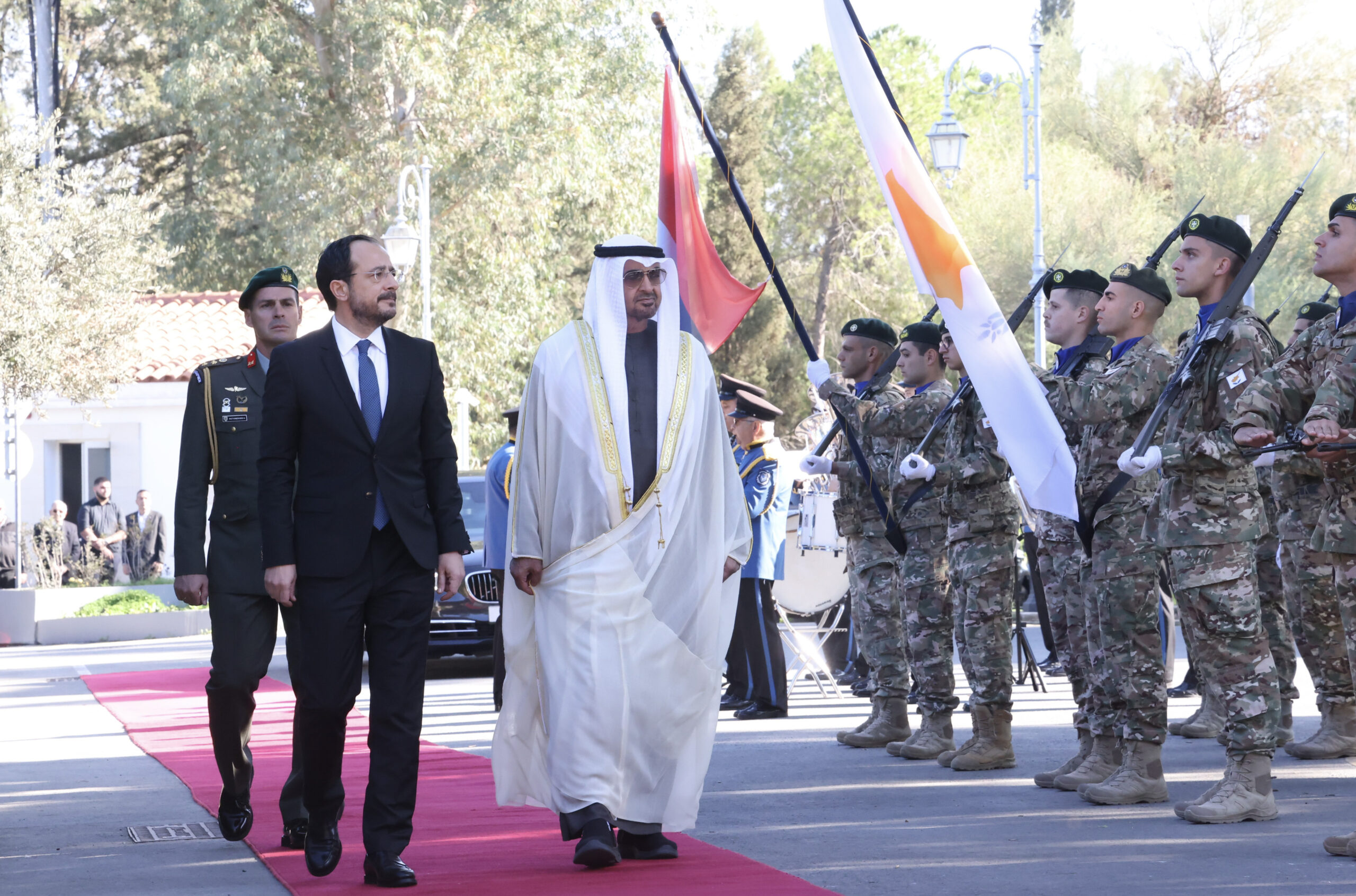
    The day commenced with a welcoming ceremony at Larnaca airport, where President Christodoulides greeted Sheikh Mohammed with military honours. The national anthems of Cyprus and the UAE resonated through the air as bands from the National Guard and the Cyprus police played, setting a tone of respect and collaboration.

    After the reception, Sheikh Mohammed laid a wreath at the statue of Archbishop Makarios III, further highlighting the significance of the visit. The gathering included senior officials from both nations, such as Foreign Minister Constantinos Kombos and Transport Minister Alexis Vafeades from Cyprus.

    Discussions on Key Areas of Cooperation

    The private meeting between the two presidents was followed by expanded talks involving delegations from both sides. According to Konstantinos Letymbiotis, the government spokesman, the discussions centred on enhancing bilateral cooperation across several important sectors. These include:

    • Investment
    • Energy
    • Technology
    • Trade
    • Education
    • Culture
    • Tourism
    • Shipping
    • Security
    • Critical infrastructure

    Both leaders expressed their commitment to moving from strategic alignment to practical implementation. They underscored the necessity of measurable objectives and actionable plans to fortify their relationship.

    UAE’s Interest in Cypriot Investment Opportunities

    During the talks, particular emphasis was placed on investment, with the UAE showing a keen interest in launching significant initiatives in Cyprus. Priority sectors identified include energy, infrastructure, technology, tourism, and shipping. To facilitate this cooperation, a permanent business framework will be established through a joint UAE-Cyprus business council. This council will link the Cyprus Chamber of Commerce and Industry, Invest Cyprus, and the UAE Chamber of Commerce Federation, providing a stable platform for business collaboration and project development.

    Joint Action Plan and Future Prospects

    The two presidents agreed to collaborate on a joint action plan in areas where their interests converge. This includes trade, investment, energy, political dialogue, tourism, culture, education, shipping, security, and critical infrastructure. The upcoming Cypriot Presidency of the Council of the European Union, set to begin on January 1, 2026, was highlighted as an opportunity to strengthen EU-Gulf relations, particularly with the UAE.

    The discussions also touched on the ongoing negotiations for a free trade agreement between the UAE and the EU, which is anticipated to unlock further avenues for trade, investment, and cooperative efforts.

    Regional and Humanitarian Considerations

    Amid their discussions, both leaders exchanged views on various regional and international issues, focusing on developments in the Middle East. The humanitarian situation in Gaza was particularly emphasised, with commitments to continue providing aid through all available channels. President Christodoulides described the visit as a new chapter in Cyprus-UAE relations, reinforcing the strategic partnership and establishing operational structures with measurable goals.

    “From today, a new chapter opens, defined by trust, shared interests, and our joint commitment to a more connected and prosperous region,” he stated.

    Strengthening the Ties Established Since 2022

    Sheikh Mohammed bin Zayed Al Nahyan remarked that since the establishment of strategic cooperation between Cyprus and the UAE in 2022, the ties have seen substantial growth in various sectors, including energy, industry, trade, investment, tourism, and education. He acknowledged that a UAE-EU free trade agreement would further enhance opportunities with Cyprus and welcomed the forthcoming Cypriot EU presidency as a means to bolster UAE-EU relations.

    As the visit came to a close, President Christodoulides hosted an official luncheon in honour of Sheikh Mohammed, further cementing the diplomatic ties forged during this historic meeting.

  • Exploring How EU Values Have Shaped Cyprus Over Two Decades

    Exploring How EU Values Have Shaped Cyprus Over Two Decades

    How have EU values shaped Cyprus? This question lies at the heart of a two-day event titled Are We European Now?, celebrating 20 years since Cyprus joined the European Union. Hosted by ABR (Alternative Brains Rule) under the project EUnity20, the event invites citizens, artists, researchers, and activists to engage in meaningful dialogue about the essence of being European.

    Taking place at ARTos House in Nicosia on December 19 and 20, the programme features a series of discussions, performances, screenings, and participatory workshops. These activities aim to foster a deeper understanding of how EU values are reflected in daily life and where gaps still exist.

    Critical Conversations on EU Values

    The event encourages open questioning about the impact of EU ideals on Cypriot society. Facilitated by journalist and podcaster Eleni Antoniou, the discussions cover a variety of vital topics, including environmental protection, democratic participation, equality, LGBTQI+ rights, and youth engagement.

    Whose Land, Whose Voice?

    The first panel, featuring Klitos Papastylianou and Andromachi Sofokleous, delves into Cyprus’ environmental challenges. Titled Whose Land, Whose Voice?, this discussion focuses on how EU policies influence land-use decisions and the participation of citizens in these critical matters.

    Bodies, Beliefs, and Who Decides

    Next, Costas Gavrilides and Maria Epaminonda lead a conversation on cultural conservatism in the panel Bodies, Beliefs, and Who Decides. This session examines how societal values shape issues of bodily autonomy, identity, and equality, even within the frameworks established by the EU.

    Fortress or Home

    The third discussion, Fortress or Home, hosted by Giorgos Charalambous and Nicos Trimikliniotis, tackles the complex relationship between migration, identity, and Cyprus’ role in the European project. This panel highlights the shifting perceptions of Cyprus as it grapples with these challenges.

    Permission to Speak

    Finally, Giorgos Koukoumas and Christiana Xenophontos address political participation in the session Permission to Speak. This discussion focuses on the reasons behind the growing sense of disenfranchisement among young people in Cyprus, particularly regarding protest rights and civic engagement.

    Artistic Expression Meets Public Dialogue

    Complementing the discussions, the event features various artistic performances and workshops. Participants can engage in activities like crafting postcards and letters to the EU and the Cyprus Parliament, encouraging a blend of artistic expression with civic participation.

    A notable feature is The Box of Full-Filling, a workshop led by Nurtane Karagil that collects personal statements, slogans, and found objects, creating a collective snapshot of individual experiences. This participatory element aims to capture the essence of what it means to be European in Cyprus today.

    The event kicks off on Friday evening with screenings and performances, including an introduction to the Visual Voices exhibition. This showcase is part of the art collective’s Relate series and highlights the work of artists with migrant backgrounds, reinforcing the theme of artistic engagement throughout the weekend.

    As Cyprus reflects on two decades of EU membership, Are We European Now? serves as a vital platform for exploring the intersection of EU values and everyday life on the island, fostering hope for a more inclusive and engaged future.

  • Neglect and Overcrowding in Cyprus Cemeteries Reflect Cultural Differences

    Neglect and Overcrowding in Cyprus Cemeteries Reflect Cultural Differences

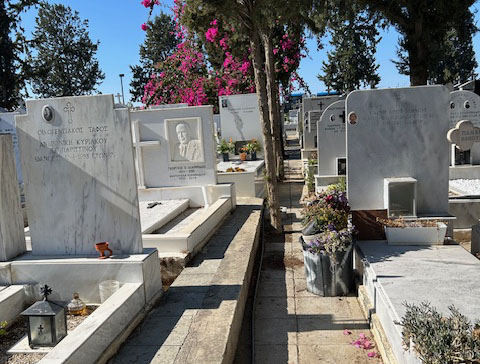
    Neglect and overcrowding in Cyprus cemeteries highlight the stark contrasts with grave management in other countries, particularly in Europe. A recent visit to a cemetery in Nicosia revealed a disheartening scene: narrow pathways and overgrown graves, many of which have been unattended for decades.

    Photo: cyprus-mail.com

    Overcrowding: Contrasting Cemetery Experiences

    In stark contrast, cemeteries in countries like Germany are often designed as serene parks, where people not only pay respects but also enjoy leisurely walks. A local resident from Dortmund remarked, “The main cemetery in Dortmund is where most people walk their dogs. It is a place where you feel at peace.” This sentiment speaks volumes about the cultural integration of cemeteries into daily life in northern Europe, a stark difference from the experience in Cyprus.

    Photo: cyprus-mail.com

    The Role of Land Ownership

    One key factor contributing to the overcrowding in Cypriot cemeteries is land ownership. The Church in Cyprus owns vast amounts of land, which raises questions about prioritisation. While they have the capacity to develop luxury housing, it prompts the question: why not allocate more land for peaceful resting places? A local visitor pondered if the Church might consider enhancing these spaces for the living, as well as the deceased.

    Cultural Influences on Grave Management

    Graveyards reflect societal values and traditions. According to an AI analysis, “Differences exist in cemetery design and grave space management, which can be influenced by region, climate, and cultural traditions.” In Cyprus, older cemeteries are often overcrowded, with perpetual rights to grave plots meaning families can reserve a space indefinitely. This contrasts sharply with the practice in Germany, where graves are typically leased for a set period, often ranging from 20 to 30 years. After this time, families are contacted to remove headstones and belongings.

    The Value of Perpetual Rights

    Perpetual rights to graves in Cyprus cater to a society that cherishes long family traditions. This arrangement allows families to return to visit graves of their loved ones over the years. However, challenges arise when there are no surviving relatives to maintain these graves, leading to neglect and abandonment. As the island’s population ages, the cycle of care for these graves may dwindle.

    Reluctance Towards Cremation

    Another layer to this issue is the cultural reluctance towards cremation in Cyprus. In northern Europe, cremation is widely accepted, with approximately 779,100 cremations in Germany in 2022, accounting for about 78 per cent of total deaths. The preference for burial in Cyprus requires more space and maintenance, yet there remains no crematorium on the island, further exacerbating the space limitations in cemeteries.

    Looking Ahead

    As discussions about cemetery management continue, the differences between northern and southern European attitudes towards death and remembrance become increasingly apparent. It raises crucial questions about the future of burial practices in Cyprus and the potential for change in how communities honour their deceased.

  • Economic ties: Cyprus and UAE Forge Stronger Economic Relations with New Business Council

    Economic ties: Cyprus and UAE Forge Stronger Economic Relations with New Business Council

    economic ties — economic ties — Cyprus and the United Arab Emirates (UAE) have significantly advanced their economic relations with the establishment of a joint business council, a move that underscores a remarkable growth in non-oil trade between the two nations.

    At a recent business forum in Nicosia, UAE Trade Minister Thani bin Ahmed Al Zeyoudi revealed that non-oil trade reached $176 million in the first nine months of this year, marking an almost 40 per cent increase compared to the same period last year. This surge is approaching the total trade value recorded in 2024, indicating robust economic momentum.

    The newly formed UAE-Cyprus Joint Business and Investment Council aims to foster structured cooperation among businesses and investors, opening doors for greater collaboration. During his address, Al Zeyoudi highlighted the forum as a prime opportunity to explore synergies across sectors of mutual interest.

    Recent initiatives reflect this growing partnership, including the establishment of the Cyprus Business Council in Dubai last month, which is designed to enhance collaboration in key areas such as finance, green technology, tourism, and logistics. These developments are part of a broader strategy to strengthen ties and facilitate mutual investment.

    Al Zeyoudi also pointed out that the Investopia investment platform from the UAE hosted its first international events in Cyprus in June, which reinforces the island’s position as a gateway to Europe for Middle Eastern investors. He noted the similarities in the economic models of both countries, characterised by streamlined company registration processes, innovation incentives, and low corporate tax rates.

    Both Cyprus and the UAE serve as essential hubs for shipping and fintech, attracting foreign direct investment in sectors like real estate, technology, and renewable energy. Al Zeyoudi encouraged UAE companies to seek opportunities in Cyprus while inviting Cypriot businesses to view the UAE as a base for regional expansion, particularly towards Asia and the wider Middle East.

    Commerce Minister Michael Damianos described the Memorandum of Understanding (MoU) as a “major step forward” in institutionalising economic cooperation. He expressed confidence that the council would provide a structured platform for entities seeking collaboration, facilitating knowledge exchange, joint ventures, and cooperative projects.

  • Cyprus cows: Cyprus’ Cows Celebrate Heritage in New Documentary

    Cyprus cows: Cyprus’ Cows Celebrate Heritage in New Documentary

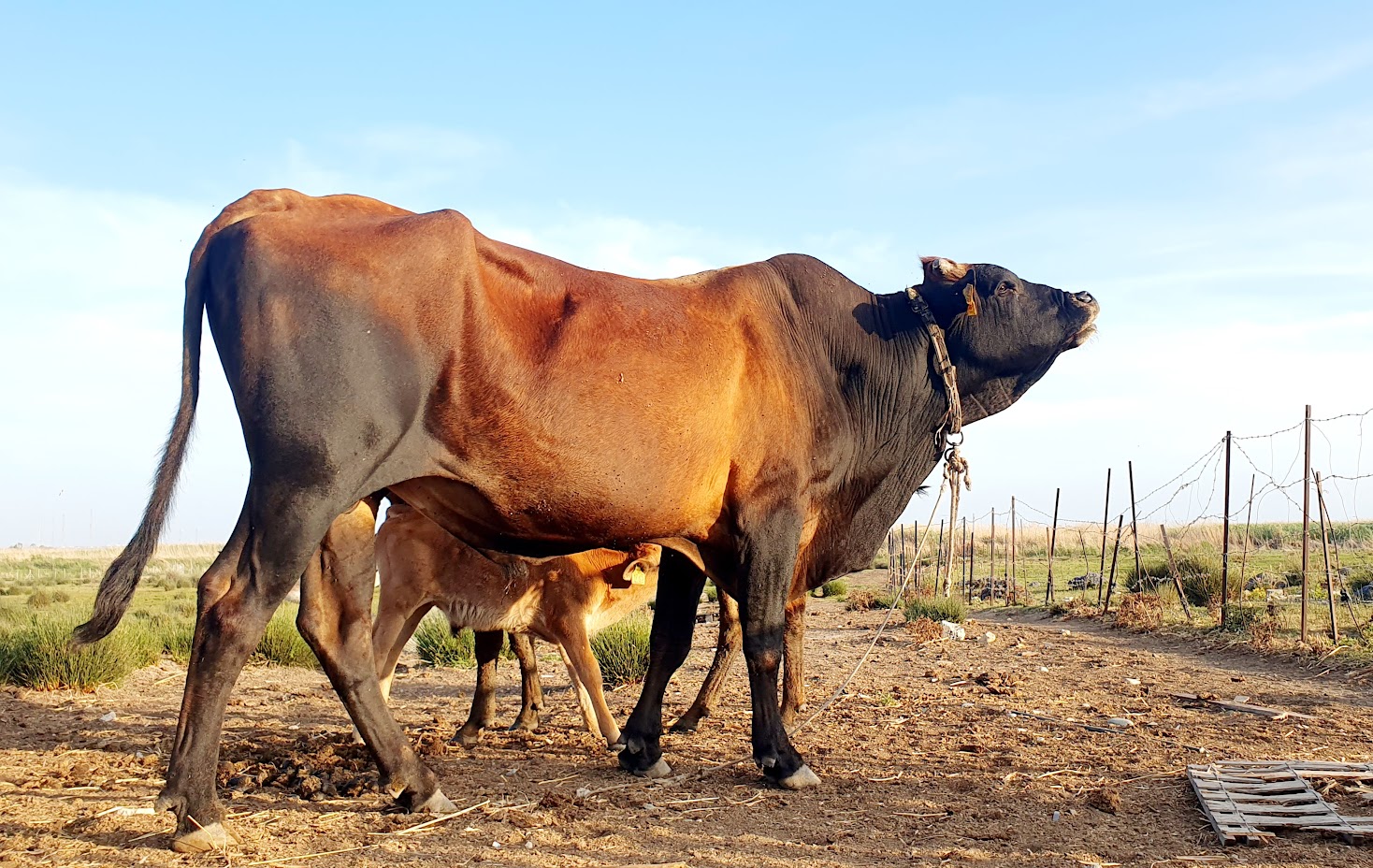
    cyprus cows — cyprus cows — Cyprus’ cows take centre stage in a new documentary that highlights their historical significance and current challenges. The film, titled The World Shrinks, premiered earlier this week at the Pantheon Cinema in Nicosia and brings to light the unique role of these animals in Cypriot agriculture and culture.

    Cyprus cows: A Rich Tapestry of History and Science

    The documentary delves into the story of the Cypriot cow, a creature that has been integral to farming on the island for centuries. It combines elements of archaeology, history, genetics, and folklore to showcase both well-known and unexpected facets of the cow’s legacy. This multifaceted approach aims to educate viewers on the importance of agricultural biodiversity and the rich heritage these animals represent.

    Voices of Expertise

    Anna Spyrou, a researcher involved in the film’s creation, expressed her fascination with the cows, attributing it to a blend of scientific inquiry and personal narratives from individuals she has met over the years, some of whom have since passed away. “These cows have seen it all,” she remarked, underscoring the deep connection between the animals and the people who have relied on them.

    Dr Efi Snow, representing the agriculture minister, referred to the cows as “a living treasure” of Cyprus. This sentiment was echoed by India’s High Commissioner, Manish Manish, who highlighted the genetic links of the Cypriot breed to Bos indicus, suggesting a surprising connection to Indian cattle.

    Scientific Insights and Cultural Significance

    The documentary is grounded in the Areti research programme, a collaboration involving the Cyprus Institute, the agricultural research institute, and Dublin’s Smurfit Institute of Population Genetics. It features genomic profiling of 10 per cent of the island’s local cows, marking a scientific first for Cyprus. This research provides crucial insights into the breed’s adaptation to the island’s unique climate and terrain.

    Dr Anastasios Leventis from the AG Leventis Foundation noted that the research has resolved many queries regarding this ancient breed, further emphasising their vital role in the rural landscape of Cyprus. Professor Thilo Rehren from the Cyprus Institute added that these cows are not merely livestock; they are interwoven into the very fabric of rural society and deserve robust protection.

    Capturing the Rural Experience

    The film not only presents scientific data but also captures the essence of rural life. Viewers are taken through the daily realities of farming, which involves hard work, dedication, and, at times, the stubbornness of the animals themselves. The documentary aims to foster an appreciation for the labour that goes into maintaining the agricultural heritage of Cyprus.

    The Importance of Preservation

    One of the film’s key messages is the importance of preserving agricultural biodiversity. As farming practices evolve and modernisation takes hold, there is a risk that traditional breeds, like the Cypriot cow, may vanish. This documentary serves as a timely reminder of the need to protect these animals, not just as agricultural assets but as symbols of cultural identity.

    Engaging the Community

    The screening at the Pantheon Cinema was well-received, attracting a diverse audience eager to learn more about the cows that have shaped the island’s agricultural landscape. The film’s engaging narration and visual storytelling have sparked conversations about the future of farming in Cyprus and the role of these animals in it.

    As the documentary gains traction, it is hoped that it will inspire further discussions on sustainable farming practices and the importance of maintaining local breeds. By highlighting the historical and cultural significance of Cyprus’ cows, The World Shrinks aims to instil a sense of pride and responsibility among viewers.

    Looking Ahead

    In an era where many traditional practices are at risk of being lost, documentaries like The World Shrinks play a crucial role in preserving cultural narratives. They remind us of the intrinsic value of our agricultural heritage and the animals that have been by our side throughout history.

    As the conversation around agricultural sustainability continues to evolve, the insights shared through this documentary could serve as a catalyst for renewed interest in protecting not just the cows of Cyprus, but the ecosystems they inhabit.

  • Rising Road Toll in Cyprus Attributed to Mobile Phone Distraction

    Rising Road Toll in Cyprus Attributed to Mobile Phone Distraction

    Mobile phone use has been identified as a significant factor in the rising road toll in Cyprus, with 43 fatalities reported this year alone. Recent statistics reveal that the number of road deaths has increased year-on-year, with motorcyclists particularly affected.

    Mobile phone: Motorcyclists at Risk

    This year, sixteen motorcyclists lost their lives in road collisions, surpassing the thirteen car drivers who died. These figures were presented to the Road Safety Council, highlighting a worrying trend related to driver distraction.

    Driver Distraction Leads the Fatality List

    According to the data shared by Traffic Director Haris Evripidou, careless driving and distraction were linked to eleven of the total fatalities. This alarming statistic positions distraction as the leading cause of death on the island’s roads. Minister of Transport Alexis Vafeades emphasised the seriousness of the situation, labelling it a national “scourge.”

    Young Lives Cut Short

    Among the victims, eleven were young individuals aged 25 and under, including eight motorcyclists. The fatalities also involved eight pedestrians and three cyclists, showcasing a broader issue with road safety.

    Inattention: A Deadly Habit

    Analysis indicated that nineteen deaths were linked to inattentive driving, which includes those attributed to mobile phone use. Vafeades remarked, “I personally interpret this potentially into mobile phone use. This cannot be accepted.”

    Other Contributing Factors

    Alongside distraction, other factors contributing to the fatalities included driving under the influence of alcohol or drugs (five victims) and speeding (two victims). The geographical distribution of these deaths revealed Limassol as the area with the highest toll, recording fifteen fatalities.

    Immediate Government Action Required

    Faced with these troubling statistics, the government is under pressure to act. Vafeades warned that this trend jeopardises the government’s goal of reducing fatal road collisions by 50% by 2030. To tackle the issue, the relevant committees will reconvene the Road Safety Council in January to implement immediate corrective measures.

    Legislative Changes on the Horizon

    Justice Minister Constantinos Fytiris expressed the urgency for changes, stating that his Ministry, through the Police, will ensure that necessary resources and technologies are in place. A proposed legislative measure is also in the works, aiming to enforce zero alcohol consumption for young drivers, a move that could significantly enhance road safety.

    Tackling Traffic Obstacles for Emergency Services

    Additionally, the Police are examining the logistical challenges posed by traffic cameras, particularly concerning drivers obstructing ambulances. Finding a solution that ensures both public safety and emergency responsiveness is a priority.

  • Crisis at Central Prisons Deepens with Two Inmate Deaths

    Crisis at Central Prisons Deepens with Two Inmate Deaths

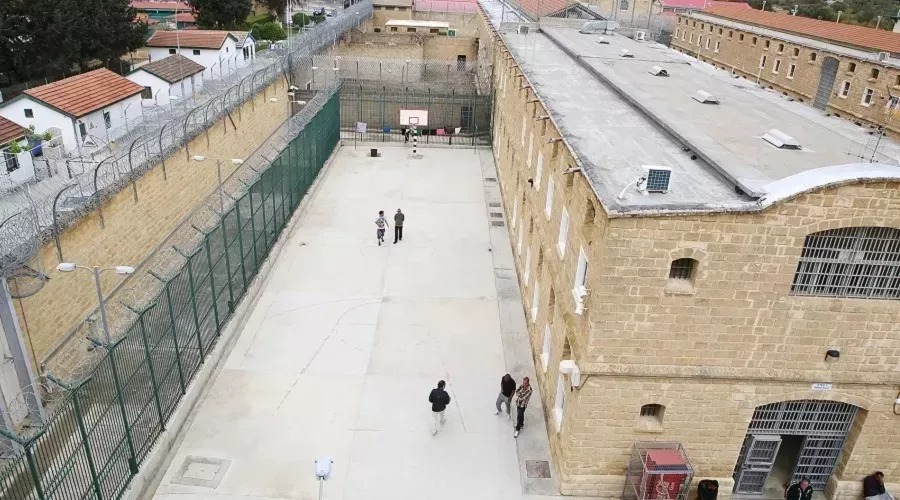
    The operational crisis at Cyprus’s Central Prisons has reached a critical juncture following the death of an inmate by apparent suicide in the early hours of Saturday. This tragic event marks the second inmate death within a week, prompting urgent discussions at the highest levels of government.

    In response to the alarming situation, President Nikos Christodoulides convened an emergency meeting with Minister of Justice Costas Fytiris. The Minister had made a swift visit to the prison to assess the circumstances surrounding the death, which is pending a formal autopsy report. His findings revealed severe issues within the facility, including chronic overcrowding and understaffing, which have been longstanding concerns.

    Central prisons: Urgent Calls for Reform

    Minister Fytiris is in the process of preparing a comprehensive report for the President, detailing the urgent needs and proposed remedial actions for the prison. Among these is the pressing requirement to appoint a permanent director, a position currently left vacant, thereby exacerbating the operational challenges.

    Alexandros Clerides, President of the Association for the Protection of Prisoners’ Rights, has vocally condemned the prison conditions, labelling them a “crime” that endangers the lives of inmates. He highlighted findings from the Council of Europe’s Committee for the Prevention of Torture (CPT), which pointed to severe deficiencies in resource allocation and staff levels. “No inmate can feel safe under this regime, and their families cannot be at ease about what tomorrow will bring,” Clerides stated, emphasising the urgent need for action.

    Government Under Fire

    Clerides also took aim at the government’s choice of advisors, arguing that those responsible for the current crisis cannot be trusted to provide effective solutions. He asserted that many in the Central Prisons Administration have faced disciplinary and criminal allegations without proper investigation, yet they remain in influential positions. This lack of accountability has raised serious concerns about the safety and welfare of inmates.

    In a bold demand, Clerides insisted on having representation from his association at any high-level discussions regarding prison reforms, asserting that they have been consistently validated in their warnings about the deteriorating conditions. “We have been proven absolutely correct on all the points we have been shouting about for so long,” he remarked, calling for immediate reforms to ensure the safety of all inmates.

    A Call for Transparency and Action

    The deaths of the two inmates within such a short span have ignited a firestorm of criticism against the prison system and the government’s handling of the crisis. The public is increasingly aware of the dire state of the Central Prisons, with many calling for transparency and accountability in the management of the facility.

    The government now faces mounting pressure to act swiftly and decisively to address the serious shortcomings that have led to this tragic situation. The urgency of the matter is evident, and the eyes of the nation are on the leaders as they navigate the complexities of prison reform in Cyprus.

  • Erhurman hahn: Tufan Erhurman Engages with EU Envoy Hahn Amid Controversy

    Erhurman hahn: Tufan Erhurman Engages with EU Envoy Hahn Amid Controversy

    erhurman hahn — erhurman hahn — The Turkish Cypriot leader Tufan Erhurman met this week with the European Union’s special representative for Cyprus, Johannes Hahn, sparking criticism from senior Turkish Cypriot officials who labelled the meeting a breach of protocol.

    Erhurman announced the meeting on social media on Wednesday evening, detailing discussions that revolved around EU-related issues pertinent to the island’s divided communities. Topics included the Schengen process, EU citizenship rights for children of mixed marriages, and direct contact with EU institutions.

    Erhurman hahn: Key Discussions on EU Matters

    During the meeting, Erhurman highlighted several significant matters, such as the ad hoc EU committee on alignment, rules regarding direct trade, the EU-supported GSI project, halloumi registration, and initiatives related to solar energy in the buffer zone. He accompanied his announcement with a photograph of the interaction with Hahn.

    Recent Joint Visits and Humanitarian Efforts

    This meeting followed a joint visit by Erhurman and the Greek Cypriot leader to the CMP anthropological laboratory, where they received updates on the organisation’s work concerning missing persons. Erhurman described supporting the laboratory as a duty and emphasised the importance of preventing the politicisation of its research. He expressed sympathy for families affected by the issue from both communities.

    Criticism from Turkish Cypriot Officials

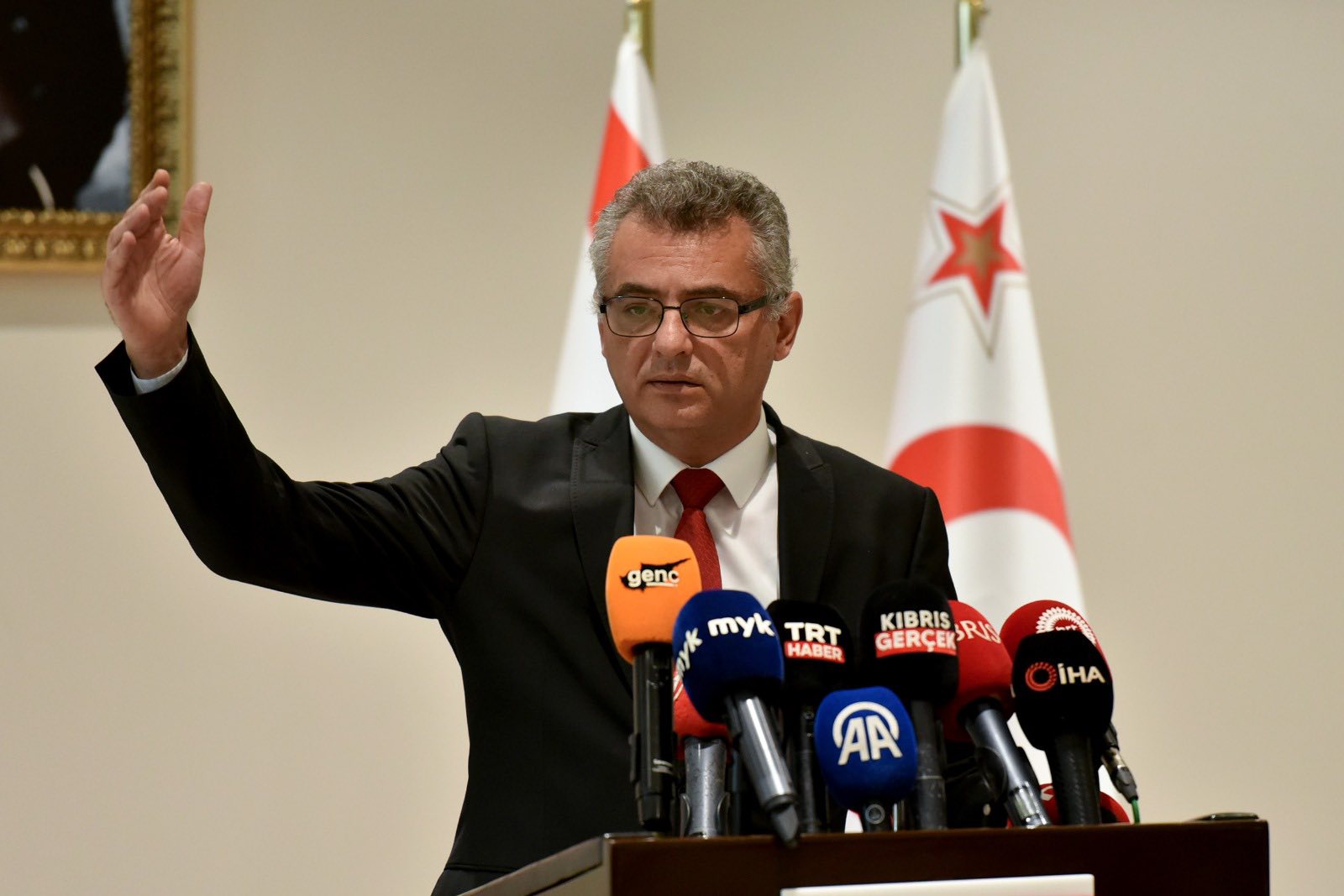
    However, not all were supportive of the meeting. Turkish Cypriot Foreign Minister Tahsin Ertugruloglu publicly denounced the encounter, labelling it a mistake. He argued that Hahn’s role was appointed unilaterally by the European Commission, which he claimed only consulted with the Greek Cypriot leadership.

    Ertugruloglu contended that EU institutions have consistently favoured the Greek Cypriot side since the Republic of Cyprus’s accession to the EU in 2004. He reinforced that all Cyprus-related processes should occur under the oversight of the United Nations secretary-general, requiring consent from both sides for personal envoys and UN peacekeeping officials.

    Calls for Increased Cooperation and Equality

    The Foreign Minister further asserted that the Turkish Cypriot authorities view Hahn’s appointment as an internal EU issue and cannot recognise it in official negotiations. He cautioned that unilateral actions by the EU could jeopardise ongoing diplomatic efforts within the UN framework.

    Stressing the importance of cooperation based on sovereign equality, Ertugruloglu called for the EU to lift political, economic, and cultural restrictions on Turkish Cypriots. He argued that such steps would demonstrate a genuine commitment to the peace process on the island.

  • Horizon programme — Protesters Demand Israel’s Expulsion from EU Horizon Programme

    Horizon programme — Protesters Demand Israel’s Expulsion from EU Horizon Programme

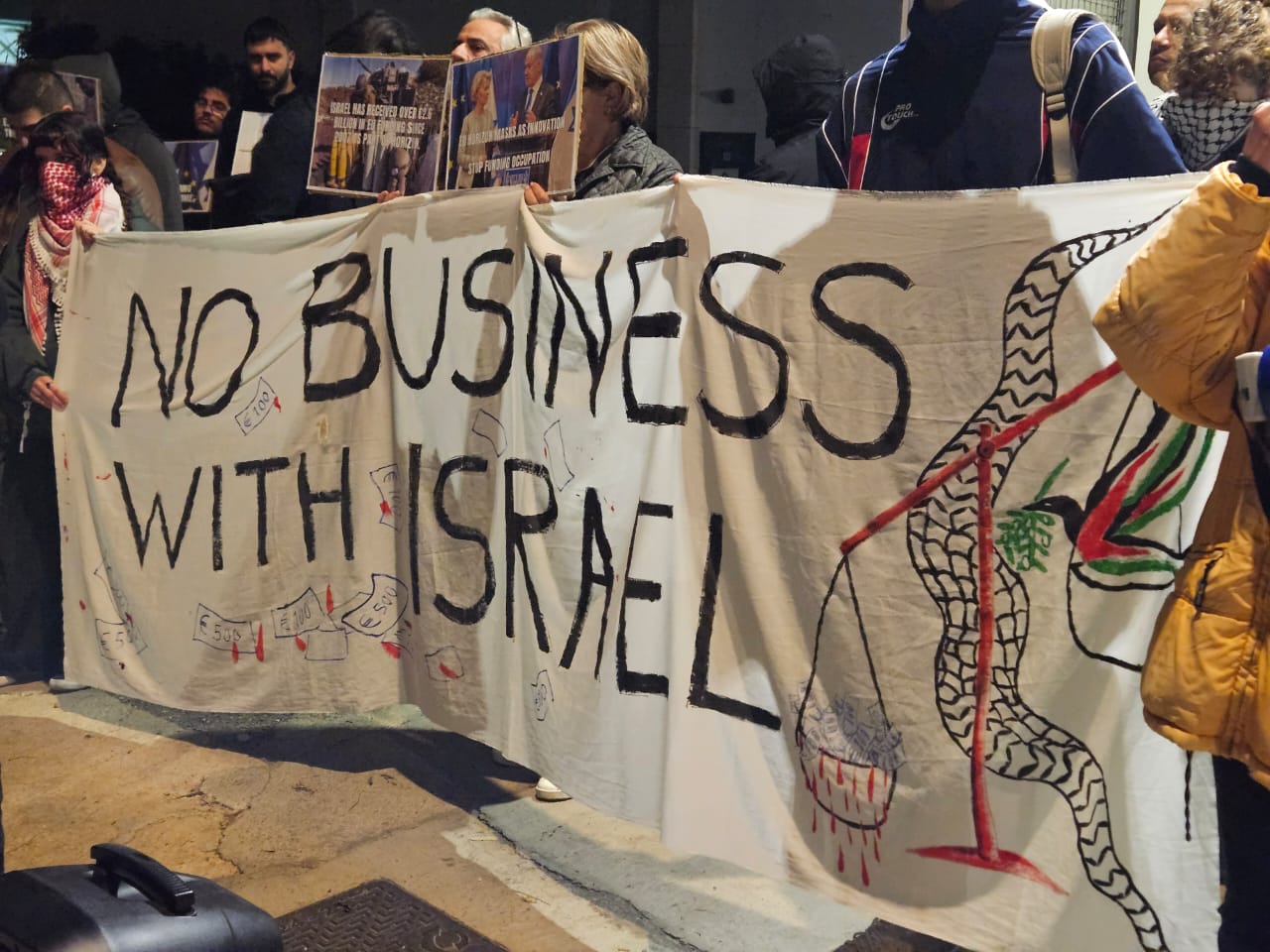
    Protesters are calling for Israel’s expulsion from the EU’s Horizon Programme during demonstrations across Europe, including a gathering in Nicosia, Cyprus. On Friday evening, around 30 to 40 activists braved the cold outside the EU Commission building, joining a wider campaign that spanned over 20 cities.

    Photo: cyprus-mail.com

    The Horizon Programme, a €95 billion initiative aimed at funding research and innovation, has been a focal point of criticism. Activists argue that Israel, with its privileged status allowing participation equivalent to that of EU member states, has been the recipient of substantial funding since 2014, totalling around €300 million annually.

    Photo: cyprus-mail.com

    One activist voiced concerns about the implications of this funding, stating, “€3 billion of EU funding going directly to a genocidal state.” The speaker condemned specific projects funded by Horizon, highlighting connections to Israeli aerospace industries and military technologies, including drones and interrogation techniques purportedly linked to human rights violations.

    As temperatures dropped, the protesters raised their voices against what they termed the EU’s hypocrisy. Chants like “EU Horizon, you can’t hide, we charge you with genocide!” echoed in the evening air. The gathering also served as a poignant reminder of the humanitarian crisis in Gaza, with one speaker noting the tragic deaths of three children due to the cold weather, underscoring the severity of the situation.

    The activists expressed frustration over the European Commission’s handling of Israel’s participation in the programme. They pointed out that since October 7, discussions of a suspension have been minimal, with proposals suggesting only a partial reduction in collaboration. This, they argue, falls short of the decisive action taken against Russia in April 2022, when the European Commission suspended its involvement in Horizon entirely.

    With calls for accountability and action resonating through the crowd, the protests in Nicosia reflect a growing sentiment among students and researchers in Europe. As the campaign unfolds, it seeks to challenge existing partnerships and highlight the ethical considerations surrounding funding in light of ongoing conflicts.

  • Ex-police Officer Seeks to Halt Prosecution in Thanasis Nicolaou Case

    Ex-police Officer Seeks to Halt Prosecution in Thanasis Nicolaou Case

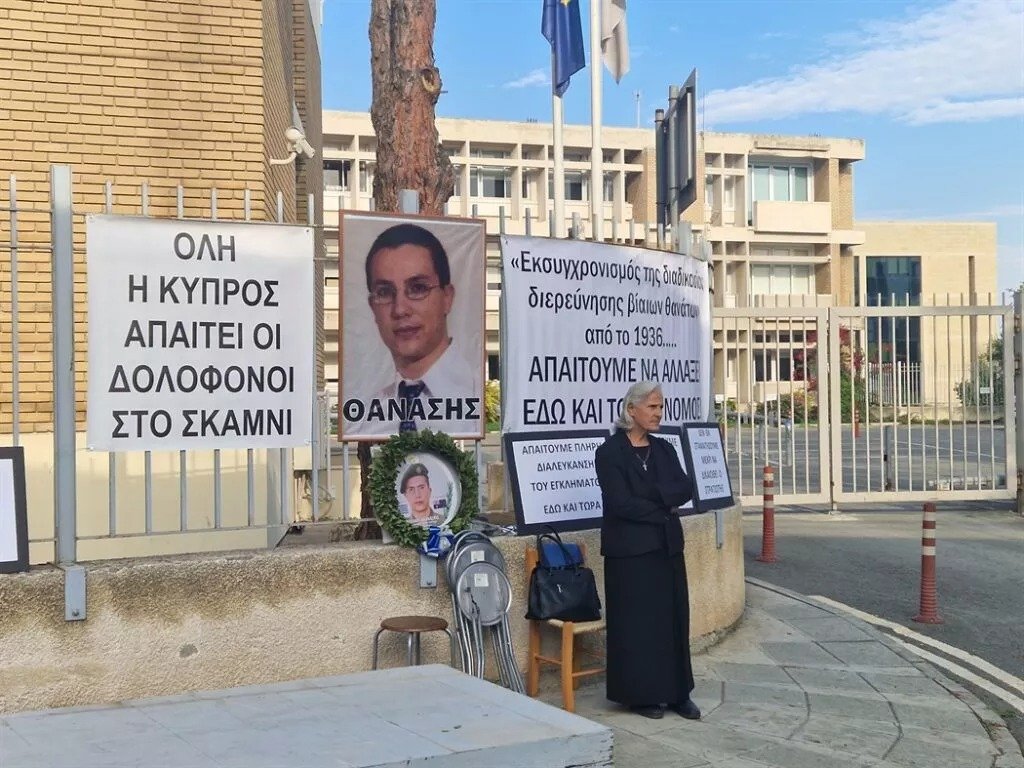
    A former police officer has invoked an Assistant Attorney-General’s letter in his attempt to suspend the prosecution linked to the 2005 death of National Guard soldier Thanasis Nicolaou.

    • A former police officer has invoked an Assistant Attorney-General's letter in his attempt to suspend the prosecution linked to the 2005 death of National Guard soldier Thanasis Nicolaou.

    This request comes two decades after the tragic discovery of the 26-year-old soldier’s body beneath the Alassa bridge, an incident shrouded in controversy, with Nicolaou’s family long contending that the initial ruling of suicide was a facade for murder.

    The defendant, Christakis Kapiliotis, was the head of Lania Police Station at the time of Nicolaou’s death in September 2005. Through his lawyer, Andriana Klaedes, he has argued to the Attorney-General (AG) that the duration since the incident is excessively long for private criminal prosecutions to be initiated.

    In his correspondence to the AG, Kapiliotis pointed to the AG’s Law Office’s prior assessment of the evidence. He attached a letter from Assistant AG Savvas Angelides, dated 11 June 2025, which had previously dismissed a request from the Nicolaou family’s lawyer, Nikos Clerides, to pursue state prosecutions based on the Pappas-Athanasiou report. Angelides indicated that there was not enough evidence to support a charge of deliberate neglect of duty.

    Furthermore, the letter addressed medical examiner Panikos Stavrianos, who is also a defendant in the private case. Angelides clarified that there was no proof that Stavrianos had any knowledge of a murder or intent to conceal the identity of potential perpetrators.

    It is anticipated that the other defendants, including Stavrianos, former Limassol Police Director Andreas Iatropoulos, former Limassol CID head Nicos Sophocleous, and former Rural Police head Christakis Nathanael, will submit similar letters to the AG.

    In response to Kapiliotis’s request, the AG has sought the position of the Nicolaou family lawyers, who are expected to oppose the suspension and advocate for the continuation of the prosecution towards a conclusive court ruling. This follows the AG’s earlier announcement that he would not halt private prosecutions if the family chose to move forward, especially after the release of the Matsas-Alexopoulos report.

    All five defendants made their initial court appearance on 9 December, during which a preliminary objection regarding a conflict of interest was raised. The court has scheduled the next hearing for 22 January 2026.