Blog

  • Overnight pharmacies — Overnight Pharmacies Open for Emergency Services on 19 December 2025

    Overnight pharmacies — Overnight Pharmacies Open for Emergency Services on 19 December 2025

    overnight pharmacies — Overnight pharmacies are set to serve the public on Friday, 19 December 2025, across the Republic, providing essential services until late evening and remaining available for emergencies throughout the night.

    Overnight pharmacies: Pharmacy Services in Nicosia

    A selection of pharmacies in Nicosia will be open to cater to urgent health needs. The following locations and contact details are provided for public convenience:

    • Androulla (Antri) Kouzoupi
      184 Tseriou Avenue, Strovolos (Between Theoktistos roundabout and Food Park)
      Telephone: 22444666
    • Nicos Nouris
      33 Digeni Akrita Avenue, Nicosia (Opposite Agios Antonios Market)
      Telephone: 22751801, 22374323
    • Margarita Antoniou
      16 Demokratias Street, Agios Dometios (From Coca-Cola lights towards the checkpoint)
      Telephone: 22322700
    • Charalambos Tsangarides
      92 A+B Makedonitissis Street, Strovolos (Near K-Cineplex)
      Telephone: 22871954, 22319608
    • Antri Pastellidou
      76 Ifigeneias Street, Strovolos (Opposite Acropolis Primary School)
      Telephone: 22378880, 97723277
    • Fani Parpi
      20 Chalkanoros Street, Shop G-D, Dali
      Telephone: 22314943

    Limassol Pharmacies Ready for Late-Night Needs

    In Limassol, residents can find pharmacies on duty to assist with medical needs after hours. The following pharmacies will be open tonight:

    • Andreas Zenonos
      258 B Franklin Roosevelt, Zakaki (Opposite Petrolina)
      Telephone: 25821555, 99649599
    • Alexios Tsogarakis
      20 Nafpliou Street, Limassol (Polyclinic YGEIA road)
      Telephone: 25355624, 99692879
    • Ioanna Konstantinidou
      100 Amathountos Avenue, Agios Tychon (Near Four Seasons Hotel)
      Telephone: 25310554, 25723437
    • Despoina Kolokotroni
      63 Omirou Street, Chalkoutsa (Next to SHOEBOX shop)
      Telephone: 25313123
    • Marianna Zaimi
      35 Petrou Tsirou, Shop 2, Naafi area (140m north of ERA Apollon)
      Telephone: 25770727, 99933342

    Larnaca’s Late-Night Pharmacy Options

    Larnaca will also have pharmacies operating late into the night, ensuring residents have access to medications and health advice. The following locations will be available:

    • Melina Christou
      6 Palaion Patron Germanou, Aradippou (Near Aradippou Municipal Library)
      Telephone: 24322447, 97808002
    • Antonis Klirides
      6 Patron Street, Larnaca (Hellenic Bank lights, near former Zygos fruit market)
      Telephone: 24622754, 24367765
    • Savvia Giannitsarou
      78 Stadiou Street, Larnaca (Near the old GSZ stadium)
      Telephone: 24332456

    Accessing Pharmacy Services in Paphos

    Residents of Paphos will have access to pharmacies during the night, ensuring that they can obtain necessary pharmaceuticals and health support. The following pharmacies will be open:

    • Antri Kapoudioti
      4 Thessalonikis Street, Paphos (Opposite Fire Station)
      Telephone: 26911313, 99542075
    • Orthodoxia Alexandrou Georgiou
      9 Arsinoes Street, Polis Chrysochous
      Telephone: 26321745, 99214260

    Pharmacies Serving the Famagusta Area

    Famagusta pharmacies will also be operational, providing essential services to the community. Here are the pharmacies available:

    • Antri Mavrogiannou-Nicolaou
      216 Georgiou Gourouna Avenue, Paralimni (Opposite CYTA)
      Telephone: 23828880, 23829202
    • Despo Laoutari-Petri
      95A Karyon Street, Avgorou
      Telephone: 23922189, 99832321

    Each of these pharmacies is a vital resource for those needing urgent medical assistance or medication outside regular hours. Their extended duty hours provide peace of mind for those who may encounter unexpected health issues.
  • Foot-and-mouth disease — Foot-and-Mouth Disease Precautions Implemented at Key Crossing Points

    Foot-and-mouth disease — Foot-and-Mouth Disease Precautions Implemented at Key Crossing Points

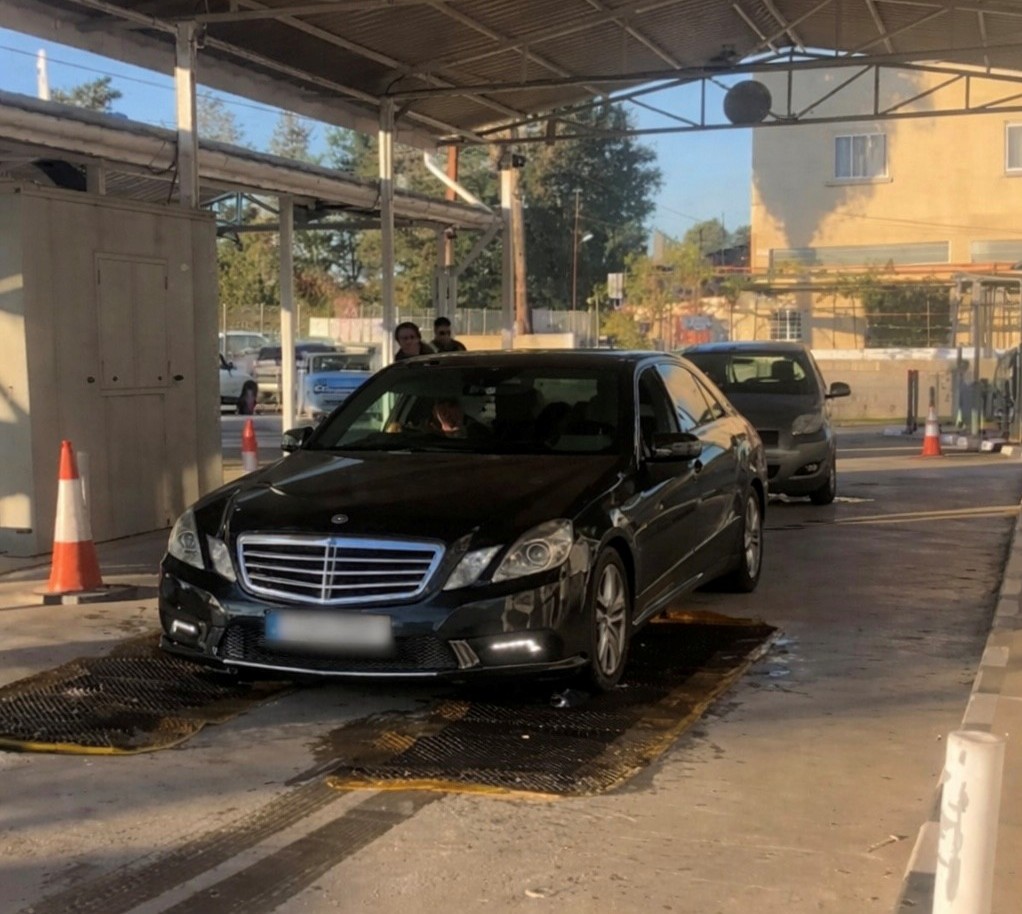
    Foot-and-mouth disease precautions have been introduced at the Pergamos and Strovilia crossing points to mitigate the risk of an outbreak after cases were reported in the north earlier this week.

    • Foot-and-mouth disease precautions have been introduced at the Pergamos and Strovilia crossing points to mitigate the risk of an outbreak after cases were reported in the north earlier this week.
    • Importantly, while foot-and-mouth disease is highly contagious among animals, it poses no threat to human health.

    On Friday, officials from the British bases announced that precautionary disinfection measures were being enacted at these crossing points. Mark Hartley, head of customs and immigration, stated, “We are taking swift and responsible action. By working closely with the Republic of Cyprus veterinary services, we are doing everything possible to support our partners and keep everyone safe while maintaining smooth operations at crossing points.”

    The disinfection measures include the establishment of dedicated facilities for cleaning and a prohibition on the crossing of animal products. These steps were taken at the request of Cyprus veterinary services to safeguard both animal and public health.

    Reports of the disease first emerged from the Cyprus Turkish veterinarians’ association on Monday, noting a confirmed outbreak at a farm in Ayios Sergios, located in the Famagusta district. The association assured that “all necessary measures will be taken and implemented,” including quarantining and vaccinating affected animals, disinfecting the farm and related facilities, and restricting animal movement.

    Further developments were confirmed on Tuesday by Ankara’s Foot and Mouth Research Institute, which identified four additional cases at a livestock unit in Lapithos in the north. In response, Huseyin Cavus, the agriculture minister for the north, announced a quarantine of the affected area and a ban on animal movement. He indicated that about 13,000 animals—comprising cattle, sheep, and goats—would be vaccinated to prevent further spread of the disease.

    As of now, no cases of foot-and-mouth disease have been reported in the British bases or in the southern part of Cyprus. This viral disease primarily affects livestock, including cattle, pigs, goats, and sheep. While infected animals often recover, they may suffer from weight loss and reduced productivity in terms of milk and meat.

    Importantly, while foot-and-mouth disease is highly contagious among animals, it poses no threat to human health.

  • Vintage postcards — Vintage Postcards from Europe Showcase Cultural Heritage at Larnaca Airport

    Vintage postcards — Vintage Postcards from Europe Showcase Cultural Heritage at Larnaca Airport

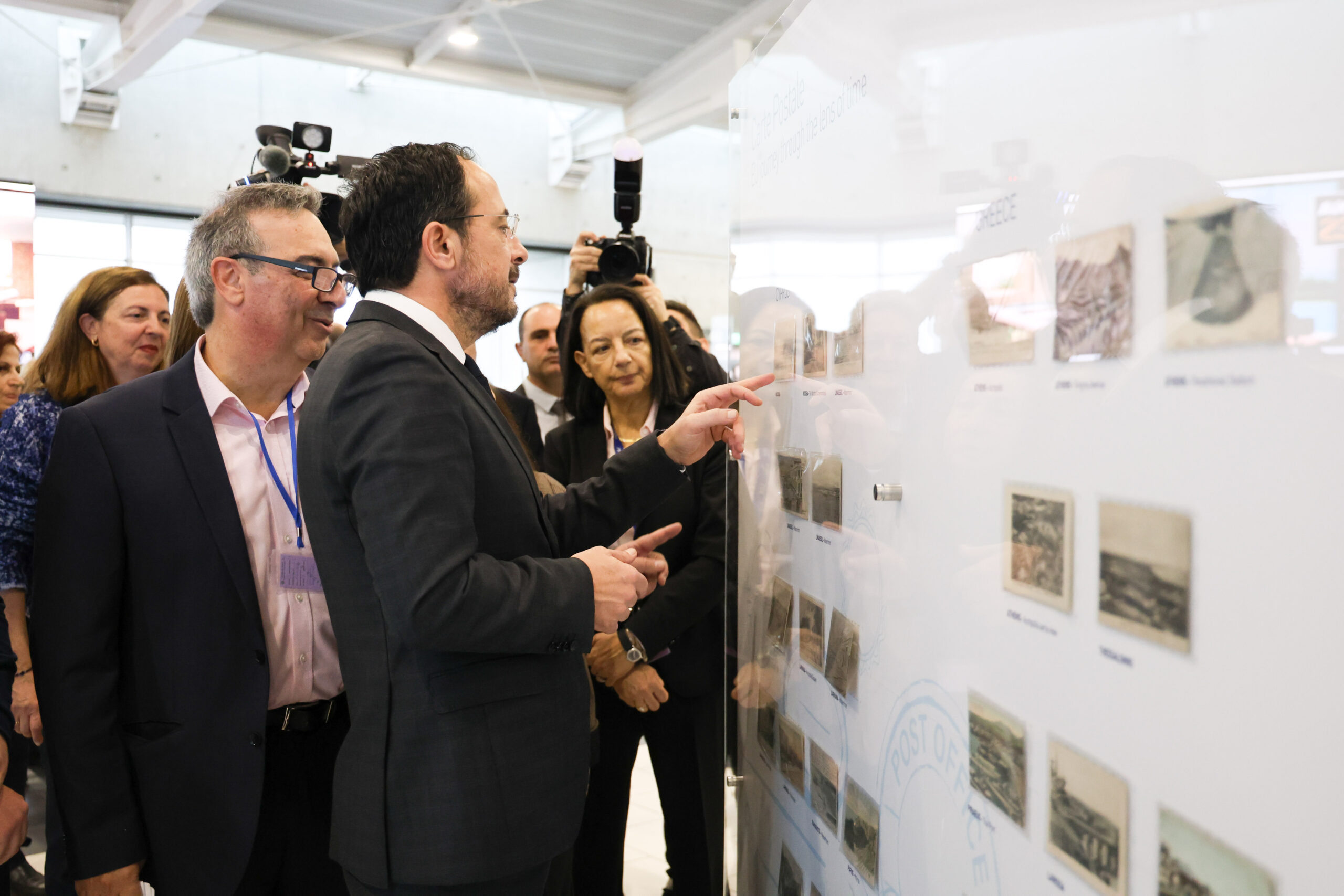
    vintage postcards — Vintage postcards from Europe are now on display at Larnaca airport, offering travellers a charming glimpse into the past through a unique collection by the late Antonis Hadjipanayis. This exhibition, titled Carte Postale. EU Journey through the Lens of Time, features 250 postcards that span all EU member states, providing a nostalgic look at European cities from the last century.

    Vintage postcards: Inauguration of a Cultural Journey

    The exhibition was inaugurated by President Christodoulides in early December, marking a significant cultural moment as Cyprus prepares to assume the Presidency of the Council of the European Union in January 2026. The postcards, which showcase the charm and character of various European cities, invite visitors to embark on a visual journey to a bygone era.

    A Journey Back in Time

    During the inauguration, President Christodoulides remarked, “This exhibition represents a virtual journey to the early 20th century, a time when almost everything was fundamentally different from today. It was an era when communication took place through correspondence, literally from hand to hand.” He emphasised that while the method of sending wishes and sharing memories may seem outdated now, it possesses a unique charm that resonates with older generations while offering younger visitors a chance to discover the past.

    Curated with Passion and Respect

    The exhibition has been meticulously curated by the collector’s son, Panikos Hadjipanayis, and his grandson, Antonis Hadjipanayis. Their dedication ensures that the family tradition of preserving history continues, transforming a personal passion into a cultural offering for the public. The curators conducted an in-depth exploration of Antonis Hadjipanayis’s archives, personal records, and documents to create this unique showcase.

    Celebrating European Identity

    As organisers highlight, this exhibition serves as a reminder that European identity has been shaped over centuries through exchanges, relationships, and narratives that transcend borders. The postcards are not just images; they represent connections and stories that link people across the continent.

    Significance of the Exhibition

    Eleni Kaloyirou, Chief Executive Officer of Hermes Airports, stated, “The exhibition is not only a collection of postcards; it is a journey into the soul of Europe. Larnaca airport is transformed into a vibrant crossroads of European memory and cultural heritage.” She further noted the exhibition’s significance, given its launch just three weeks before Cyprus takes on its important EU role.

    A Unique Cultural Experience

    For Hermes Airports, it is an honour to offer this cultural experience to travellers. Larnaca airport serves daily as a meeting point for people, stories, and destinations, making it an ideal venue for such a rich display of European heritage. The exhibition invites everyone passing through to reflect on the shared history and cultural narratives that connect us all.

    Discovering the Past

    As visitors explore the Carte Postale exhibition, they are encouraged to appreciate not just the artistry of the postcards, but also the history and sentiment behind them. This collection stands as a testament to a time when handwritten notes and visual postcards were cherished means of communication, providing a tangible link to the past.

  • Police to Establish Anti-Organised Crime Directorate Modelled on FBI

    Police to Establish Anti-Organised Crime Directorate Modelled on FBI

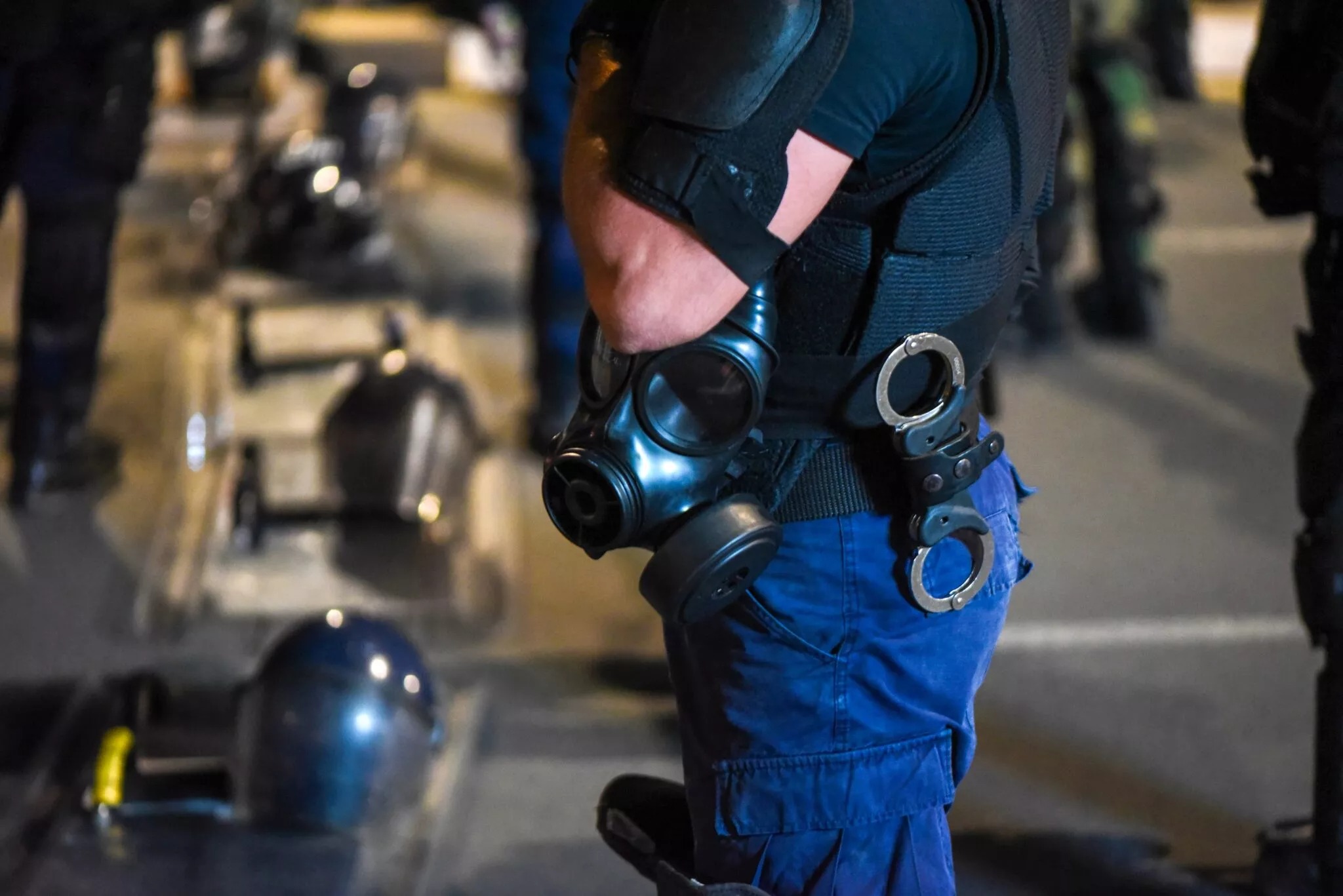
    Police are set to finalise the establishment of a new Anti-Organised Crime Directorate, modelled after the Greek ‘FBI’, with a projected launch in early 2026. This elite unit, first announced by former Justice Minister Marios Hartsiotis, aims to consolidate intelligence and operational powers that are currently fragmented across multiple independent services.

    The new Directorate will report directly to the Chief of Police and will be empowered to dismantle the financial and operational networks of organised crime.

    Anti-organised crime: A Unified Approach to Combat Crime

    In a notable structural shift, several key agencies will be brought “under one umbrella” to eliminate coordination failures that have historically hindered major investigations. The Directorate will integrate:

    • The Drug Squad (YKAN): Leveraging its extensive experience in surveillance and its connection to narcotics financing.
    • The Intelligence Analysis Service: Serving as a centralised hub for evaluating data and identifying criminal patterns.
    • Specialised Operational Support: Tactical members from the Emergency Response Unit (MMAD) will assist in high-stakes missions requiring military-grade training.

    Legislative Challenges Ahead

    The establishment of the Directorate faces a significant legislative hurdle: the absence of a functional legal framework for telephone interceptions. Previous laws were deemed unworkable, prompting the Ministry of Justice to expedite new, supplementary legislation to address these issues.

    Authorities consider the ability to monitor telecommunications as “non-negotiable” for the unit’s success. A new law that came into effect on 11 November has already lifted the anonymity of prepaid mobile cards, enhancing the ability to trace communications. However, officials caution that criminal elements are likely to pursue alternative, encrypted methods of communication to evade detection.

    Preparing for Operational Launch

    Currently, efforts are underway to identify a high-security headquarters for the new unit. The Chief of Police, in consultation with political leadership, will select a director to lead this “FBI-style” force. One of the unit’s strategic advantages will be its “invisible” operations, allowing it to work discreetly while gathering intelligence.

    The Law Office plays a crucial role in finalising the legal vetting of the interception bill before the Directorate becomes operational in January.

    The anticipation surrounding the new Anti-Organised Crime Directorate reflects a commitment to addressing serious crime effectively, with the hope that a more integrated approach will lead to significant improvements in public safety.

  • George gavriel — Explosive Attack Targets Painter George Gavriel Amidst Art Censorship Controversy

    George gavriel — Explosive Attack Targets Painter George Gavriel Amidst Art Censorship Controversy

    george gavriel — The home of painter George Gavriel was the target of an explosive attack late Thursday afternoon, 18 December, following a week of political targeting and death threats over his latest art exhibition.

    According to Dialogos, the incident occurred in the village of Kokkinotrimithia while Gavriel was at home with his wife, children, and grandchildren. Witnesses reported hearing two motorcycles approach just before the explosions, which caused damage to the balcony of the house. Fortunately, no injuries were reported, but the family was left traumatised by the event.

    In response to the attack, police cordoned off the scene in Kokkinotrimithia and began a forensic examination of explosive residues. Investigators are also reviewing CCTV footage from the surrounding area in an effort to identify the two motorcyclists involved.

    The assault on Gavriel’s home marks a troubling escalation of hostility that has been brewing over his artwork. This surge in aggression followed the abrupt cancellation of his exhibition, Antisystemic Art, at the Blue Iris Gallery in Paphos just days earlier. The gallery’s owner faced multiple death threats and warnings of property destruction unless the provocative pieces—which include depictions of religious and political figures—were removed.

    Political tensions surrounding Gavriel have intensified, particularly after Efthymios Diplaros, the Deputy President of DISY, shared a collage of the artist’s work on social media, labelling it “crude blasphemy.” In response, Gavriel accused Diplaros of spreading “fake news” through a doctored image intended to incite public anger. The far-right ELAM party has since requested that the Police Chief initiate criminal proceedings against Gavriel for allegedly “insulting the Orthodox faith.”

    This isn’t the first time Gavriel has faced scrutiny for his artistic expressions. In 2021, a disciplinary probe against him was dropped by the Law Office, which concluded that his work did not violate his professional duties as a secondary school principal. However, this latest violent incident is likely to reignite discussions about the state’s duty to safeguard artists from extrajudicial threats and intimidation.

  • Mia Milia Wastewater Treatment Project Gains Momentum Amid Water Crisis

    Mia Milia Wastewater Treatment Project Gains Momentum Amid Water Crisis

    The Mia Milia wastewater treatment project has resurfaced as a vital solution to Cyprus’ escalating water shortages. Following a trilateral meeting involving President Nikos Christodoulides, Tufan Erhurman, and UN Secretary General envoy Maria Angela Holguin, discussions have rekindled commitments that had remained stagnant for years.

    Mia milia: Political Will to Move Forward

    Dr Michael Loizidis, a member of the bicommunal technical committee on the environment, shared insights with the Cyprus Mail, stating that recent talks have revitalised political commitments towards the project. Although no final contractual agreement has been established yet, both sides have shown a practical commitment to advancing the initiative.

    Current Status and Historical Context

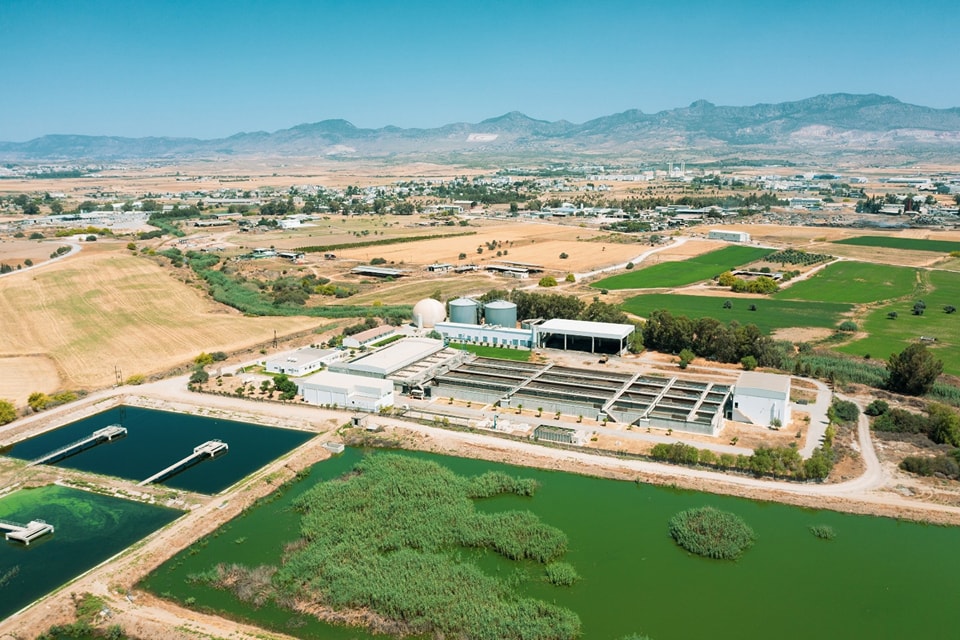
    The Mia Milia plant, located in northern Nicosia, processes approximately 12 million tonnes of wastewater annually. Dr Loizidis noted that this volume is sufficient to alleviate pressure on local water supplies and satisfy a significant portion of Nicosia’s irrigation requirements. Despite being operational since 2013, treated water has largely gone unused for over a decade due to political reasons.

    “For purely political reasons, this water has been discarded year after year,” Loizidis explained, highlighting the urgency of the situation. According to a 2011 agreement, 70 per cent of the treated water was designated for the Republic, with the remaining 30 per cent allocated to the north. Instead, much of the effluent has been discharged into the Pedeos river that divides the city.

    Finances and Infrastructure Challenges

    Loizidis pointed out that Greek Cypriots are already contributing financially to the Mia Milia project under the existing water distribution agreement, emphasising that the current discussions are merely about fulfilling long-standing commitments. He traced the origins of the project back to sewage cooperation agreements established around 50 years ago by former Nicosia mayors, Lellos Demetriades and Mustafa Akinci.

    Mia Milia stands as one of the most significant confidence-building measures agreed upon by both communities, and Loizidis urged that the time has come to implement the agreement. “We are effectively in breach of this agreement by not implementing what was agreed. Now is the opportunity to finally put all the parts together,” he remarked.

    Technical Feasibility and Next Steps

    The main impediments to the project are no longer political but technical. The plant operates efficiently and employs advanced membrane technology, producing water suitable for agricultural use. Approximately 80 per cent of the sewage treated originates from the Greek Cypriot side of Nicosia.

    However, additional infrastructure remains to be constructed, notably two new reservoirs in Potamia and Athienou. These reservoirs represent the most substantial technical hurdle, with costs expected to reach several million euros. Treated water would need to be transported through about 10 kilometres of pipelines to the existing Vathia Gonia facility near Potamia.

    The total cost of the piping and associated works on both sides is estimated to be between 15 and 20 million euros. The project is financed by the EU, which is also anticipated to support infrastructure works up to the connection point in the north.

    Potential Impact and Environmental Considerations

    If approvals are granted and construction begins swiftly, Loizidis anticipates that implementation could be completed within a year. This would enable treated water to reach Potamia, Athienou, and parts of western Nicosia, benefiting farmers and addressing discrepancies in water availability.

    Concerns regarding salinity in the water supplies and potential harm to soil quality have been dismissed by Loizidis as unlikely. “I cannot imagine this ever becoming a problem,” he stated, noting that water quality is regularly monitored on both sides and must adhere to strict agricultural and chemical standards.

    Urgency for Action

    Loizidis expressed a strong desire for the lost decade to be rectified swiftly. “For years this issue was pushed aside; it wasn’t perceived as a priority,” he said. “Now, in light of shortages and droughts, it is impossible to ignore. This project can deliver real benefits if we finally move from words to action.”

  • Christmas parcels — Christmas parcels: Limassol Distributes 350 Christmas Love Parcels to Families in Need

    Christmas parcels — Christmas parcels: Limassol Distributes 350 Christmas Love Parcels to Families in Need

    christmas parcels — christmas parcels — Limassol municipality is spreading festive cheer by distributing 350 Christmas love parcels to families facing financial difficulties. This initiative, organised by the municipality’s Social Grocery Stores, commenced at 10.30am on Thursday and aims to provide essential supplies during the holiday season.

    The handout was attended by Limassol Mayor Yiannis Armeftis and Athena Spyrou, the president of the municipality’s social welfare committee. Mayor Armeftis announced that 200 of the parcels have been allocated for registered beneficiaries of the Social Grocery Store, while the remaining parcels will reach other individuals and families in need.

    Armeftis expressed gratitude to the companies that donated products, highlighting the importance of community support during these challenging times. “The existence of this grocery store is essential because needs exist,” he stated, assuring that Limassol’s Social Grocery Store will continue its operations for as long as necessary.

    Athena Spyrou elaborated on the contents of the parcels, which extend beyond just basic necessities. Each parcel includes sweets, festive treats, fresh meat, supermarket vouchers, and even toys for children. “Each parcel is worth more than €30, and we believe every household will be significantly supported,” she mentioned.

    Moreover, specialised parcels have been prepared for specific cases, catering to larger families or individuals with diabetes. Spyrou noted, “We improve every time and become more targeted towards those in need,” and expressed hope that one day, Social Grocery Stores will no longer be necessary. “But for as long as they are needed, we will be here,” she promised.

  • Prison overcrowding — Justice Minister Addresses Prison Overcrowding but Rules Out New Facility

    Prison overcrowding — Justice Minister Addresses Prison Overcrowding but Rules Out New Facility

    prison overcrowding — prison overcrowding — The new justice minister has pledged to tackle the pressing issue of overcrowding at the central prisons complex, although he has ruled out the immediate construction of a new facility.

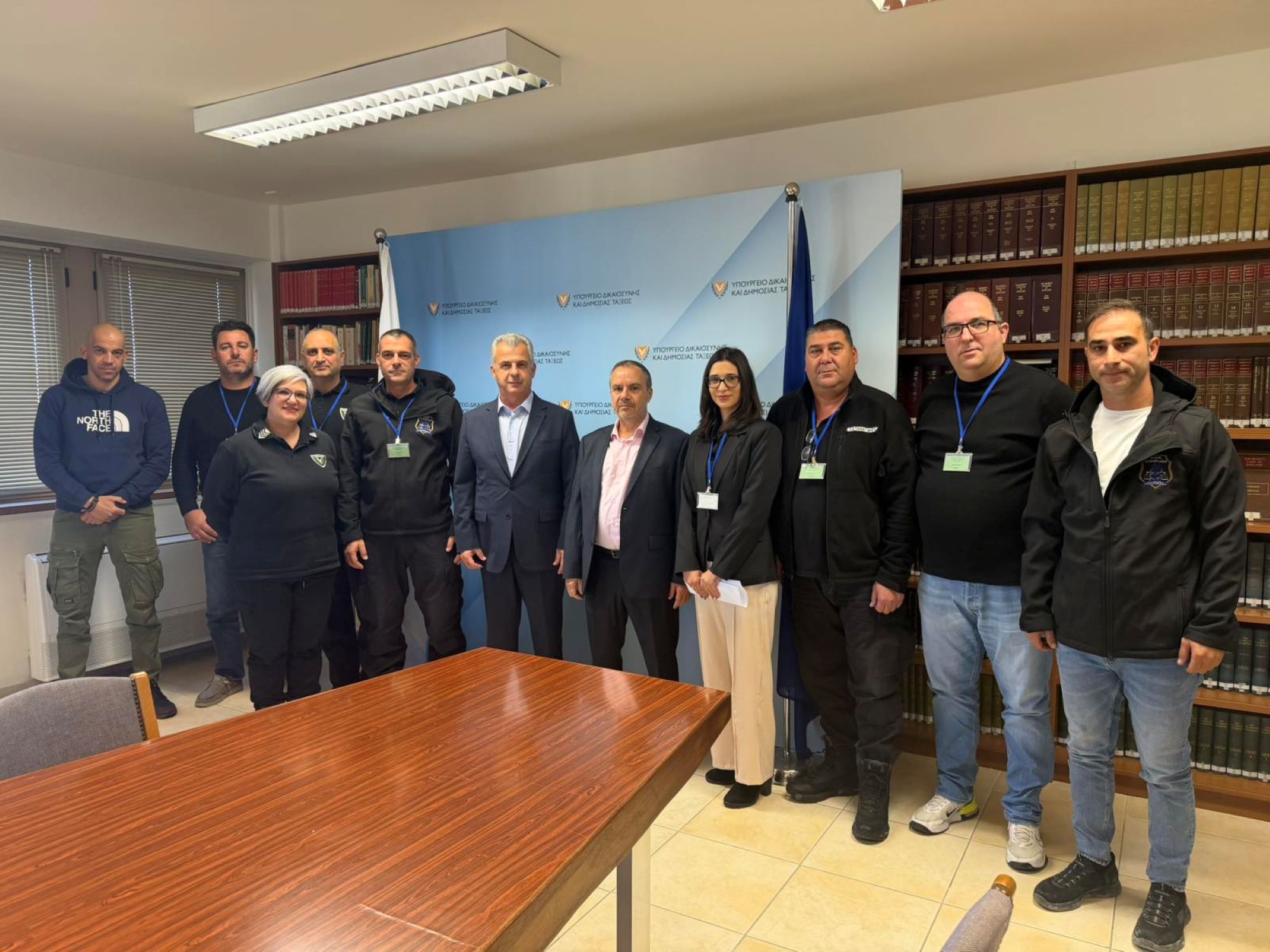
    On Thursday, Constantinos Fitiris convened his first meeting with representatives from the police’s Isotita trade union, which advocates for prison wardens. During this meeting, he expressed commitment to addressing the challenges faced by the corrections department.

    In a statement released by Isotita following the discussions, the minister acknowledged the inadequacy of the current prison premises, remarking that “a facility built in 1890 cannot be converted into a modern one.” His comments underline the urgent need for reform in response to the outdated infrastructure.

    While Fitiris confirmed that a new facility is not “in an immediate trajectory of implementation,” he assured the union that there would be significant developments, which they would learn about “from the results.” This assurance comes amidst growing concerns over the conditions within the current facilities.

    One of the immediate issues raised during the meeting was the severe understaffing at the prisons. Fitiris promised that the ministry would announce vacancies for the hiring of 90 new prison wardens in the coming days, a move welcomed by the Isotita union. However, they emphasised that this should be merely a starting point and called for an organisational restructuring that aligns with international standards. They proposed a guideline ensuring a minimum of one warden for every 15 inmates.

    The discussion also touched upon safety measures within the prison system. The leadership of the ministry agreed to establish a rapid response and containment team that would conduct surprise inspections and manage any violent outbreaks among inmates.

    In addition to addressing staffing issues, Isotita proposed alternative measures to alleviate the overcrowding crisis. These include alternatives to incarceration, such as community service or placing inmates under house arrest with electronic monitoring. Such initiatives could potentially reduce the number of individuals held in the already strained prison system.

    Union representatives reiterated their call for allowing wardens to retire voluntarily after 25 years of service, citing the stressful nature of the job as a significant concern. This request highlights the toll that working under such conditions takes on the staff.

    The urgency of reform in Cyprus’ prison system is further underscored by a recent report from the Council of Europe’s committee for the prevention of torture, which raised alarms about “serious problems” within the central prisons. The committee expressed “grave concerns” over the high levels of inter-prisoner violence, a situation that has only been exacerbated by the overcrowded conditions.

    This report follows a tragic incident where a 35-year-old Egyptian national was killed during a violent altercation with another inmate, drawing attention to the dire need for immediate action and systemic reform.

  • Turkey sanctions: Cyprus President Presents Evidence of Turkey’s Sanctions Violations to EU

    Turkey sanctions: Cyprus President Presents Evidence of Turkey’s Sanctions Violations to EU

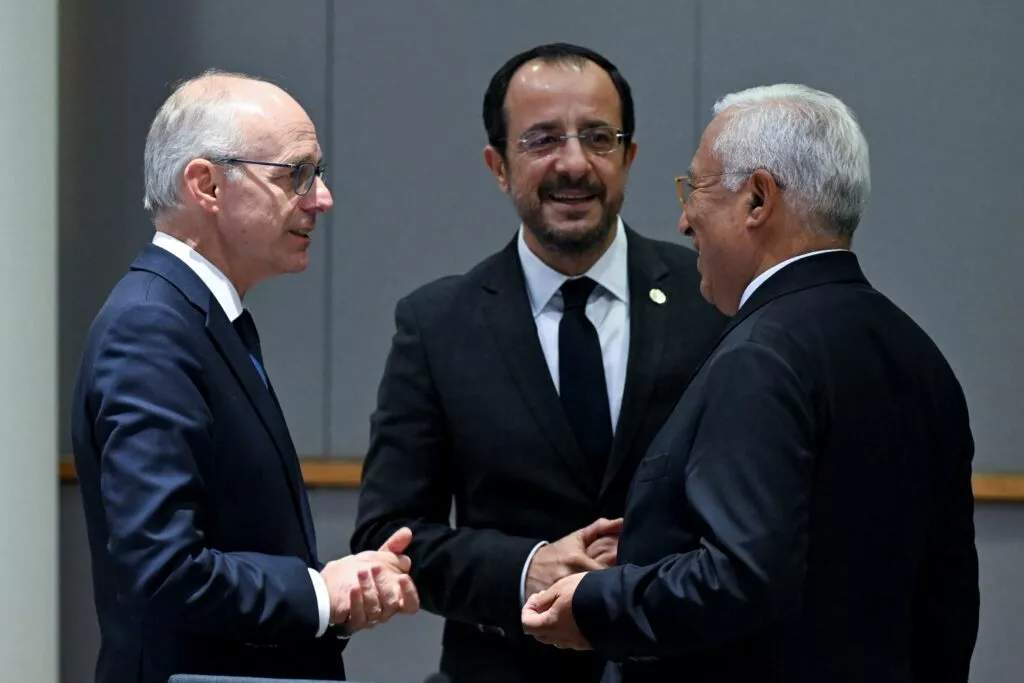
    turkey sanctions — turkey sanctions — Cyprus President Nikos Christodoulides will present evidence of Turkey’s involvement in violations of sanctions against Russia during Thursday’s European Council session. This meeting is pivotal as it is the last before Cyprus takes over the EU Presidency on 1 January.

    Turkey sanctions: Focus on Supporting Ukraine

    Christodoulides intends to share specific data with other EU leaders that indicates breaches of European sanctions by Turkey. This follows a similar presentation made during his recent visit to Ukraine, where he met with President Volodymyr Zelensky.

    Upcoming Discussions on Financial Support

    One of the key topics at the Council will be Ukraine’s financial support for the 2026-27 period. Leaders aim to reach a consensus among the 27 member states, although Hungary has expressed reservations about the idea of common borrowing. The agenda includes discussions on utilising frozen Russian Central Bank assets to facilitate a compensation loan.

    Sanctions and Strategic Objectives

    The renewal of sanctions against Russia will ensure that Russian assets remain frozen until compensation is arranged for Ukraine. This strategy aims to alleviate the financial burden on EU member states while maintaining pressure on Russia to cease its military actions.

    Political Dynamics and Enlargement Discussions

    The upcoming session is also expected to address the EU’s enlargement, particularly concerning the Western Balkans, Ukraine, Moldova, and Turkey. Cyprus is keen on sending strong messages regarding its ongoing issues, especially with Turkey, and is committed to collaborating with the UN to support resolution efforts.

    Addressing Geo-Economic Challenges

    Christodoulides’ agenda will also touch upon the EU’s economic resilience in light of pressures from global powers like China and the United States. The discussions will focus on reducing dependence on external entities while enhancing the EU’s competitiveness and strategic autonomy.

    Multiannual Financial Framework Negotiations

    Another critical topic will be the draft of the Negotiating Box for the Multiannual Financial Framework (MFF) for 2028-2034. Member states aim for a political agreement by the end of 2026, as the MFF represents a significant priority for the upcoming Cyprus Presidency. The discussions will address various funding allocations, including support for Ukraine and the role of the Common Agricultural Policy.

    Diverging Views Among Member States

    Significant differences remain among member states regarding budget architecture and prioritisation. The proposed new MFF, amounting to €2 trillion, aims to redefine how the EU supports its initiatives, particularly with regards to security and economic stability.

  • Larnaca School Pupils Face Consequences for Nazi Salutes

    Larnaca School Pupils Face Consequences for Nazi Salutes

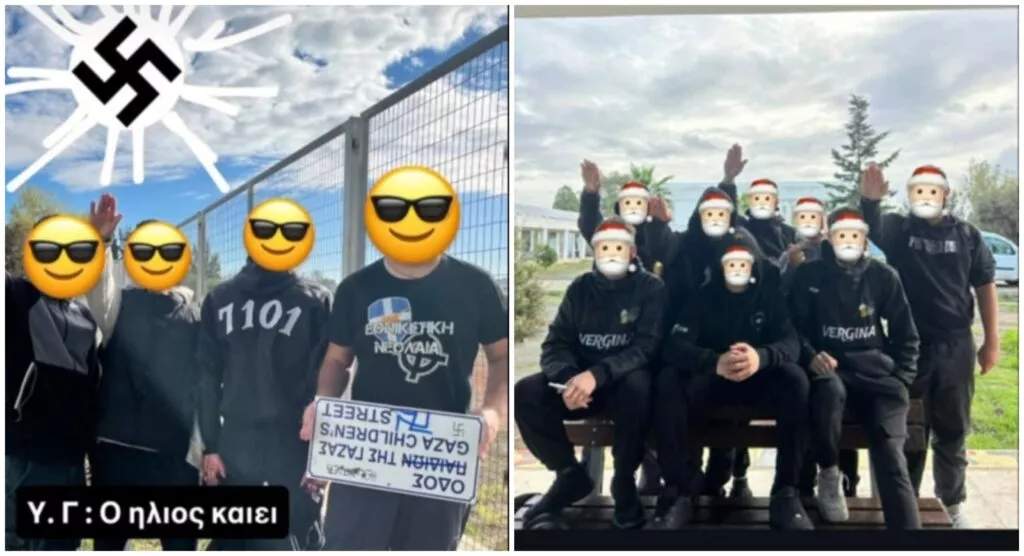
    Pupils at Vergina Lyceum in Larnaca face penalties after the Ministry of Education launched an investigation into disturbing photos showing them performing Nazi salutes and drawing swastikas in their school environment.

    According to Giorgos Koutsides, deputy director of Secondary Education, the ministry was informed of the situation yesterday, and steps are being taken to address it. “It was a reckless action by the pupils. The director said he knows who they are and will call them to his office to impose penalties,” Koutsides stated.

    These actions, including the posting of images on social media, have raised serious concerns among the community. The final-year students reportedly created social media accounts to disseminate Nazi ideology, including an Instagram account named “Verginazi,” which has drawn attention for its troubling content.

    Complaints from various sources indicate that the pupils not only performed Nazi salutes but also defaced school property with swastikas. In one alarming incident, they altered a sign placed by activists, originally aimed at honouring a Jewish tree-planting event, by erasing the word “children” and replacing it with a Nazi symbol.

    Koutsides confirmed that the posts reflect personal publications by the pupils made on different occasions. When asked whether the Ministry of Education would intervene for educational purposes, he affirmed that the ministry’s provincial officer will visit the school to assess the situation. “We will see if it’s an isolated incident,” he added.

    Kostas Kosta, president of the organised parents association in the Larnaca district, expressed his dismay at the behaviour of the pupils. “As parents, we are clear and consider these incidents unthinkable. Anything that refers to the Nazi past and particularly symbols connected to the murder of millions of people, we condemn,” Kosta said.

    He further emphasised, “Ideologies of hatred have no place in schools,” urging the Ministry of Education to take decisive action. The parents’ association is keen to ensure that such ideologies do not find a foothold in educational environments.

    The political party AKEL Larnaca also condemned the actions of the students, stating that these incidents cannot be dismissed as mere bravado. In a statement, they labelled the actions as manifestations of a dangerous intolerant ideology that has no place in schools or society. They called for an immediate and thorough investigation, insisting on substantial measures from the Ministry of Education and the school administration.

    AKEL stressed the importance of teaching respect and denouncing hatred in schools, asserting, “Fascism and Nazism have no place in education, youth, and democracy.” The events at Vergina Lyceum have sparked a broader conversation about the responsibilities of educational institutions in countering extremist ideologies.