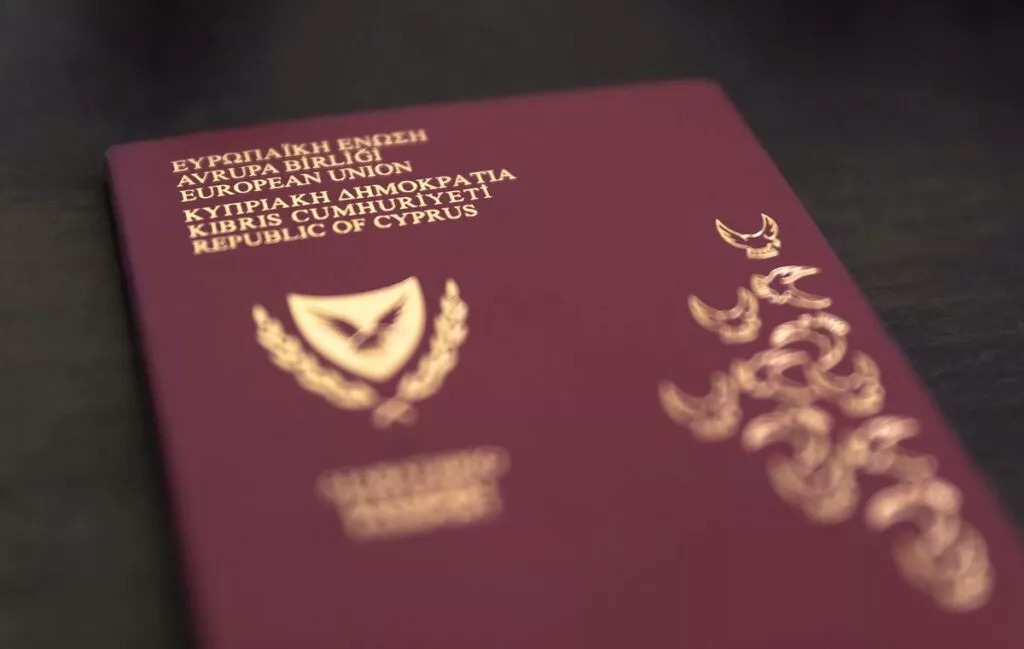
territorial dispute — Iran has summoned the Cypriot ambassador in Tehran, Petros Nacouzis, over a recent territorial dispute involving the United Arab Emirates (UAE). The diplomatic tension arose after the Cypriot government issued a joint declaration with the UAE, recognising three islands in the Persian Gulf as belonging to the UAE.
Territorial dispute: Formal Protest Issued
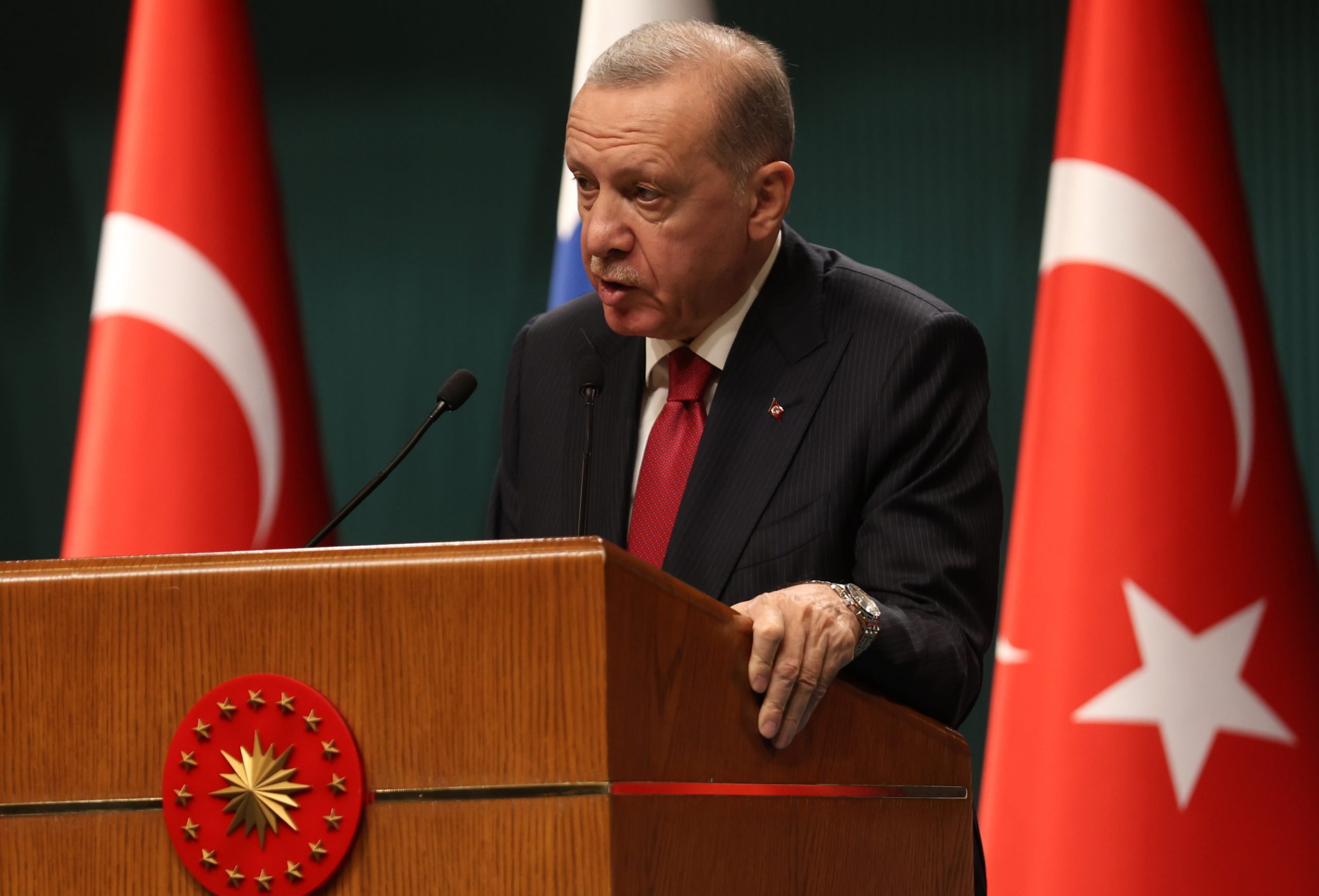
According to the Islamic Republic News Agency, Iranian Assistant Foreign Minister Mohammad Alibek met with Nacouzis and lodged a formal protest against the declaration. Alibek asserted that Iran considers the islands of Abu Musa, Greater Tunb, and Lesser Tunb as integral parts of its territory. He emphasised that Iran’s historical sovereignty over these islands is undisputed.
Iran’s Stance on Sovereignty
During the meeting, Alibek condemned any territorial claims against Iran, describing them as a violation of the fundamental principle of national sovereignty and territorial integrity. He urged the Cypriot government to rectify what he termed a serious mistake and to avoid similar actions in the future. The Cypriot declaration, made on Sunday, clearly supported the UAE’s sovereignty over the islands.
Joint Declaration Details
The joint statement from Cyprus and the UAE reaffirmed Cyprus’s support for the UAE’s claims over Greater Tunb, Lesser Tunb, and Abu Musa. The declaration also referenced a previous statement from the European Union and the Gulf Cooperation Council, which called on Iran to end its “occupation” of the islands. This statement labelled Iran’s presence on the islands as a violation of UAE sovereignty and United Nations principles.
Geographical and Historical Context
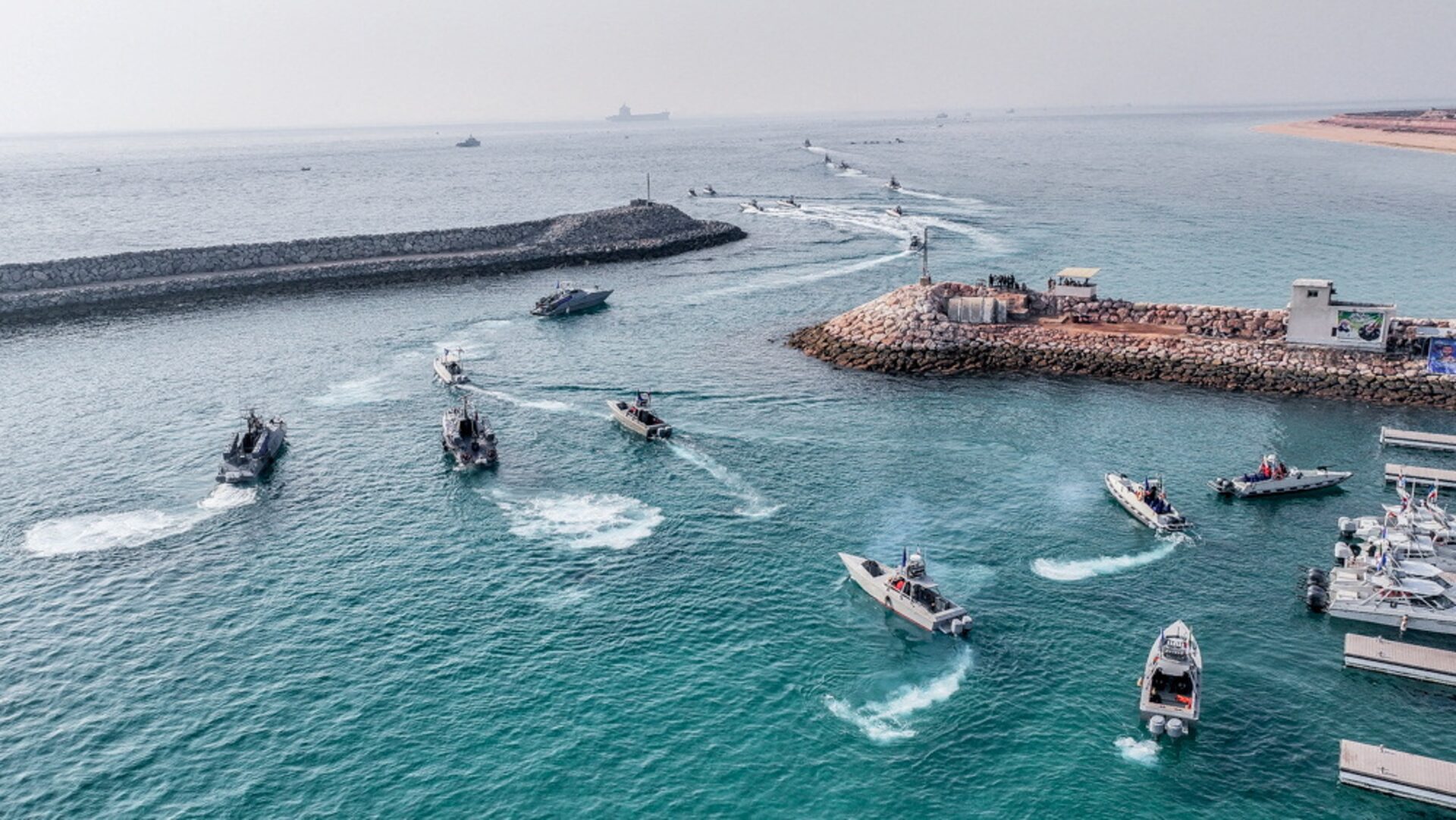
Abu Musa, the largest of the three islands, is situated roughly between Dubai and the Iranian coastal town of Bandar Lengeh, featuring a commercial airport with flights to Iran. Greater Tunb and Lesser Tunb lie further northeast, close to the Iranian island of Qeshm, and have a combined population of approximately 300.
The historical roots of the dispute trace back to the period of British rule over the Trucial States, now the UAE. A memorandum of understanding was signed before the UAE’s formation in 1971, stipulating joint administration of Abu Musa between Iran and the Emirate of Sharjah. However, Iran seized Greater Tunb and Lesser Tunb on the same day the memorandum was signed and took control of Abu Musa the following day.
Escalation of Tensions
Following the 1971 events, the UAE submitted its claim to the United Nations in 1980, but this issue has remained unresolved. Over the years, Iran has strengthened its military presence on the islands, establishing naval bases to patrol the strategic Strait of Hormuz.
The current diplomatic spat is not the first incident this year between Iran and Cyprus. In June, a misunderstanding arose involving Iran’s conflict with Israel, where Cyprus was mistakenly believed to be conveying messages between the two nations. Such incidents highlight the fragile nature of relations in the region.
Future Implications
The summons of the Cypriot ambassador signals Iran’s commitment to assert its claims over the islands, while Cyprus’s alignment with the UAE reflects the geopolitical complexities at play. As regional tensions persist, the situation surrounding these islands remains a point of contention that could affect broader diplomatic relations.
The Iranian government’s strong reaction underscores its sensitivity to any perceived challenges to its territorial integrity. Meanwhile, the Cypriot administration has signalled its ongoing support for the UAE, indicating a potential rift with Iran that may have implications for future interactions.