Tag: agriculture

  • Wildfire — Major Wildfire Unfolds Between Koili and Stroumbi in Paphos District

    Wildfire — Major Wildfire Unfolds Between Koili and Stroumbi in Paphos District

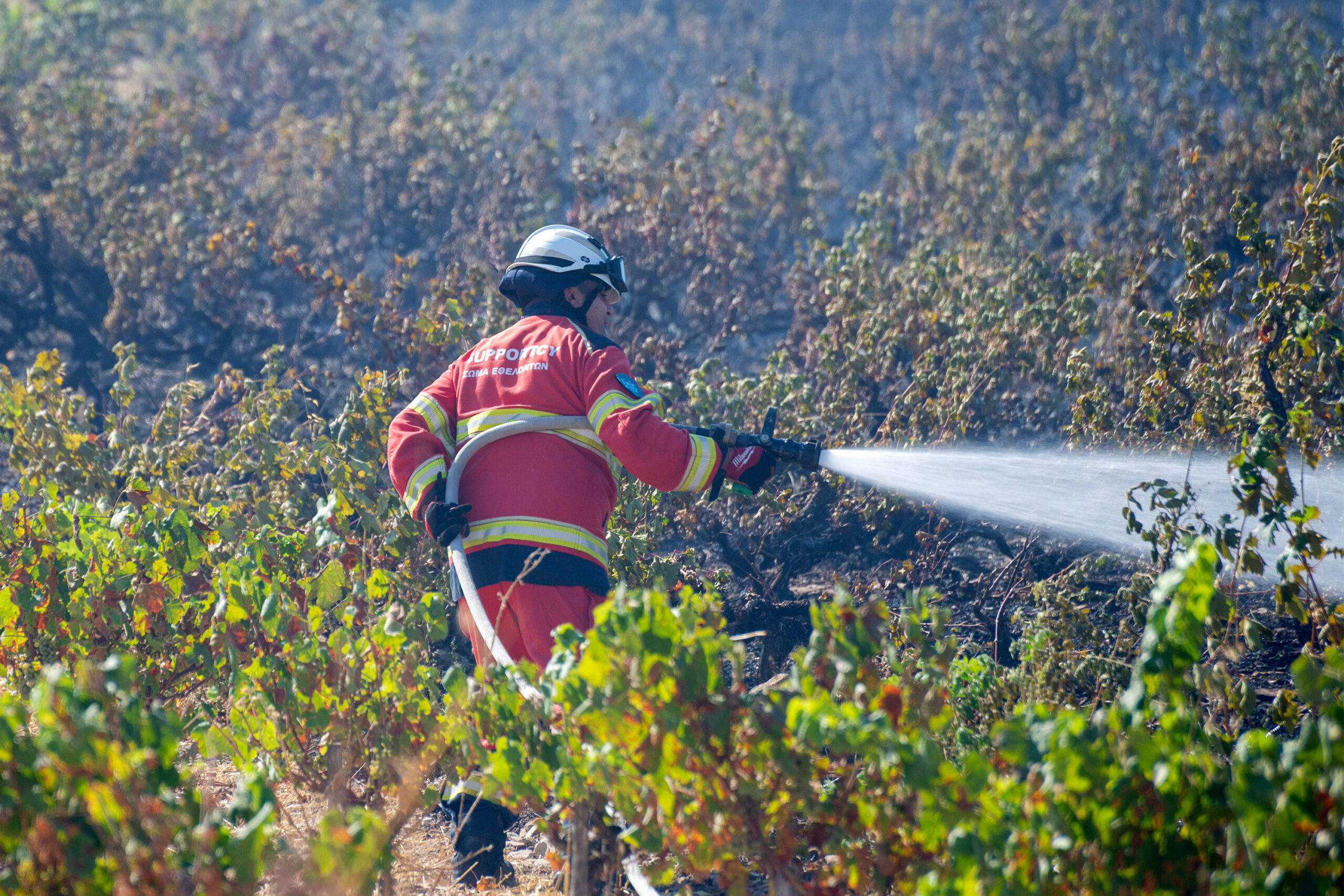
    A major wildfire is raging in agricultural land between the communities of Koili and Stroumbi in the Paphos district. The fire erupted under unknown circumstances, but strong winds have exacerbated the situation, causing it to spread rapidly.

    Photo: in-cyprus.philenews.com

    Wildfire: Firefighting Forces Mobilised

    Fire engines have been dispatched from Paphos and nearby rural stations to combat the blaze. They are joined by personnel from the Department of Forests and local community authorities, all working diligently to contain the fire’s advance.

    Photo: in-cyprus.philenews.com

    Reinforcements Arrive

    Firefighting efforts are continuously being bolstered with additional resources from various districts. Three aircraft, comprising two planes and a Civil Defence helicopter, were deployed earlier for water drops but halted operations within the last hour due to the rapidly changing conditions on the ground.

    Challenging Terrain Hinders Efforts

    The fire is primarily situated in a river gorge, presenting significant challenges for ground crews attempting to access and manage the situation. The Civil Defence and police have been alerted and are prepared for possible evacuations of both Koili and Stroumbi.

    Control Centre Established

    A forward control centre has been set up in the Stroumbi community square, where various agencies, including the Fire Service, Department of Forests, Civil Defence, army, police, and other relevant services, are coordinating their efforts. According to Fire Service spokesperson Andreas Kettis, an active front has developed, with flames moving westward towards the northwest.

    Extent of the Fire

    The fire has engulfed an area measuring approximately one square kilometre, affecting dry grass, wild vegetation, and trees. Strong winds remain a significant obstacle, with a particularly intense front raging out of control between Koili and Akoursos.

    Simultaneous Fires in the Region

    In addition to the major wildfire, a smaller fire is currently reported in the Turkish Cypriot village of Pitargou, which is expected to be brought under control shortly. The situation is being monitored closely, with resources redirected as necessary.

    On-Site Assessments and Management

    Andreas Gregoriou, director general of the Agriculture Ministry, arrived at the control centre shortly after 7pm to assess the situation and determine any necessary actions. He plans to visit the fire front to evaluate the extent of the danger and to decide on further measures for the night or the coming days.

    Local Insights on the Incident

    Michalis Efthymiou, the community leader of Koili, provided insight into the firefighting efforts, stating that while bulldozers are working to combat the fire, fire engines are struggling to reach the blaze due to its location in an inaccessible area. The fire has destroyed mature cypress forests, but Efthymiou reassured that homes in both communities are not currently at risk.

    Human Factors and Unprecedented Timing

    Efthymiou speculated that human factors might have contributed to the outbreak, suggesting that it was likely initiated by someone on foot, as vehicles are unable to access that specific terrain. He noted that experiencing such fires in November is unprecedented, although today’s high temperatures have likely contributed to the fire’s rapid spread.

    Continued Monitoring and Future Actions

    The situation remains fluid, with firefighters and emergency services on high alert. As conditions evolve, further updates will be necessary to ensure the safety of the communities involved and to manage the fire effectively. The collaborative efforts of various agencies highlight the seriousness of the situation and the commitment to protecting lives and property.
  • Cloud Seeding Considered as Cyprus Faces Water Crisis

    Cloud Seeding Considered as Cyprus Faces Water Crisis

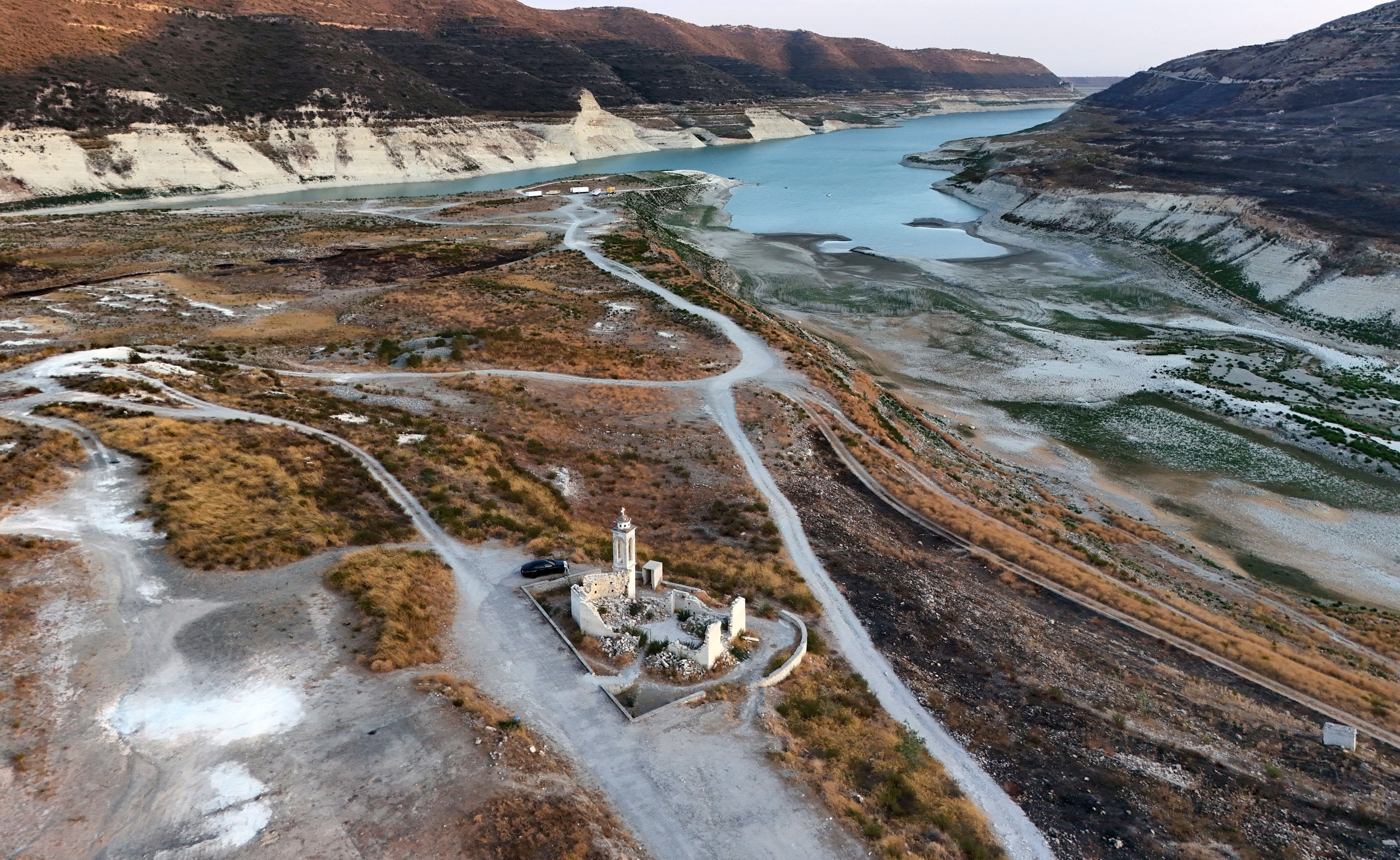
    Cloud seeding is being examined as a potential solution to alleviate water scarcity in Cyprus, which is bracing for a fourth consecutive winter of drought. The agriculture ministry has acknowledged the dire situation, with the island’s dams currently holding only 11 per cent of their capacity, raising urgent concerns about the future of water supply.

    Photo: cyprus-mail.com

    Urgent Call for Action

    Kleanthis Nicolaides, the former head of the meteorology department, has been vocal in advocating for cloud seeding as an alternative to manage the escalating water crisis. He has highlighted the alarming lack of rainfall this October, which has left the dams critically low and prompted discussions about the potential of weather modification technologies.

    Photo: cyprus-mail.com

    Assessing the Current Drought Situation

    The gravity of the drought was underscored by Nicolaides, who suggested that official figures may misrepresent the true condition of the reservoirs, stating that sediment accumulation in the dams is likely leading to inaccurate capacity measurements. “The situation is worse than what the official data shows,” he remarked, reinforcing the need for immediate action.

    Exploring Cloud Seeding

    Cloud seeding involves dispersing substances into the atmosphere that can act as cloud condensation or ice nuclei. Common agents include silver iodide and potassium iodide, with hygroscopic materials like table salt gaining attention for their moisture-attracting properties. While the technology has shown promise, its effectiveness remains a topic of debate.

    Nicolaides acknowledged that while cloud seeding is not a silver bullet, it warrants exploration given the severe circumstances. “In these desperate times, the government should explore the option,” he stated. He also described the operational aspects of cloud seeding, which may require aircraft equipped with specialized equipment to disperse the substances effectively.

    Potential Costs and Agricultural Impact

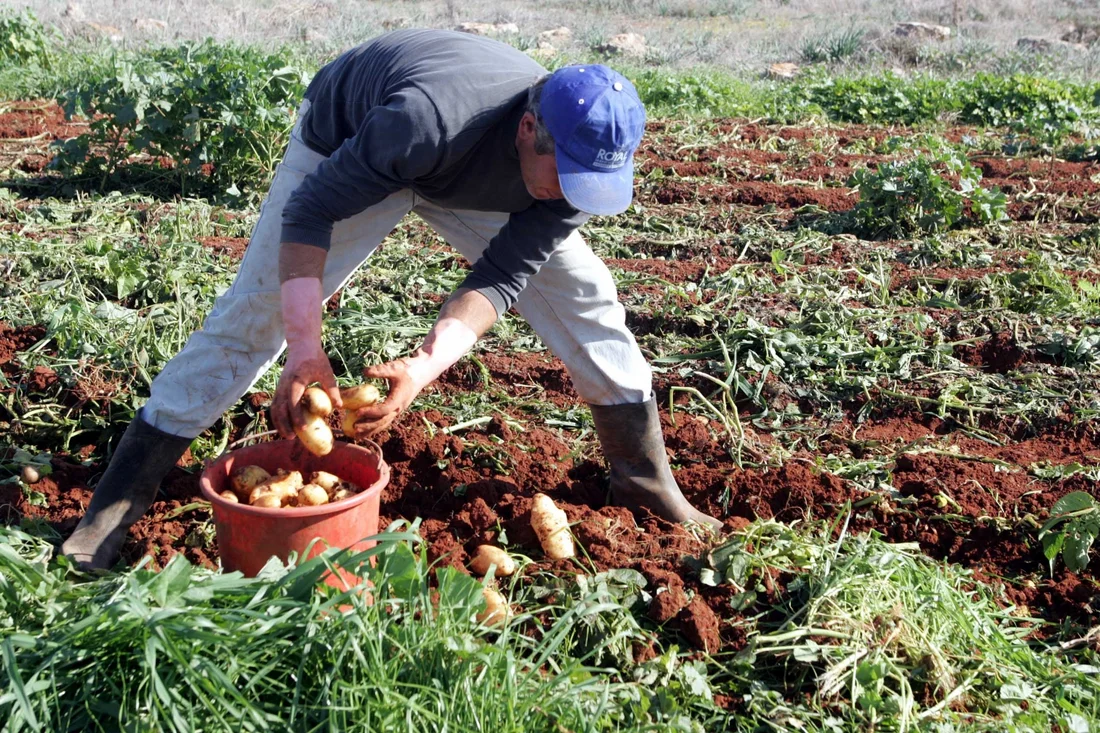
    The agricultural sector is already feeling the pressure, with the Water Development Department advising farmers to refrain from planting seasonal crops. This has resulted in reduced availability of staple items like lettuce and potatoes, leading to anticipated price increases. “Lack of water means agricultural products will go up in price,” Nicolaides warned, highlighting the broader economic implications of water scarcity.

    Historical Context of Cloud Seeding in Cyprus

    Reflecting on past efforts, Nicolaides recalled that Cyprus had previously experimented with cloud seeding during a drought in the early 1970s. However, the results of those initiatives were never fully assessed due to the outbreak of war in 1974. “This was done over a period of a couple of years, but the results were never properly evaluated,” he noted.

    Government Considerations

    The government has been exploring the feasibility of cloud seeding, with the meteorology department confirming that it is closely monitoring international developments in weather modification technologies. Philippos Tymvios, the current director of the meteorology department, stated that proposals for cloud seeding have been submitted by at least two private companies. “All proposals are being reviewed carefully, with the guidance of independent scientific experts,” he added.

    While there is no operational cloud seeding programme currently in place, Tymvios indicated that the government is considering all scientifically credible options to address the long-term water scarcity affecting Cyprus. “Any future initiative would be based on robust scientific evidence and full alignment with public interest safeguards,” he assured.

    Challenges and Future Directions

    Despite the interest in cloud seeding, there are significant challenges to its implementation. A study by the United States National Academy of Sciences has cast doubt on the effectiveness of cloud seeding, failing to find statistically significant evidence to support its impact on precipitation. Similarly, a 2010 study from Tel Aviv University indicated that traditional cloud seeding materials may have little effect on rainfall amounts.

    As the debate continues, Nicolaides emphasised the need for a comprehensive cost-benefit analysis to evaluate potential methods for enhancing rainfall. He noted that with the dams nearly empty, Cyprus increasingly relies on desalination and boreholes for its water supply, which further complicates the issue. “Desalination is no fix-all,” he cautioned, underscoring the urgency of the situation.

    Looking Ahead

    With Cyprus facing a critical juncture in its water management strategy, the exploration of cloud seeding and other innovative solutions will be essential in tackling the ongoing drought. As the government weighs its options, the experiences of other countries that have successfully implemented weather modification technologies may provide valuable insights. The path forward will require careful consideration, transparency, and collaboration with scientific experts to ensure any initiatives align with the public’s best interests.

  • Paphos water: Paphos District to Ensure Stable Water Supply Throughout 2024

    Paphos water: Paphos District to Ensure Stable Water Supply Throughout 2024

    paphos water — paphos water — Paphos will enjoy a stable water supply next year, with assurances from the agriculture ministry that there will be no disruptions, even in adverse weather conditions. Andreas Gregoriou, the undersecretary of the agriculture ministry, made this statement during the harvest festival in Panayia, reinforcing the government’s commitment to addressing water supply challenges in the region.

    Paphos water: Ministry’s Commitment to Water Security

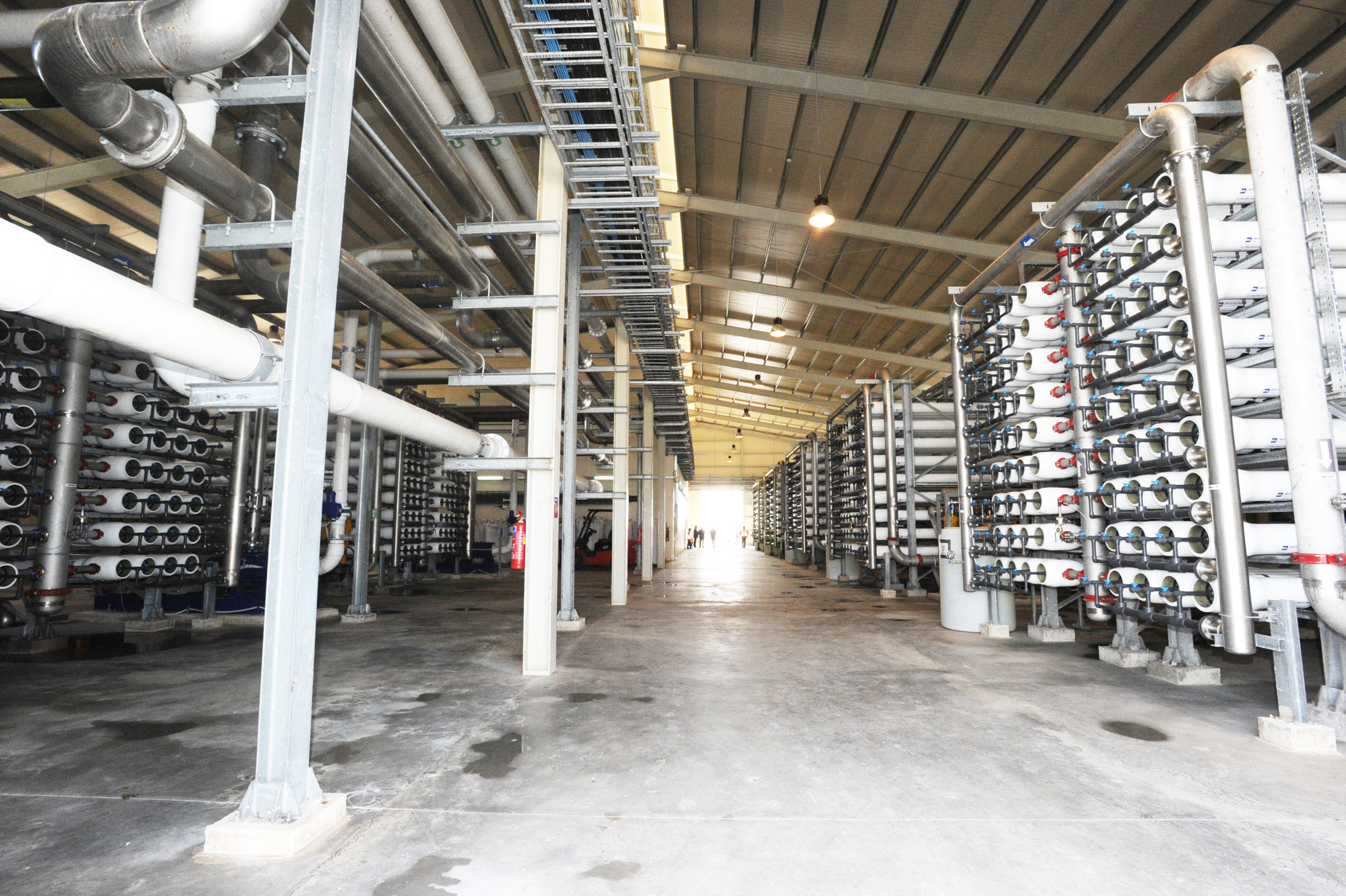
    Gregoriou stated, “We are in the final stage. It seems that we will manage to avoid any cuts, even though we are at the beginning of the new hydrological year, because we have expectations that we will have more rain than the previous dry year.” This outlook is bolstered by the ongoing development of new desalination units, which are expected to enhance the district’s water supply significantly.

    Desalination Units Under Construction

    According to Gregoriou, the construction of desalination units will eliminate any concerns regarding water supply in Paphos, regardless of weather fluctuations. He confidently remarked, “Therefore, Paphos’ water problem can be considered solved for 2026 as well.” This statement indicates a proactive approach to managing potential water shortages that have historically affected the area.

    Local Officials Weigh In

    Charalambos Pittokopitis, the governor of the Paphos district, also addressed the festival attendees, highlighting the resilience of the district’s water supply system. He noted that the supply has been maintained under “very difficult conditions,” indicating the challenges faced in recent years due to weather patterns and increased demand.

    Mobile Desalination Units to Boost Supply

    One key development is the installation of a mobile desalination unit near Potima beach in Kissonerga, which is projected to produce approximately 12,000 cubic metres of water. This unit, along with the return of a previously damaged desalination facility in Kouklia, will play a crucial role in ensuring that Paphos does not encounter water supply issues in the near future.

    Pittokopitis expressed confidence in the district’s water supply, stating, “I can state with certainty that the water issue regarding drinking water in both the town and in the district of Paphos has been resolved.” This statement serves to reassure residents and stakeholders about the reliability of their water resources.

    Recent Developments in Water Infrastructure

    In addition to the new mobile desalination unit, the water development department’s district engineer, Charis Kasioulis, confirmed that studies to repair the Mavrokolympos reservoir, which was drained in January, are complete. He stated that work to fix the corroded vent will be finished before the winter season, allowing the reservoir to reopen and contribute to the water supply.

    New Mobile Units from the UAE

    The recent arrival of 12 mobile desalination units from the United Arab Emirates marks a significant step forward in addressing water scarcity in Cyprus. The first of these units entered service in July, with George Kazantzis, the acting director of the water development department, describing the installation process as “extremely complex.” These units are designed to support the broader water supply network across the island.

    Excess water produced by these units will be redirected to other districts currently facing supply challenges, ensuring a balanced distribution of water resources across the region. This cooperative approach is crucial in mitigating the effects of prolonged droughts.

    Government’s Proactive Measures

    The Cypriot government has taken proactive measures to prevent future water shortages, with President Nikos Christodoulides announcing the new desalination units in April. Government spokesman Konstantinos Letymbiotis assured the public that there would be “no risk” of water cuts during the summer months due to the imminent arrival of additional desalination units.

    Christodoulides emphasised that the units would be provided “free of charge,” which he described as a testament to the strength of international relations and the importance of sound internal policy regarding water management.

    Looking Ahead

    As Paphos prepares for the coming year, the combination of new desalination units, improved infrastructure, and a commitment to sustainable water management suggests a promising future for the district’s water supply. Residents can look forward to a year without the worry of water cuts, thanks to the concerted efforts of local officials and the agriculture ministry.

  • Working Through a Heatwave: The Struggles of Outdoor Labourers

    Working Through a Heatwave: The Struggles of Outdoor Labourers

    working through — Working through a heatwave presents significant challenges for outdoor labourers, particularly as temperatures soar to 45 degrees Celsius. While many individuals enjoy the comfort of air-conditioned environments, countless workers toil under the unforgiving sun, facing serious health risks.

    The Labour Inspection Office plays a pivotal role in safeguarding these workers during extreme weather. Their inspectors conduct surprise visits to ensure compliance with safety regulations, especially when the Meteorological Service issues orange and red warnings. This summer alone, 310 inspections were carried out, resulting in 58 fines and 36 prohibition notices, according to Aristodimos Economides, the department’s director.

    Despite these efforts, concerns linger about the effectiveness of the inspections. Violations are rampant across various sectors, including construction, agriculture, and restaurant kitchens. When weather alerts are issued, inspectors are dispatched to ensure that outdoor work ceases during critical hours, typically between 11 am and 5 pm. A labour inspection officer explained, “When there is an orange warning, from 12 pm to 4 pm, work must be interrupted for outdoor spaces and manual labour.”

    Heavy penalties await employers who disregard these regulations, with fines ranging from €500 to €1,000 for continuing work during extreme heat. However, the reality for many workers is harsh; when work is interrupted, they often have to make up the hours during subsequent shifts or face reduced pay.

    In many cases, the conditions that should ensure worker safety remain unmet. In restaurant kitchens, for instance, staff endure not only the outdoor heat but also the oppressive temperatures generated by cooking equipment. Many establishments lack proper ventilation, fans, or adequate break times, leaving workers to suffer in silence.

    As inspections may not always happen as frequently as needed, some workers have taken the initiative to contact inspectors themselves when they feel their working conditions are inadequate. Construction workers have expressed frustration over perceived negligence from inspection officials. “Oftentimes, contractors take over projects they cannot complete on time, and we as the workers are forced to work long hours in the scorching sun,” lamented one worker.

    While larger construction sites may see inspectors more often, smaller projects often lack oversight. An anonymous worker voiced disbelief, stating, “I was not even aware that a labour inspection office existed, that’s how rarely we see them!”

    The pressure to meet deadlines can lead contractors to flout safety regulations. One contractor, when asked about interrupting work during heat alerts, responded incredulously, “Of course we carry on working! Otherwise, when would the project finish?”

    To cope with the heat, some contractors resort to providing refreshments like Coke Zeros and water, but this barely addresses the underlying issues. Workers frequently prefer to stay on-site rather than lose pay, often seeking shade when possible. Many outdoor workers lack appropriate clothing to protect themselves, relying on everyday attire. A self-employed painter shared, “I just wear my everyday clothes, and when it gets unbearable, I just go home.”

    Conversely, some contractors do take heat protection seriously, opting for lighter clothing and ensuring their teams stay hydrated and take breaks in shaded areas. One contractor noted that inspection officers had indeed visited their site, indicating that some compliance exists.

    The increasing temperatures and environmental challenges highlight the urgent need for better regulation of working conditions for manual labourers. As the demand for outdoor work continues, ensuring that these conditions are safe and compliant has never been more critical.

  • Tepak farm — Tepak Farm Faces €80,000 Repairs After Wildfire Devastation

    Tepak farm — Tepak Farm Faces €80,000 Repairs After Wildfire Devastation

    Tepak farm, part of the Cyprus University of Technology, is facing significant repair costs of approximately €80,000 following damage from a recent wildfire in Limassol.

    • Tepak farm, part of the Cyprus University of Technology, is facing significant repair costs of approximately €80,000 following damage from a recent wildfire in Limassol.

    A detailed report, prepared by the Department of Agricultural Sciences, Biotechnology and Food Science, has been submitted to the university’s rectorate. Professor Demetris Tsaltas indicated that the funds are primarily needed for replacing equipment destroyed in the blaze.

    Tepak farm: Wildfire’s Impact on Agriculture

    The wildfire, which broke out on July 23 in the wine villages of Limassol, affected the farm’s 16 hectares of cultivated land, including greenhouses, offices, and storage areas. While many of the crops, such as vineyards and fruit-bearing plants, escaped direct contact with the flames, the extreme temperatures scorched the exterior of some plants.

    Assessing Damage and Recovery

    Professor Tsaltas explained that the situation remains fluid, as the coming weeks will reveal which plants can be salvaged and which need to be replaced. He expressed concern that this year’s production will suffer losses, along with potential impacts on next year’s yields.

    Students conducting research projects at the farm have also been affected. To mitigate the damage, efforts are underway to manually water some plants, enabling students to continue their work despite the adversity.

    Plans for Restoration

    The aim is to minimise disruption to research and teaching at the farm, with hopes to restore operations by the 2026–27 academic year. The speed at which restoration funds are released will play a critical role in purchasing necessary equipment and materials.

    Initial inspections have revealed some positive signs, with certain trees showing signs of life despite their damaged appearance. However, Tsaltas cautioned that determining the true extent of recovery will require weeks or even months. The forthcoming winter and spring months are seen as crucial for the farm’s resurgence.

    Environmental Concerns

    In addition to the visible damage, Tsaltas noted potential long-term impacts on soil quality due to pollutants from the fire. Concerns have been raised regarding toxic substances that may leach into groundwater, posing further challenges for future cultivation.

    The Role of Sustainable Practices

    In discussions surrounding fire prevention, Tsaltas highlighted the importance of maintaining well-cultivated areas. He mentioned that isolated crops surrounded by uncultivated land could limit fire spread, but stressed that heat stress would still affect production. Maintaining agricultural areas is vital to preserving their character and reducing vulnerability to such disasters.

    Moreover, grazing practices can assist in managing low vegetation, reducing the risk of future fires. As efforts to restore Tepak farm continue, the focus will remain on sustainable agricultural practices to safeguard against future threats.