Tag: agriculture

  • Women on Quad Bikes Target Farms for Produce Theft in Paphos

    Women on Quad Bikes Target Farms for Produce Theft in Paphos

    An organised crop theft ring has resurfaced in villages around Laona in the Paphos district, with women on quad bikes stealing produce and selling it immediately to waiting buyers, according to new police complaints.

    • The scheme, initially uncovered by Phileleftheros last April, had seen a temporary halt before resuming recently, as detailed in complaints filed to local law enforcement and officials.

    The scheme, initially uncovered by Phileleftheros last April, had seen a temporary halt before resuming recently, as detailed in complaints filed to local law enforcement and officials.

    Reports indicate that women working in farms and local businesses are riding quad bikes into fields, stealing crops, and selling them on the spot to accomplices nearby. This troubling trend has become a growing concern among local farmers and residents.

    The operation came to light when a farmland owner discovered a stranger on a quad bike in her field. Upon being noticed, the woman began taking photographs with her mobile phone. When questioned about her presence, she claimed she was merely photographing the surroundings.

    However, the landowner had already observed large quantities of her crops cut and placed in bags next to the quad bike. After leaving to inform her relatives, she witnessed a commercial vehicle arrive, from which an unknown man emerged. The woman approached him with the stolen produce, which led to a startling exchange.

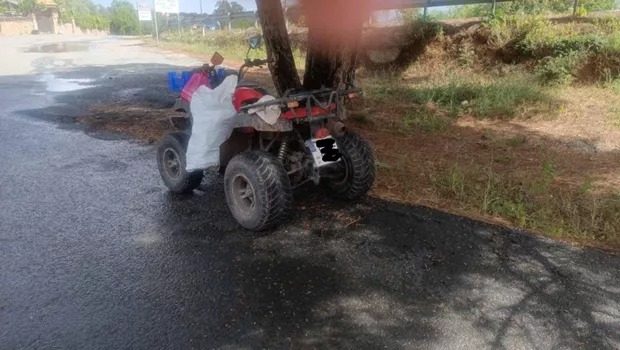
    The buyer initially offered her €20, but after a brief confrontation, he increased the amount to €40 before driving off with the stolen goods. The landowner managed to photograph the quad bike before it left and subsequently filed a complaint with the police.

    Other plantation owners have reported similar incidents, indicating that this operation is systematic and well-organised. Local residents have also voiced their concerns to officials, prompting MP Chrysanthos Savvides to confirm the reports and highlight the existence of an organised gang targeting the area.

    Farmers and residents from Drouseia and surrounding areas have expressed frustration, stating that women on quad bikes frequently invade farms, cut crops, and sell them within minutes to buyers arriving in vehicles. This rapid turnover has raised alarms about the need for increased vigilance and protective measures for local agriculture.
  • Paphos banana — Paphos Banana Farmers Call for Protection Amid EU-Mercosur Trade Deal

    Paphos banana — Paphos Banana Farmers Call for Protection Amid EU-Mercosur Trade Deal

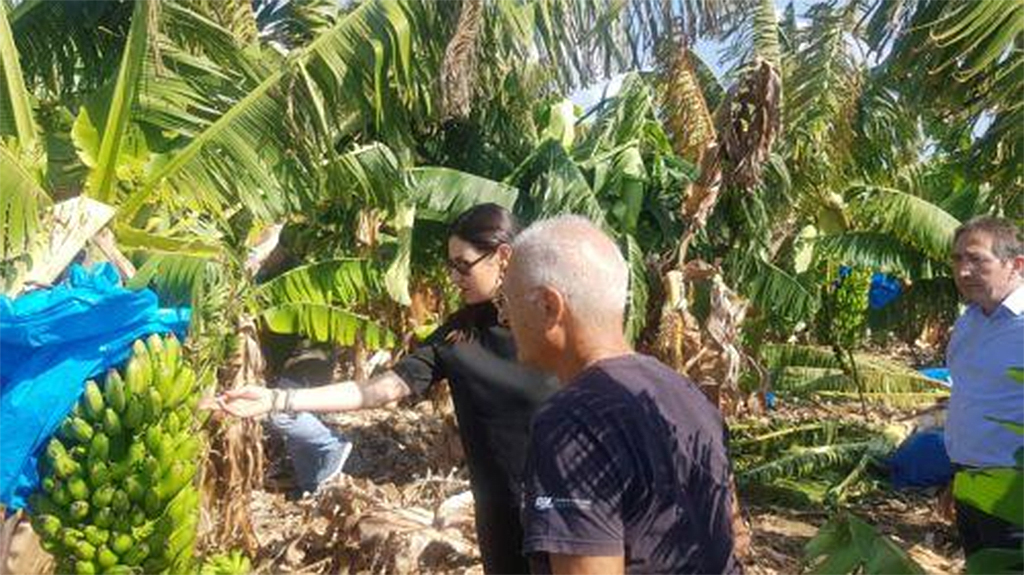
    Banana farmers in the Paphos district are urging for their protection as the EU-Mercosur trade deal takes shape. Nikolas Theodosiou, the deputy mayor of Kissonerga, emphasised the need for safeguards for local producers when the agreement becomes effective. He raised concerns that local farmers could be adversely affected by cheaper imports from Latin America.

    • As the signing date approaches, the concerns of Paphos banana farmers remain front and centre, highlighting the delicate balance between free trade agreements and local agricultural sustainability.

    Theodosiou articulated the challenges faced by local banana producers, stating, “The products coming in are often much cheaper than what local producers can afford to produce.” He warned that without adequate protection measures, these farmers could find themselves in a precarious position.

    The trade agreement, expected to be signed by European Commission President Ursula von der Leyen in Paraguay this Saturday, will establish the world’s largest free trade area, impacting over 700 million people. The deal aims to gradually eliminate tariffs on more than 90 per cent of bilateral trade between the EU and Mercosur, offering opportunities for various industries within Europe.

    However, the agricultural sector in Europe, particularly in regions like Cyprus, has raised alarms about potential negative impacts. Countries such as Argentina and Brazil are significant players in global agriculture, raising fears among EU farmers of being undercut by cheaper products. Some European farmers have expressed their concerns vocally; on Tuesday, over 350 tractors protested in Paris, with demonstrations also occurring in Ireland, where local media reported around 20,000 people took to the streets in opposition.

    Despite the backlash, the European Council approved the deal last Friday, albeit with dissent from Austria, France, Hungary, Ireland, Poland, and an abstention from Belgium. Italy, which had previously opposed the agreement, surprisingly voted in favour.

    President Nikos Christodoulides hailed the approval as a “historic milestone,” asserting that it reflects a commitment to a robust and open trade policy. Trade Minister Michael Damianos echoed this sentiment, stressing the importance of strengthening political cooperation and economic ties amid global uncertainties.

    Although the deal can be provisionally implemented without a vote in the European Parliament, the bloc’s director-general for trade, Sabine Weyland, has indicated that MEPs will have an opportunity to weigh in during a vote likely scheduled for February or March. This has left many in the Cypriot agricultural sector feeling uneasy, with Akel MP Yiannakis Gavriel warning that the deal could be devastating for Europe, particularly for smaller nations like Cyprus.

    As the signing date approaches, the concerns of Paphos banana farmers remain front and centre, highlighting the delicate balance between free trade agreements and local agricultural sustainability.

  • Trimiklini Fish Farm Case Under Police Investigation Following Anti-Corruption Report

    Trimiklini Fish Farm Case Under Police Investigation Following Anti-Corruption Report

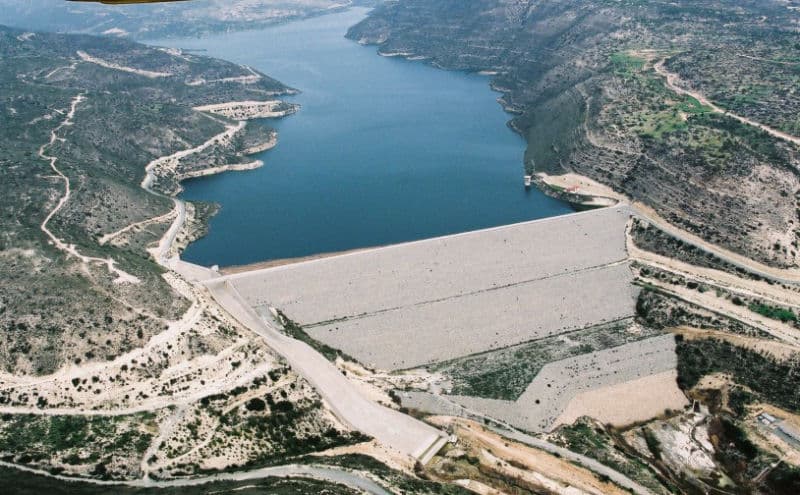
    trimiklini fish — The Trimiklini fish farm case is now under police investigation after an anti-corruption authority report flagged possible criminal liability. This report, which raised concerns over illegal water extraction and the operations of a fish farm near Trimiklini, has been referred to the police along with extensive evidence, according to a representative from the attorney-general’s office.

    The investigation stems from findings submitted to the attorney-general’s office on December 22. The report implicated former agriculture minister Nicos Kouyialis and two former department heads, highlighting irregularities in the approval process for water extraction from the Kouris river and permits for the illegal fish farm.

    “We examined the report and we sent it to the police along with the evidence accompanying it for further investigation,” the representative stated, noting that various aspects of the case are already under review. The police have gathered testimonies and drawn conclusions, and the evidence is described as extensive—far more than just a simple box file.

    As the investigation progresses, no specific timeframe has been established for its conclusion. The attorney-general’s representative emphasised the goal of resolving the matter as soon as possible. This case has gained heightened attention recently, especially after MP Irene Charalambides publicly expressed concerns about the Law Office’s handling of the situation, accusing it of “selective inactivity.”

    Charalambides’ criticism followed remarks made by Interior Minister Constantinos Ioannou, who indicated that several government actions had not been adequately addressed by the Law Office. In response to these concerns, Charalambides submitted a parliamentary question, seeking clarification on decisions made during an October 2024 meeting at the Law Office, which was attended by the current agriculture minister.

    The anti-corruption authority’s report, released on December 19, 2025, detailed the actions of Kouyialis and the two department heads, Loizos Loizides and Kostas Hadjipanayiotou. It pointed out that Kouyialis had approved a special appeal allowing water extraction from the Kouris river upstream of the Trimiklini reservoir without adhering to proper procedures. Furthermore, he directed water supply directly from the dam without a formal request.

    The report also highlighted that the two department heads had issued licences for the illegal fish farm, stating they had knowingly bypassed legislation and regulations. It accused them of abusing their positions to coordinate the issuance of the necessary permits, reflecting a serious breach of their duties.

    In total, the report indicated potential criminal liability for Kouyialis, Loizides, Hadjipanayiotou, and seven other individuals, some of whom are implicated in multiple cases. As the police investigation unfolds, the focus remains on ensuring accountability and addressing the serious allegations raised by the anti-corruption authority.

  • Foot-and-Mouth Disease Triggers Alert in Cyprus

    Foot-and-Mouth Disease Triggers Alert in Cyprus

    Foot-and-mouth disease has emerged in occupied Cyprus, raising significant alarm in the free areas and prompting heightened vigilance to prevent the virus from crossing the Green Line.

    • Foot-and-mouth disease has emerged in occupied Cyprus, raising significant alarm in the free areas and prompting heightened vigilance to prevent the virus from crossing the Green Line.

    This highly infectious zoonotic disease poses a serious threat to livestock farming rather than directly endangering human health. It primarily affects cloven-hoofed animals, including cattle, sheep, goats, and pigs, as well as wild ungulates like deer and buffalo.

    Foot-and-mouth disease: Rapid Spread and Symptoms

    The virus spreads with alarming ease, transmitted through direct animal contact, airborne particles, or contaminated vehicles and equipment. Humans can inadvertently contribute to the virus’s spread by moving between infected and clean areas.

    Infected animals typically exhibit high fever and develop painful blisters in their mouths, tongues, lips, and hooves, which can lead to lameness and an inability to feed. Young animals are particularly vulnerable, with the disease proving fatal in some cases. Management of foot-and-mouth disease relies heavily on prevention, immediate isolation of infected animals, strict biosecurity measures, and vaccination as needed.

    Minimal Risk to Humans

    While foot-and-mouth disease is not considered a serious threat to humans, transmission can occur, although it is exceedingly rare. When it does happen, symptoms are usually mild, such as low fever and mouth irritation.

    Heightened Alert in Cyprus

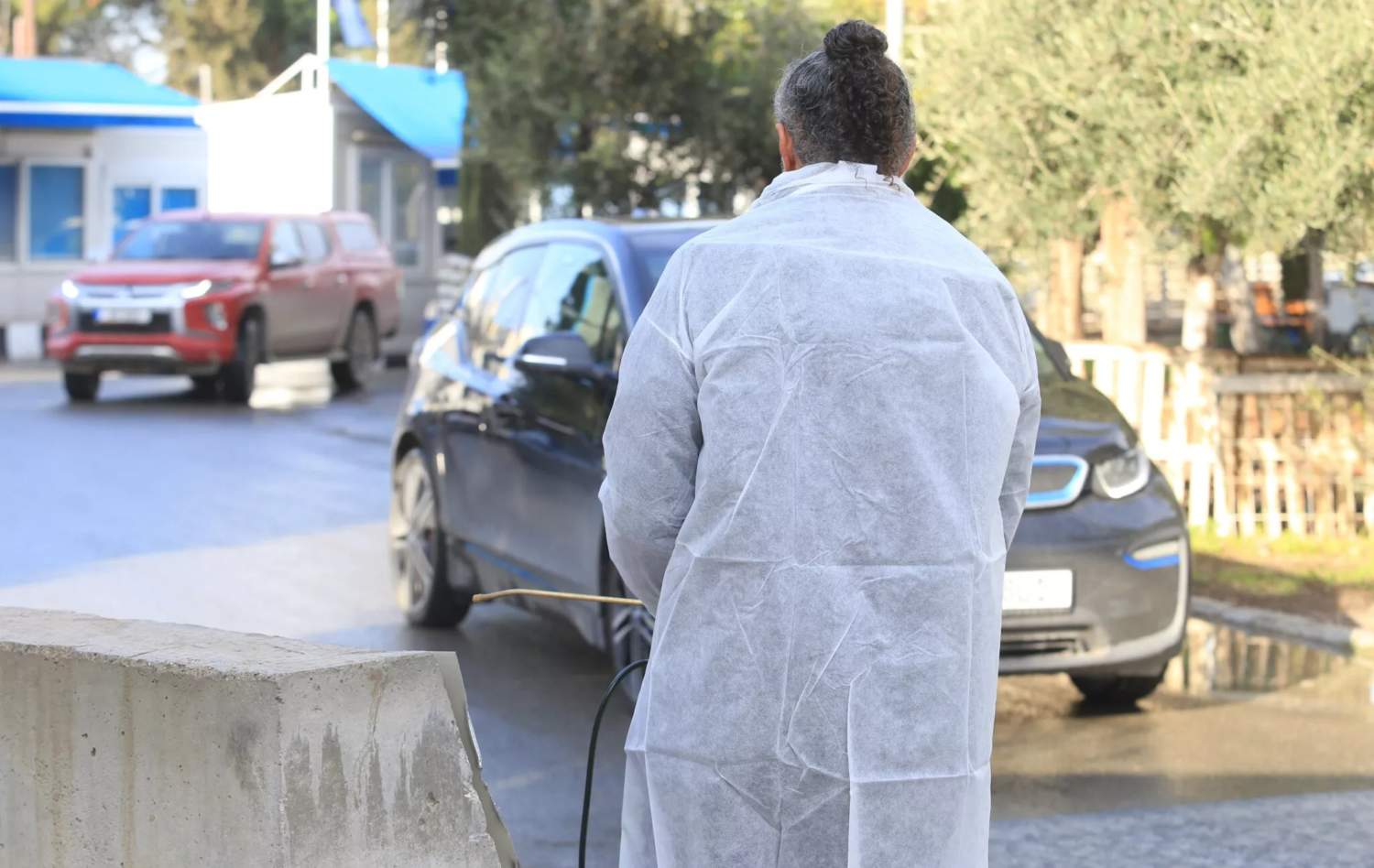
    The recent confirmation of foot-and-mouth cases in the occupied areas has pushed authorities in the Republic of Cyprus to implement extensive control measures. Quarantines, mass vaccinations of animals, and activation of European monitoring mechanisms are now in effect. The Republic’s Veterinary Services have ramped up preventive strategies, which include stringent checks along the Green Line, vehicle disinfections at crossing points, and increased surveillance of livestock units.

    As of now, the situation in the free areas remains stable, with no cases reported. However, officials stress that the risk of transmission persists, necessitating continuous vigilance and strict adherence to biosecurity protocols by both farmers and the general public.

    Preventive Measures and Community Responsibility

    The ongoing threat of foot-and-mouth disease serves as a stark reminder of the delicate balance within Cyprus’s geography. The island’s intense movement of people and livestock highlights the importance of prevention as the most effective ‘vaccine’. Authorities urge everyone to adopt a responsible attitude towards biosecurity, reinforcing the need for cooperation among farmers and citizens alike to safeguard the nation’s livestock and agricultural output.

  • The Disappearing Shepherds of Cyprus

    The Disappearing Shepherds of Cyprus

    The role of shepherds in Cyprus is fading, with fewer individuals embracing the traditional occupation as the modern world encroaches on pastoral life.

    Photo: cyprus-mail.com

    • The role of shepherds in Cyprus is fading, with fewer individuals embracing the traditional occupation as the modern world encroaches on pastoral life.

    Shepherds: Life as a Modern Shepherd

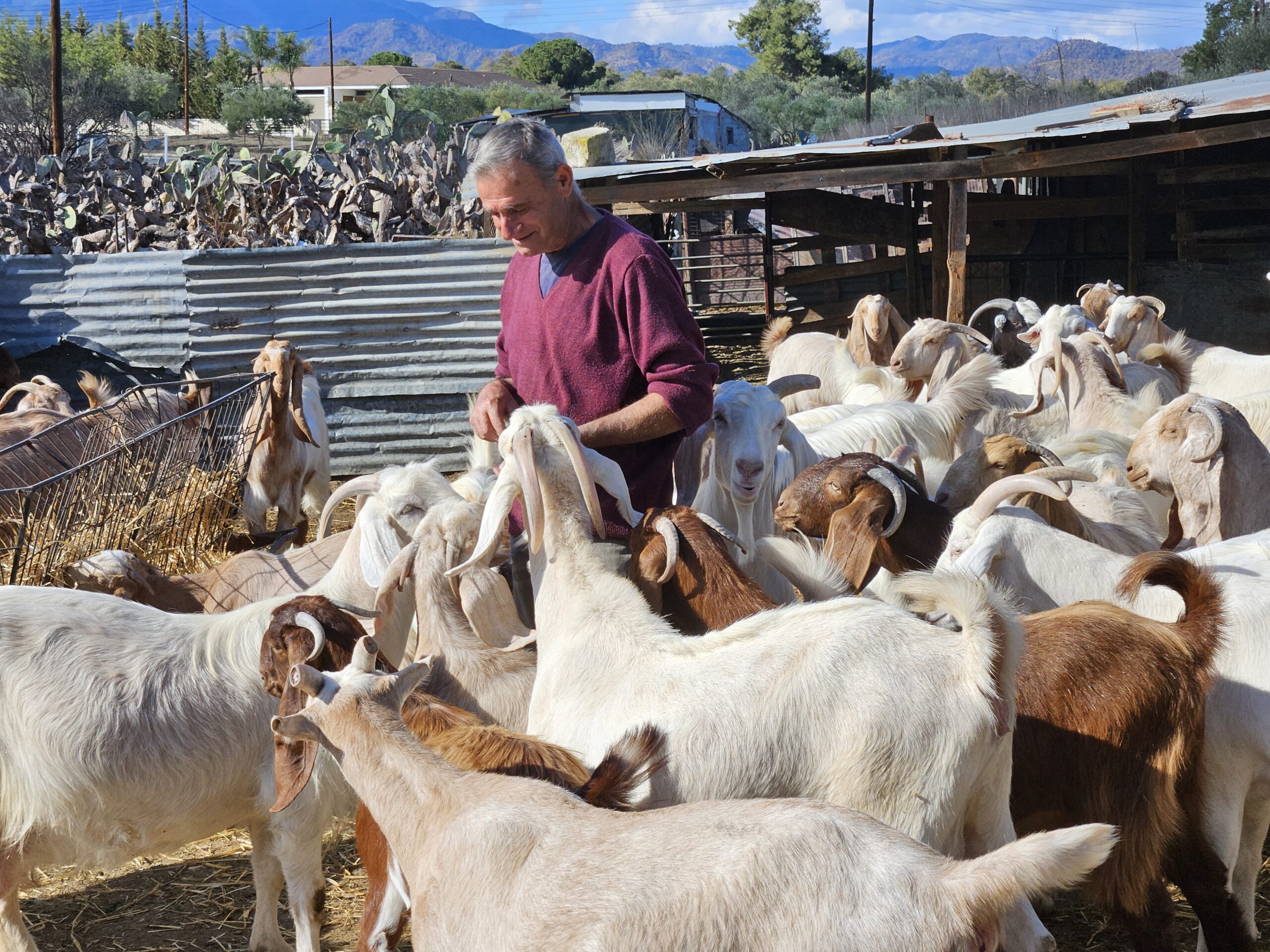
    In the village of Mathiatis, only three shepherds remain dedicated to the age-old practice of watching over their flocks. Among them, George Kasapis stands out, having transitioned from a full-time goatherd to a semi-retired enthusiast. At 66, he reflects on the challenges and joys of his past life, where he supported his family through the rigours of shepherding.

    Photo: cyprus-mail.com

    George’s Journey

    George’s experience as a shepherd was demanding, requiring unwavering commitment every day of the year. “You’re tied to it,” he recalls, explaining how the responsibilities of caring for his animals overshadowed personal and family emergencies. After selling his herd and taking a job with the forestry department, he returned to goat-rearing as a hobby following his retirement three years ago.

    Shepherding in a Changing Landscape

    With the landscape of Cyprus evolving, George now operates from an old enclosure that belonged to his wife’s uncle. His day begins early, involving the production of fresh halloumi before tending to his goats. Despite the challenges, including a recent surgery that left his right arm nearly immobile, he remains agile and spirited, often sharing stories from his time in the fields.

    The Cost of Tradition

    While George enjoys his pastoral life, he acknowledges the financial strain of modern farming regulations. The European Union’s requirements complicate the shepherding landscape, making it difficult for traditional farmers to thrive. Licences and specifications for milking areas and equipment have deterred many from continuing the craft. George laments the decline, stating, “Since we joined the EU, it’s all gone.”

    The Joys of Goat Rearing

    Despite the hurdles, George finds joy in rearing goats. He estimates that a goat costs between €200-250, but he bought ten kids for around €40 each, now nurturing a thriving herd. With December marking the season of births, he anticipates the arrival of new kids, reflecting on the simple pleasures of watching them grow.

    Connections with Animals

    George expresses a profound bond with his goats, asserting their intelligence and emotional capacity. “They love you,” he says, recounting how they acknowledge his care and companionship. His daily routine includes talking to them, feeding them treats, and ensuring their well-being, reinforcing the connection between man and beast.

    A Contrast in Farming Approaches

    Just down the road lies a stark contrast to George’s humble farm—the ultra-modern, EU-funded sheep farm owned by Marios Michael. With 500 sheep and only two staff members, Marios’ operation showcases a mechanised approach to farming. Unlike George, Marios admits he does not take his animals out regularly, preferring to maintain control over their environment to optimise milk production.

    Tradition Versus Technology

    While Marios’ methods reflect efficiency and compliance with modern agricultural practices, George’s approach embodies a connection to traditional shepherding. The mechanised farm may ensure better standards of food safety, yet it also highlights a shift away from the pastoral lifestyle that has defined Cyprus for centuries. George’s memories of leading sheep to slaughter contrast sharply with the sterile environment of Marios’ farm, reminding us of the deep-rooted traditions that are at risk of being lost.

    The Future of Shepherding

    George, despite the financial impracticalities of his work, continues because he loves animals and the life that comes with them. “Where am I going to go?” he muses, acknowledging that his rural existence is a choice shaped by a lifelong connection to nature. As fewer people choose the path of shepherding, the future of this ancient practice hangs in the balance.

  • Agricultural payments — Agricultural Payments in 2025 Total €138.7 Million

    Agricultural payments — Agricultural Payments in 2025 Total €138.7 Million

    Agricultural payments in 2025 reached €138.7 million, marking a significant increase compared to the previous year. This funding, announced by Commissioner Andreas Kyprianou on Friday, includes both state and European grants. Since joining the EU in 2004, the Republic has received a total of €2.3 billion in agricultural payments.

    Agricultural payments: Comparative Analysis of Payments

    In 2024, agricultural payments totalled €118 million, indicating a 20 per cent rise in 2025. This increase reflects heightened investment in the agricultural sector, particularly in efforts to support young farmers and modern practices.

    Investment in Young Farmers

    Commissioner Kyprianou highlighted the growing interest among young people in agriculture and livestock. He noted that the previous programme aimed at young farmers had been fully implemented, with a new initiative currently accepting applications. This focus on youth involvement is seen as crucial for the future sustainability of the sector.

    Financial Support and Recovery Programs

    Kyprianou also addressed the aftermath of a devastating wildfire that affected mountainous Limassol in July. The Agricultural Payments Organisation (Koap) has played a key role in facilitating funding for recovery programmes in the wake of this disaster. The support is part of broader recovery efforts aimed at assisting those impacted by the fire.

    New Investment Measures

    A new package of investment measures has been introduced with a budget of €600 million, set to run until 2026. Under this programme, eligible applicants can receive up to €600,000 per project. This initiative aims to bolster the agricultural sector and encourage further investment in sustainable practices.

    Hectare-Based Funding and Land Applications

    Koap continues to process hectare-based funding applications, which are vital for farmers operating on Turkish Cypriot and unclaimed land. This funding is essential for ensuring that all farmers have access to necessary resources and support.

    Addressing Payment Delays

    During the press conference, Kyprianou was asked about complaints regarding delays in payments. He explained that while the organisation strives to expedite payments, it must adhere to European directives. Payments are typically initiated in December and are expected to be completed by June of the following year, although Cyprus aims to pay out within the first 20 days of the payment window.

    Support for Farmers Affected by Drought

    Kyprianou reported that approximately €15 million has already been disbursed to farmers impacted by drought conditions. Additional payments will be determined by the cabinet, reflecting ongoing efforts to support those affected by adverse weather conditions.

    EU Fund Utilisation

    Cyprus is noted for its efficiency in absorbing European funds under the Common Agricultural Policy, with nearly 100 per cent absorption rates. Kyprianou emphasised the importance of maintaining strict controls to preserve the high ratings that Cyprus receives for the quality of its control processes.

    Looking Ahead

    As the agricultural landscape continues to evolve, the emphasis on youth engagement and recovery from environmental challenges will remain critical. The financial support provided through these payments and initiatives is intended to ensure that the agricultural sector remains resilient and capable of supporting future generations.

  • Nicosia strike: Nicosia Prepares for Major Disruption as Teachers and Farmers Strike

    Nicosia strike: Nicosia Prepares for Major Disruption as Teachers and Farmers Strike

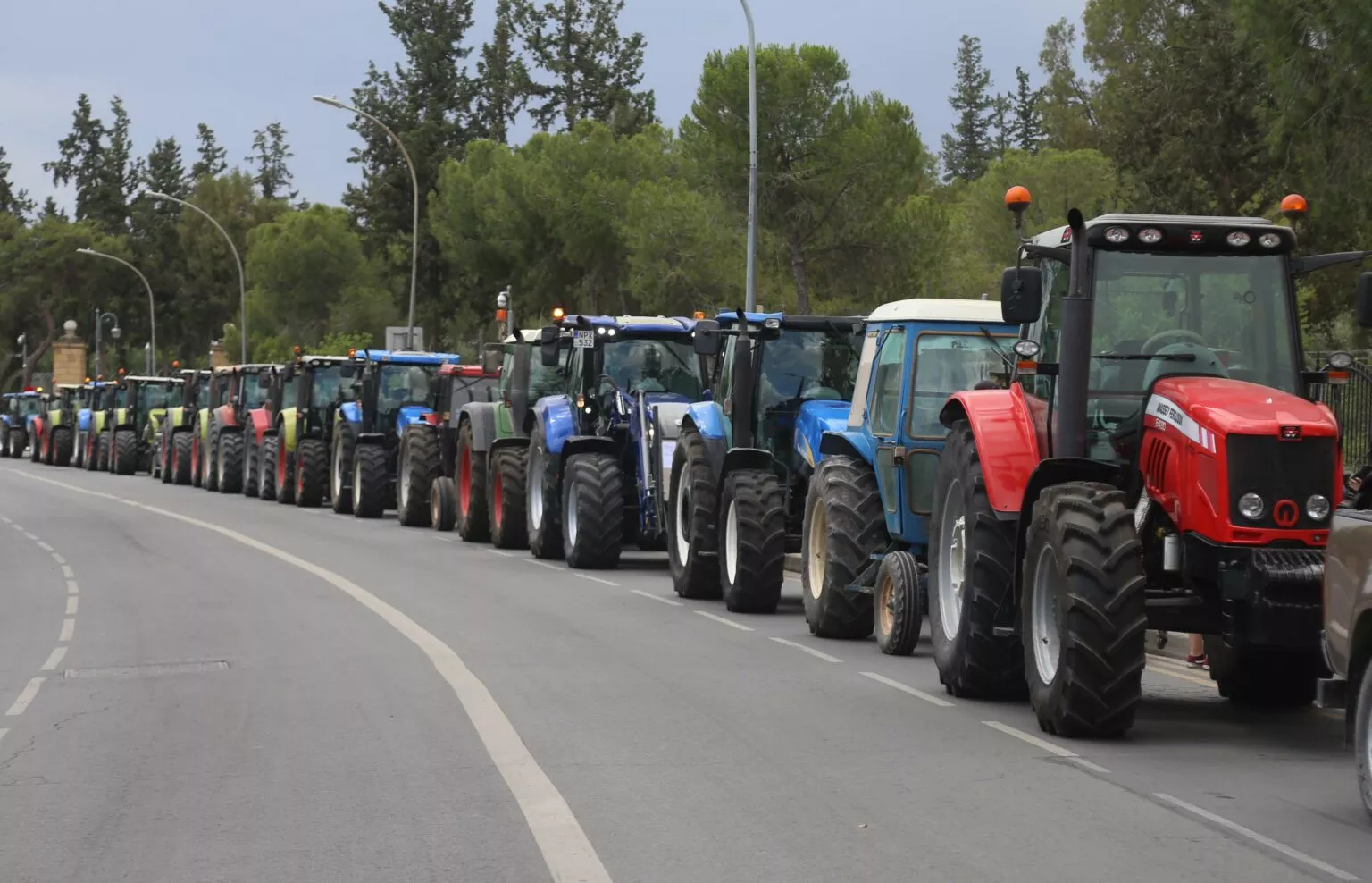
    nicosia strike — nicosia strike — Nicosia is bracing for a day of systemic paralysis on Thursday, 18 December, as a simultaneous strike by public school teachers and a tractor blockade by farmers threaten to cut off the city’s primary arteries.

    The coordinated industrial action represents a direct challenge to the government’s reform agenda. While teachers are striking to block a controversial evaluation bill that critics say invites political favouritism, their move risks the Republic’s access to €60 million in EU Recovery and Resilience Facility funds. Simultaneously, hundreds of farmers are set to converge on the Presidential Palace, protesting “unacceptable” EU agricultural policies that they claim are driving local producers into insolvency.

    Nicosia strike: Commuter Chaos Expected

    The double wave of action is timed to hit during the morning rush hour, with the Ministry of Transport confirming the complete cancellation of school bus services for over 310,000 residents. This will likely lead to chaos on the roads as parents scramble for private transport alternatives.

    Strike Timings and Locations

    Teachers’ unions have scheduled their strike in two phases: the Secondary Strike (OELMEK) runs from 07:30 to 09:00, while the Primary Strike (POED) lasts from 07:30 to 09:05. During this critical period, agricultural convoys from every district will begin their trek to the GSP Stadium and the Jumbo car park in Latsia.

    Convergence Towards the Capital

    By 10:30, these convoys are expected to funnel heavy machinery through Athalassa and Iosif Hadjiosif avenues, aiming for a final standoff at “Europe House” on Lord Byron Street. The convergence of farmers and teachers signifies a significant mobilization against current government policies and highlights the desperation of local producers.

  • Cyprus cows: Cyprus’ Cows Celebrate Heritage in New Documentary

    Cyprus cows: Cyprus’ Cows Celebrate Heritage in New Documentary

    cyprus cows — cyprus cows — Cyprus’ cows take centre stage in a new documentary that highlights their historical significance and current challenges. The film, titled The World Shrinks, premiered earlier this week at the Pantheon Cinema in Nicosia and brings to light the unique role of these animals in Cypriot agriculture and culture.

    Cyprus cows: A Rich Tapestry of History and Science

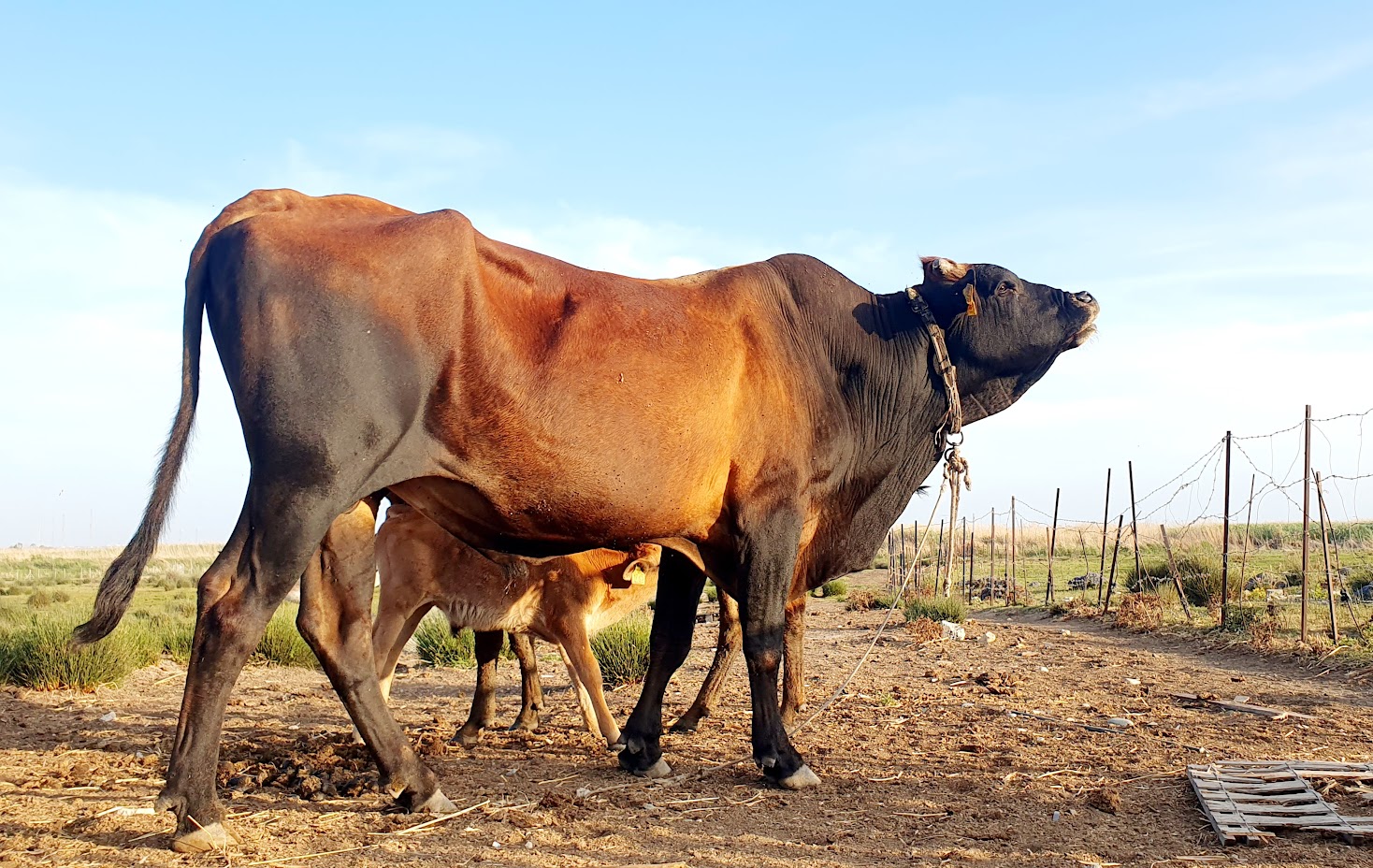
    The documentary delves into the story of the Cypriot cow, a creature that has been integral to farming on the island for centuries. It combines elements of archaeology, history, genetics, and folklore to showcase both well-known and unexpected facets of the cow’s legacy. This multifaceted approach aims to educate viewers on the importance of agricultural biodiversity and the rich heritage these animals represent.

    Voices of Expertise

    Anna Spyrou, a researcher involved in the film’s creation, expressed her fascination with the cows, attributing it to a blend of scientific inquiry and personal narratives from individuals she has met over the years, some of whom have since passed away. “These cows have seen it all,” she remarked, underscoring the deep connection between the animals and the people who have relied on them.

    Dr Efi Snow, representing the agriculture minister, referred to the cows as “a living treasure” of Cyprus. This sentiment was echoed by India’s High Commissioner, Manish Manish, who highlighted the genetic links of the Cypriot breed to Bos indicus, suggesting a surprising connection to Indian cattle.

    Scientific Insights and Cultural Significance

    The documentary is grounded in the Areti research programme, a collaboration involving the Cyprus Institute, the agricultural research institute, and Dublin’s Smurfit Institute of Population Genetics. It features genomic profiling of 10 per cent of the island’s local cows, marking a scientific first for Cyprus. This research provides crucial insights into the breed’s adaptation to the island’s unique climate and terrain.

    Dr Anastasios Leventis from the AG Leventis Foundation noted that the research has resolved many queries regarding this ancient breed, further emphasising their vital role in the rural landscape of Cyprus. Professor Thilo Rehren from the Cyprus Institute added that these cows are not merely livestock; they are interwoven into the very fabric of rural society and deserve robust protection.

    Capturing the Rural Experience

    The film not only presents scientific data but also captures the essence of rural life. Viewers are taken through the daily realities of farming, which involves hard work, dedication, and, at times, the stubbornness of the animals themselves. The documentary aims to foster an appreciation for the labour that goes into maintaining the agricultural heritage of Cyprus.

    The Importance of Preservation

    One of the film’s key messages is the importance of preserving agricultural biodiversity. As farming practices evolve and modernisation takes hold, there is a risk that traditional breeds, like the Cypriot cow, may vanish. This documentary serves as a timely reminder of the need to protect these animals, not just as agricultural assets but as symbols of cultural identity.

    Engaging the Community

    The screening at the Pantheon Cinema was well-received, attracting a diverse audience eager to learn more about the cows that have shaped the island’s agricultural landscape. The film’s engaging narration and visual storytelling have sparked conversations about the future of farming in Cyprus and the role of these animals in it.

    As the documentary gains traction, it is hoped that it will inspire further discussions on sustainable farming practices and the importance of maintaining local breeds. By highlighting the historical and cultural significance of Cyprus’ cows, The World Shrinks aims to instil a sense of pride and responsibility among viewers.

    Looking Ahead

    In an era where many traditional practices are at risk of being lost, documentaries like The World Shrinks play a crucial role in preserving cultural narratives. They remind us of the intrinsic value of our agricultural heritage and the animals that have been by our side throughout history.

    As the conversation around agricultural sustainability continues to evolve, the insights shared through this documentary could serve as a catalyst for renewed interest in protecting not just the cows of Cyprus, but the ecosystems they inhabit.

  • Cyprus Weather Whims Bring Hail and Tornado to the Island

    Cyprus Weather Whims Bring Hail and Tornado to the Island

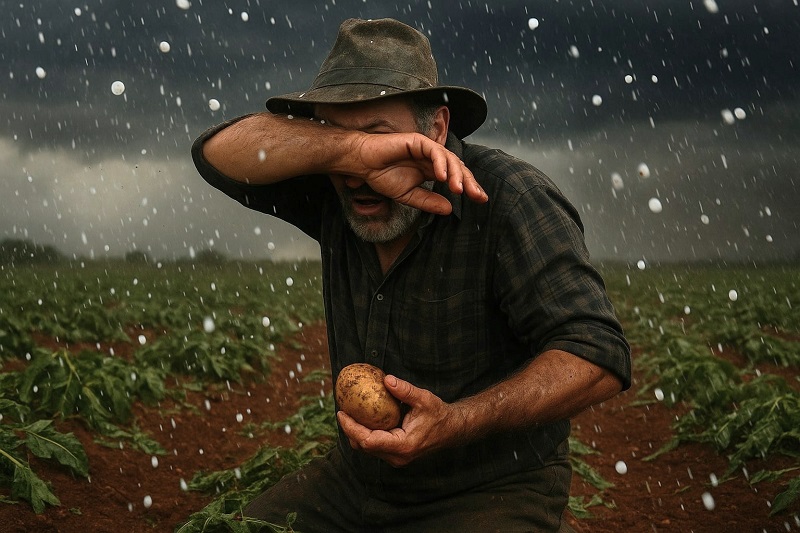
    cyprus weather — Cyprus weather whims have recently led to surprising meteorological events, including hailstorms in Limassol and a tornado in Avgorou. Just last Friday, the idea of hurricanes and hailstones the size of halloumi was playfully suggested, and shortly after, the island experienced these wild weather phenomena.

    Photo: cyprus-mail.com

    Cyprus weather: Unexpected Hail in Limassol

    The hail that fell across Limassol was significant enough to create a white landscape, catching many residents off guard. Reports indicate that the hailstones were quite large, with anything above 2 cm categorised as ‘large hail’. This isn’t the first time large hail has impacted the region; similar events occurred in October 2020 and August 2019, when hailstones of comparable sizes caused visibility issues and crop damage.

    The Impact on Agriculture

    While such weather may seem like a curiosity, it poses real threats to Cyprus’ agricultural sector. Potatoes, a vital export crop, particularly from the ‘red soil’ regions, could face severe damage from hail. As the island’s economy relies heavily on tourism, which accounts for approximately 15-20 per cent of the GDP, the agricultural impact can reverberate throughout the economy. The loss of crops due to unpredictable weather patterns underscores the fragility of the island’s economy.

    Weather Comparisons and Historical Context

    Despite the unusual nature of recent weather events in Cyprus, they pale in comparison to some of the most extreme hail occurrences recorded worldwide. The largest hailstone ever documented measured over 20 cm in diameter, while hail in Bangladesh has caused numerous fatalities. In 1888, India experienced the deadliest hailstorm, resulting in 246 deaths and devastating livestock.

    Current Weather Conditions

    Fortunately, the weather over the weekend has been milder. In Nicosia, temperatures reached a comfortable 23°C on Friday, with partly sunny skies. The forecast indicated a gradual warming trend through Saturday, before cooling slightly to 20°C on Sunday. Monday promises clearer skies with more sunshine.

    Limassol’s weather mirrored this trend, with Friday’s temperature climbing to 26°C. A brief precipitation event resulted in a 9-cm measurement that most likely reflects a data anomaly rather than a significant rain event. As the weekend progresses, temperatures are expected to hover around 21°C on Sunday, rebounding to 23°C on Monday.

    Regional Forecasts

    • Larnaca: Starting under mostly cloudy skies at 25°C on Friday, warming to 26°C on Saturday before dipping to 22°C on Sunday.
    • Paphos: A mix of partly sunny conditions and showers is expected, with temperatures ranging from 21°C on Sunday to 23°C on Monday.
    • Ayia Napa: This region will experience breezy conditions, with sunny spells on Friday and a temperature drop to 20°C on Sunday.
    • Troodos: The mountainous area will feel the chill, with temperatures dropping to near freezing on Saturday, and only reaching 15°C by Monday.

    Looking Ahead

    As the current pleasant weather settles in, indications suggest that more rain is on the horizon. Forecasts predict light showers across most districts on Thursday and Friday, coupled with cooler temperatures and breezier conditions. This upcoming weather shift will require residents to prepare adequately.

    Weekend Weather Tips

    • Savour the calm after a tumultuous week of hail and tornadoes.
    • Utilise Saturday’s sunshine for outdoor activities, as it offers the best weather of the weekend.
    • Be mindful of wind conditions, particularly in coastal areas and the Troodos region.
    • Make the most of Monday’s clear skies, providing a bright start to the week ahead.
    • Prepare for the anticipated rain later in the week, utilising the stable weather to catch up on any outdoor plans.

    As Cyprus navigates these erratic weather patterns, the hope is that the island can find a balance between enjoying the beauty of its climate while also safeguarding its agricultural and economic stability.

  • Paphos wildfire — Paphos Wildfire Under Control, No Need for Third-Country Aircraft

    Paphos wildfire — Paphos Wildfire Under Control, No Need for Third-Country Aircraft

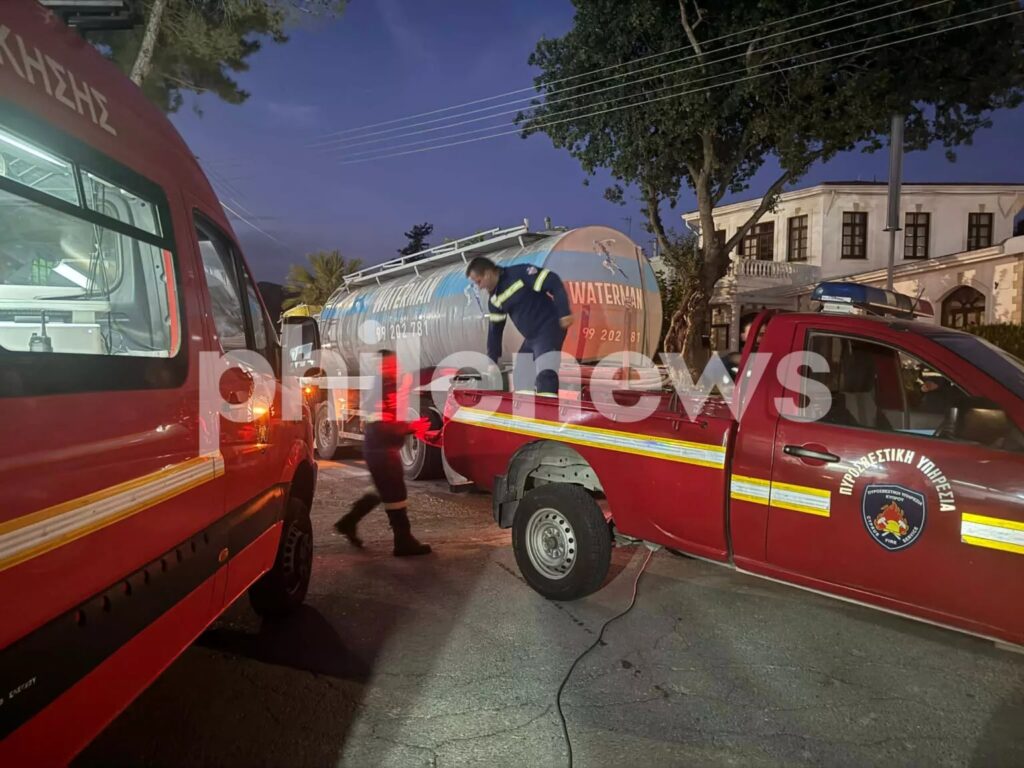
    paphos wildfire — The major wildfire in the Koili, Stroumbi and Akoursos area of Paphos district has been brought under full control, reducing the need for aircraft from third countries.

    Photo: in-cyprus.philenews.com

    • paphos wildfire — The major wildfire in the Koili, Stroumbi and Akoursos area of Paphos district has been brought under full control, reducing the need for aircraft from third countries.
    • Officials announced that, barring any unforeseen complications, there will be no requirement for additional aerial support, as the situation is now manageable.

    Officials announced that, barring any unforeseen complications, there will be no requirement for additional aerial support, as the situation is now manageable.

    Photo: in-cyprus.philenews.com

    Paphos wildfire: On-the-Ground Efforts Make Progress

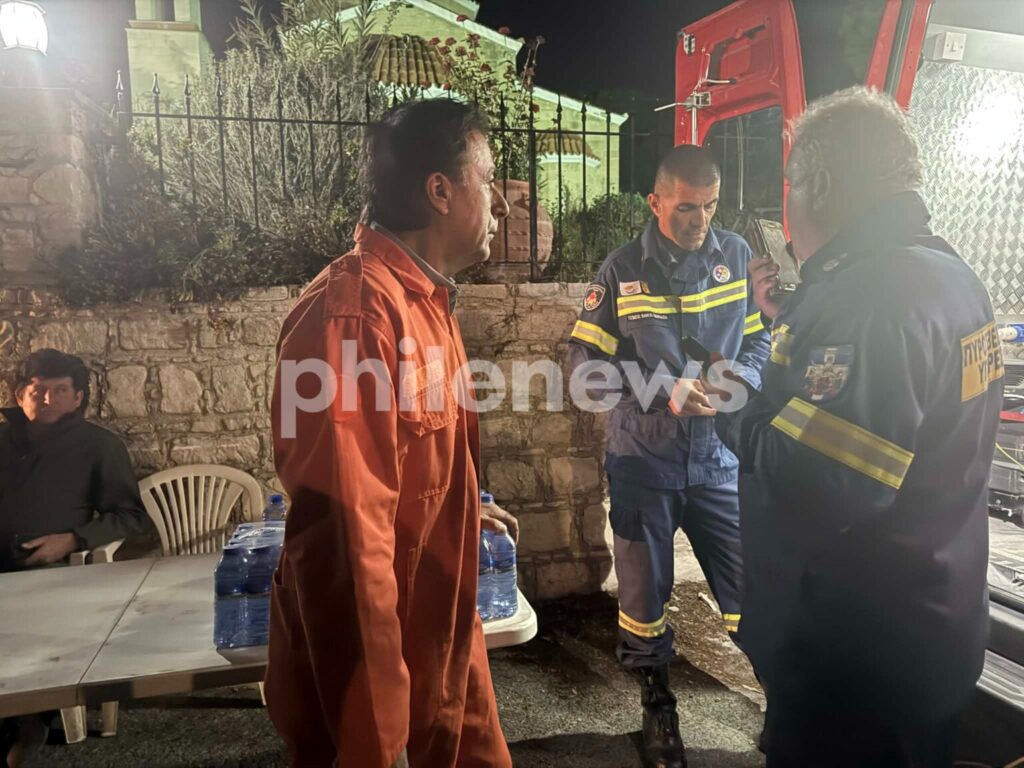
    The director general of the Ministry of Agriculture, Rural Development and Environment visited the affected areas to assess the firefighting operations. He confirmed that robust firefighting forces remained active throughout the night, tirelessly working to extinguish any remaining hotspots.

    Collaboration with Neighbouring Countries

    In light of the progress made, officials have communicated with authorities in Greece, Israel, and Jordan to update them on the situation. While the aircraft from these nations are currently on standby, the local forces are confident in their ability to manage the fire without external assistance.

    Continued Vigilance Required

    Despite the control achieved, seven bulldozers were deployed overnight to assist the firefighters in their efforts, reflecting the seriousness of the situation. The commitment of these teams highlights the ongoing vigilance required to prevent any flare-ups.