Tag: education

  • Cyprusays: The First App Dedicated to Learning Cypriot Greek

    Cyprusays: The First App Dedicated to Learning Cypriot Greek

    Cypriot greek: Revolutionising Language Learning

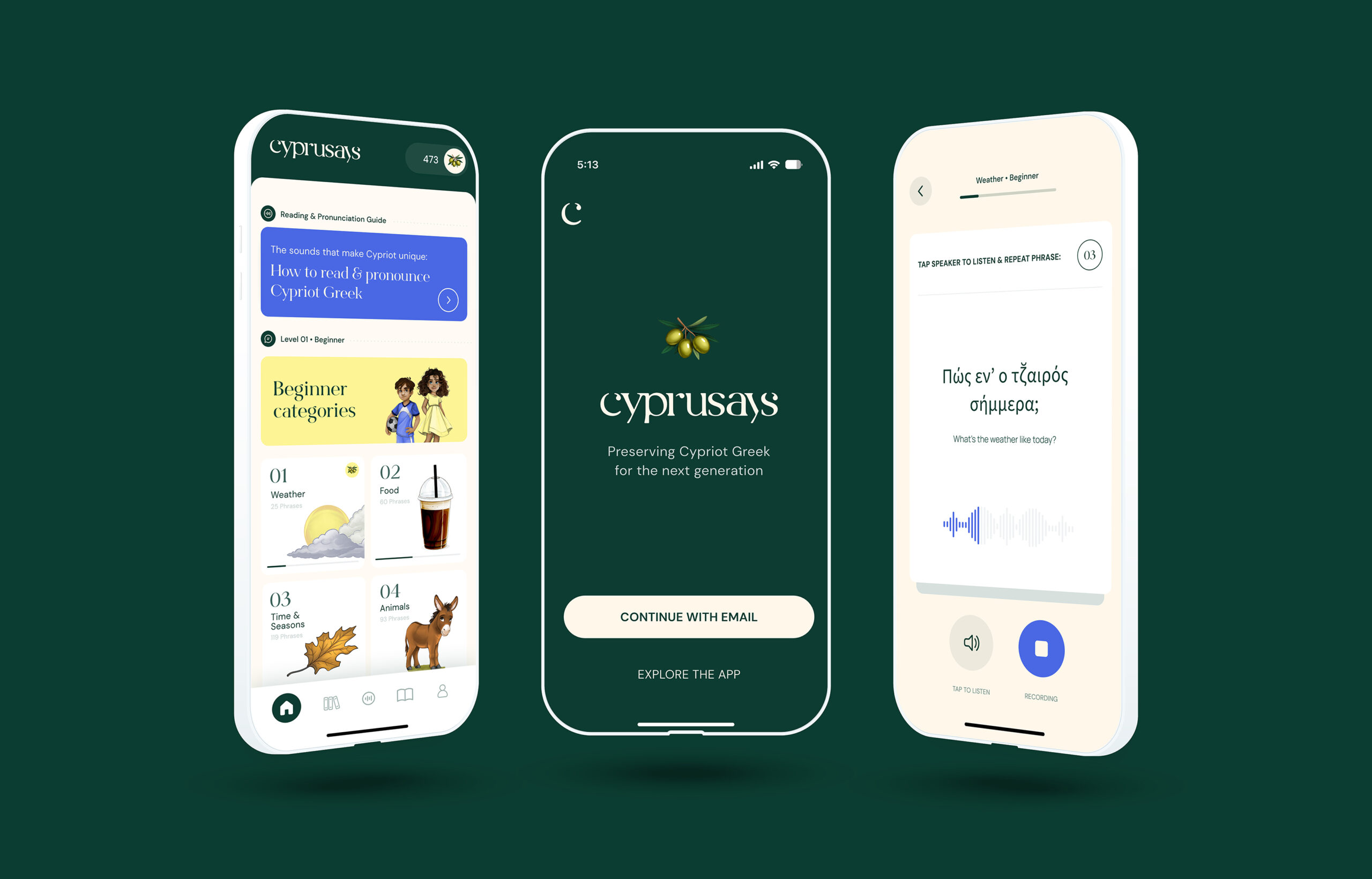
    The first mobile language app dedicated entirely to Cypriot Greek, Cyprusays, was launched on Thursday, providing a unique opportunity for users worldwide to learn and speak this distinctive Mediterranean dialect. This innovative app, founded in Sydney by Australian-born Greek Cypriot Iphigenia (Effie) Athanassiou and her husband Konstantinos (Costas) Athanassiou, aims to be more than just an educational tool; it seeks to celebrate and preserve the rich cultural heritage of the Cypriot community.

    A Personal Mission

    “Cyprusays is more than an app. It’s a tribute to our parents, grandparents and every Cypriot who wants to keep our language alive. It’s about helping the next generation feel proud to speak the way their families do – wherever in the world they call home,” said Effie Athanassiou, reflecting on the personal significance of the project.

    Targeting the Cypriot Diaspora

    Designed primarily for the Cypriot diaspora, the app preserves the dialect’s unique melody through native-speaker recordings. Users can engage with interactive lessons that are rich in idioms and everyday scenarios, fostering a deeper connection to the language. One of the standout features of Cyprusays is its pioneering reading and pronunciation guide for the Cypriot Greek alphabet, a resource that has been previously unavailable to learners.

    A Collaborative Effort

    The development of Cyprusays is the result of a global collaboration involving linguists and researchers from Cyprus, Australia, and the UK. Experts such as Spyros Armostis, Natalia Pavlou, Constantina Fotiou, and Chryso Hadjidemetriou have contributed their knowledge and expertise to ensure that the app meets the needs of learners at all levels.

    Innovative Technology for Language Preservation

    At the heart of the app is an advanced AI speech-recognition system, created by chief data and technology officer Hoang Nguyen. This technology analyses pronunciation with remarkable precision, having been trained on over 50 hours of diverse audio. It is the first technology designed specifically to capture the subtle nuances of Cypriot Greek, marking a significant milestone in the efforts for language preservation.

    Structured Learning Experience

    Cyprusays offers a structured learning experience with its listen-speak-learn lessons mapped to the internationally recognised Common European Framework of Reference for Languages. This structure supports learners at every stage, from curious beginners to advanced speakers looking to refine their skills. The app’s user-friendly interface and engaging content make it accessible to a wide audience.

    Addressing a Language Gap

    According to linguist Professor Spyros Armostis, the launch of Cyprusays addresses a significant gap in language education. “While teaching materials for standard modern Greek have long existed, there used to be no teaching material for Cypriot Greek – so there was no way to learn it,” he noted, highlighting the necessity of such a resource for preserving the dialect.

    Embracing Cultural Heritage

    The launch of Cyprusays is not just about language; it’s about embracing a cultural heritage that is rich and diverse. The app aims to foster a sense of pride among users, encouraging them to connect with their roots and share their language with others. This initiative has the potential to strengthen the bonds within the global Cypriot community, allowing individuals to maintain their linguistic identity no matter where they reside.

    Promoting Community Engagement

    In addition to serving as a learning platform, Cyprusays aims to engage the community through various initiatives. The developers plan to host online events and workshops where users can practice their language skills in real-world contexts, fostering a supportive environment for language learning. This community aspect is crucial for encouraging users to remain motivated and engaged with their learning journey.

    The Future of Cyprusays

    As Cyprusays grows, the team behind the app envisions expanding its features and content. Future updates may include more advanced lessons, cultural insights, and user-generated content, allowing learners to contribute their experiences and knowledge. This adaptability ensures that the app remains relevant and continues to meet the evolving needs of its users.

    A Milestone in Language Preservation

    The launch of Cyprusays represents a significant milestone in the preservation of Cypriot Greek. It stands as a beacon for future generations, illustrating the importance of maintaining linguistic diversity in a rapidly globalising world. By embracing technology and community engagement, Cyprusays is setting a precedent for similar initiatives aimed at preserving endangered languages.

    As users begin their journeys with Cyprusays, they are not only learning a language; they are joining a movement dedicated to preserving a vital part of Cypriot identity. The potential impact of this app could resonate far beyond its initial launch, inspiring similar efforts to promote and protect other lesser-known dialects and languages worldwide.
  • Children in Occupied Cyprus Faint from Hunger Amid Economic Crisis

    Children in Occupied Cyprus Faint from Hunger Amid Economic Crisis

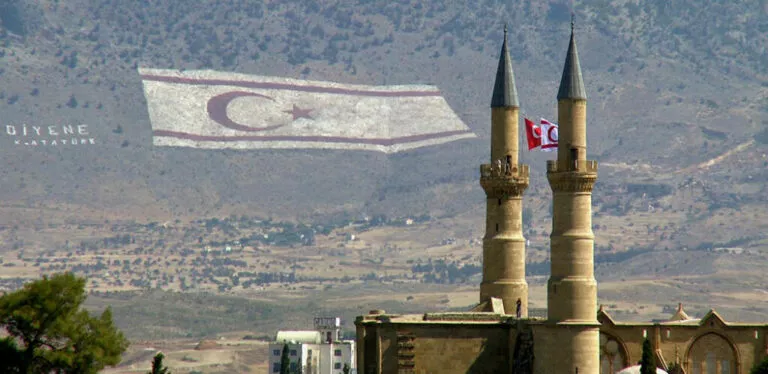
    Children in occupied Cyprus are reportedly fainting from hunger in schools, highlighting a dire situation exacerbated by the ongoing economic crisis and soaring living costs. Cansu N. Nazlı, a member of the “Independence Road” party, brought this alarming issue to light during a recent statement.

    According to Nazlı, the phenomenon has reached a critical point, with many children experiencing severe hunger while attending school. She expressed her deep concern, stating, “There are children (in the occupied territories) who faint in schools from hunger,” and called for urgent measures to address this troubling reality.

    In her appeal, Nazlı emphasised the need for the immediate provision of free meals to all students, asserting that access to healthy nutrition is a fundamental right of every child. She urged the ministry of education to cooperate with the social services agency and local municipalities to implement a comprehensive free meal programme.

    Furthermore, Nazlı highlighted the need to rethink financial allocations within the education system. She proposed the abolition of financial incentives for private schools, suggesting that those resources should be redirected to support public schools. “Ensuring safe and healthy food for children is the duty of the state,” she asserted, stressing the importance of prioritising the needs of students in the public sector.

    The situation has drawn attention from various quarters, with advocates calling for immediate action to prevent further suffering among children in the region. As the economic crisis continues, the plight of these vulnerable students raises critical questions about the responsibilities of authorities in ensuring their well-being.

  • History Teachers Explore New Neolithic Settlement Site ‘Nisia’

    History Teachers Explore New Neolithic Settlement Site ‘Nisia’

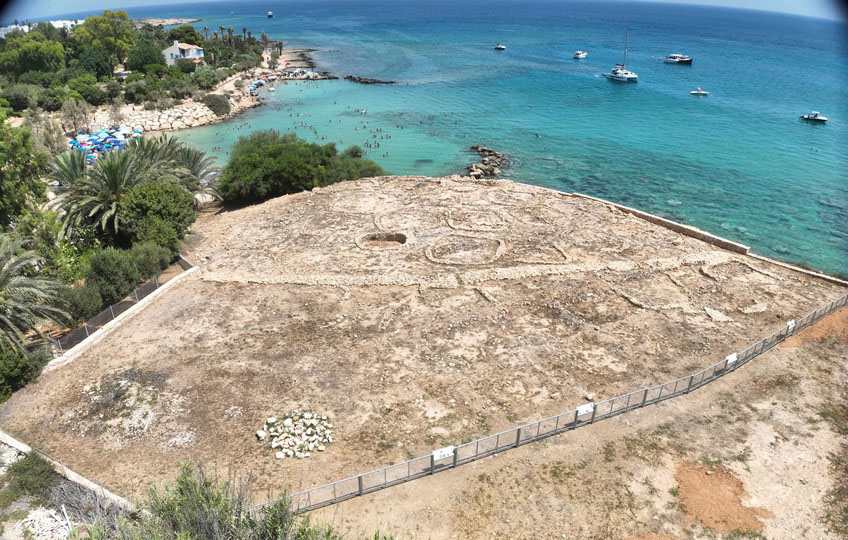
    More than 100 secondary school history teachers toured the newly opened Neolithic settlement site “Nisia” near Protaras in Paralimni-Dherynia on Saturday, enhancing their professional training.

    • More than 100 secondary school history teachers toured the newly opened Neolithic settlement site “Nisia” near Protaras in Paralimni-Dherynia on Saturday, enhancing their professional training.

    The event, organised by the secondary education history curriculum team of the education ministry in collaboration with the department of antiquities and local schools, provided 105 educators with an opportunity to explore the site excavated on a hill overlooking Vyzakia beach. This location features informational displays with visual materials that vividly illustrate life in the Neolithic village and highlight recent archaeological discoveries.

    The tour was led by Dr Anna Satraki, an officer from the department of antiquities. Following the exploration, participants engaged in a discussion and presentation at Paralimni lyceum, which focused on new archaeological data related to excavations, museums, and upcoming exhibition spaces. Special mention was made of a new archaeological museum planned for construction in Nicosia.

    Mayor Giorgos Nikolettou of Paralimni-Dherynia attended the event and praised the collaboration between the ministry, the antiquities department, and the history curriculum team. He reiterated the municipality’s commitment to promoting the region’s rich heritage sites.

    The organising committee comprised notable members of the inspectorate for philological subjects including Dr Antonia Loizou, Dr Angelos Chrysostomou, and history advisors like Dr Panagiotis Proikakis, Mrs Andri Charalambous Zeniou, Dr Panagiotis Tofis, and Dr Andriani Georgiou, all contributing to the success of this educational initiative.

  • Nicosia primary — Nicosia Primary School Closed After Electrical Fault Affects 144 Pupils

    Nicosia primary — Nicosia Primary School Closed After Electrical Fault Affects 144 Pupils

    nicosia primary — nicosia primary — A primary school in Nicosia has remained closed for several days after an electrical fault caused a power outage, forcing 144 pupils to relocate to temporary venues across the capital. Agios Antonios primary school has been shut since Friday following electrical problems that first emerged last Thursday.

    The Nicosia School Board has arranged alternative accommodation for pupils whilst repairs continue. School Board president Nikos Megalemos told Philenews that problems began last Wednesday when “devices were emitting smoke.”

    Initial electrical inspections found no faults, but the issue persisted on Thursday, prompting comprehensive facility checks. “For safety reasons, we had to cut the power supply and begin repairing the problems,” Megalemos said. Both the Electricity Authority of Cyprus (EAC) and the Electromechanical Services Department were notified.

    The school has remained closed from Friday through Wednesday, requiring a final EAC inspection before reopening. During the closure, pupils have been accommodated at various locations across Nicosia. Students attended an excursion on Friday and were hosted at Eleneio school on Monday. Tuesday’s lessons took place at the Athalassa Environmental Study Centre, which also hosted classes today. One class was relocated to Severeio library due to space constraints.

    Preventive electrical repairs have included replacing intermediate power switches, fuses and the main distribution panel. LED lights are replacing old fluorescent fixtures from Monday onwards. “We are preparing new electrical installation plans that will be sent to EAC within the day so they can proceed with the inspection,” Megalemos said, targeting Thursday’s reopening.

    EAC spokeswoman Christina Papadopoulou confirmed to Philenews that the authority awaits the plans and will conduct immediate inspections upon receipt. “We are available to them even today,” she said.

  • School walkouts: Teens Stage Walkouts Over School Conditions, Nationwide Action Planned

    School walkouts: Teens Stage Walkouts Over School Conditions, Nationwide Action Planned

    school walkouts — school walkouts — Students at Polis Chrysochous gymnasium and Kykoss A lyceum in Nicosia have staged walkouts in protest of unbearable classroom conditions, caused by broken fans and malfunctioning air conditioning units. The teens expressed their frustration on Friday at 10am, with the students’ association Psem asserting that they are “not second-class pupils” and deserve better facilities.

    Reports from television channel Alpha indicate that complaints about the state of schools are frequent, with many students and teachers in the Paphos district describing the situation as “unbearable.” One spokesperson highlighted that although air conditioning units have been installed, the electrical systems in many schools are inadequate, unable to handle the load required to operate them effectively. This has led to issues where turning on the units trips the fuse switch, leaving classrooms excessively hot.

    Psem has announced plans for a nationwide walkout on Monday, highlighting that in numerous schools, not only are the air conditioning units ineffective, but the fans that previously provided relief have also been removed. “Instead of taking two steps forward regarding the conditions of our education, we have taken two steps back,” the association lamented. They further noted that the infrastructure in many schools is in dire straits, with reports of frequent power outages and even plaster falling from classroom ceilings. The association stressed that it is fortunate that no injuries have yet occurred among students or staff.

    The Ministry of Education has responded to the planned walkout, characterising it as “truly surprising and puzzling.” They pointed out that for the first time, the government has committed to installing and operating air conditioning units in all schools at every level. The ministry expressed that it is unthinkable to continue the outdated policies of the past that deprived students of basic wellbeing.

    In their statement, the ministry cautioned that the upcoming walkout could negatively impact students themselves, emphasising the need for collaboration between pupils, parents, and teachers to ensure that the necessary improvements can be carried out smoothly. They reassured that their doors remain open for discussions on any concerns.

    This wave of protests follows a similar incident earlier in the week, where students at Makarios III high school in Larnaca staged a one-hour sit-in to protest ongoing power outages linked to their school’s outdated electrical system. Students and parents there reported that the issues stemmed from an inability of the existing infrastructure to support modern demands, resulting in classrooms that are often unbearably hot and without proper airflow.

  • University of — University of Cyprus Welcomes 1,350 New Students for the Academic Year

    University of — University of Cyprus Welcomes 1,350 New Students for the Academic Year

    university of — The University of Cyprus has officially welcomed 1,350 new students, marking the start of an exciting academic year. Kleanthis Pissarides, the university’s deputy director of academic affairs, shared this news with the Cyprus News Agency on Wednesday.

    • However, he added that the university provides various benefits to students who meet specific socioeconomic criteria, striving to support them as much as possible.

    This year, the university boasts a total of 5,500 undergraduate students, alongside approximately 1,500 to 2,000 postgraduate students embarking on their studies. The academic year commenced on Monday, and Pissarides noted that everything is running smoothly.

    University of: Admission Through Pancyprian Examinations

    Pissarides highlighted that the majority of new students secured their places through the competitive Pancyprian examinations. He expressed his congratulations to the first-year students for their hard work and dedication in achieving this milestone.

    New Facilities for Enhanced Learning

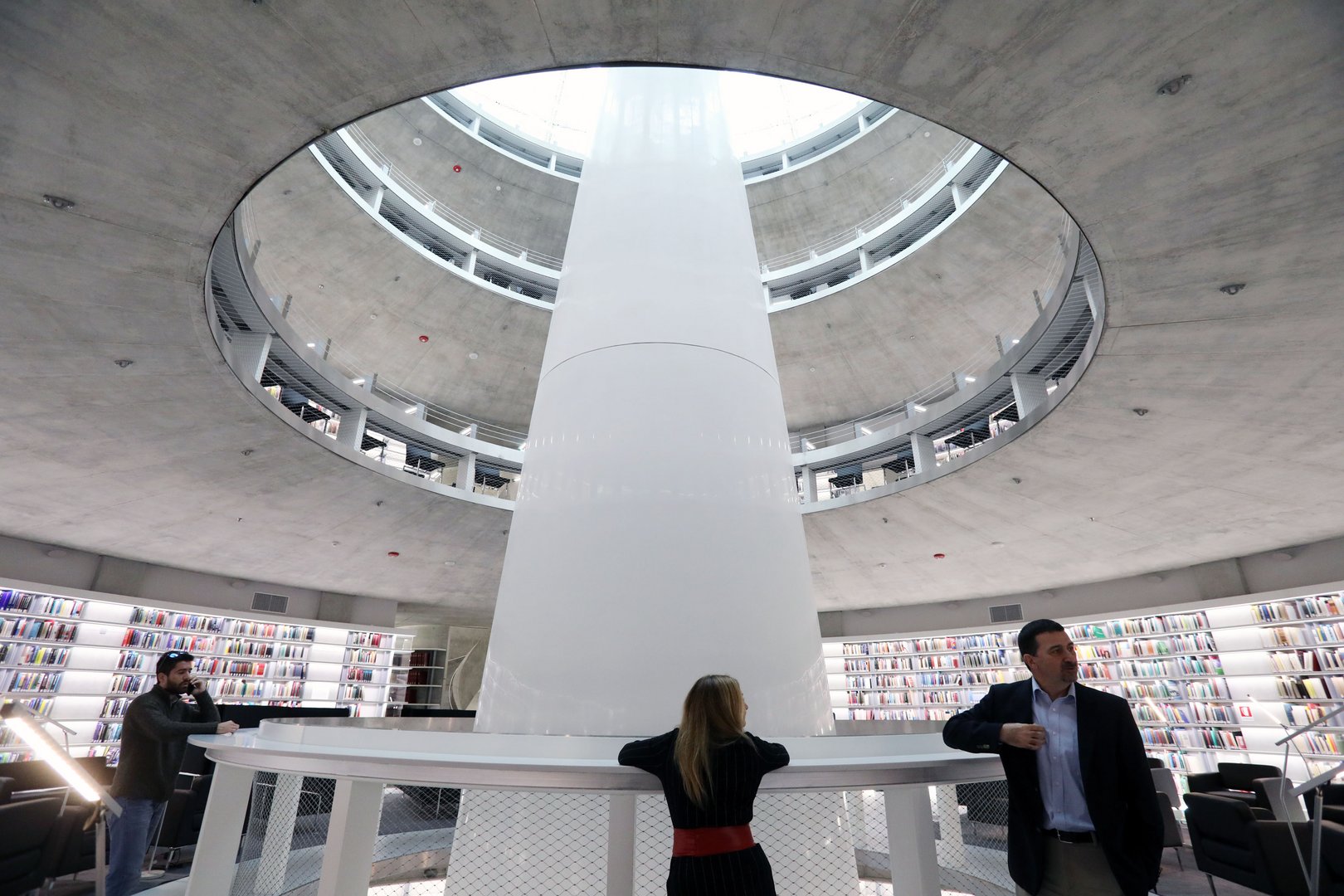
    This September, the university inaugurated new teaching buildings under the Faculty of Engineering, which have become operational. These facilities are designed to enhance the educational experience for students and provide them with modern resources.

    Housing Arrangements for Students

    Regarding student accommodation, all 208 university dormitory rooms have been filled. Pissarides mentioned that students typically secure their housing through personal arrangements, as the university does not offer subsidies for accommodation.

    However, he added that the university provides various benefits to students who meet specific socioeconomic criteria, striving to support them as much as possible.

    Encouragement for Student Engagement

    Pissarides encouraged new students to not only focus on their academic pursuits but also to take advantage of the opportunities available to them. He urged them to meet new people and develop skills beyond academic knowledge, which are crucial for personal development.

    “Students must continue putting the same effort throughout their studies in order to successfully complete their programmes,” he said, emphasising the importance of perseverance and engagement during their university journey.

  • Primary school — Over 50,000 Primary School Children Begin New Academic Year

    Primary school — Over 50,000 Primary School Children Begin New Academic Year

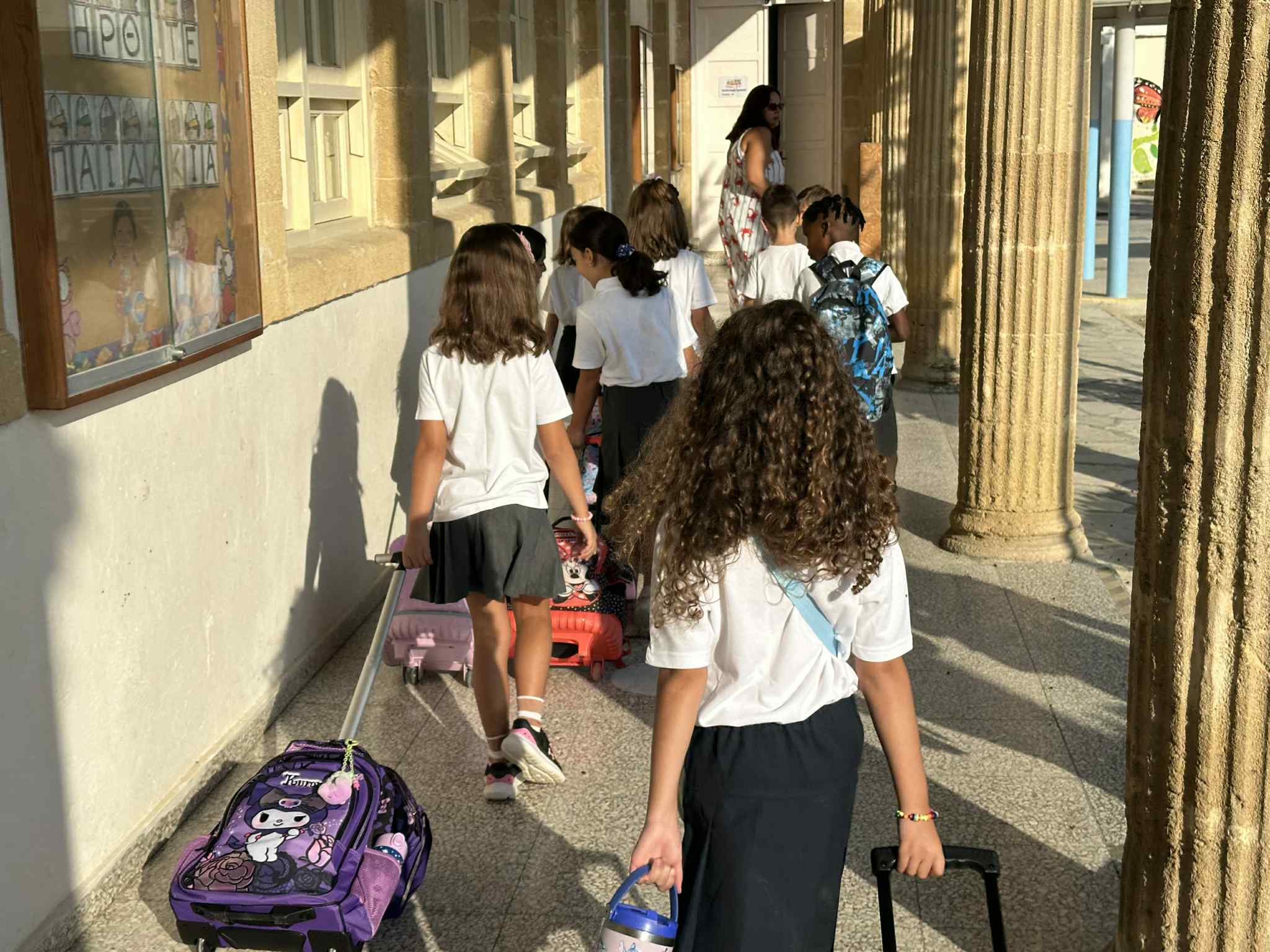
    Over 50,000 primary school children have returned to classrooms this week, signalling the start of the new academic year across the island. On Monday, primary schools reopened following the summer holidays, welcoming a total of 51,950 children enrolled this year. Alongside them, 13,117 children are attending nursery schools, with a dedicated workforce of 7,557 teachers ready to educate them.

    Photo: cyprus-mail.com

    Primary school: Investment in Education and Infrastructure

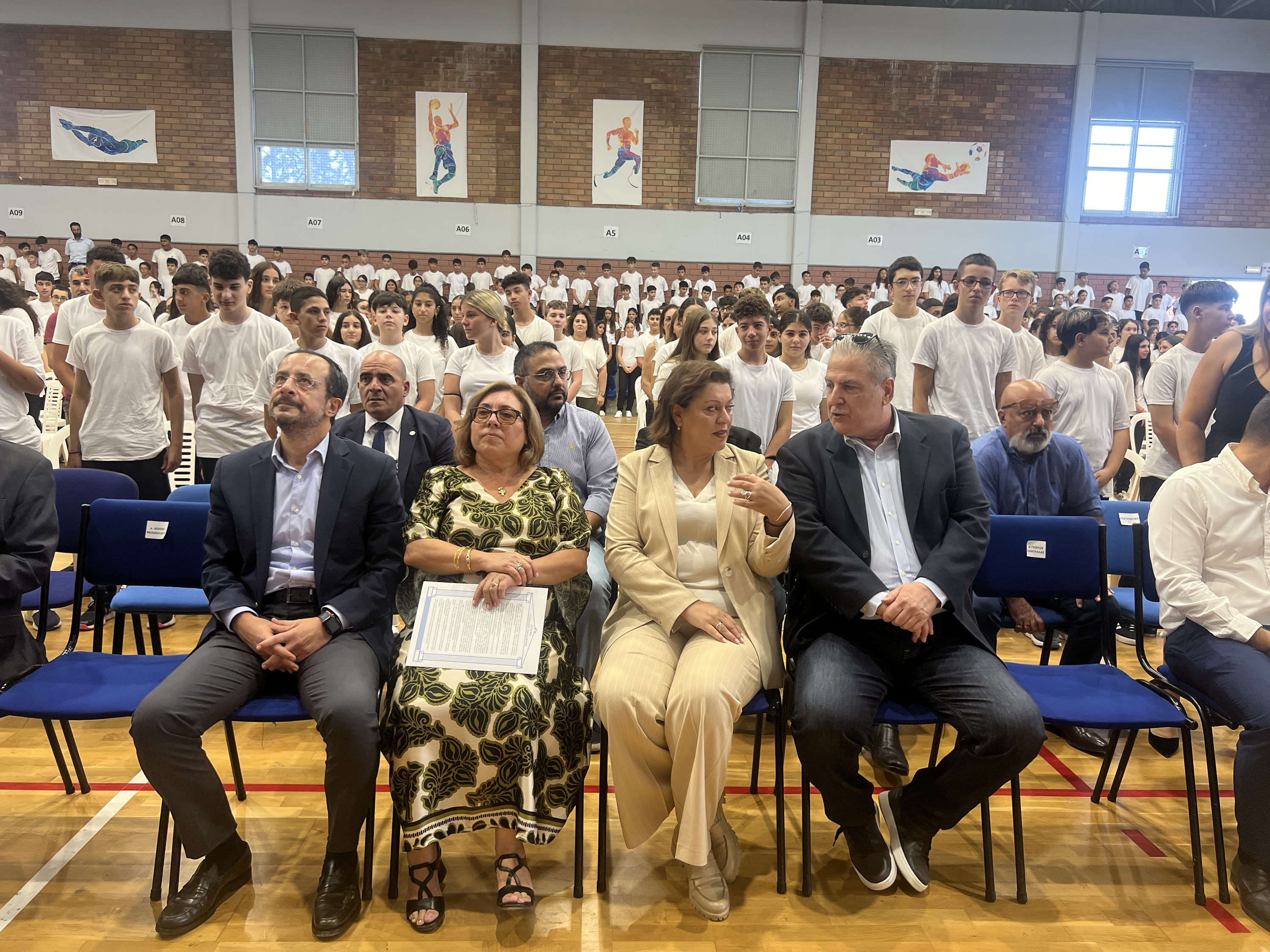
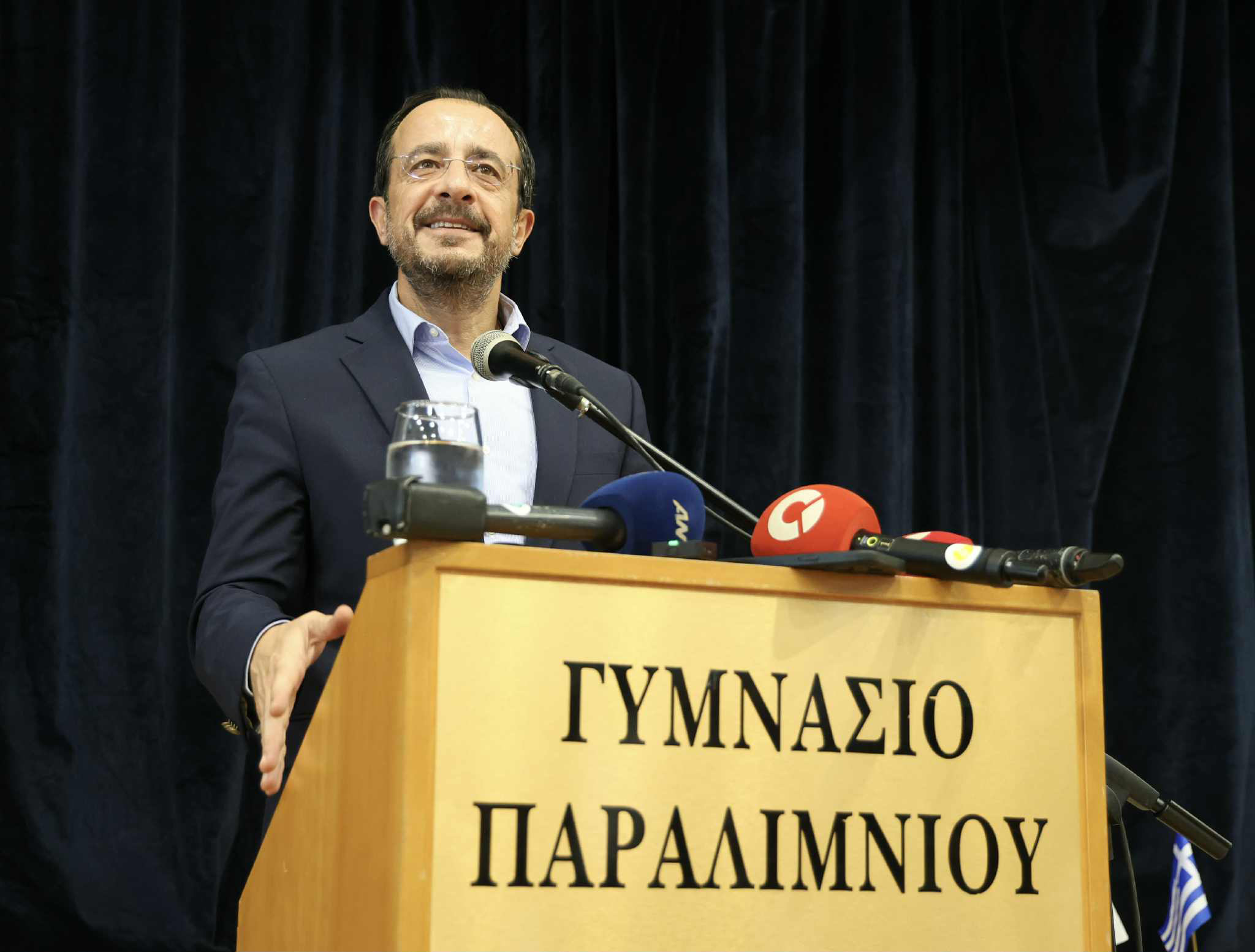
    The return to school was marked by a special visit from President Nikos Christodoulides, who attended the Paralimni middle school. This visit coincides with the full reopening of middle and high schools, which commenced their academic year on the preceding Friday. During his visit, President Christodoulides highlighted the importance of education, making a particular mention of the smallest school on the island located in the village of Kampos.

    Photo: cyprus-mail.com

    Highlighting Kampos School

    Kampos, a remote village nestled in the north of the Paphos forest, faces unique educational challenges. President Christodoulides noted that the school there serves just two children, a situation that typically would not justify the operation of a primary school according to existing laws. However, the government has decided to allow the school to remain open for another year to ensure these children have equal educational opportunities.

    “We decided that these two children should have the same rights and the same opportunities as the children of their age who are in Strovolos, in Nicosia,” he stated, emphasising the government’s commitment to education for every child, regardless of their location.

    School Upgrades and Future Plans

    During his address, the President also discussed significant investments made in educational infrastructure, announcing that €5.5 million has been allocated to upgrade the Paralimni middle school. Furthermore, plans are underway to construct a new athletics school in the area, projected to cost around €15 million. Contracts for this project are expected to be signed on the same day as his visit.

    Improvements in School Facilities

    A key topic of interest during the President’s visit was the ongoing issue of air conditioning in schools. Currently, 45 per cent of schools are equipped with air conditioning, and the government has set an ambitious goal to ensure that all schools will have this essential facility by 2028.

    Special Educational Needs Support

    In addition to regular primary and nursery schools, there are nine special schools and 145 special units dedicated to supporting children with special educational needs. This framework is part of the government’s broader strategy to provide inclusive education for all children, recognising the diverse needs of the student population.

    Community Engagement and Educational Initiatives

    The President’s engagement with local communities, such as his visit to Milikouri, reflects a commitment to understanding the educational landscape across various regions. These visits serve to foster relationships between the government and local communities, ensuring that educational policies are responsive to the needs of all students.

    Looking Ahead to the Academic Year

    This new school year promises to be filled with opportunities and challenges as educators, parents, and students adapt to ongoing changes in the educational environment. The commitment demonstrated by the government through investments and policy decisions aims to enhance the quality of education throughout the island.

    As schools across the island embark on this new academic journey, the focus will remain on providing equitable access to education, improving facilities, and ensuring that every child has the opportunity to succeed.

  • International students — Cyprus Ranks Third in EU for International Students

    International students — Cyprus Ranks Third in EU for International Students

    Cyprus has emerged as a leading destination for international students, ranking third among EU member states with nearly one in four university students hailing from abroad, according to Eurostat data released on Friday.

    Prominent Statistics Highlighting Cyprus’ Appeal

    In 2023, Cyprus welcomed a significant number of international students, with the figure standing at 22.3% of its total tertiary education enrolment. This statistic is a testament to the country’s growing reputation as an attractive locale for higher education.

    Across the EU, the total number of foreign students engaged in tertiary-level studies reached 1.76 million, making up 8.4% of all students. These numbers reflect a broader trend towards the internationalisation of higher education across Europe.

    Leading EU Nations in International Student Enrolment

    Luxembourg leads the EU with a remarkable 52.3% of its tertiary students coming from foreign countries, making it the most internationalised higher education system in the bloc. Malta follows closely with 29.6%, while Cyprus occupies a commendable third place.

    This trend contrasts sharply with Greece, Croatia, and Spain, which reported much lower percentages of international students, at 3%, 3.7%, and 4.3% respectively. This disparity highlights Cyprus’s unique positioning within the region.

    Origin of International Students in Europe

    The majority of foreign students in EU universities come from within Europe. Slovakia boasts the highest percentage of European students at 91.3%, followed by Slovenia at 89.4% and Croatia at 89%. This indicates strong intra-European mobility among students.

    In contrast, students from Asia dominate in countries like Ireland, Finland, and Germany, with notable percentages of 45%, 43.35%, and 40.1% respectively. This diverse influx enriches the cultural fabric of educational institutions across the continent.

    Regional Trends in International Student Demographics

    France and Portugal present interesting statistics as well, with more than half of the foreign students in France (52.3%) originating from Africa. Similarly, Africa also constitutes the largest group of foreign students in Portugal, at 42.1%. This trend signifies the growing educational connections between these regions.

    Spain shows a different demographic, with a substantial 46.7% of its foreign tertiary students coming from the Caribbean, Central, and South America. This highlights the varied international student landscapes across Europe.

    Cyprus’ Growing Reputation

    The data signifies a notable shift towards the internationalisation of Cypriot universities, making them appealing to foreign students seeking quality education in a diverse environment. The Cypriot education system’s capacity to attract such a significant proportion of international students is indicative of its strengths and the efforts made to enhance its global outreach.

  • Paphos Mayor Alleges African Degree Scandal Involving Local Universities

    Paphos Mayor Alleges African Degree Scandal Involving Local Universities

    degree scandal — degree scandal — Paphos mayor Phedonas Phedonos has raised serious concerns about the legitimacy of online university courses, claiming that degrees are being purchased by the thousands across Africa without students attending the associated programmes. His remarks have sparked a response from higher education officials, demanding accountability.

    • The discussions around this issue underscore a critical juncture for the educational landscape in Cyprus, where the integrity of its universities will be under scrutiny.

    Degree scandal: Escalating Allegations

    Speaking on a podcast with MEP Fidias Panayiotou, Phedonos asserted that certain universities in Cyprus are distributing a significant number of degrees to students in Africa. He warned that this emerging scandal could soon attract international media attention, stating, “We will be in foreign media and it will say that we sold a thousand or two thousand degrees in Africa.”

    Calls for Transparency

    The University of Cyprus rector, Tasos Christofides, responded swiftly to Phedonos’ statements, urging the mayor to disclose the names of the implicated universities. Christofides described the mayor’s claims as “very serious” and expressed concern over the potential damage to the country’s educational reputation. He insisted that the integrity of degrees earned by diligent students must be preserved.

    Demands for Investigation

    Christofides further called on authorities to investigate the allegations thoroughly. He stated, “I call on the dear mayor of Paphos to name the universities operating in this way so that no shadows are cast over the validity of the degrees students obtain with great effort and sacrifice.” His appeal highlights the urgent need for transparency and accountability in the education sector.

    Potential Implications

    The implications of these allegations are significant, not only for the universities involved but also for the broader perception of Cypriot higher education. As the potential scandal unfolds, it raises questions about regulatory oversight and the quality of online education offerings.

    A Growing Concern

    The issue of degree mills and the sale of fraudulent qualifications is not new, but the scale suggested by Phedonos could point to a troubling trend. With online education continuing to expand, ensuring the credibility of such programmes is paramount for maintaining trust in academic qualifications.

    The discussions around this issue underscore a critical juncture for the educational landscape in Cyprus, where the integrity of its universities will be under scrutiny.

  • Charity Drive for School Supplies Launched to Support Needy Children

    Charity Drive for School Supplies Launched to Support Needy Children

    The charity drive for school supplies has commenced, organised by the municipalities of Nicosia, Paphos, and Akamas, aiming to alleviate the financial strain on families preparing for the new academic year.

    Charity drive: Campaign Launch and Objectives

    Announced on Thursday, the campaigns seek to gather both new and used school essentials, responding to the escalating costs of educational materials. This initiative reflects a growing concern for families who often struggle to provide necessary items for their children as schools reopen.

    Community Participation Encouraged

    Residents are invited to contribute by donating school supplies in excellent condition, which include items such as backpacks, pencil cases, and stationery. These contributions will be instrumental in helping families who may otherwise find it challenging to afford these essentials.

    Focused Support for Vulnerable Families

    Marinos Lambrou, the Mayor of Akamas, highlighted the importance of this initiative, stating, “There are approximately 15 families who receive coupons to purchase essential school supplies, and this initiative aims to address their financial burdens.” His remarks underscore the targeted support for families facing economic hardship.

    Continuing the Tradition of Giving

    This year’s campaign builds on previous efforts; Mariella Theophanous, chairwoman of Paphos’ social welfare committee, noted that last year’s initiative included the collection of used winter jackets. “A meeting will take place after the holidays to discuss support for primary students in need,” Theophanous confirmed, indicating a commitment to ongoing assistance for local families.

    Collection Details and Locations

    The charity drive began on Wednesday and will run until August 27, excluding weekends, with collection hours from 8.30 am to 2.30 pm. Various locations across Nicosia have been designated for donations:

    • Nicosia: Old Pallouriotissa market, 7 Agios Andreou Street, 1048.
    • Aglandjia: Former Aglandjia Town Hall, 8 Aikaterini Kornaro Street, 2108.
    • Engomi: 42 Kyriakou Matsi Avenue, 2409.
    • Ayios Dhometios: Former Youth Information Centre, 20 Ayios Georgios Street, 2369.
    • Within Nicosia walls: Nicosia Town Hall, 11 Eptanisou Street, 1016.

    These venues provide accessible drop-off points for community members eager to participate in the drive and support their fellow citizens.

    How to Get Involved

    For those wishing to contribute, the municipalities encourage donations of any usable school supplies. Interested parties can also reach out for further information by calling 22797000, ensuring that everyone can play a part in this meaningful cause.

    Significance of the Initiative

    This charity drive for school supplies is not just about material contributions; it represents a community coming together to support its most vulnerable members. As the new school year approaches, the pressures felt by families can be immense. Initiatives like these serve to lighten the load, ensuring that children start their academic journeys equipped not just with the necessary tools but also with the knowledge that their community cares.

    As participation grows, so too will the impact of this charitable effort, creating a positive ripple effect throughout the community. The hope is that this drive will not only ease financial burdens but also foster a sense of solidarity and support among residents.