Tag: European Union

  • Can a National Climate Law Drive Change in Cyprus?

    Can a National Climate Law Drive Change in Cyprus?

    The question of whether a law can bring about change is particularly pertinent in the context of the climate crisis, which has become an undeniable reality. Its impacts are severe and far-reaching, affecting health, environment, and social structures globally.

    Photo: cyprus-mail.com

    Extreme weather events, such as prolonged droughts, heatwaves, and megafires, are now commonplace. These phenomena not only threaten biodiversity but also contribute to rising health issues, including heatstroke and respiratory problems linked to increased air pollution. The phenomenon of ‘climate refugees’ is becoming more prevalent, as communities are forced to migrate due to environmental degradation.

    National climate: A Call for Holistic Climate Action

    Cyprus, an island nation particularly vulnerable to climate change, stands at a crossroads. To effectively combat the climate crisis, it requires a comprehensive strategy that transcends fragmented efforts. A National Climate Law is proposed as a vital tool to establish long-term commitments and actions towards climate neutrality.

    Learning from Europe’s Example

    In Europe, 22 countries have successfully enacted similar laws, leading to measurable reductions in greenhouse gas (GHG) emissions. These regulations not only foster participation from the scientific community and citizens but also ensure rigorous monitoring of progress. The existence of such legal frameworks sends a powerful message to governments, reinforcing accountability and responsibility.

    Even if a law does not yield immediate results, its mere presence is symbolic. For Cyprus, a National Climate Law would signal a serious commitment to tackling the climate crisis, transforming intentions into actions.

    Climate Change: Not Just Another Concern

    Some argue that climate change is overshadowed by other pressing issues like wars, economic instability, and social inequality. However, the interconnectivity of these challenges reveals that climate change exacerbates all these problems. Economic systems are disrupted by extreme weather, while public health is strained by the effects of climate-related events.

    For instance, rising temperatures and deteriorating air quality contribute to cardiorespiratory issues and increase the prevalence of diseases transmitted by vectors, such as mosquitoes. Vulnerable populations, often residing in low-energy-efficiency homes, are disproportionately affected, facing higher energy bills and greater exposure to extreme weather.

    Defining Climate Legislation

    To effectively address the climate crisis, immediate and comprehensive solutions are essential. Climate legislation can play a pivotal role in this regard. Defined by ClientEarth, such laws typically outline a roadmap for reducing GHG emissions, often with long-term targets set for 2045 or 2050. They include legally binding targets, carbon budgets, and mechanisms for monitoring progress.

    Countries that have implemented climate laws, such as the United Kingdom, have seen significant advancements in transitioning to low-carbon electricity generation. The UK’s commitment to climate legislation resulted in a jump in low-carbon electricity generation from 20% in 2008 to 45% in 2016.

    Why Cyprus Needs Its Own Law

    While the European Climate Law mandates all Member States to achieve climate neutrality by 2050 and cut GHG emissions by 55% by 2030, it focuses primarily on EU-level commitments. A national climate law tailored to Cyprus’s unique circumstances can establish specific targets and measures that are crucial for local action.

    Current EU regulations allow Cyprus to set less ambitious goals, particularly in sectors that contribute significantly to pollution. Without binding national targets, the country’s policies may remain insufficient in addressing the urgent need for climate action.

    Evaluating Cyprus’ Current Efforts

    Despite existing frameworks, Cyprus has struggled to meet its GHG reduction targets as outlined in its National Energy and Climate Plan (NECP). Official data reveals that GHG emissions in 2023 are higher than in 2021, reflecting a concerning trend. Many proposed policies remain unimplemented or are delayed, with examples such as Sustainable Urban Mobility Plans failing to alter reliance on cars.

    The Potential Impact of Legislation

    The effectiveness of a National Climate Law in Cyprus remains a complex issue. While it cannot single-handedly resolve the climate crisis, it can significantly contribute to meaningful climate action if designed and executed effectively. The urgency of the climate crisis demands that we embrace all available tools, including legislation, to mitigate its impacts.

    As the climate crisis continues to unfold, the questions we face are no longer about whether it will affect us, but rather how severely it will shape our future. The introduction of a National Climate Law could be a critical step towards a more sustainable and resilient Cyprus.

  • Syrians withdraw — Cyprus Sees 2,800 Syrians Withdraw Asylum Claims Amid Declining Migrant Arrivals

    Syrians withdraw — Cyprus Sees 2,800 Syrians Withdraw Asylum Claims Amid Declining Migrant Arrivals

    syrians withdraw — syrians withdraw — In a significant shift, 2,800 Syrians have withdrawn their asylum claims in Cyprus, marking a considerable change in the migration landscape. This decision comes as irregular migrant arrivals in the country have decreased notably, according to the Deputy Ministry of Migration.

    Syrians withdraw: Declining Migrant Arrivals

    Data reveals that by August 2023, Cyprus recorded just 1,606 irregular arrivals, a stark contrast to the 9,307 individuals who arrived in 2022. This reduction reflects a broader trend in migration patterns, as the island nation has seen a notable decline in the number of people seeking sanctuary.

    Withdrawal of Asylum Claims

    Of the total asylum applications made, approximately 25 per cent were from Syrians, with 2,800 individuals withdrawing their requests and choosing to return home. This marks a significant departure from the previous trend of increasing asylum applications, indicating a shift in the motivations and circumstances of these individuals.

    Intensified Processing of Asylum Applications

    The Asylum Service in Cyprus has ramped up its processing times, with decisions now being made more swiftly. From January to August 2023, the service issued 8,546 asylum decisions, of which a staggering 95 per cent were negative. The Deputy Minister of Migration and Asylum, Nicholas Ioannides, introduced new guidelines in April 2025 that have expedited the rejection of applications from individuals who do not meet asylum criteria.

    Impact of Policy Changes

    These policy changes have led to immediate rejections of ineligible applications, rather than drawn-out processes. While each case is still examined individually, the new streamlined approach aims to reduce backlogs and expedite the overall asylum process.

    Increasing Syrian Repatriations

    In total, 4,112 Syrian nationals have either withdrawn their applications or had their subsidiary protection status revoked. Among these, 3,541 have successfully returned to Syria. This voluntary repatriation indicates a willingness among many Syrians to return home, possibly reflecting improved conditions or changes in personal circumstances.

    Relocation Initiatives Under EU Mechanism

    Since 2022, Cyprus has relocated over 3,006 international protection applicants to nine EU member states under the European Union’s Voluntary Solidarity Mechanism. A significant majority of these relocations occurred between March 2023 and the present, with Cyprus leading among the five Mediterranean frontline countries involved in this initiative.

    Support for Vulnerable Groups

    The European Union Agency for Asylum (EUAA) has facilitated special briefing sessions to ensure that applicants understand their rights and the relocation process. These sessions have particularly focused on vulnerable individuals, including families, unaccompanied minors, and those with special needs, ensuring informed consent for participation in the relocation programme.

    Stricter Measures for Criminal Offences

    Following the recent policy adjustments, enforcement measures have tightened. Foreign nationals implicated in criminal activities can now have their subsidiary protection status revoked and face deportation if any appeals are unsuccessful. This also applies to unaccompanied minors deemed troublesome.

  • Eu funding: Cyprus Secures €1bn from EU for Defence Enhancements

    Eu funding: Cyprus Secures €1bn from EU for Defence Enhancements

    eu funding — eu funding — Cyprus is set to receive €1 billion in funding from the European Union as part of its Security Action for Europe (Safe) programme. The European Commission confirmed the disbursement of €1,181,503,924 on Thursday, which is a significant boost for the island’s defence capabilities.

    This funding initiative is part of a larger €150 billion allocation aimed at enhancing security across the EU. Alongside Cyprus, 18 other member states are also expected to benefit from this financial support.

    Eu funding: Major Allocations to Other EU Nations

    Poland tops the list of beneficiaries, receiving an impressive €43.7 billion. Romania and France follow closely with allocations just over €16 billion each. Greece, while receiving a smaller amount, will still gain approximately €788 million, slightly less than Cyprus.

    Common Procurement Strategy for Military Hardware

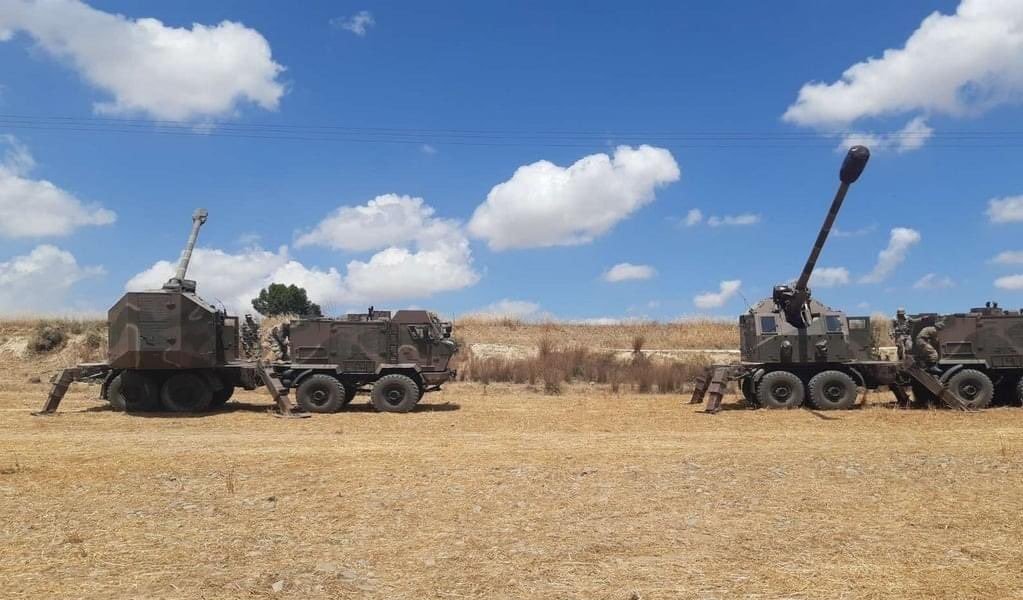
    The Safe programme encourages EU member states and allies to collaborate on “common procurements” for military equipment. This strategy is designed to ensure that at least two participating countries join forces for any procurement initiative.

    Eligibility and Broader Participation

    All EU member states qualify for the Safe programme, which also extends to Ukraine and four European Economic Area nations—namely Iceland, Liechtenstein, Norway, and Switzerland. Additionally, six countries that have signed common defence agreements with the EU, including Albania, Japan, Moldova, North Macedonia, South Korea, and the United Kingdom, are also eligible.

    Cyprus’s Commitment to Defence Collaboration

    The Cypriot government has formally indicated its intention to engage in the Safe programme’s common procurement component. This announcement came during a visit from officials of the EU’s Directorate-General for Defence Industry and Space (DG-Defis) in July.

    Panayiotis Hadjipavlis, the procurement director at the defence ministry, expressed that the government is actively communicating with allied nations, especially Greece, to explore joint procurement opportunities. This collaboration aims to streamline defence acquisitions while fostering stronger ties between member states.

  • Greek cypriots — European Parliament to Address Detention of Greek Cypriots in Occupied North

    Greek cypriots — European Parliament to Address Detention of Greek Cypriots in Occupied North

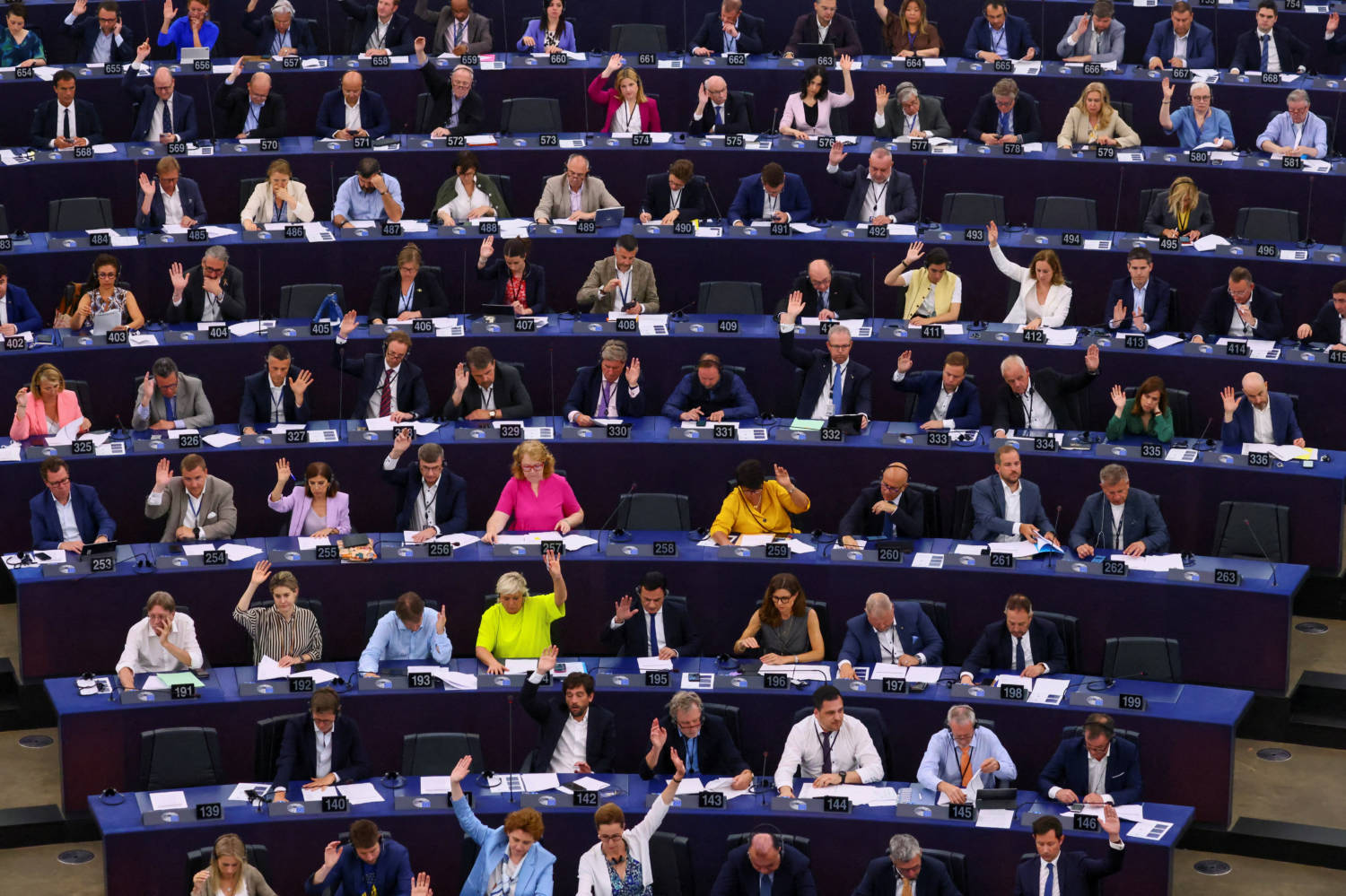
    The European Parliament will debate a resolution condemning the detention of five Greek Cypriots in the occupied north, a move led by Cyprus’s delegation to the European People’s Party. This initiative has been spearheaded by DISY MEPs Loukas Fourlas and Michalis Hadjipantela.

    Scheduled for Wednesday, 10 September, the debate titled “detention of European citizens in the occupied areas of Cyprus” marks a significant step in addressing the plight of these individuals. The resolution is expected to be approved on Thursday, 11 September, demanding their immediate and unconditional release.

    The text of the resolution will not only name the five detained Greek Cypriots but also reference the context of their arrests, which are viewed as retaliatory measures linked to the usurpation of Greek Cypriot properties. Statements from the MEPs in Strasbourg assert that the resolution will directly call upon Turkey to act for the release of these EU citizens, emphasising Turkey’s responsibility for their illegal detention as the authority behind the occupation.

    In its discussions, the European Parliament will explicitly condemn the politically motivated detainment of the five Greek Cypriots, highlighting that their continued imprisonment lacks credible evidence and is based on decisions from an unrecognised “court.” The health issues faced by the detainees and the absence of adequate medical care will also be addressed, framing their situation as inhumane treatment.

    The resolution’s demands are unequivocal; it seeks the immediate and unconditional release of the five Greek Cypriots, along with the cessation of all arbitrary prosecutions against them. Additionally, it will urge the European Commission to take diplomatic, political, and legal measures in collaboration with the UN and other international entities to facilitate their release.

    Furthermore, the resolution extends its support to the Republic of Cyprus in pursuing legal actions against Turkey, potentially at the European Court of Human Rights. It points out that Turkey bears full responsibility for the actions of the occupying regime, asserting that the ongoing occupation is a serious violation of international law and an impediment to peace, stability, and the EU-Turkey relationship.

  • Kenan ayaz — Kenan Ayaz Returns to Cyprus to Serve His Prison Sentence

    Kenan ayaz — Kenan Ayaz Returns to Cyprus to Serve His Prison Sentence

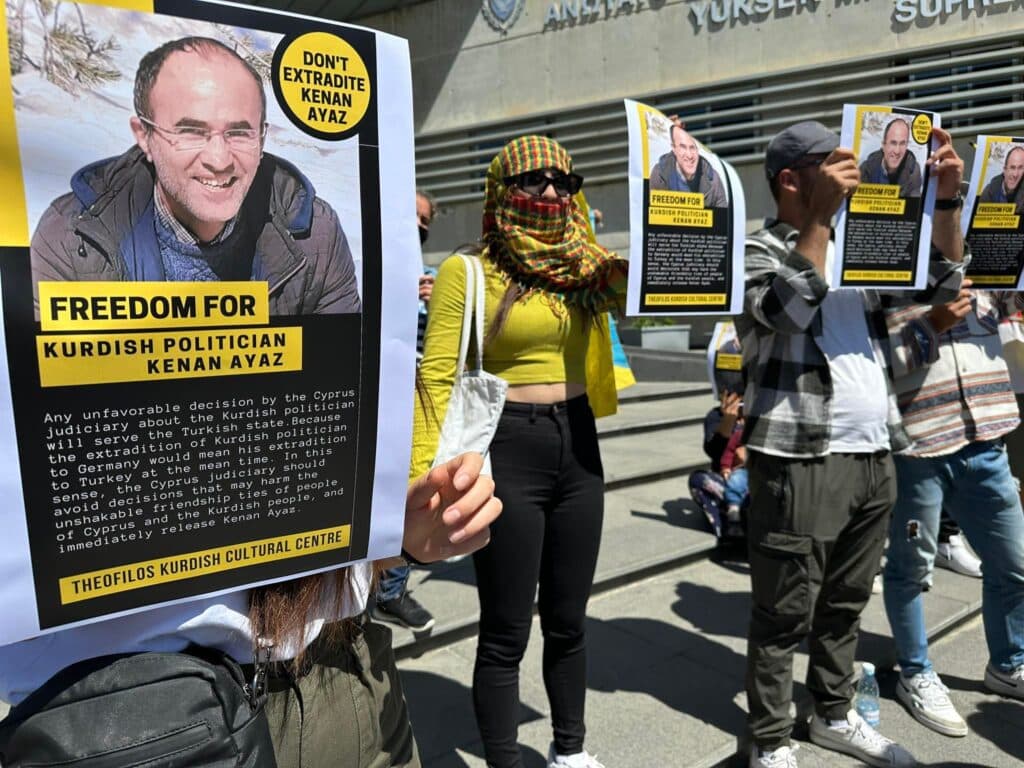
    Kenan Ayaz has returned to Cyprus to serve his remaining prison sentence after being convicted of being a member of a proscribed terrorist organisation. His return from Germany, where he had been detained for over two years, marks a significant moment for the Kurdish community in Cyprus.

    Ayaz, a Kurdish politician, faced a European arrest warrant and was arrested at Larnaca airport in March 2023. His situation escalated when a German court sentenced him in September 2024 to four years and three months in prison for his alleged membership in the Kurdish Workers’ Party (PKK). The PKK has been designated a terrorist organisation by the European Union since 2002, a classification that Turkey has long championed, viewing the group as a substantial security threat.

    The Observatory for the Trial of Kenan Ayaz, an advocacy group, celebrated his return as a “great day” for the Kurdish community, stating that Ayaz had come back “to continue his struggle with all of us, for a world without oppression, occupation and genocide.” They expressed that his prosecution in Germany was a “blow to human rights” and highlighted the adverse conditions he endured during his imprisonment.

    Ayaz’s case illustrates the complexities surrounding the Kurdish movement in Europe, where advocates argue that political motivations drive the criminalisation of individuals involved. The group noted Ayaz’s belief that the struggle of the Cypriot people against Turkish occupation aligns with the quest for Kurdish freedom, urging for the rule of law to prevail in Cyprus amidst what they termed “political hypocrisy.”

    In a notable turn of events, the PKK announced in 2025 that it would lay down its arms, marking an end to its 41-year-long armed struggle against Turkey. This development adds another layer to the ongoing discourse regarding the PKK and its members, especially in Europe, where various legal actions have been taken against individuals associated with the movement.