Tag: government

  • Trade unions — Cyprus Trade Unions Halt Meeting Over Government Negotiation Framework

    Trade unions — Cyprus Trade Unions Halt Meeting Over Government Negotiation Framework

    Cyprus’ trade unions suspended their joint meeting on Monday afternoon after receiving a draft negotiation framework from the government, citing “many ambiguities” in the document.

    • Cyprus’ trade unions suspended their joint meeting on Monday afternoon after receiving a draft negotiation framework from the government, citing “many ambiguities” in the document.

    The decision to pause discussions occurred during a pan-union conference that began at 3.30pm at the Peo headquarters in Nicosia. Delegates from major unions, including Sek, Peo, Deok, Pasydy, Oelmek, and Pasyki, were present as the four leading organisations briefed others on recent developments.

    Peo general secretary Sotiroula Charalambous voiced concerns about the text, which she described as containing “many questions and ambiguities.” She emphasised the need for clarification before further discussions could continue, stating, “It would be premature and careless to make any comments before obtaining the necessary explanations.”

    Charalambous reiterated the unity of the union movement around two main objectives: restoring the cost of living allowance (CoLA) to its full value and extending this system to all workers. “We are ready for an agreement,” she added, “but we are also ready to continue with any measures necessary to achieve these objectives.”

    Echoing her sentiments, Sek general secretary Andreas Matsas highlighted the importance of understanding the nature of the government’s text. He stated, “It must be clarified whether this is a mediation proposal or simply a draft for further work.” Matsas underscored the need for clear answers from the relevant ministers before any substantial response could be made.

    When questioned about a potential meeting with ministers, Matsas indicated it was possible, while Charalambous noted that any future steps would rely heavily on the clarifications received. Pasydy general secretary Stratis Mattheou remarked, “The process must be respected before any meeting can be decided.”

    Matsas pointed out that the procedural handling of the document was secondary, with the primary goal being to “obtain answers to the many questions that arise” and to grasp the “form and purpose” of the text for a proper evaluation.

    On whether the document could facilitate a resolution, Matsas stated, “In a state of stagnation, any step forward creates prospects.” He emphasised the need to assess the significance of those prospects before deciding how to proceed. Charalambous confirmed that a full evaluation would be made according to the principles established at the start of negotiations. However, she cautioned that if no agreement is reached, “there is no alternative but to escalate industrial action.”

    Deok president Stelios Christodoulou added that while advancements have been made, the situation remains unpredictable. “As close as we may seem to a solution, we could be just as far,” he commented.

    Matsas concluded that the resolution’s timing hinges on the government’s responses to the unions’ inquiries. Meanwhile, the executive committee of the employers and industrialists federation (Oev) also convened on Monday for an extended session, during which the government provided a “confidential note” entitled Negotiation Framework for the Cost of Living Allowance. Oev director general Michalis Antoniou noted that “important sections of the document are unclear and contradictory, with references that complicate efforts to reach common ground.” He assured that a more detailed public statement from Oev would follow in the coming days.

    The joint discussions among the unions revolve around renewing the framework governing the CoLA, a significant issue that has been under negotiation since the last meeting with the labour and finance ministers on October 16.
  • Cyprus Embraces Competitive Electricity Market for Citizens and Businesses

    Cyprus Embraces Competitive Electricity Market for Citizens and Businesses

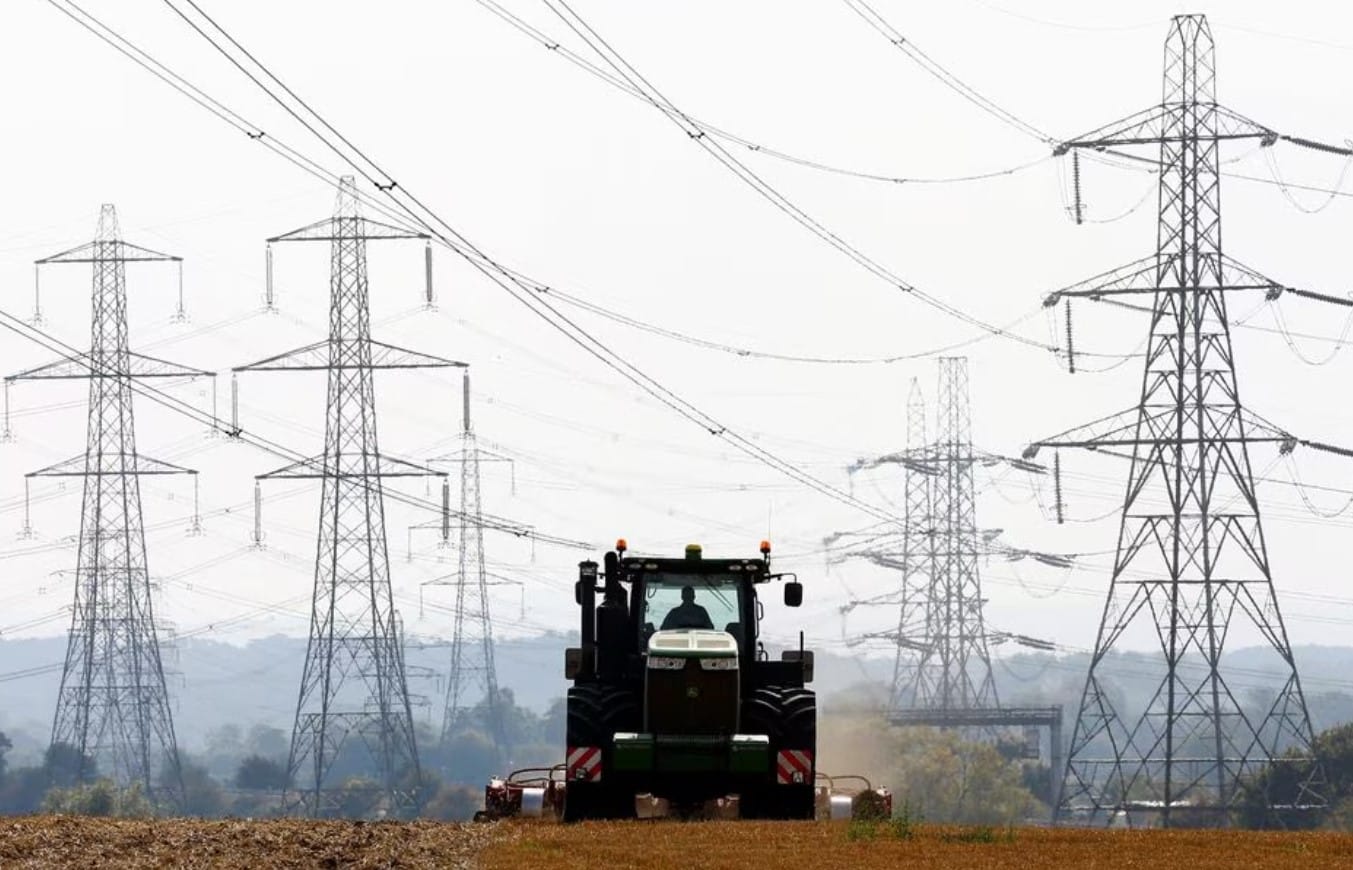
    electricity market — For the first time, citizens and businesses in Cyprus can choose their electricity supplier, marking a significant shift in the country’s energy landscape. Government spokesman Konstantinos Letymbiotis announced the opening of the long-awaited competitive energy market on Thursday during a press briefing at the presidential palace.

    Letymbiotis described this initiative as “a new page in the energy course of our country”, with nine energy producers now vying for the attention of consumers. As of Wednesday, individuals and enterprises can explore a competitive environment to select their preferred electricity provider.

    Electricity market: A Shift Towards EU Standards

    The new market structure follows the European Union’s target model, which Letymbiotis explained is akin to an energy exchange. He stated that this model introduces much-needed transparency, reliability, and rules similar to those in most EU nations. Prices will be determined through forward, day-ahead, and real-time balancing mechanisms designed to keep costs fair for consumers.

    In his remarks, Letymbiotis acknowledged that these reforms should have been implemented in 2021. He reflected on the past, noting that Cyprus had been stuck in a transitional period plagued by delays that ultimately harmed consumers and the nation’s energy strategy. “Through persistent preparation, we have now made reality what for years remained on paper,” he asserted.

    Empowering Consumers and Businesses

    The benefits of the competitive market are expected to be profound for consumers. They will now have the opportunity to compare prices, select suppliers that best meet their needs, and even access green energy products. From January 2026, changing suppliers will take just 24 hours, free of charge, ensuring full transparency throughout the process.

    Businesses, too, stand to gain from this competitive landscape. Letymbiotis highlighted that the ability to negotiate with multiple suppliers could lead to better pricing and tailored solutions, ultimately helping to reduce operating costs. He also pointed to the potential for participation in energy-saving and renewable programmes to bolster competitiveness.

    However, he tempered expectations, noting that immediate price reductions may not materialise. He drew a parallel to the telecoms market, where increased competition eventually led to improved efficiency and competitiveness. He believes the same will happen with the Electricity Authority of Cyprus (EAC).

    Concerns from Opposition

    Not everyone shares the government’s optimistic outlook. The opposition party Akel voiced concerns regarding the timing and execution of the market launch. They pointed out that the delays allowed certain private renewable producers to reap excess profits, raising questions about whether this new market structure will genuinely bring down electricity costs for households and businesses.

    Akel stated, “The critical question is whether this market, as designed, will bring about real reductions in electricity costs for households and businesses. So far, the government has not given a clear answer.” They echoed the European Union’s apprehensions, warning that the current model might keep consumers locked into high prices.

    In its criticism, the party argued that any substantial relief would only come with the introduction of natural gas for power generation, increased integration of renewables into the EAC’s energy mix, improved storage solutions, energy-saving initiatives, and tax reductions. They accused the government of falling short on these fronts.

    A Vision for the Future

    In response to the opposition’s concerns, Letymbiotis reiterated that the reforms are part of a broader strategy aimed at enhancing sustainability and energy security for Cyprus. He emphasised that alongside the new competitive market, the government plans to incorporate more renewable energy sources, improve storage capabilities, and upgrade the energy network.

    He firmly believes that these combined efforts will ultimately lead to reduced costs and stronger energy security. Letymbiotis concluded, “This policy will reduce costs, strengthen sustainability and ensure energy security for Cyprus.” As the competitive electricity market unfolds, its true impact on consumers and the broader economy remains to be seen.

  • Paphos water: Paphos District to Ensure Stable Water Supply Throughout 2024

    Paphos water: Paphos District to Ensure Stable Water Supply Throughout 2024

    paphos water — paphos water — Paphos will enjoy a stable water supply next year, with assurances from the agriculture ministry that there will be no disruptions, even in adverse weather conditions. Andreas Gregoriou, the undersecretary of the agriculture ministry, made this statement during the harvest festival in Panayia, reinforcing the government’s commitment to addressing water supply challenges in the region.

    Paphos water: Ministry’s Commitment to Water Security

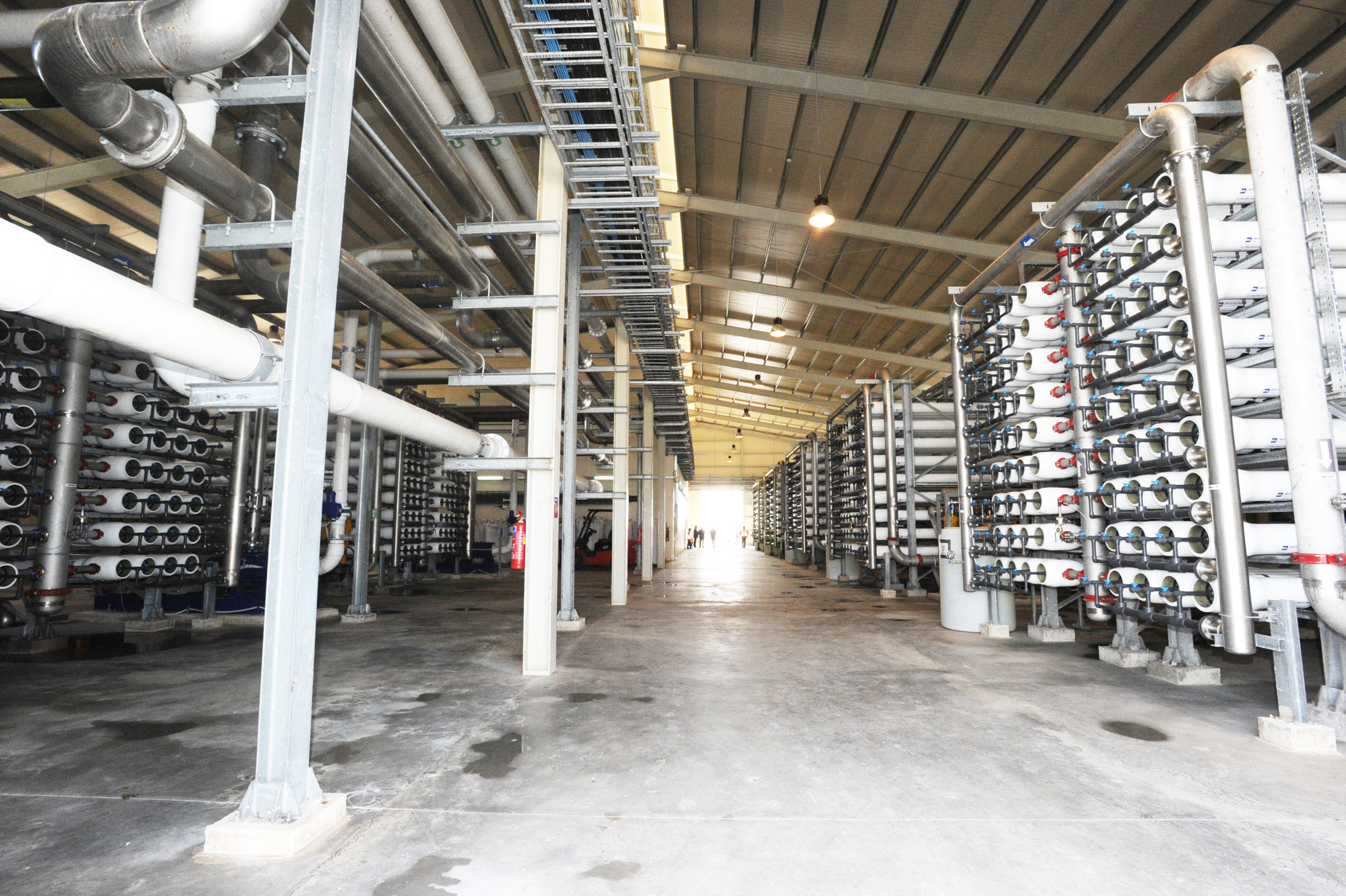
    Gregoriou stated, “We are in the final stage. It seems that we will manage to avoid any cuts, even though we are at the beginning of the new hydrological year, because we have expectations that we will have more rain than the previous dry year.” This outlook is bolstered by the ongoing development of new desalination units, which are expected to enhance the district’s water supply significantly.

    Desalination Units Under Construction

    According to Gregoriou, the construction of desalination units will eliminate any concerns regarding water supply in Paphos, regardless of weather fluctuations. He confidently remarked, “Therefore, Paphos’ water problem can be considered solved for 2026 as well.” This statement indicates a proactive approach to managing potential water shortages that have historically affected the area.

    Local Officials Weigh In

    Charalambos Pittokopitis, the governor of the Paphos district, also addressed the festival attendees, highlighting the resilience of the district’s water supply system. He noted that the supply has been maintained under “very difficult conditions,” indicating the challenges faced in recent years due to weather patterns and increased demand.

    Mobile Desalination Units to Boost Supply

    One key development is the installation of a mobile desalination unit near Potima beach in Kissonerga, which is projected to produce approximately 12,000 cubic metres of water. This unit, along with the return of a previously damaged desalination facility in Kouklia, will play a crucial role in ensuring that Paphos does not encounter water supply issues in the near future.

    Pittokopitis expressed confidence in the district’s water supply, stating, “I can state with certainty that the water issue regarding drinking water in both the town and in the district of Paphos has been resolved.” This statement serves to reassure residents and stakeholders about the reliability of their water resources.

    Recent Developments in Water Infrastructure

    In addition to the new mobile desalination unit, the water development department’s district engineer, Charis Kasioulis, confirmed that studies to repair the Mavrokolympos reservoir, which was drained in January, are complete. He stated that work to fix the corroded vent will be finished before the winter season, allowing the reservoir to reopen and contribute to the water supply.

    New Mobile Units from the UAE

    The recent arrival of 12 mobile desalination units from the United Arab Emirates marks a significant step forward in addressing water scarcity in Cyprus. The first of these units entered service in July, with George Kazantzis, the acting director of the water development department, describing the installation process as “extremely complex.” These units are designed to support the broader water supply network across the island.

    Excess water produced by these units will be redirected to other districts currently facing supply challenges, ensuring a balanced distribution of water resources across the region. This cooperative approach is crucial in mitigating the effects of prolonged droughts.

    Government’s Proactive Measures

    The Cypriot government has taken proactive measures to prevent future water shortages, with President Nikos Christodoulides announcing the new desalination units in April. Government spokesman Konstantinos Letymbiotis assured the public that there would be “no risk” of water cuts during the summer months due to the imminent arrival of additional desalination units.

    Christodoulides emphasised that the units would be provided “free of charge,” which he described as a testament to the strength of international relations and the importance of sound internal policy regarding water management.

    Looking Ahead

    As Paphos prepares for the coming year, the combination of new desalination units, improved infrastructure, and a commitment to sustainable water management suggests a promising future for the district’s water supply. Residents can look forward to a year without the worry of water cuts, thanks to the concerted efforts of local officials and the agriculture ministry.

  • Three-hour strike — Three-Hour Strike to Disrupt Flights and Services Across Cyprus

    Three-hour strike — Three-Hour Strike to Disrupt Flights and Services Across Cyprus

    three-hour strike — three-hour strike — Cyprus will experience significant disruption on Thursday as a three-hour nationwide strike affects airports, schools, and public services amid ongoing disputes over the Cost-of-Living Allowance (CoLA).

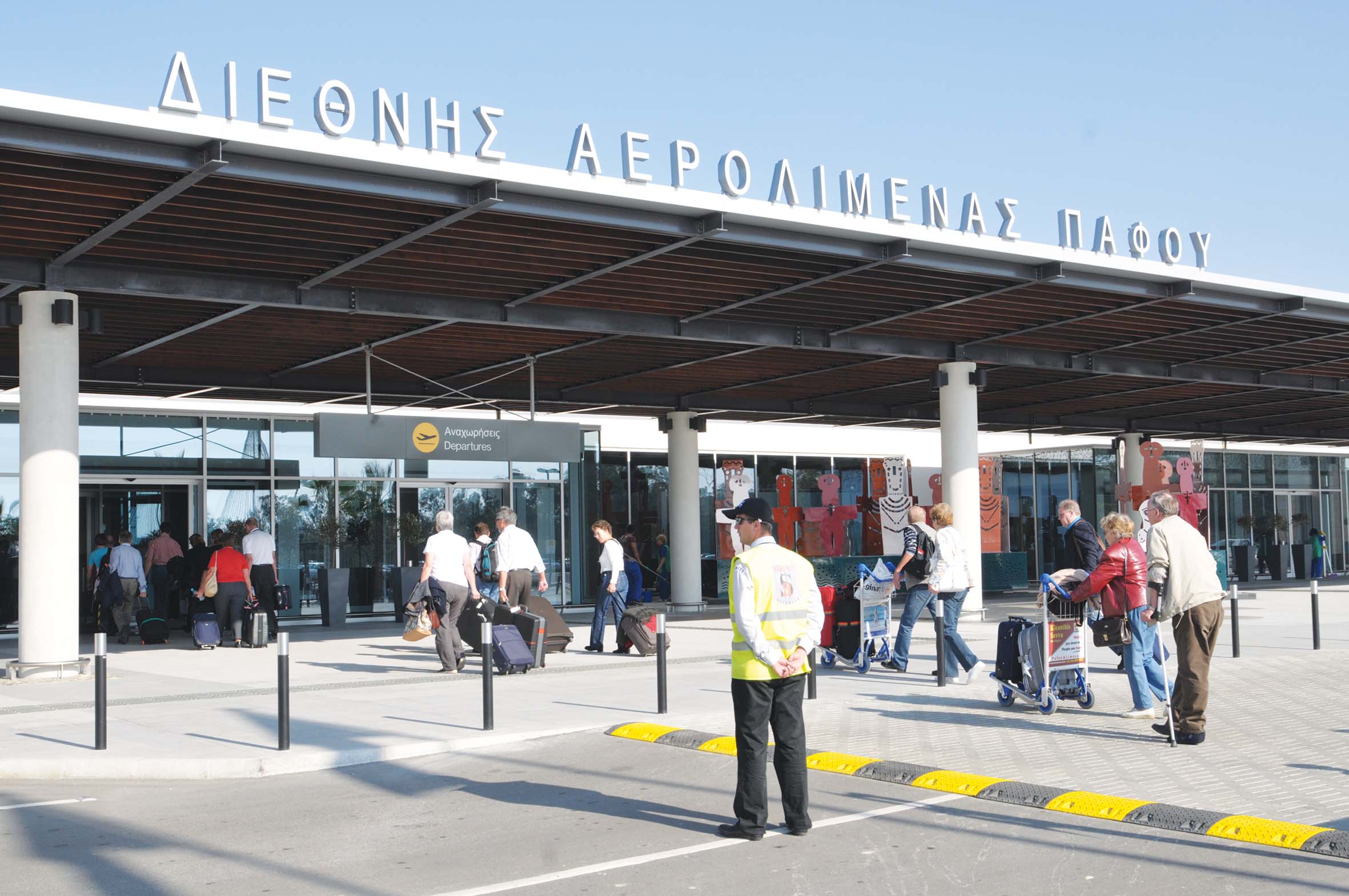
    Hermes Airports announced that more than 50 flights at Larnaca and Paphos airports are likely to be delayed or cancelled between 11am and 2pm, impacting over 15,000 passengers. The airport operator has urged travellers to contact their airlines or travel agents for the latest updates and to monitor the official website for rescheduled flight information.

    As the strike unfolds, several flights have already been cancelled, including those from Jazeera Airways to and from Kuwait, Qatar Airways to and from Doha, and Emirates from Dubai to Malta. To manage the expected increase in passenger volume post-strike, additional staff will be on duty after 2pm.

    Schools across the island are preparing for early closures, with parents advised to collect their children by 11am. School buses will not operate during the strike hours, and students attending all-day schools should return by 2pm to resume classes. Lunch services will not be provided, and privately run community nursery schools will adhere to their employers’ guidelines.

    Public bus services will also face significant disruption. Cyprus Public Transport (CPT) has stated that many scheduled routes may not operate during the strike, advising passengers to make alternative arrangements. Only morning school bus routes will run, leaving parents to arrange for their children’s transport home.

    In the health sector, hospitals will remain open but with reduced staffing. The national health scheme, Okypy, confirmed that A&E departments and wards will operate with minimal personnel during the strike hours. Patients with appointments during this time will be notified of any changes promptly.

    Citizen service centres will close between the strike hours, and individuals with appointments will receive messages regarding rescheduling. The Electricity Authority of Cyprus (EAC) is also adjusting its service hours, with customer service offices opening only briefly before the strike and resuming later in the day.

    This industrial action follows failed negotiations earlier this week between unions, employers, and the government concerning reforms to CoLA, which also touch on tax and pension issues. President Christodoulides has described these reforms as essential for modernising a system that dates back to 1960. He acknowledged that reforms often provoke reactions but insisted they are in the public’s interest.

    Labour Minister Yiannis Panayiotou emphasised that updating the allowance is necessary to meet contemporary needs, suggesting a graduated scale for CoLA based on earnings. He argued that higher earners should not receive the same support as those on minimum wage.

    Trade unions, including Sek and Peo, assert that the strike is crucial for protecting workers, particularly those on low incomes. Employers have expressed a desire for dialogue on modernisation but have condemned the strike, highlighting the need for essential services to remain operational. Demonstrations are also planned across various towns in Cyprus during the strike.

    In a joint statement, employers’ groups Oev and Keve have voiced their concerns over the government’s handling of the dispute, arguing that the current approach could harm the economy and deter foreign investment. They noted that the International Monetary Fund and the European Commission have previously called for the abolition of CoLA, marking it as a structural weakness within the public sector.

    Political reactions are divided; while some parties advocate for the restoration of allowances, others support the strike as a necessary measure. President Christodoulides has called for calm, suggesting that industrial action does not foster progress on reform.

    As the strike looms, it is clear that the impact will be felt across homes, schools, and workplaces throughout Cyprus, leaving citizens to navigate the challenges posed by this significant industrial action.

  • Primary school — Over 50,000 Primary School Children Begin New Academic Year

    Primary school — Over 50,000 Primary School Children Begin New Academic Year

    Over 50,000 primary school children have returned to classrooms this week, signalling the start of the new academic year across the island. On Monday, primary schools reopened following the summer holidays, welcoming a total of 51,950 children enrolled this year. Alongside them, 13,117 children are attending nursery schools, with a dedicated workforce of 7,557 teachers ready to educate them.

    Photo: cyprus-mail.com

    Primary school: Investment in Education and Infrastructure

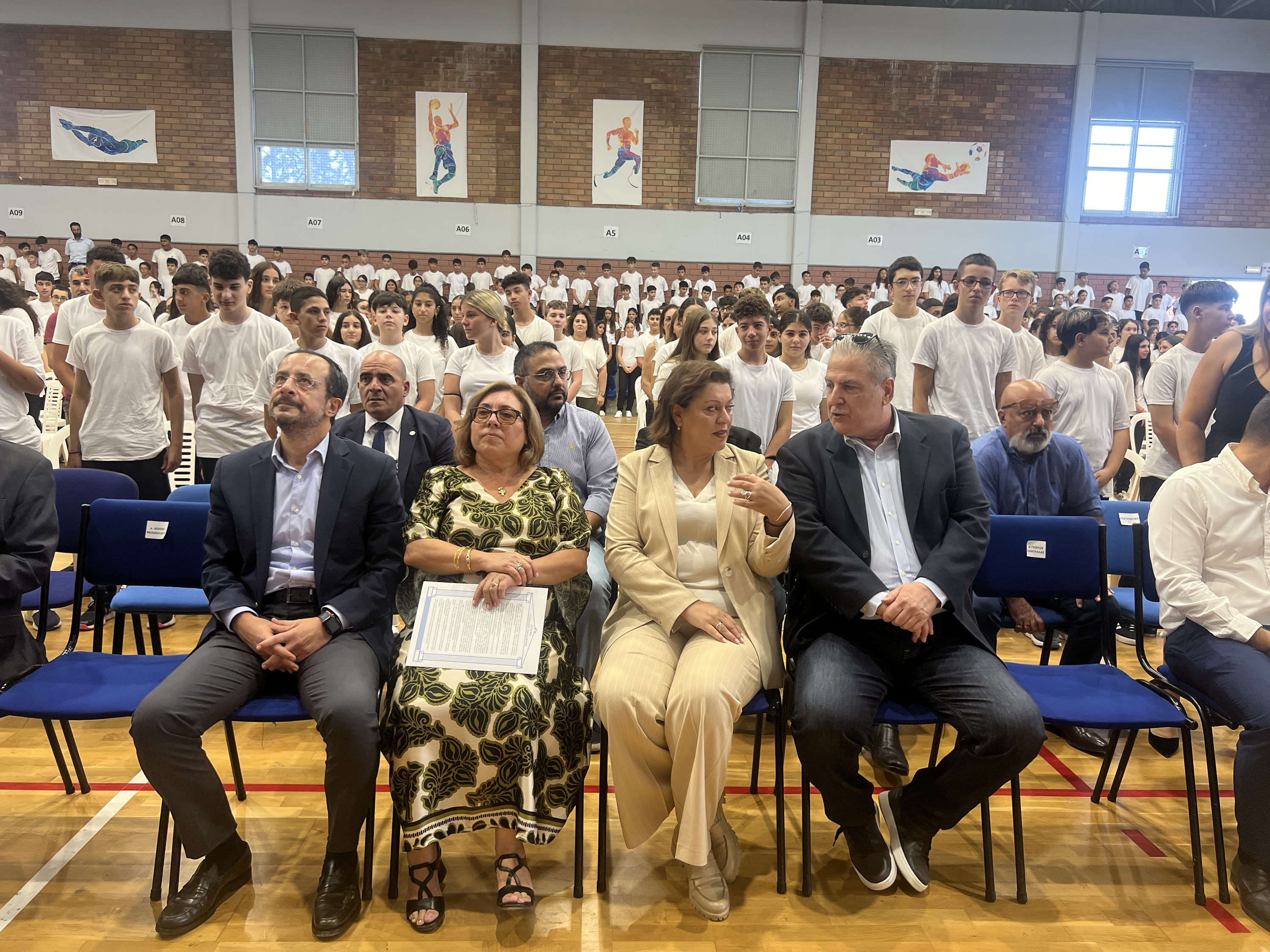
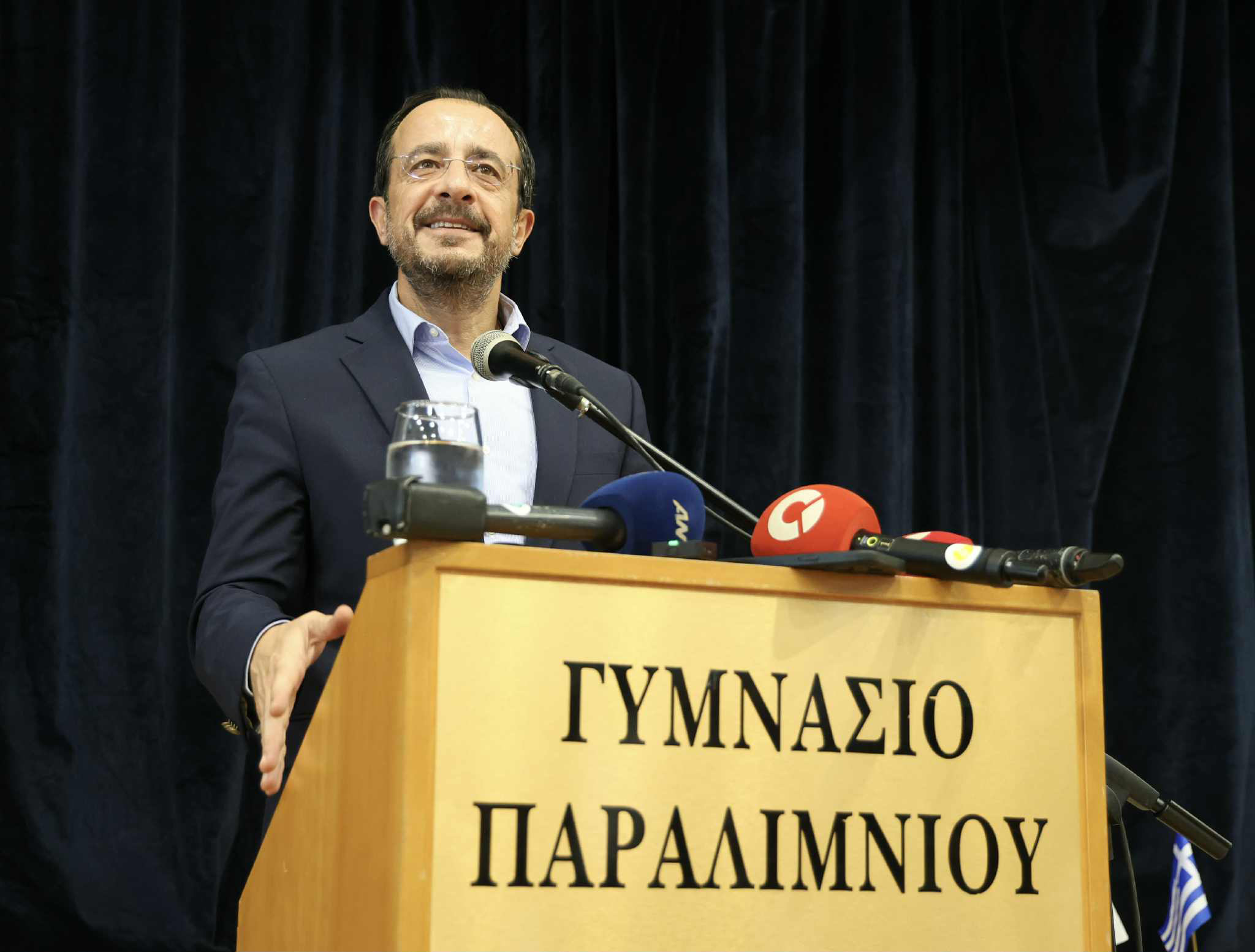
    The return to school was marked by a special visit from President Nikos Christodoulides, who attended the Paralimni middle school. This visit coincides with the full reopening of middle and high schools, which commenced their academic year on the preceding Friday. During his visit, President Christodoulides highlighted the importance of education, making a particular mention of the smallest school on the island located in the village of Kampos.

    Photo: cyprus-mail.com

    Highlighting Kampos School

    Kampos, a remote village nestled in the north of the Paphos forest, faces unique educational challenges. President Christodoulides noted that the school there serves just two children, a situation that typically would not justify the operation of a primary school according to existing laws. However, the government has decided to allow the school to remain open for another year to ensure these children have equal educational opportunities.

    “We decided that these two children should have the same rights and the same opportunities as the children of their age who are in Strovolos, in Nicosia,” he stated, emphasising the government’s commitment to education for every child, regardless of their location.

    School Upgrades and Future Plans

    During his address, the President also discussed significant investments made in educational infrastructure, announcing that €5.5 million has been allocated to upgrade the Paralimni middle school. Furthermore, plans are underway to construct a new athletics school in the area, projected to cost around €15 million. Contracts for this project are expected to be signed on the same day as his visit.

    Improvements in School Facilities

    A key topic of interest during the President’s visit was the ongoing issue of air conditioning in schools. Currently, 45 per cent of schools are equipped with air conditioning, and the government has set an ambitious goal to ensure that all schools will have this essential facility by 2028.

    Special Educational Needs Support

    In addition to regular primary and nursery schools, there are nine special schools and 145 special units dedicated to supporting children with special educational needs. This framework is part of the government’s broader strategy to provide inclusive education for all children, recognising the diverse needs of the student population.

    Community Engagement and Educational Initiatives

    The President’s engagement with local communities, such as his visit to Milikouri, reflects a commitment to understanding the educational landscape across various regions. These visits serve to foster relationships between the government and local communities, ensuring that educational policies are responsive to the needs of all students.

    Looking Ahead to the Academic Year

    This new school year promises to be filled with opportunities and challenges as educators, parents, and students adapt to ongoing changes in the educational environment. The commitment demonstrated by the government through investments and policy decisions aims to enhance the quality of education throughout the island.

    As schools across the island embark on this new academic journey, the focus will remain on providing equitable access to education, improving facilities, and ensuring that every child has the opportunity to succeed.

  • Cabinet Gathers in Troodos to Prepare for Cyprus’ EU Presidency

    Cabinet Gathers in Troodos to Prepare for Cyprus’ EU Presidency

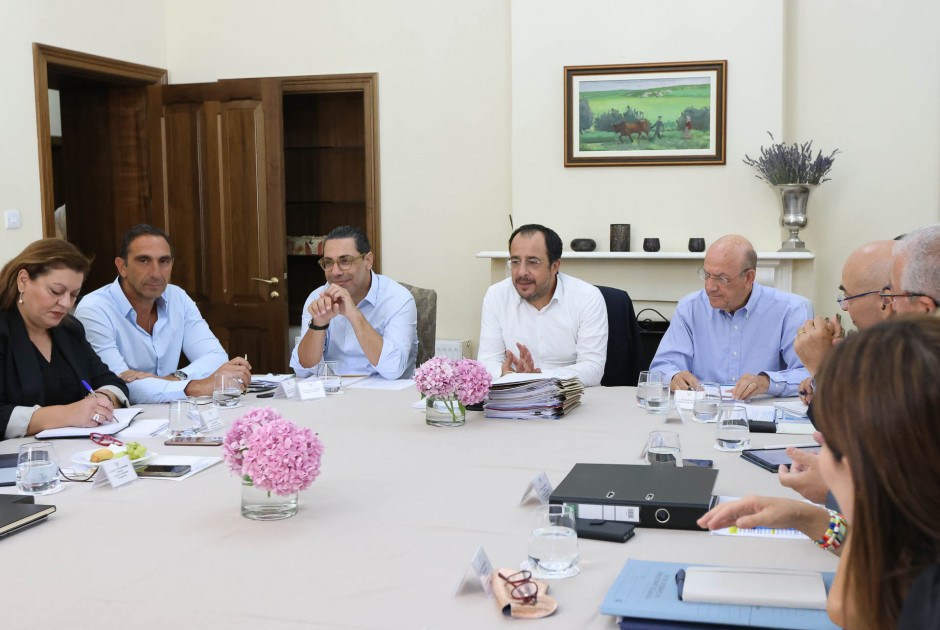
    eu presidency — The Cabinet will convene in Troodos this Saturday to discuss preparations for Cyprus’ upcoming EU Council presidency set for the first half of 2026.

    • eu presidency — The Cabinet will convene in Troodos this Saturday to discuss preparations for Cyprus’ upcoming EU Council presidency set for the first half of 2026.

    The government announced the meeting on Friday, indicating that it will take place at the presidential residence. Government spokesperson Konstantinos Letymbiotis conveyed that Deputy Minister for European Affairs Marilena Raouna will be presenting the government’s priorities for the presidency.

    In anticipation of the meeting, Raouna has already engaged in discussions with various ministries to ensure all areas of responsibility are briefed. Letymbiotis highlighted the importance of these preparations, stating, “There will be a comprehensive discussion and coordination in view of assuming the EU Council presidency.”

    In addition to outlining strategic priorities, Saturday’s gathering will also address administrative matters and other pending issues that require attention. The outcome of this meeting is expected to set the groundwork for Cyprus’ role in the EU during its presidency.

  • Controversy Surrounds Cyprus’ ECHR Judge Selection Process

    Controversy Surrounds Cyprus’ ECHR Judge Selection Process

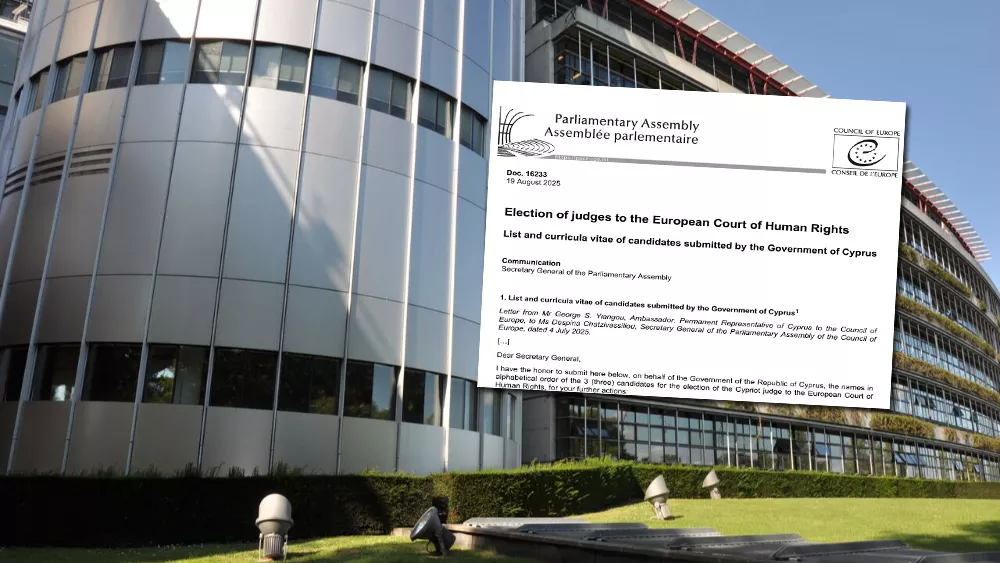
    echr judge — echr judge — Cyprus’ proposal for the European Court of Human Rights (ECHR) judge selection has sparked significant controversy, primarily due to concerns over the transparency of the evaluation process. Complaints have been lodged by two unsuccessful candidates, represented by lawyer Christos Clerides, who formally submitted their grievances to the Council of Europe’s Judicial Selection Committee.

    • Sources within the government have indicated that all candidates were treated equitably and that the inclusion of ministers in the selection panel is standard practice in other European countries.

    The objections arise from a shortlist of three nominees—Elena Efrem, Natasa Mavronikola, and Margarita Papantoniou—endorsed by President Nikos Christodoulides after approval from a seven-member Advisory Selection Board. This board finalised its list in early July, but the subsequent process has been called into question.

    Clerides, acting on behalf of senior state attorney Katerina Loizou and senior district court judge Xenis Xenofontos, has raised serious allegations regarding procedural flaws, omissions, and misleading information in the Republic of Cyprus’ official submission. In letters addressed to Council of Europe officials on 13 and 20 August, he articulated concerns about the Cypriot authorities’ failure to publish the shortlist domestically before forwarding it to Strasbourg, and the exclusion of qualified candidates from the interview process.

    One of the main points of contention is the alleged promotion of individuals who do not meet basic eligibility criteria, such as proficiency in national law. Additionally, the complaints highlight perceived conflicts of interest within the Advisory Board, which is chaired by Foreign Minister Constantinos Kombos and includes prominent figures like Justice Minister Marios Hartsiotis and Attorney General George Savvides.

    Clerides detailed seven primary concerns, including the politicisation of the selection process, a lack of disclosure regarding evaluation criteria, and selective exclusion of candidates. Notably, he claimed that Xenofontos was deliberately excluded from interviews, despite informing the committee of family obligations that would prevent his attendance, while other candidates were permitted to participate remotely.

    In response to the allegations, the government has firmly rejected any suggestions of irregularities. Foreign Minister Kombos stated that all decisions were made unanimously and in accordance with the Council of Europe’s requirements. Attorney General Savvides added that detailed minutes of every decision were maintained and submitted to Strasbourg, reinforcing the integrity of the process. Justice Minister Hartsiotis acknowledged the advanced stage of the selection process, urging that any disagreements should be addressed by the appropriate bodies.

    Sources within the government have indicated that all candidates were treated equitably and that the inclusion of ministers in the selection panel is standard practice in other European countries.

    The Council of Europe is now poised to evaluate the Cypriot list and determine the next steps in light of the ongoing objections. The outcome of this situation could have significant implications for the integrity of Cyprus’ judicial selection process and its standing within European institutions.

  • Cabinet changes — Cabinet Changes on the Horizon as President Christodoulides Prepares for September Reshuffle

    Cabinet changes — Cabinet Changes on the Horizon as President Christodoulides Prepares for September Reshuffle

    President Christodoulides is expected to announce cabinet changes in September, with strategic decisions set to unfold before his trip to the UN General Assembly later in the month. Sources indicate that the president has been contemplating adjustments to his government team for several months, maintaining a level of confidentiality even from senior advisors.

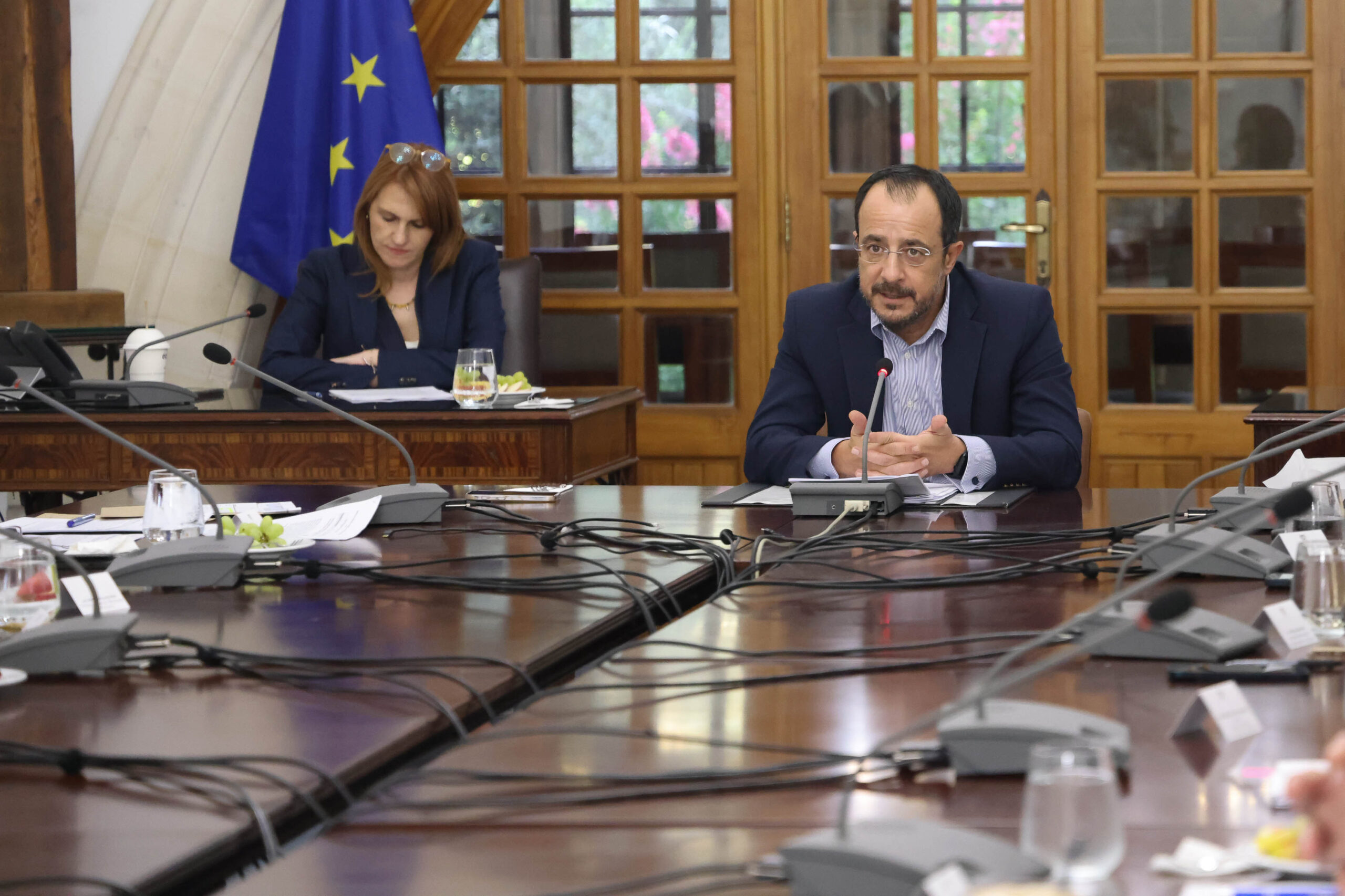
    As part of the reshuffle process, Christodoulides plans to gather all cabinet members at the presidential retreat in Troodos in early September. This extended review session will focus on evaluating government performance, assessing achievements, and presenting future targets. This all-day meeting aligns with established practices for a comprehensive evaluation of government operations.

    The recent forest fires in Limassol, which resulted in tragic loss of life, have significantly influenced the timeline and nature of the planned cabinet changes. Public criticism aimed at certain ministers for their response to the crisis has made the president reconsider his approach. Sources reveal that Christodoulides opted against immediate changes to avoid the perception of reacting solely to public pressure.

    In subsequent cabinet meetings, the atmosphere shifted from initial tension to a focus on implementing fire response measures, rather than addressing personnel accountability. While initial discussions linked cabinet changes to the upcoming parliamentary elections in May 2026, it appears the president is now focused on establishing a government framework that extends towards 2028.

    Government insiders expect selective rather than sweeping alterations within the cabinet. Most current ministers are likely to retain their positions, as some have demonstrated effectiveness while others have struggled to meet expectations. All cabinet members have surpassed the 18-month tenure threshold, with many serving around two and a half years since the government’s inception. Despite public discourse surrounding ministerial pensions, these financial considerations do not appear to significantly influence the reshuffle deliberations.

    As part of the upcoming changes, three commissioner roles will require new appointments in October: Law, Children’s Rights, and Personal Data Protection. These selections will occur independently of any cabinet reshuffle, with the president expected to announce these appointments in line with the current qualifications of office holders.

    This timeline will provide new ministers ample preparation time for the traditional parliamentary budget presentations, should the anticipated cabinet changes take place ahead of the UN General Assembly trip.

  • Christodoulides pension: President Nikos Christodoulides Donates Pension to Charity

    Christodoulides pension: President Nikos Christodoulides Donates Pension to Charity

    christodoulides pension — christodoulides pension — President Nikos Christodoulides has taken a significant step by announcing that he will donate his state pension to charity. His decision comes amidst public scrutiny regarding state officials drawing pensions while serving in office.

    The presidency’s statement revealed that Christodoulides will contribute his monthly pension of €730 to charitable organisations dedicated to elderly care throughout his term. This pension stems from his 18 years of service in the public sector, particularly during his time at the foreign ministry.

    In selecting beneficiaries, the president contacted six organisations across various districts, including two facilities in Nicosia, and one each in Limassol, Larnaca, Famagusta, and Paphos. This initiative is made possible by a recent law that allows state officials to waive their pension while serving in their roles.

    “For every year, from September to September, and for as long as he holds the office of the president, President Christodoulides will provide various institutions with this monthly compensation,” the statement noted. The law, enacted in July, aims to clarify the process for officials who wish to forgo their pensions.

    Historically, state officials had the option to waive their pensions through a simple notification to the treasury, but recent debates have brought the issue to the forefront. Critics have expressed concern that Christodoulides had not previously waived his pension like other officials, prompting this change in approach.

    In addressing the controversy, the president stated that he prefers to keep charitable actions private, citing a personal conviction against publicising such efforts. However, he acknowledged the public discourse surrounding his pension and felt it necessary to inform citizens of his charitable contributions.

    Amidst this backdrop, the government faced criticism for its handling of the pension waiver procedure. In late July, reports indicated inconsistencies in statements regarding the existence of a waiver process, leading to further scrutiny of the administration’s transparency.

    Christodoulides, who is currently 51, receives a monthly net salary of €9,016. Upon reaching the age of 58, he will also be eligible for an additional €300 in pension benefits for his prior public service.