Tag: international relations

  • DIPA Leader Calls Gaza Situation a Genocide of Palestinians

    DIPA Leader Calls Gaza Situation a Genocide of Palestinians

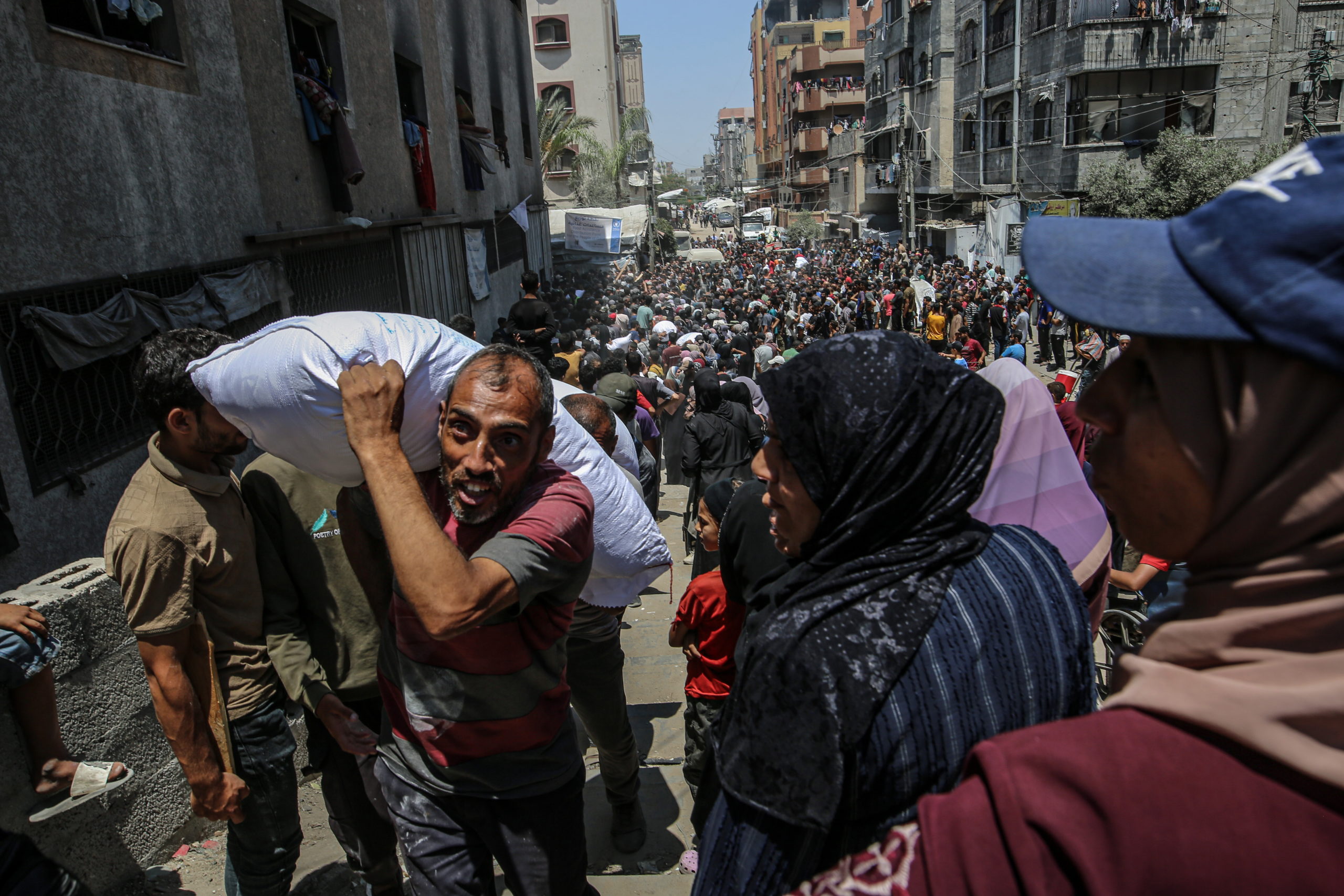
    During a recent television interview, Democratic Alignment (DIPA) President Marios Garoyan described the situation in Gaza as a “genocide of Palestinians.” His comments were made on Sigma TV, where he also addressed Cyprus’s Western alignment amid the ongoing conflict.

    Garoyan’s remarks come at a time when international powers face scrutiny for their positions on the Palestinian issue. He asserted, “With the same force that we condemn the Russian invasion of Ukraine, with the same voice we must shout: stop this genocide.” This statement highlights his belief that international law should not be selectively applied based on political convenience.

    He firmly rejected the notion that discussing the humanitarian crisis in Gaza could harm Cyprus’s national interests. “I categorically reject when we talk about genocide in Gaza that some third parties claim we are harming national interests,” Garoyan stated. He emphasised the importance of acknowledging the severity of the situation affecting civilians, particularly women and children in Gaza.

    Despite his strong criticisms, Garoyan reiterated Cyprus’s commitment to its Western orientation. “Cyprus has a clear orientation – and that is towards the West. It does not change, it does not alter,” he affirmed. He argued that political consistency should allow for criticism, particularly in matters of humanitarian concern.

    Garoyan also reflected on his previous role as the first parliamentary speaker to visit Israel in 35 years, stating, “I am not against Israel… Things are not one-dimensional. Politics needs realism and clear positions, not hypocrisy or ambiguities.” This comment underscores his call for a balanced approach to foreign relations.

    He pointed to Turkey as an example of how geopolitical balance can be maintained, noting that the NATO member has managed relations with Russia while facing tensions with Israel. Garoyan’s comments resonate within a broader discourse on international relations and the treatment of humanitarian crises.

    Garoyan’s condemnation of the situation in Gaza has sparked conversations about the responsibilities of nations and leaders in advocating for human rights amidst complex geopolitical realities. As the conflict continues, the narrative surrounding the humanitarian implications remains a pivotal aspect of the ongoing discussions.

  • Aid to Gaza Successfully Unloaded at Ashdod Port via Cyprus

    Aid to Gaza Successfully Unloaded at Ashdod Port via Cyprus

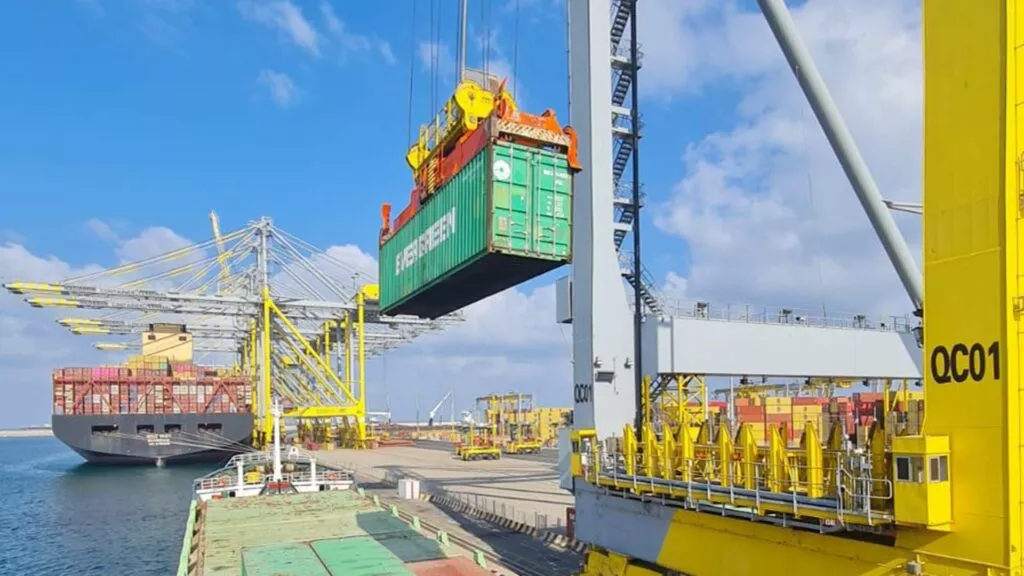
    Aid to Gaza shipped through Cyprus’s Amalthea scheme has been successfully unloaded at Ashdod port, marking a significant step in humanitarian efforts aimed at assisting the Palestinian population.

    Photo: in-cyprus.philenews.com

    • Aid to Gaza shipped through Cyprus's Amalthea scheme has been successfully unloaded at Ashdod port, marking a significant step in humanitarian efforts aimed at assisting the Palestinian population.

    The unloading process took place smoothly over two days, Tuesday and Wednesday, ensuring that all logistical operations were carried out as planned. The consignment, weighing 1,200 tonnes, is now set for further transport to a designated crossing point into Gaza, with every detail coordinated with relevant authorities to ensure a swift and efficient transfer.

    Currently, the vessel responsible for this mission remains at Ashdod port, preparing to transport 52 empty containers back to Limassol. These containers previously held the pre-screened aid from Cyprus and will be reused in future humanitarian efforts.

    The Amalthea initiative represents Cyprus’s commitment to establishing a humanitarian corridor, allowing essential supplies to reach civilians in Gaza amidst ongoing challenges. As the situation continues to evolve, officials reaffirm their dedication to maintaining this vital lifeline for those in need.

  • Kombos — Kombos Engages with Qatari Prime Minister Al Thani in Doha

    Kombos — Kombos Engages with Qatari Prime Minister Al Thani in Doha

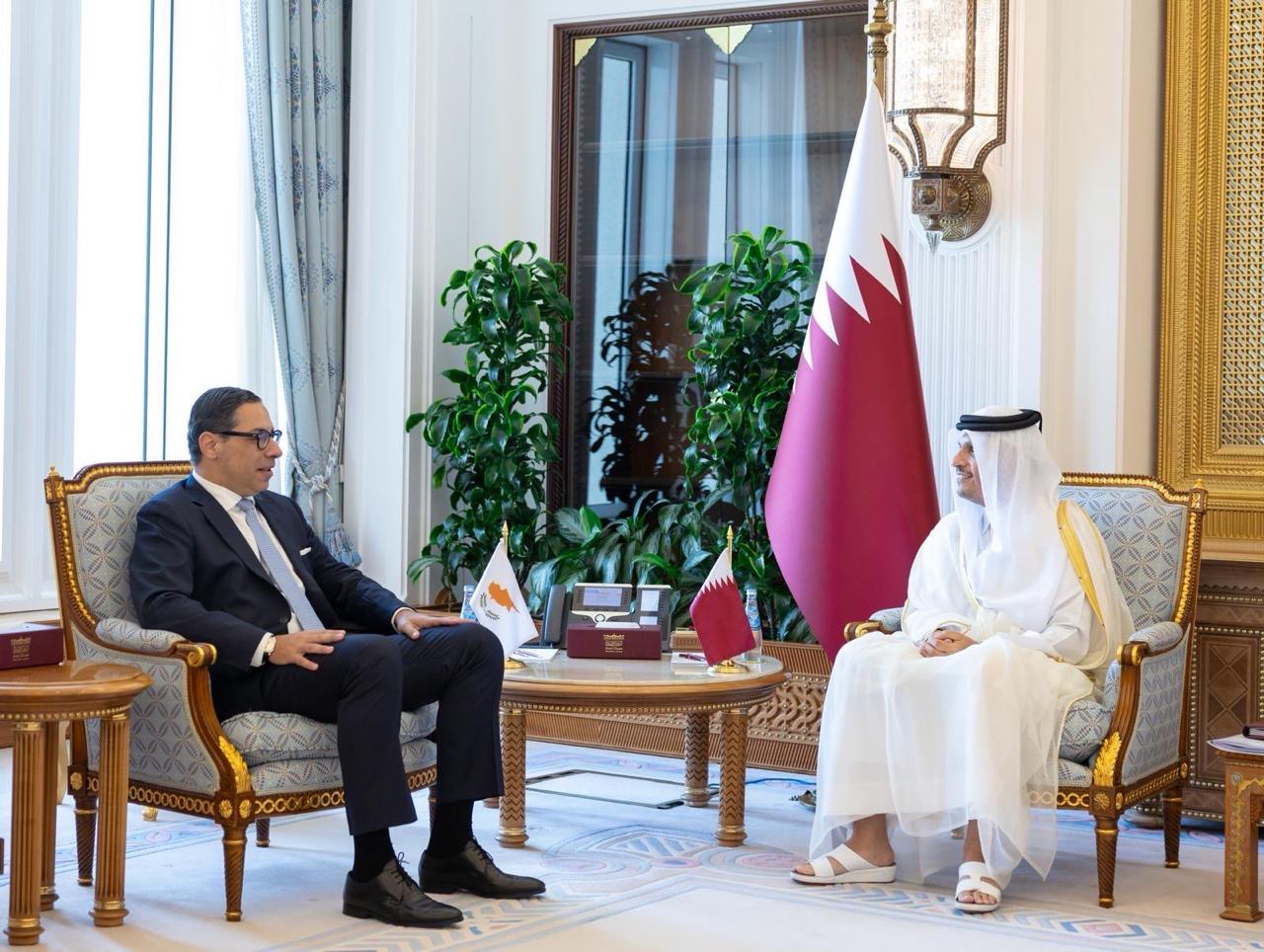
    Foreign Minister Constantinos Kombos met with Qatari Prime Minister Mohammed bin Abdulrahman bin Jassim Al Thani on Monday in Doha, marking a significant step in fostering stronger ties between Cyprus and Qatar.

    The discussions held during this meeting centred on several pivotal topics, including the ongoing strengthening of relations between the two nations and Cyprus’s upcoming six-month presidency of the Council of the European Union. The foreign ministry emphasised the importance of collaboration amid current regional challenges.

    Kombos: Addressing Regional Developments

    Kombos and Al Thani’s dialogue also touched upon pressing regional developments, particularly the situation in Syria and the urgent need for a ceasefire in Gaza. The conversation highlighted efforts to secure the release of hostages and ensure humanitarian aid reaches civilians affected by the ongoing conflict.

    Previous Engagements and Diplomatic Relations

    This meeting followed their previous conversation in June, shortly after a brief conflict involving Iran and Israel. At that time, Kombos had praised Qatar’s leadership role in facilitating de-escalation. The Qatari Prime Minister had been in the spotlight due to the missile attacks on the US’s Al Udeid airbase, a response to US actions against Iranian nuclear facilities. Following these events, Qatar played a crucial role in mediating peace efforts, which led to a ceasefire announced by then-US President Donald Trump.

    Strengthening Cyprus-Qatar Ties

    Relations between Cyprus and Qatar have been on an upward trajectory in recent years. President Nikos Christodoulides previously referred to Cyprus as Qatar’s “ambassador in Brussels,” emphasising the strategic partnership and mutual interests shared by the two nations. During Emir Sheikh Tamim bin Hamad Al Thani’s visit to Nicosia last year, discussions further solidified their commitment to enhancing bilateral relations and regional cooperation.

    Both leaders expressed optimism about the prospects for future collaboration, recognising the shared geographical and cultural ties that bind their nations. As Cyprus prepares for its role in the EU Council presidency, the discussions with Qatar are expected to play a crucial role in shaping regional diplomacy.

  • Trilateral cooperation — Greek and Syrian Foreign Ministers Explore Trilateral Cooperation Involving Cyprus

    Trilateral cooperation — Greek and Syrian Foreign Ministers Explore Trilateral Cooperation Involving Cyprus

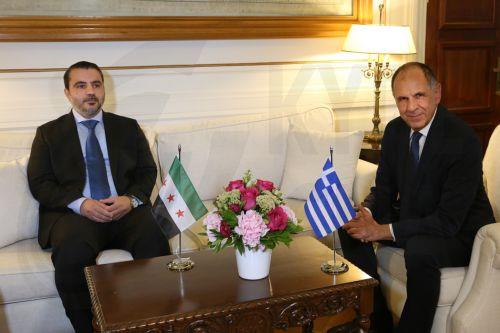
    Greek Foreign Minister Giorgos Gerapetritis and Syria’s interim Foreign Minister Asaad Al-Shaibani met in Athens to discuss a trilateral cooperation scheme involving Cyprus. The meeting, announced by the Greek foreign ministry on Wednesday, reflects a strategic intention to enhance regional collaboration.

    Trilateral cooperation: Commitment to Regional Cooperation

    During the meeting, both ministers underscored their commitment to fostering regional cooperation through the establishment of a trilateral format that would include Cyprus. Lana Zochiou, spokesperson for the Greek foreign ministry, relayed this intent, stating, “The ministers confirmed their will to promote regional cooperation by establishing a trilateral format with the participation of the Republic of Cyprus.”

    Potential Meeting at the UN General Assembly

    The first meeting of the proposed trilateral partnership could occur during the 80th Session of the United Nations General Assembly, scheduled from September 9 to September 29 in New York. This platform presents an opportunity for further dialogue and the potential for solidifying agreements among the involved parties.

    Awaiting Concrete Measures

    While the discussion marks a significant step in diplomatic relations, specific details outlining how the trilateral cooperation will manifest remain undisclosed. The absence of concrete measures raises questions about the practical implications of the proposed collaboration.

    Cyprus’s Role in Regional Diplomacy

    Cyprus has been actively pursuing better relations with Syria, as highlighted by Foreign Minister Constantinos Kombos in a statement made in May. He noted that Cyprus was “actively pursuing good neighbourly relations” with Syria and advocated for the lifting of sanctions on the nation. Given Cyprus’s geographic proximity to Syria—approximately 350km—this initiative could facilitate a more robust interaction between the two countries.

    Addressing Migration Challenges

    Amid rising concerns over asylum seekers and irregular migrants arriving in Cyprus, the government has initiated efforts to engage European Union partners regarding safety declarations for parts of Syria. Interior Minister Constantinos Ioannou labelled the situation as “alarming,” prompting Cyprus to lead a group of EU members to explore this issue further.

    Collaborative Efforts with Greece

    In a recent meeting with Greek Migration Minister Dimitris Kairidis, Ioannou emphasised the necessity for “joint actions” to effectively manage the ongoing migration situation. This collaboration aligns with Greece’s expressed intent to join the Cyprus-led EU Syria Group, aiming to address the complexities of migration flows in the region.

    International Meeting on Migration

    In mid-May 2024, an international meeting of interior ministers was convened in Cyprus, featuring representatives from Austria, the Czech Republic, Denmark, Greece, Italy, Malta, and Poland. This gathering aimed to discuss coordinated strategies to tackle the pressing issues related to migration and asylum seekers.

    Looking Ahead

    The discussions between Greece and Syria, with Cyprus as a participating nation, signal a potential shift in regional dynamics. While the specifics of the trilateral cooperation scheme are yet to be defined, these diplomatic efforts could pave the way for enhanced collaboration in addressing shared challenges.

    The ongoing dialogue between these countries illustrates the importance of regional partnerships in navigating complex political and humanitarian issues. As the situation develops, the involvement of Cyprus alongside Greece and Syria could prove pivotal in shaping future cooperation in the Eastern Mediterranean.

  • Cyprus Draws Parallels Between Its Occupation and Ukraine’s Territorial Integrity

    Cyprus Draws Parallels Between Its Occupation and Ukraine’s Territorial Integrity

    Cyprus has drawn a poignant connection between its own experience of territorial occupation and the ongoing situation in Ukraine. During three consecutive European Union videoconferences focused on establishing a peaceful resolution in Ukraine, President Christodoulides underscored the importance of sovereignty, independence, and territorial integrity. His remarks were informed by Cyprus’s 51-year experience under Turkish occupation, which has seen 37% of its territory remain under illegal control.

    • The discussions reflect a broader acknowledgment of the interconnectedness of territorial integrity across Europe and the shared commitment to oppose any form of occupation or aggression.

    Territorial integrity: Emphasising Sovereignty and Independence

    In his interventions, President Christodoulides highlighted the urgent need for any resolution to the Ukraine crisis to uphold these fundamental principles. The government spokesman, Konstantinos Letymbiotis, reported that the president expressed significant concerns regarding potential ramifications for Cyprus stemming from developments in Ukraine and any agreements reached with Russia.

    “Any solution must be based on full respect for Ukraine’s sovereignty, independence and territorial integrity,” Christodoulides stated. He reiterated that Cyprus’s historical experience, which includes enduring 51 years of illegal Turkish occupation, reinforces the necessity of defending these principles without concessions or exceptions.

    Regional and International Support for Ukraine

    Greek Prime Minister Kyriakos Mitsotakis also weighed in on the discussion, reiterating the importance of border inviolability. He voiced satisfaction with the United States’ intentions to provide security guarantees while reaffirming Greece’s commitment to border integrity. This united front among leaders reflects a broader consensus within the EU regarding the need for a stable and secure Europe.

    Key Meetings and Strategic Discussions

    The videoconferences included critical meetings involving the European People’s Party and the Coalition of the Willing, following up on previous discussions held the prior Sunday. European Council President Antonio Costa convened EU member state leaders to provide detailed briefings on the recent meetings between Ukrainian President Volodymyr Zelenskyy and US President Joe Biden.

    During these discussions, leaders engaged in substantive exchanges of views on the ongoing crisis, underscoring the pivotal role of international cooperation in addressing the situation. Cyprus affirmed its unwavering support for Ukraine’s quest for freedom and the restoration of its territorial integrity, drawing parallels to its own struggles as an EU member state under occupation.

    The EU’s Commitment to Peace and Security

    European Council President Costa stated that the EU remains committed to supporting efforts aimed at achieving a just and sustainable peace in Ukraine. He remarked, “Russia must immediately end the violence,” framing this as an essential first step towards resolving the conflict.

    “Ukraine was – and will remain – at the top of leaders’ agendas in coming weeks and months as we continue supporting efforts for just and sustainable peace,” Costa affirmed, highlighting the EU’s proactive stance in addressing the crisis.

    Progress in Peace Efforts

    European Commission President Ursula von der Leyen referenced the ongoing discussions about the progress made in peace efforts concerning Ukraine. She noted that talks in Washington had advanced regarding “strong security guarantees for Ukraine,” aiming to end the bloodshed, impose sanctions on aggressors, and facilitate the return of abducted children.

    The solidarity displayed by EU leaders during these videoconferences emphasises a collective determination to uphold international law and protect the principles of sovereignty and territorial integrity.

    Unity Among EU Leaders

    Annita Demetriou, president of the ruling Democratic Rally party in Cyprus (DISY), participated in the EPP leaders’ summit via videoconference. She, alongside other leaders, stressed the importance of unity and steadfastness regarding the principles surrounding developments in Ukraine, particularly in light of recent diplomatic engagements in Alaska and Washington.

    The discussions reflect a broader acknowledgment of the interconnectedness of territorial integrity across Europe and the shared commitment to oppose any form of occupation or aggression.

    Looking Ahead

    The situation in Ukraine continues to be a pressing issue for European leaders, with ongoing discussions aimed at securing a peaceful resolution. Cyprus’s experience serves as a poignant reminder of the importance of safeguarding territorial integrity and the implications that unresolved conflicts can have on regional stability.

    As the EU leaders prepare for future meetings and negotiations, the commitment to uphold these values remains at the forefront of their agendas. Cyprus’s perspective reinforces the necessity of learning from history while advocating for a future where sovereignty and independence are respected and protected.