Tag: international relations

  • Gaza peace — Greece and Cyprus Join Trump’s Gaza Peace Council

    Gaza peace — Greece and Cyprus Join Trump’s Gaza Peace Council

    gaza peace — Greece and Cyprus have received invitations from Donald Trump to join a Peace Council that will oversee Gaza’s temporary governance. As two of the 25 founding members, their participation marks a significant moment in international relations, particularly concerning the eastern Mediterranean and the Middle East.

    Gaza peace: New Developments in Gaza Governance

    According to reports from Greek media, the Peace Council includes all participants from the historic Sharm El-Sheikh ceremony. This gathering features notable countries such as France, Canada, various Gulf states, and Turkey, highlighting a united front in support of Gaza’s future.

    Strengthening Regional Influence

    The inclusion of Greece and Cyprus in this council is seen as a boost to their international standing. It underscores their growing role in key geopolitical matters, particularly in the context of ongoing tensions and developments in the region.

    Structure and Objectives of the Peace Council

    The Peace Council is part of the second phase of Trump’s Gaza peace plan, which operates under UN Security Council Resolution 2803. Its primary aim is to provide international oversight during Gaza’s transitional governance and to support stabilisation efforts necessary for implementing the peace agreement.

    Transitional Bodies Established

    To facilitate the work of the Peace Council, two transitional bodies have been created. The Executive Committee will manage the political and operational aspects of the Gaza agreement, while a Palestinian national technocratic committee has been tasked with temporarily governing Gaza during this transition.

    Leadership in the Peace Process

    In a strategic move, former Bulgarian diplomat N. Mladenov has been appointed as the High Representative. His role will involve coordinating the activities of the transitional bodies and the Peace Council, aiming to ensure a smooth governance transition in Gaza.

    International Support and Collaboration

    The Turkish presidency has confirmed that Trump has also invited President Recep Tayyip Erdoğan to join the Peace Council. This invitation further illustrates the collaborative nature of the council, with various nations coming together to address the complex challenges facing Gaza.

    The Peace Council’s formation signifies a commitment to stabilising the region and fostering cooperation among nations with vested interests in Gaza’s future governance. As the situation evolves, the roles of Greece, Cyprus, and other member nations will be crucial in shaping the outcomes of this ambitious peace initiative.
  • Kombos Discusses Venezuela with US Secretary of State Rubio

    Kombos Discusses Venezuela with US Secretary of State Rubio

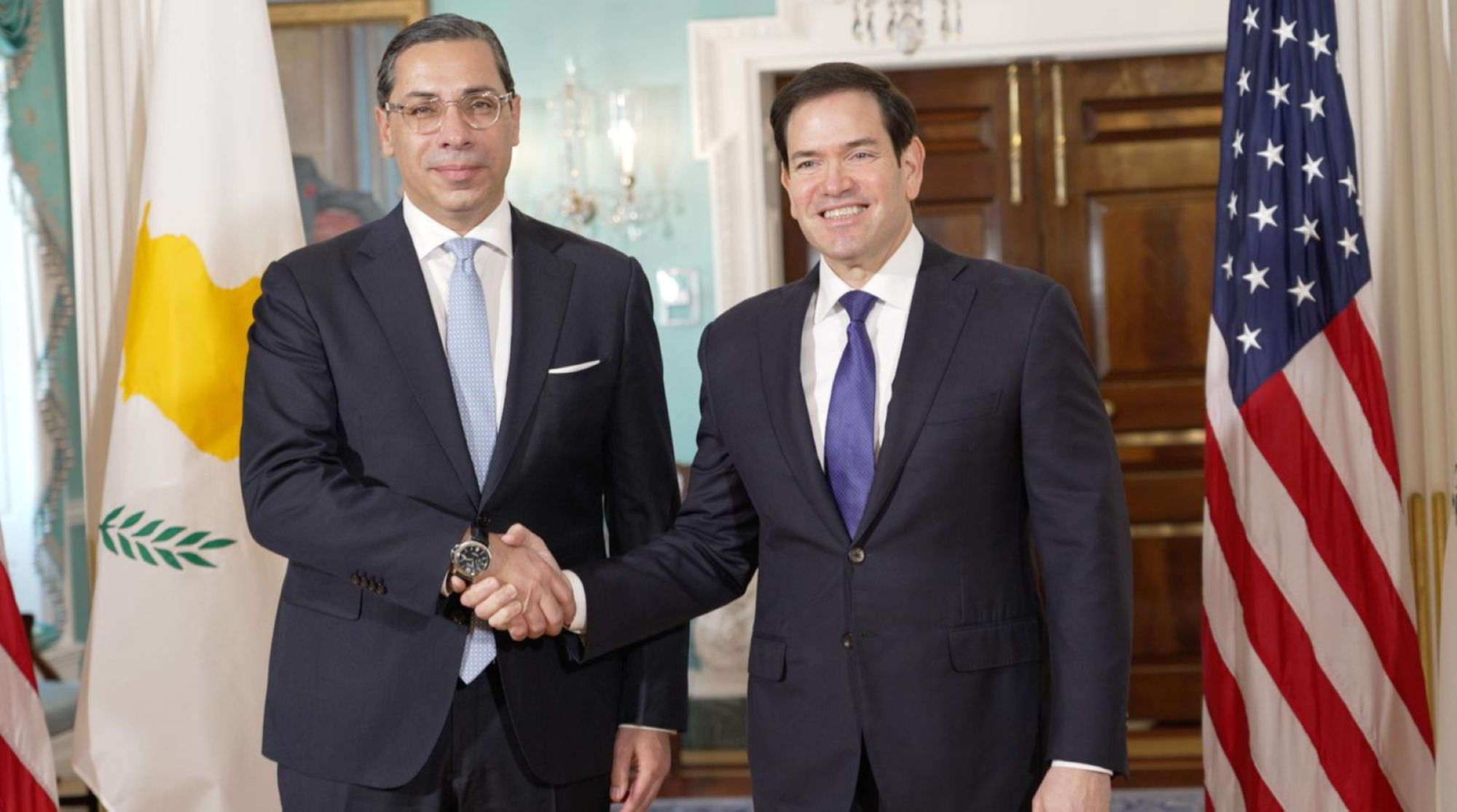
    Foreign Minister Constantinos Kombos engaged in a significant conversation regarding Venezuela with United States Secretary of State Marco Rubio on Sunday. This call not only focused on Venezuela but also touched upon various pressing global matters.

    Venezuela: Key Topics of Discussion

    According to Tommy Pigott, deputy spokesman for the US Department of State, the dialogue included discussions about the United States’ counternarcotics operations in the Caribbean. This aspect of the conversation was framed within the context of the US government’s rationale for its recent actions against Venezuelan President Nicolas Maduro and his wife, Cilia Flores.

    Wider Global Context

    In addition to Venezuela, Kombos and Rubio also addressed the ongoing protests in Iran and the shared priorities during Cyprus’ presidency of the Council of the European Union, which runs from January to June. The Cypriot foreign ministry described the exchange as “forward-looking,” highlighting the importance of transatlantic relations and the strategic partnership between Cyprus and the US.

    Regional Developments and Concerns

    The conversation extended to regional developments in Syria and Iran, particularly in light of recent protests. The Cypriot government had reiterated its travel advisory against all travel to Iran just last week, underscoring the serious nature of the situation.

    Efforts for Peace in Ukraine

    Another topic of importance discussed was the ongoing efforts for lasting peace in Ukraine. The discussions reflect a broader concern for stability in various regions that have been affected by conflict.

    Maduro’s Legal Troubles

    As of now, Nicolas Maduro remains in New York following his capture in Venezuela and is facing criminal charges in the US related to drug trafficking. The implications of his capture and the subsequent actions taken by the US have stirred significant reactions both domestically and internationally.

    US President’s Stance on Energy Companies

    On the same day, US President Donald Trump threatened to restrict energy giant ExxonMobil from accessing Venezuela’s oil reserves. This statement came after ExxonMobil’s CEO, Darren Woods, labelled Venezuela as “uninvestable” during a meeting at the White House. This situation raises questions about the future of foreign investment in the Venezuelan oil sector.

    Reactions in Cyprus

    In Cyprus, the US actions regarding Venezuela have sparked a negative grassroots reaction. Despite the escalating tensions, Kombos maintained a measured stance on the day of Maduro’s capture, advocating for “de-escalation, restraint, and a resolution that respects international law.” He emphasised that Cyprus is closely monitoring developments in Venezuela in collaboration with the EU and other partners.

    EU’s Position on Maduro

    EU High Representative for Foreign Policy, Kaja Kallas, has also been vocal about the situation, stating that the EU is closely monitoring developments in Venezuela. She reiterated that the EU has consistently maintained that Maduro lacks legitimacy and supported a peaceful transition. The EU stresses the necessity of adhering to international law and the UN charter, underscoring that the safety of EU citizens remains a top priority.

    Protests Against US Actions

    Following the developments, a protest occurred outside the US embassy in Nicosia, led by Akel party leader Stefanos Stefanou. He expressed that there can be “no excuse” for the US’s actions in Venezuela, arguing that the intervention cannot be justified as a means to combat a dictatorial regime or drug trafficking. Stefanou’s remarks reflect a broader sentiment among various political factions in Cyprus regarding the US’s foreign interventions.

    Condemnation of Military Actions

    Other political parties in Cyprus have also voiced their objections to the US actions. The Volt party condemned any violation of international law, stating that military force should not substitute for diplomacy. This collective discontent indicates a growing apprehension regarding the ramifications of foreign interventions and their legality.

  • Cyprus — Kombos Urges Turkey to Seize Opportunity in Cyprus Relations

    Foreign Minister Constantinos Kombos has called on Turkey to seize the opportunity regarding Cyprus and its evolving relationship with the European Union. In a recent interview with the newspaper Phileleftheros, Kombos addressed the potential invitation for Turkish Foreign Minister Hakan Fidan to an informal meeting of European foreign ministers in Limassol, scheduled for later this year.

    Kombos emphasised that Turkey is not excluded from the Republic of Cyprus, urging the nation to choose collaboration over self-exclusion. He referenced President Nikos Christodoulides’ proposal to invite Turkish President Recep Tayyip Erdogan to meet with EU member states and neighbouring countries in Cyprus in April. “Turkey is not excluded from the Republic of Cyprus, but Turkey must choose whether to insist on its own self-exclusion,” he stated. “We seek for Turkey to seize the opportunity, in connection with its Cyprus-related obligations.”

    Fidan had previously suggested that Cyprus’ six-month presidency of the Council of the European Union, which commenced last Thursday, could serve as a pivotal moment for Turkey. He lamented ongoing challenges posed by the Greek Cypriot administration, claiming they obstruct Turkey on the international stage. Despite these obstacles, he expressed hope for a softening of this stance in the near future. “They obstruct us whenever they get the chance. However, I think that in the face of the current threats which Europe is facing, cooperation and relations between the European Union and Turkey have become more meaningful than ever,” Fidan remarked.

    Fidan raised concerns about a potential Mediterranean agreement that would exclude Turkey, characterising such a proposal as “illegitimate” from their perspective. He claimed that the EU has historically acquiesced to what he described as the arrogance of the Greek Cypriot administration, which he believes threatens the EU’s security architecture.

    Meanwhile, Christodoulides’ overtures towards Erdogan have stirred controversy. Turkish Cypriot leader Tufan Erhurman responded critically to comments made by Christodoulides in an interview with French newspaper Le Figaro, where the Cypriot President stated his willingness to engage with Erdogan to discuss the Cyprus issue and work towards a negotiated settlement. Erhurman accused Christodoulides of disregarding the Turkish Cypriot community, asserting that their presence is crucial in any negotiations facilitated under the United Nations. “The Turkish Cypriot people exist. They are one of the two equal founding partners on the island, and we will not tolerate them being ignored or treated as if they do not exist through statements or agreements,” he said.

  • 2026 Marks a Transformative Period for Cyprus with EU Presidency

    2026 Marks a Transformative Period for Cyprus with EU Presidency

    The year 2026 will be a significant moment for Cyprus as it assumes the rotating presidency of the Council of the European Union for six months. President Nikos Christodoulides shared this news during his New Year address, highlighting the pride and responsibility associated with this role.

    A Proud Milestone for Cyprus

    President Christodoulides expressed that the upcoming presidency is a national mission, stating, “From tomorrow and for six months, our homeland assumes the presidency of the Council of the European Union.” He emphasised the importance of this term, noting that it will be only the second time Cyprus has held this position since joining the EU in 2004.

    Focus on Economic Growth and Social Policies

    As he welcomed the New Year, the President reflected on the nation’s economic progress, attributing it to responsible fiscal policies. He noted that Cyprus is currently experiencing conditions of full employment, zero inflation, and a significant reduction in public debt. “All of this translates into specific tangible results for the public, for the state, for our country,” he remarked, underscoring the benefits for citizens and the government.

    Investments in Public Welfare

    President Christodoulides outlined how economic growth allows for substantial investments in various sectors, including education, health, and housing. He remarked, “It allows us a targeted social policy,” which aims to improve everyday life for the public. This includes ongoing efforts to modernise the state, with a focus on bold reforms that enhance transparency and accountability.

    Reforming the State and Promoting Social Justice

    In his address, the President mentioned several reforms that his government is pursuing to address social needs and improve governance. This includes a tax transformation initiative that aims to restore balance between social justice and economic competitiveness. He stated, “The benefit returns directly to households, the middle class, families and businesses.”

    Educational Reforms on the Horizon

    Among the reforms, the President highlighted changes to the educational service, including new laws for the evaluation of teachers. He mentioned that these reforms are part of a broader strategy to enhance the quality of education and ensure that it meets contemporary standards.

    Legal and Electoral Reforms for a Better Future

    President Christodoulides also pointed to planned reforms within the legal service and the audit office, alongside initiatives for the state’s digital transformation. Notably, he discussed electoral reforms aimed at increasing civic participation, such as automatic voter registration and lowering the voting age from 18 to 17.

    Enhancing Pension Systems

    Another key area of focus is the pension system, with plans for substantial increases in pensions to support retirees. The President’s vision encompasses a comprehensive approach to governance that prioritises the well-being of all citizens.

    Five Priorities Guiding Governance

    As he approaches his third year in office, President Christodoulides outlined five key priorities for his administration. The first is an outward-looking foreign policy with a strong European and Western orientation. He stressed the importance of maintaining a resilient economy and modernising the state through continuous reforms.

    Commitment to Transparency and Accountability

    Another priority is the commitment to transparency, accountability, and the fight against corruption. Finally, the President highlighted the ultimate goal of improving the everyday lives of the public as a guiding principle for his government’s actions.

    Addressing Immigration and Enhancing National Security

    Internally, the government aims to tackle the challenges posed by immigration while reinforcing the nation’s security framework. The President reiterated the importance of establishing a rule of law and simplifying governmental procedures to better serve the public.

    International Engagement and Reunification Efforts

    On the international front, Christodoulides reiterated Cyprus’s commitment to a clear European and Western orientation, positioning the nation as a pillar of stability in the Middle East. He reaffirmed the ongoing efforts to resume discussions for the reunification of Cyprus, emphasising that this must be based on United Nations resolutions and European Union principles.

    A Vision for the Future

    Reflecting on the past and looking towards the future, President Christodoulides expressed satisfaction with the progress made since his election. He stated, “This is my promise, but also my obligation,” as he underscored his commitment to the Cypriot people, including those displaced and the relatives of the missing.

    Looking Ahead to 2026

    As Cyprus prepares to commence its EU presidency in 2026, President Christodoulides concluded with a message of hope and determination. “Happy new year to you all. Together, we are changing Cyprus, with a vision, strategic planning, and a clear plan.” The upcoming presidency represents not only a significant national milestone but also a pivotal opportunity for Cyprus on the European stage.

  • Turkey sanctions: Cyprus President Presents Evidence of Turkey’s Sanctions Violations to EU

    Turkey sanctions: Cyprus President Presents Evidence of Turkey’s Sanctions Violations to EU

    turkey sanctions — turkey sanctions — Cyprus President Nikos Christodoulides will present evidence of Turkey’s involvement in violations of sanctions against Russia during Thursday’s European Council session. This meeting is pivotal as it is the last before Cyprus takes over the EU Presidency on 1 January.

    Turkey sanctions: Focus on Supporting Ukraine

    Christodoulides intends to share specific data with other EU leaders that indicates breaches of European sanctions by Turkey. This follows a similar presentation made during his recent visit to Ukraine, where he met with President Volodymyr Zelensky.

    Upcoming Discussions on Financial Support

    One of the key topics at the Council will be Ukraine’s financial support for the 2026-27 period. Leaders aim to reach a consensus among the 27 member states, although Hungary has expressed reservations about the idea of common borrowing. The agenda includes discussions on utilising frozen Russian Central Bank assets to facilitate a compensation loan.

    Sanctions and Strategic Objectives

    The renewal of sanctions against Russia will ensure that Russian assets remain frozen until compensation is arranged for Ukraine. This strategy aims to alleviate the financial burden on EU member states while maintaining pressure on Russia to cease its military actions.

    Political Dynamics and Enlargement Discussions

    The upcoming session is also expected to address the EU’s enlargement, particularly concerning the Western Balkans, Ukraine, Moldova, and Turkey. Cyprus is keen on sending strong messages regarding its ongoing issues, especially with Turkey, and is committed to collaborating with the UN to support resolution efforts.

    Addressing Geo-Economic Challenges

    Christodoulides’ agenda will also touch upon the EU’s economic resilience in light of pressures from global powers like China and the United States. The discussions will focus on reducing dependence on external entities while enhancing the EU’s competitiveness and strategic autonomy.

    Multiannual Financial Framework Negotiations

    Another critical topic will be the draft of the Negotiating Box for the Multiannual Financial Framework (MFF) for 2028-2034. Member states aim for a political agreement by the end of 2026, as the MFF represents a significant priority for the upcoming Cyprus Presidency. The discussions will address various funding allocations, including support for Ukraine and the role of the Common Agricultural Policy.

    Diverging Views Among Member States

    Significant differences remain among member states regarding budget architecture and prioritisation. The proposed new MFF, amounting to €2 trillion, aims to redefine how the EU supports its initiatives, particularly with regards to security and economic stability.

  • France Positioned to Lead in Resolving Cyprus Problem, Says President Christodoulides

    France Positioned to Lead in Resolving Cyprus Problem, Says President Christodoulides

    France could and should play a leading role in efforts to solve the Cyprus problem, according to President Nikos Christodoulides. In a recent interview with Le Figaro, he expressed his hopes for increased French involvement, emphasising the unique position France holds within the European Union and the United Nations.

    Christodoulides noted that France is not only an EU member but also a permanent member of the UN Security Council, making it a key player in international discussions on the matter. “Any progress must be based on UN Security Council resolutions to allow us to move forward,” he stated.

    He stressed the importance of creating conditions conducive to resuming discussions centred around a bizonal and bicommunal federation, as outlined in various UN resolutions. “I am very pleased that this point was mentioned in a joint statement last week,” he added, referring to a tripartite meeting with UN envoy Maria Angela Holguin and Turkish Cypriot leader Tufan Erhurman.

    During the conversation, Christodoulides articulated a vision for a reunified Cyprus, where both Greek Cypriots and Turkish Cypriots would enjoy the same rights as citizens of EU member states. He asserted, “After the Cyprus issue is resolved, the Republic of Cyprus should be a fully functioning state.” This perspective aligns with broader goals for Cyprus to strengthen its role in the region post-resolution.

    The discussion surrounding France’s potential role in resolving the Cyprus problem comes on the heels of supportive remarks from French President Emmanuel Macron. Following the signing of a strategic partnership between France and Cyprus, Macron expressed his hopes for a solution that would allow all Cypriots to live together harmoniously on a reunified island. “France strongly supports the United Nations’ mediation efforts for a just, comprehensive, and lasting settlement of the Cyprus issue,” he stated.

    Macron’s commitment underscores the shared interest between Cyprus and France in fostering stability in the region. As diplomatic discussions continue, the call for deeper French involvement from President Christodoulides could pave the way for renewed efforts towards a long-awaited resolution.

  • Israeli Peacekeepers Proposed to Supplant UN Forces in Cyprus

    Israeli Peacekeepers Proposed to Supplant UN Forces in Cyprus

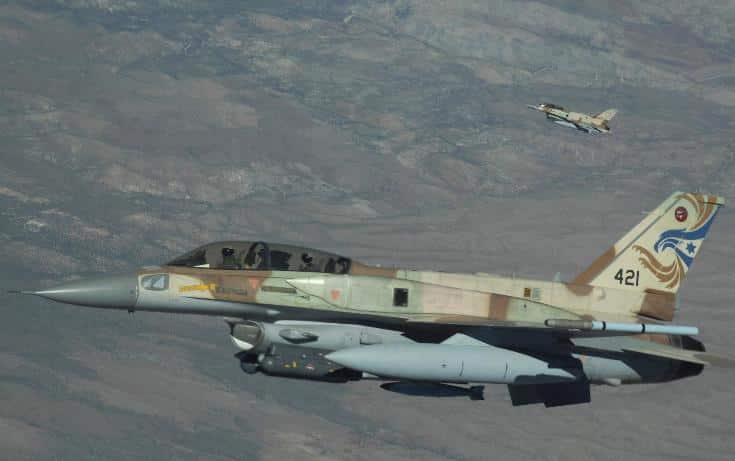
    Israeli peacekeepers should replace United Nations peacekeeping forces stationed in Cyprus, according to American pro-Israel analyst Michael Rubin. In a recent article for the National Security Journal, the former Pentagon official urged US President Donald Trump to dismantle what he described as “legacy zombie missions” of the UN, highlighting the United Nations Peacekeeping Force in Cyprus (Unficyp) as a prime example.

    • "The observer mission continues, but Unficyp has become the poster child for UN zombie missions," Rubin asserts, emphasising the need for a more active role in maintaining peace in the region.

    Rubin argues that the UN’s credibility has waned significantly, pointing to the Turkish-occupied area in Cyprus, which he notes is more than nine times the size of the Gaza Strip. He critiques Unficyp, stating that it has become a mere observer rather than an effective peacekeeping mechanism.

    “The observer mission continues, but Unficyp has become the poster child for UN zombie missions,” Rubin asserts, emphasising the need for a more active role in maintaining peace in the region.

    Furthermore, he draws parallels with the United Nations Relief and Works Agency for Palestinians in the Middle East (Unrwa), claiming it has been compromised by groups like Hamas. Rubin alleges that Unrwa has been co-opted, arguing that it should not be involved in post-war Gaza reconstruction, while accusing it of enabling indoctrination and weapons storage.

    His suggestions for Israeli peacekeepers come amid concerns about a proposal to include Turkish troops in an international stabilisation force in Gaza. Rubin warns that allowing Turkish forces into Gaza could escalate tensions, potentially igniting conflict across the region over time.

    “Allowing Turkey to send its forces to Gaza would light a fuse that could engulf the region, maybe not in a month or a year, but certainly within a decade or two,” he cautions. He also highlights that Turkey’s intelligence service is believed to support Hamas, threatening the stability of Israel and its neighbours.

    Rubin is a senior fellow at the American Enterprise Institute, a Washington DC think tank, and his call for Israeli peacekeepers comes amid significant allegations against Unrwa. In early 2024, Israel accused Unrwa of complicity in the October 7, 2023 attacks, leading to aid cuts that were only partially reversed.

    A UN investigation subsequently found that nine Unrwa staff members “may” have been involved in the attack, resulting in their dismissal, while evidence against others was deemed insufficient. In October 2024, the Israeli parliament passed legislation prohibiting Unrwa from operating within Israel, further intensifying scrutiny of the agency.

    As of October 2025, the International Court of Justice (ICJ) ruled that Israel did not adequately substantiate its claims that a significant number of Unrwa’s employees were linked to Hamas or other terrorist factions. Amid these controversies, Israel itself faces allegations from South Africa and others regarding genocide in Gaza.

    In September, the UN Independent International Commission of Inquiry on the Occupied Palestinian Territory accused Israel of committing genocide against Palestinians in Gaza, adding another layer to the ongoing discourse surrounding peacekeeping efforts in the region.

  • Gaza ceasefire — President Christodoulides Attends Gaza Ceasefire Signing in Sharm el-Sheikh

    Gaza ceasefire — President Christodoulides Attends Gaza Ceasefire Signing in Sharm el-Sheikh

    President Christodoulides is in Sharm el-Sheikh today for the signing of the Gaza ceasefire agreement, marking a significant moment for Cyprus’s role in regional diplomacy.

    • President Christodoulides is in Sharm el-Sheikh today for the signing of the Gaza ceasefire agreement, marking a significant moment for Cyprus's role in regional diplomacy.
    • By being included in this elite group, Cyprus is perceived as a pillar of stability and an ally in constructive dialogue, strengthening its position on the world stage.
    • “We are not resting on our laurels,” Christodoulides said. “The invitation is a clear recognition of our role and what we can achieve moving forward.”
    • The President is joined by key members of his government, including the Foreign Minister and Deputy Minister for European Affairs, underscoring the importance of this diplomatic engagement.

    Invited by the United States and Egypt, the President’s participation underscores Cyprus’s upgraded geopolitical standing in the Eastern Mediterranean. He noted that Cyprus now joins a select group of nations actively involved in shaping Gaza’s future and reconstruction efforts.

    Diplomatic sources highlighted that this invitation reflects a broader recognition of Cyprus’s contributions to stability and humanitarian efforts in the region, as well as the international trust it has garnered from influential countries.

    “Cyprus is an interlocutor with all parties and not a spectator in regional developments,” sources stated, emphasising the country’s commitment to supporting Gaza’s recovery and fostering regional security.

    In comments made prior to the event, President Christodoulides expressed gratitude to both President Biden and President al-Sisi for the invitation. He described it as a testament to Cyprus’s diplomatic achievements and the expectations placed on the country by the international community.

    The list of attendees at the signing ceremony is notably exclusive, featuring only 23 states alongside three key institutions: the EU, the UN, and the Arab League. Other participants include nations with vested interests in the Palestinian issue, such as Qatar, Jordan, and Turkey, among others.

    By being included in this elite group, Cyprus is perceived as a pillar of stability and an ally in constructive dialogue, strengthening its position on the world stage.

    President Christodoulides remarked on the significance of the event, stating, “We want Cypriot companies to have a role in the reconstruction of Gaza. Our involvement is essential for security matters and the effective implementation of the agreement.”

    This summit follows months of active Cypriot diplomacy, notably through the Amaltheia initiative, which has been pivotal in establishing a humanitarian corridor to Gaza. The initiative has been instrumental in fostering relationships with key partners in the region, including the US, Egypt, and the UAE.

    The President’s presence at this ceremony is expected to amplify Cyprus’s diplomatic influence, particularly as the country prepares to assume the EU Council presidency in 2026. This development counters narratives of isolation, showcasing Cyprus as a credible and engaged international player.

    “We are not resting on our laurels,” Christodoulides said. “The invitation is a clear recognition of our role and what we can achieve moving forward.”

    As leaders convene for the summit, the programme commences with a reception led by President al-Sisi, followed by the signing ceremony and an opening address by President Biden, setting the tone for discussions on Gaza’s future.

    The President is joined by key members of his government, including the Foreign Minister and Deputy Minister for European Affairs, underscoring the importance of this diplomatic engagement.

  • Dispute Over Payment Structures Clouds Great Sea Interconnector Project

    Dispute Over Payment Structures Clouds Great Sea Interconnector Project

    great sea — A longstanding difference over payment structures is at the heart of the ongoing dispute involving the Great Sea Interconnector (GSI) project. Sources revealed that the energy regulator of Cyprus is at odds with Admie, Greece’s independent power transmission operator and the project promoter for the GSI.

    • In a clarification issued after President Christodoulides’ remarks, Admie stated it was not demanding the entire €251 million immediately but was contesting Cera's verification of €82 million.

    The issue resurfaced following strong comments made by Cypriot President Nikos Christodoulides, who asserted that the state would not be “blackmailed” by Admie. This statement came in response to a report from the daily Phileleftheros, which highlighted the tensions surrounding the project.

    President Christodoulides reiterated that there is “no crisis” between the governments of Cyprus and Greece, despite the apparent disagreements over the GSI. He acknowledged that some “technocratic differences” exist regarding the project.

    On Monday, the Cyprus energy regulatory authority (Cera) confirmed it had received a letter from Admie concerning its expenses on the GSI. The letter, dated September 26, appeals a previous decision made by Cera in July, where only €82 million in capital expenditures (capex) was verified by the regulator. In contrast, Admie claims it has spent €251 million to date.

    In a clarification issued after President Christodoulides’ remarks, Admie stated it was not demanding the entire €251 million immediately but was contesting Cera’s verification of €82 million.

    This disagreement stems from a history of disputes dating back to when EuroAsia Interconnector Ltd, a Cypriot company, was the original project promoter. After EuroAsia withdrew in October 2023 due to financing issues, Admie took over but found the existing agreement with Cera unsatisfactory. The previous agreement allowed for some expense recovery only after project completion, while Admie insists on the ability to recoup costs as they occur.

    Differences in regulatory practices between Cyprus and Greece exacerbate the situation. In Cyprus, it is customary for the implementing entity to be reimbursed after completing a project, whereas Greece permits reimbursement of expenses as they arise. This fundamental disagreement remains unresolved, with Admie’s recent letter being the latest development in ongoing discussions.

    Cera has not accused Admie of dishonesty regarding the €251 million claim; rather, it has requested evidence in the form of invoices to support the expenditure. Currently, Cera maintains that only €82 million can be substantiated.

    In July 2024, Cyprus and Greece entered into an interstate agreement committing Cyprus to pay €25 million annually into the GSI project from 2025 to 2030, totalling €125 million. However, this agreement does not address the core issue of when expenses can be reimbursed, leaving Admie’s costs to accumulate.

    It’s important to note that the €251 million claimed by Admie does not represent Cyprus’ total liability. Cyprus is responsible for 63% of that amount, while Greece covers the remaining 37%, as per the agreed division of costs.

    The overall cost of the interconnector project is estimated at €1.9 billion, and as time progresses, Admie’s financial claims may increase beyond the current figure. Complicating matters further is the ongoing Turkish interference, which has halted depth surveys necessary for mapping the subsea cable route. So far, surveys have only been conducted in the territorial waters off Crete and Cyprus, with Turkish claims of continental shelf rights preventing exploration in international waters. This leaves significant gaps in the necessary seabed mapping for the project.