Tag: Nikos Christodoulides

  • Cyprus ukraine: Cyprus Affirms Support for Ukraine Amid Ongoing Conflict

    Cyprus ukraine: Cyprus Affirms Support for Ukraine Amid Ongoing Conflict

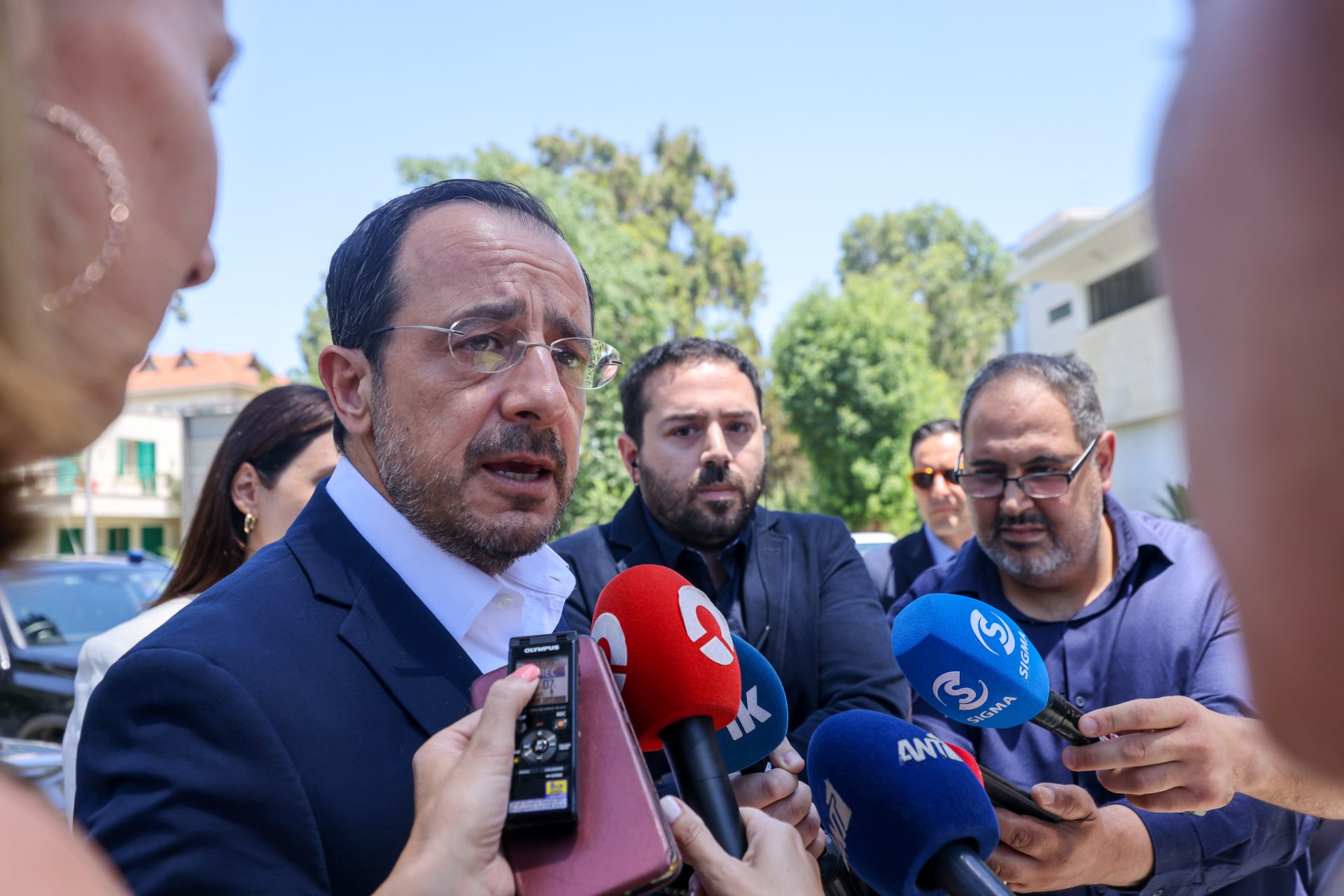
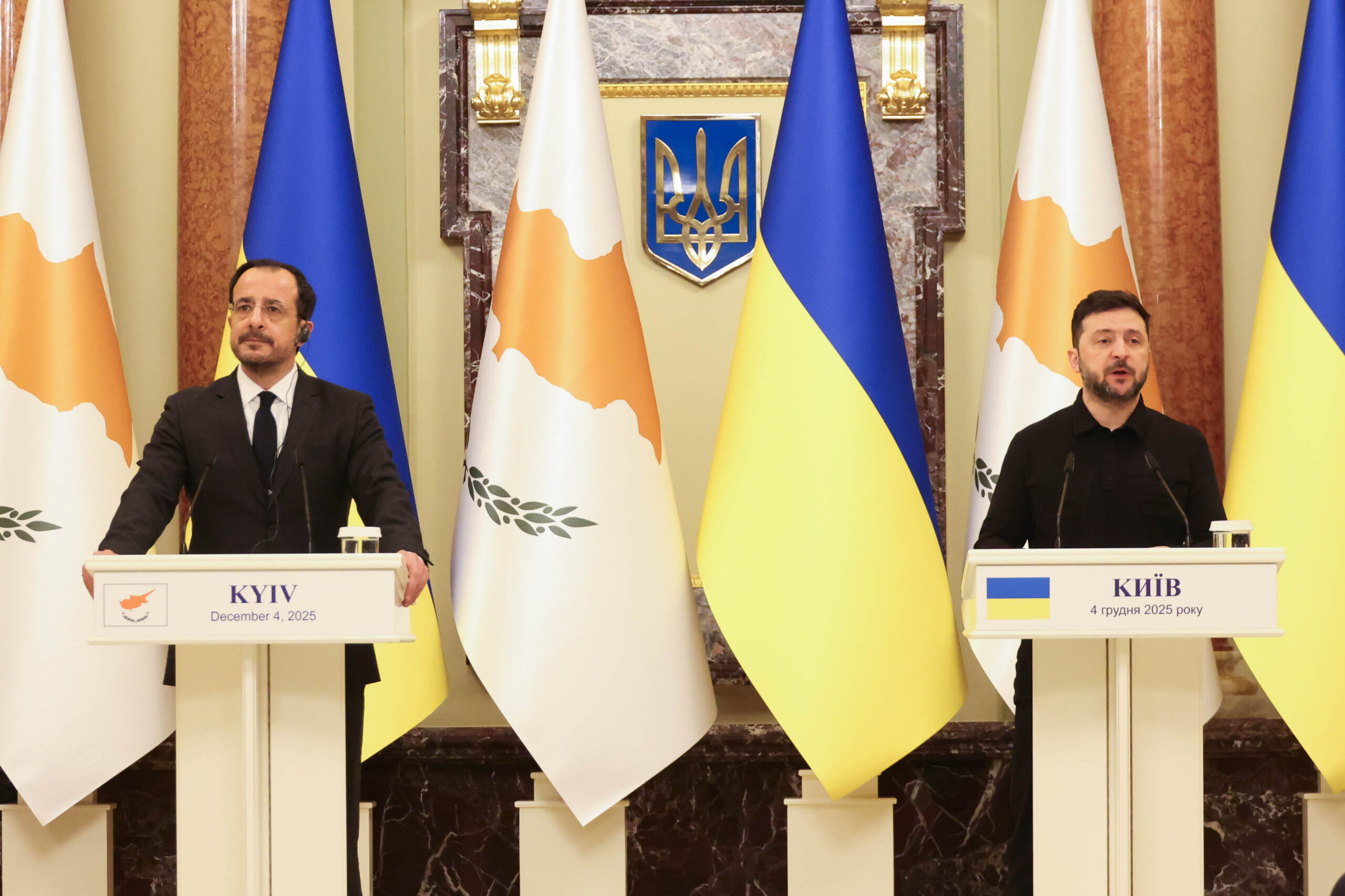
    cyprus ukraine — cyprus ukraine — Cyprus stands by the side of Ukraine, as President Nikos Christodoulides emphasised during his recent visit to Kyiv. He highlighted the importance of advancing peace efforts to resolve the ongoing Russian invasion, which has persisted for over three years. During his discussions with Ukrainian President Volodymyr Zelenskiy, Christodoulides reiterated that the conflict is fundamentally about defending universal principles and values.
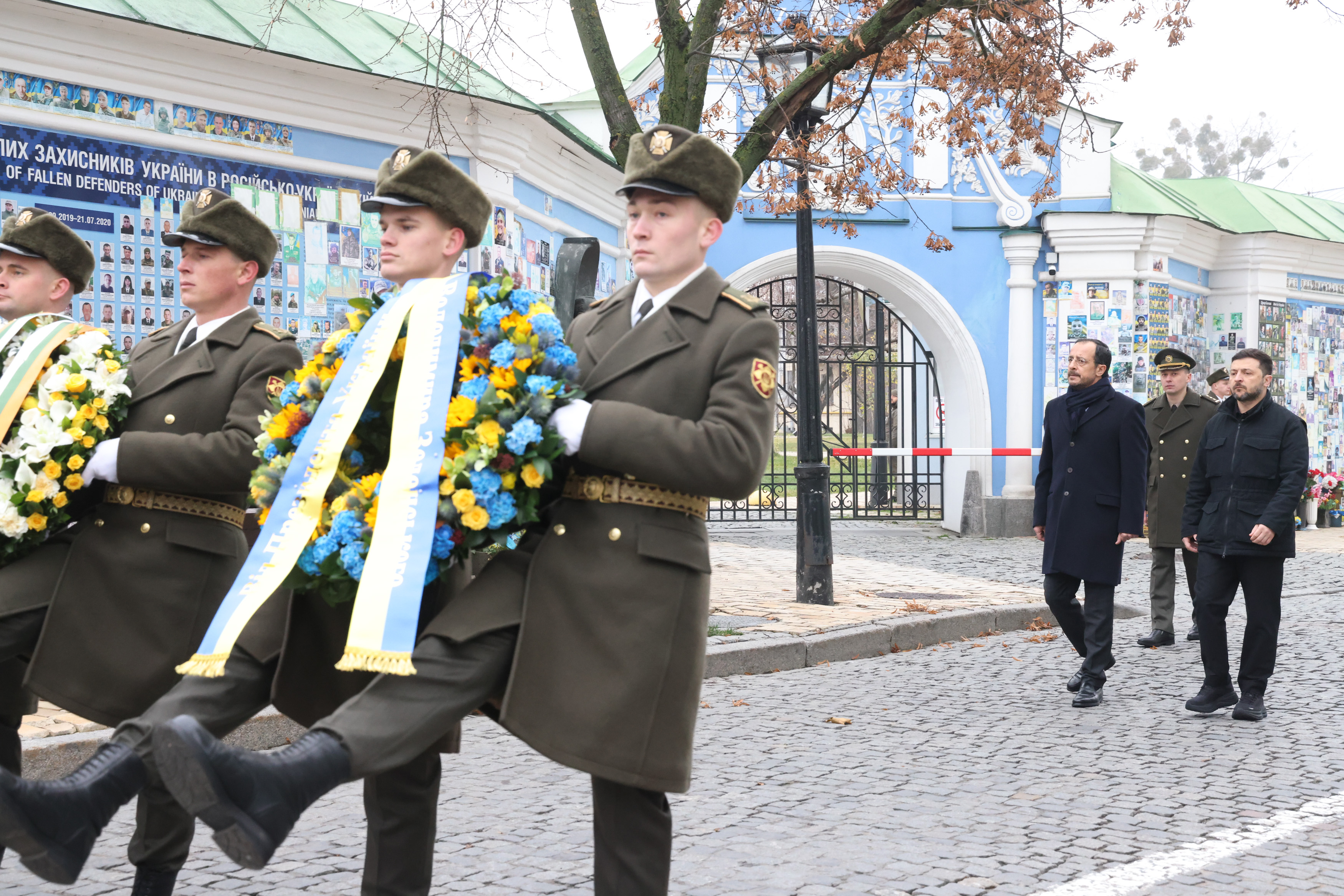
    Photo: cyprus-mail.com

    Christodoulides praised Zelenskiy and the Ukrainian people for their remarkable resilience in the face of what he described as a “brutal and unprovoked invasion.” He expressed solidarity by acknowledging the shared experiences of Cyprus and Ukraine regarding military invasion and occupation, underscoring the emotional and historical connections between the two nations.
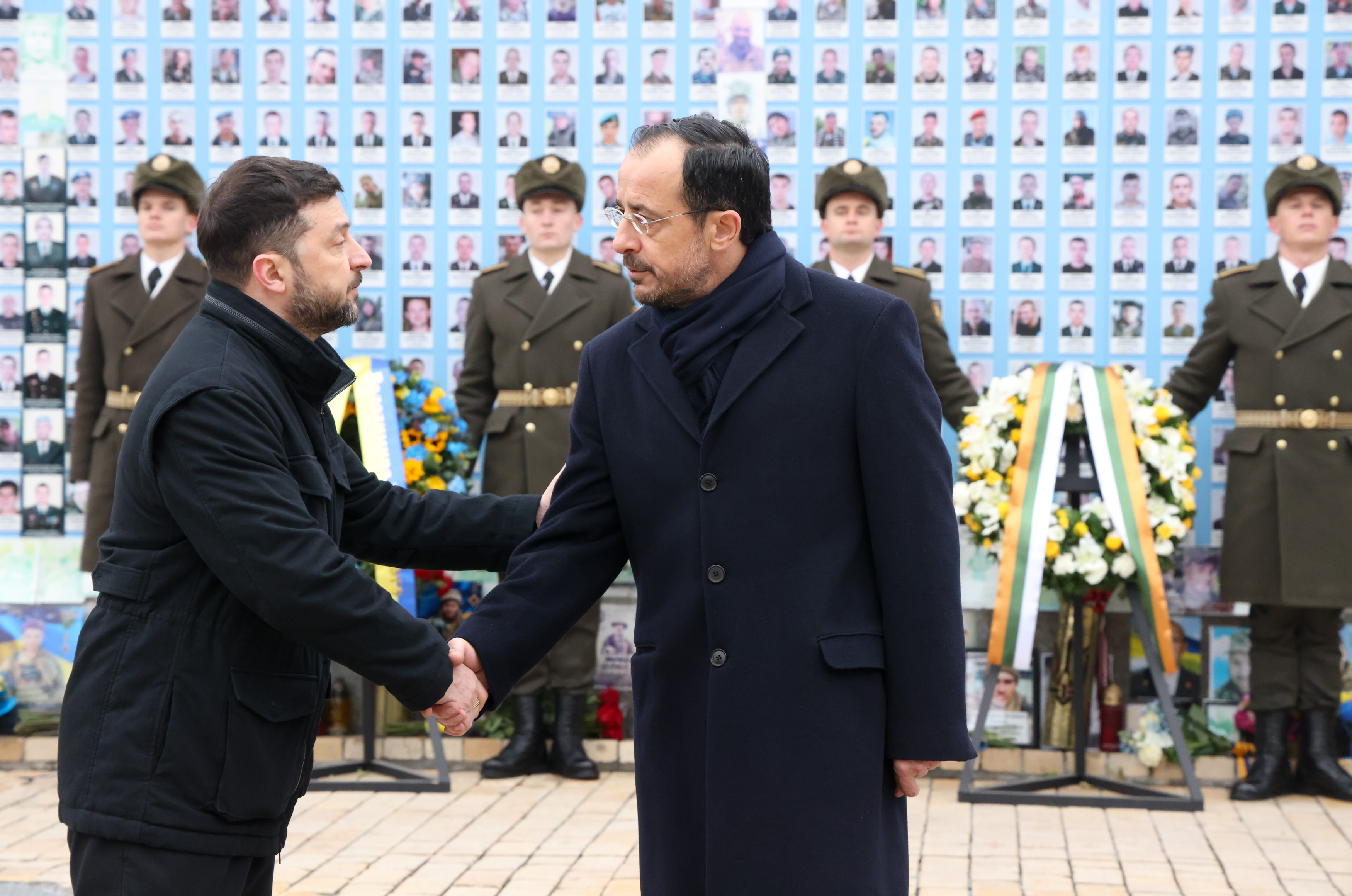
    Photo: cyprus-mail.com

    During their meeting, the two leaders discussed ongoing international efforts to achieve a peace agreement. Christodoulides stated, “The president briefed me on the situation resulting from the ongoing Russian invasion and its serious implications.” He reiterated Cyprus and the EU’s firm stance that any peace initiative must fully respect Ukraine’s sovereignty and adhere to the principles of the UN Charter, pointing out the direct connection between Ukraine’s security and that of the EU.

    While laying a wreath at the Wall of Heroes monument, Christodoulides also addressed the limitations of the EU’s support measures, which he felt were hampered by member states acting as “cunning neutrals.” He stressed the need to confront those states that exploit the tragedy of the Ukrainian people for their own interests.

    The conversation shifted towards Ukraine’s future relationship with the EU, particularly in light of Cyprus’ upcoming presidency of the EU Council in 2026. Christodoulides assured Zelenskiy that support for Ukraine would remain a priority during this time, including discussions on EU enlargement. He stated, “The Republic of Cyprus is fully prepared to contribute to cohesion in Europe amid increasing geopolitical pressures.”

    Christodoulides also acknowledged the Ukrainian community in Cyprus, which numbers around 25,000 people, highlighting a commitment to strengthen bilateral cooperation. He noted, “We are committed to deepening and broadening our bilateral cooperation, building on the strong Ukrainian community in Cyprus.” Cyprus ranks third in the EU for hosting the largest number of Ukrainians relative to its population.

    Zelenskiy expressed gratitude for Cyprus’ support in Ukraine’s EU accession efforts. He recognised Cyprus as a small state with relevant experience in pursuing a “European path” amid geopolitical challenges. He added, “This experience of ours, the experiences of the Cypriot people, since 1974 and the Turkish invasion and the occupation that has continued for 51 years, oblige us to be on the right side of history.”

    The meeting, described by government spokesman Konstantinos Letymbiotis as a “deeply symbolic visit,” underscored the solidarity that Cyprus has for Ukraine. Letymbiotis remarked that Cyprus expressed its unwavering dedication to the principles of sovereignty, independence, and territorial integrity of all states, stating, “Our stance is not just one of principle; it is deeply rooted in our own experience and continuous struggle for justice and the restoration of our rights.”

    As Cyprus continues to promote European priorities concerning security and unity, Christodoulides affirmed the island’s commitment to supporting sincere diplomatic efforts aimed at achieving a just and lasting peace in Ukraine.
  • Expansionist neo-ottoman — Christodoulides Critiques Turkey’s Expansionist Neo-Ottoman Policy on Cyprus

    expansionist neo-ottoman — President Nikos Christodoulides has strongly condemned Turkey’s expansionist neo-Ottoman policy regarding Cyprus. Speaking at a conference focused on Hellenic culture, he highlighted that Cyprus continues to suffer from the lasting impacts of what he termed ‘selfish approaches’ and ‘foolish policies’ that have perpetuated the island’s division.

    Expansionist neo-ottoman: A Call for Assertive Realism

    In his address, Christodoulides advocated for ‘assertive realism’ as a strategic approach to address the ongoing Cyprus issue. He stated, “Assertive realism is the cornerstone of the efforts we have been making for the past two and a half years for liberation and for the resolution of the Cyprus problem, in a difficult geopolitical environment.” This approach aims to navigate the complexities surrounding Cyprus and foster a more constructive dialogue between the involved parties.

    Upcoming Diplomatic Engagements

    Christodoulides’ ‘assertive realism’ will soon face a critical test in December. United Nations envoy Maria Angela Holguin is scheduled to visit Cyprus to engage with both Christodoulides and Turkish Cypriot leader Tufan Erhurman. The objective of these meetings is to prepare for an enlarged gathering focused on the Cyprus problem, which will include representatives from Cyprus, its three guarantor powers—Greece, Turkey, and the United Kingdom—and the UN. This significant meeting is tentatively slated for January in New York.

    Delay in Meetings and Strategic Relations

    Initially, the enlarged meeting was expected to occur this month. However, Erhurman opted to postpone his initial meeting with Holguin from early November to December 5. Reports suggest that Erhurman made this decision to strengthen ties with the Turkish government prior to the commencement of substantive discussions regarding Cyprus. He is set to visit Ankara shortly for a meeting with President Recep Tayyip Erdogan.

    Election Outcomes and Negotiation Dynamics

    Erhurman, who recently secured an unprecedented electoral victory, is in favour of returning to negotiations aimed at achieving a federal solution to the Cyprus issue, a model that aligns with Christodoulides’ perspective. However, the Turkish government has exhibited scepticism towards this approach. Erdogan has consistently reiterated his preference for a two-state solution, despite earlier indications of a willingness to engage in negotiations following Erhurman’s election.

    Statements from Turkish Leadership

    In a statement made on Monday, Erdogan reiterated his demand for a two-state solution, which complicates the prospects for a unified negotiation framework. Yet, he also acknowledged the significance of the Turkish Cypriots’ electoral choice, asserting, “The Turkish Cypriots’ will is highly respected by us.” This duality in Erdogan’s stance reflects the challenging dynamics at play in the ongoing negotiations.

    Continued Tensions and Future Prospects

    The Cyprus issue remains a contentious topic, with historical grievances and political complexities hindering progress. As the December meetings approach, there is cautious optimism regarding the potential for dialogue, although significant obstacles remain. The contrasting positions of the Cypriot leadership and the Turkish government underscore the intricate nature of the discussions ahead.

    Looking Ahead

    As December approaches, all eyes will be on the meetings between Holguin, Christodoulides, and Erhurman. The outcomes of these discussions may shape the future trajectory of Cyprus and the broader geopolitical landscape in the region. With Christodoulides advocating for assertive realism, the hope is that a pathway towards resolution can be forged amidst the complexities of Turkish Cypriot relations and the historical context of the island’s division.

  • Amalthea Plan Delivers Shelter Material from Cyprus to Gaza

    Amalthea Plan Delivers Shelter Material from Cyprus to Gaza

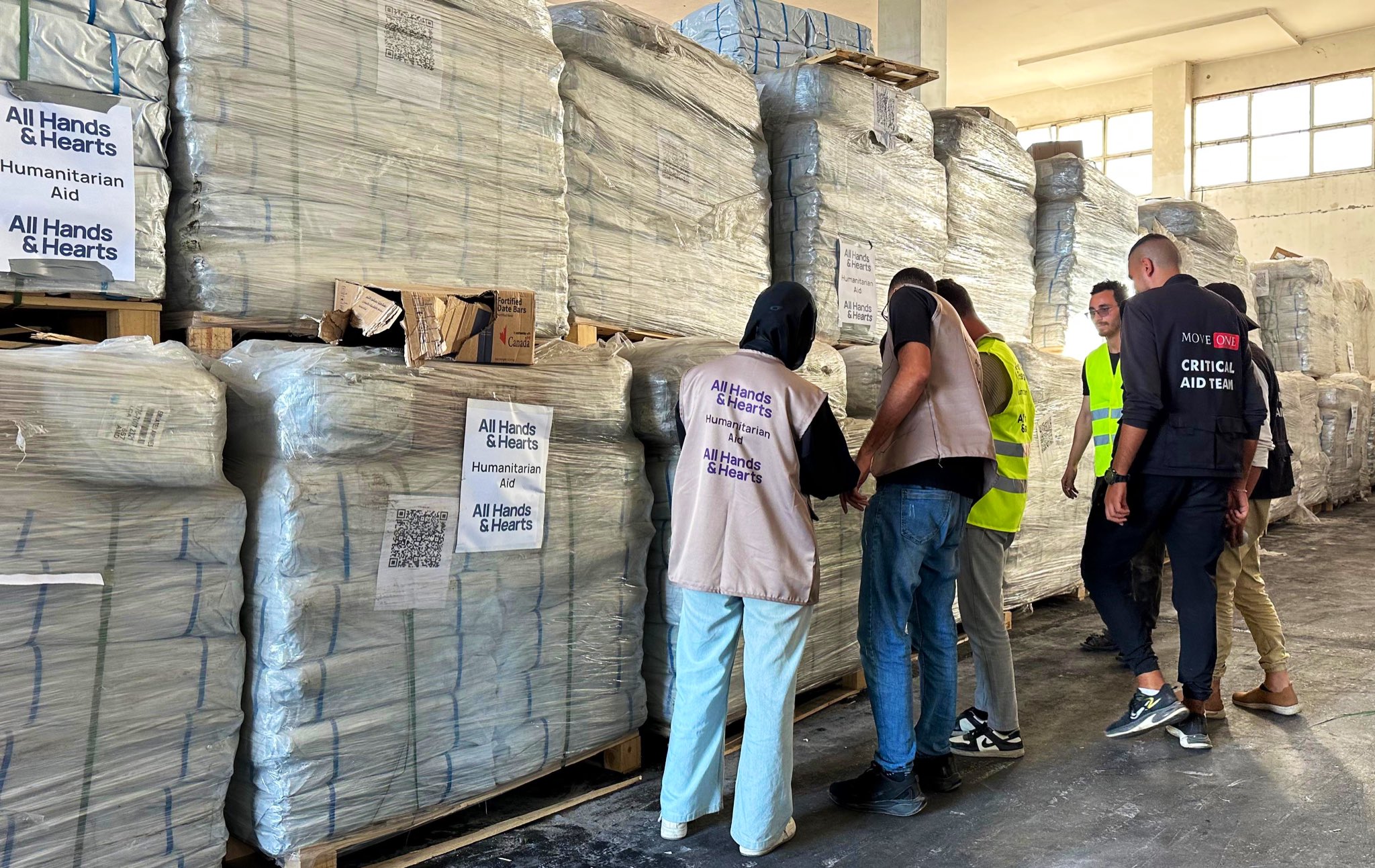
    Shelter material sent from Cyprus via the Amalthea plan has successfully arrived in Gaza, marking a significant step in humanitarian aid efforts. The material was dispatched following a collaborative initiative involving non-governmental organisations (NGOs) on the ground and the Cypriot foreign ministry, which announced the delivery on Saturday.

    Amalthea plan: Ongoing Distribution of Aid

    The Cypriot foreign ministry confirmed that distribution to local families is already underway. “Distribution to families is underway while more humanitarian aid is on the way. We will continue our efforts to support civilians on the ground,” the ministry stated in a post on X.

    Collaboration with International Agencies

    This delivery was carried out in close cooperation with The United Nations Office for Project Services (UNOPS) and the global disaster relief nonprofit organisation All Hands and Hearts. Their involvement highlights the coordinated approach needed to address the urgent humanitarian needs in the region.

    President Christodoulides’ Vision for Gaza

    In an interview with Euronews, President Nikos Christodoulides discussed Cyprus’ broader humanitarian strategy for Gaza. He elaborated on a six-point plan aimed at complementing US President Donald Trump’s 20-point peace plan, reaffirming Cyprus’ commitment to supporting rebuilding efforts in the region. This plan was initially presented at the “Gaza Peace Summit” in Sharm el-Sheikh earlier this month and was recently shared with European Commission President Ursula von der Leyen.

    A Connector Between Regions

    During the interview, Christodoulides underscored Cyprus’ strategic position as a bridge between Europe and the Middle East. He expressed a readiness to engage with all regional partners, including the EU and the US, to facilitate a comprehensive approach to humanitarian aid and reconstruction.

    Key Objectives of the Humanitarian Initiative

    One of the primary objectives of the Amalthea plan is to create a maritime corridor that enables the safe transport of humanitarian supplies and reconstruction materials into Gaza. “When (…) the conditions are there, reconstruction should start. And that is why point three of our proposals is the rubble removal and reconstruction enabling,” Christodoulides explained. This strategy aims to facilitate the necessary logistics for rebuilding efforts in the war-affected territory.

    A Historical Perspective on the Initiative

    The initiative for a humanitarian maritime passageway was first proposed to the European Council at the end of October 2023, shortly after the outbreak of the conflict in the region. Supported by the EU, the UK, the United Arab Emirates, and the US, the plan aims to deliver essential humanitarian assistance by sea.

    The Impact of Ongoing Conflict

    UN estimates indicate that more than 90 per cent of Gaza’s residential buildings have been either damaged or destroyed since the conflict escalated in October 2023. This devastation has resulted in nearly 50 million tons of rubble, a daunting challenge that is expected to take decades to clear. The humanitarian situation remains critical, emphasising the need for continued support and intervention.

    Looking Ahead

    The arrival of shelter materials through the Amalthea plan represents a crucial effort to alleviate immediate suffering in Gaza. As Cyprus continues to lead humanitarian initiatives, the focus will remain on effective collaboration with international partners to ensure that aid reaches those in need.

  • Fisheries — President Christodoulides Welcomes European Commissioner for Fisheries and Oceans

    Fisheries — President Christodoulides Welcomes European Commissioner for Fisheries and Oceans

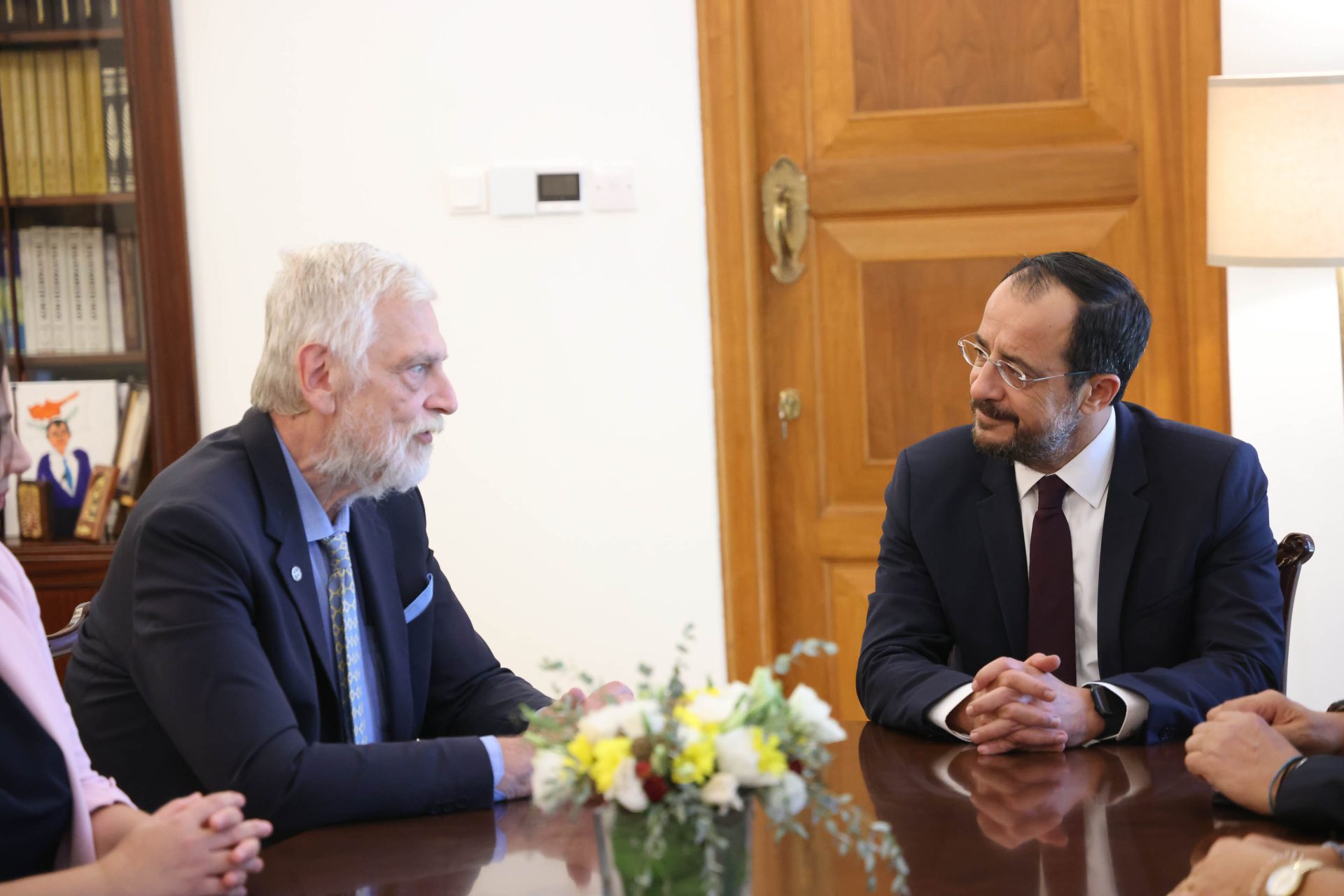
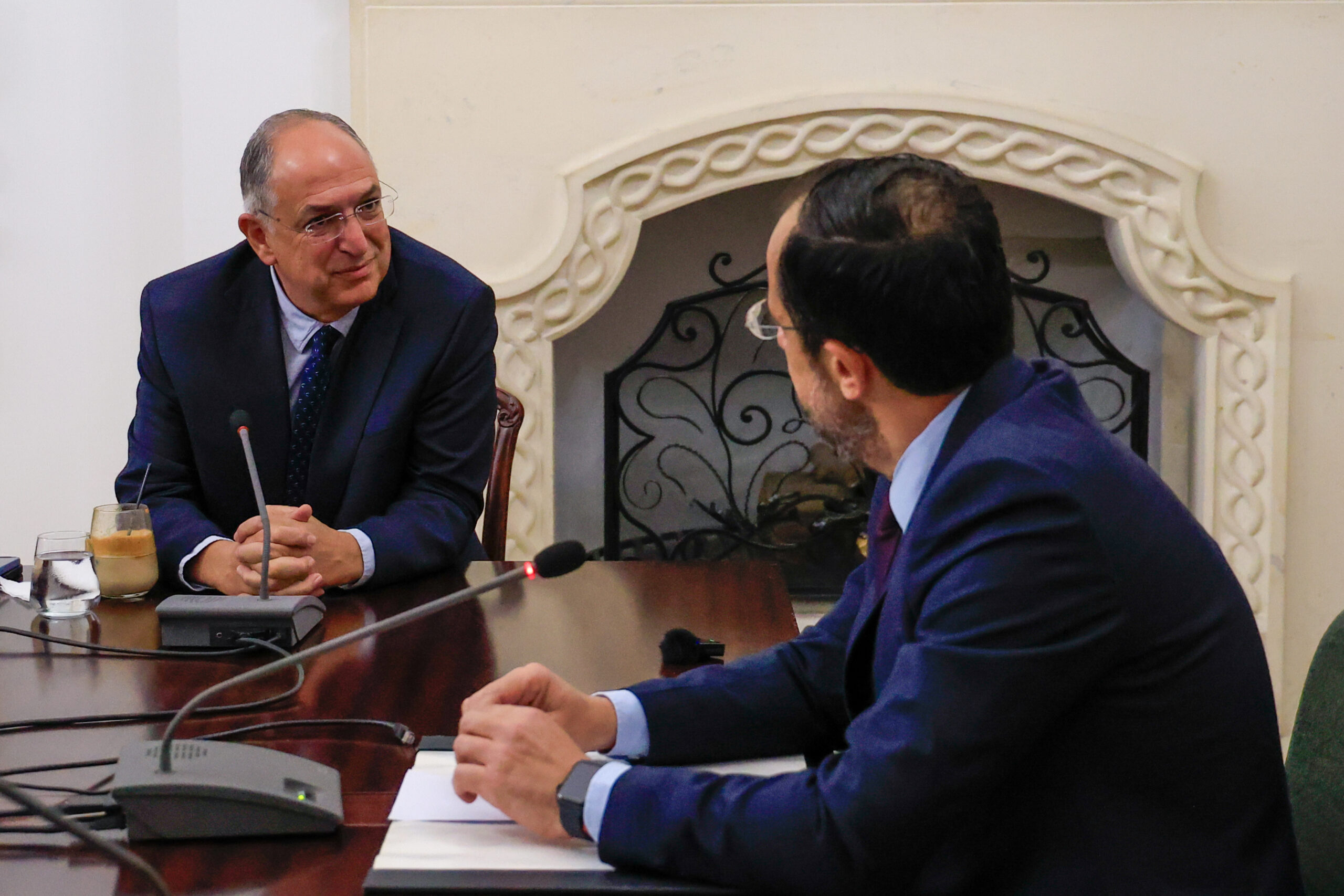
    President Nikos Christodoulides received the European Commissioner for Fisheries and Oceans, Costas Kadis, at the presidential palace on Thursday, marking a significant step in enhancing collaboration between Cyprus and the European Union.

    Kadis, who visited Cyprus with a dedicated team, expressed that the aim of the visit is to strengthen collaborative work and exchange ideas on the Commission’s advancements in fisheries. This meeting comes at a crucial time as fisheries management and ocean conservation are increasingly important topics across EU member states.

    During the discussions, Kadis provided President Christodoulides with insights into recent activities related to fisheries. “We examine issues that concern all member states with great care, with the remaining members of the group being particularly sensitive and aware of issues that concern Cyprus,” he remarked, highlighting the importance of tailored approaches to fisheries management that consider local needs and circumstances.

    The Commissioner also mentioned the formation of a team of esteemed experts focused on addressing these issues effectively. This initiative aims to foster a collaborative environment where member states can share their experiences and strategies for sustainable fisheries practices.

    As the European Union continues to navigate challenges related to marine ecosystems, Kadis’ visit underscores the commitment to enhancing cooperative efforts in the sector. With Cyprus being a vital player in the Mediterranean, these discussions are expected to yield positive outcomes for local fisheries and the broader EU agenda on ocean conservation.

  • Protesting: President Christodoulides Affirms Right to Protest Amid Police Controversy

    Protesting: President Christodoulides Affirms Right to Protest Amid Police Controversy

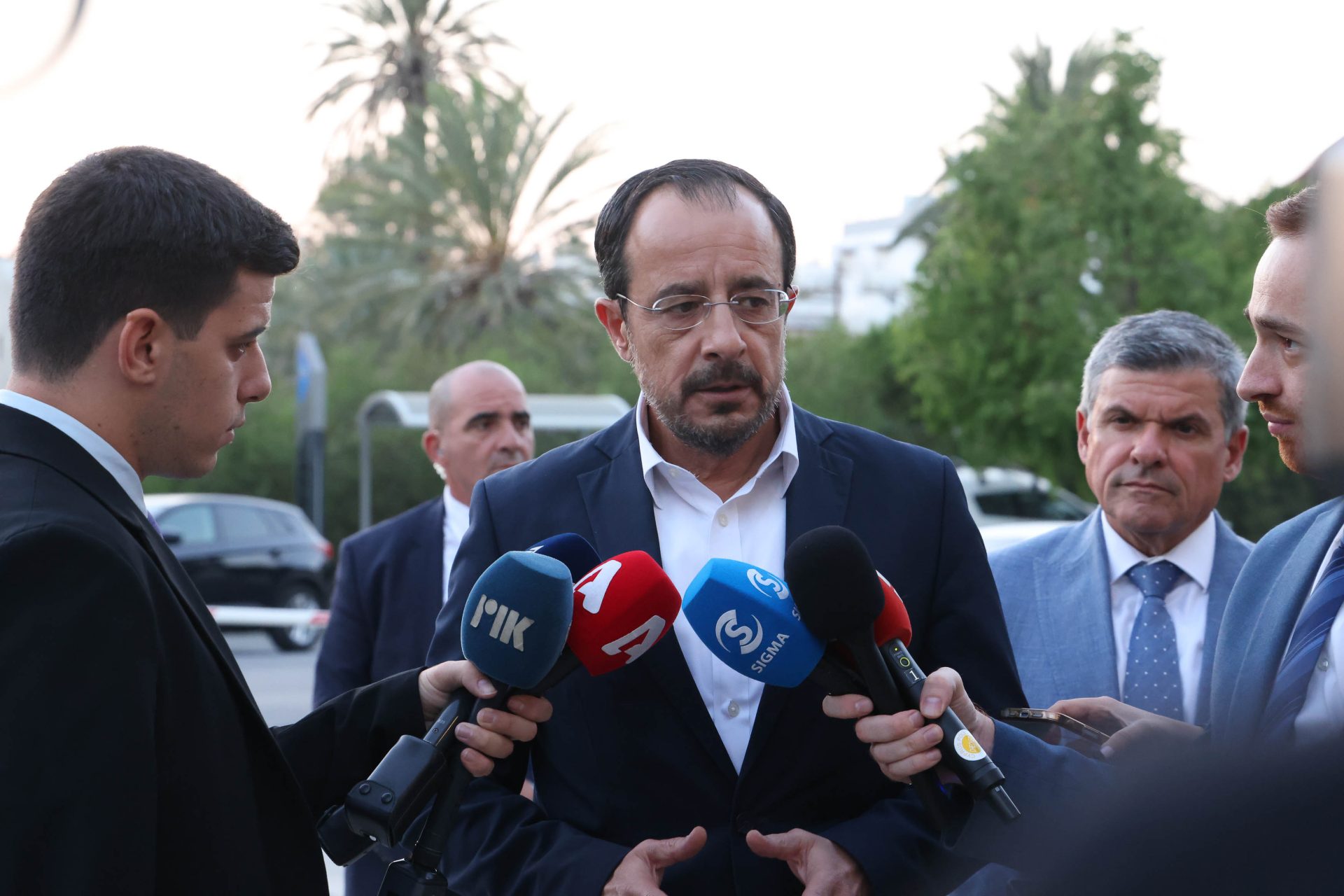
    protesting — President Nikos Christodoulides has stated that “no one is banned from protesting,” addressing concerns following a heavy-handed police response to a demonstration outside the foreign ministry on Thursday night. His remarks came during his arrival at a rural culture festival in the village of Lofou, where he reiterated the government’s commitment to the right to protest.

    On Thursday, demonstrators gathered to voice their opposition to Israel’s interception of boats heading towards Gaza, part of the Gaza Sumud flotilla. The protest escalated when riot police intervened, deploying pepper spray and engaging in physical confrontations with attendees.

    “The police have taken a very specific position,” Christodoulides remarked, defending recent legislation that imposes stricter regulations on protests, which had come under fire following the events of Thursday night. He stated that protests and the right to demonstrate are “absolutely respected and guaranteed” in Cyprus.

    The president acknowledged ongoing criticism of police actions, urging a balanced view of the circumstances under which security forces operate. He mentioned that any alleged excessive use of force would be investigated, assuring that appropriate measures would be taken if necessary.

    Following the protest, the political landscape shifted with Akel condemning the police’s response as an “unprovoked attack.” The party called for further protests, stating, “Akel calls on everyone who does not tolerate state repression and the government’s subservience to the Netanyahu regime to mobilise.”

    Volt echoed similar sentiments, emphasising that “violent repression of peaceful demonstrations has no place in a democratic and European country.” They condemned the police violence against demonstrators advocating for Palestinian rights, asserting that such actions undermine the principles of democracy.

    Accounts from the protest highlighted the chaotic scene, with a journalist from Haravgi reporting being injured during the police intervention. Veteran journalist Christos Christofides described being “thrown to the ground” amid the turmoil, thanking those who assisted him in escaping potential injury from the crowd.

    The union of Cyprus journalists condemned the police’s actions, noting that one of their members, despite identifying as a journalist, faced violence from officers. They called for an investigation led by Police Chief Themistos Arnaoutis, demanding accountability for the errant officers involved.

    The police response was justified by their statement that the protestors had blocked a lane of traffic outside the foreign ministry, necessitating intervention to clear the area. This incident in Nicosia was part of a broader wave of global protests against Israel’s military actions, which saw thousands taking to the streets in cities worldwide including Barcelona, Milan, and Paris.

  • President Affirms No Disagreements with Greece on Great Sea Interconnector

    President Affirms No Disagreements with Greece on Great Sea Interconnector

    great sea — President Nikos Christodoulides has confirmed that there are no disagreements with the Greek government regarding the Great Sea Interconnector (GSI) project, a vital initiative aimed at connecting the energy grids of Cyprus, Greece, and Israel.

    His remarks come after Greek Deputy Prime Minister Kostis Hatzidakis urged the Cypriot government to clarify its stance on the GSI during a press conference. Highlighting the project’s significance, Hatzidakis noted that Cyprus stands to gain substantially from the interconnector, which would alleviate the island’s current energy isolation.

    Despite the enthusiasm surrounding the project, Hatzidakis pointed out a crucial financial concern, stating that the costs of the GSI cannot rely solely on Greek taxpayers. He stressed the need for shared funding, with a particular reference to a request made by Greece’s independent transmission system operator, Admie, for the Cypriot government to contribute €25 million towards financing the project. This request has faced resistance from Cypriot Finance Minister Makis Keravnos, who has yet to give his consent.

    Admie holds a 51 per cent stake in the GSI, making it the majority stakeholder and responsible for its execution. President Christodoulides reiterated the strategic importance of the project for Cyprus and expressed confidence in Admie’s commitment to fulfilling its responsibilities. He emphasised that the sustainability of the GSI hinges on Admie meeting its obligations.

    In a related development, the President revealed that the European Public Prosecutor’s Office (EPPO) has initiated an investigation into potential criminal offences linked to the electrical interconnection project. This announcement came after an earlier inquiry into an alleged €101 million corruption case involving the liquefied natural gas (LNG) import terminal in Vasiliko.

    Christodoulides acknowledged that the EPPO investigations may be causing delays in the implementation of both projects. However, he asserted that these delays are necessary to maintain the country’s international reputation and ensure transparency in the management of public funds. The investigation, which began in March 2024, is reportedly scrutinising bank accounts of various politicians, state officials, and civil servants, amidst allegations of procurement fraud and misappropriation of EU funds.

    While the EPPO has remained tight-lipped about specific details, sources suggest that a court request to lift bank confidentiality has revealed significant evidence currently under examination in Luxembourg. As the investigations unfold, both governments are keenly awaiting results that could impact the future of the GSI and the broader energy strategy for Cyprus.

  • Limassol wildfire — Government Receives ATF Report on Limassol Wildfire Investigation

    Limassol wildfire — Government Receives ATF Report on Limassol Wildfire Investigation

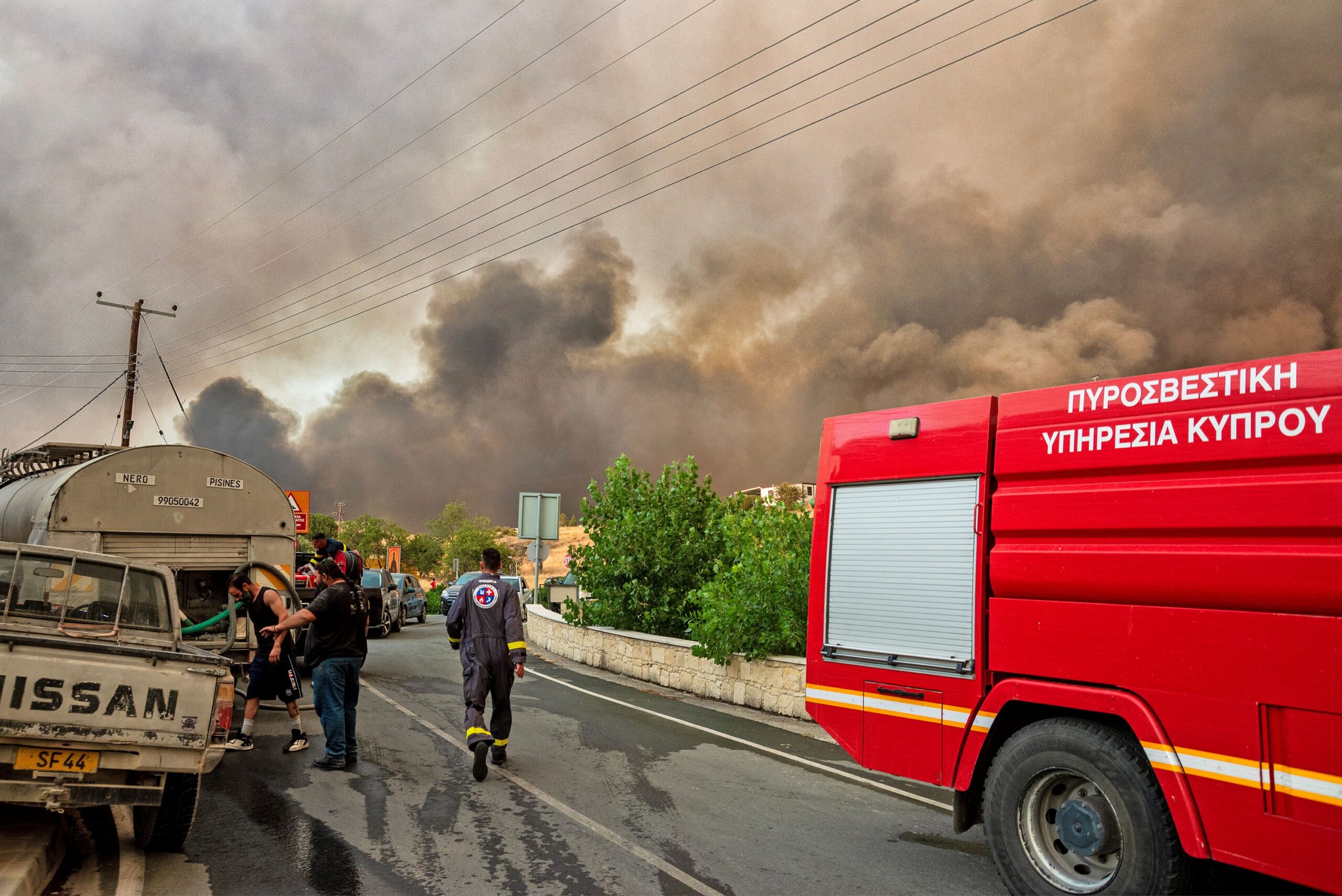
    The government has confirmed receipt of the ATF report regarding the recent Limassol wildfire, which tragically claimed two lives.

    • The government has confirmed receipt of the ATF report regarding the recent Limassol wildfire, which tragically claimed two lives.

    Following a devastating wildfire in the Limassol mountain region, the United States Bureau of Alcohol, Tobacco, Firearms and Explosives (ATF) was invited to Cyprus by President Nikos Christodoulides to conduct a thorough investigation. This request for assistance highlights the seriousness of the situation and the need for specialised expertise.

    Limassol wildfire: ATF’s Detailed Findings

    The report delivered to the government in Nicosia is described as lengthy and detailed, focusing on the conditions and circumstances surrounding the fire. This investigation was prompted by the rapid spread of the wildfire, which raised significant alarm among local authorities and residents alike.

    Public Disclosure and Data Protection

    President Christodoulides has indicated that the findings will eventually be made public. However, he emphasised the importance of protecting personal data in accordance with legal requirements before the report is released. The government is currently reviewing the document to ensure that all necessary precautions are taken.

    Call for External Assistance

    The ATF’s involvement followed a formal request from local authorities, who sought external assistance to provide a specialised technical assessment of the wildfire. This collaboration underscores the complexities involved in managing such disasters and the value of international support in mitigating their impact.

  • Demographic problem: Demographic Challenges Threaten Greece and Cyprus, Warns Greek Official

    Demographic problem: Demographic Challenges Threaten Greece and Cyprus, Warns Greek Official

    demographic problem — The demographic problem is increasingly seen as a critical issue ‘killing’ both Greece and Cyprus, according to Greek Deputy Foreign Minister Ioannis Loverdos. Speaking during his visit to Cyprus for the annual World Conference of Cyprus Diaspora, Loverdos emphasised the need for immediate action to address this pressing concern.

    Demographic problem: Call for Action on Demographics

    As he arrived at the presidential palace in Cyprus, Loverdos stated, “We need to change this course.” His comments highlight the urgent need for both countries to confront the demographic challenges that are impacting their populations and future stability.

    Broader National Issues Beyond Cyprus

    Loverdos also pointed out that while there are numerous national issues that may not be directly linked to the ongoing Cyprus problem, they hold significant value and require attention. He noted, “They are directly related, and we must emphasise them.” This reflects an understanding that the demographic issue is intertwined with various national interests and policies.

    Support from Greece to Cyprus

    During his remarks, Loverdos reassured the Cypriot government of Greece’s unwavering support. “You know this. After all, for 51 years, that has been our first priority,” he said, emphasising Greece’s long-standing commitment to assist Cyprus in any way possible.

    International Dimensions of the Cyprus Issue

    The Greek minister further elaborated on the Cyprus problem, clarifying that it should not be viewed merely as a bilateral disagreement between Greece and Turkey. Instead, he asserted, “It is an international issue which concerns the United Nations and the European Union primarily, but also all the actors of the international community.” Loverdos underscored the importance of global engagement in resolving the Cyprus situation, insisting that it transcends the relations between the two nations.

    Understanding the Global Context

    Loverdos stressed that this perspective must be recognised by all involved parties, stating, “This must be understood by everyone, that it is an issue which goes beyond relations between Turkey and Greece.” His comments point to a broader need for cooperation among various international stakeholders to address the complexities surrounding Cyprus.

    Welcoming Reception by Cypriot Leadership

    Cypriot President Nikos Christodoulides warmly welcomed Loverdos, expressing his pleasure at hosting him during the diaspora conference. “I said yesterday that I had the blessing in different capacities… to get to know our diaspora, who do a tremendous job, firsthand,” Christodoulides remarked. This illustrates the significance of the diaspora in maintaining connections between Cyprus and its citizens abroad.

    The Role of the Cyprus Diaspora

    Christodoulides highlighted the vital role of the Cypriot diaspora, describing them as “our best ambassadors abroad.” He noted that many members of the diaspora hold “important political and economic positions” in their host countries, which can be leveraged for the benefit of Cyprus. “Therefore, we have an obligation to utilise them even more, to work together. I believe very much in the diaspora,” he stated.

    Strengthening Cyprus-Greece Relations

    Discussing the relationship between Cyprus and Greece, Christodoulides characterised it as “fraternal.” He noted that the two countries have made significant strides in collaboration. “In fact, we went a step further with [Greek Prime Minister Kyriakos Mitsotakis]… and from the very first moment, we established that the Republic of Cyprus is not only the Cyprus problem; it is the solution to many of the problems faced by both the region and by the European Union,” he added. This statement underscores the strategic importance of Cyprus within the broader regional context.

    Looking Ahead

    As Greece and Cyprus confront their demographic challenges, the cooperation between the two nations, alongside support from the diaspora and international community, will be essential. Addressing these issues will require a multifaceted approach that encompasses both local and global perspectives. The ongoing dialogue between officials from both nations highlights a commitment to finding viable solutions that can secure a more stable future.

  • Political Outrage Erupts Over Podcast Remarks on Eoka Fighter Grigoris Afxentiou

    Political Outrage Erupts Over Podcast Remarks on Eoka Fighter Grigoris Afxentiou

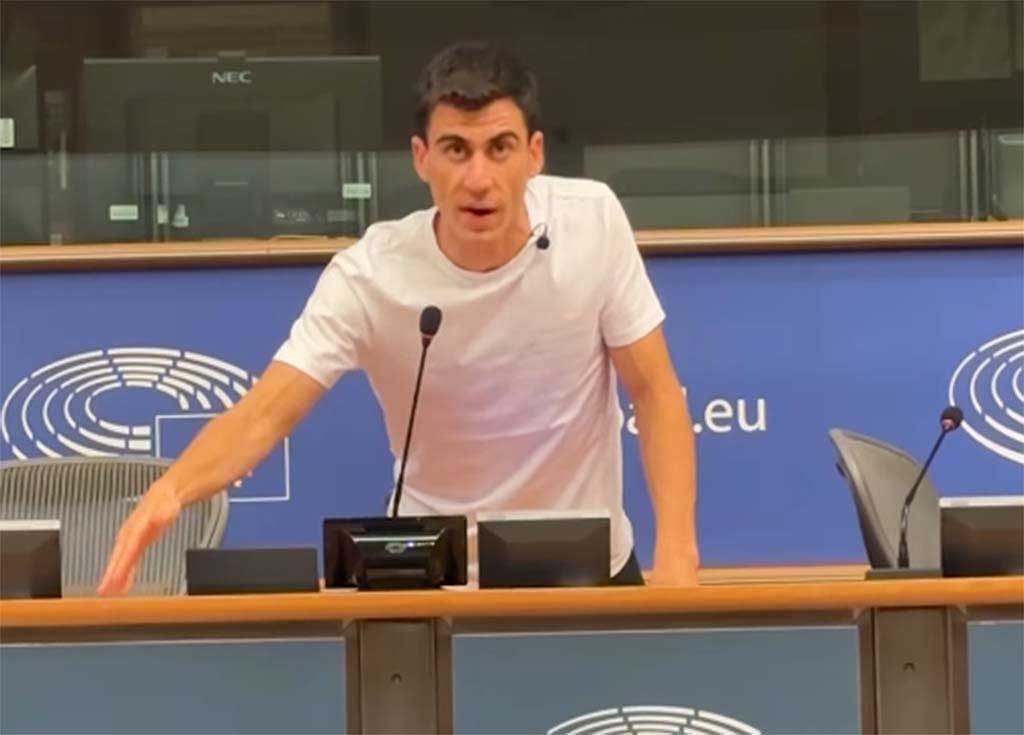
    Political parties in Cyprus are incensed following controversial remarks made on a podcast hosted by MEP Fidias Panayiotou, where doubts were cast on the widely accepted narrative surrounding the death of Eoka fighter Grigoris Afxentiou.

    The narrative, which claims that British forces set Afxentiou’s hideout ablaze while he was still inside, was challenged by historian Michalis Michael during the podcast. Michael suggested that Afxentiou may not have been burned alive as traditionally believed, stating, “It is said that Afxentiou told [his fellow fighters], ‘get out and I will stay here’. You could not fight inside the hideout.”

    According to Michael, the circumstances of Afxentiou’s death were further complicated by a forensic report from a 2017 trial involving four of his fellow fighters. He noted, “The description states that the others got out, Afxentiou stayed, they shouted at him to surrender and he did not, they threw a grenade at him.” Michael revealed that the forensic report detailed Afxentiou’s injuries, including a bullet wound and other significant trauma, casting doubt on the suicide narrative previously suggested.

    Political reactions were swift and fierce. The Democratic Rally (Disy) was one of the first to respond, condemning the podcast’s assertions as an attempt to “rewrite Cypriot history, which was written with the blood of our heroes.” They described the suggestion that Afxentiou committed suicide or was shot by a fellow fighter as slanderous and an affront to his legacy.

    “Grigoris Afxentiou will remain an eternal beacon of militancy and supreme virtue,” Disy stated, insisting that the significance of his sacrifice should not be altered by contemporary political views.

    The Democratic Party (Diko) echoed these sentiments, asserting that Afxentiou’s sacrifice is a cornerstone of national dignity and collective memory. They urged political figures to refrain from exploiting the sacrifices of heroes for political gain, stating that such attempts deserve nothing but shame.

    In contrast, the left-wing party Akel defended Michael’s position, framing his comments as a legitimate historical inquiry. They highlighted Afxentiou’s status as a symbol of self-sacrifice and heroism in the fight against colonialism. “For the sake of history, we recall that when the British colonialists were searching for Grigoris Afxentiou, the only newspaper which refused to publish his wanted notice was the Akel newspaper,” they argued, emphasising their own patriotism in the face of criticism.

    This exchange of accusations escalated, with Disy accusing Akel of adopting a narrative aligned with British colonialists and undermining the legacy of Cypriot resistance. They challenged Akel to acknowledge their historical mistakes, further intensifying the political friction surrounding the podcast remarks.

    On Saturday afternoon, President Nikos Christodoulides also weighed in on the debate, sharing a post on social media featuring Afxentiou’s wanted poster along with a quote attributed to him: “In the ultimate need, I will fight and die like a Greek, but they will not catch me alive.” This statement resonated with those who view Afxentiou as a national hero, underscoring the deep emotional and political stakes involved in the discourse surrounding his legacy.

  • Austrian Chancellor Stocker Visits Cyprus for Strengthened Ties

    Austrian Chancellor Stocker Visits Cyprus for Strengthened Ties

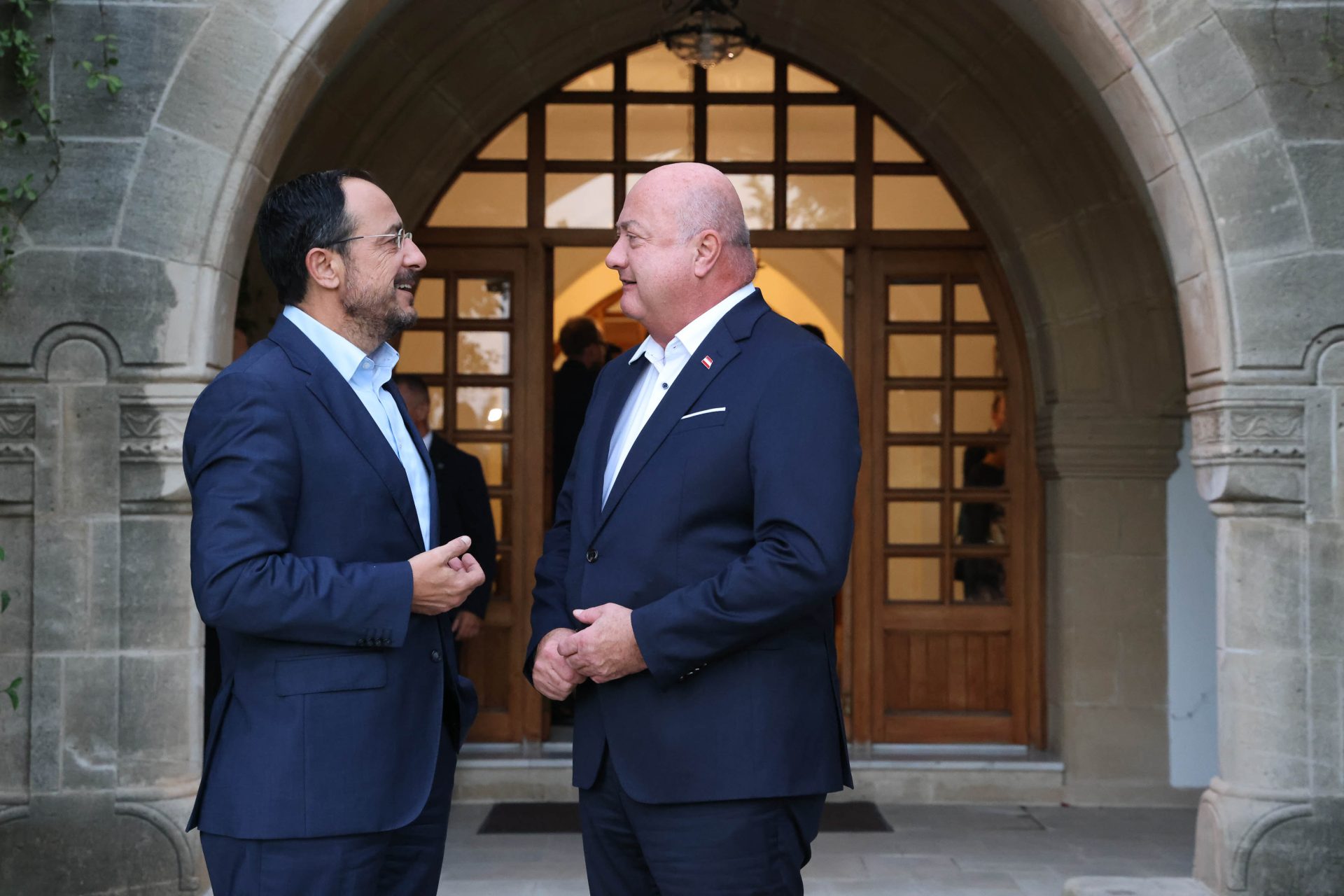
    Austrian Chancellor Christian Stocker arrived in Cyprus for a visit that underscores the commitment to enhance relations between Austria and Cyprus.

    • Austrian Chancellor Christian Stocker arrived in Cyprus for a visit that underscores the commitment to enhance relations between Austria and Cyprus.
    • On Thursday evening, President Nikos Christodoulides welcomed Stocker at the presidential palace, where a private dinner was held in honour of the visiting leader.
    • Early on Friday, the two leaders will engage in a formal meeting at the presidential palace. This meeting will lead to extensive discussions involving delegations from both Cyprus and Austria.

    On Thursday evening, President Nikos Christodoulides welcomed Stocker at the presidential palace, where a private dinner was held in honour of the visiting leader.

    Government spokesman Konstantinos Letymbiotis noted in a post on X that Stocker’s visit is significant, being one of the first since he assumed office. Letymbiotis stated, “This signals the shared will for further deepening the excellent Cyprus-Austria relations, both on a European and bilateral level.”

    Early on Friday, the two leaders will engage in a formal meeting at the presidential palace. This meeting will lead to extensive discussions involving delegations from both Cyprus and Austria.

    Following their discussions, Stocker and Christodoulides are set to visit the centre of Nicosia. During this visit, Stocker will receive a guided tour of the Green Line, a significant landmark in the area.

    Stocker’s itinerary also includes a visit to the Cypriot parliament, where he will meet with House President Annita Demetriou. In addition, President Christodoulides will host a working lunch for the Austrian delegation before Stocker’s departure later in the afternoon.