Tag: politics

  • Cyprus and Greece: Pillars of Stability in the Eastern Mediterranean

    Cyprus and Greece: Pillars of Stability in the Eastern Mediterranean

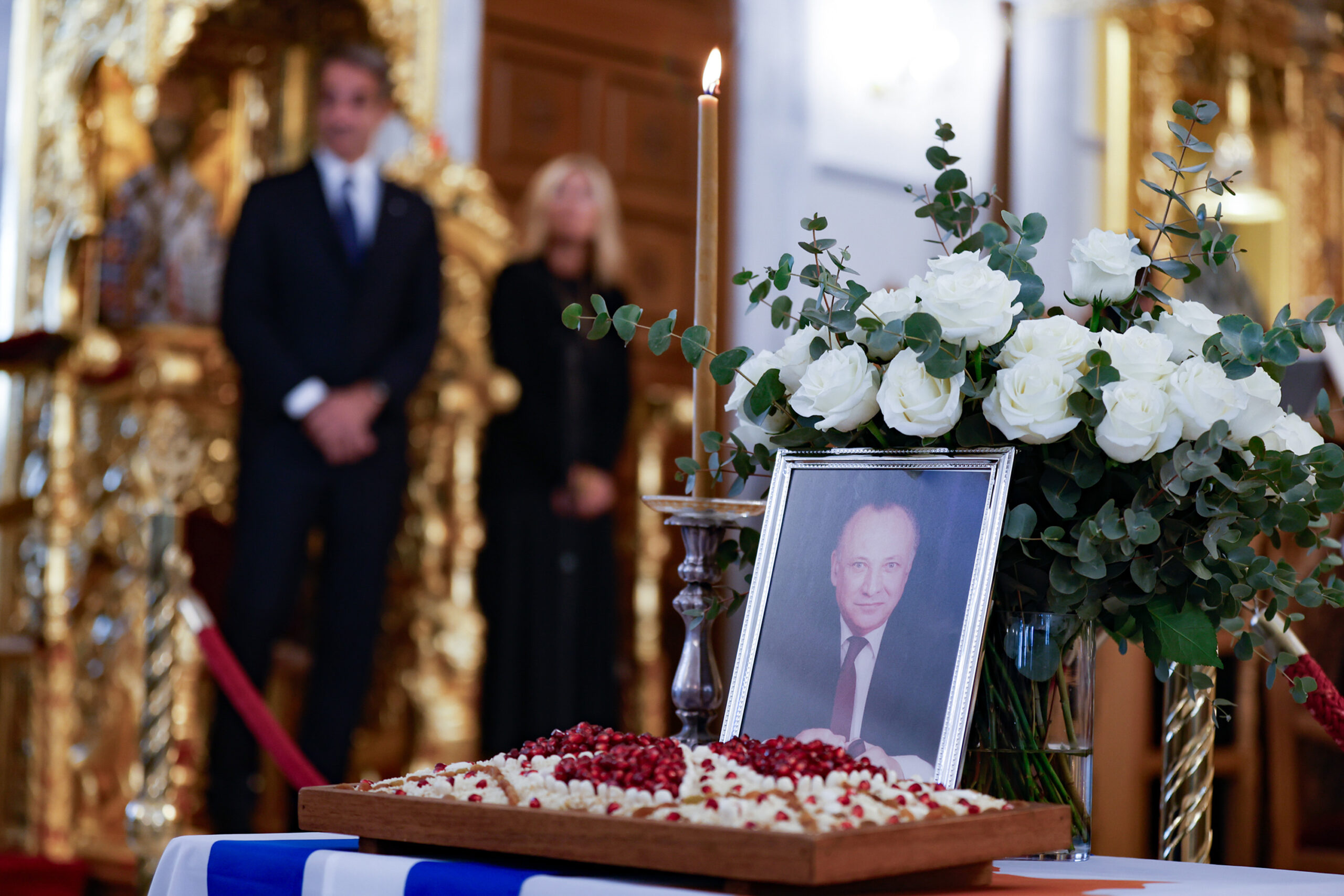
    Cyprus and Greece are described as pillars of stability in the Eastern Mediterranean by Greek Prime Minister Kyriakos Mitsotakis during his recent visit to Nicosia. Speaking at a memorial service for former President Glafcos Clerides, Mitsotakis highlighted the importance of responsibility and realism in patriotism while reflecting on Clerides’ significant contributions to the Cyprus problem.

    Cyprus and: A Call for Responsible Patriotism

    During the service, which was led by Archbishop Georgios, Mitsotakis emphasised the need for a patriotism grounded in responsibility, realism, and results. This sentiment echoes a call for a collective approach to the challenges faced by both nations, especially concerning the ongoing issues surrounding Cyprus.

    Reflecting on Clerides’ Legacy

    Clerides, the founder of the Democratic Rally (Disy), played a crucial role in addressing the Cyprus conflict. Mitsotakis noted that the former president’s experiences over the decades serve as a vital lesson: stagnation can lead to regression. He warned that the false bravado associated with contemporary pseudo-patriotism often conceals future failures.

    Commitment to Cooperation

    Reaffirming the solidarity between Athens and Nicosia, Mitsotakis pointed out the recent resumption of informal discussions regarding the Cyprus issue after a prolonged period of stagnation. He stressed that the Greek government is firmly aligned with the government of Cyprus, advocating for the existing framework of UN resolutions that promote political equality, sovereignty, and citizenship.

    Rejecting the Two-State Solution

    In his speech, Mitsotakis firmly rejected any arguments in favour of a two-state solution, describing such proposals as unacceptable. He reiterated that constructive dialogue and active diplomacy are essential for achieving positive outcomes in the region.

    Economic Growth and Energy Initiatives

    Mitsotakis further highlighted that both Cyprus and Greece are not only stabilising forces but also rapidly developing economies that are outpacing the European average. He noted their efforts in reducing national debt and contributing to the formation of a new energy landscape in the Eastern Mediterranean through significant electrical interconnection projects.

    Honouring Distinguished Guests

    The memorial service was attended by several notable figures, including Disy leader Annita Demetriou, former President Nicos Anastasiades, and former Disy leader Averoff Neophytou. President Nikos Christodoulides was represented by Interior Minister Constantinos Ioannou, underscoring the importance of unity among political leaders in addressing the challenges facing Cyprus.

    The Way Forward

    Mitsotakis’ remarks serve as a reminder of the ongoing commitment required from both nations to navigate the complexities of the Cyprus situation and uphold their roles as beacons of stability in the region. As discussions progress, the emphasis on collaboration and active diplomacy will be critical in shaping a peaceful and prosperous future for Cyprus and Greece.
  • Cyprus Energy Minister Affirms Commitment to Great Sea Interconnector Project

    Cyprus Energy Minister Affirms Commitment to Great Sea Interconnector Project

    The Great Sea Interconnector (GSI) remains a priority for the Cypriot government, according to Energy Minister George Papanastasiou, despite criticism regarding its financial viability.

    • The Great Sea Interconnector (GSI) remains a priority for the Cypriot government, according to Energy Minister George Papanastasiou, despite criticism regarding its financial viability.

    Minister’s Assurance Amidst Financial Concerns

    During an event in Paphos on Monday, Papanastasiou emphasised the need for Cyprus to maintain its focus on the GSI project. This statement came on the heels of remarks from Kyriacos Kakouris, the outgoing Vice President of the European Investment Bank (EIB), who labelled the project a “financial non-starter.”

    Defending the European Nature of the Project

    Papanastasiou countered the scepticism by highlighting that the GSI is a European initiative. He stated, “any commentary, from anyone else other than the European Commission, is superfluous,” indicating that outside opinions, including those from Greek and Cypriot officials, should be viewed with caution.

    Upcoming Meetings to Discuss the GSI

    The Energy Minister also confirmed that a crucial three-way meeting involving himself, his Greek counterpart, and the European Commissioner for Energy is scheduled for November 12 in Brussels. This follows an earlier teleconference on October 16, aimed at addressing concerns surrounding the GSI.

    The Great Sea Interconnector Explained

    The GSI is envisioned as a subsea cable that will connect the electricity grids of Cyprus and Greece. This interconnection is intended to bolster energy security and diversify energy sources for Cyprus, which is currently reliant on imported fuel.

    Financial Viability Under Scrutiny

    Kakouris raised several doubts about the GSI’s financial viability, stating that the EIB has yet to receive sufficient explanations from the Greek and Cypriot governments about how the interconnector fits into their broader energy plans. He expressed concern that the project, as it stands, does not appear to be viable based on existing regulatory decisions.

    He remarked, “On its own the project, based on the decisions of the regulatory authorities, appears not to be viable,” suggesting that additional political discussions are crucial to secure state support and guarantees, especially concerning geopolitical risks associated with the project.

    Escalating Costs and Consumer Concerns

    Compounding the challenges, Kakouris noted that the project’s costs have escalated significantly, with the initial estimate of €1.4 billion now deemed outdated. He warned that the cost of lending could effectively double the total financial outlay, extending repayment over a 20 to 25-year period. This raises questions about how these costs will affect electricity consumers in both Cyprus and Greece.

    According to Kakouris, clarity is needed regarding what consumers will be charged for the interconnector over time. The agreed reimbursement ratio dictates that two-thirds of the costs will fall on Cypriot consumers, while one-third will be the responsibility of Greek consumers. He insisted that there should be assurances that the charges do not outweigh the benefits.

    Political Reactions and Calls for Transparency

    The opposition party Akel has been vocal in its criticism of the government’s handling of the GSI project. They accused the administration of “speaking with a forked tongue” and failing to take decisive action to address the project’s viability.

    Akel has demanded immediate clarification from President Nikos Christodoulides regarding the absence of an official loan request to the EIB, the government’s intentions for potentially acquiring a stake in the GSI, and whether the project is considered financially sustainable.

    Looking Ahead

    As the scheduled meetings approach, the Cypriot government faces mounting pressure to provide clear answers and a viable path forward for the GSI. Papanastasiou’s steadfast commitment to the project suggests an unwavering belief in its potential benefits, despite the financial uncertainties that loom.

    Ultimately, the future of the Great Sea Interconnector hinges on successful negotiations, financial backing, and a transparent dialogue with consumers and stakeholders. The outcome will not only impact energy policy in Cyprus but also its relationship with Greece and the broader European energy landscape.

  • Interconnector — Keravnos Labels Greek Energy Minister’s Claims as ‘Fake News’ Regarding Interconnector

    Interconnector — Keravnos Labels Greek Energy Minister’s Claims as ‘Fake News’ Regarding Interconnector

    The debate surrounding the Great Sea Interconnector has intensified, with Finance Minister Makis Keravnos accusing Greek Energy Minister Stavros Papastavrou of spreading ‘fake news’. This accusation arose after Papastavrou claimed Keravnos had failed to present studies he cited, which purportedly indicate that the project is not sustainable.

    During a session of the House finance committee, Keravnos clarified that the studies in question were commissioned by Cypriot Energy Minister George Papanastasiou and were properly submitted to the Greek energy ministry. “We all know the studies and their findings,” he remarked, acknowledging that while some concerns are valid, he himself shares numerous reservations about the project’s viability.

    Keravnos expressed his commitment to maintaining harmonious relations between the Greek and Cypriot governments, although he expressed discontent with Papastavrou’s assertions. He noted that his predecessor, Constantinos Petrides, had received these studies from the energy ministry during his tenure.

    In a recent television appearance, Papastavrou dismissed what he termed ‘constantly conflicting messages from the Cypriot side’ regarding the interconnector. He cited Keravnos as questioning the project’s viability both before and after a meeting between Cypriot President Nikos Christodoulides and Greek Prime Minister Kyriakos Mitsotakis in New York. Papastavrou stated, “The finance minister says that it should not be done and it is not sustainable, referring to two studies which he does not show to Cypriot Energy Minister George Papanastasiou.”

    Compounding the tension, Papastavrou addressed comments from President Christodoulides, who had taken issue with demands from Greece’s independent transmission system operator, Admie, for Cyprus to pay €25 million for the project. Papastavrou affirmed that Cyprus would not be ‘blackmailed’ over these payments, which are intended to support the project’s financing and ensure Admie’s income during the construction phase.

    The financial commitment from Cyprus involves five annual payments of €25 million, which the Cypriot government has withheld due to a perceived lack of progress on the project and disagreements over funding sources. Papanastasiou stated last month that the first instalment would only be released when the project is fully implemented, asserting that merely constructing cables is insufficient to meet this requirement.

    Initially, Cyprus planned to utilise funds from the European Union’s emissions trading system to cover these payments, alleviating the financial burden on taxpayers. However, Admie has raised concerns that this arrangement could potentially violate EU state aid regulations and has requested the Cyprus energy regulatory authority (Cera) to start charging consumers instead.

    In September, Greek Deputy Prime Minister Kostis Hatzidakis urged the Cypriot government to clarify its stance on the interconnector, following Keravnos’s public statements regarding the independent studies that concluded the project was unsustainable. Hatzidakis pointed out that the necessary seabed surveys to determine cable placement had not yet been completed, describing completion of these surveys as crucial for accurately estimating the project’s total cost.

    Contradicting this narrative, Greek Foreign Minister Giorgos Gerapetritis asserted that seabed surveys were ongoing and had proceeded according to schedule. This conflicting information has only added to the uncertainty surrounding the interconnector’s future.

  • Andreas Apostolou Leaves EDEK Amid Leadership Dispute

    Andreas Apostolou Leaves EDEK Amid Leadership Dispute

    andreas apostolou — Andreas Apostolou, a Member of Parliament for EDEK, has announced his departure from the party, citing a decision that leaves him unable to pursue leadership roles. In a heartfelt post, Apostolou expressed his disappointment regarding the party’s recent actions, which he claims were made without prior discussion.

    In his statement, Apostolou revealed that he received a letter informing him of the party’s stance on May 3, 2025. This letter indicated that, as an associate member from the Citizens’ Alliance, he would not be eligible to run for leadership positions. He emphasised that this decision effectively excludes him from active participation in EDEK’s policy-making.

    Apostolou, who has served four years in parliament, described the move as unfair and expressed his feelings of being sidelined. “I did not expect it, and I believe I do not deserve it,” he said, asserting that he only sought a fair opportunity to contest for a leadership role.

    He chose to withhold the contents of the letter initially, hoping for a reversal of the decision before the election of new party leadership. However, he stated that his patience had run out as the new leadership did not address his concerns.

    Reflecting on his time with EDEK, Apostolou expressed gratitude for the support he received from fellow members and the public. He noted that he received significant preference votes in past elections, which he believes demonstrate his commitment to the party and his constituents. “EDEK elected an MP in the Larnaca District after 50 years. I contributed to keeping EDEK alive in the 2024 European elections,” he remarked, highlighting his electoral success.

    As he formally steps away, Apostolou plans to inform the President of the House of Representatives about his situation. He reiterated his dedication to the constituents of Larnaca, vowing to continue advocating for their needs, particularly in areas like health, education, and social welfare.

    Despite the fallout with EDEK, Apostolou remains optimistic about his future political path. He expressed confidence in the achievements of his parliamentary work and called for unity among supporters. “We continue our struggle even more strongly. For our Larnaca, our district, and our people,” he affirmed, encouraging his followers to stay engaged and work towards a better future.

  • Backlash Continues Over Grigoris Afxentiou Comments from MEP

    Backlash Continues Over Grigoris Afxentiou Comments from MEP

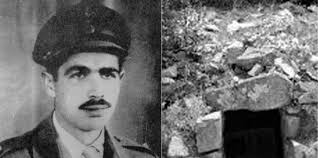
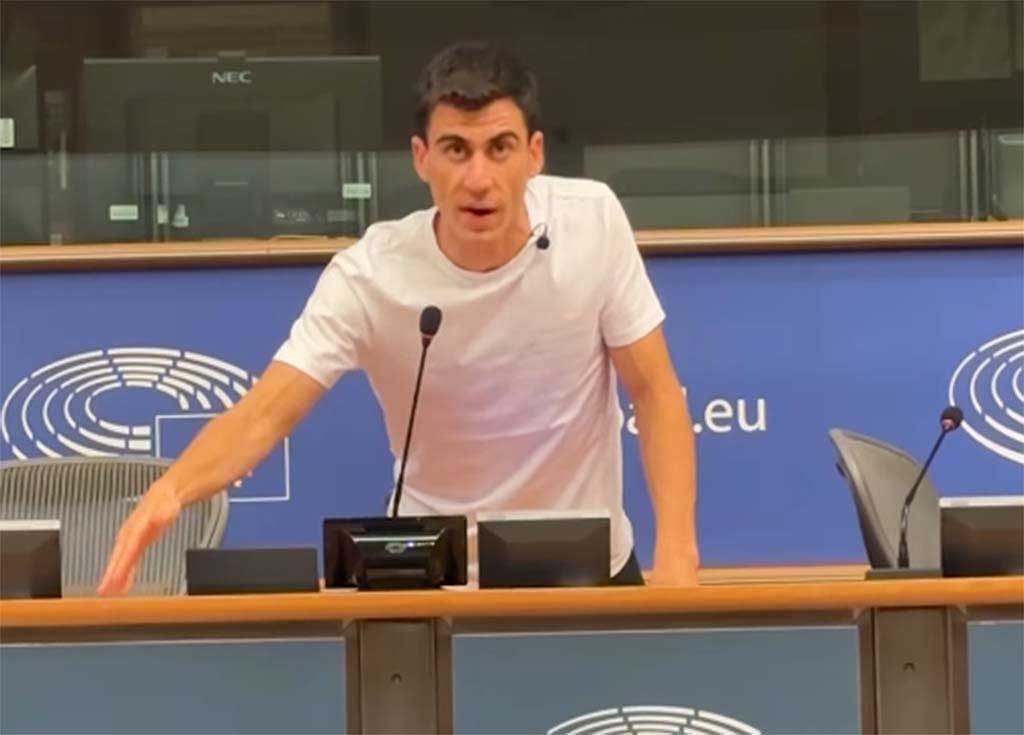
    The ongoing party clash over comments regarding the sacrifice of Grigoris Afxentiou shows no signs of subsiding, following remarks made by MEP Fidias Panayiotou during a podcast.

    • The ongoing party clash over comments regarding the sacrifice of Grigoris Afxentiou shows no signs of subsiding, following remarks made by MEP Fidias Panayiotou during a podcast.

    The controversial statements stemmed from a discussion with journalist-historian Michalis Michael, where it was suggested that Afxentiou, a revered figure in the EOKA movement, either committed suicide or was executed by a fellow fighter.

    In response to the outrage, the Movement for Social Democracy (EDEK) issued a strong statement calling for Panayiotou’s resignation, labelling him as “dangerous for Cyprus, its people, and the cause of Cyprus.” This sentiment was echoed by the Democratic Party (DIPA), which condemned the attempt to distort Afxentiou’s historical legacy and highlighted his significance as a symbol of the struggle for freedom.

    President Nikos Christodoulides also weighed in on the controversy, sharing a photo of Afxentiou’s wanted poster on his personal Instagram account with a caption quoting the hero’s own words: “In my last hour, I will fight and die like a Greek, but they will not take me alive.”

    Other political parties joined the fray, with the Democratic Rally (DISY) denouncing Panayiotou’s claims as an insult to Afxentiou’s sacrifice. They asserted that the narrative surrounding the hero’s legacy should not be altered for personal or ideological gain.

    Similarly, the Democratic Alignment (DIKO) stressed the need to protect the memories of national heroes from being embroiled in political disputes. They affirmed that Afxentiou’s sacrifice is a cornerstone of national dignity and should be treated with the utmost respect.

    ELAM, another political party, accused AKEL of attempting to rewrite history, referencing past actions of the party and asserting that their narrative undermines the significant contributions of Afxentiou and other heroes of the EOKA struggle.

    In a response to the backlash, AKEL defended its position, stating that Afxentiou represents an unparalleled symbol of self-sacrifice in the anti-colonial struggle. They argued that the comments by Michalis Michael were misconstrued and that his focus was on the essence of Afxentiou’s bravery rather than the specifics of his death.

    The tension escalated as DISY rebuffed AKEL’s defence, reiterating that the manner of Afxentiou’s sacrifice is crucial and cannot be diminished by leftist ideologies. They insisted that the integrity of historical narratives must be maintained, asserting that such discussions are not merely academic but deeply personal and nationalistic.

    The ongoing conflict illustrates the deep-seated divisions within Cypriot politics regarding historical narratives and national identity. As the debate rages on, the calls for respect and preservation of Afxentiou’s legacy continue to resonate across the political spectrum.

  • Political Outrage Erupts Over Podcast Remarks on Eoka Fighter Grigoris Afxentiou

    Political Outrage Erupts Over Podcast Remarks on Eoka Fighter Grigoris Afxentiou

    Political parties in Cyprus are incensed following controversial remarks made on a podcast hosted by MEP Fidias Panayiotou, where doubts were cast on the widely accepted narrative surrounding the death of Eoka fighter Grigoris Afxentiou.

    The narrative, which claims that British forces set Afxentiou’s hideout ablaze while he was still inside, was challenged by historian Michalis Michael during the podcast. Michael suggested that Afxentiou may not have been burned alive as traditionally believed, stating, “It is said that Afxentiou told [his fellow fighters], ‘get out and I will stay here’. You could not fight inside the hideout.”

    According to Michael, the circumstances of Afxentiou’s death were further complicated by a forensic report from a 2017 trial involving four of his fellow fighters. He noted, “The description states that the others got out, Afxentiou stayed, they shouted at him to surrender and he did not, they threw a grenade at him.” Michael revealed that the forensic report detailed Afxentiou’s injuries, including a bullet wound and other significant trauma, casting doubt on the suicide narrative previously suggested.

    Political reactions were swift and fierce. The Democratic Rally (Disy) was one of the first to respond, condemning the podcast’s assertions as an attempt to “rewrite Cypriot history, which was written with the blood of our heroes.” They described the suggestion that Afxentiou committed suicide or was shot by a fellow fighter as slanderous and an affront to his legacy.

    “Grigoris Afxentiou will remain an eternal beacon of militancy and supreme virtue,” Disy stated, insisting that the significance of his sacrifice should not be altered by contemporary political views.

    The Democratic Party (Diko) echoed these sentiments, asserting that Afxentiou’s sacrifice is a cornerstone of national dignity and collective memory. They urged political figures to refrain from exploiting the sacrifices of heroes for political gain, stating that such attempts deserve nothing but shame.

    In contrast, the left-wing party Akel defended Michael’s position, framing his comments as a legitimate historical inquiry. They highlighted Afxentiou’s status as a symbol of self-sacrifice and heroism in the fight against colonialism. “For the sake of history, we recall that when the British colonialists were searching for Grigoris Afxentiou, the only newspaper which refused to publish his wanted notice was the Akel newspaper,” they argued, emphasising their own patriotism in the face of criticism.

    This exchange of accusations escalated, with Disy accusing Akel of adopting a narrative aligned with British colonialists and undermining the legacy of Cypriot resistance. They challenged Akel to acknowledge their historical mistakes, further intensifying the political friction surrounding the podcast remarks.

    On Saturday afternoon, President Nikos Christodoulides also weighed in on the debate, sharing a post on social media featuring Afxentiou’s wanted poster along with a quote attributed to him: “In the ultimate need, I will fight and die like a Greek, but they will not catch me alive.” This statement resonated with those who view Afxentiou as a national hero, underscoring the deep emotional and political stakes involved in the discourse surrounding his legacy.