Tag: sustainability

  • Cyprus Invests €5.6 Million to Enhance Kato Pyrgos Fishing Shelter

    A significant investment of €5.6 million aims to resolve long-standing issues at Kato Pyrgos fishing shelter. The area has faced chronic problems due to sand and dead seaweed accumulation, primarily Posidonia, which has led to operational difficulties requiring costly and frequent cleaning and deepening efforts.
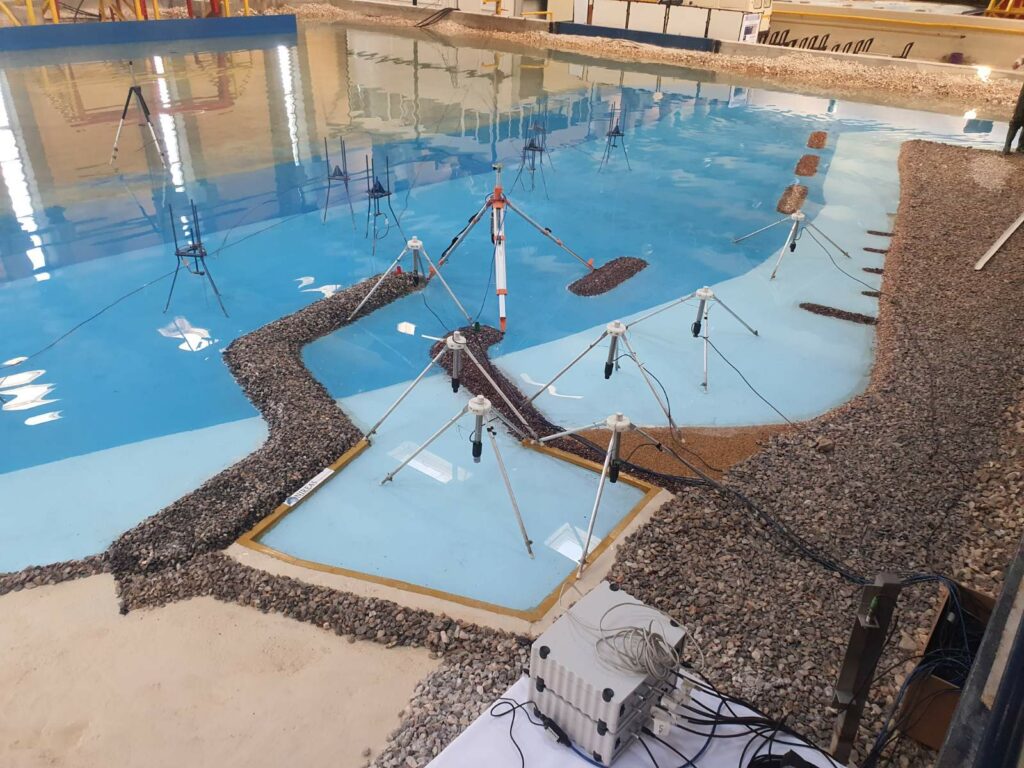
    Photo: in-cyprus.philenews.com

    Kato pyrgos: Addressing Operational Challenges

    President Nikos Christodoulides announced the project during his recent tour of the Tillyria region, emphasising the importance of supporting sea professionals for local development. The Public Works Department has reported that each cleaning intervention costs between €400,000 and €500,000 and occurs approximately every 1.5 to 2 years, imposing a significant financial burden on the state budget.
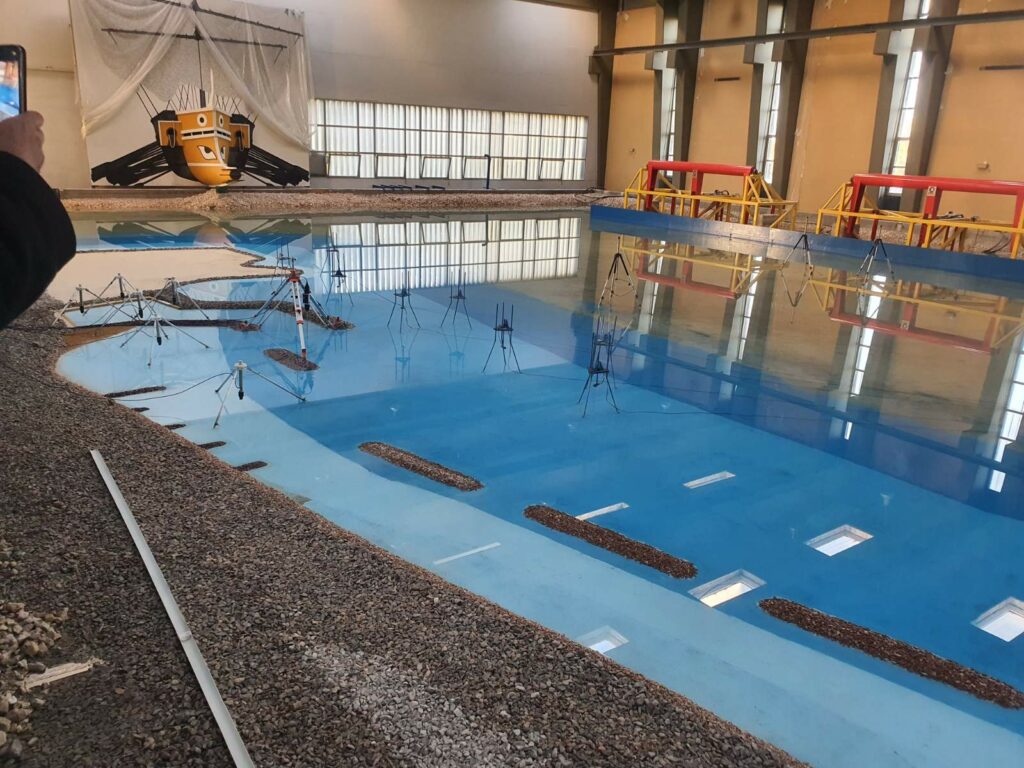
    Photo: in-cyprus.philenews.com

    A Permanent Solution in Sight

    The need for a permanent, technically viable, and environmentally compatible solution has been underscored by these recurring expenses. The new improvement project has undergone detailed planning, supported by an approved Environmental Impact Assessment Study. Notably, the European Union is expected to co-finance the initiative through its Maritime, Fisheries and Aquaculture Programme for 2021-2027.

    Details of the Proposed Improvements

    The proposed solution is designed to be both technically and environmentally optimal. Key components include:

    • Construction of new windward and leeward breakwaters.
    • Repositioning the entrance towards deeper waters.
    • Demolition of existing structures with plans for reusing rock blocks where feasible.
    • Creation of access corridors for cleaning vehicles, enabling future maintenance without dredging.
    • Installation of pipes and channels for harbour basin water renewal.
    • Creation of a fresh seawater system through a fountain.

    This selection process was guided by technical and environmental criteria aimed at ensuring calm within the harbour basin, effectively addressing the silting issue, and reducing long-term maintenance costs while protecting the sensitive marine environment.

    Long-Term Project Viability

    The construction of this project is expected to have a lifespan of 50 years, with functional adequacy projected for 25 years. Plans for re-examination and potential upgrades will be implemented as future needs arise. Additionally, based on a request from the Department of Fisheries and Marine Research, the project design will include provisions to double the number of berths from 16 to 30, accommodating both professional fishermen and vessels from the Naval and Port Police.

    Environmental Considerations at the Forefront

    Environmental protection is a priority, with the ecological study encompassing an inventory of local biodiversity, shoreline evolution simulations, and 3D physical modelling. The project aims to avoid extensive deepening that could affect the seabed, ensuring minimal disruption to the local ecosystem.

    President Christodoulides indicated that the Agriculture Ministry, in collaboration with the Public Works Department and the National Technical University of Athens, is already studying optimal solutions, with the related study expected to complete by 2025. Following this, project tendering will commence, with completion and operational functionality anticipated around 2026.

    Local Economic and Social Implications

    Kato Pyrgos fishing shelter plays a vital role in the local economy and the social fabric of a geographically isolated area. The planned upgrades are expected to enhance vessel safety, ensure the sustainability of fishing professions, and promote tourism and environmental development in the region.

    The state’s commitment to this significant investment signals that the future of Kato Pyrgos will rely not on temporary fixes but on substantial, long-term interventions that respect and protect the natural environment.
  • Forestry Department Faces Backlash Over Akamas Roadworks

    Forestry Department Faces Backlash Over Akamas Roadworks

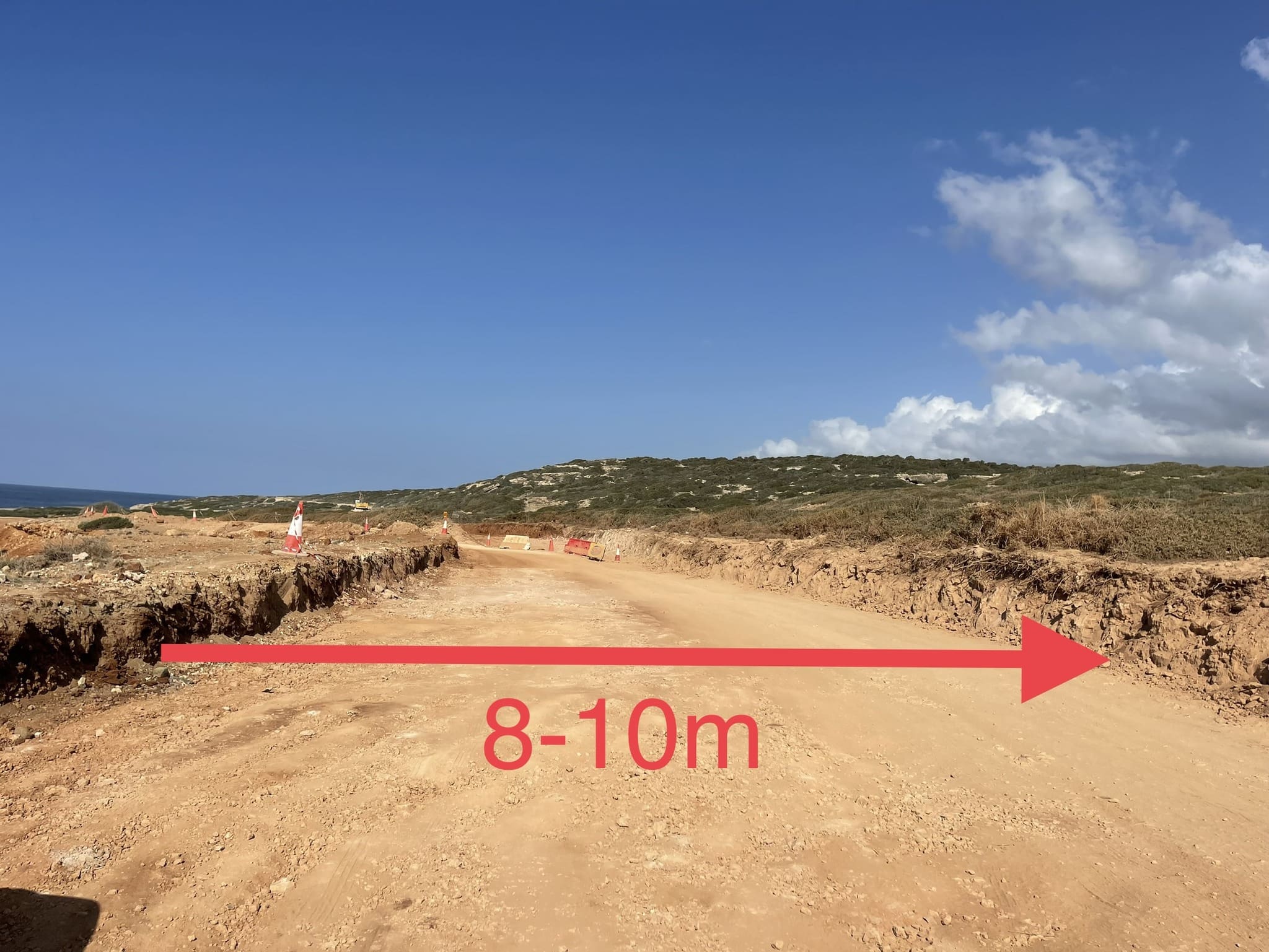
    akamas roadworks — akamas roadworks — The forestry department’s handling of roadworks in the Akamas national forest park has drawn sharp criticism from several environmental organisations, who labelled its recent statements as ‘arrogant’ and ‘provocative’.

    Photo: cyprus-mail.com

    On Wednesday, the forestry department expressed satisfaction with a report that sanctioned the resumption of roadworks, stating it felt both “satisfied and justified” about the re-evaluation process. This prompted a vehement response from groups including Terra Cypria, BirdLife Cyprus, Cyprus Wildlife Society, and Cyprus Natural Coastline, who issued a press release on Thursday detailing their concerns.

    Photo: cyprus-mail.com

    According to the environment department, the green light for restarting the roadworks came on August 12, after the project had been stalled since October 2023 due to widespread criticism. The department assured the public that it had adhered to all environmental conditions necessary for the project’s continuation. However, environmental advocates have contested this claim, asserting that the forestry department has ignored significant violations of environmental regulations.

    In their statement, the environmental organisations pointed out that the forestry department had “violated a multitude of legally binding and essential conditions” of the environmental approval for both the sustainable development plan and the initial phase of road network improvements. They reminded the department that since the halt in construction, multiple parties—including independent experts and government bodies—have acknowledged these violations.

    “The arrogance and provocation that the forestry department continues to show is truly impressive,” the organisations stated, questioning the department’s confidence in its re-evaluation findings. They noted that other stakeholders, apart from the forestry department, have identified serious infringements, which raises concerns about the department’s self-assessment.

    Specific grievances include the demolition of support walls along protected areas, the removal of a critical water pipeline, and a comprehensive re-evaluation of water supply works that affect the region’s ecology. These actions have prompted calls for accountability from the environmental organisations, who urged the agriculture minister, Maria Panayiotou, to intervene and address what they termed an “unacceptable stance” from the forestry department.

    In a related development, the Cyprus Environmental Movement prepared a memorandum for President Nikos Christodoulides, highlighting the irreversible damage already inflicted on the Akamas environment. They expressed concerns about the ability of those responsible for the initial works to monitor compliance moving forward, calling for transparency regarding ongoing investigations into the matter.

    “Experience shows that environmental destruction, as witnessed in this case, cannot be restored,” the movement cautioned, pressing for the identification of those responsible for the ongoing environmental degradation. They demand public access to the findings of all administrative and disciplinary investigations related to the Akamas project.

    The environment department’s report earlier this month noted that measures would be implemented to minimise the environmental footprint of the roadworks in Akamas, with the first phase initially commencing in September 2022. However, the projects were paused in October 2023 due to backlash from environmental groups, leading to a cabinet-ordered reassessment in December 2023. A special ecological assessment was subsequently released in March 2024, focusing on the potential impacts of the roadworks on protected species and habitats.

    Despite the assurances from the forestry department, the environmental organisations remain sceptical about the future of the Akamas national forest park. They continue to advocate for accountability and transparency, urging the government to guarantee the protection of habitats and the environment, as well as the welfare of the local community.