Tag: environment

  • Hundreds of Bats Fled Mavrokolympos Dam Prior to Flooding, Experts Say

    Hundreds of Bats Fled Mavrokolympos Dam Prior to Flooding, Experts Say

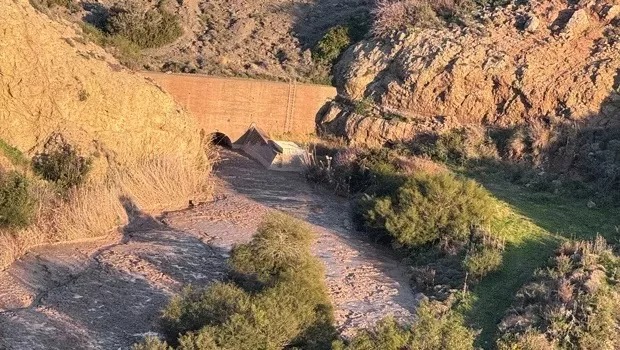
    Experts estimate that hundreds of bats fled the Mavrokolympos dam before flooding occurred, following unexpected infrastructure damage in January. This information was disclosed by Agriculture Minister Maria Panayiotou during a recent parliamentary session, responding to inquiries regarding the fate of the Egyptian fruit bats (Rousettus aegyptiacus) that inhabit the dam’s drainage area.

    • While the flooding incident at the Mavrokolympos dam raised concerns about the bats, it also highlighted the ongoing efforts to support and sustain the thriving populations of this species in Cyprus.
    Unexpected Infrastructure Damage Causes Rapid Flooding

    The incident at the Mavrokolympos dam began on 19 January 2025, when damage to the base of the drainage tower resulted in uncontrolled water leakage. Minister Panayiotou described the situation as unforeseen, leading to the flooding of the drainage tunnel where the bats resided.

    Authorities Confirm No Bats Trapped in Flooded Tunnel

    As soon as the authorities became aware of the situation, they sought to confirm whether any bats had been trapped inside the drainage tunnel. However, safe access was compromised due to the large and rapidly accumulating leak, which created hazardous conditions within the tunnel.

    Using specialist bat detection equipment, officials were able to verify that no bats remained trapped. The minister stated, “The estimation of experts was that the animals abandoned the tunnel before it filled with water and mud.” This assessment provided some reassurance regarding the well-being of the bat colony.

    Environmental Impact Concerns Raised

    MP Charalambos Theopemptou raised concerns during the parliamentary session about whether a thorough Environmental Impact Assessment had been conducted prior to the actions taken by the Water Development Department. He questioned if proper protocols were followed to prevent the potential deaths of these bats.

    Minister Panayiotou clarified that the incident fell under the category of force majeure, indicating it was an unforeseen occurrence rather than a planned action. “No gate opening occurred, but the dam emptied due to leakage,” she explained. This statement highlighted that the situation was beyond the control of the authorities and did not involve any deliberate actions that might have necessitated an assessment.

    Legal Framework and Environmental Directives

    The minister further noted that the provisions of EU Directive 92/43/EEC did not apply in this case. Since the flooding resulted from force majeure rather than voluntary actions by authorities, there was no obligation to notify the European Commission or undertake mitigation measures as would typically be required.

    Furthermore, she reassured that numerous natural caves and cavities in the surrounding area could have provided refuge for any bats that left the tunnel prior to the flooding. Authorities are also investigating whether the bats may have integrated into existing colonies in nearby locations.

    Positive Trends for the Egyptian Fruit Bat Population

    Despite the incident, the Egyptian fruit bat population in Cyprus has shown encouraging growth in recent years. Minister Panayiotou reported that old colonies have been re-establishing, new colonies are forming, and there is a general increase in known populations across the island.

    Following the repairs to the dam and the cleaning of the drainage tunnel, authorities expect that the habitat will again be suitable for recolonisation by the bats. Relevant departments will closely monitor the area to document any potential return of the species in the near future.

    Next Steps for Mavrokolympos Dam

    As authorities work on repairing the damage caused by the flooding, they remain vigilant regarding the ecological implications of the incident. Minister Panayiotou expressed confidence in the resilience of the Egyptian fruit bats and their ability to adapt and thrive in suitable environments.

    She emphasised that the situation was a reminder of the importance of monitoring wildlife populations and ensuring that proper protocols are in place to protect them, even in the face of unexpected challenges.

    While the flooding incident at the Mavrokolympos dam raised concerns about the bats, it also highlighted the ongoing efforts to support and sustain the thriving populations of this species in Cyprus.
  • Illegal Earthworks Threaten Paphos Monk Seal Habitat

    Illegal Earthworks Threaten Paphos Monk Seal Habitat

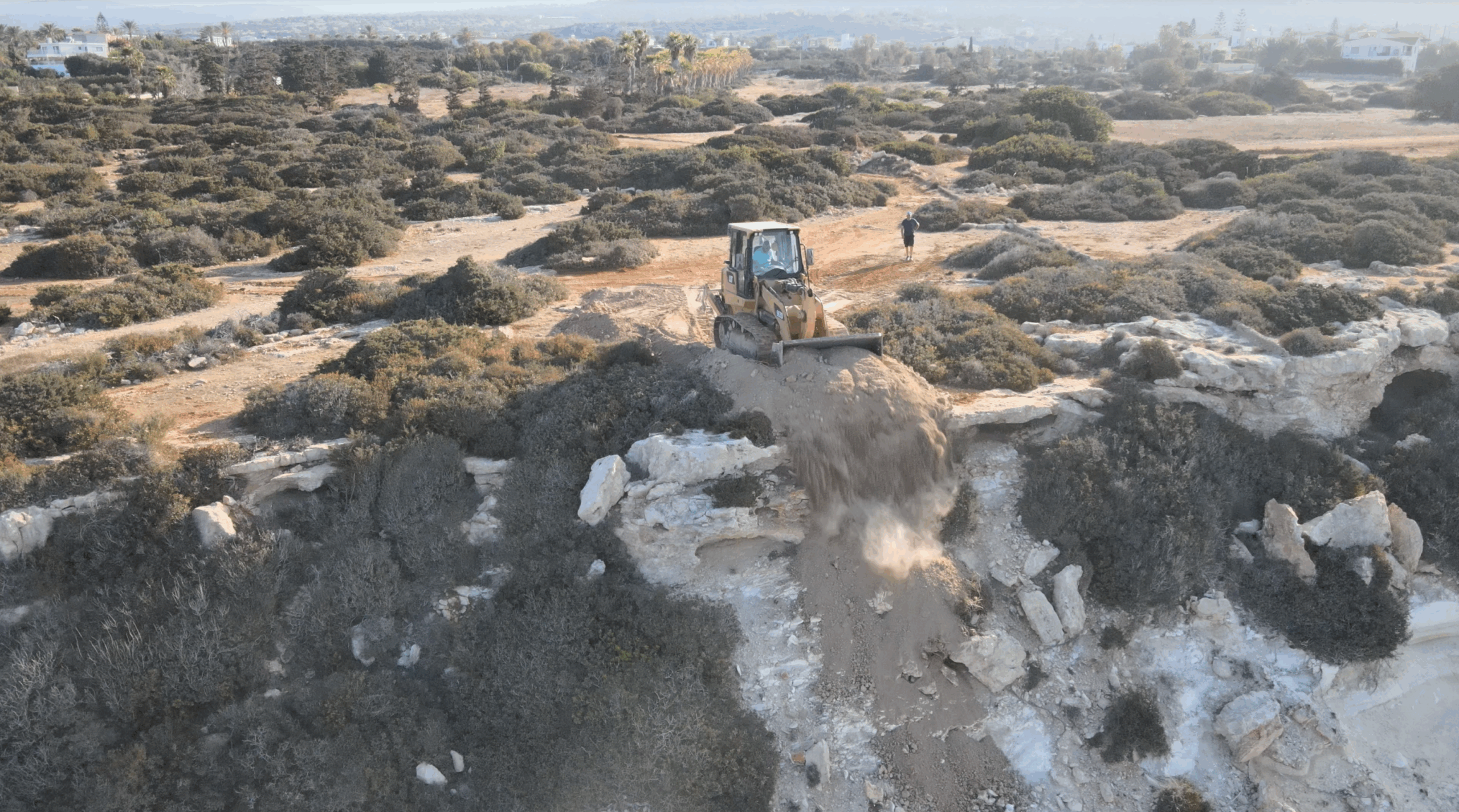
    Environmental group Terra Cypria has raised alarms over illegal earthworks threatening monk seal habitats in the Akamas Peninsula. The organisation has lodged formal complaints with both the Interior and Agriculture ministers regarding extensive excavation, landfill, and levelling operations occurring in the Asprovikla area.

    Photo: in-cyprus.philenews.com

    These operations are situated on plots adjacent to Natura 2000 network sites and strictly protected zones, including the Peyia Sea Caves Natural Micro-Reserve and the Peyia Marine Protected Area. The sea caves serve as a vital breeding ground for the Mediterranean monk seal, the most endangered seal species globally, and the only type in the Mediterranean.

    Terra Cypria claims that the illegal works have been conducted outside urban development zones and within designated coastal protection areas, involving land not owned by any known local businessman. The organisation has formally requested confirmation from authorities on whether the necessary planning or building permits were obtained, and if required environmental assessments were conducted.

    The municipalities of Akamas and the Environment Department have also filed complaints and taken administrative action against the alleged offender. They have informed the Paphos District Local Government Organisation to pursue further action within its competencies.

    The complaints were initiated following a citizen report made on 26 August, which documented large-scale land-clearing activities within plots 411, 434, and 435 of Akamas Municipality in Paphos district. This report, supplemented by photographic and satellite evidence, highlights the severity of the situation.

    Terra Cypria emphasised that these activities are occurring outside designated development boundaries, specifically within the Coastal Protection Zone as outlined by national legislation. The operations are alarmingly close to two Natura 2000 zones: the Akamas Peninsula Special Area of Conservation (CY4000010) and the Akamas Peninsula Special Protection Area (CY4000023), as well as bordering the Peyia Sea Caves Natural Micro-Reserve and the Peyia Sea Caves Marine Protected Area, both of which are protected by decisions from the Council of Ministers.

    The organisation reminded officials that projects within or near protected areas must undergo strict environmental assessments and adhere to both national and European legislation. In cases of confirmed violations, Terra Cypria demands that immediate sanctions be imposed.

    Letters detailing these concerns were sent to various officials, including the Auditor General and the Environment Commissioner, as well as representatives from the Department of Town Planning, Land Registry, and the Paphos District Administration. Terra Cypria has requested written responses within a month, as mandated by environmental legislation. They insist that such illegal activities pose a significant threat to biodiversity, the natural landscape, and the rule of law, especially when conducted without the knowledge or approval of competent authorities.

  • Audit Office Highlights Misleading Claims Over Akamas Private Party

    Audit Office Highlights Misleading Claims Over Akamas Private Party

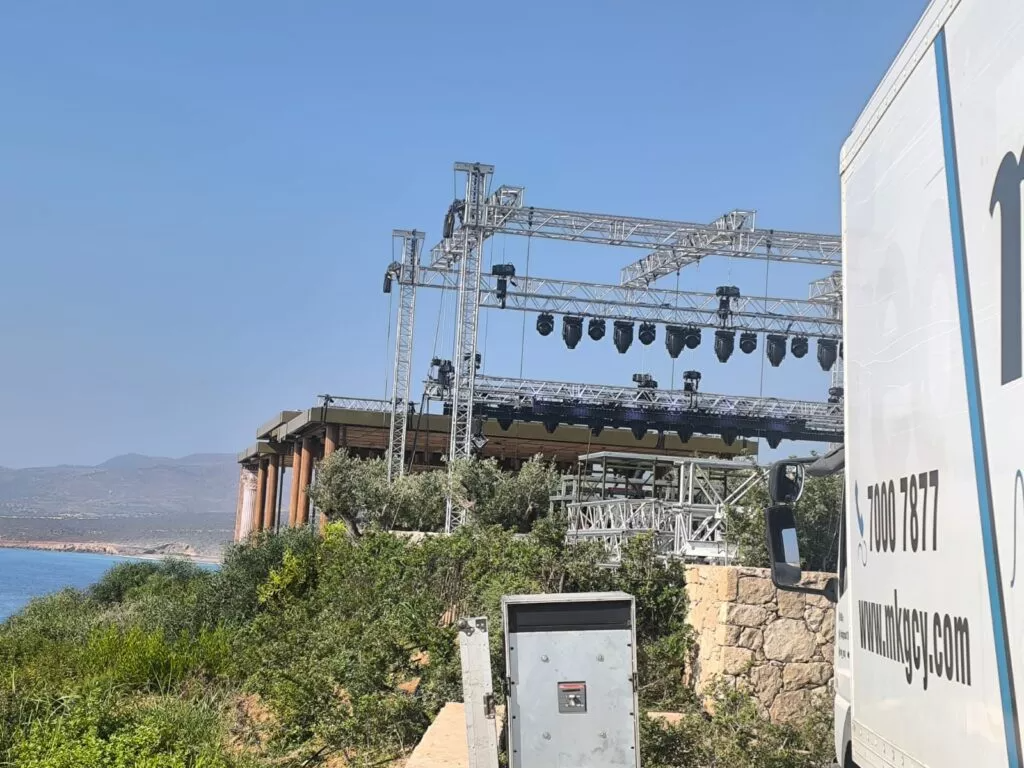
    akamas private — akamas private — The Audit Office has raised concerns about misleading statements made by local officials regarding a private party in the Akamas protected area. The controversy revolves around the installation of a stage and sound equipment for a businessman’s birthday celebration, which the Audit Office insists was not connected to the Carob Festival.

    In a statement released on Tuesday, the Audit Office clarified that the setup, which took place in an environmentally sensitive area, had no ties to the established festival. This assertion counters claims made by the Akamas mayor, the president of the Paphos District Local Government Organisation, and the director of the Department of Environment, who had previously linked the two events.

    Akamas private: Misrepresentation of Connections

    The Audit Office accused these officials of attempting to mislead the public by drawing arbitrary connections between the private birthday celebration and the Carob Festival. According to the office, the stage and sound equipment erected for the private event lacked necessary permits and were not in any functional or geographical relationship with the festival.

    “This sends extremely wrong messages regarding the state’s capabilities to enforce legal order,” the Audit Office stated, highlighting that basic principles of EU environmental law mandate precaution and prevention rather than reactive measures. The department also expressed serious reservations about the claims made by the Department of Environment Director, who suggested that the department lacked the legal tools to intervene preventatively.

    Concerns Over Environmental Protections

    The Audit Office’s statement underscored the fact that state officials had prior knowledge of the private party and the associated risks to the environment. Despite having ample time to address the situation, there was a failure to act decisively to prevent the event from occurring.

    The initial findings have raised suspicions of potential negligence or unjustified tolerance from state officials aimed at accommodating private interests. The Audit Office has reached out to the Ministry of Agriculture for an official response regarding these findings.

    Future Actions and Environmental Implications

    As more information comes to light from ongoing investigations, authorities will determine the appropriate next steps and whether the case should be referred to relevant bodies for further scrutiny. The situation shines a spotlight on the delicate balance between private events and the protection of areas like the Akamas peninsula, which is home to numerous protected species and habitats as recognised by EU legislation.

    The Audit Office’s findings raise critical questions about the enforcement of environmental protections and the responsibilities of state officials. With the Akamas region facing ongoing pressure from development and private interests, the need for stringent adherence to environmental laws has never been more pressing.

  • Pentakomo Fish Farming Port Clarified by Authorities

    Pentakomo Fish Farming Port Clarified by Authorities

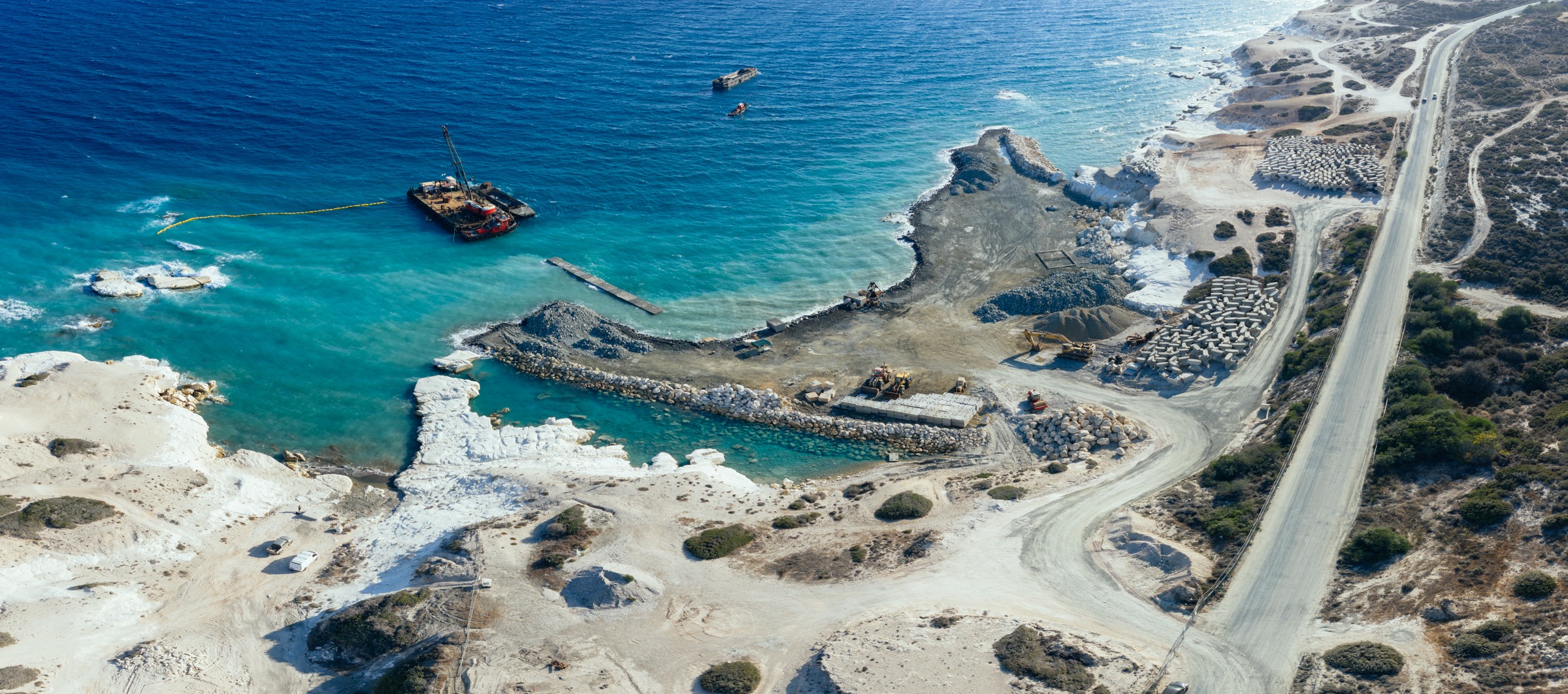
    The planned fish farming port at Pentakomo has been misrepresented in recent reports, prompting officials to clarify its purpose and scale. Authorities on Monday moved to quash speculation that the project has spiralled into a massive operation that could jeopardise marine habitats and endangered species.

    • Despite the assurances from authorities, there is an ongoing administrative appeal filed by NGOs against the project. The outcomes of the upcoming court hearings are anticipated shortly.

    In a joint statement, the departments of fisheries, the environment, and public works addressed claims that the facility had expanded from a simple fishing harbour to what was described as a “mammoth port”. Officials labelled such reports as inaccurate, emphasising the importance of addressing the “spread of misinformation” regarding the project.

    The departments confirmed that the fishing complex, once completed, is expected to handle over 50 per cent of the national production of fishery products. This will include both sea and land infrastructures, designed specifically to support local aquaculture.

    Contrary to claims of disproportionate scale, the port will accommodate only 35 vessels, a figure that is notably lower than most existing fishing shelters. This specification was reiterated by the departments, who assured that the project remains within the parameters set in the contract.

    All necessary permits, including environmental and construction-related approvals, have been secured. “Based on the scientific assessment carried out by experts, no major or irreversible adverse impacts on marine species or habitats are expected,” the statement continued, highlighting a commitment to responsible development.

    To mitigate any potential environmental impacts, the contractor is adhering to strict guidelines, including the installation of silt curtains in the affected area. Furthermore, experts have confirmed that there will be no significant impacts on the monk seal population in the region.

    An external environmental inspector has been appointed to oversee the project, ensuring compliance with environmental standards. The contractor is also required to submit regular environmental reports to maintain transparency and accountability.

    On land, the infrastructure developments will proceed as planned, with no alterations to the original design. This project, which is set to enhance aquaculture facilities in Pentakomo, follows a contract worth nearly €34 million signed in October 2024 between the government and a private consortium.

    The initiative includes the construction of port and land facilities that will support aquaculture farmers in the area. Specific features will comprise breakwaters made from natural and artificial boulders, the dredging of a new port basin, docks, and various buildings.

    Despite the assurances from authorities, there is an ongoing administrative appeal filed by NGOs against the project. The outcomes of the upcoming court hearings are anticipated shortly.

  • Cyprus Faces Environmental Neglect Amidst Growing Concerns

    Cyprus Faces Environmental Neglect Amidst Growing Concerns

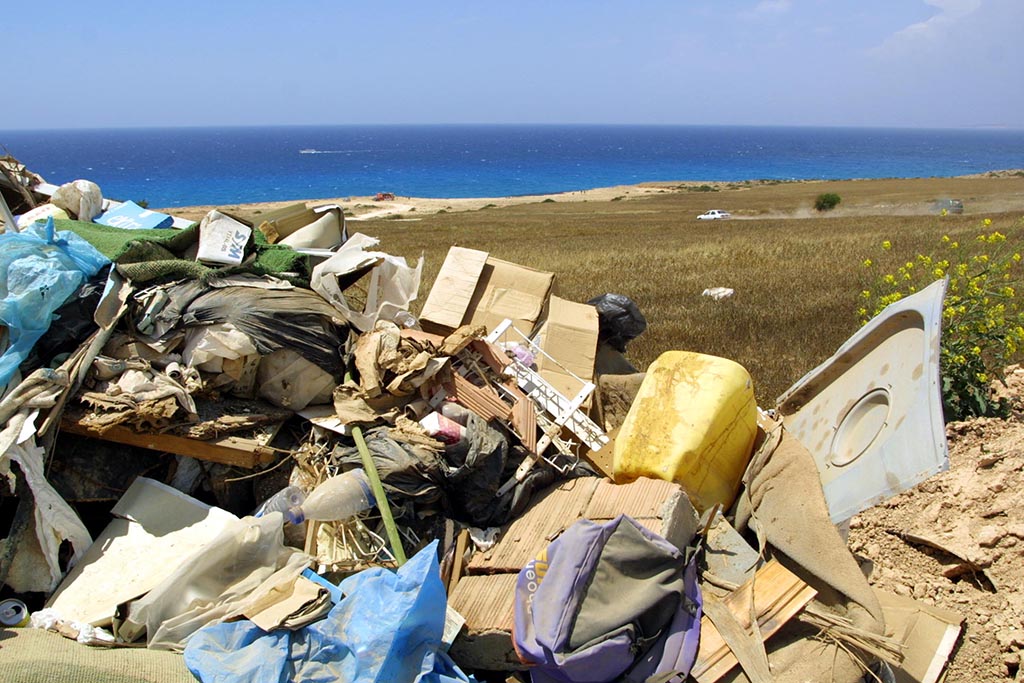
    environmental neglect — Cyprus is grappling with severe environmental neglect, highlighted by the presence of over 540 illegal rubbish dumps in Paphos alone. Reports indicate that waste is being carelessly dumped in state forests, such as in Pelendri, where debris is obstructing vital fire lanes. Furthermore, office furniture from state authorities has been abandoned in open fields in Yeri, illustrating a troubling disregard for proper waste management.

    Photo: cyprus-mail.com

    In a country where beaches are often littered with trash, clean-up efforts are sporadically initiated, primarily by private individuals rather than state initiatives. This neglect has prompted various organisations to raise alarms about Cyprus’ environmental protection record.

    In early August, an audit report revealed a “significant reluctance on the part of the state to adopt drastic and immediate measures” to tackle these violations. The situation is compounded by the European Union’s ongoing scrutiny, with Cyprus currently facing 16 active infringement procedures related to environmental issues.

    “For years the European Commission has identified that in Cyprus there is a systemic abuse of Article 6.3 of the Habitats Directive regarding the environmental appropriate assessment of projects in Cyprus,” said Tassos Shialis, BirdLife campaign coordinator. He pointed out that in March 2024, the European Commission escalated an infringement case to the European Court of Justice, urging Cyprus to take corrective measures for what he termed a “chronic problem.”

    Despite repeated warnings, Shialis noted that improvements in the application of environmental assessment procedures have been minimal. Large-scale projects, in particular, continue to be approved without adequate scrutiny, posing significant threats to Natura 2000 sites and protected species.

    The EU has a structured process for addressing such breaches, beginning with a letter of formal notice and potentially leading to fines if compliance is not achieved. In March 2024, the Commission reported that Cyprus had designated 37 special areas of conservation but had failed to establish necessary conservation measures for 28 of them. Furthermore, the objectives in place for five of these sites were deemed insufficient to protect local ecosystems.

    This pattern of negligence has persisted since Cyprus received its first letter of formal notice in June 2021, followed by a reasoned opinion in April 2022. The Commission’s referral to the Court of Justice highlights ongoing failures to safeguard critical habitats and species.

    According to the audit report issued in August, the state has shown a consistent disregard for EU environmental laws, with violations spanning urban planning, waste management, and habitat protection. Key examples include illegal developments in Ayia Thekla and Kouklia, as well as unauthorised constructions within Natura 2000 zones in Akamas.

    The report also details how the Lakatamia environmental centre was constructed without conducting an environmental impact study, illustrating a troubling lack of enforcement of existing laws. Although the regulations are in place and violators are known, the lack of effective law enforcement raises serious concerns.

    The responsibility for Cyprus’ environmental failures is complex and multifaceted. While the government holds a significant portion of the blame, the country’s ranking of 32nd out of 34 in a recent EU comparison highlights a concerning trend in environmental backsliding. Despite commitments to the UN’s Sustainable Development Goals, progress remains slow.

    Local projects often emerge in collaboration with municipal authorities, but approval processes can be convoluted, involving multiple stakeholders, including private companies. The overlapping responsibilities of various government departments, local municipalities, and regulatory bodies complicate efforts to address everyday environmental issues, such as illegal dumping and pollution.

    The environment department, while responsive to inquiries, acknowledges the tangled web of accountability, making it challenging to pinpoint who is ultimately responsible for the growing waste crisis. Director Theodoulos Mesimeris stated, “According to the law, local authorities are responsible for the cleaning and illegal dumping of waste.” This fragmented responsibility contributes to the ongoing environmental challenges faced by Cyprus.

  • Dynamite fishing — Dynamite Fishing Claims Lives of Protected Turtles Near Larnaca

    Dynamite fishing — Dynamite Fishing Claims Lives of Protected Turtles Near Larnaca

    Dynamite fishing has led to the tragic deaths of numerous protected turtles along the coast of Larnaca, raising alarm among residents and environmentalists alike.

    Photo: in-cyprus.philenews.com

    • Dynamite fishing has led to the tragic deaths of numerous protected turtles along the coast of Larnaca, raising alarm among residents and environmentalists alike.

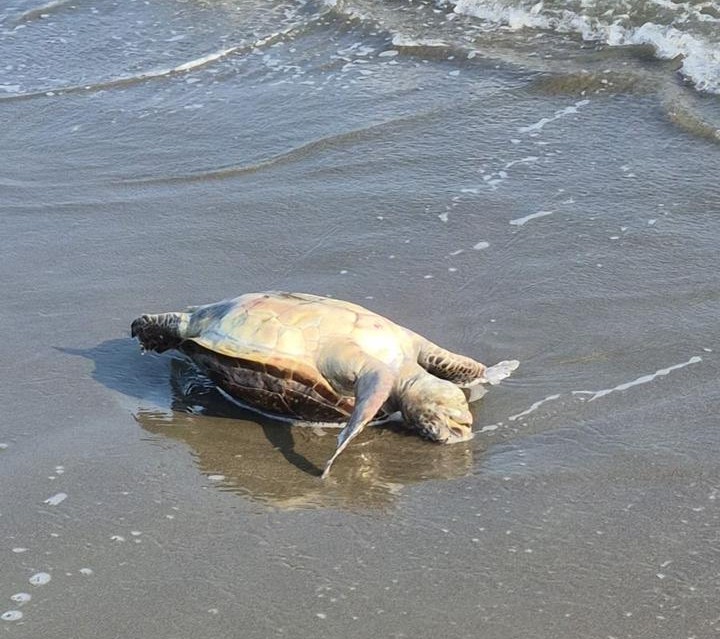
    Recently, dead sea turtles have been washing ashore on Cyprus beaches, displaying internal injuries indicative of underwater explosions. Witnesses have reported that these fatalities coincide with suspected blasts in deeper waters off the coast, signalling the troubling practice of illegal dynamite fishing.

    Photo: in-cyprus.philenews.com

    Dynamite fishing: Grim Discoveries on Pervolia Beach

    Photographs from Pervolia beach reveal multiple turtle carcasses exhibiting severe internal damage, with observers attributing this destruction to the shock waves generated by explosives. Residents handling the carcasses noted extensive internal trauma, consistent with injuries caused by blasts.

    Environmental Concerns and Official Response

    Antonia Theodosiou, the Environmental Commissioner, has been informed about these incidents and has reached out to turtle protection services. While the Fisheries Department has initiated protective measures, enforcement remains a significant hurdle, particularly during the busy holiday period when illegal fishing activities often escalate.

    The Dark Side of Fishing Explosives

    The suspected dynamite fishing operations are likely aimed at harvesting commercial fish species, taking advantage of the reduced regulatory oversight during peak tourist seasons. Historically, similar incidents in the region have resulted in the deaths of both turtles and various fish species, revealing the indiscriminate nature of such fishing methods.

    In the past, occasional turtle deaths were linked to National Guard training exercises; however, no military activities are currently scheduled in the area. The patterns of recent blasts suggest a deliberate focus on fishing rather than military causes.

    The Impact of Deep-water Explosions

    Residents have explained that deep-water explosions generate shock waves lethal to all marine life within the blast radius, with currents subsequently transporting the deceased creatures to shore. The scale of the turtle deaths points to a systematic approach to fishing rather than isolated incidents.

    Additional Threats from Vehicle Traffic

    As if the threat from dynamite fishing were not enough, turtle populations also face dangers from vehicle traffic on the beaches during nesting season. Local residents have reported significant turtle mortality due to all-terrain vehicle operations. Baby turtles, in particular, are at great risk of being struck by vehicles, leading to alarming reductions in their numbers.

    Some vehicle operators engage in speed races and exhibitions on the beaches, exacerbating the risk of collisions with nesting females and hatchlings. The combination of explosive fishing practices and vehicle traffic presents a multi-faceted threat to already vulnerable turtle populations.

    Recent Nesting Successes

    Despite the ongoing challenges, last year’s nesting season recorded 18 turtle nests, with an impressive 17 sites documenting successful hatching. However, the current protective measures put in place by fisheries authorities and local communities have shown limited effectiveness against the persistent illegal activities threatening these magnificent creatures.

  • Cyprus Considers New Access Road to Paphos Airport Amid US Military Recommendations

    Cyprus Considers New Access Road to Paphos Airport Amid US Military Recommendations

    paphos airport — paphos airport — Cyprus is examining proposals for a second road access to Paphos International Airport and the Andreas Papandreou airbase following recommendations from the United States, marking a significant shift in prioritising national security over environmental concerns.

    The Defence Ministry has begun discussions with relevant authorities after receiving the US proposal, which deems the alternative route crucial for operational adequacy and emergency access to the military facility. A formal proposal is expected to be submitted to the Council of Ministers to advance the necessary procedures.

    Paphos airport: Proposed Coastal Route’s Environmental Challenges

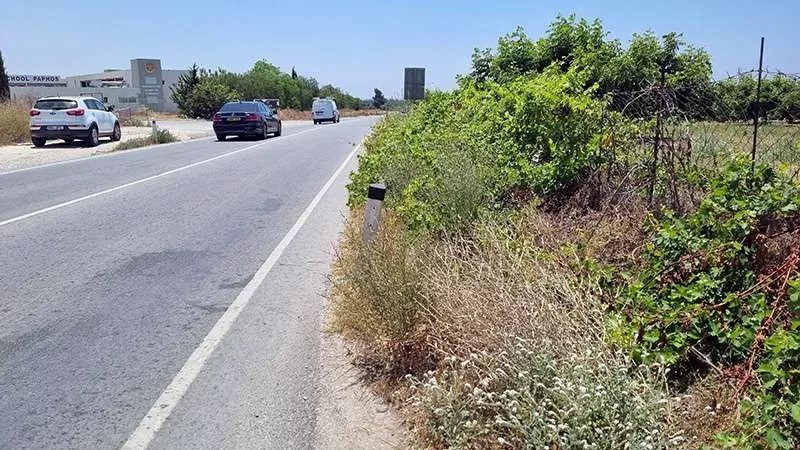
    The envisioned coastal road would link Paphos International Airport with the tourist area of Paphos-Geroskipou, traversing the mouth of the Ezousas River within the Natura 2000 Special Protection Area that encompasses the estuaries of the Ezousas, Xeros, and Diarizos rivers.

    Environmental authorities have long opposed any road construction in this region, citing potential severe impacts on local ecosystems. The latest Special Ecological Assessment Report from June 2023 warned that the coastal road would lead to “serious, negative and irreversible impacts” on various species and habitats protected under EU regulations.

    Decades of Environmental Opposition

    For over twenty years, the Environmental Authority has consistently rejected road construction proposals, with studies conducted in 2005, 2009, 2016, 2017, 2022, and 2023 all highlighting significant threats to endangered sea turtle species and various wild bird populations. Officials argue that enhancing existing road infrastructure presents a more environmentally sound alternative.

    US Military’s Role in Infrastructure Planning

    The push for the new road access stems from recommendations by the 435th Contingency Response Squadron of the US Air Force, which is stationed in Germany. After two inspection visits to Cyprus, the unit outlined specific technical and operational proposals as part of an airbase upgrade programme.

    Reports indicate that the Andreas Papandreou airbase has begun to serve humanitarian missions, civilian evacuations, and as a transit hub. The US military’s involvement in planning includes runway extensions, hangar construction, and the development of a modern communications centre.

    Funding and Strategic Direction

    During President Christodoulides’s official visit to Washington on 30 October 2024, US financial support for the infrastructure project was confirmed, with commitments reportedly remaining intact following the recent presidential election.

    The Defence Ministry, in coordination with US military experts, is looking to weave this project into a broader dual-use infrastructure strategy that combines military and civilian applications, reflecting a new emphasis on national security in decision-making.

  • Akamas violations — Environmental Groups Criticise Forestry Department Over Akamas Violations

    Akamas violations — Environmental Groups Criticise Forestry Department Over Akamas Violations

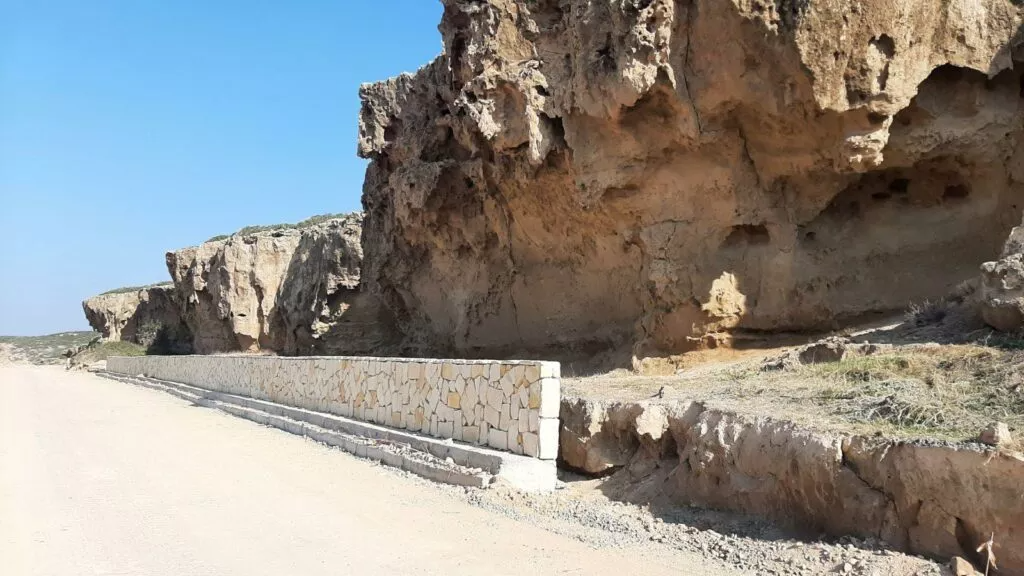
    akamas violations — akamas violations — Environmental groups have strongly condemned the Forestry Department for its handling of construction violations in the Akamas National Forest Park. Four prominent organisations—Terra Cypria, BirdLife Cyprus, Cyprus Wildlife Society, and the Cyprus Natural Coastline initiative—have accused the department of displaying “arrogance” and a “denial of reality” in the face of documented environmental breaches.

    Photo: in-cyprus.philenews.com

    This public outcry follows the Forestry Department’s assertion that it feels “fully satisfied and vindicated” by its ongoing projects in Akamas, a statement met with disbelief by the environmental groups. They argue that significant violations of legally binding environmental conditions have been observed, particularly concerning the Sustainable Development Plan and the first phase of road network improvements.

    Photo: in-cyprus.philenews.com

    The criticism has been mounting since October 2023, as the Forestry Department has allegedly refused to acknowledge serious discrepancies and its responsibilities related to various projects. This has resulted in a construction site remaining operational in a critical area of the Akamas Peninsula, impeding progress on both project re-evaluation and completion.

    Members of the Ad-hoc Committee for Special Ecological Assessment, excluding the Forestry Department, have identified breaches in environmental approval conditions. This includes input from other state agencies such as the Environment Department, Fisheries Department, and Game and Fauna Service, alongside various environmental organisations.

    Irregularities have also been flagged by respected institutions such as the Cyprus Scientific and Technical Chamber, independent experts, and even the Audit Office. Notably, decisions made by the Council of Ministers in December 2023 and March 2024 have added to the scrutiny faced by the Forestry Department.

    The environmental organisations have challenged the Forestry Department’s claims of vindication, demanding clarity on the specific points of satisfaction highlighted by the department. They have raised pressing questions regarding actions such as the demolition of retaining walls along protected geomorphological sites and the removal of water supply pipelines, as well as the need for a thorough re-evaluation of hydraulic works.

    A special audit report released by the Audit Office on 23rd June 2025 has been described as damning for the Forestry Department, further intensifying calls for accountability. The organisations have urged the Minister of Agriculture, Rural Development and Environment to take decisive action against what they term a “tolerance” of the department’s practices, unless she endorses them.

    The groups are also demanding transparency by calling for the publication of all findings from administrative and disciplinary investigations related to the environmental violations connected with the Sustainable Development Plan and Phase A works at Akamas National Forest Park.

    Adding to the chorus of criticism, the Cyprus Hunting and Wildlife Conservation Federation has expressed its discontent with the Forestry Department’s announcement. They have labelled ongoing works as “incompatible and destructive” to the sensitive ecological system of the area, urging the department to heed compliance reports issued by the Environment Department instead of celebrating progress on unrelated matters.

  • Kouklia desalination — Kouklia Desalination Plant Set to Resume Operations in September

    Kouklia desalination — Kouklia Desalination Plant Set to Resume Operations in September

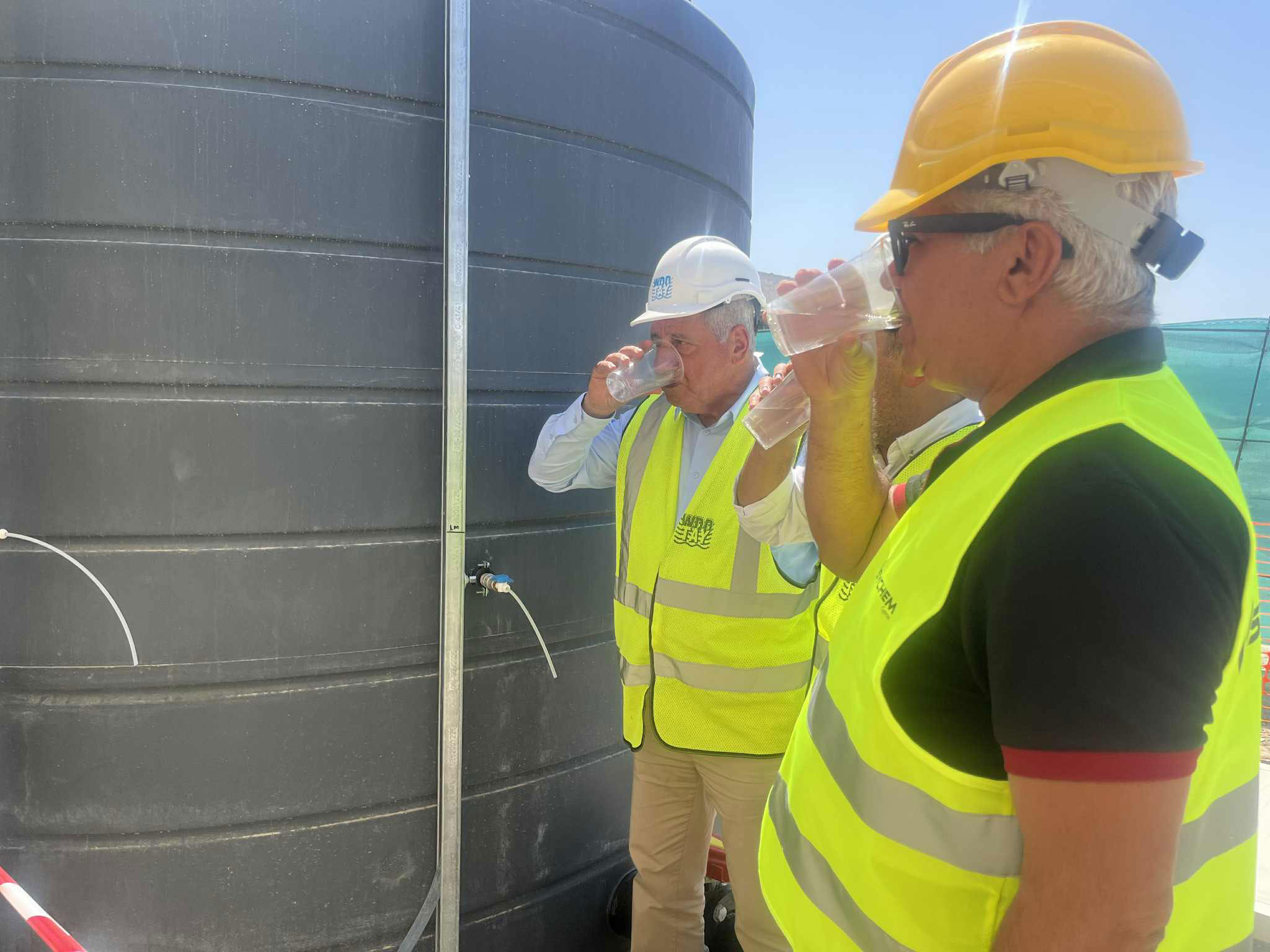
    The Kouklia desalination plant, which was devastated by a fire last December, is anticipated to resume operations by September 20, according to Paphos district governor Charalambos Pittokopitis.

    • The Kouklia desalination plant, which was devastated by a fire last December, is anticipated to resume operations by September 20, according to Paphos district governor Charalambos Pittokopitis.

    In June, permanent secretary of the agriculture ministry, Andreas Gregoriou, had optimistically projected that the plant would be operational by August. However, recent updates indicate a slight delay, with operations now expected to begin later in September.

    Kouklia desalination: Impact of Drought on Water Supply

    Pittokopitis highlighted the ongoing challenges posed by a prolonged drought and the destruction of the Kouklia plant. These issues have made it difficult to ensure a steady water supply for residents of Paphos and the surrounding district. “The prolonged drought of the past years and the destruction of Paphos’ desalination plant in Kouklia last December continue to create quite a few difficulties in our efforts to secure the continuous supply of water to consumers in the city and district of Paphos,” he stated.

    Additional Desalination Efforts

    As part of the broader strategy to tackle water shortages, the Potima desalination plant is also set to begin operations in September. This facility has the capacity to produce 5,000 cubic metres of water per day, with plans to double its output in October. Pittokopitis noted that Paphos has already begun receiving water from a mobile unit installed at Potima, providing 1,000 cubic metres daily. A second mobile unit is expected to be operational shortly.

    Future Water Supply Projections

    By October, the water supply from the Kouklia desalination plant is projected to reach 15,000 cubic metres daily, supplemented by an additional 12,000 cubic metres from Potima’s larger unit and two smaller units. Currently, the Asprokremmos water distillation plant serves as the main water source for lower Paphos, with a capacity of 30,000 cubic metres per day. However, this figure is set to decrease to 15,000 cubic metres in October as reserves at the Asprokremmos dam dwindle to approximately 8 million cubic metres.

    Community Awareness and Conservation

    Pittokopitis expressed cautious optimism regarding the water situation but emphasised the need for responsible usage. He urged residents to be mindful of their water consumption, stating, “We must all be very careful and frugal when it comes to using water, because even the last drop is useful.” The assurances from the water development department suggest that current reserves should suffice until the desalination units are fully operational and the winter rains arrive.

    The combination of the Kouklia and Potima plants is a crucial step in alleviating the water supply crisis in Paphos, as officials and residents alike anticipate a return to normalcy in water availability as the summer months draw to a close.

  • Forestry Department Faces Backlash Over Akamas Roadworks

    Forestry Department Faces Backlash Over Akamas Roadworks

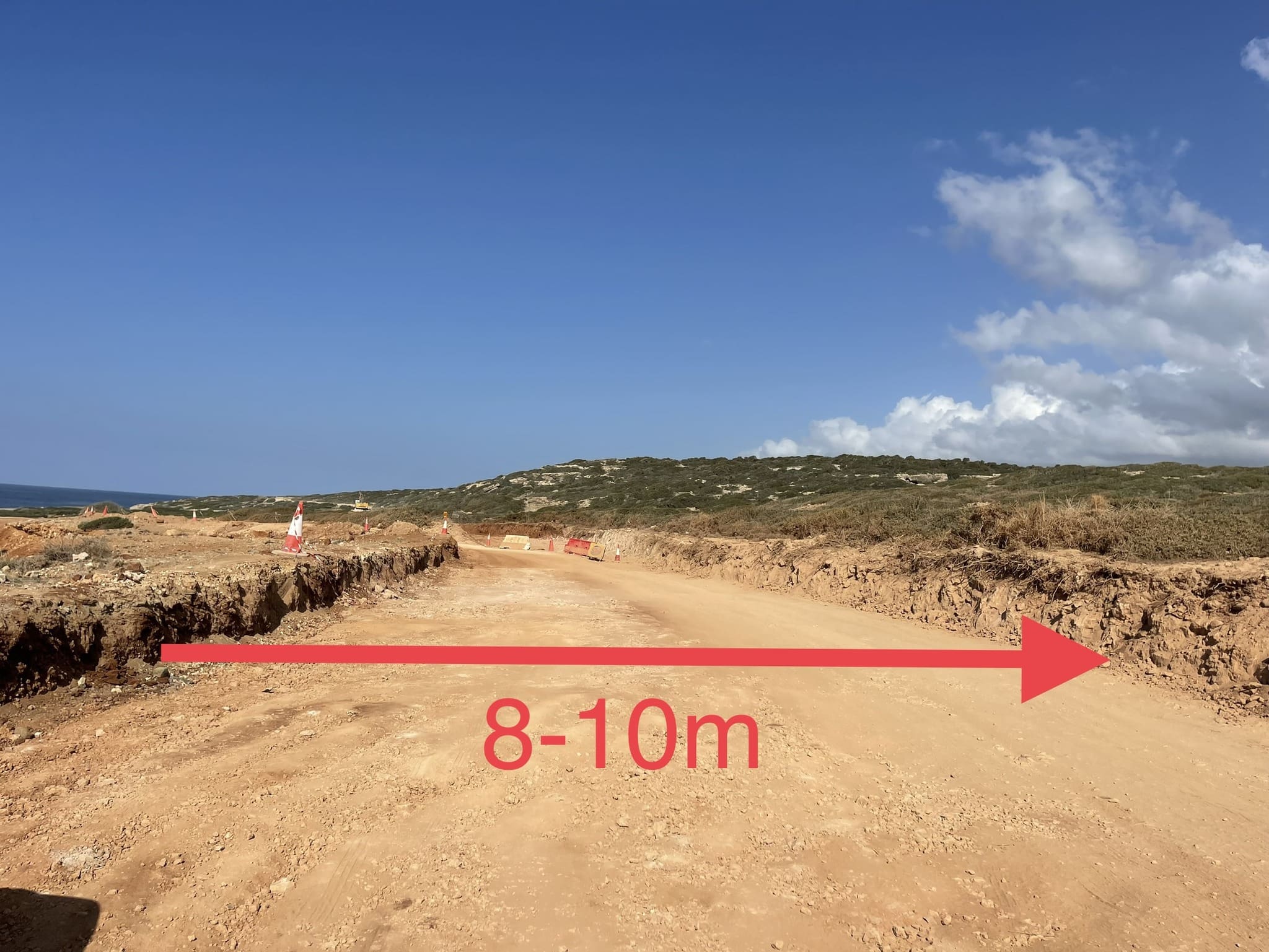
    akamas roadworks — akamas roadworks — The forestry department’s handling of roadworks in the Akamas national forest park has drawn sharp criticism from several environmental organisations, who labelled its recent statements as ‘arrogant’ and ‘provocative’.

    Photo: cyprus-mail.com

    On Wednesday, the forestry department expressed satisfaction with a report that sanctioned the resumption of roadworks, stating it felt both “satisfied and justified” about the re-evaluation process. This prompted a vehement response from groups including Terra Cypria, BirdLife Cyprus, Cyprus Wildlife Society, and Cyprus Natural Coastline, who issued a press release on Thursday detailing their concerns.

    Photo: cyprus-mail.com

    According to the environment department, the green light for restarting the roadworks came on August 12, after the project had been stalled since October 2023 due to widespread criticism. The department assured the public that it had adhered to all environmental conditions necessary for the project’s continuation. However, environmental advocates have contested this claim, asserting that the forestry department has ignored significant violations of environmental regulations.

    In their statement, the environmental organisations pointed out that the forestry department had “violated a multitude of legally binding and essential conditions” of the environmental approval for both the sustainable development plan and the initial phase of road network improvements. They reminded the department that since the halt in construction, multiple parties—including independent experts and government bodies—have acknowledged these violations.

    “The arrogance and provocation that the forestry department continues to show is truly impressive,” the organisations stated, questioning the department’s confidence in its re-evaluation findings. They noted that other stakeholders, apart from the forestry department, have identified serious infringements, which raises concerns about the department’s self-assessment.

    Specific grievances include the demolition of support walls along protected areas, the removal of a critical water pipeline, and a comprehensive re-evaluation of water supply works that affect the region’s ecology. These actions have prompted calls for accountability from the environmental organisations, who urged the agriculture minister, Maria Panayiotou, to intervene and address what they termed an “unacceptable stance” from the forestry department.

    In a related development, the Cyprus Environmental Movement prepared a memorandum for President Nikos Christodoulides, highlighting the irreversible damage already inflicted on the Akamas environment. They expressed concerns about the ability of those responsible for the initial works to monitor compliance moving forward, calling for transparency regarding ongoing investigations into the matter.

    “Experience shows that environmental destruction, as witnessed in this case, cannot be restored,” the movement cautioned, pressing for the identification of those responsible for the ongoing environmental degradation. They demand public access to the findings of all administrative and disciplinary investigations related to the Akamas project.

    The environment department’s report earlier this month noted that measures would be implemented to minimise the environmental footprint of the roadworks in Akamas, with the first phase initially commencing in September 2022. However, the projects were paused in October 2023 due to backlash from environmental groups, leading to a cabinet-ordered reassessment in December 2023. A special ecological assessment was subsequently released in March 2024, focusing on the potential impacts of the roadworks on protected species and habitats.

    Despite the assurances from the forestry department, the environmental organisations remain sceptical about the future of the Akamas national forest park. They continue to advocate for accountability and transparency, urging the government to guarantee the protection of habitats and the environment, as well as the welfare of the local community.