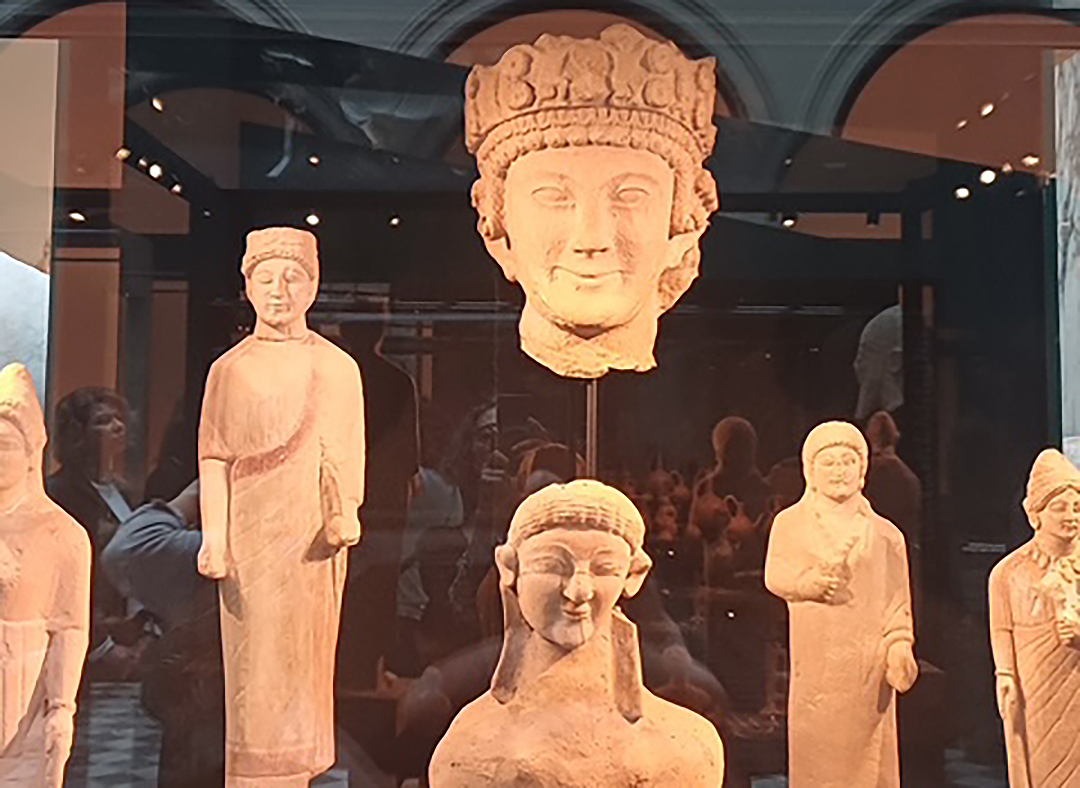
cyprus history — cyprus history — Bringing the history of Cyprus to life, the Performing Collections Performing Archives project aims to explore and present untold stories surrounding the Swedish Cyprus Expedition of 1927-1931. This venture, initiated by theatre scholar Ellada Evangelou and museologist Despo Pasia, seeks to intertwine archaeological research with performing arts, enriching the dialogue about colonialism and identity in Cyprus.
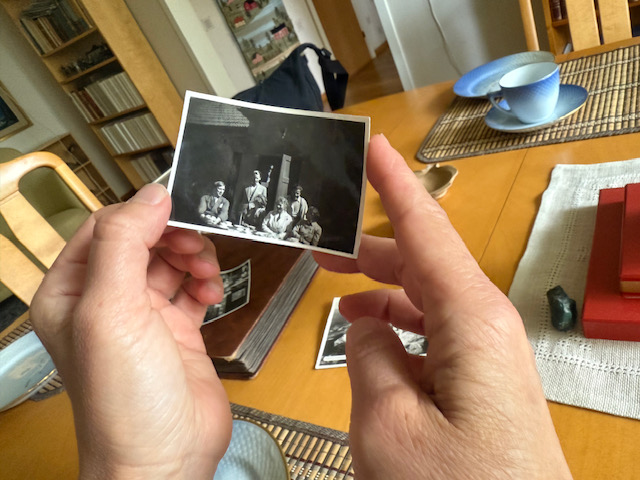
Photo: cyprus-mail.com
Cyprus history: Unearthing the Past: The Swedish Cyprus Expedition
Between 1927 and 1931, the Swedish Cyprus Expedition excavated over 20 archaeological sites across Cyprus, laying the groundwork for the island’s archaeological studies. Key figures such as Einar Gjerstad, John Lindros, Erik Sjöqvist, and Alfred Westholm were pivotal in this venture. However, nearly a century later, the impact of their work remains underappreciated.
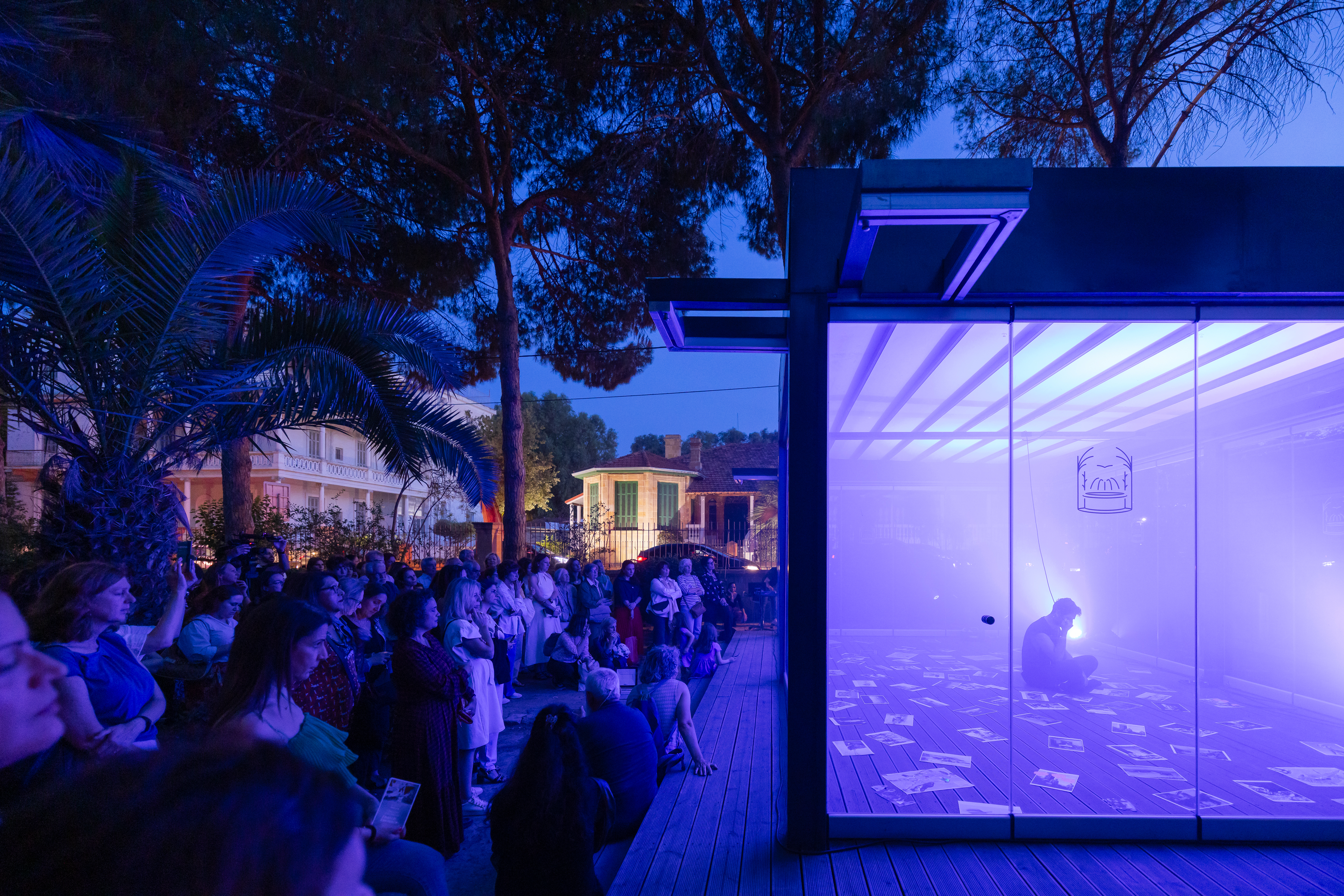
Photo: cyprus-mail.com
A Spark of Inspiration
At a workshop at the Nicosia Municipal Arts Centre (Nimac), Evangelou discovered photographs from the expedition that ignited her interest. She recalls, “These pictures among other photographs from the first half of the 20th century going into the 60s and we were discussing issues of colonialism and identity in Cyprus… these pictures really started to speak to me.”
Interdisciplinary Collaboration in Action
Collaborating with Pasia, the duo conceptualised the Performing Collections Performing Archives project to merge their disciplines. “We wanted to try and figure out how these two can come together,” Pasia notes, highlighting the importance of exploring the intersection of archaeology and theatre in contemporary discussions surrounding colonialism.
From Archives to Performance
The project takes a unique approach by combining archival research, interviews with descendants of the expedition’s workers, and interdisciplinary discussions. The aim is to create theatre performances, narrative audio tours, and educational programmes that delve into hidden narratives within Cyprus’ archaeological history.
Highlighting Untold Stories
The project’s first phase, running from 2023 to 2024, focuses on the lesser-known stories of the expedition’s workers. It features performances such as “[In]Credible Histӧries: The Process,” scheduled for April 2024 at the Cyprus Museum in Nicosia, and “[In]Credible Histӧries: A Promenade Devised Theatre Performance” on International Museum Day in May 2025.
Voices from the Past
Evangelou emphasises the importance of giving voice to those often overlooked in historical narratives. “We did a large amount of creative writing; for the text of the performance we focused on the locals and we gave a voice to the people, especially the workers or the villagers,” she explains. The project leans heavily on the wealth of archival documentation available, with close to 14,000 photographs that illuminate the context and lives of the people involved.
Continuing the Journey: Phase Two
Currently entering its second phase (2025-2026), the project shifts focus to the interactions between Cypriots and Swedes before, during, and after the expedition. A promenade-style theatre performance is set for March 2025 at the Medieval History Museum in Stockholm, promising to bring historical figures back into the spotlight.
Bridging Generations
This phase will include interactions with descendants of those involved in the expedition, revealing the human side of historical events. “It’s not just the practices of these people, it’s their whole life, their choices, their feelings, their struggles,” Pasia explains.
Reconstructing Historical Narratives
The duo is committed to uncovering the origins of the expedition, weaving together myth and reality. Evangelou recounts the intriguing anecdote of how Loukis Pierides, the Cypriot consul of Sweden, persuaded Gjerstad to explore Cyprus during a chance train encounter in 1923. This narrative exemplifies the intersection of personal stories and larger historical movements.
The Importance of Context
With collaboration from the department of antiquities, workshops have been developed around artefacts, adding depth and nuance to the project. “We have added a fourth one, which is direct interviews and collaborations with the descendants of the archaeologists,” Evangelou states, underscoring the project’s commitment to enriching its narrative fabric.
Future Aspirations and Educational Initiatives
As the project progresses, plans for an audio guide and educational materials are underway, aiming to create a comprehensive cultural product that resonates with contemporary audiences. “This project is there as a cultural product, it has this richness, it has all these voices,” Evangelou remarks.
Rethinking the Role of Museums
Pasia offers a critical perspective on the evolution of museums, suggesting that they must adapt to remain relevant. “If you want the museum, the story to be relevant, it has to go into things that may seem unpleasant but nevertheless are reality,” she asserts, advocating for a more inclusive and diverse narrative in museum settings.