Blog

  • Fight — Two Injured in Fight at Larnaca Block of Flats

    Fight — Two Injured in Fight at Larnaca Block of Flats

    Two men were injured in a fight that broke out in a block of flats late on Friday night, according to police reports. Officers received a call around 11pm, indicating that three residents of the building were involved in an altercation.

    • The police are actively investigating the circumstances surrounding the fight, with no further details released at this time.

    Upon arrival, police discovered that a 26-year-old man had been attacked by two other individuals. Emergency services transported him to Larnaca General Hospital, where medical staff identified a shoulder injury likely caused by a sharp object.

    While he remains in hospital, doctors have confirmed that his condition is stable, and he is out of danger. In a related incident, a 66-year-old man who attempted to intervene in the fight sustained a minor hand injury. He was also taken to the same hospital, treated, and subsequently discharged.

    The police are actively investigating the circumstances surrounding the fight, with no further details released at this time.

  • Cyprus Gears Up for Council of Europe Presidency Amid Business Developments

    Cyprus Gears Up for Council of Europe Presidency Amid Business Developments

    The focus on tourism in Cyprus intensifies as the Deputy Ministry of Tourism has initiated a tender for hotel accommodations in Nicosia. This move is aimed at preparing for the influx of delegates expected during Cyprus’ presidency of the Council of Europe, which will run from January to June 2026, featuring over 250 meetings across the island.

    The tender, recently published on the Electronic Procurement System, outlines an estimated cost of €165,000 excluding VAT for 32,896 overnight stays. If additional options are included, the total estimated expenditure could rise to €195,000. Bids for this accommodation are open until September 3, 2025, at 11 a.m. The announcement was confirmed by Deputy Minister for European Affairs Marilena Rauna at the Cyprus Hoteliers Association (Pasyxe) general assembly.

    In a separate but significant development, Israeli-owned BrainRocket, a major employer in Limassol, has decided not to relocate its operations to Spain after intervention from President Nikos Christodoulides. Earlier reports had indicated potential job losses, raising concerns among government and business officials. The company, which has been operating in Cyprus for approximately ten years and employs around 1,500 people, will transfer part of its workforce abroad while hiring an equal number of local staff.

    On the financial front, Eurobank has been actively engaging in share buybacks, acquiring 1,334,684 shares between August 11 and 14 for a total cost of €4.6 million. The bank confirmed that the repurchase aligns with its Share Repurchase Programme, initially approved during its Annual General Meeting on April 30, 2025.

    The National Bank of Greece also reported a significant share buyback, acquiring 300,000 shares between August 7 and August 14, with a total expenditure of €3.9 million. This transaction followed approvals from its annual general meeting and the European Central Bank’s Single Supervisory Mechanism.

    Additionally, the German Medical Institute (GMI) is at the forefront of a transformative healthcare project known as Agora 3.0, aimed at establishing Cyprus’s first fully digitalised hospital. Chief Scientist Demetris Skourides and Medical Director Professor Konstantinos Zamboglou outlined the initiative’s vision during a meeting in Limassol. The project includes the creation of an AI Department, which will serve as a centre for testing and developing AI technologies in medical diagnosis.

    Meanwhile, ASBISc Enterprises Plc has reported a remarkable increase in estimated consolidated revenues for July 2025, amounting to approximately $281 million—a 26% rise compared to July 2024. This growth highlights the ongoing resilience and expansion of the technology sector on the island.

    In the tourism sector, Cyprus continues to seek ways to extend its tourist season beyond the summer months. This strategy aims to boost revenue and stabilise employment in the industry, reflecting a broader trend as countries like Greece also plan to keep hotels operational throughout autumn and winter. TUI AG has confirmed plans to maintain extended operations in Greece and Turkey, responding to high demand.

    Lastly, the Cyprus Stock Exchange has announced the continued suspension of trading for ZREES Fraction Plc shares on the Emerging Companies Market, extending until October 27, 2025. This suspension is due to the company’s non-compliance with requirements regarding its nominated advisor and failure to submit financial reports.

  • Concerns Mount Over US Warplane Activity in Cypriot Airspace

    Concerns Mount Over US Warplane Activity in Cypriot Airspace

    us warplane — Concerns have been raised regarding the ‘unusual movements’ of a US warplane in Cypriot airspace. The aircraft, a Boeing C-17 belonging to the United States Air Force, was observed taking off from Paphos airport on Tuesday, shortly before landing at Tel Aviv’s Ben Gurion airport less than an hour later.

    A coalition of non-governmental organisations in Cyprus, including activist group Afoa and pro-Palestine entities such as BDS Cyprus, Genocide-Free Cyprus, and United for Palestine Cyprus, has alleged that the island is being used as a stopover point for transporting unknown cargo and personnel from the US Al Udeid airbase in Qatar to Israel.

    The aircraft has been seen making multiple trips between Al Udeid and Israel, with its transponder turned off on several occasions. This has left observers unable to track its exact location, raising suspicions about its operations. One such incident led the organisations to question whether the plane actually landed in Paphos or diverted to the nearby Mari naval base, although this is deemed unlikely as the C-17 cannot land at Mari.

    After reappearing on radar an hour later, the C-17 was again recorded en route to Israel. Following its departure from Israel, flight data suggested the aircraft conducted what the groups referred to as a “phantom landing” in Cyprus. This tactic, they claim, involved flying at low altitude near an airport to create the illusion of landing, while actually maintaining a direct flight path between the US base and Israel.

    The organisations noted that the altitude readings of the C-17 never dropped to zero, further indicating that it did not land in Paphos but merely passed over the region. They expressed scepticism regarding the nature of the flights, asserting that they were “almost certainly not related to humanitarian aid.” They argued that a US military cargo aircraft would not undertake such clandestine journeys if its purpose were truly humanitarian.

    The cloak of secrecy surrounding the C-17’s movements has led these groups to conclude that military aid is being transported through Cypriot facilities. They contend that by allowing such flights and enabling operations from the island to assist the US and Israel, the Cypriot government has effectively compromised its sovereignty, transforming the island into an unwitting accomplice in alleged acts of violence.

    In their statement, they claimed, “by permitting such flights and enabling operations from the island to aid the US and Israel, the Cypriot government has effectively abdicated its sovereignty, turning the island into a silent accomplice in genocide.” This assertion adds a complex layer to the geopolitical dynamics involving Cyprus, the US, and Israel, as local organisations push for transparency and accountability regarding military operations in the region.

  • International Outcry Over Israel’s E1 Settlement Plans

    International Outcry Over Israel’s E1 Settlement Plans

    Foreign ministers from various European nations, along with Australia and the UK, have condemned Israel’s new settlement plans, particularly the controversial E1 project, which threatens to significantly alter the landscape of East Jerusalem and the West Bank.

    The E1 settlement initiative, which has received backing from Israeli Finance Minister Bezalel Smotrich and was approved by a defence ministry planning commission, aims to construct new settlements east of Jerusalem. This development has raised serious concerns among international leaders, as it would effectively bisect the West Bank and hinder the establishment of a contiguous Palestinian state.

    In a joint statement released on Friday, foreign ministers from countries including Belgium, Canada, Denmark, France, Greece, and others expressed their disapproval, stating, “The decision by the Israeli higher planning committee to approve plans for settlement construction in the E1 area, east of Jerusalem, is unacceptable and a violation of international law.” They called for an immediate reversal of the decision, emphasising the potential ramifications for peace in the region.

    EU foreign chief Kaja Kallas, who also serves as the vice-president of the European Commission, joined the chorus of condemnation, reinforcing the collective stance of the international community against the E1 project. The ministers warned that this settlement plan could severely obstruct the possibility of a two-state solution, arguing that it would divide any prospective Palestinian state and limit Palestinian access to Jerusalem.

    Israel responded swiftly to the international criticism, with its Foreign Ministry dismissing the statement as an attempt to impose foreign dictates. They reiterated Israel’s historical claim to the land, stating, “The historic right of Jews to live anywhere in the Land of Israel – the birthplace of the Jewish people – is indisputable.” The ministry further contended that Israel’s actions were in accordance with international law, asserting that the Jewish people are the indigenous people of the region.

    The E1 settlement plan has been a point of contention for years, with significant international opposition. Since the 1967 Middle East war, Israel has expanded its settlements in the West Bank, resulting in approximately 700,000 Israeli settlers now residing among 2.7 million Palestinians in the area. The ongoing conflict with Hamas in Gaza has further complicated the situation, with tensions remaining high.

    As the international community watches closely, the future of the E1 project remains uncertain. The foreign ministers’ statement has highlighted a growing divide between Israel and many nations who are advocating for peace and stability in the region.

  • Reunification — Cyprus’ Reunification Remains a Non-Negotiable Goal

    Reunification — Cyprus’ Reunification Remains a Non-Negotiable Goal

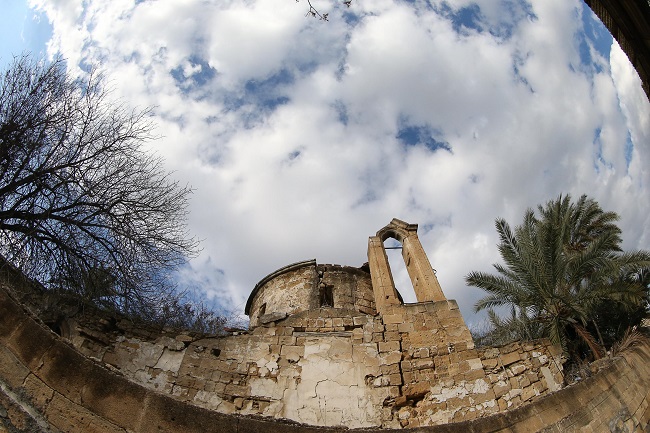
    The reunification of Cyprus is a “non-negotiable goal” for the government, emphasised Deputy Culture Minister Vasiliki Kassianidou during a recent event.

    • The reunification of Cyprus is a “non-negotiable goal” for the government, emphasised Deputy Culture Minister Vasiliki Kassianidou during a recent event.

    Speaking at a concert in the village of Achna, Kassianidou addressed the ongoing division of the island, stating that “the current unacceptable state of affairs in Cyprus does not constitute a solution for Cyprus nor for its people.” Her words resonated with the audience, highlighting the deep-rooted desire for unity among the Greek Cypriots.

    Through her speech, Kassianidou underscored the importance of collective memory, remarking that the narratives of conflict and displacement continue to shape the identity of the Cypriot people. “The memory of war remains alive through the narratives of people and through art,” she noted, “which becomes the voice of the people, transforming pain into creation, strength and sacrifice into duty.”

    The concert, aimed at raising awareness against Turkish occupation, served as a reminder of the struggles faced by many Cypriots. Kassianidou called upon the audience to remain united in their quest for freedom and justice, reinforcing the notion that the fight for reunification is not merely a political agenda but a commitment to the future.

    In her passionate address, she urged fellow citizens to demand their rights and not to forget the past. “Memory is not only the memory of war, of refugeehood, it is also a commitment to the future,” she asserted. This sentiment echoed throughout the gathering, leaving attendees inspired and resolute in their pursuit of a unified Cyprus.

  • Snake risk — Civil Defence Alerts Public to Increased Snake Risk in Dense Vegetation

    Snake risk — Civil Defence Alerts Public to Increased Snake Risk in Dense Vegetation

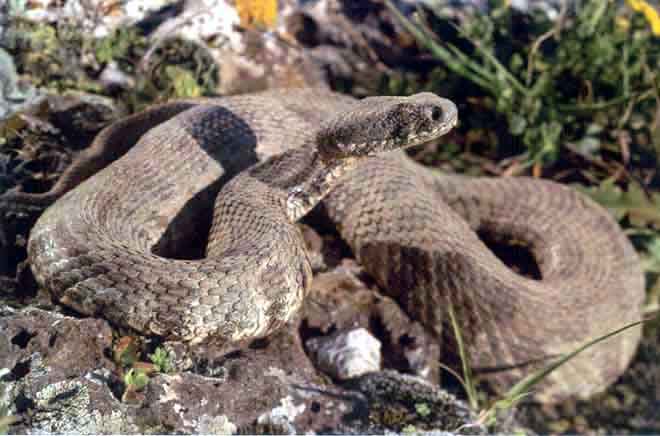
    snake risk — Areas of dense vegetation currently pose an increased risk of poisonous snakes, the civil defence warned on Friday, urging outdoor enthusiasts to exercise caution.

    • snake risk — Areas of dense vegetation currently pose an increased risk of poisonous snakes, the civil defence warned on Friday, urging outdoor enthusiasts to exercise caution.

    This warning comes on the heels of a serious incident where a man was hospitalised in critical condition following a snakebite. The victim was discovered suffering not only from the bite but also from heatstroke, highlighting the dangers that can accompany outdoor activities in warmer weather.

    In Cyprus, there are three species of poisonous snakes, with one of them known to be particularly dangerous to humans. The civil defence emphasised the importance of vigilance for all citizens when spending time in nature, especially in areas with dense vegetation where snakes are likely to be concealed.

    After the snakebite incident, a rescue team promptly attended the scene and provided critical care. The man was treated in the intensive care unit of Limassol general hospital for eight days, a testament to the seriousness of his condition. Following his discharge, he has been advised to take great care when engaging in outdoor activities.

    The civil defence’s warning serves as a reminder for residents and visitors alike to remain alert in natural habitats, especially during the warmer months when snake activity is heightened. Outdoor enthusiasts are encouraged to wear appropriate footwear and to avoid areas where snakes may be hidden.

    As the season progresses, the likelihood of encountering snakes increases, making it essential for everyone to be aware of their surroundings. The civil defence urges the community to share this information, fostering a culture of safety in the great outdoors.

  • International students — Cyprus Ranks Third in EU for International Students

    International students — Cyprus Ranks Third in EU for International Students

    Cyprus has emerged as a leading destination for international students, ranking third among EU member states with nearly one in four university students hailing from abroad, according to Eurostat data released on Friday.

    Prominent Statistics Highlighting Cyprus’ Appeal

    In 2023, Cyprus welcomed a significant number of international students, with the figure standing at 22.3% of its total tertiary education enrolment. This statistic is a testament to the country’s growing reputation as an attractive locale for higher education.

    Across the EU, the total number of foreign students engaged in tertiary-level studies reached 1.76 million, making up 8.4% of all students. These numbers reflect a broader trend towards the internationalisation of higher education across Europe.

    Leading EU Nations in International Student Enrolment

    Luxembourg leads the EU with a remarkable 52.3% of its tertiary students coming from foreign countries, making it the most internationalised higher education system in the bloc. Malta follows closely with 29.6%, while Cyprus occupies a commendable third place.

    This trend contrasts sharply with Greece, Croatia, and Spain, which reported much lower percentages of international students, at 3%, 3.7%, and 4.3% respectively. This disparity highlights Cyprus’s unique positioning within the region.

    Origin of International Students in Europe

    The majority of foreign students in EU universities come from within Europe. Slovakia boasts the highest percentage of European students at 91.3%, followed by Slovenia at 89.4% and Croatia at 89%. This indicates strong intra-European mobility among students.

    In contrast, students from Asia dominate in countries like Ireland, Finland, and Germany, with notable percentages of 45%, 43.35%, and 40.1% respectively. This diverse influx enriches the cultural fabric of educational institutions across the continent.

    Regional Trends in International Student Demographics

    France and Portugal present interesting statistics as well, with more than half of the foreign students in France (52.3%) originating from Africa. Similarly, Africa also constitutes the largest group of foreign students in Portugal, at 42.1%. This trend signifies the growing educational connections between these regions.

    Spain shows a different demographic, with a substantial 46.7% of its foreign tertiary students coming from the Caribbean, Central, and South America. This highlights the varied international student landscapes across Europe.

    Cyprus’ Growing Reputation

    The data signifies a notable shift towards the internationalisation of Cypriot universities, making them appealing to foreign students seeking quality education in a diverse environment. The Cypriot education system’s capacity to attract such a significant proportion of international students is indicative of its strengths and the efforts made to enhance its global outreach.

  • Koop bank — Koop Bank Strike Ends as Ruling Coalition Withdraws Austerity Measures

    Koop bank — Koop Bank Strike Ends as Ruling Coalition Withdraws Austerity Measures

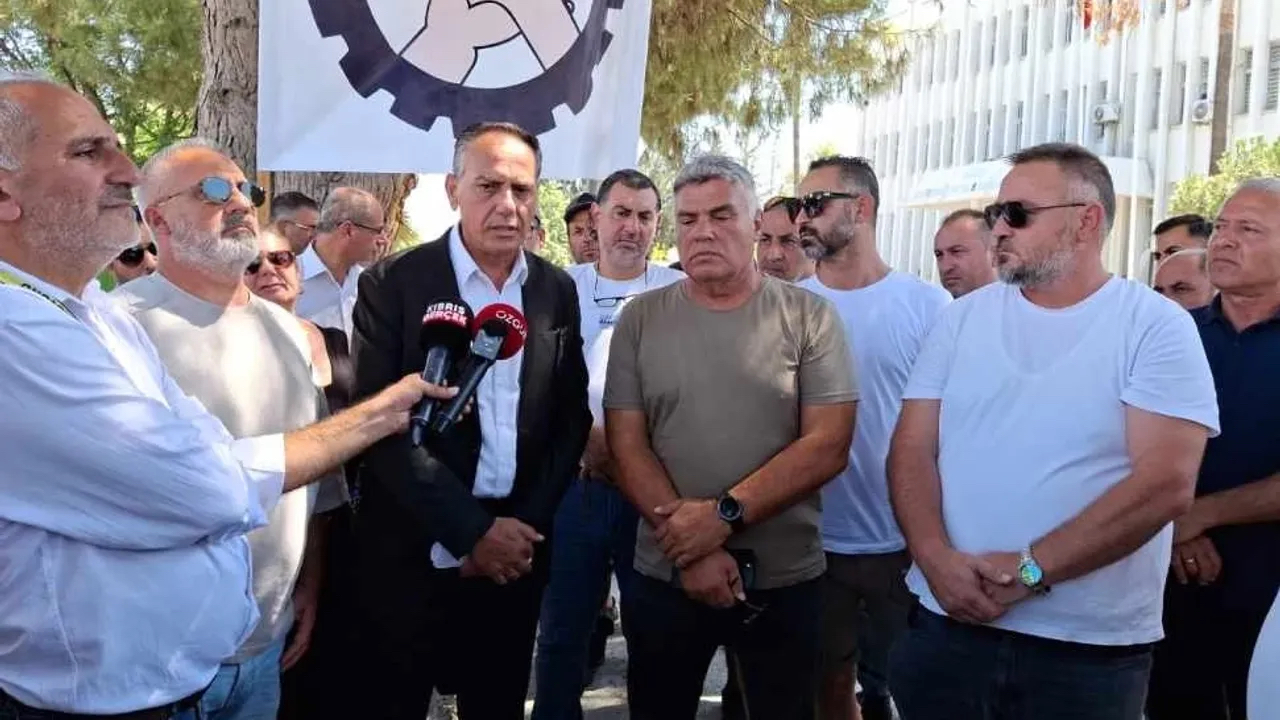
    The recent strike by employees of the north’s Koop Bank and its subsidiaries concluded on Friday after the ruling coalition agreed to withdraw the planned austerity measures affecting workers. This decision followed intense negotiations aimed at addressing the workers’ concerns.

    Koop bank: Demands and Negotiations

    Workers had presented an eight-item list of austerity measures they wanted the ruling coalition and management to formally renounce. Key demands included halting work for pensioners, abolishing the 13th salary, suspending the cost-of-living allowance, and reducing Eid bonuses by half.

    Agreement Reached

    On Friday, Durali Guclusoy, the undersecretary to the prime minister, announced that he and ‘prime minister’ Unal Ustel would meet with union leaders to finalise a new collective labour agreement. This agreement aims to define the operational framework for the Koop Bank’s subsidiaries moving forward.

    Guclusoy confirmed that the previously considered measures, including the suspension of retirees’ work and salary deductions, have been put on hold until a new agreement is signed. He stated, “The suspension of retirees’ work and the deductions applies to workers, which were previously on the agenda, have been suspended until a new agreement is signed.”

    Future Plans with Union Leaders

    Mehmetali Guroz, leader of the Koop-Sen trade union, expressed optimism about the negotiations, stating discussions would commence on Monday to draft a protocol that would balance the income and expenses of the workers. Guroz emphasised that the workers would not shy away from previously signed agreements and ongoing negotiations.

    He also noted, “We intend to sign the new agreement within a week at the latest, although we have three months to finalise it.” This proactive approach aims to ensure that workers’ rights and benefits are safeguarded in the new contract.

    Tensions During Negotiations

    Earlier on the same day, Guclusoy was seen engaged in a heated discussion with striking workers outside Ustel’s office. This encounter caught the attention of a journalist, leading to a moment where Guclusoy attempted to take the journalist’s phone, insisting that there was nothing worth filming.

    This incident resulted in a backlash from the Cyprus Turkish journalists’ union, which condemned the act as an attack on press freedom. In their statement, the union asserted, “In societies where the press is not free, democracy is also in danger. We will not allow press freedom and democracy to be undermined.”

    The union further highlighted that public officials should not obstruct journalists from covering events occurring in public spaces. They remarked, “If [Guclusoy] did not want his discussion to be reflected in the public, he should not have initiated this dialogue in public.”

    Community Reaction

    The strike and subsequent resolution have sparked mixed reactions within the community. Many workers expressed relief at the ruling coalition’s decision to retract the austerity measures, viewing it as a significant victory for their rights. The outcome has reinforced the importance of collective bargaining and dialogue between workers and management.

    However, the incident involving Guclusoy and the journalist has raised concerns about the treatment of the media and freedom of expression in the region. Observers note that such actions could have broader implications for public trust in government officials.

    The Importance of Collective Bargaining

    This episode underscores the vital role of collective bargaining in protecting workers’ rights. With the labour market facing ongoing challenges due to economic pressures, the ability for workers to negotiate favourable terms is more crucial than ever. The swift resolution of the strike reflects a commitment from both the workers and the ruling coalition to find common ground.

    Looking Ahead

    As the union prepares to enter negotiations for the new collective labour agreement, stakeholders will be watching closely. The outcomes of these discussions could set a precedent for future dealings between workers and management across various sectors. The hope is for a balanced agreement that addresses the financial realities while ensuring fair treatment for all employees.

  • Snake bite — Civil Defence Saves Man from Snake Bite and Heat Stroke in Limassol

    Snake bite — Civil Defence Saves Man from Snake Bite and Heat Stroke in Limassol

    Civil Defence successfully rescued a man suffering from a snake bite and heat stroke in Limassol. The incident unfolded on 12 August, when 49-year-old Menelaos Stavrinides went missing after failing to return from his outdoor exercise.

    Snake bite: Search Efforts Underway

    Family members reported Stavrinides missing at around 07:30, prompting a search operation that mobilised local authorities. The search teams focused on the Laiki Lefkothea area, particularly near the Saint Fanourios chapel in Agia Fyla, where he was last seen.

    Rescue and Recovery

    By 15:00, the Civil Defence Rescue Team, led by section head Michalis Mouskalli, located Stavrinides in a residential courtyard. He was found in critical condition, suffering from the effects of snake venom and heat-related illness. Following the rescue, he was hospitalised for 10 days to receive treatment before being discharged.

    Public Safety Warnings Issued

    In the aftermath of this incident, Civil Defence issued a warning to the public, stressing the need for caution during outdoor activities, especially in areas with thick vegetation. The organisation highlighted that Cyprus is home to three species of venomous snakes, one of which poses a significant threat to humans.

    Understanding the Risks

    The combination of snake bites and heat stroke can be particularly dangerous, especially during the hot August temperatures. The incident underscores the importance of being vigilant while exercising outdoors, particularly in regions where wildlife may pose risks.

  • Paphos Mayor Alleges African Degree Scandal Involving Local Universities

    Paphos Mayor Alleges African Degree Scandal Involving Local Universities

    degree scandal — degree scandal — Paphos mayor Phedonas Phedonos has raised serious concerns about the legitimacy of online university courses, claiming that degrees are being purchased by the thousands across Africa without students attending the associated programmes. His remarks have sparked a response from higher education officials, demanding accountability.

    • The discussions around this issue underscore a critical juncture for the educational landscape in Cyprus, where the integrity of its universities will be under scrutiny.

    Degree scandal: Escalating Allegations

    Speaking on a podcast with MEP Fidias Panayiotou, Phedonos asserted that certain universities in Cyprus are distributing a significant number of degrees to students in Africa. He warned that this emerging scandal could soon attract international media attention, stating, “We will be in foreign media and it will say that we sold a thousand or two thousand degrees in Africa.”

    Calls for Transparency

    The University of Cyprus rector, Tasos Christofides, responded swiftly to Phedonos’ statements, urging the mayor to disclose the names of the implicated universities. Christofides described the mayor’s claims as “very serious” and expressed concern over the potential damage to the country’s educational reputation. He insisted that the integrity of degrees earned by diligent students must be preserved.

    Demands for Investigation

    Christofides further called on authorities to investigate the allegations thoroughly. He stated, “I call on the dear mayor of Paphos to name the universities operating in this way so that no shadows are cast over the validity of the degrees students obtain with great effort and sacrifice.” His appeal highlights the urgent need for transparency and accountability in the education sector.

    Potential Implications

    The implications of these allegations are significant, not only for the universities involved but also for the broader perception of Cypriot higher education. As the potential scandal unfolds, it raises questions about regulatory oversight and the quality of online education offerings.

    A Growing Concern

    The issue of degree mills and the sale of fraudulent qualifications is not new, but the scale suggested by Phedonos could point to a troubling trend. With online education continuing to expand, ensuring the credibility of such programmes is paramount for maintaining trust in academic qualifications.

    The discussions around this issue underscore a critical juncture for the educational landscape in Cyprus, where the integrity of its universities will be under scrutiny.