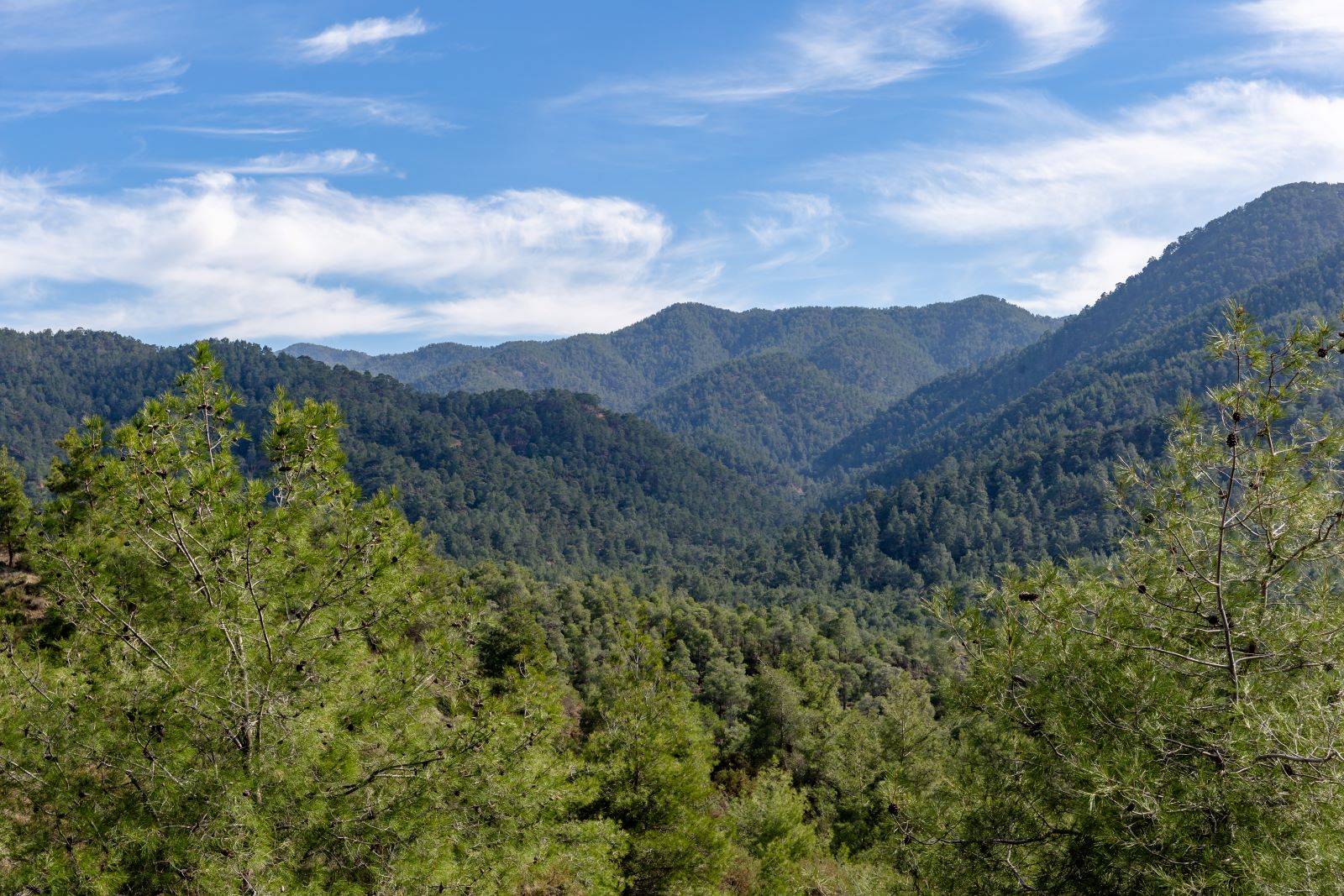
A new glamping site has been approved near the Natura 2000 protected area known as Sarama Valley in Peristerona, Paphos. This development is set just 125 metres from the protected zone, raising environmental considerations that have been addressed in a recent assessment report.
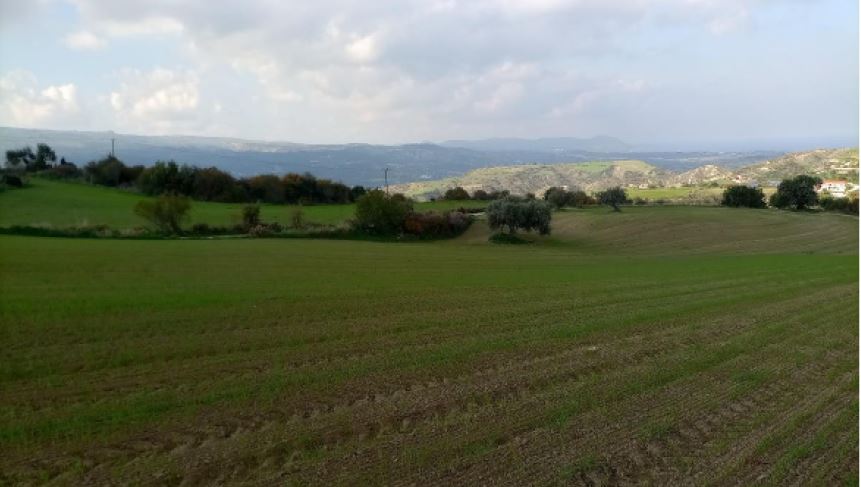
Photo: cyprus-mail.com
Glamping site: Assessment Report Supports Construction
The environmental department’s approval followed a special assessment report dated August 1, which concluded that the proposed facility’s construction would not result in “irreversible damage.” This report was conducted by I.A.CO Environmental & Water Consultants Ltd, based in Nicosia.
Site Details and Amenities
The glamping site will cover an area of 22,743 square metres of agricultural land. A portion of this, specifically 3,034 square metres, will be dedicated to public spaces, which will include green areas and community facilities.
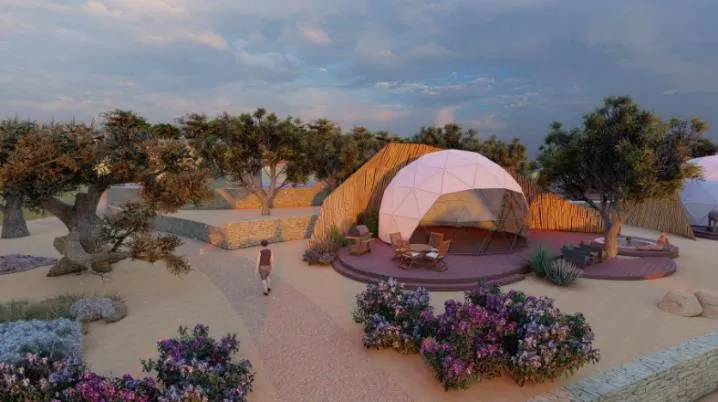
Construction plans include 20 dome-shaped cabins covering a total of 419.51 square metres. The project, estimated to cost €1 million, is expected to be completed within 12 months, aiming to operate year-round.
Visitor Capacity and Facilities
The facility is designed to accommodate an average of 54 guests, with the potential to host up to 72 guests during peak holiday months from May to September. Amenities will feature an amphitheatre, playground, dining spaces, a biological wastewater treatment plant, and 35 parking spaces, enhancing the visitor experience.
Environmental Considerations Addressed
At its closest point, the glamping site is adjacent to the Natura 2000 area, which is home to various endangered bird species and plants. However, the assessment report indicated that the development would not obstruct migratory bird pathways, as the site does not overlap with designated transit corridors.
The environmental department noted that the proposed project area has previously been used for agricultural purposes, which included wheat cultivation. The area was found to contain several types of flora, none of which are listed in the official record of rare and endangered plants in Cyprus.
Potential Impacts and Mitigation Measures
While the report highlighted the potential for habitat reduction, species disturbance, and increased noise from the construction, the department outlined several measures to mitigate these effects. These include:
- Utilisation of the existing electricity grid instead of creating a new one
- Limiting the number of guests
- Planting 250 new trees
- Implementing strategies to reduce light and noise pollution
The findings led the department to conclude that the project’s construction and operation could proceed, provided that specific restrictions were adhered to, effectively minimising the potential impact on local wildlife.
Community and Conservation Perspectives
BirdLife Cyprus, a key stakeholder in the discussions surrounding the project, initially raised concerns. However, after reviewing revised plans presented by the developer, many of these concerns were addressed.
Tassos Shialis, campaigns coordinator for BirdLife Cyprus, noted that modifications included the removal of open fire spaces and relocating the domes further away from the protected area. As a result, BirdLife Cyprus did not oppose the project during their second meeting, on the condition that the environmental conditions outlined in the permit approval were strictly followed.
These conditions aim to prevent light pollution through the installation of down-lighting systems, avoid unnecessary expansion of the electricity grid, minimise noise pollution, and restrict construction activities from March to July, protecting local wildlife during critical periods.
Future of Glamping in Paphos
The approval of this glamping site marks a significant step towards promoting eco-tourism in the region while balancing environmental conservation. As the project progresses, it will be essential to monitor the adherence to the stipulated conditions to ensure minimal disruption to the surrounding ecosystem.
As interest in unique accommodation options continues to grow, this development could set a precedent for future projects in sensitive areas, demonstrating that it is possible to enjoy nature responsibly while providing visitors with memorable experiences.