Tag: Cyprus

  • Night Pharmacies Operating Across Cyprus on January 2

    Night Pharmacies Operating Across Cyprus on January 2

    Night pharmacies will be open across Cyprus on Friday, January 2, offering essential services to those in need. Below is a detailed list of pharmacies operating during the night in various cities.

    Night pharmacies: Pharmacies in Nicosia

    The capital city, Nicosia, features several pharmacies available after hours:

    • Sokratous Louiza, Piraios 24C, opposite “SANTEX” fabric store, Strovolos. Contact: 22422279, 22321828.
    • Efthymiou – Koulas Maria, Kallipoleos Avenue 53C, 300m from University, Nicosia. Contact: 22377056, 22813435.
    • Pafitis Giorgos, Lykavittou 42B, behind “Makario” Stadium, “Chrysovalantou” bakery road, Engomi. Contact: 22658161, 22518049.
    • Vasiliou Angeliki, Charis Groutas 8, apt. 5, side street off Pefkou road, behind STAR OIL fuel station, Lakatamia. Contact: 22521168.
    • Kyriakou Stylianou Stelios, Agios Pavlos 101, near Hippodrome, Agios Dometios. Contact: 22771122, 22590272.
    • Markidou Mikaella, Archbishop Makarios III 3, Lympia. Contact: 22660089.

    Pharmacies in Limassol

    Limassol also has a range of night pharmacies ready to serve:

    • Christofi Michalis, Marinos Geroulanou 50, “Philippou Building”, apt. 2, near Agios Ioannis Gymnasium, north of Spyros Kyprianou Avenue. Contact: 25753000, 97614388.
    • Gavriil Thukididou Alexia, Agias Sofias 92C, opposite Apostolos Andreas Charaki church, road perpendicular to Nikos Pattichis. Contact: 25731411, 99348621, 97417411.
    • Damianou Anna, Kyriakou Oikonomou & Zinon 41, SEK Building. Contact: 25364864.
    • Takis Vasos, Archbishop Makarios III 82, next to Apostolos Andreas church, Mesa Geitonia. Contact: 25003563, 25334094.
    • Konnaris Marios, King George I 31, “Julia Court”, coastal road near “Pizza Hut”, Germasogeia. Contact: 25325450, 99086346.

    Pharmacies in Larnaca

    In Larnaca, residents can find the following pharmacies open:

    • Sergiou Savvas, Griva Digeni 9, Oroklini. Contact: 24645343, 99977835.
    • Nikolaou Kristia, Tasos Mitsopoulou (Piale Passia) 15, “Sandy Beach A”, apt. 4, near “Makou”. Contact: 24656554, 99710617.
    • Orfanidis Misiel, Konstantinos Kalogeras 11, opposite Kalogeras Primary School. Contact: 24621360, 24531859.

    Pharmacies in Paphos

    Paphos residents can access these pharmacies during the night:

    • Epameinonda Eleni, Ampelokepon 12, opposite TEPAK, Pantanassa area. Contact: 26953800.
    • Kokkinou Dorothea, Griva Digeni 51, Polis Chrysochous. Contact: 26322220, 97680660.

    Pharmacies in Famagusta

    Famagusta is served by these night pharmacies:

    • Gerimou Despoina, Agios Dimitrios 105, apt. 1, Paralimni. Contact: 23730220.
    • Christofidou Nikoletta, Panos Ioannou 2, Frenaros. Contact: 23742270, 95967731.

    This list aims to provide residents and visitors across Cyprus with convenient access to pharmacy services during the night. For any urgent needs, these pharmacies stand ready to assist.

  • December Rainfall in Cyprus Exceeds Monthly Average

    December Rainfall in Cyprus Exceeds Monthly Average

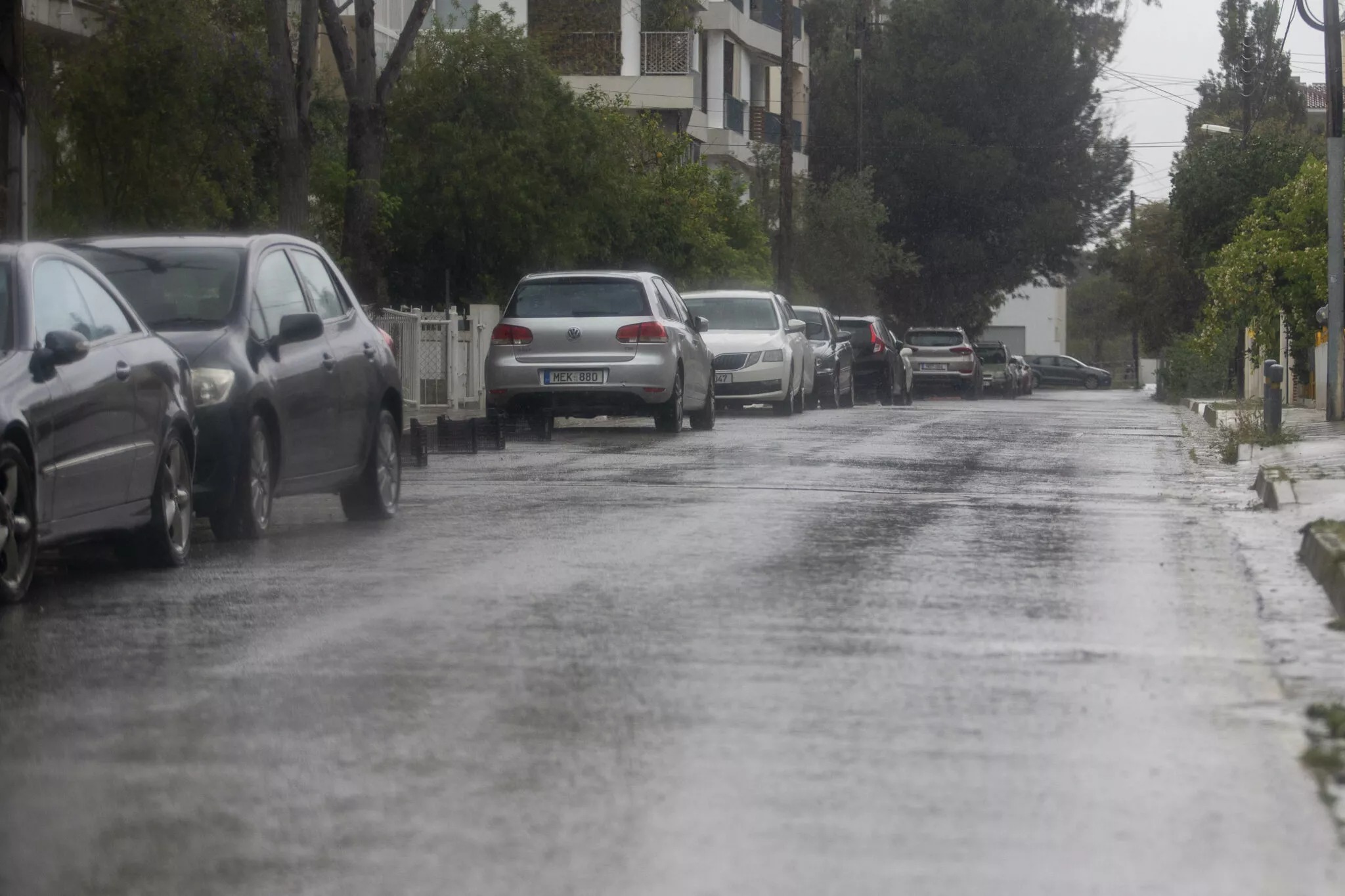
    december rainfall — Cyprus recorded rainfall at 116% of the normal monthly average during December, according to preliminary data released by the Meteorological Service on Friday.

    • Cyprus recorded rainfall at 116% of the normal monthly average during December, according to preliminary data released by the Meteorological Service on Friday.
    • In Nicosia, the Athalassa station measured 83.3 millimetres, which is 144% of normal, while Athienou reported 88.1 millimetres, also at 144% of the average.

    The average total rainfall from 1 December until 8:00 am on 1 January reached 122.8 millimetres in the free areas of the Republic, surpassing the usual December rainfall of 105.6 millimetres. This increase in precipitation highlights a significant weather pattern affecting the region.

    December rainfall: Exceptional Rainfall Totals Across the Island

    In the context of the ongoing hydrological year, which commenced on 1 October, Cyprus has received a total of 159.2 millimetres of rain by 1 January. This figure represents 83% of the normal rainfall expected for this timeframe, which is 191.6 millimetres.

    Notable Regional Variations

    Not all areas experienced the same levels of rainfall. The Polis Chrysochous station stood out with an impressive 219.2 millimetres, translating to 220% of the normal monthly average for that specific location. Similarly, the Stavros tis Psokas area recorded 249.3 millimetres, equivalent to 154% of the expected normal.

    In Nicosia, the Athalassa station measured 83.3 millimetres, which is 144% of normal, while Athienou reported 88.1 millimetres, also at 144% of the average.

    January’s Early Rainfall

    As January began, the early indicators of rainfall have been minimal, with only 0.1 millimetres recorded between the first day of the month and 8:00 am on Friday. This stark contrast to December’s figures raises questions about the weather patterns moving forward.

  • 2026 Marks a Transformative Period for Cyprus with EU Presidency

    2026 Marks a Transformative Period for Cyprus with EU Presidency

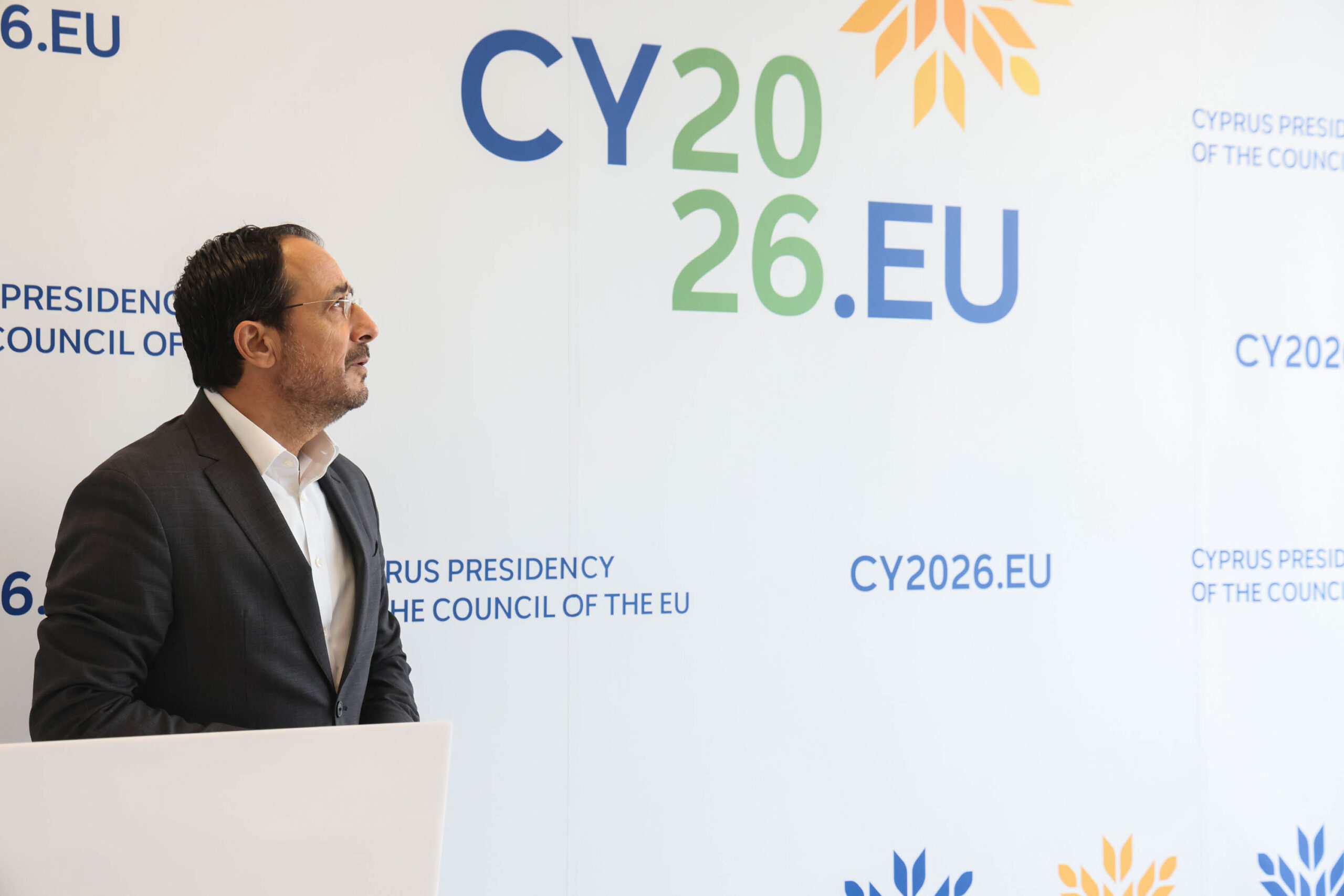
    The year 2026 will be a significant moment for Cyprus as it assumes the rotating presidency of the Council of the European Union for six months. President Nikos Christodoulides shared this news during his New Year address, highlighting the pride and responsibility associated with this role.

    A Proud Milestone for Cyprus

    President Christodoulides expressed that the upcoming presidency is a national mission, stating, “From tomorrow and for six months, our homeland assumes the presidency of the Council of the European Union.” He emphasised the importance of this term, noting that it will be only the second time Cyprus has held this position since joining the EU in 2004.

    Focus on Economic Growth and Social Policies

    As he welcomed the New Year, the President reflected on the nation’s economic progress, attributing it to responsible fiscal policies. He noted that Cyprus is currently experiencing conditions of full employment, zero inflation, and a significant reduction in public debt. “All of this translates into specific tangible results for the public, for the state, for our country,” he remarked, underscoring the benefits for citizens and the government.

    Investments in Public Welfare

    President Christodoulides outlined how economic growth allows for substantial investments in various sectors, including education, health, and housing. He remarked, “It allows us a targeted social policy,” which aims to improve everyday life for the public. This includes ongoing efforts to modernise the state, with a focus on bold reforms that enhance transparency and accountability.

    Reforming the State and Promoting Social Justice

    In his address, the President mentioned several reforms that his government is pursuing to address social needs and improve governance. This includes a tax transformation initiative that aims to restore balance between social justice and economic competitiveness. He stated, “The benefit returns directly to households, the middle class, families and businesses.”

    Educational Reforms on the Horizon

    Among the reforms, the President highlighted changes to the educational service, including new laws for the evaluation of teachers. He mentioned that these reforms are part of a broader strategy to enhance the quality of education and ensure that it meets contemporary standards.

    Legal and Electoral Reforms for a Better Future

    President Christodoulides also pointed to planned reforms within the legal service and the audit office, alongside initiatives for the state’s digital transformation. Notably, he discussed electoral reforms aimed at increasing civic participation, such as automatic voter registration and lowering the voting age from 18 to 17.

    Enhancing Pension Systems

    Another key area of focus is the pension system, with plans for substantial increases in pensions to support retirees. The President’s vision encompasses a comprehensive approach to governance that prioritises the well-being of all citizens.

    Five Priorities Guiding Governance

    As he approaches his third year in office, President Christodoulides outlined five key priorities for his administration. The first is an outward-looking foreign policy with a strong European and Western orientation. He stressed the importance of maintaining a resilient economy and modernising the state through continuous reforms.

    Commitment to Transparency and Accountability

    Another priority is the commitment to transparency, accountability, and the fight against corruption. Finally, the President highlighted the ultimate goal of improving the everyday lives of the public as a guiding principle for his government’s actions.

    Addressing Immigration and Enhancing National Security

    Internally, the government aims to tackle the challenges posed by immigration while reinforcing the nation’s security framework. The President reiterated the importance of establishing a rule of law and simplifying governmental procedures to better serve the public.

    International Engagement and Reunification Efforts

    On the international front, Christodoulides reiterated Cyprus’s commitment to a clear European and Western orientation, positioning the nation as a pillar of stability in the Middle East. He reaffirmed the ongoing efforts to resume discussions for the reunification of Cyprus, emphasising that this must be based on United Nations resolutions and European Union principles.

    A Vision for the Future

    Reflecting on the past and looking towards the future, President Christodoulides expressed satisfaction with the progress made since his election. He stated, “This is my promise, but also my obligation,” as he underscored his commitment to the Cypriot people, including those displaced and the relatives of the missing.

    Looking Ahead to 2026

    As Cyprus prepares to commence its EU presidency in 2026, President Christodoulides concluded with a message of hope and determination. “Happy new year to you all. Together, we are changing Cyprus, with a vision, strategic planning, and a clear plan.” The upcoming presidency represents not only a significant national milestone but also a pivotal opportunity for Cyprus on the European stage.

  • Yellow weather — Yellow Weather Warning Issued for Storms and Gale-Force Winds Over New Year Period

    Yellow weather — Yellow Weather Warning Issued for Storms and Gale-Force Winds Over New Year Period

    Yellow weather: Severe Weather Alert for Festive Period

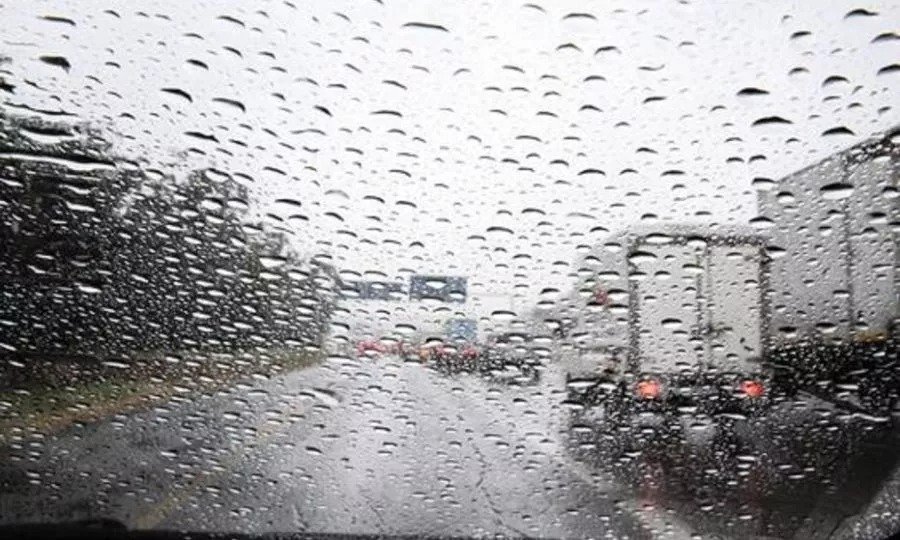
    yellow weather — A yellow weather warning has been issued for storms and gale-force winds, effective from 22:00 on Tuesday, December 30, to 22:00 on December 31. The Department of Meteorology has advised residents to prepare for a challenging weather system as the island braces for heavy rain and strong winds just before New Year’s Eve.

    Forecast Details

    The forecast indicates a mixture of rain, isolated storms, and very strong winds, with localised gusts potentially reaching severe intensity, classified as force 6-7 on the Beaufort scale. The Department has highlighted that this weather system will particularly impact coastal and mountainous regions, where the effects are likely to be felt most acutely.

    Rainfall Expectations

    Rainfall totals are anticipated to exceed 55 mm within a 24-hour period in some areas. Residents in vulnerable locations should take precautions, as the combination of heavy rain and strong winds could lead to hazardous conditions, including possible flooding.

    Storm Impact and Safety Recommendations

    The Department of Meteorology recommends that individuals and businesses in affected areas prepare for the possibility of power outages and disruptions to transportation. It is advisable to secure loose outdoor items and avoid unnecessary travel during the height of the storms. Furthermore, those living in flood-prone areas should remain vigilant and keep emergency kits ready.

    Potential for Hail

    In addition to rain and wind, hail is expected during some of the storm events. This could add another layer of risk, particularly for outdoor activities and travel. Residents are urged to stay indoors during severe weather and monitor updates from local authorities.

    Ongoing Monitoring

    The Department of Meteorology will continue to monitor the situation closely and provide updates as necessary. Residents are encouraged to stay informed through official channels and heed any advisories issued by the authorities.

    Looking Ahead

    As the New Year approaches, the combination of storms and gale-force winds serves as a reminder of the unpredictable nature of winter weather. Community leaders and emergency services are on alert to respond to any incidents that may arise from this weather warning.

    With the festive season in full swing, it is crucial for the public to prioritise safety and remain informed about the evolving weather conditions. The Department of Meteorology emphasises that preparedness is key to navigating the challenges posed by severe weather.

  • Foot-and-Mouth Disease Triggers Alert in Cyprus

    Foot-and-Mouth Disease Triggers Alert in Cyprus

    Foot-and-mouth disease has emerged in occupied Cyprus, raising significant alarm in the free areas and prompting heightened vigilance to prevent the virus from crossing the Green Line.

    • Foot-and-mouth disease has emerged in occupied Cyprus, raising significant alarm in the free areas and prompting heightened vigilance to prevent the virus from crossing the Green Line.

    This highly infectious zoonotic disease poses a serious threat to livestock farming rather than directly endangering human health. It primarily affects cloven-hoofed animals, including cattle, sheep, goats, and pigs, as well as wild ungulates like deer and buffalo.

    Foot-and-mouth disease: Rapid Spread and Symptoms

    The virus spreads with alarming ease, transmitted through direct animal contact, airborne particles, or contaminated vehicles and equipment. Humans can inadvertently contribute to the virus’s spread by moving between infected and clean areas.

    Infected animals typically exhibit high fever and develop painful blisters in their mouths, tongues, lips, and hooves, which can lead to lameness and an inability to feed. Young animals are particularly vulnerable, with the disease proving fatal in some cases. Management of foot-and-mouth disease relies heavily on prevention, immediate isolation of infected animals, strict biosecurity measures, and vaccination as needed.

    Minimal Risk to Humans

    While foot-and-mouth disease is not considered a serious threat to humans, transmission can occur, although it is exceedingly rare. When it does happen, symptoms are usually mild, such as low fever and mouth irritation.

    Heightened Alert in Cyprus

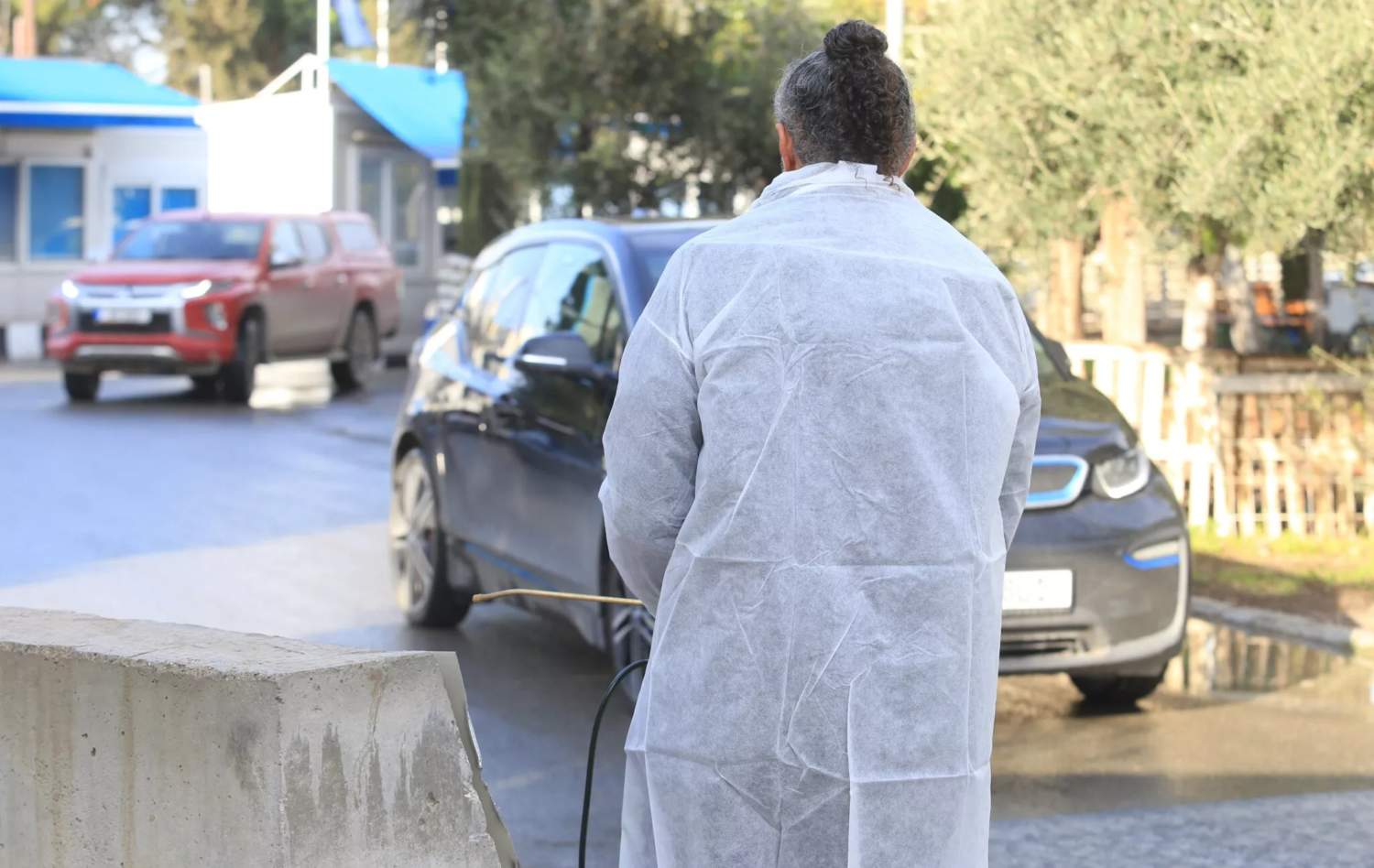
    The recent confirmation of foot-and-mouth cases in the occupied areas has pushed authorities in the Republic of Cyprus to implement extensive control measures. Quarantines, mass vaccinations of animals, and activation of European monitoring mechanisms are now in effect. The Republic’s Veterinary Services have ramped up preventive strategies, which include stringent checks along the Green Line, vehicle disinfections at crossing points, and increased surveillance of livestock units.

    As of now, the situation in the free areas remains stable, with no cases reported. However, officials stress that the risk of transmission persists, necessitating continuous vigilance and strict adherence to biosecurity protocols by both farmers and the general public.

    Preventive Measures and Community Responsibility

    The ongoing threat of foot-and-mouth disease serves as a stark reminder of the delicate balance within Cyprus’s geography. The island’s intense movement of people and livestock highlights the importance of prevention as the most effective ‘vaccine’. Authorities urge everyone to adopt a responsible attitude towards biosecurity, reinforcing the need for cooperation among farmers and citizens alike to safeguard the nation’s livestock and agricultural output.

  • Police in the Dark: A Call for Nightlife Safety in Cyprus

    Police in the Dark: A Call for Nightlife Safety in Cyprus

    nightlife safety — Police in the dark is a phrase that resonates with many in Cyprus, especially during bustling nights filled with tourists and locals alike. As the year draws to a close, the streets of the island shimmer with festive lights, creating an atmosphere that feels both joyful and, on the surface, safe. Families wander through the squares, children in tow, sipping hot chocolate while the scent of roasted chestnuts wafts through the air. Yet beneath this cheerful facade lies a pressing issue—safety in nightlife.

    Photo: cyprus-mail.com

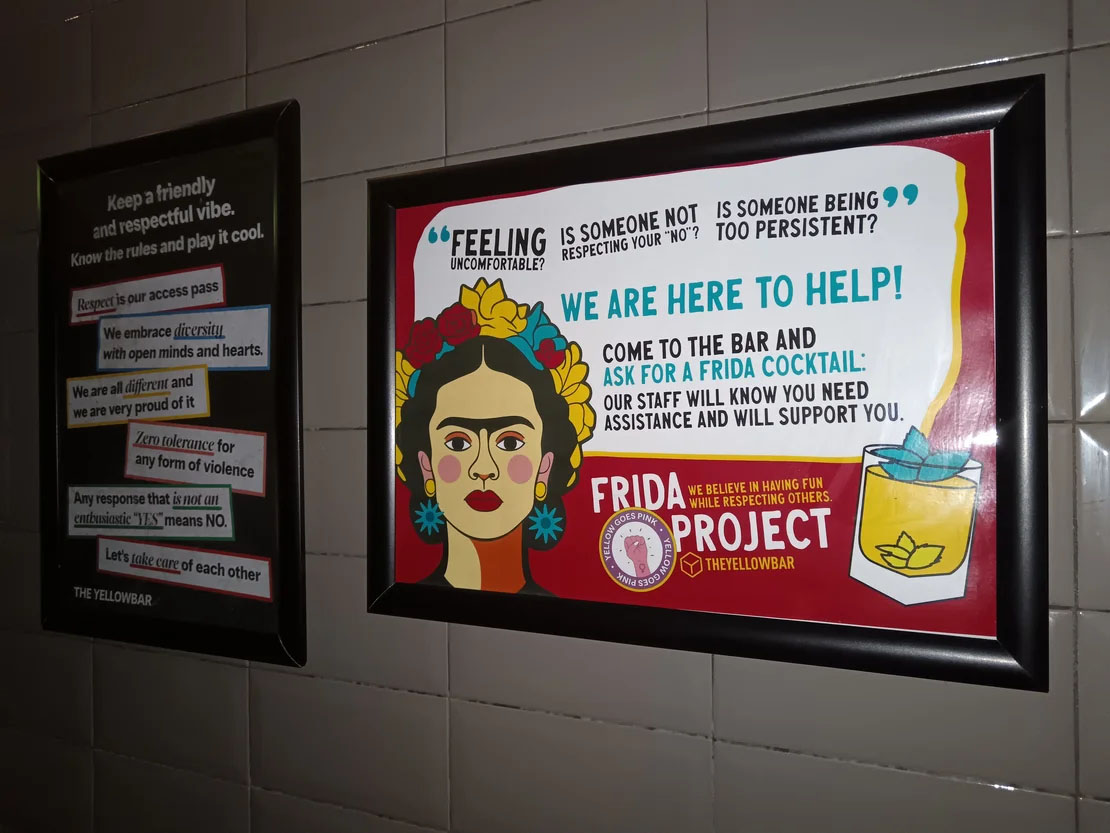
    During a recent visit to a bar in Rome, I stumbled upon a discreet yet effective safety initiative known as the “Frida cocktail”. This simple code phrase allows individuals feeling threatened to quietly seek help from bar staff without drawing attention. Intrigued, I asked the staff about it, and they explained how the system works, emphasising the importance of providing support without confrontation. This experience sparked a realisation: could a similar initiative be implemented in Cyprus?

    Cyprus, having joined the European Union in 2004, markets itself as a safe and progressive destination. Yet, despite its vibrant nightlife scene, it has lagged behind in establishing formal safety measures for those in vulnerable situations. The absence of a standardised response to distress signals in bars and clubs raises concerns, particularly for women and other at-risk groups.

    In my research, I discovered that the “Ask for Angela” initiative, which originated in the UK, has been adopted in various forms across Europe and beyond. However, in Cyprus, responses have been sporadic. Police officials acknowledged that “no framework has been established so far”, while the deputy tourism ministry expressed readiness to consult on the matter, indicating a recognition of its importance but a lack of coordinated action.

    Bar and club managements often rely on intuition and informal systems, with some owners introducing their own safety measures. However, these efforts lack consistency and training, leaving staff unequipped to handle potentially escalating situations. The goodwill of individual establishments does not substitute for a robust, unified approach to safety.

    During conversations with women about their experiences in nightlife settings, the fear of escalation when approaching security directly was palpable. The coded drink request provided a sense of discretion, but its effectiveness hinges on the staff’s awareness and readiness to respond appropriately. One young woman shared her anxiety after ordering a coded drink, relieved when staff noticed her signal but uncertain about who would take responsibility if the situation worsened.

    As summer nights in Cyprus brimmed with tourists and locals enjoying the vibrant nightlife, the need for a proactive safety framework became increasingly apparent. The island’s reputation as a welcoming destination carries an obligation to ensure the safety of all its visitors. Without clear protocols and accountability, the risk of harm lingers, and the responsibility to act remains fragmented.

    Cyprus is beginning to acknowledge the need for change, which is a promising step. However, this raises critical questions about accountability and response as the nightlife scene continues to thrive. If an incident occurs, who will take charge? The urgency of establishing a clear framework is undeniable, especially in a setting that prides itself on being safe and European.

    The story of nightlife safety in Cyprus is not one of dramatic incidents but rather the quiet absence of a cohesive system that adequately addresses the needs of its patrons. As Cyprus seeks to catch up with its European counterparts, the responsibility to ensure safety cannot rest solely on goodwill or hope. The gaps in safety frameworks are easily overlooked until someone finds themselves in a precarious situation, unsure of who to turn to for help.

    As the sun sets and the lights of the bars begin to twinkle, the question remains: will Cyprus rise to the occasion and implement the necessary measures to protect those who seek enjoyment in its nightlife?

  • Cyprus Faces Significant Energy Challenges in 2026

    Cyprus Faces Significant Energy Challenges in 2026

    Cyprus’ energy challenges are set to intensify in 2026, as experts warn that unresolved issues from the current year will continue to affect the sector. Persistent high electricity prices and potential rolling power cuts loom large on the horizon.

    • With so many unresolved issues, stakeholders are urged to take swift action to ensure a more sustainable energy future for Cyprus.

    Energy challenges: Urgent Decisions Required

    According to Constantinos Hadjistassou, a professor at the University of Nicosia who specialises in energy, the leeway for errors in Cyprus’ energy decision-making is critically low. He emphasised the need for increased coordination among policymakers and experts to address the pressing challenges ahead.

    High Electricity Prices

    Energy expert Charles Ellinas echoed Hadjistassou’s sentiments, stating that the energy sector remains one of Cyprus’ most problematic areas. Despite some successes in 2025, the lack of tangible results necessitates urgent attention to the high cost of electricity, which is not expected to decrease in 2026.

    Ellinas highlighted that Cyprus has the highest per capita carbon dioxide emissions in Europe, primarily due to its reliance on diesel and heavy fuel oil for electricity generation. He stressed the urgent need to transition to natural gas to mitigate these emissions.

    Challenges with LNG and Natural Gas

    The LNG import project at Vasiliko continues to face difficulties, with experts noting that the completion of the pier construction is straightforward from an engineering perspective. However, the lack of a clear plan or timetable hampers progress. If completed, the project could allow Cyprus to benefit from lower LNG prices expected in 2026.

    Energean has proposed supplying natural gas through a submarine pipeline from its fields in Israel, contingent on the opening of Cyprus’ natural gas market. Hadjistassou pointed out that the energy ministry has several options available for early 2026, but delays in transitioning from diesel to natural gas will burden Cypriots with high electricity prices.

    Offshore Gas Exploration Prospects

    Looking ahead, the development of the Kronos gas field is anticipated to proceed quickly, with exports to Egypt expected by early 2028. However, Ellinas cautioned that while this may yield political advantages, it will not significantly enrich Cyprus, with profit shares expected to be less than 0.7 per cent of the annual budget.

    The progress of the Aphrodite gas field remains uncertain. Despite the resolution of disputes with Israel, Chevron must decide on investments in 2026 to move forward. With a focus on high-yield projects, Chevron’s low capital expenditure plan complicates progress on the Aphrodite project, which is estimated to cost $4 billion.

    International Collaborations and Infrastructure Projects

    The EEZ delimitation agreement with Lebanon, although politically significant, is not expected to yield direct benefits. Hadjistassou noted that Chevron is prioritising other projects, such as gas agreements with Egypt, over the Aphrodite field.

    Ellinas mentioned the Great Sea Interconnector, a proposed subsea cable linking Cyprus and Greece, which needs decisive action to become operational by the planned 2030-2031 date. The project has received backing from the European Commission and Greece, fostering hope for its advancement despite ongoing governmental ambivalence.

    Recent Developments in the Interconnector Project

    The trilateral agreement between Cyprus, Greece, and Israel on December 22 aims to promote the Great Sea Interconnector, linking it to the India-Middle East-Europe Economic Corridor (IMEC). Israeli Prime Minister Benjamin Netanyahu underscored the significance of this collaboration, highlighting its potential to enhance energy connectivity between Europe, Asia, and the Arabian Peninsula.

    Despite the commitment, Hadjistassou referred to the project as the “not-so-Great Sea Interconnector” due to lingering uncertainties about its viability and investor interest. The financial burden of the project will largely fall on Cypriot taxpayers, raising concerns about the effective use of funds.

    Renewable Energy Integration Challenges

    As Cyprus grapples with its energy transition, integrating renewables into the grid remains a pressing issue. Hadjistassou warned that power cuts are likely to increase in 2026, particularly during periods of low electricity demand when the generation from renewable sources peaks. Without adequate battery storage, a significant portion of this generated electricity could go to waste.

    He suggested that a portion of the surplus electricity could be redirected to desalination plants to combat water scarcity, highlighting the need for innovative solutions to manage excess electricity.

    The Future of Electricity Supply

    Another critical concern for 2026 will be ensuring a stable electricity supply on the island. With the increasing reliance on renewable energy, the Dhekelia power plant’s role in maintaining grid stability is becoming more crucial. Although the Electricity Authority of Cyprus (EAC) plans to install gas turbines to enhance capacity, they will not be operational until 2028.

    In the meantime, the EAC expects to have a 160MWh battery bank at Dhekelia operational by summer 2026, which could help alleviate power cut issues. Additionally, the Transmission System Operator (TSO) aims to install another 400MWh of battery storage systems by mid-2026, further bolstering the island’s energy resilience.

    Looking Ahead

    Despite these initiatives, the cost of stored electricity will be higher than that generated from conventional sources and renewables, posing another challenge for consumers. As Ellinas summarised, 2026 is set to be another year of significant energy challenges for Cyprus, with urgent priorities including completing the LNG import project, enhancing electricity storage, upgrading the grid, increasing renewable energy installations, and deciding on the Great Sea Interconnector.

    With so many unresolved issues, stakeholders are urged to take swift action to ensure a more sustainable energy future for Cyprus.
  • Cannabis legalisation — The Case for Cannabis Legalisation in Cyprus: Weighing the Pros and Cons

    Cannabis legalisation — The Case for Cannabis Legalisation in Cyprus: Weighing the Pros and Cons

    The debate over cannabis legalisation in Cyprus has taken a significant turn, as Volt Cyprus introduces a proposal advocating for its regulation. This initiative aims to address the issue of organised crime, which dominates the drug trade on the island. Drawing insights from the experiences of countries like Germany, Malta, and Portugal, Volt contends that proper regulation can enhance social cohesion, safeguard public health, and provide notable economic advantages.

    Photo: in-cyprus.philenews.com

    Understanding the Proposal from Volt Cyprus

    Volt Cyprus’s proposal is seen as a bold move within the conservative landscape of Cypriot society. The party intends to foster public discussion on the subject before formally submitting a draft law. According to Phileleftheros, Volt’s approach is to encourage dialogue among citizens, experts, and scientists to explore the implications of cannabis legalisation thoroughly.

    Four Pillars of the Proposal

    • Society and Health: Volt aims to reduce stigma surrounding medical cannabis use by integrating it into the General Healthcare System (GESY). They propose treating addiction as a health issue rather than a criminal one and implementing quality health controls.
    • Economy and Development: The proposal suggests that legalisation could create hundreds of jobs, boost agricultural production, and generate significant state revenue.
    • Environment: Promoting industrial hemp is seen as a sustainable alternative for various industries, contributing to CO2 sequestration and soil restoration.
    • Justice and Youth: The proposal advocates for an end to the unjust stigmatisation of minor cannabis offences, focusing instead on prevention and education.

    Expert Opinions on Cannabis Regulation

    Dr. Giorgos Mikellides, a psychiatrist and Clinical Associate Professor at the University of Nicosia Medical School, supports the idea of regulation. He argues that while cannabis is a psychoactive substance with associated risks, criminalisation does not effectively reduce its use. Instead, it drives users to the black market, which lacks quality control and safety measures. He points out the importance of establishing regulations similar to those for alcohol and tobacco.

    Addressing Misconceptions

    Dr. Mikellides challenges the notion that cannabis serves as a ‘gateway’ to harder drugs, stating that this perception arises from the illegal distribution environment rather than the substance itself. He cites studies showing that countries with legal cannabis regulation experience lower risks associated with such transitions. Furthermore, he compares cannabis to alcohol, highlighting that while both substances carry risks, cannabis has a significantly lower impact on mortality and aggression.

    Concerns Raised by the Cyprus Addictions Authority

    In contrast to Volt’s stance, the Cyprus Addictions Authority takes a more cautious approach. Dr. Christos Minas, the president of the Authority, maintains that cannabis is a narcotic and highlights the potential hazards associated with its use, including acute intoxication and risks to mental and physical health. He presents data indicating that a substantial percentage of emergency department visits for poisoning in Europe are linked to cannabis.

    Alternative Approaches to Cannabis Policy

    Dr. Minas suggests that instead of outright legalisation, Cyprus could explore de-penalisation—transforming personal cannabis use from a criminal to a non-criminal offence, akin to a parking violation. He emphasises the need for careful consideration and public dialogue to determine the most suitable approach for Cyprus, given its unique national and economic context.

    A Broader Perspective on Cannabis Legalisation

    The debate surrounding cannabis legalisation in Cyprus is not merely a local issue; it reflects a broader trend observed across many nations. Countries like Germany and Canada have implemented legalisation, and initial findings suggest that these measures can lead to a reduction in criminal cases related to possession. However, both experts and authorities caution against rushing into legalisation without a well-thought-out framework.

    Potential Benefits and Risks

    Proponents of cannabis legalisation argue that a regulated market could lead to numerous benefits, such as generating tax revenue, creating jobs, and improving public health through controlled access. However, concerns remain regarding mental health risks, particularly for vulnerable populations. The need for comprehensive education and responsible use is emphasised as critical components of any regulatory framework.

    Looking Ahead: The Future of Cannabis in Cyprus

    As discussions continue, the future of cannabis legalisation in Cyprus hangs in the balance. Volt’s initiative has certainly sparked interest and debate among the public and policymakers alike. The upcoming open forum organised by Volt aims to delve deeper into the implications of cannabis regulation, providing a platform for experts and citizens to engage in meaningful dialogue.

    Ultimately, the path Cyprus chooses will reflect not only the desires of its citizens but also the careful consideration of public health, economic benefits, and social implications. As the conversation evolves, it will be essential for all stakeholders to approach the issue with an open mind, grounded in scientific evidence and focused on the well-being of the community.

  • Interconnector: DIKO President Nikolas Papadopoulos Critiques Christodoulides and Warns on Energy Project

    Interconnector: DIKO President Nikolas Papadopoulos Critiques Christodoulides and Warns on Energy Project

    DIKO President Nikolas Papadopoulos has voiced strong concerns regarding the government led by President Nikos Christodoulides, particularly highlighting the challenges surrounding the Cyprus-Greece electrical interconnector project.

    Disappointment in Cooperation

    In a recent interview with Politis, Mr. Papadopoulos expressed his discontent with the current administration’s performance, noting that the collaboration between DIKO and the President has not produced the desired results. He clarified that DIKO has not granted a “blank cheque” of support to the government, emphasising the party’s readiness to challenge the administration when it believes mistakes are being made.

    “We believe in the government’s programme and want to assist in its implementation, but the President of the Republic is the one who must decide whether he wants to improve the way his governance operates or whether he wants to continue with a problematic cooperation,” he stated.

    Concerns Over the Interconnector Project

    Mr. Papadopoulos has also raised alarms about the Cyprus-Greece electrical interconnector project, which he warns could face collapse if not handled carefully. He referred to such a failure as potentially “the worst geopolitical defeat for Cyprus since the S-300s.”

    Highlighting the project’s significance, he remarked on its geostrategic importance, underscoring the potential benefits it could bring, such as affordable electricity and the end of Cyprus’ energy isolation. He stated, “The GSI (Great Sea Interconnector) will bring us cheap electricity, end our energy isolation, and transform Cyprus into an energy conduit for the entire Eastern Mediterranean.”

    Mr. Papadopoulos expressed particular concern about the current delays and mixed messages from government officials regarding the project, suggesting that these could undermine its success. He warned, “We note that Cyprus and Greece fought battles in the past to exclude Turkey and the occupied territories from the European energy network. We greatly fear that if this project is led to collapse, Turkey and the occupied territories will re-enter Europe’s energy game.”

    Future Political Alliances

    Looking ahead, Mr. Papadopoulos discussed the importance of continuing the collaboration with the Democratic Rally (DISY) in the next parliament. He reminded the public of the successful history of cooperation between DIKO and DISY, particularly in critical moments such as integrating Cyprus into the euro and steering the economy away from the brink of bankruptcy.

    He concluded by asserting that “not only is there a prospect of cooperation with DISY in Parliament, but I believe that this cooperation is the only shield our people have against the economic destruction that the forces of the extremes and populism will bring if they prevail in the next Parliament.”

  • Migratory Flamingos Grace Paralimni Lake Amidst Population Concerns

    Migratory Flamingos Grace Paralimni Lake Amidst Population Concerns

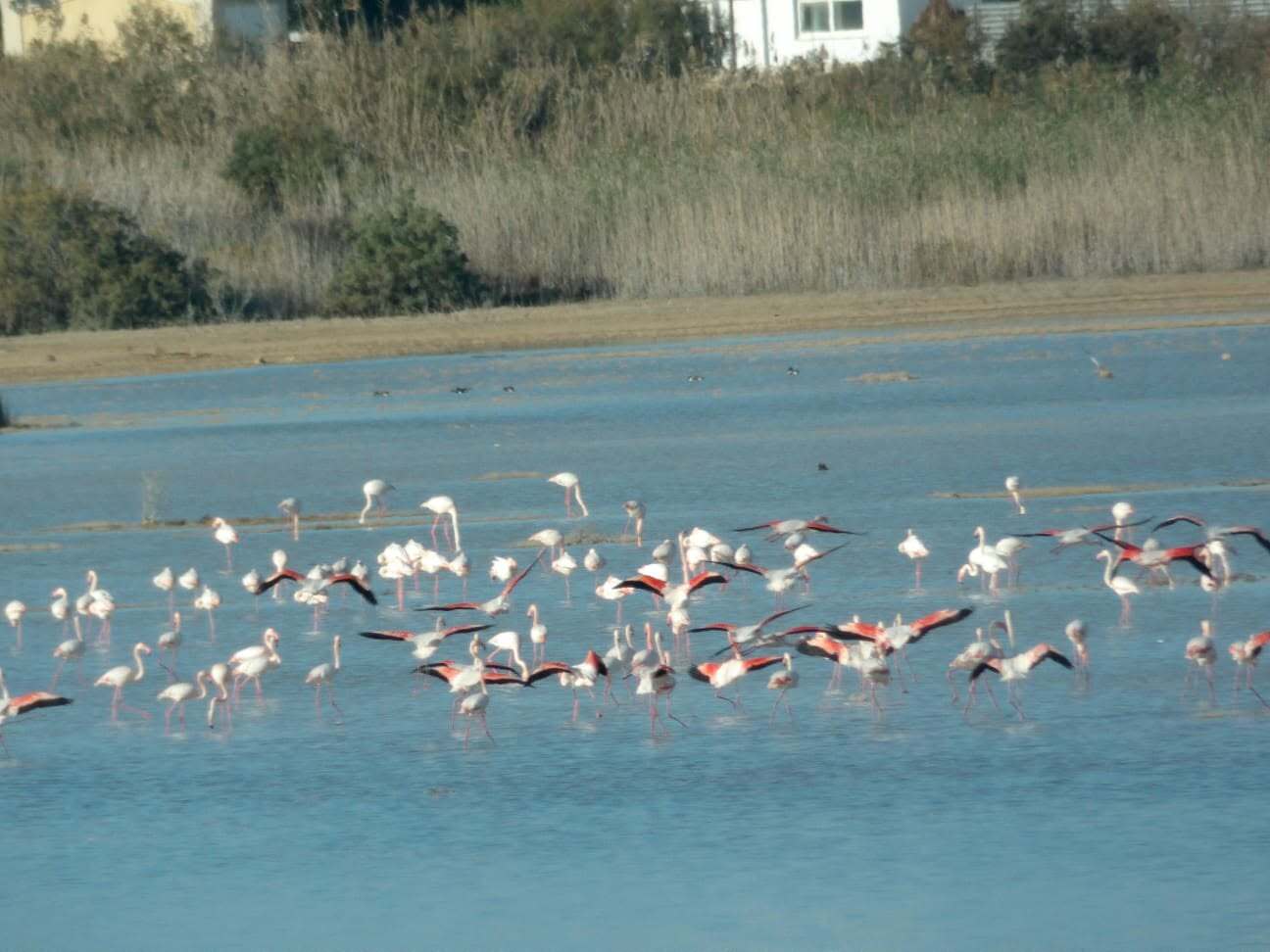
    Migratory flamingos have begun their seasonal arrival at Paralimni Lake, bringing a stunning display of pink and black plumage to the winter wetlands of Cyprus. This annual event is crucial for the island’s biodiversity, though it unfolds against a backdrop of worrying long-term population declines.

    Photo: in-cyprus.philenews.com

    According to data from BirdLife Cyprus and the Game and Fauna Service, flamingo populations across the island have seen a significant drop of between 14% and 31% over the past decade. This decline raises concerns regarding the stability of their migratory routes and the future of these vibrant birds.

    Photo: in-cyprus.philenews.com

    While larger wetland sites such as Larnaca Salt Lake and Akrotiri traditionally host the majority of the wintering population, Paralimni Lake is emerging as a vital “refuge” this season. Currently, the lake offers the shallow, brackish waters ideal for flamingos to feed on brine shrimp, particularly when conditions at other sites are not conducive. Drought has led to lower water levels at some locations, while others are too flooded for the birds to find suitable footing.

    The return of the flamingos is not just an aesthetic occurrence; it signals the importance of maintaining and protecting these habitats for the future of migratory species. As environmental challenges continue to impact these areas, the sight of flamingos at Paralimni Lake serves as a reminder of the delicate balance within the ecosystem.

    Local wildlife enthusiasts and conservationists are hopeful that the presence of these birds will draw more attention to the need for conservation efforts. The seasonal influx of flamingos also provides an opportunity for citizens and visitors alike to engage with nature, highlighting the importance of wetlands in supporting diverse wildlife.

    As the winter progresses, observers will be keen to monitor the flamingos at Paralimni Lake. Their presence not only enriches the local landscape but also acts as a barometer for the health of Cyprus’s natural habitats. Protecting these crucial environments is essential to ensure that future generations can continue to witness the beauty of migratory flamingos.