Tag: biodiversity

  • Flamingo Numbers Plummet to 47 as Cyprus Wetlands Face Crisis

    Flamingo Numbers Plummet to 47 as Cyprus Wetlands Face Crisis

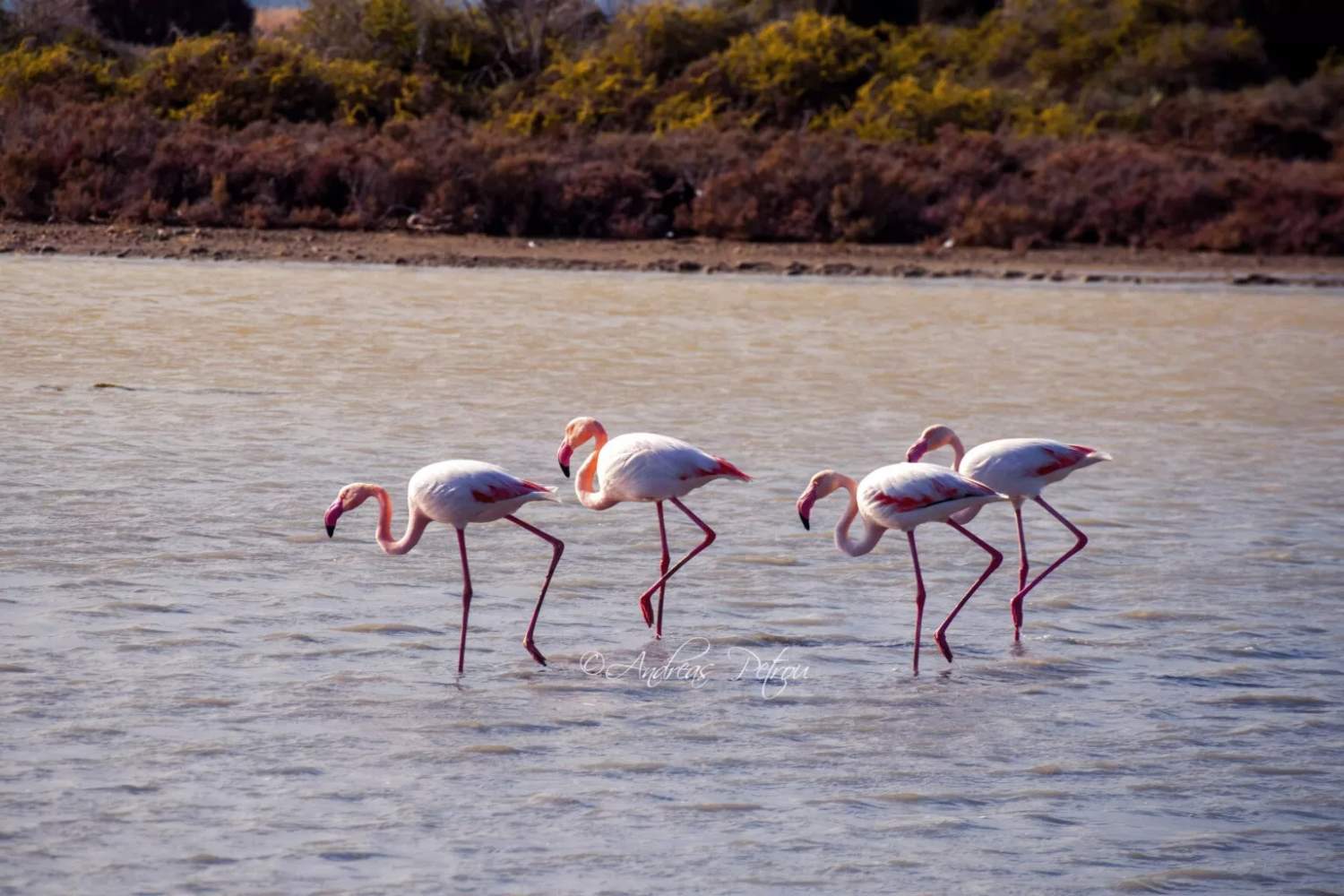
    flamingo numbers — Flamingo numbers in Cyprus have plummeted from 13,000 to just 47, signalling an ecological crisis in the country’s vital wetland areas. This alarming decline was reported during a recent session of the Parliamentary Environment Committee, where officials from the Game and Fauna Service expressed deep concerns over the state of Akrotiri Salt Lake and Lake Makria.

    Flamingo numbers: Critical Decline in Flamingo Population

    The Game and Fauna Service has raised the alarm about the dramatic reduction in flamingo populations, with senior official Nikos Kasinis stating, “whilst up to 13,000 flamingos were recorded in previous years, their number this month was limited to just 47.” This stark figure highlights the urgent need for action to protect these birds and their habitats.

    Factors Contributing to the Crisis

    According to Kasinis, the primary contributors to this ecological disaster are poor water quality and development pressures on the wetland areas. The inflow of water to the lakes is reportedly contaminated, leading to conditions that are no longer conducive to supporting bird life. Environmental organisations such as BirdLife and Terra Cypria have echoed these concerns, stating that the wetland system has effectively collapsed.

    Environmental Degradation and Development Pressures

    The environment committee was informed that water levels in the Salt Lake rise only during extended droughts, suggesting that the quality of inflow has deteriorated. Kouria Mayor Pantelis Georgiou described the situation as a “generalised disorder,” warning that the aquifer water risks permanent contamination due to ongoing developments in the area. He pointed out that communities like Asomatos and Akrotiri lack essential sewerage systems, exacerbating the problem.

    Action Plans and Community Involvement

    Mayor Georgiou is spearheading an extensive Action Plan, which is anticipated to be finalised by February in collaboration with Limassol Municipality and various government departments. This plan will aim to address the issues affecting the wetlands and will involve discussions with non-governmental organisations (NGOs).

    Urgent Need for Infrastructure Improvements

    One of the mayor’s key requests from the parliamentary representatives is to secure a decree from the Interior Ministry that would extend sewerage system boundaries to include the affected communities. Georgiou highlighted that specific sewage sources from properties not connected to the sewerage network have been identified and cut off in cooperation with the Limassol Sewerage Board, but more comprehensive measures are needed.

    Environmental Concerns and Public Health Risks

    During the discussions, significant concerns were raised regarding the vertical pipe discharging untreated sewage into the sea at Lady’s Mile. Reports suggest that up to 500 tonnes of untreated sewage are released into swimming and fishing areas, posing serious health risks to the public and further threatening the aquatic ecosystem.

    Impact on Lake Makria

    Lake Makria has been described by environmentalists as a “swamp” and a “sewage site,” with allegations that contractors for large developments are discharging water without adhering to licensing regulations. Such activities are believed to be causing irreparable damage to the wetland, which is crucial for various bird species.

    Demand for Immediate Action

    Members of the Environment Committee expressed significant dissatisfaction with the lack of timely interventions to address these issues. MP Andreas Kafkalias questioned the inability of central authorities to coordinate effectively, while Kostas Kosta referred to the ongoing situation as a crime against the environment. Committee chair Charalambos Theopemptou urged for an audit by the Audit Office to assess the management of Akrotiri Salt Lake.

    Warnings About Future Consequences

    The Environment Committee has issued dire warnings that without immediate and effective measures, “half the Salt Lake will be lost in coming years,” which could have irreversible consequences for both public health and Cyprus’s biodiversity. The situation calls for urgent collaboration between government bodies, local authorities, and environmental groups to safeguard the wetland habitats.

    As Cyprus grapples with this ecological crisis, the fate of its flamingo population hangs in the balance. Urgent action is needed to restore the wetlands and ensure the survival of these magnificent birds, which are integral to the country’s natural heritage.
  • Alarm Bells Ring for Wild Mushroom Foraging in Cyprus

    Alarm Bells Ring for Wild Mushroom Foraging in Cyprus

    Alarm bells are ringing for wild mushroom foraging in Cyprus as climate change increasingly impacts the region’s forests. This year’s picking season has been disappointing, attributed largely to the rising temperatures and drying conditions affecting the island’s biodiversity. During visits to familiar foraging spots around Vavatsinia, Lythrodondas, and Troodos, the signs of distress in the forests became alarmingly apparent.

    Photo: cyprus-mail.com

    Wild mushroom: Forest Conditions Reveal Climate Change’s Toll

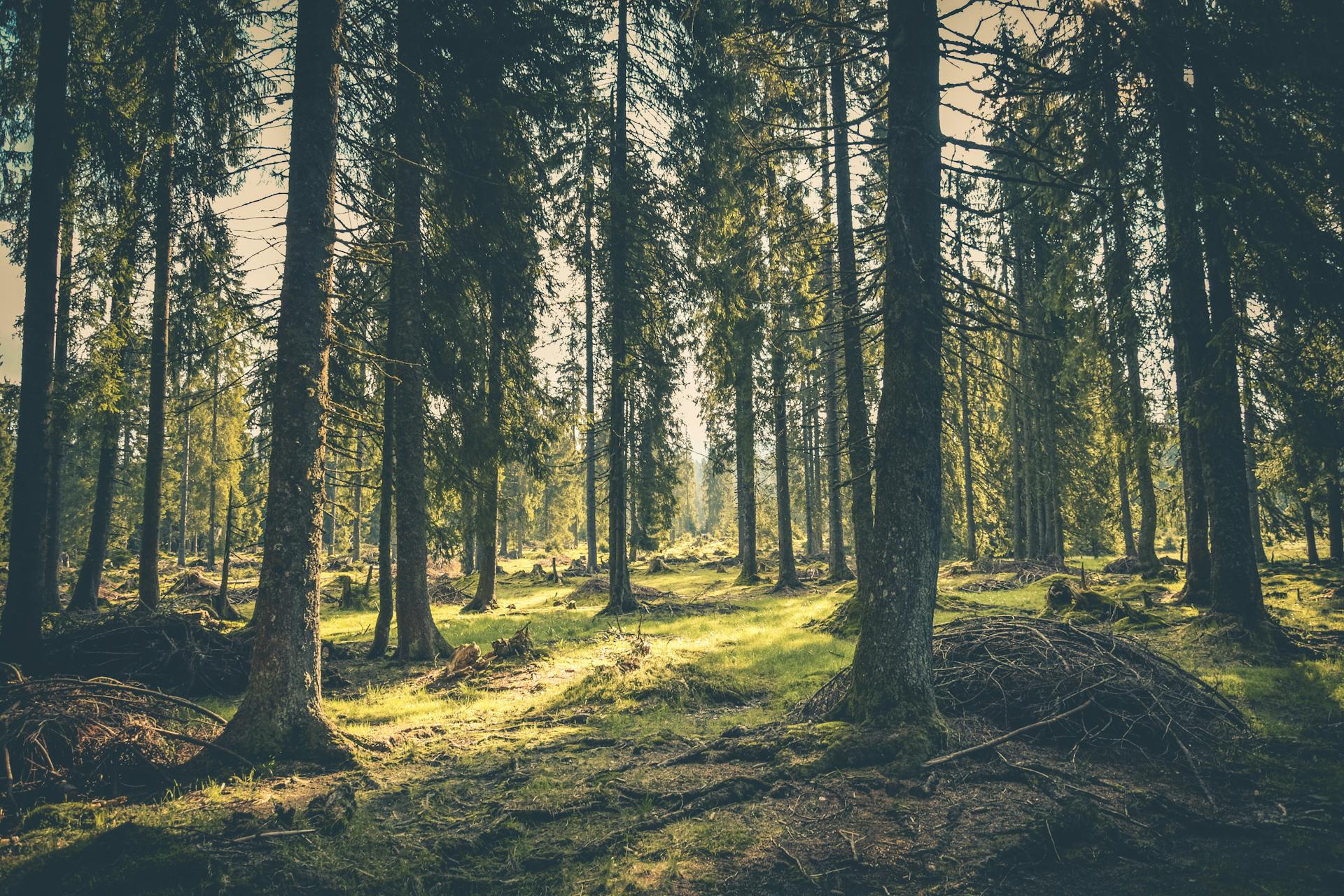
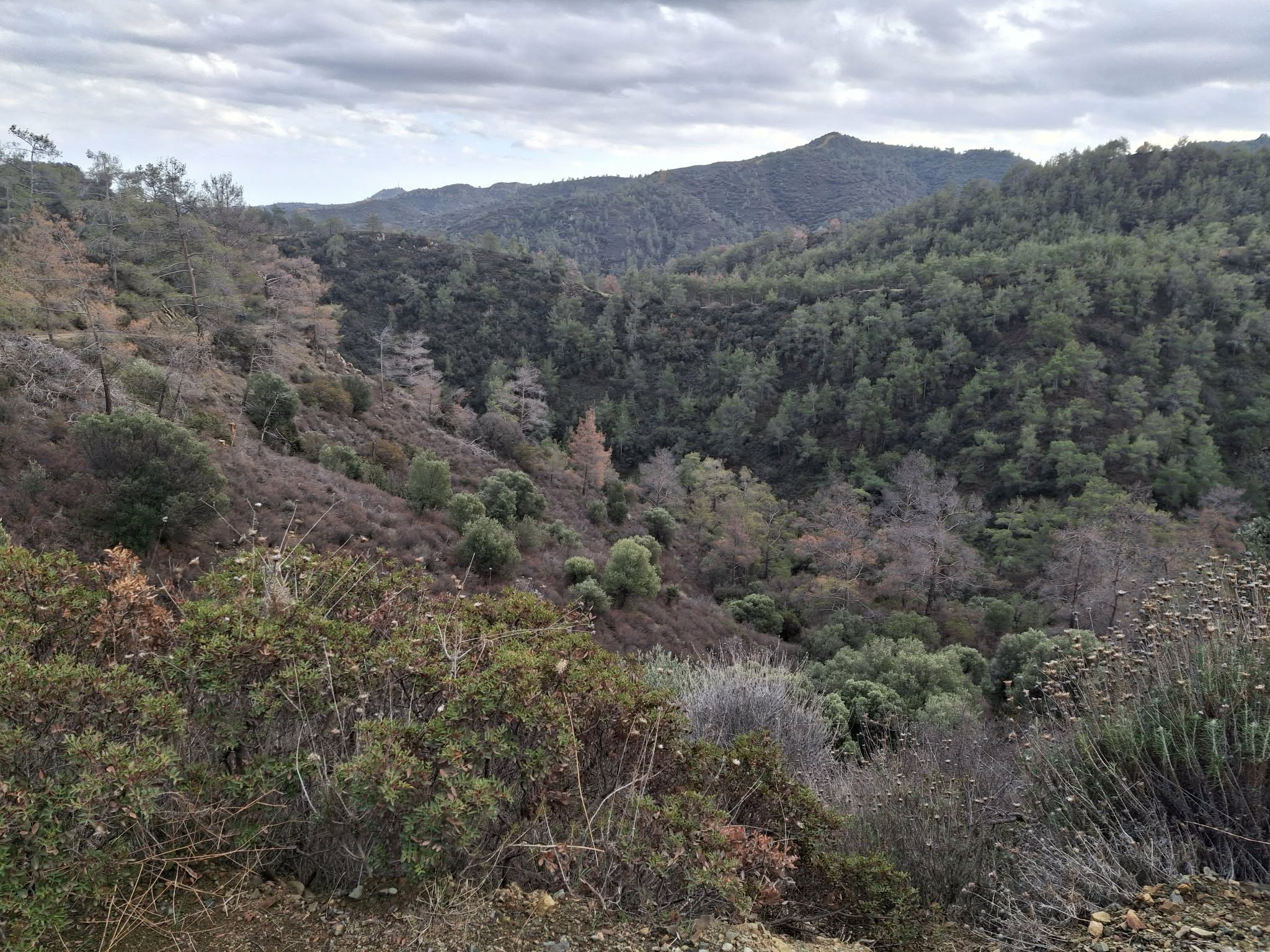
    Last week, I traversed one of my favourite forest routes from Vavatsinia to Kyprovasa, passing by Lefkara dam. The landscape bore witness to extensive tree felling and numerous dead trees, including mature Calabrian pines (Pinus brutia), which I realised had succumbed to drought. This phenomenon is most pronounced on south-facing slopes, where the soil dries out and the water table drops below the reach of tree roots.

    Photo: cyprus-mail.com

    Equally concerning was the low water level in Lefkara dam, which stands as a stark reminder of the ongoing challenges faced by Cyprus’ natural resources. The Cyprus Institute has highlighted a grim forecast: from 2020 to 2050, the number of extremely hot summer days in Cyprus is expected to increase significantly, with maximum temperatures exceeding 38˚C for an additional two weeks annually. By the century’s end, Nicosia could experience two additional months of such heat, mirroring conditions currently found in cities like Cairo.

    Consequences of Drought and Poor Foraging Practices

    The dire state of water resources is further illustrated by the Kouris dam, which is at less than 11% capacity. Compounding these challenges are the remnants of last summer’s wildfires, which have left slopes exposed and vulnerable to soil erosion. The lack of vegetation cover is particularly alarming.

    While climate change plays a significant role in the current foraging conditions, irresponsible foraging practices contribute to the problem. It is disheartening to witness individuals using rakes to forage for mushrooms, uprooting the delicate ecosystem of leaves and twigs. This method disrupts the life cycles of countless insects and prevents fungi from distributing their spores. Despite strict regulations prohibiting such practices, including potential prison sentences of up to one year or fines of up to €5,000, the destructive behaviour persists.

    The Challenges of This Year’s Harvest

    This year’s wild mushroom harvest has been particularly poor due to late rains that arrived too close to colder temperatures. Fungi require a specific temperature range of 10 to 13°C for optimal growth. When conditions are cold and wet, mushrooms can become waterlogged and mouldy before they have a chance to flourish.

    Among the most sought-after varieties is the ‘milk cap’ mushroom, or Lactarius deliciosus, known locally as the red pine mushroom. While many Cypriots are familiar with this delicacy, I also enjoy foraging for other Russula varieties. However, I advise caution, as some, like the pink-capped ‘sickener’, can cause adverse stomach reactions if consumed by the untrained. One of my preferred mushrooms is the ‘Slippery Jack’ (Suillus luteus), which I prepare by slicing and drying for use in soups and risottos.

    The Broader Implications of Climate Change

    Sadly, the lack of wild mushrooms is only one consequence of the broader environmental crisis facing Cyprus. As temperatures and drought conditions intensify, the island’s ability to cope will be severely tested. It is imperative that we acknowledge the gravity of these changes and accept the sacrifices necessary to address them.

    In my efforts to raise awareness about the issues plaguing Cyprus’ forests, I have received considerable feedback. Roger Cartwright, from the UK’s Landscape Trust, noted the visible impact of extreme summer climates on south-facing slopes during a recent study visit to the Cyprus Forestry Department. Additionally, Evgenia Emets, a former participant in the ‘Guardians of the Forest’ programme, emphasised the need for more forests that can generate and protect water resources.

    Strategies for Managing Water Resources and Forests

    As we confront these challenges, several strategies could help mitigate the impact of climate change on Cyprus’ environment:

    • Encourage tourists to conserve water, suggesting alternatives like swimming in the sea instead of frequent showers.
    • Support initiatives to recycle non-potable water from sources such as roofs, washing machines, and swimming pools.
    • Advise against planting trees on south-facing slopes, and promote the planting of native species that are better suited to withstand heat and drought.
    • Reduce the cultivation of Calabrian pines, as they are particularly vulnerable to changing climatic conditions.
    • Restrict the drilling of new wells to protect groundwater resources.
    • Evaluate the sustainability of swimming pools and excessive car washing in residential areas.
    • Limit the construction of water-intensive golf courses and promote alternative agricultural methods, such as hydroponics.
    • Encourage the storage of water in underground tanks and cisterns, which are more efficient than open reservoirs.
    • Address leaks in the water transport infrastructure to reduce wastage.

    These are challenging times for Cyprus, and as the climate crisis intensifies, it is vital we take action to protect our natural resources and the environment. The future of our forests and the delicate ecosystems they support depends on our willingness to adapt and preserve.

  • Migratory Flamingos Grace Paralimni Lake Amidst Population Concerns

    Migratory Flamingos Grace Paralimni Lake Amidst Population Concerns

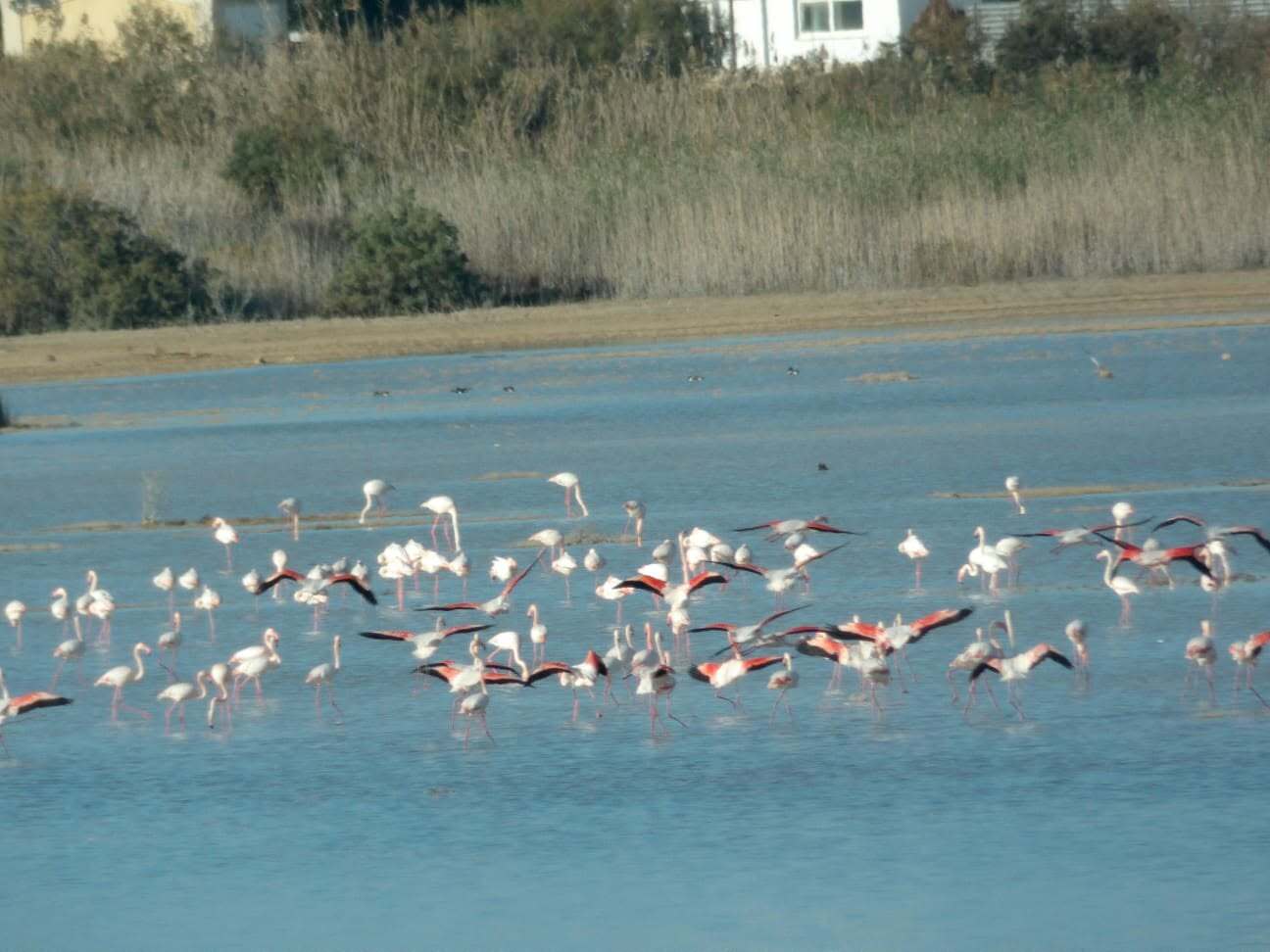
    Migratory flamingos have begun their seasonal arrival at Paralimni Lake, bringing a stunning display of pink and black plumage to the winter wetlands of Cyprus. This annual event is crucial for the island’s biodiversity, though it unfolds against a backdrop of worrying long-term population declines.

    Photo: in-cyprus.philenews.com

    According to data from BirdLife Cyprus and the Game and Fauna Service, flamingo populations across the island have seen a significant drop of between 14% and 31% over the past decade. This decline raises concerns regarding the stability of their migratory routes and the future of these vibrant birds.

    Photo: in-cyprus.philenews.com

    While larger wetland sites such as Larnaca Salt Lake and Akrotiri traditionally host the majority of the wintering population, Paralimni Lake is emerging as a vital “refuge” this season. Currently, the lake offers the shallow, brackish waters ideal for flamingos to feed on brine shrimp, particularly when conditions at other sites are not conducive. Drought has led to lower water levels at some locations, while others are too flooded for the birds to find suitable footing.

    The return of the flamingos is not just an aesthetic occurrence; it signals the importance of maintaining and protecting these habitats for the future of migratory species. As environmental challenges continue to impact these areas, the sight of flamingos at Paralimni Lake serves as a reminder of the delicate balance within the ecosystem.

    Local wildlife enthusiasts and conservationists are hopeful that the presence of these birds will draw more attention to the need for conservation efforts. The seasonal influx of flamingos also provides an opportunity for citizens and visitors alike to engage with nature, highlighting the importance of wetlands in supporting diverse wildlife.

    As the winter progresses, observers will be keen to monitor the flamingos at Paralimni Lake. Their presence not only enriches the local landscape but also acts as a barometer for the health of Cyprus’s natural habitats. Protecting these crucial environments is essential to ensure that future generations can continue to witness the beauty of migratory flamingos.

  • Cyprus Struggles with Lowest Forest Growth Rate in EU

    Cyprus Struggles with Lowest Forest Growth Rate in EU

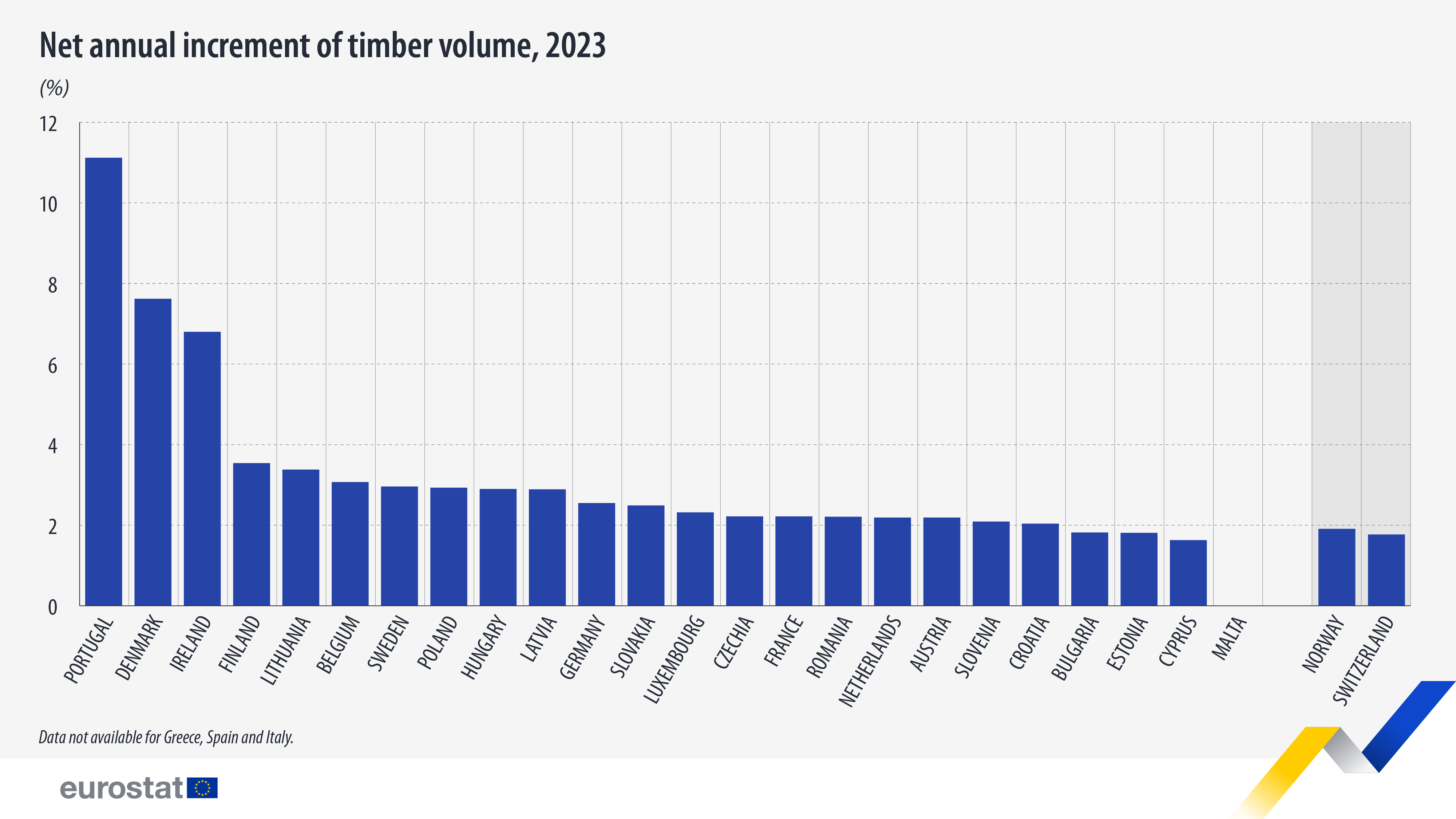
    Cyprus recorded the lowest forest growth rate among EU member states in 2023, at just 1.6 per cent, according to data released by Eurostat on Friday.

    Photo: cyprus-mail.com

    • Cyprus recorded the lowest forest growth rate among EU member states in 2023, at just 1.6 per cent, according to data released by Eurostat on Friday.

    This alarming statistic places Cyprus at the bottom of the EU ranking, alongside Malta, which saw no forest growth at all. Bulgaria and Estonia are not far behind, both achieving a modest growth rate of 1.8 per cent. In stark contrast, Portugal boasts the highest growth rate in the EU at 11.1 per cent, followed by Denmark at 7.6 per cent.

    State forest land in Cyprus encompasses approximately 18 per cent of the island’s total area, featuring a mix of natural pine forests, reforested areas, grasslands, and other non-forested lands such as dams and mining sites. Despite this coverage, the low growth rate indicates significant challenges for the island’s forestry sector.

    Eurostat’s data reveals that Cyprus is also among the EU member states with the lowest net growth of timber stock. This situation contrasts sharply with countries like Ireland and Latvia, which report significantly higher net growth rates. The implications of these figures extend beyond mere statistics; they highlight the ongoing struggle for sustainable forest management in Cyprus.

    As forest growth plays a vital role in the EU’s strategy for sustainable forest management and climate goals, Cyprus’s situation raises concerns about its future environmental stewardship. The Cypriot government has acknowledged these challenges, focusing its forestry management on environmental protection, biodiversity conservation, and recreational opportunities. This shift represents a deliberate move away from prioritising timber production towards achieving broader social and environmental benefits.

    However, the forestry department also pointed out that this approach has resulted in limited domestic timber production. Consequently, Cyprus relies heavily on timber imports from both EU member states and third countries to satisfy local demand. This dependency underscores the urgent need for a re-evaluation of forest management practices on the island.

    The forestry sector in Cyprus faces a complex situation: while there is a clear commitment to environmental sustainability, the numbers indicate that immediate action may be necessary to enhance forest growth and ensure the island’s ecological health. As Cyprus navigates these challenges, the future of its forests will be pivotal in shaping not only its environment but also its economy.

  • Cyprus cows: Cyprus’ Cows Celebrate Heritage in New Documentary

    Cyprus cows: Cyprus’ Cows Celebrate Heritage in New Documentary

    cyprus cows — cyprus cows — Cyprus’ cows take centre stage in a new documentary that highlights their historical significance and current challenges. The film, titled The World Shrinks, premiered earlier this week at the Pantheon Cinema in Nicosia and brings to light the unique role of these animals in Cypriot agriculture and culture.

    Cyprus cows: A Rich Tapestry of History and Science

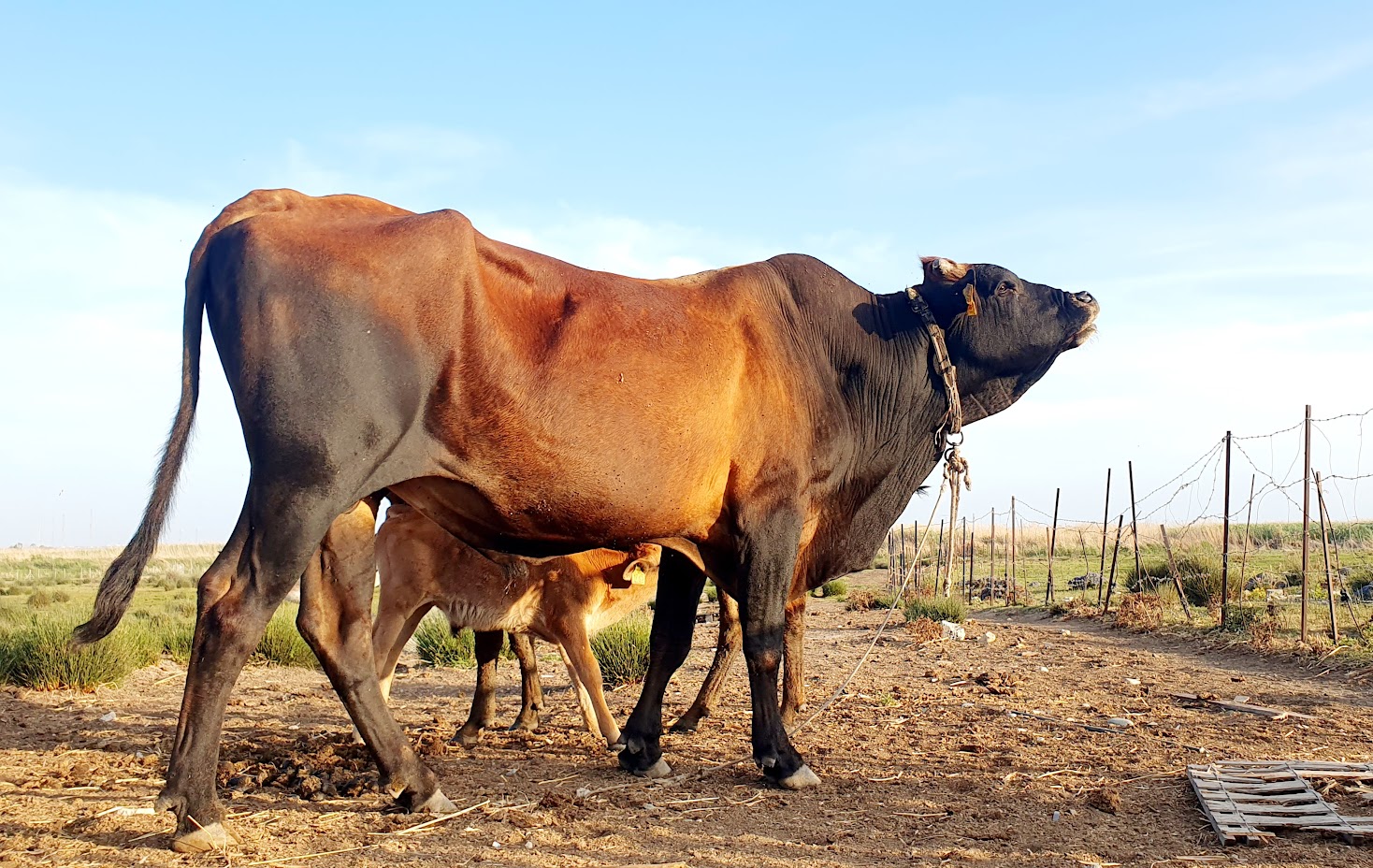
    The documentary delves into the story of the Cypriot cow, a creature that has been integral to farming on the island for centuries. It combines elements of archaeology, history, genetics, and folklore to showcase both well-known and unexpected facets of the cow’s legacy. This multifaceted approach aims to educate viewers on the importance of agricultural biodiversity and the rich heritage these animals represent.

    Voices of Expertise

    Anna Spyrou, a researcher involved in the film’s creation, expressed her fascination with the cows, attributing it to a blend of scientific inquiry and personal narratives from individuals she has met over the years, some of whom have since passed away. “These cows have seen it all,” she remarked, underscoring the deep connection between the animals and the people who have relied on them.

    Dr Efi Snow, representing the agriculture minister, referred to the cows as “a living treasure” of Cyprus. This sentiment was echoed by India’s High Commissioner, Manish Manish, who highlighted the genetic links of the Cypriot breed to Bos indicus, suggesting a surprising connection to Indian cattle.

    Scientific Insights and Cultural Significance

    The documentary is grounded in the Areti research programme, a collaboration involving the Cyprus Institute, the agricultural research institute, and Dublin’s Smurfit Institute of Population Genetics. It features genomic profiling of 10 per cent of the island’s local cows, marking a scientific first for Cyprus. This research provides crucial insights into the breed’s adaptation to the island’s unique climate and terrain.

    Dr Anastasios Leventis from the AG Leventis Foundation noted that the research has resolved many queries regarding this ancient breed, further emphasising their vital role in the rural landscape of Cyprus. Professor Thilo Rehren from the Cyprus Institute added that these cows are not merely livestock; they are interwoven into the very fabric of rural society and deserve robust protection.

    Capturing the Rural Experience

    The film not only presents scientific data but also captures the essence of rural life. Viewers are taken through the daily realities of farming, which involves hard work, dedication, and, at times, the stubbornness of the animals themselves. The documentary aims to foster an appreciation for the labour that goes into maintaining the agricultural heritage of Cyprus.

    The Importance of Preservation

    One of the film’s key messages is the importance of preserving agricultural biodiversity. As farming practices evolve and modernisation takes hold, there is a risk that traditional breeds, like the Cypriot cow, may vanish. This documentary serves as a timely reminder of the need to protect these animals, not just as agricultural assets but as symbols of cultural identity.

    Engaging the Community

    The screening at the Pantheon Cinema was well-received, attracting a diverse audience eager to learn more about the cows that have shaped the island’s agricultural landscape. The film’s engaging narration and visual storytelling have sparked conversations about the future of farming in Cyprus and the role of these animals in it.

    As the documentary gains traction, it is hoped that it will inspire further discussions on sustainable farming practices and the importance of maintaining local breeds. By highlighting the historical and cultural significance of Cyprus’ cows, The World Shrinks aims to instil a sense of pride and responsibility among viewers.

    Looking Ahead

    In an era where many traditional practices are at risk of being lost, documentaries like The World Shrinks play a crucial role in preserving cultural narratives. They remind us of the intrinsic value of our agricultural heritage and the animals that have been by our side throughout history.

    As the conversation around agricultural sustainability continues to evolve, the insights shared through this documentary could serve as a catalyst for renewed interest in protecting not just the cows of Cyprus, but the ecosystems they inhabit.

  • Drought — Drought Threatens Cyprus’ Ancient Forests, Officials Warn

    Drought — Drought Threatens Cyprus’ Ancient Forests, Officials Warn

    Drought has severely damaged Cyprus’ forests, with 40 per cent of the trees in the cedar valley having already dried up, according to forestry department director, Savvas Ezekiel. Addressing the crisis on CyBC radio, he described the situation as unprecedented, raising alarms about the island’s oldest forests.

    The forestry department’s assessments reveal that mature cedars and pines are succumbing after consecutive years of minimal rainfall. While young saplings can collapse within weeks without adequate water, larger trees, although initially more resilient, begin to weaken after several dry years.

    Implications of Continued Drought

    Ezekiel warned that if Cyprus endures another dry winter, “we will lose many centuries-old trees,” a fate that could extend to forests across the island. The current drought is notable, as it marks a severity not seen since 2008.

    Areas of Concern

    Significant losses have been documented in regions such as Kakomalis and Machairas, where species like the Turkish pine (Pinus brutia) and the endemic golden oak (Quercus alnifolia) are drying at alarming rates. In the Akamas region, Jerusalem pine trees (Pinus halepensis) are also showing signs of distress, particularly deeper within the forest, although the more humid coastal edges remain relatively unaffected.

    In contrast, the high-altitude black pine (Pinus nigra) in Troodos is stable for now, benefiting from cooler temperatures and moisture, while the forests of Cape Greco are holding up due to their coastal microclimate.

    Impact on Wildlife and Fire Risk

    The drought has repercussions beyond tree mortality. Ezekiel highlighted that natural springs have been adversely affected, leading to reduced river flows and diminishing water access for birds and other wildlife. This situation raises significant concerns regarding fire risk, as the accumulation of dry biomass across forested areas creates an environment ripe for wildfires. Ezekiel stated that with everything so dry, “there is nowhere for a fire to stop.”

    Mitigation Efforts and Community Support

    In an effort to manage the growing fire risk and support mountain communities, the forestry department plans to issue a circular next week that increases the annual firewood allowances. Families in high-altitude areas will see their quota rise from 10 to 12 cubic metres, while those in lower-altitude regions will increase from 4 to 5 cubic metres.

    Scientific Perspective on Tree Mortality

    Former Green Party leader, Charalambos Theopemptou, noted that the drying of olives, carobs, and pines aligns with scientific data indicating that repeated drought is a leading cause of mass tree mortality in ecosystems. The situation is further compounded by the comments from Water Development Department (WDD) official, Giorgos Kazantzis, who emphasised that Cyprus cannot easily replenish its natural water sources and must continue to depend on dams and desalination.

    Kazantzis also pointed out that the potential for artificial rain through cloud seeding technology remains limited in Cyprus due to challenges in directing clouds and the associated risks of hail or flooding.

  • Police Conduct Anti-Poaching Raids, Seizing Over 1,000 Dead Wild Birds

    Police Conduct Anti-Poaching Raids, Seizing Over 1,000 Dead Wild Birds

    Police have seized over 1,000 dead wild birds in a significant anti-poaching operation across Cyprus. Coordinated raids on Friday involved the Game and Fauna Service officers and targeted specific individuals linked to illegal wildlife activities.

    Photo: in-cyprus.philenews.com

    Wild birds: Coordinated Efforts Yield Substantial Results

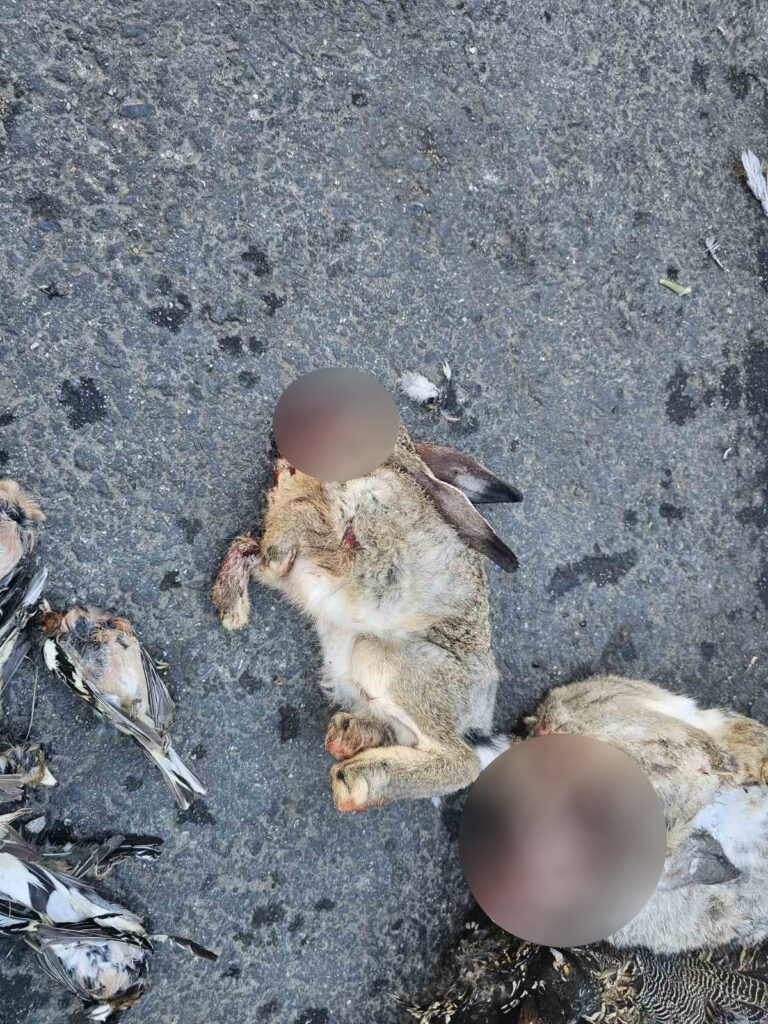
    During the operation, which executed seven search warrants—five in the Nicosia district and two in Limassol—officers uncovered a staggering 1,008 dead wild birds. The raids were part of a broader effort to combat poaching and protect the country’s wildlife.

    Photo: in-cyprus.philenews.com

    Items Confiscated in the Raids

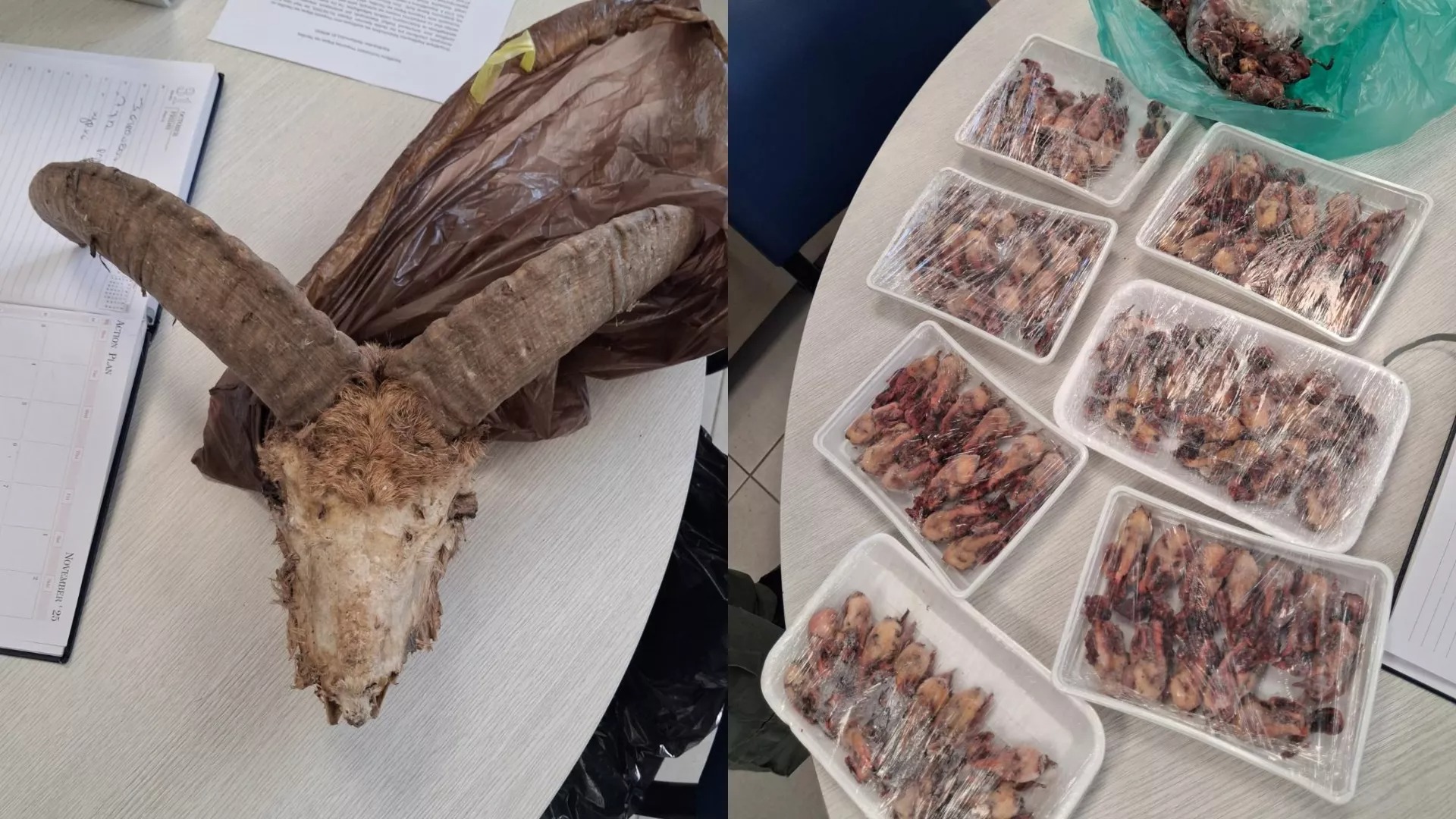
    In addition to the wild birds, authorities confiscated two moufflon skulls, three dead hares, seven dead partridges, and five dead francolins. The operation also resulted in the seizure of four hunting weapons, one of which had been modified, along with 47 steel traps intended for capturing wild birds.

    Live Animals and Illegal Equipment Found

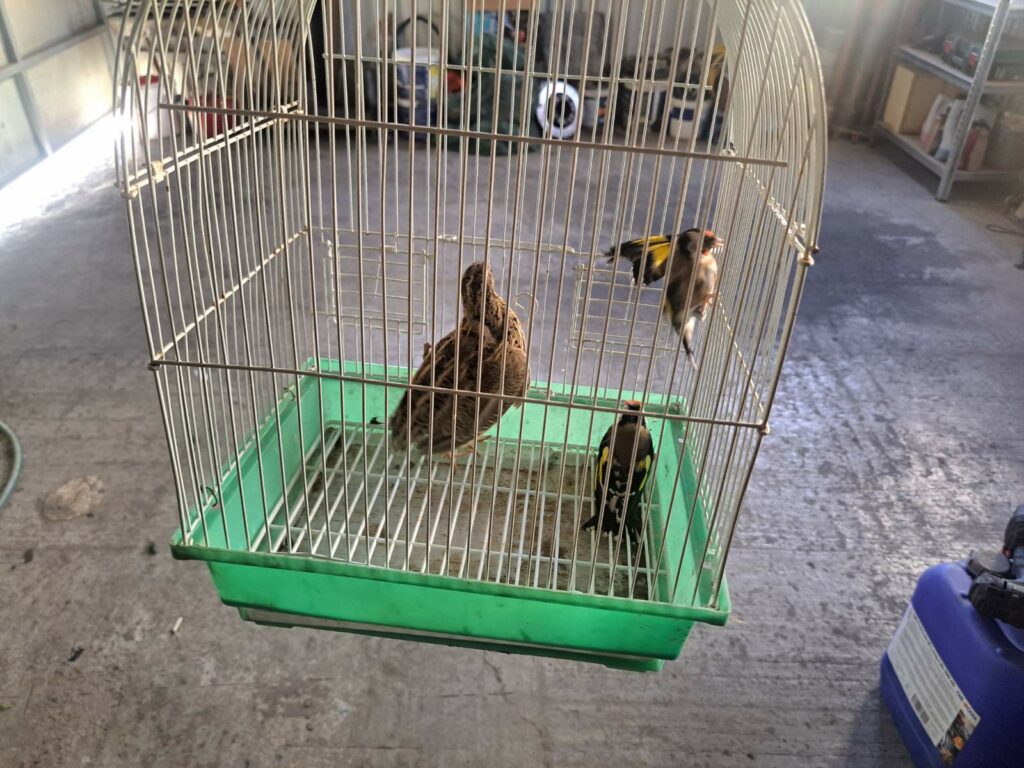
    Officers did not stop at dead animals; they also seized two live hares, three live wild birds, and one net used for trapping. Furthermore, a quantity of prohibited ammunition and three devices that emit wild bird calls were confiscated, highlighting the extent of illegal hunting practices in the region.

    Legal Action Following the Operation

    As a result of these coordinated efforts, five individuals have been charged. The Game and Fauna Service emphasised the importance of these operations in safeguarding Cyprus’s wildlife and enforcing conservation laws.

  • Illegal Earthworks Threaten Paphos Monk Seal Habitat

    Illegal Earthworks Threaten Paphos Monk Seal Habitat

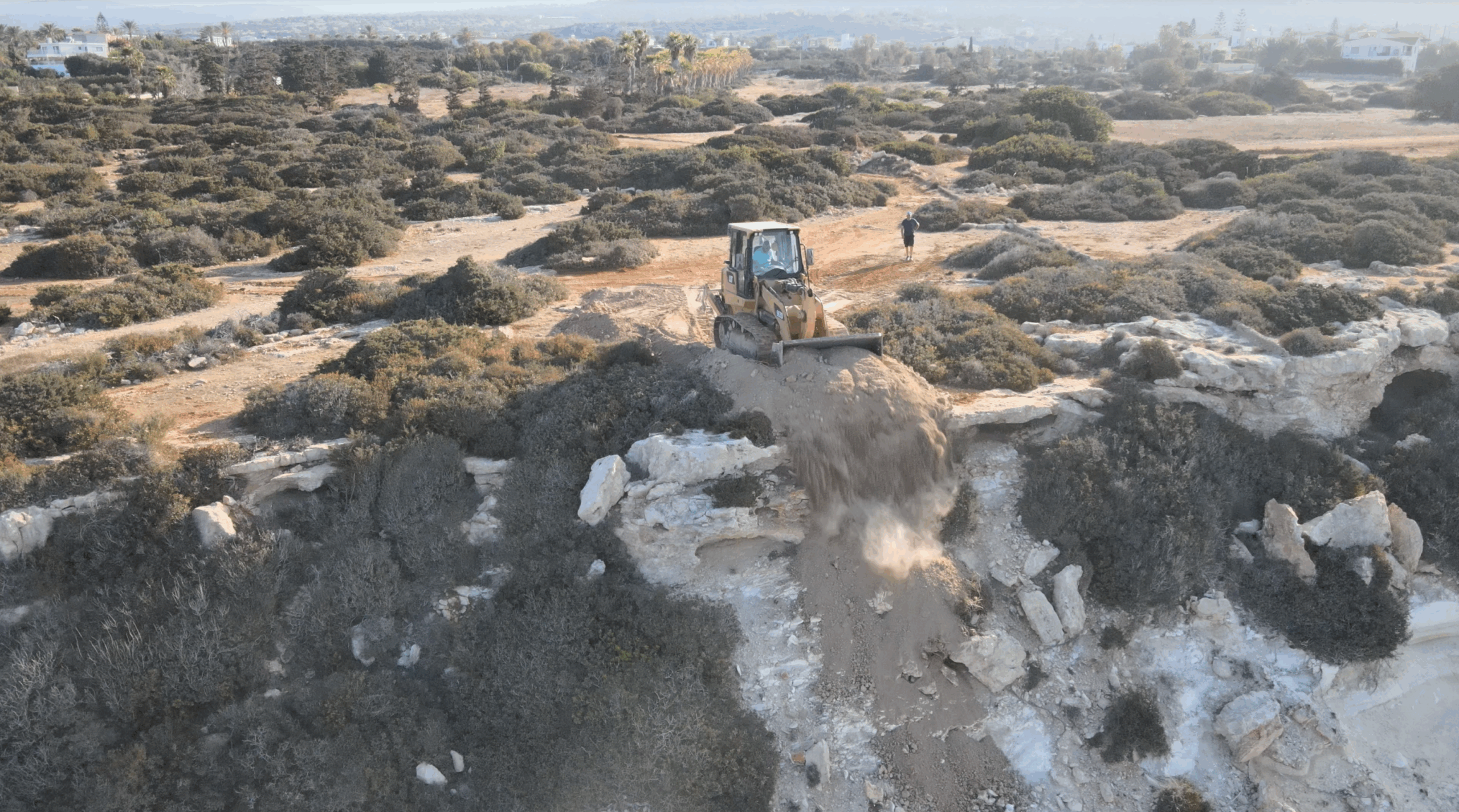
    Environmental group Terra Cypria has raised alarms over illegal earthworks threatening monk seal habitats in the Akamas Peninsula. The organisation has lodged formal complaints with both the Interior and Agriculture ministers regarding extensive excavation, landfill, and levelling operations occurring in the Asprovikla area.

    Photo: in-cyprus.philenews.com

    These operations are situated on plots adjacent to Natura 2000 network sites and strictly protected zones, including the Peyia Sea Caves Natural Micro-Reserve and the Peyia Marine Protected Area. The sea caves serve as a vital breeding ground for the Mediterranean monk seal, the most endangered seal species globally, and the only type in the Mediterranean.

    Terra Cypria claims that the illegal works have been conducted outside urban development zones and within designated coastal protection areas, involving land not owned by any known local businessman. The organisation has formally requested confirmation from authorities on whether the necessary planning or building permits were obtained, and if required environmental assessments were conducted.

    The municipalities of Akamas and the Environment Department have also filed complaints and taken administrative action against the alleged offender. They have informed the Paphos District Local Government Organisation to pursue further action within its competencies.

    The complaints were initiated following a citizen report made on 26 August, which documented large-scale land-clearing activities within plots 411, 434, and 435 of Akamas Municipality in Paphos district. This report, supplemented by photographic and satellite evidence, highlights the severity of the situation.

    Terra Cypria emphasised that these activities are occurring outside designated development boundaries, specifically within the Coastal Protection Zone as outlined by national legislation. The operations are alarmingly close to two Natura 2000 zones: the Akamas Peninsula Special Area of Conservation (CY4000010) and the Akamas Peninsula Special Protection Area (CY4000023), as well as bordering the Peyia Sea Caves Natural Micro-Reserve and the Peyia Sea Caves Marine Protected Area, both of which are protected by decisions from the Council of Ministers.

    The organisation reminded officials that projects within or near protected areas must undergo strict environmental assessments and adhere to both national and European legislation. In cases of confirmed violations, Terra Cypria demands that immediate sanctions be imposed.

    Letters detailing these concerns were sent to various officials, including the Auditor General and the Environment Commissioner, as well as representatives from the Department of Town Planning, Land Registry, and the Paphos District Administration. Terra Cypria has requested written responses within a month, as mandated by environmental legislation. They insist that such illegal activities pose a significant threat to biodiversity, the natural landscape, and the rule of law, especially when conducted without the knowledge or approval of competent authorities.