Tag: climate change

  • Alarm Bells Ring for Wild Mushroom Foraging in Cyprus

    Alarm Bells Ring for Wild Mushroom Foraging in Cyprus

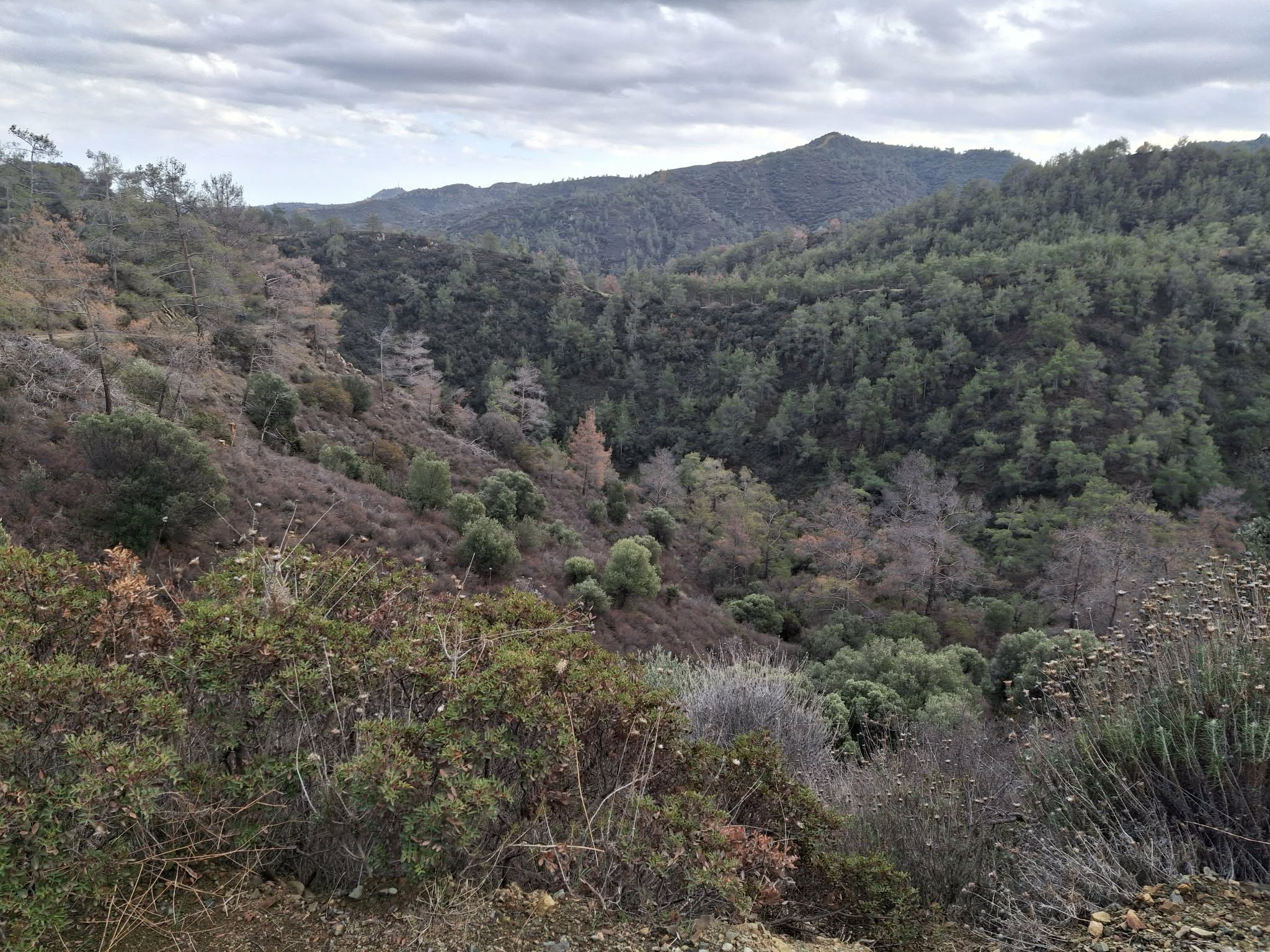
    Alarm bells are ringing for wild mushroom foraging in Cyprus as climate change increasingly impacts the region’s forests. This year’s picking season has been disappointing, attributed largely to the rising temperatures and drying conditions affecting the island’s biodiversity. During visits to familiar foraging spots around Vavatsinia, Lythrodondas, and Troodos, the signs of distress in the forests became alarmingly apparent.

    Photo: cyprus-mail.com

    Wild mushroom: Forest Conditions Reveal Climate Change’s Toll

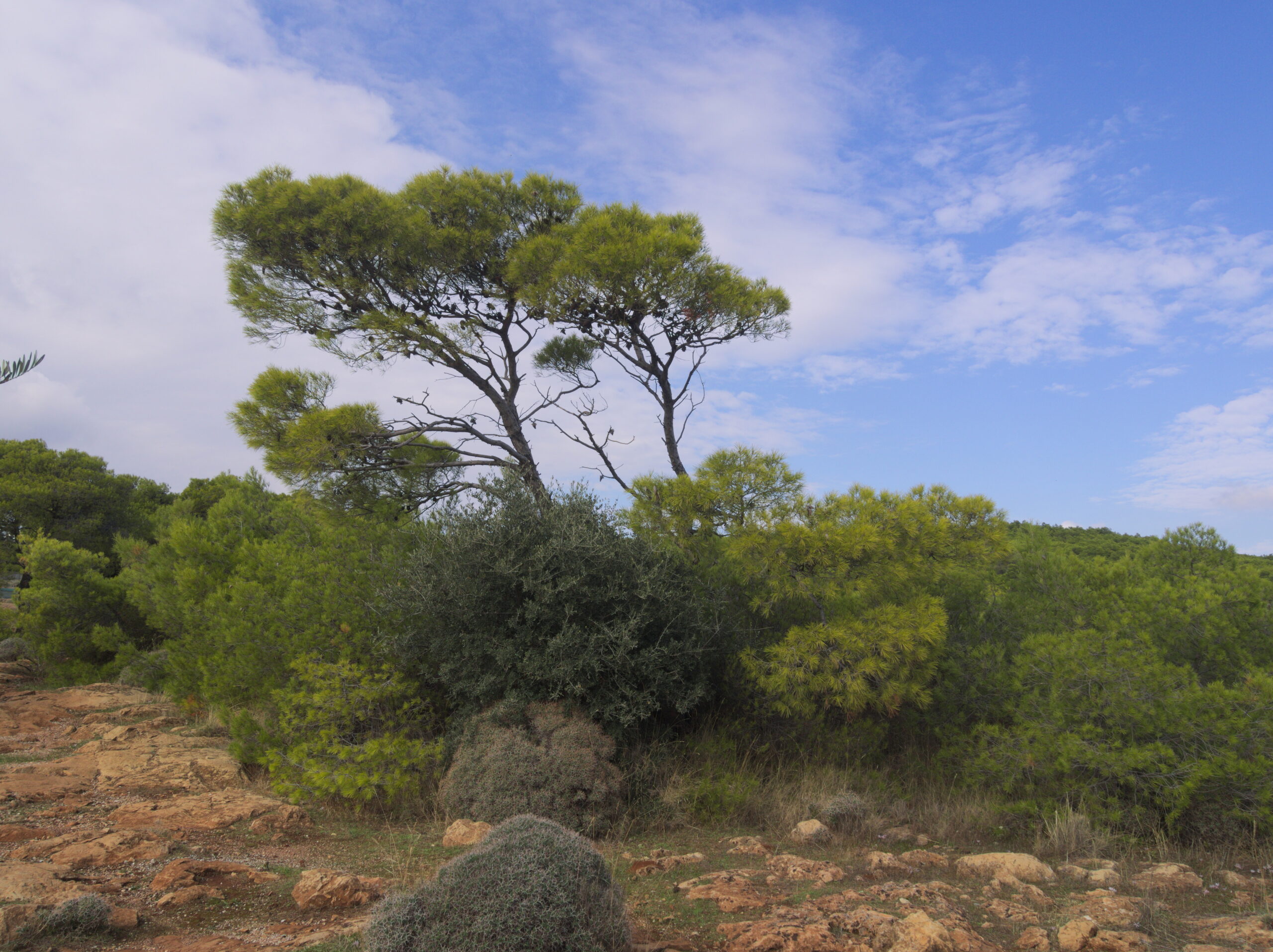
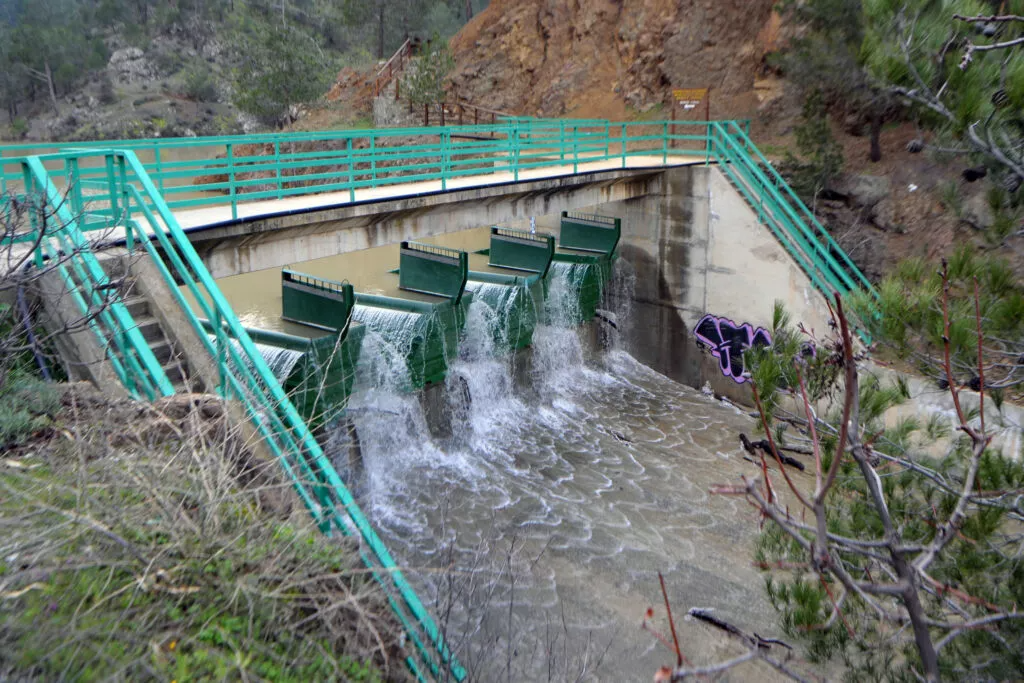
    Last week, I traversed one of my favourite forest routes from Vavatsinia to Kyprovasa, passing by Lefkara dam. The landscape bore witness to extensive tree felling and numerous dead trees, including mature Calabrian pines (Pinus brutia), which I realised had succumbed to drought. This phenomenon is most pronounced on south-facing slopes, where the soil dries out and the water table drops below the reach of tree roots.

    Photo: cyprus-mail.com

    Equally concerning was the low water level in Lefkara dam, which stands as a stark reminder of the ongoing challenges faced by Cyprus’ natural resources. The Cyprus Institute has highlighted a grim forecast: from 2020 to 2050, the number of extremely hot summer days in Cyprus is expected to increase significantly, with maximum temperatures exceeding 38˚C for an additional two weeks annually. By the century’s end, Nicosia could experience two additional months of such heat, mirroring conditions currently found in cities like Cairo.

    Consequences of Drought and Poor Foraging Practices

    The dire state of water resources is further illustrated by the Kouris dam, which is at less than 11% capacity. Compounding these challenges are the remnants of last summer’s wildfires, which have left slopes exposed and vulnerable to soil erosion. The lack of vegetation cover is particularly alarming.

    While climate change plays a significant role in the current foraging conditions, irresponsible foraging practices contribute to the problem. It is disheartening to witness individuals using rakes to forage for mushrooms, uprooting the delicate ecosystem of leaves and twigs. This method disrupts the life cycles of countless insects and prevents fungi from distributing their spores. Despite strict regulations prohibiting such practices, including potential prison sentences of up to one year or fines of up to €5,000, the destructive behaviour persists.

    The Challenges of This Year’s Harvest

    This year’s wild mushroom harvest has been particularly poor due to late rains that arrived too close to colder temperatures. Fungi require a specific temperature range of 10 to 13°C for optimal growth. When conditions are cold and wet, mushrooms can become waterlogged and mouldy before they have a chance to flourish.

    Among the most sought-after varieties is the ‘milk cap’ mushroom, or Lactarius deliciosus, known locally as the red pine mushroom. While many Cypriots are familiar with this delicacy, I also enjoy foraging for other Russula varieties. However, I advise caution, as some, like the pink-capped ‘sickener’, can cause adverse stomach reactions if consumed by the untrained. One of my preferred mushrooms is the ‘Slippery Jack’ (Suillus luteus), which I prepare by slicing and drying for use in soups and risottos.

    The Broader Implications of Climate Change

    Sadly, the lack of wild mushrooms is only one consequence of the broader environmental crisis facing Cyprus. As temperatures and drought conditions intensify, the island’s ability to cope will be severely tested. It is imperative that we acknowledge the gravity of these changes and accept the sacrifices necessary to address them.

    In my efforts to raise awareness about the issues plaguing Cyprus’ forests, I have received considerable feedback. Roger Cartwright, from the UK’s Landscape Trust, noted the visible impact of extreme summer climates on south-facing slopes during a recent study visit to the Cyprus Forestry Department. Additionally, Evgenia Emets, a former participant in the ‘Guardians of the Forest’ programme, emphasised the need for more forests that can generate and protect water resources.

    Strategies for Managing Water Resources and Forests

    As we confront these challenges, several strategies could help mitigate the impact of climate change on Cyprus’ environment:

    • Encourage tourists to conserve water, suggesting alternatives like swimming in the sea instead of frequent showers.
    • Support initiatives to recycle non-potable water from sources such as roofs, washing machines, and swimming pools.
    • Advise against planting trees on south-facing slopes, and promote the planting of native species that are better suited to withstand heat and drought.
    • Reduce the cultivation of Calabrian pines, as they are particularly vulnerable to changing climatic conditions.
    • Restrict the drilling of new wells to protect groundwater resources.
    • Evaluate the sustainability of swimming pools and excessive car washing in residential areas.
    • Limit the construction of water-intensive golf courses and promote alternative agricultural methods, such as hydroponics.
    • Encourage the storage of water in underground tanks and cisterns, which are more efficient than open reservoirs.
    • Address leaks in the water transport infrastructure to reduce wastage.

    These are challenging times for Cyprus, and as the climate crisis intensifies, it is vital we take action to protect our natural resources and the environment. The future of our forests and the delicate ecosystems they support depends on our willingness to adapt and preserve.
  • Paphos rainfall: Paphos Experiences Record Daily Rainfall Amid Storm Byron

    Paphos rainfall: Paphos Experiences Record Daily Rainfall Amid Storm Byron

    paphos rainfall — paphos rainfall — Paphos has experienced its highest daily rainfall in over a century, with 113.11mm recorded during the recent weather event attributed to storm Byron. According to the meteorological department, this figure marks the most significant rainfall since records began in 1916.

    The torrential downpour occurred over the weekend, as the island faced the effects of a barometric low that brought intense weather conditions. The Polis Chrysochous weather station reported that the average rainfall for December in the area is typically around 99.8mm, based on historical data spanning three decades from 1961 to 1990.

    Further highlighting the impact of storm Byron, the Kathikas station in Paphos registered 67.1mm of rain, making it the third-highest daily rainfall recorded for December since 1977. Only 2001 and 2008 experienced greater rainfalls of 99.7mm and 74.5mm, respectively.

    Across the Paphos district, several weather stations reported varying levels of rainfall, with totals between 15mm and 57mm during the storm. As the rain continued, the met department noted that from December 5 to 7, the highest amounts were concentrated in the western and southwestern regions, along with higher mountainous areas. The average rainfall for this three-day period reached 35.1mm.

    The dramatic weather has drawn attention not only for its intensity but also for its rarity, prompting discussions about climate patterns and the potential for more unusual weather events in the future. Residents and officials alike are now contemplating the implications of such extremes on local infrastructure and the environment.

  • Cyprus wildfires: EU Allocates €2.3 Million for Cyprus Wildfire Recovery

    Cyprus wildfires: EU Allocates €2.3 Million for Cyprus Wildfire Recovery

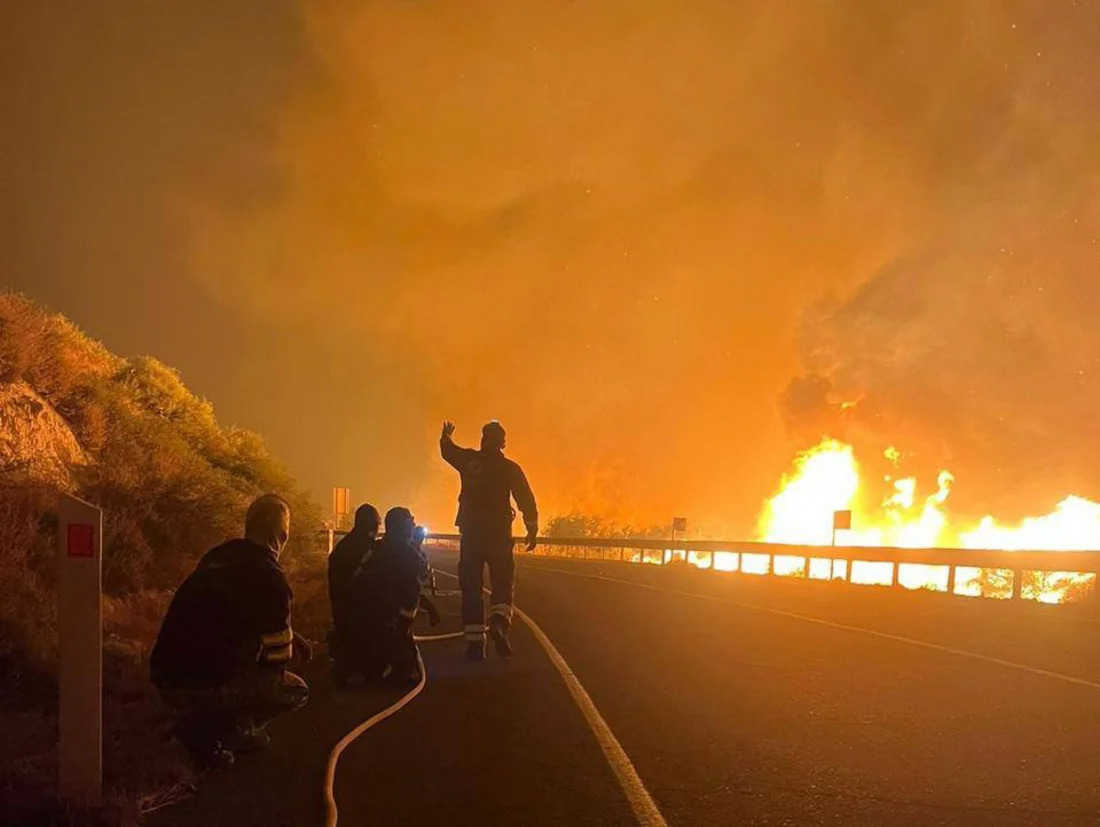
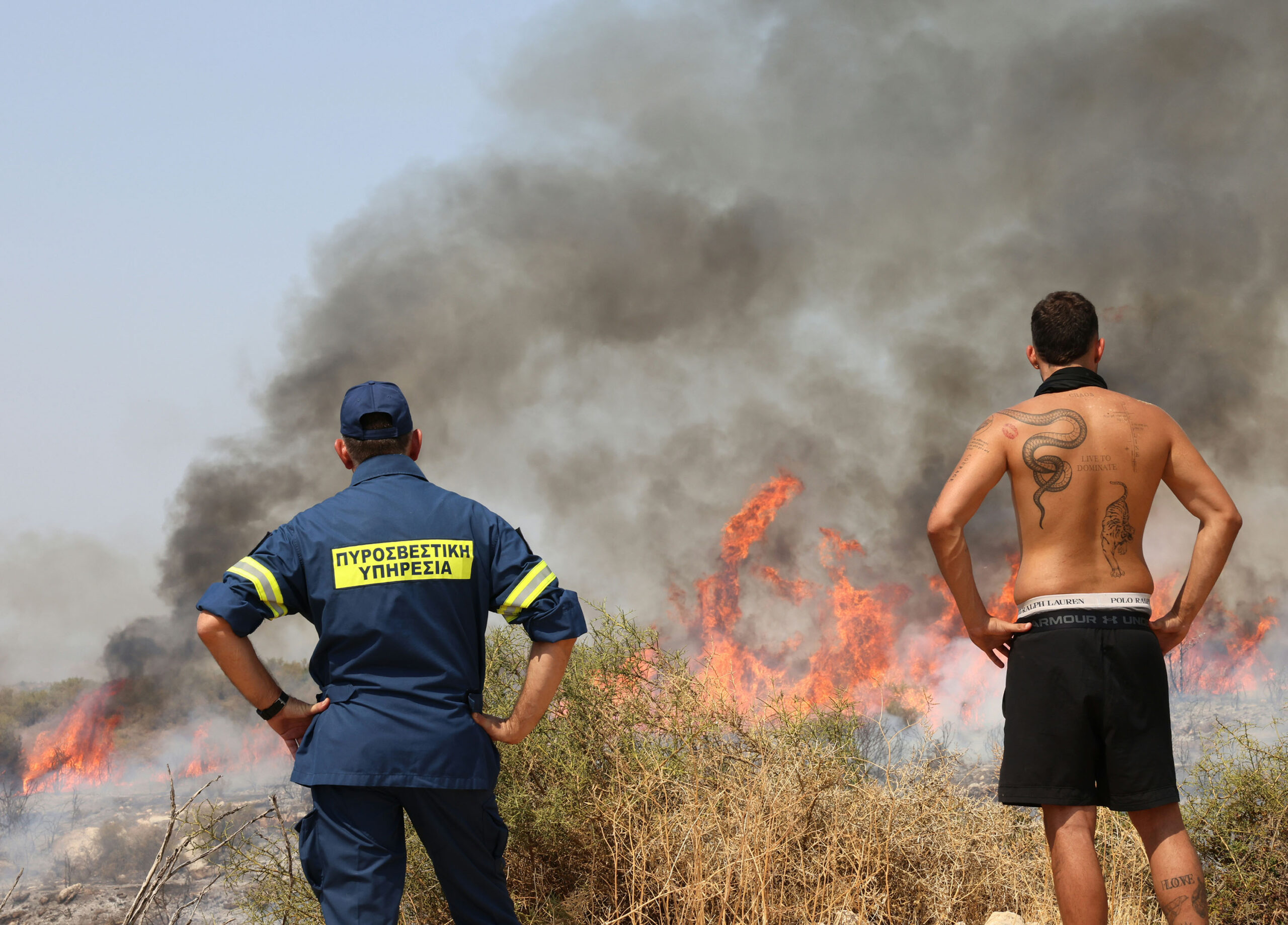
    cyprus wildfires — cyprus wildfires — The European Commission has allocated €2.3 million from the European Union solidarity fund to aid Cyprus in recovering from the devastating wildfires that swept through the Limassol and Paphos districts in July.

    Raffaele Fitto, the commission’s executive vice-president for cohesion and reforms, announced the funding on social media, detailing that the money will be used for “emergency operations, infrastructure, housing, and restoration.” These wildfires not only ravaged the landscape but also tragically claimed the lives of two individuals and destroyed over 700 structures, burning an area of 124 square kilometres.

    Earlier this year, Cypriot members of the European Parliament had voiced their concerns, calling for increased EU assistance to combat wildfires, which have become an alarming trend across the region. Giorgos Georgiou from the Akel party was particularly vocal, critiquing European Commissioner Hadjia Lahbib for her comments regarding wildfire management. Georgiou lamented the lack of timely support, pointing out that Cyprus has experienced significant losses, stating, “Cyprus unfortunately holds the lead, in a negative way, for the proportion of its total territory burned in the last decade.” He highlighted the EU’s shortcomings, referencing a delayed request for firefighting planes from Spain that took three months to respond.

    Geadis Geadi from the Elam party echoed these sentiments, asserting that the rescEU mechanism has left many countries, including Cyprus, vulnerable to the devastating impacts of wildfires. He proposed reforms to enhance the EU’s response capabilities, aiming to avoid future tragedies.

    In response to the summer’s catastrophic events, European Commission President Ursula von der Leyen expressed the necessity for a robust solution during her State of the European Union address in September. She proposed the establishment of a new European firefighting hub in Cyprus, noting, “This summer, we all saw the pictures of Europe’s forests and villages on fire. The scale of the damage is enormous. And we know it is not a one off. Climate change is making each summer hotter, harsher, and more dangerous.” President Nikos Christodoulides welcomed this proposal, describing it as “momentous” and “hugely important” for the region’s future safety.

    The EU solidarity fund, created in 2002, provides crucial financial support for regions affected by disasters. Member states may access this funding when the estimated costs of a disaster exceed €3 billion or 0.6 per cent of their gross national income, enabling them to recover and rebuild after such catastrophic events.

  • Drought — Drought Threatens Cyprus’ Ancient Forests, Officials Warn

    Drought — Drought Threatens Cyprus’ Ancient Forests, Officials Warn

    Drought has severely damaged Cyprus’ forests, with 40 per cent of the trees in the cedar valley having already dried up, according to forestry department director, Savvas Ezekiel. Addressing the crisis on CyBC radio, he described the situation as unprecedented, raising alarms about the island’s oldest forests.

    The forestry department’s assessments reveal that mature cedars and pines are succumbing after consecutive years of minimal rainfall. While young saplings can collapse within weeks without adequate water, larger trees, although initially more resilient, begin to weaken after several dry years.

    Implications of Continued Drought

    Ezekiel warned that if Cyprus endures another dry winter, “we will lose many centuries-old trees,” a fate that could extend to forests across the island. The current drought is notable, as it marks a severity not seen since 2008.

    Areas of Concern

    Significant losses have been documented in regions such as Kakomalis and Machairas, where species like the Turkish pine (Pinus brutia) and the endemic golden oak (Quercus alnifolia) are drying at alarming rates. In the Akamas region, Jerusalem pine trees (Pinus halepensis) are also showing signs of distress, particularly deeper within the forest, although the more humid coastal edges remain relatively unaffected.

    In contrast, the high-altitude black pine (Pinus nigra) in Troodos is stable for now, benefiting from cooler temperatures and moisture, while the forests of Cape Greco are holding up due to their coastal microclimate.

    Impact on Wildlife and Fire Risk

    The drought has repercussions beyond tree mortality. Ezekiel highlighted that natural springs have been adversely affected, leading to reduced river flows and diminishing water access for birds and other wildlife. This situation raises significant concerns regarding fire risk, as the accumulation of dry biomass across forested areas creates an environment ripe for wildfires. Ezekiel stated that with everything so dry, “there is nowhere for a fire to stop.”

    Mitigation Efforts and Community Support

    In an effort to manage the growing fire risk and support mountain communities, the forestry department plans to issue a circular next week that increases the annual firewood allowances. Families in high-altitude areas will see their quota rise from 10 to 12 cubic metres, while those in lower-altitude regions will increase from 4 to 5 cubic metres.

    Scientific Perspective on Tree Mortality

    Former Green Party leader, Charalambos Theopemptou, noted that the drying of olives, carobs, and pines aligns with scientific data indicating that repeated drought is a leading cause of mass tree mortality in ecosystems. The situation is further compounded by the comments from Water Development Department (WDD) official, Giorgos Kazantzis, who emphasised that Cyprus cannot easily replenish its natural water sources and must continue to depend on dams and desalination.

    Kazantzis also pointed out that the potential for artificial rain through cloud seeding technology remains limited in Cyprus due to challenges in directing clouds and the associated risks of hail or flooding.

  • Health Minister Highlights Importance of Animal Health for Public Safety

    Health Minister Highlights Importance of Animal Health for Public Safety

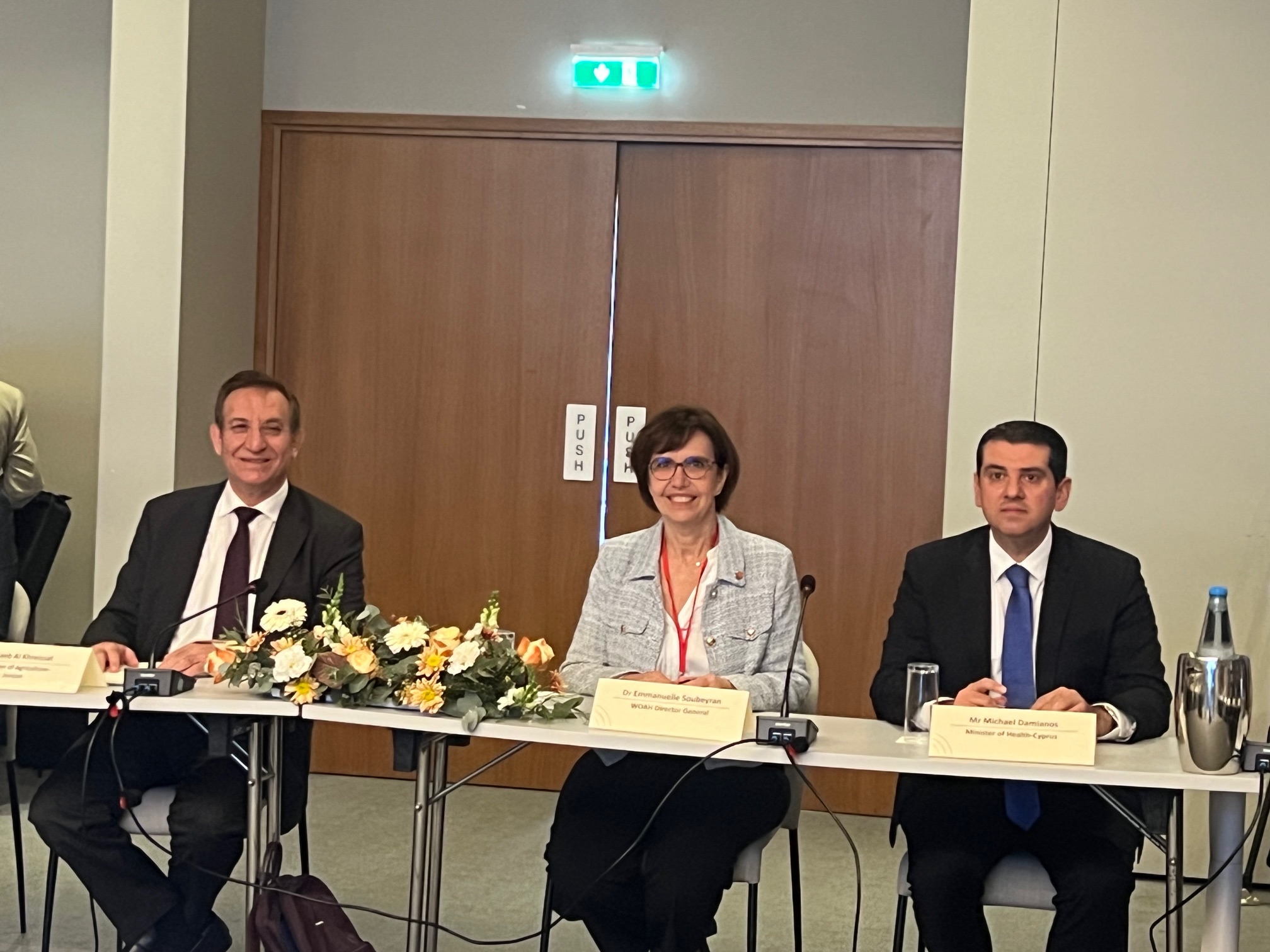
    Animal health is crucial for public health and food safety, emphasised Health Minister Michael Damianos at the 18th conference of the Middle East regional committee for the World Organisation for Animal Health (WOAH) in Larnaca. The conference, which convened on Monday and Tuesday, gathered experts, policymakers, and stakeholders committed to enhancing animal health standards across the region.

    Focus on Animal Health and Public Safety

    During his address, Damianos underscored the integral role of animal health in building resilient societies. He noted the relationship between animal well-being and food safety, highlighting that effective animal health measures are essential for ensuring the safety of food products consumed by the public. The conference aimed to address the challenges of zoonotic diseases—those transmitted between animals and humans—emphasising the need for comprehensive strategies.

    Climate Change and Animal Diseases

    Damianos also addressed the impact of climate change on animal health, noting that rising temperatures and changing weather patterns lead to the proliferation of various animal diseases. The health minister pointed out that these environmental shifts require the implementation of effective measures to manage animal populations and safeguard public health. “The distribution of animal diseases is expanding due to climate change, and we must adapt our strategies accordingly,” he stated.

    Proposed Measures for Improvement

    To combat the challenges posed by animal diseases, Damianos proposed a series of measures aimed at enhancing animal health and food safety. These include:

    • Robust Biosecurity Systems: Establishing strong biosecurity protocols to prevent disease outbreaks.
    • Early Warning Detection: Implementing systems for early detection of animal diseases.
    • Harmonised Field Surveillance: Enhancing surveillance and monitoring systems across the region.
    • Real-Time Molecular Diagnostics: Investing in advanced diagnostic technologies for quicker disease identification.
    • Risk-Based Vaccination Programmes: Developing vaccination strategies tailored to specific risks.
    • Cross-Border Information Exchange: Facilitating communication between countries to manage disease threats effectively.

    These initiatives are seen as vital for maintaining a healthy animal population and ensuring the availability of safe animal products for human consumption.

    Addressing Antimicrobial Resistance

    Damianos warned about the growing threat of antimicrobial resistance, which undermines both veterinary and human medicine. He advocated for the promotion and implementation of a national Antimicrobial Resistance action plan, stressing its importance for the effective management of this pressing issue. “Antimicrobial resistance poses a silent modern threat that we must address with urgency,” he said.

    Enhancing Veterinary Practices

    The minister also highlighted plans to bolster laboratory capacities and implement an e-prescribing platform for veterinary medicines. This initiative aims to ensure that all veterinary medications are prescribed by qualified animal health professionals, thereby improving the management of animal health and reducing the misuse of antibiotics.

    Collaboration and Shared Commitment

    Despite the complexities of the challenges ahead, Damianos expressed confidence in the collective expertise and commitment of the participants at the conference. He stated, “Although the challenges we face are complex, our collective expertise, shared values, and commitment to the principles of WOAH provide us with the necessary tools to overcome them.”

    A Regional Perspective on Animal Health

    Emmanuelle Soubeyran, the Director General of WOAH, echoed Damianos’s sentiments, highlighting the interconnectedness of animal healthcare and public health. She noted that many diseases affecting humans originate from animals, reinforcing the need for a unified approach to animal health. “Animal healthcare also concerns public health, given that many diseases can be transmitted between humans and animals,” she remarked.

    International Cooperation in Animal Health

    The conference also saw contributions from various regional leaders, including Jordanian Agriculture Minister Saeb Khreisat. Khreisat reaffirmed his commitment to improving animal healthcare and promoting safe international trade. He underscored the importance of collaboration, stating, “Diseases know no borders, and cooperation in times of need strengthens international ties.”

    As the conference continues, participants are expected to discuss further strategies and solutions to bolster animal health in the region, reflecting a strong commitment to ensuring public safety and food security across the Middle East.

  • Cyprus Aims for Water Self-Reliance by 2028 with New Desalination Units

    Cyprus Aims for Water Self-Reliance by 2028 with New Desalination Units

    Cyprus aims to achieve 100 per cent water self-reliance by 2028 through the installation of two permanent desalination units, as announced by President Nikos Christodoulides.

    • Cyprus aims to achieve 100 per cent water self-reliance by 2028 through the installation of two permanent desalination units, as announced by President Nikos Christodoulides.
    • This remark elicited a strong rebuttal from Andreas Gregoriou, the permanent secretary of the agriculture ministry, who asserted that Cyprus has “not been left without water.”

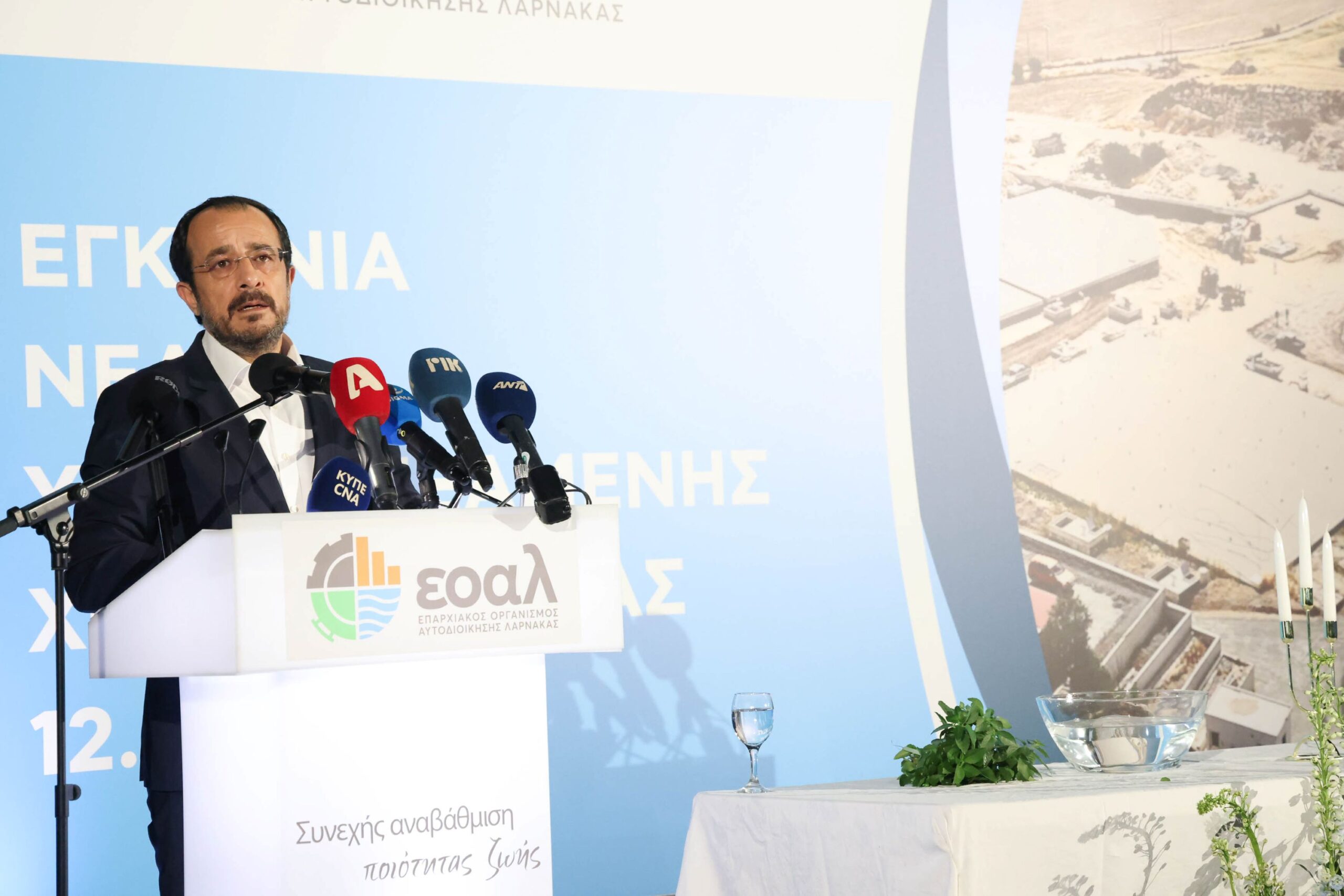
    During the inauguration of a new water reservoir in Larnaca, President Christodoulides emphasised the critical need for effective management of water resources. He stated, “The effective treatment of water scarcity and the rational management of water resources are of utmost importance and a strategic priority for the government.”

    The President pointed to concerning climate trends, noting that regional temperatures are rising at a rate potentially double that of other parts of the world. He cited a decrease of approximately 10 to 15 per cent in average annual rainfall since the mid-1990s.

    In a proactive response to these challenges, the government has decided on the establishment of three additional desalination units, with completion expected by summer 2026. These units are projected to increase the volume of water sourced from desalination facilities by 32 per cent.

    Plans are also in place to initiate studies for the implementation of two permanent desalination units powered by renewable energy by the end of 2025. Christodoulides articulated a goal to boost Cyprus’ self-sufficiency in water supply from the current 70 per cent to a full 100 per cent by 2028.

    Further emphasising the significance of infrastructure development, he mentioned the construction of additional tanks and reservoirs, similar to those recently established in Larnaca, which are deemed strategically important for the entire island.

    Christodoulides highlighted that Cyprus’s geographical position makes it particularly vulnerable to the impacts of climate change, underscoring the necessity for building water resilience in anticipation of extended and more frequent droughts.

    Projects in areas such as Polis Chrysochous and Kokkinokremmos were also referenced, illustrating their critical roles in enhancing and safeguarding the island’s water supply. Looking ahead, a total of 31 water-related projects are scheduled for completion by 2026.

    Currently, Cyprus’s dams are operating at only 11 per cent capacity, a situation that has drawn sharp criticism regarding the government’s water management strategies. In a recent heated discussion at the House agriculture committee, Disy MP Kyriacos Hadjiyianni expressed dissatisfaction with the administration’s actions, branding it a “disability government.”

    This remark elicited a strong rebuttal from Andreas Gregoriou, the permanent secretary of the agriculture ministry, who asserted that Cyprus has “not been left without water.”

  • Free tree — Free Tree Saplings Offered to Combat Climate Change in Cyprus

    Free tree — Free Tree Saplings Offered to Combat Climate Change in Cyprus

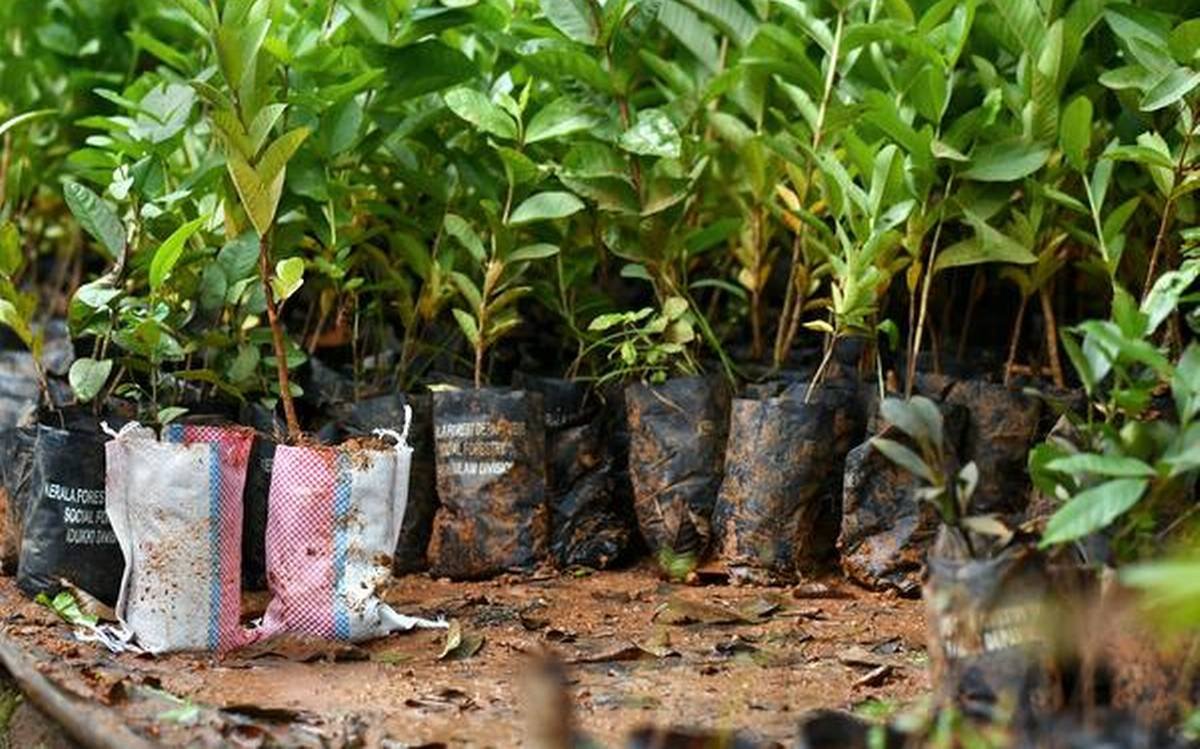
    free tree — As Cyprus intensifies its fight against climate change, the forestry department is providing free tree saplings to public bodies and residents in a significant initiative. The ‘planting for the climate’ programme aims to distribute up to 100,000 saplings, valued at €250,000, during the planting season from November to February.

    Free tree: Supporting a National Goal

    The initiative is part of a broader ambition to plant one million new trees across Cyprus by 2030. This effort aligns with a European Union commitment to plant three billion trees by the same deadline. To facilitate tracking the progress of these environmental efforts, the forestry department has established a dedicated database, monitoring activities from 2019 onwards.

    Eligibility and Application Process

    The free saplings are available to a variety of eligible applicants, including local authorities, schools, government services, churches, and organised citizen initiatives with appropriate planting sites. If the demand from these groups is insufficient, up to half of the saplings will be allocated to individual residents.

    Applications for the saplings are open from October 8 to November 7. Interested parties can submit their requests at local forestry stations, via email, or through the department’s website. Municipalities are encouraged to collaborate with local groups to enhance their chances of securing these valuable resources.

    Seedling Specifications

    In addition to smaller saplings, the programme also includes larger saplings grown in containers exceeding three litres, which may be offered free of charge. This approach aims to maximise the impact of the planting initiative by providing a range of options suitable for different planting environments.

    Community Engagement

    Through this initiative, the forestry department seeks to engage the community in environmental stewardship and promote the importance of tree planting as a tool against climate change. Residents are encouraged to participate actively, whether through individual applications or by joining organised efforts in their localities.

  • Cyprus Water Management at Breaking Point After Years of Neglect

    Cyprus Water Management at Breaking Point After Years of Neglect

    Water management: Long-Standing Issues Persist

    Cyprus’s water management is at breaking point, with many problems highlighted in a 2016 audit remaining unresolved nearly a decade later. A recent report from the Audit Office has raised alarms about the delays and inadequacies that threaten the sustainable use of the island’s water resources. As climate change intensifies and water scarcity becomes a pressing issue, the findings underscore the urgent need for reform.

    • Concerns also arise from the absence of marker buoys for underwater pipes used for brine discharge or water transport, which poses risks for passing vessels and coastal activities.

    Audit Findings Raise Serious Concerns

    The follow-up audit conducted by the Water Development Department uncovered various issues with the management of water resources. Auditor General Andreas Papaconstantinou emphasised that the situation is critical, noting, “the prolonged period of drought our country is experiencing provides an opportunity for the best possible preparation and taking of measures, for example maintenance of dams.”

    The report pointed to administrative weaknesses, project delays, dam safety challenges, significant water loss, poor aquifer conditions, and inadequacies in water quality management as ongoing failures that require immediate attention.

    Stalled Water Projects and Financial Oversight

    Out of 60 planned water projects outlined in the 15-year Water Development Plan (2016-2030), only 14 have been completed. With €767 million allocated from the state budget, the lack of adequate monitoring raises questions about the sufficiency of funding and whether additional resources are needed. The delayed submission of the River Basin Management Plan and Flood Risk Management Plan to the European Commission has also led to a reasoned opinion for violating European legislation.

    Ageing Dams and Safety Risks

    Cyprus operates 104 large dams, 56 of which are registered with the International Commission on Large Dams (ICOLD). Many of these facilities are ageing and lack comprehensive maintenance plans and safety certificates. Alarmingly, there has been no independent inspection of large dams, and not a single final certificate has been issued for private dams. Most dams have exceeded their designed lifespan without ensuring compliance with reservoir safety regulations.

    The audit highlights the absence of operation and maintenance manuals for all dams and the failure to conduct timely inspections by independent engineers. It also stresses the importance of preparing inundation maps in case of dam failure, particularly for those near populated areas such as Kouris Dam. In January 2025, a leak at Mavrokolymbos Dam, caused by pipe failure, exposed critical issues regarding accessibility and preventative maintenance.

    Environmental Concerns from Desalination Plants

    Desalination plants have been pivotal in meeting Cyprus’s water supply needs, but the report raises serious concerns about their environmental impact and the economic burden on consumers. The brine produced by these plants is discharged into the sea, affecting marine vegetation near discharge points at the Larnaca and Dhekelia plants. As of the audit date, only two plants had secured necessary waste discharge permits.

    Additionally, the corrosive properties of desalinated water have led to significant issues for pipework and household installations, including water heaters. The report suggests interventions such as enriching desalinated water with calcium or carbon dioxide to alleviate these problems.

    Concerns also arise from the absence of marker buoys for underwater pipes used for brine discharge or water transport, which poses risks for passing vessels and coastal activities.

    Critical State of Aquifers

    Cyprus’s aquifers are in critical condition, with approximately 64% classified as chemically compromised. The primary causes include nitrate pollution, salinisation, and inadequate controls, making it challenging to estimate available water quantities and undermining effective planning.

    Widespread Water Loss

    Water loss remains a significant issue, with unaccounted-for water rates in Local Water Boards reaching or exceeding 29%. Total water losses across Cyprus are estimated to exceed 200 million cubic metres annually, largely due to ageing infrastructure. Most Local Water Boards do not conduct systematic monitoring of drinking water quality, and only 26% of boreholes have designated Protection Zones.

    Need for Stronger Institutional Framework

    The Advisory Committee for Water Management meets infrequently, only once or twice a year, and has not provided substantial guidance to Local Water Boards despite suggestions for a more active role since 2016. The Audit Office calls for strengthening the institutional framework through clear strategic planning, effective resource allocation, and better coordination among authorities.

  • Can a National Climate Law Drive Change in Cyprus?

    Can a National Climate Law Drive Change in Cyprus?

    The question of whether a law can bring about change is particularly pertinent in the context of the climate crisis, which has become an undeniable reality. Its impacts are severe and far-reaching, affecting health, environment, and social structures globally.

    Photo: cyprus-mail.com

    Extreme weather events, such as prolonged droughts, heatwaves, and megafires, are now commonplace. These phenomena not only threaten biodiversity but also contribute to rising health issues, including heatstroke and respiratory problems linked to increased air pollution. The phenomenon of ‘climate refugees’ is becoming more prevalent, as communities are forced to migrate due to environmental degradation.

    National climate: A Call for Holistic Climate Action

    Cyprus, an island nation particularly vulnerable to climate change, stands at a crossroads. To effectively combat the climate crisis, it requires a comprehensive strategy that transcends fragmented efforts. A National Climate Law is proposed as a vital tool to establish long-term commitments and actions towards climate neutrality.

    Learning from Europe’s Example

    In Europe, 22 countries have successfully enacted similar laws, leading to measurable reductions in greenhouse gas (GHG) emissions. These regulations not only foster participation from the scientific community and citizens but also ensure rigorous monitoring of progress. The existence of such legal frameworks sends a powerful message to governments, reinforcing accountability and responsibility.

    Even if a law does not yield immediate results, its mere presence is symbolic. For Cyprus, a National Climate Law would signal a serious commitment to tackling the climate crisis, transforming intentions into actions.

    Climate Change: Not Just Another Concern

    Some argue that climate change is overshadowed by other pressing issues like wars, economic instability, and social inequality. However, the interconnectivity of these challenges reveals that climate change exacerbates all these problems. Economic systems are disrupted by extreme weather, while public health is strained by the effects of climate-related events.

    For instance, rising temperatures and deteriorating air quality contribute to cardiorespiratory issues and increase the prevalence of diseases transmitted by vectors, such as mosquitoes. Vulnerable populations, often residing in low-energy-efficiency homes, are disproportionately affected, facing higher energy bills and greater exposure to extreme weather.

    Defining Climate Legislation

    To effectively address the climate crisis, immediate and comprehensive solutions are essential. Climate legislation can play a pivotal role in this regard. Defined by ClientEarth, such laws typically outline a roadmap for reducing GHG emissions, often with long-term targets set for 2045 or 2050. They include legally binding targets, carbon budgets, and mechanisms for monitoring progress.

    Countries that have implemented climate laws, such as the United Kingdom, have seen significant advancements in transitioning to low-carbon electricity generation. The UK’s commitment to climate legislation resulted in a jump in low-carbon electricity generation from 20% in 2008 to 45% in 2016.

    Why Cyprus Needs Its Own Law

    While the European Climate Law mandates all Member States to achieve climate neutrality by 2050 and cut GHG emissions by 55% by 2030, it focuses primarily on EU-level commitments. A national climate law tailored to Cyprus’s unique circumstances can establish specific targets and measures that are crucial for local action.

    Current EU regulations allow Cyprus to set less ambitious goals, particularly in sectors that contribute significantly to pollution. Without binding national targets, the country’s policies may remain insufficient in addressing the urgent need for climate action.

    Evaluating Cyprus’ Current Efforts

    Despite existing frameworks, Cyprus has struggled to meet its GHG reduction targets as outlined in its National Energy and Climate Plan (NECP). Official data reveals that GHG emissions in 2023 are higher than in 2021, reflecting a concerning trend. Many proposed policies remain unimplemented or are delayed, with examples such as Sustainable Urban Mobility Plans failing to alter reliance on cars.

    The Potential Impact of Legislation

    The effectiveness of a National Climate Law in Cyprus remains a complex issue. While it cannot single-handedly resolve the climate crisis, it can significantly contribute to meaningful climate action if designed and executed effectively. The urgency of the climate crisis demands that we embrace all available tools, including legislation, to mitigate its impacts.

    As the climate crisis continues to unfold, the questions we face are no longer about whether it will affect us, but rather how severely it will shape our future. The introduction of a National Climate Law could be a critical step towards a more sustainable and resilient Cyprus.

  • Cyprus MEPs Express Disappointment Over EU’s Wildfire Response

    Cyprus MEPs Express Disappointment Over EU’s Wildfire Response

    Cyprus MEPs have voiced their frustration, feeling ‘abandoned’ by the EU following the devastating wildfire in Limassol that resulted in two fatalities in July.

    • Cyprus MEPs have voiced their frustration, feeling ‘abandoned’ by the EU following the devastating wildfire in Limassol that resulted in two fatalities in July.
    • Despite expressing gratitude for any assistance received, Panayiotou emphasised that it was insufficient, stating, “You were not in Cyprus when we needed you the most, and this needs to change.”

    During a session in Strasbourg, Cypriot representatives called for enhanced support from the European Union to combat future wildfires. Akel’s Giorgos Georgiou was the first to address the chamber, criticising European Commissioner for Crisis Management, Hadjia Lahbib, for her speech. He highlighted the inadequate response to the wildfires, stating, “I heard you use the word ‘shall’ 10 times and the word ‘must’ 20 times in your speech.”

    Georgiou pointed out that Cyprus led Europe in the proportion of territory burned over the past decade, with 104 square kilometres lost. This, he claimed, underscored the need for urgent EU assistance, particularly regarding the two firefighting planes requested from Spain that had yet to arrive after three months.

    While acknowledging the Cypriot government’s significant responsibility for the wildfires, Georgiou noted that no ministers had resigned in response to the disaster. He contended that the EU also bore blame, stating, “Since 2016, we, the Left group, have been calling for a European air firefighting base to be established in Cyprus. You are outrageously ignoring us.”

    Geadi Geadi of Elam echoed these sentiments, critiquing the rescEU mechanism, which he argued had left countries like Cyprus vulnerable. He proposed the establishment of a robust pan-European fire brigade and stricter penalties for arsonists, alongside increased funding for wildfire victims.

    In a pointed exchange, French MEP Gregory Allione questioned Geadi’s call for more funding for a mechanism he deemed ineffective, prompting Geadi to clarify that his experience at the Limassol fire scene revealed substantial gaps in the current system.

    Independent MEP Fidias Panayiotou added to the criticism, stating, “The European Union did almost nothing to help us,” noting that assistance from non-EU countries such as Jordan and Israel had been more forthcoming than aid from EU member states. He lamented, “This is not a good look for the European Union, and us Cypriots feel abandoned by the EU.”

    Despite expressing gratitude for any assistance received, Panayiotou emphasised that it was insufficient, stating, “You were not in Cyprus when we needed you the most, and this needs to change.”

    Disy’s Michalis Hadjipantela concluded the Cypriot addresses by stressing the ongoing impact of climate change on the island. He asserted that the EU must go beyond mere sympathy, advocating for tangible actions to fortify the rescEU mechanism and better prepare for future incidents. Earlier in the summer, he had called for the EU to station firefighting aircraft in Cyprus.