Tag: drought

  • Drought — Drought Threatens Cyprus’ Ancient Forests, Officials Warn

    Drought — Drought Threatens Cyprus’ Ancient Forests, Officials Warn

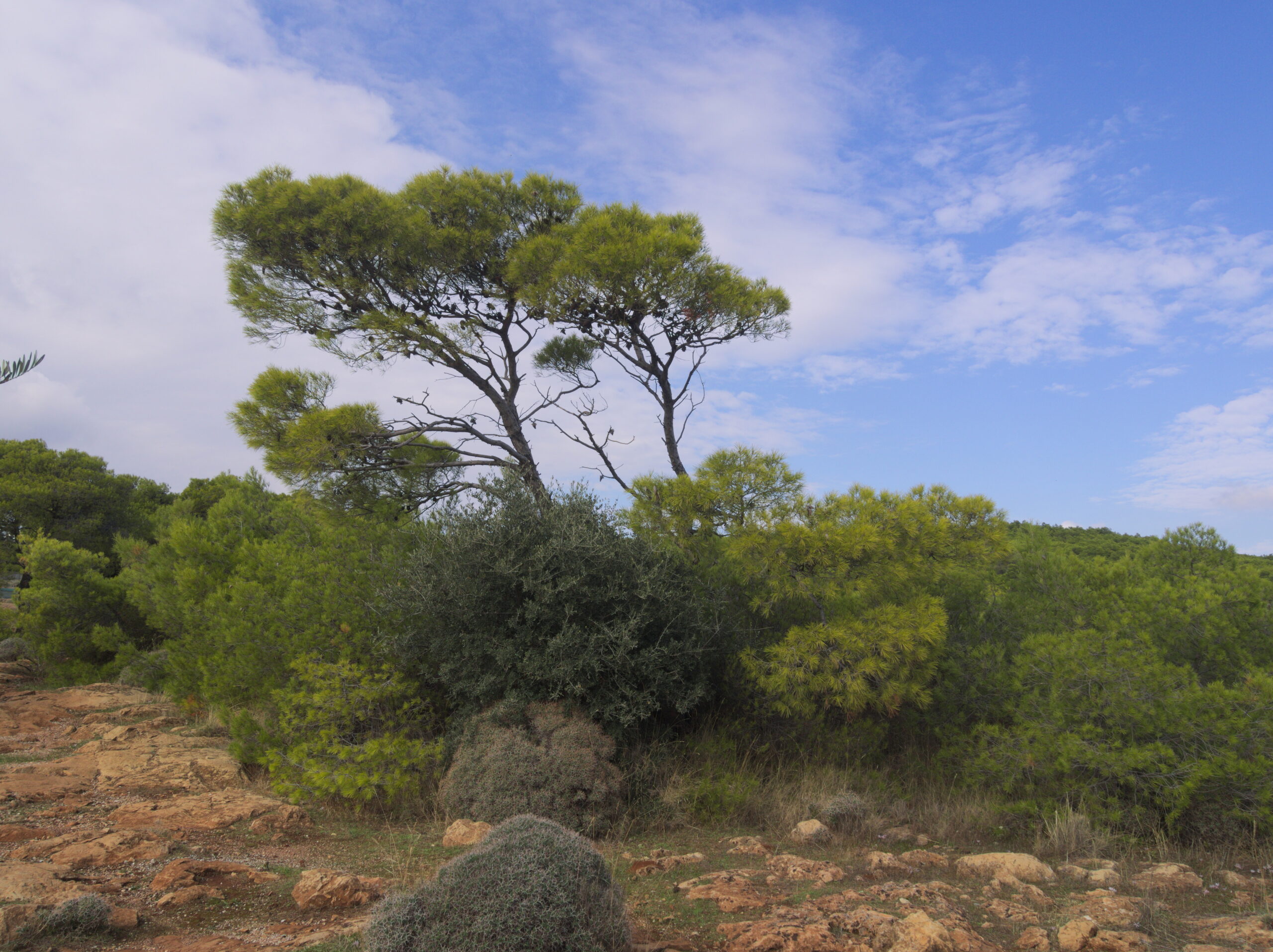
    Drought has severely damaged Cyprus’ forests, with 40 per cent of the trees in the cedar valley having already dried up, according to forestry department director, Savvas Ezekiel. Addressing the crisis on CyBC radio, he described the situation as unprecedented, raising alarms about the island’s oldest forests.

    The forestry department’s assessments reveal that mature cedars and pines are succumbing after consecutive years of minimal rainfall. While young saplings can collapse within weeks without adequate water, larger trees, although initially more resilient, begin to weaken after several dry years.

    Implications of Continued Drought

    Ezekiel warned that if Cyprus endures another dry winter, “we will lose many centuries-old trees,” a fate that could extend to forests across the island. The current drought is notable, as it marks a severity not seen since 2008.

    Areas of Concern

    Significant losses have been documented in regions such as Kakomalis and Machairas, where species like the Turkish pine (Pinus brutia) and the endemic golden oak (Quercus alnifolia) are drying at alarming rates. In the Akamas region, Jerusalem pine trees (Pinus halepensis) are also showing signs of distress, particularly deeper within the forest, although the more humid coastal edges remain relatively unaffected.

    In contrast, the high-altitude black pine (Pinus nigra) in Troodos is stable for now, benefiting from cooler temperatures and moisture, while the forests of Cape Greco are holding up due to their coastal microclimate.

    Impact on Wildlife and Fire Risk

    The drought has repercussions beyond tree mortality. Ezekiel highlighted that natural springs have been adversely affected, leading to reduced river flows and diminishing water access for birds and other wildlife. This situation raises significant concerns regarding fire risk, as the accumulation of dry biomass across forested areas creates an environment ripe for wildfires. Ezekiel stated that with everything so dry, “there is nowhere for a fire to stop.”

    Mitigation Efforts and Community Support

    In an effort to manage the growing fire risk and support mountain communities, the forestry department plans to issue a circular next week that increases the annual firewood allowances. Families in high-altitude areas will see their quota rise from 10 to 12 cubic metres, while those in lower-altitude regions will increase from 4 to 5 cubic metres.

    Scientific Perspective on Tree Mortality

    Former Green Party leader, Charalambos Theopemptou, noted that the drying of olives, carobs, and pines aligns with scientific data indicating that repeated drought is a leading cause of mass tree mortality in ecosystems. The situation is further compounded by the comments from Water Development Department (WDD) official, Giorgos Kazantzis, who emphasised that Cyprus cannot easily replenish its natural water sources and must continue to depend on dams and desalination.

    Kazantzis also pointed out that the potential for artificial rain through cloud seeding technology remains limited in Cyprus due to challenges in directing clouds and the associated risks of hail or flooding.
  • Cloud Seeding Considered as Cyprus Faces Water Crisis

    Cloud Seeding Considered as Cyprus Faces Water Crisis

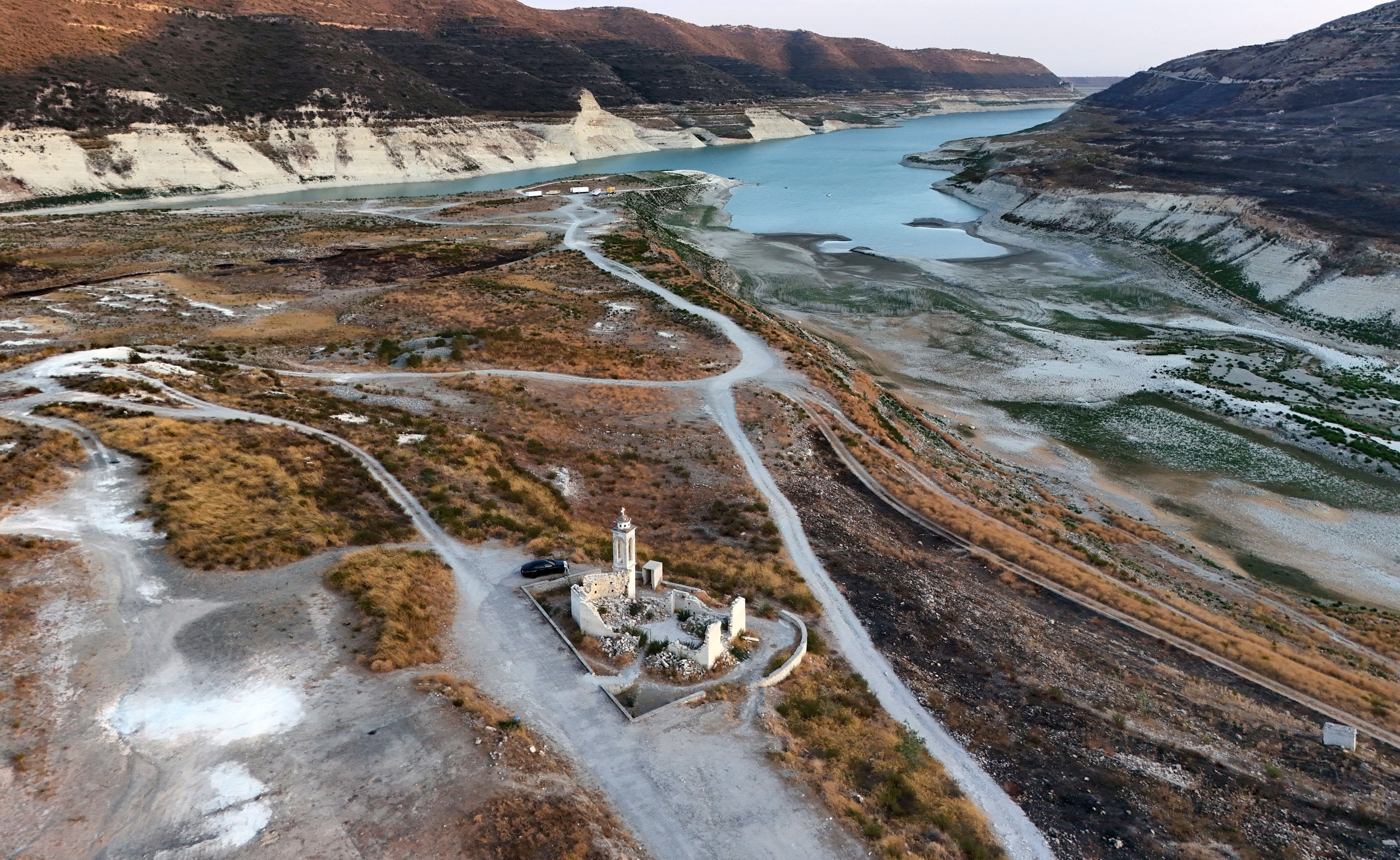
    Cloud seeding is being examined as a potential solution to alleviate water scarcity in Cyprus, which is bracing for a fourth consecutive winter of drought. The agriculture ministry has acknowledged the dire situation, with the island’s dams currently holding only 11 per cent of their capacity, raising urgent concerns about the future of water supply.

    Photo: cyprus-mail.com

    Urgent Call for Action

    Kleanthis Nicolaides, the former head of the meteorology department, has been vocal in advocating for cloud seeding as an alternative to manage the escalating water crisis. He has highlighted the alarming lack of rainfall this October, which has left the dams critically low and prompted discussions about the potential of weather modification technologies.

    Photo: cyprus-mail.com

    Assessing the Current Drought Situation

    The gravity of the drought was underscored by Nicolaides, who suggested that official figures may misrepresent the true condition of the reservoirs, stating that sediment accumulation in the dams is likely leading to inaccurate capacity measurements. “The situation is worse than what the official data shows,” he remarked, reinforcing the need for immediate action.

    Exploring Cloud Seeding

    Cloud seeding involves dispersing substances into the atmosphere that can act as cloud condensation or ice nuclei. Common agents include silver iodide and potassium iodide, with hygroscopic materials like table salt gaining attention for their moisture-attracting properties. While the technology has shown promise, its effectiveness remains a topic of debate.

    Nicolaides acknowledged that while cloud seeding is not a silver bullet, it warrants exploration given the severe circumstances. “In these desperate times, the government should explore the option,” he stated. He also described the operational aspects of cloud seeding, which may require aircraft equipped with specialized equipment to disperse the substances effectively.

    Potential Costs and Agricultural Impact

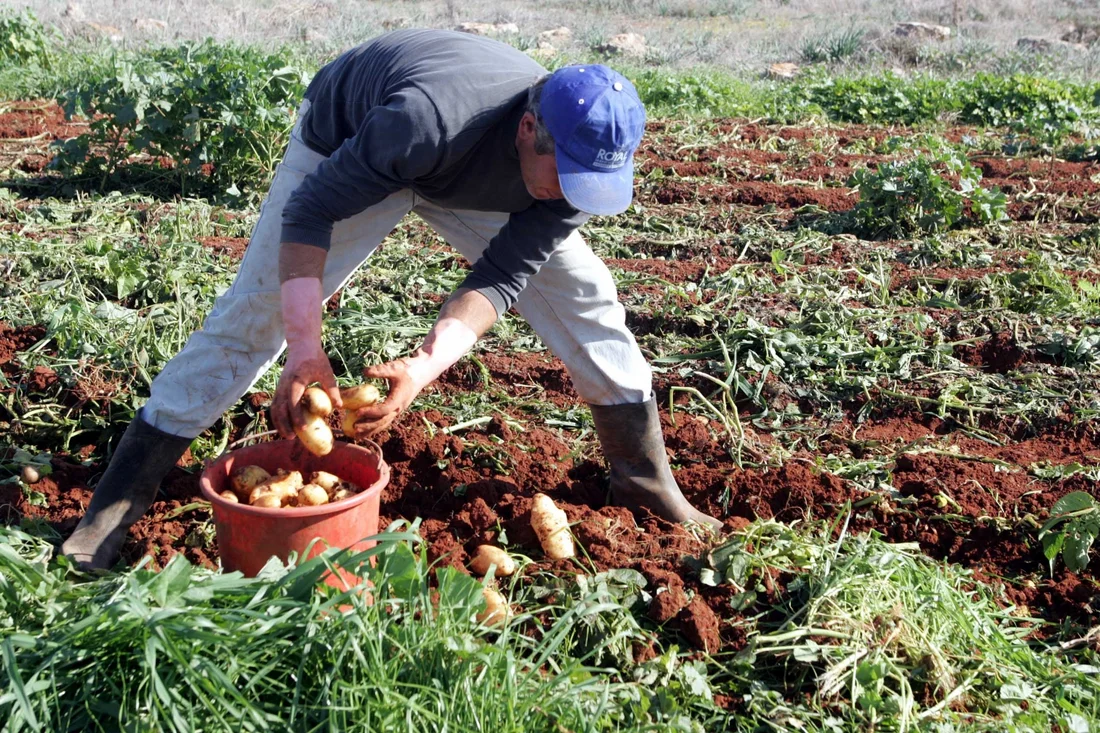
    The agricultural sector is already feeling the pressure, with the Water Development Department advising farmers to refrain from planting seasonal crops. This has resulted in reduced availability of staple items like lettuce and potatoes, leading to anticipated price increases. “Lack of water means agricultural products will go up in price,” Nicolaides warned, highlighting the broader economic implications of water scarcity.

    Historical Context of Cloud Seeding in Cyprus

    Reflecting on past efforts, Nicolaides recalled that Cyprus had previously experimented with cloud seeding during a drought in the early 1970s. However, the results of those initiatives were never fully assessed due to the outbreak of war in 1974. “This was done over a period of a couple of years, but the results were never properly evaluated,” he noted.

    Government Considerations

    The government has been exploring the feasibility of cloud seeding, with the meteorology department confirming that it is closely monitoring international developments in weather modification technologies. Philippos Tymvios, the current director of the meteorology department, stated that proposals for cloud seeding have been submitted by at least two private companies. “All proposals are being reviewed carefully, with the guidance of independent scientific experts,” he added.

    While there is no operational cloud seeding programme currently in place, Tymvios indicated that the government is considering all scientifically credible options to address the long-term water scarcity affecting Cyprus. “Any future initiative would be based on robust scientific evidence and full alignment with public interest safeguards,” he assured.

    Challenges and Future Directions

    Despite the interest in cloud seeding, there are significant challenges to its implementation. A study by the United States National Academy of Sciences has cast doubt on the effectiveness of cloud seeding, failing to find statistically significant evidence to support its impact on precipitation. Similarly, a 2010 study from Tel Aviv University indicated that traditional cloud seeding materials may have little effect on rainfall amounts.

    As the debate continues, Nicolaides emphasised the need for a comprehensive cost-benefit analysis to evaluate potential methods for enhancing rainfall. He noted that with the dams nearly empty, Cyprus increasingly relies on desalination and boreholes for its water supply, which further complicates the issue. “Desalination is no fix-all,” he cautioned, underscoring the urgency of the situation.

    Looking Ahead

    With Cyprus facing a critical juncture in its water management strategy, the exploration of cloud seeding and other innovative solutions will be essential in tackling the ongoing drought. As the government weighs its options, the experiences of other countries that have successfully implemented weather modification technologies may provide valuable insights. The path forward will require careful consideration, transparency, and collaboration with scientific experts to ensure any initiatives align with the public’s best interests.

  • Cyprus Water Management at Breaking Point After Years of Neglect

    Cyprus Water Management at Breaking Point After Years of Neglect

    Water management: Long-Standing Issues Persist

    Cyprus’s water management is at breaking point, with many problems highlighted in a 2016 audit remaining unresolved nearly a decade later. A recent report from the Audit Office has raised alarms about the delays and inadequacies that threaten the sustainable use of the island’s water resources. As climate change intensifies and water scarcity becomes a pressing issue, the findings underscore the urgent need for reform.

    • Concerns also arise from the absence of marker buoys for underwater pipes used for brine discharge or water transport, which poses risks for passing vessels and coastal activities.

    Audit Findings Raise Serious Concerns

    The follow-up audit conducted by the Water Development Department uncovered various issues with the management of water resources. Auditor General Andreas Papaconstantinou emphasised that the situation is critical, noting, “the prolonged period of drought our country is experiencing provides an opportunity for the best possible preparation and taking of measures, for example maintenance of dams.”

    The report pointed to administrative weaknesses, project delays, dam safety challenges, significant water loss, poor aquifer conditions, and inadequacies in water quality management as ongoing failures that require immediate attention.

    Stalled Water Projects and Financial Oversight

    Out of 60 planned water projects outlined in the 15-year Water Development Plan (2016-2030), only 14 have been completed. With €767 million allocated from the state budget, the lack of adequate monitoring raises questions about the sufficiency of funding and whether additional resources are needed. The delayed submission of the River Basin Management Plan and Flood Risk Management Plan to the European Commission has also led to a reasoned opinion for violating European legislation.

    Ageing Dams and Safety Risks

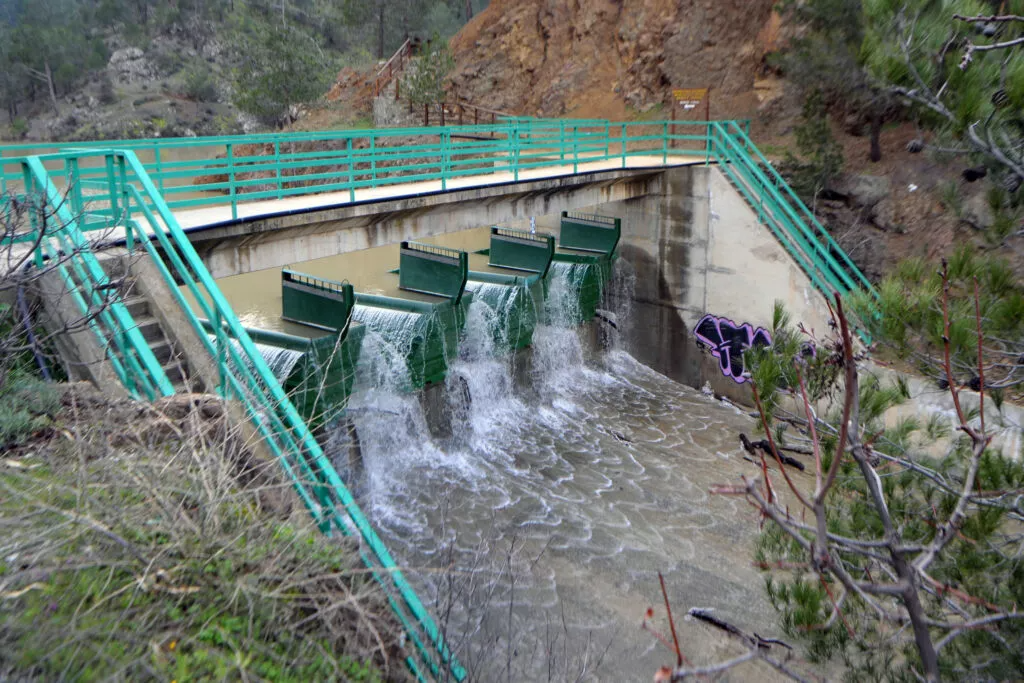
    Cyprus operates 104 large dams, 56 of which are registered with the International Commission on Large Dams (ICOLD). Many of these facilities are ageing and lack comprehensive maintenance plans and safety certificates. Alarmingly, there has been no independent inspection of large dams, and not a single final certificate has been issued for private dams. Most dams have exceeded their designed lifespan without ensuring compliance with reservoir safety regulations.

    The audit highlights the absence of operation and maintenance manuals for all dams and the failure to conduct timely inspections by independent engineers. It also stresses the importance of preparing inundation maps in case of dam failure, particularly for those near populated areas such as Kouris Dam. In January 2025, a leak at Mavrokolymbos Dam, caused by pipe failure, exposed critical issues regarding accessibility and preventative maintenance.

    Environmental Concerns from Desalination Plants

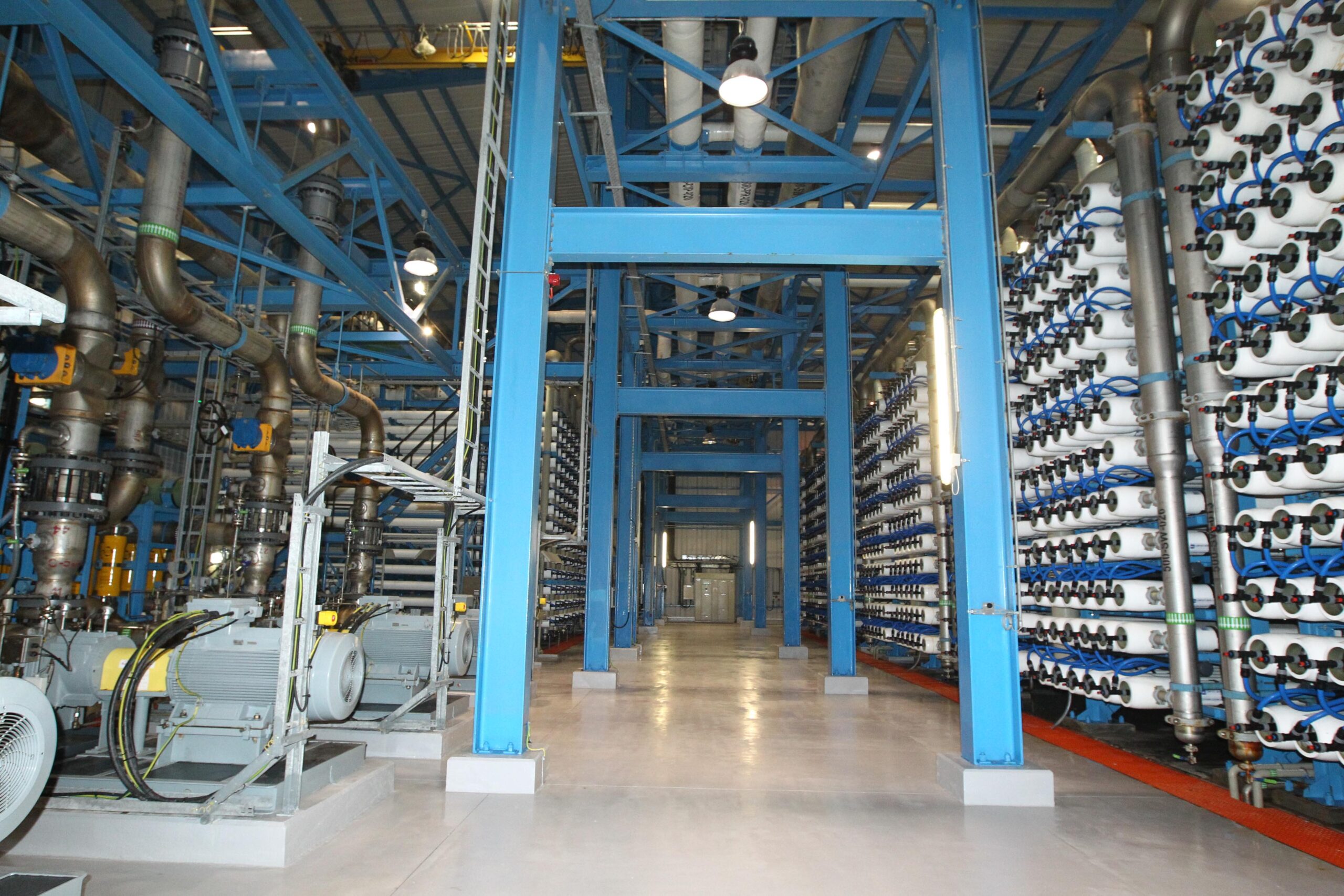
    Desalination plants have been pivotal in meeting Cyprus’s water supply needs, but the report raises serious concerns about their environmental impact and the economic burden on consumers. The brine produced by these plants is discharged into the sea, affecting marine vegetation near discharge points at the Larnaca and Dhekelia plants. As of the audit date, only two plants had secured necessary waste discharge permits.

    Additionally, the corrosive properties of desalinated water have led to significant issues for pipework and household installations, including water heaters. The report suggests interventions such as enriching desalinated water with calcium or carbon dioxide to alleviate these problems.

    Concerns also arise from the absence of marker buoys for underwater pipes used for brine discharge or water transport, which poses risks for passing vessels and coastal activities.

    Critical State of Aquifers

    Cyprus’s aquifers are in critical condition, with approximately 64% classified as chemically compromised. The primary causes include nitrate pollution, salinisation, and inadequate controls, making it challenging to estimate available water quantities and undermining effective planning.

    Widespread Water Loss

    Water loss remains a significant issue, with unaccounted-for water rates in Local Water Boards reaching or exceeding 29%. Total water losses across Cyprus are estimated to exceed 200 million cubic metres annually, largely due to ageing infrastructure. Most Local Water Boards do not conduct systematic monitoring of drinking water quality, and only 26% of boreholes have designated Protection Zones.

    Need for Stronger Institutional Framework

    The Advisory Committee for Water Management meets infrequently, only once or twice a year, and has not provided substantial guidance to Local Water Boards despite suggestions for a more active role since 2016. The Audit Office calls for strengthening the institutional framework through clear strategic planning, effective resource allocation, and better coordination among authorities.

  • Daily Reprocessing of Desalinated Water Due to Pipeline Shortages

    Daily Reprocessing of Desalinated Water Due to Pipeline Shortages

    Every day, 60,000 cubic metres of desalinated water are re-processed instead of reaching the general water supply, according to Akis Kikas from the Audit Office. This revelation was shared during a meeting with MPs on Thursday, highlighting significant inefficiencies in Cyprus’s water management.

    At the facilities of the Electricity Authority of Cyprus in Vasiliko, the desalination process generates a substantial amount of water. However, due to inadequate pipeline infrastructure, this water is diverted to the southern conveyor, the island’s largest water development initiative.

    The southern conveyor is designed to collect excess water from the southwest of Cyprus, transferring it to regions in need for irrigation and domestic use. Unfortunately, this diversion leads to the desalinated water mixing with dirt, necessitating further cleaning at a refinery in Tersefanou. As a result, consumers end up paying twice for the same water.

    Kikas noted that this has been an ongoing practice for the past decade, although he clarified that only a small percentage of the total desalinated water is affected by the pipeline issues. The Audit Office is currently preparing a report on the management of the island’s water resources, with publication expected by the end of the month.

    During the same meeting, Kikas raised concerns about 15 privately-owned dams that fail to meet legal safety standards. Among the most hazardous are the dams at Tamasos, Yermasoyia, and Polemidia. The House audit committee gathered to address the maintenance of these dams, with MPs expressing alarm over the shortage of qualified engineers available for necessary repairs.

    Adding to the urgency of the situation, parliamentarians pointed out the critically low water levels in the dams amid ongoing drought conditions. The Kouris dam, the largest on the island, is currently at just 12 per cent of its capacity, while Asprokremmos and Evretou dams sit at 11.5 per cent and 14 per cent, respectively.

  • Kouklia desalination — Kouklia Desalination Plant Set to Resume Operations in September

    Kouklia desalination — Kouklia Desalination Plant Set to Resume Operations in September

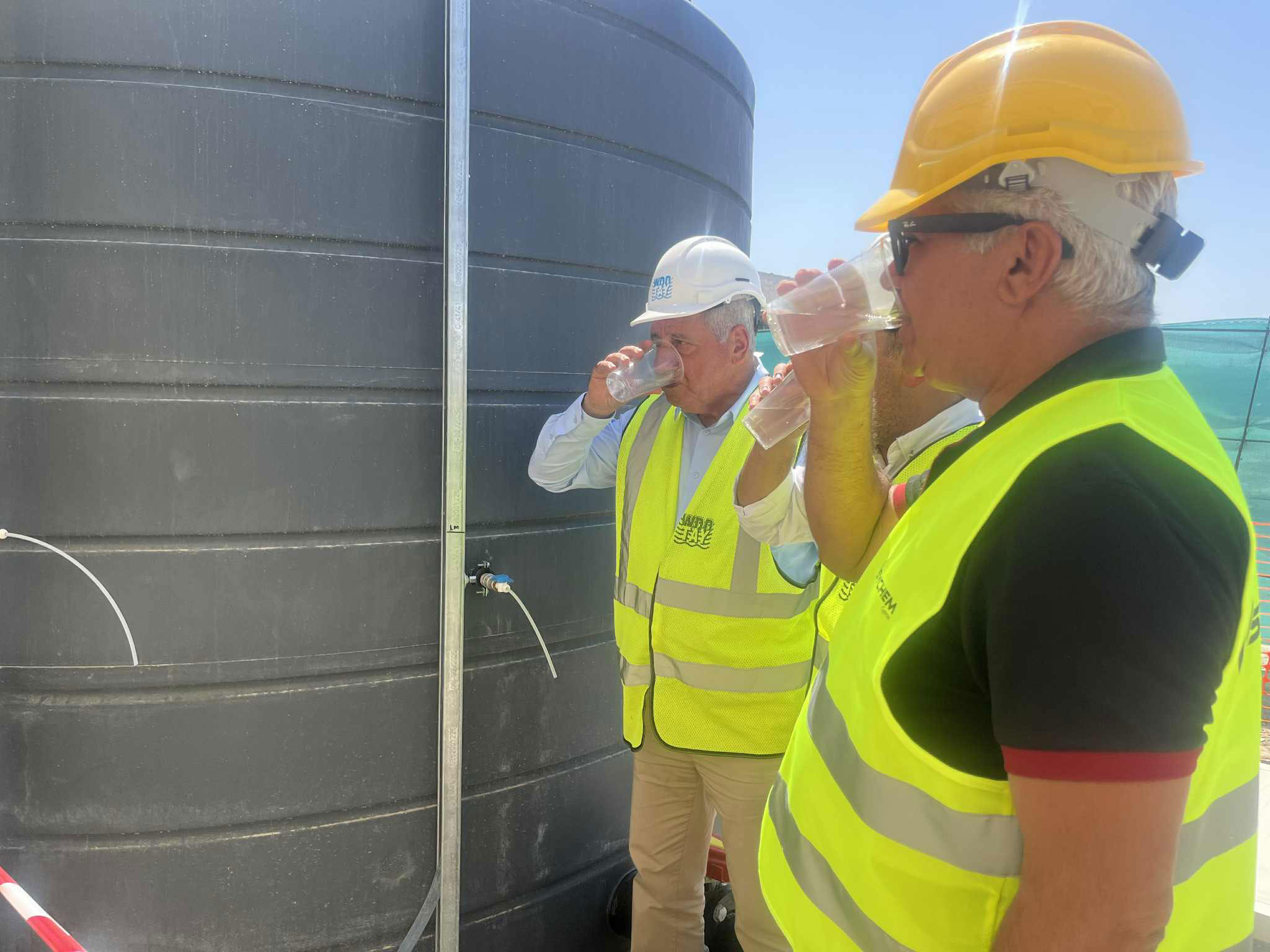
    The Kouklia desalination plant, which was devastated by a fire last December, is anticipated to resume operations by September 20, according to Paphos district governor Charalambos Pittokopitis.

    • The Kouklia desalination plant, which was devastated by a fire last December, is anticipated to resume operations by September 20, according to Paphos district governor Charalambos Pittokopitis.

    In June, permanent secretary of the agriculture ministry, Andreas Gregoriou, had optimistically projected that the plant would be operational by August. However, recent updates indicate a slight delay, with operations now expected to begin later in September.

    Kouklia desalination: Impact of Drought on Water Supply

    Pittokopitis highlighted the ongoing challenges posed by a prolonged drought and the destruction of the Kouklia plant. These issues have made it difficult to ensure a steady water supply for residents of Paphos and the surrounding district. “The prolonged drought of the past years and the destruction of Paphos’ desalination plant in Kouklia last December continue to create quite a few difficulties in our efforts to secure the continuous supply of water to consumers in the city and district of Paphos,” he stated.

    Additional Desalination Efforts

    As part of the broader strategy to tackle water shortages, the Potima desalination plant is also set to begin operations in September. This facility has the capacity to produce 5,000 cubic metres of water per day, with plans to double its output in October. Pittokopitis noted that Paphos has already begun receiving water from a mobile unit installed at Potima, providing 1,000 cubic metres daily. A second mobile unit is expected to be operational shortly.

    Future Water Supply Projections

    By October, the water supply from the Kouklia desalination plant is projected to reach 15,000 cubic metres daily, supplemented by an additional 12,000 cubic metres from Potima’s larger unit and two smaller units. Currently, the Asprokremmos water distillation plant serves as the main water source for lower Paphos, with a capacity of 30,000 cubic metres per day. However, this figure is set to decrease to 15,000 cubic metres in October as reserves at the Asprokremmos dam dwindle to approximately 8 million cubic metres.

    Community Awareness and Conservation

    Pittokopitis expressed cautious optimism regarding the water situation but emphasised the need for responsible usage. He urged residents to be mindful of their water consumption, stating, “We must all be very careful and frugal when it comes to using water, because even the last drop is useful.” The assurances from the water development department suggest that current reserves should suffice until the desalination units are fully operational and the winter rains arrive.

    The combination of the Kouklia and Potima plants is a crucial step in alleviating the water supply crisis in Paphos, as officials and residents alike anticipate a return to normalcy in water availability as the summer months draw to a close.