Tag: human rights

  • Equality framework — Cyprus University of Technology Unveils Ambitious Equality Framework for 2025-2028

    Equality framework — Cyprus University of Technology Unveils Ambitious Equality Framework for 2025-2028

    equality framework — equality framework — Cyprus University of Technology is setting a new standard for equity with its comprehensive 2025-2028 Equality and Accessibility Plan. This initiative builds on years of policies designed to foster a safe and inclusive academic and work environment, underscoring the university’s commitment to equality, inclusion, and respect for diversity.

    The new plan aims to create a culture of acceptance and support within the university community by integrating principles of equality and inclusion into every aspect of university life, from education to administration. Officer Constantia Kousoulou highlighted that these principles are not seen as isolated measures but as essential values that underpin the institution’s strategic goals.

    The previous 2020-2024 Equality Plan laid the groundwork for this new initiative, focusing on creating a more inclusive environment. This was further enhanced by the Equal Access Plan for People with Disabilities and Special Educational Needs. Following a thorough review and engagement with the university community, the latest plan consolidates the goals of these earlier frameworks.

    Equality framework: Five Pillars of Progress

    The 2025-2028 Equality and Accessibility Plan is structured around five key pillars:

    • Fostering an organisational culture of equality and inclusion.
    • Providing access and support for individuals with disabilities and special educational needs.
    • Ensuring equal support for professional career development.
    • Incorporating gender perspectives and accessibility into funding, research, and teaching.
    • Implementing a zero-tolerance policy for bullying, discrimination, harassment, and gender-based violence.

    To facilitate the implementation of these policies, CUT has established the University Equality Committee, which operates at the Senate level, alongside the Diversity and Inclusion Office. This office is instrumental in coordinating training and awareness initiatives aimed at the university community.

    Collaborative Efforts Across Europe

    In addition to its internal initiatives, CUT is a member of the European University of Technology (EUt+) alliance, collaborating with eight other European institutions through the Equality, Diversity & Inclusion (EDI) Office. This partnership fosters the exchange of best practices and the execution of joint actions that enhance the equality dimension at a European scale.

    Kousoulou noted a positive shift in attitudes within the university community, particularly with the adoption of inclusive language in official communications. The university is committed to continuous improvement through training and awareness campaigns, as well as the systematic collection and analysis of gender data to support evidence-based policy planning.

    Accessibility as a Priority

    Central to CUT’s strategy is the commitment to accessibility and equal opportunities for all members of the community. This encompasses not only physical access to facilities but also participation in educational, research, and professional activities. The university is actively investing in both physical and digital infrastructure to ensure that all educational materials, electronic platforms, and administrative processes are accessible.

    To support individuals with disabilities or special educational needs, CUT provides necessary adaptations and assistive technologies, allowing for equal participation in the educational experience. The university also collaborates with specialised organisations to create an inclusive environment where all community members can thrive.

    Recognition and Future Goals

    Recently, CUT received the “Employer of Equality” award, which acknowledges its sustained efforts to promote equality and inclusion within the academic and professional spheres. This recognition not only affirms the university’s commitment to transparency and equal opportunities but also serves as a motivational tool to enhance ongoing efforts.

    Looking ahead, CUT plans to revise its Code of Practice for the prevention and handling of bullying, harassment, and sexual harassment in 2026, aiming to make it more inclusive and accessible. The university is also dedicated to addressing issues relevant to underrepresented groups and actively involving students as agents of positive change both within and outside the institution.
  • Justice Minister Commits to Reform Central Prisons Following Inmate Deaths

    Justice Minister Commits to Reform Central Prisons Following Inmate Deaths

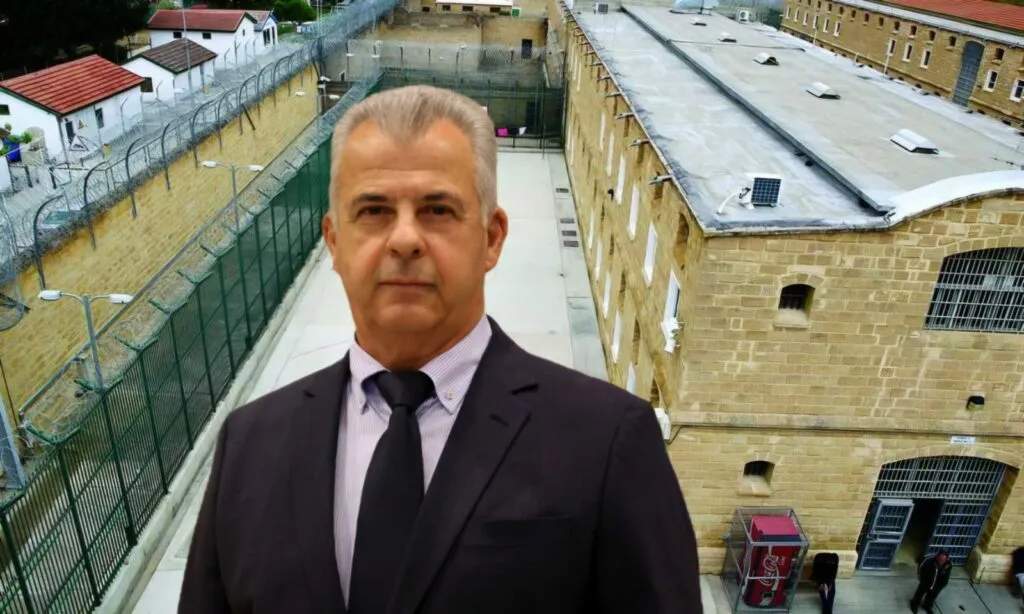
    The Justice Minister has pledged significant changes to the Central Prisons after two inmates tragically died within a week. Costas Fytiris announced a “swift, substantial and comprehensive intervention” to tackle pressing issues within the facility, emphasising the need for urgent improvements.

    This announcement came after an urgent meeting with President Nikos Christodoulides, which followed the unsettling fatalities. The Minister visited the prison to receive updates from law enforcement and prison administration regarding the initial findings of the ongoing investigation into the deaths. He has since called for a prompt completion of this inquiry to clarify the circumstances surrounding the incidents.

    At the meeting with President Christodoulides, Minister Fytiris outlined his vision for addressing the “long-standing problems” plaguing the Central Prisons. He affirmed that he now had a clear understanding of the facility’s needs and expressed his determination to implement necessary changes.

    The Ministry of Justice has identified several priorities as part of its response, focusing on immediate, medium-term, and long-term measures. These initiatives revolve around three main axes:

    • Decongestion of the Central Prisons.
    • Improvement of inmate living conditions.
    • Upgrading surveillance and control measures to prevent delinquent behaviour.

    The Ministry highlighted that these actions are crucial to ensuring the prison operates in accordance with the rule of law and adheres to national and international human rights standards for all detainees and staff. Discussions also addressed the pressing issue of appointing a permanent director for the Central Prisons, a position that has remained vacant.

    The recent deaths have brought renewed scrutiny to the Nicosia Central Prisons, which have long been under fire for their conditions. Reports from the Council of Europe’s Committee for the Prevention of Torture (CPT) have classified the environment as one that constitutes inhuman and degrading treatment. The CPT’s visits in 2023 and 2025 confirmed that the facility is significantly overcrowded, with many inmates confined to spaces of less than 6m² and often forced to sleep on the floor.

    This overcrowding crisis is compounded by chronic understaffing, undermining essential safety and security protocols and resulting in heightened levels of violence among inmates. The volatile conditions have been linked to inadequate support for vulnerable prisoners and a significant risk of suicide.

    Moreover, the CPT has condemned the ongoing practice of holding minors in unsanitary conditions lacking basic services, urging authorities to immediately transfer all children and young adults to appropriate facilities.

  • Horizon programme — Protesters Demand Israel’s Expulsion from EU Horizon Programme

    Horizon programme — Protesters Demand Israel’s Expulsion from EU Horizon Programme

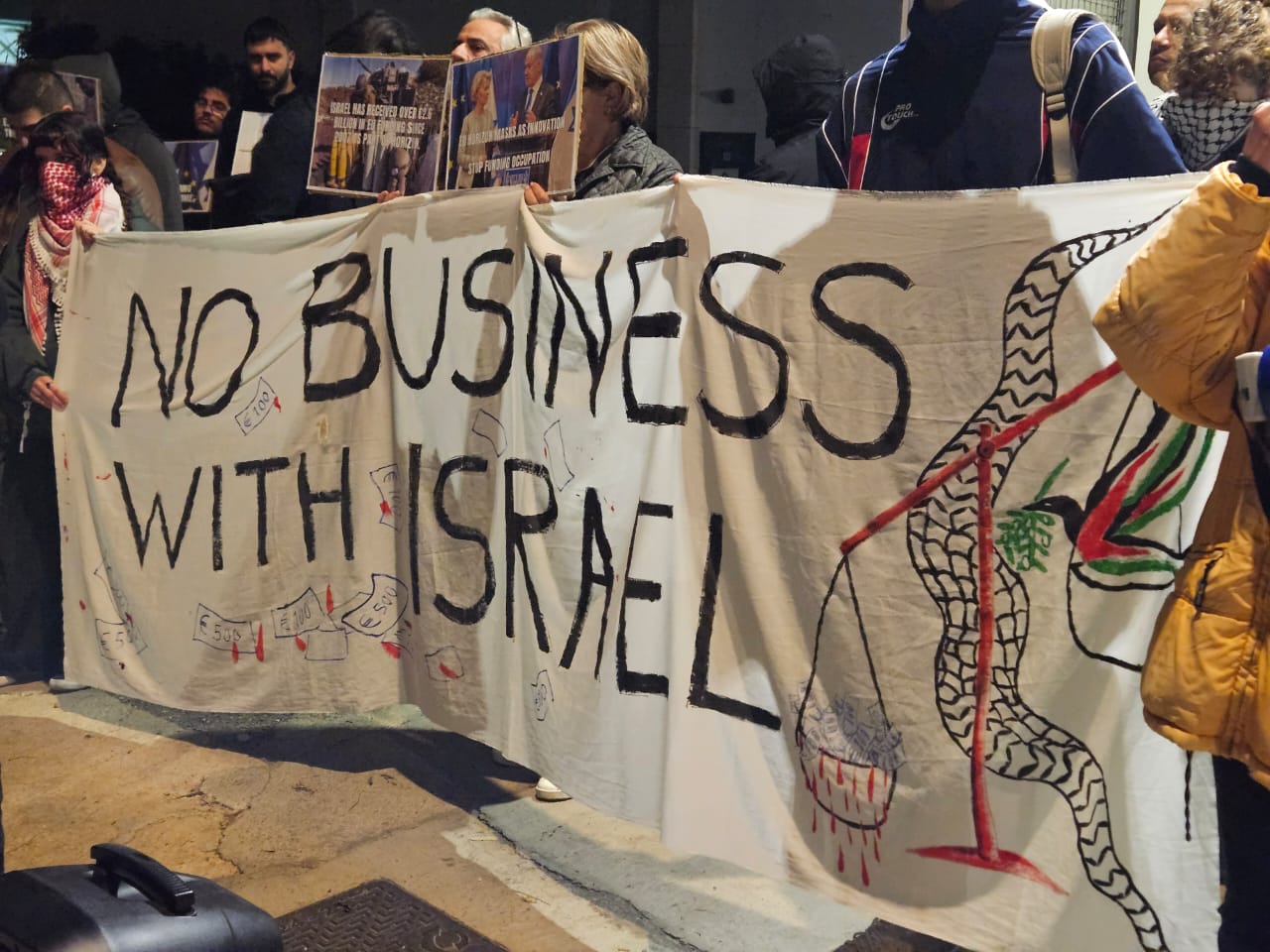
    Protesters are calling for Israel’s expulsion from the EU’s Horizon Programme during demonstrations across Europe, including a gathering in Nicosia, Cyprus. On Friday evening, around 30 to 40 activists braved the cold outside the EU Commission building, joining a wider campaign that spanned over 20 cities.

    Photo: cyprus-mail.com

    The Horizon Programme, a €95 billion initiative aimed at funding research and innovation, has been a focal point of criticism. Activists argue that Israel, with its privileged status allowing participation equivalent to that of EU member states, has been the recipient of substantial funding since 2014, totalling around €300 million annually.

    Photo: cyprus-mail.com

    One activist voiced concerns about the implications of this funding, stating, “€3 billion of EU funding going directly to a genocidal state.” The speaker condemned specific projects funded by Horizon, highlighting connections to Israeli aerospace industries and military technologies, including drones and interrogation techniques purportedly linked to human rights violations.

    As temperatures dropped, the protesters raised their voices against what they termed the EU’s hypocrisy. Chants like “EU Horizon, you can’t hide, we charge you with genocide!” echoed in the evening air. The gathering also served as a poignant reminder of the humanitarian crisis in Gaza, with one speaker noting the tragic deaths of three children due to the cold weather, underscoring the severity of the situation.

    The activists expressed frustration over the European Commission’s handling of Israel’s participation in the programme. They pointed out that since October 7, discussions of a suspension have been minimal, with proposals suggesting only a partial reduction in collaboration. This, they argue, falls short of the decisive action taken against Russia in April 2022, when the European Commission suspended its involvement in Horizon entirely.

    With calls for accountability and action resonating through the crowd, the protests in Nicosia reflect a growing sentiment among students and researchers in Europe. As the campaign unfolds, it seeks to challenge existing partnerships and highlight the ethical considerations surrounding funding in light of ongoing conflicts.

  • Assistance dogs — Cyprus Takes Steps to Ensure Legal Rights for Assistance Dogs

    Assistance dogs — Cyprus Takes Steps to Ensure Legal Rights for Assistance Dogs

    Cyprus is moving to guarantee the legal right for people with disabilities to use assistance dogs, addressing a significant gap in legislation that has left just three certified dogs in the country.

    • Cyprus is moving to guarantee the legal right for people with disabilities to use assistance dogs, addressing a significant gap in legislation that has left just three certified dogs in the country.

    During a recent meeting of the House Human Rights Committee, MPs highlighted the urgent need for legislation after learning that training costs can soar to €50,000. This financial burden, coupled with a lack of regulatory framework, has severely limited access to assistance dogs for those who need them most.

    Assistance dogs: Legislative Action on the Horizon

    The committee convened following a motion by MP Christos Senekis, which garnered broad political and institutional support for immediate action. Senekis stressed that the right to be accompanied by an assistance dog is already recognised under the UN Convention on the Rights of Persons with Disabilities, a treaty Cyprus ratified in 2011. However, the absence of specific laws for universal access in public and private spaces has left many individuals without the help they require.

    In collaboration with organisations such as the Cyprus Confederation of Disability Organisations (KYSOA) and the Pan-Cyprian Organisation of the Blind, Senekis is drafting a bill aimed at enshrining these rights in law. He referenced Greece, which has had a regulatory framework in place since 2010, and suggested that Cyprus could link the certification process to existing laws regarding dogs and persons with disabilities.

    High Costs and Ongoing Challenges

    Committee chair Eirini Charalambidou underscored the importance of this issue, pointing out the prohibitive costs associated with certification. “It cannot be that around €10,000 is required for the certification of a guide dog,” she stated. “The state has a duty to resolve the issue with a clear legislative framework and certification process.”

    MP Charalambos Theopemptou echoed these sentiments, noting that discussions on exempting assistance dogs from ownership fees have highlighted the critical lack of certified dogs in Cyprus. He mentioned that training costs can vary significantly, with many instances reaching €50,000 at foreign schools. The lengthy training process involves both the dog and its handler and includes ongoing assessments.

    Voices from the Community

    Pelagia Englezaki, director of the School for the Blind, elaborated on the extensive training requirements for assistance dogs, emphasising the financial and temporal commitments involved. MP Alexandra Attalides remarked on the cultural barriers that persist in Cyprus, where assistance animals are not as widely accepted as in other European nations. She stressed the vital role these dogs play in the lives of many disabled individuals, serving not just as aids but as companions.

    Officials from various ministries expressed support for establishing a regulatory framework. Petros Anagiotis from the Interior Ministry indicated a positive stance towards reform, while Christakis Nicolaides, president of the Pan-Cyprian Organisation of the Blind, highlighted that the issue has been on the agenda since at least 1980. He reiterated the urgent need for a new legislative framework to facilitate certification and ensure free access for assistance dogs in public spaces.

    A Call for Action

    During the session, a representative from the Ombudsman’s Office noted the lack of recorded complaints, attributing this to the absence of a certification system. Concerns were raised about the current regulations set by the Road Transport Department, which require assistance dogs to have a muzzle and health documentation, a point that elicited strong reactions from MPs.

    Addressing the limitations on resources available for training assistance dogs, police representatives acknowledged that these challenges hinder the development of a robust support system for disabled individuals. Meanwhile, the Union of Municipalities expressed readiness to collaborate in creating a clear framework for assistance dog certification.

    At the conclusion of the meeting, Charalambidou announced that the issue would be swiftly referred to the Interior Ministry and the Justice Ministry for further action. Senekis is set to present a bill designed to ensure a comprehensive framework for assistance dogs, which includes national certification, state funding for training costs, and explicit access rights across all public and private spaces.

  • Disabled Employee Alleges Discrimination in Promotion Process

    Disabled Employee Alleges Discrimination in Promotion Process

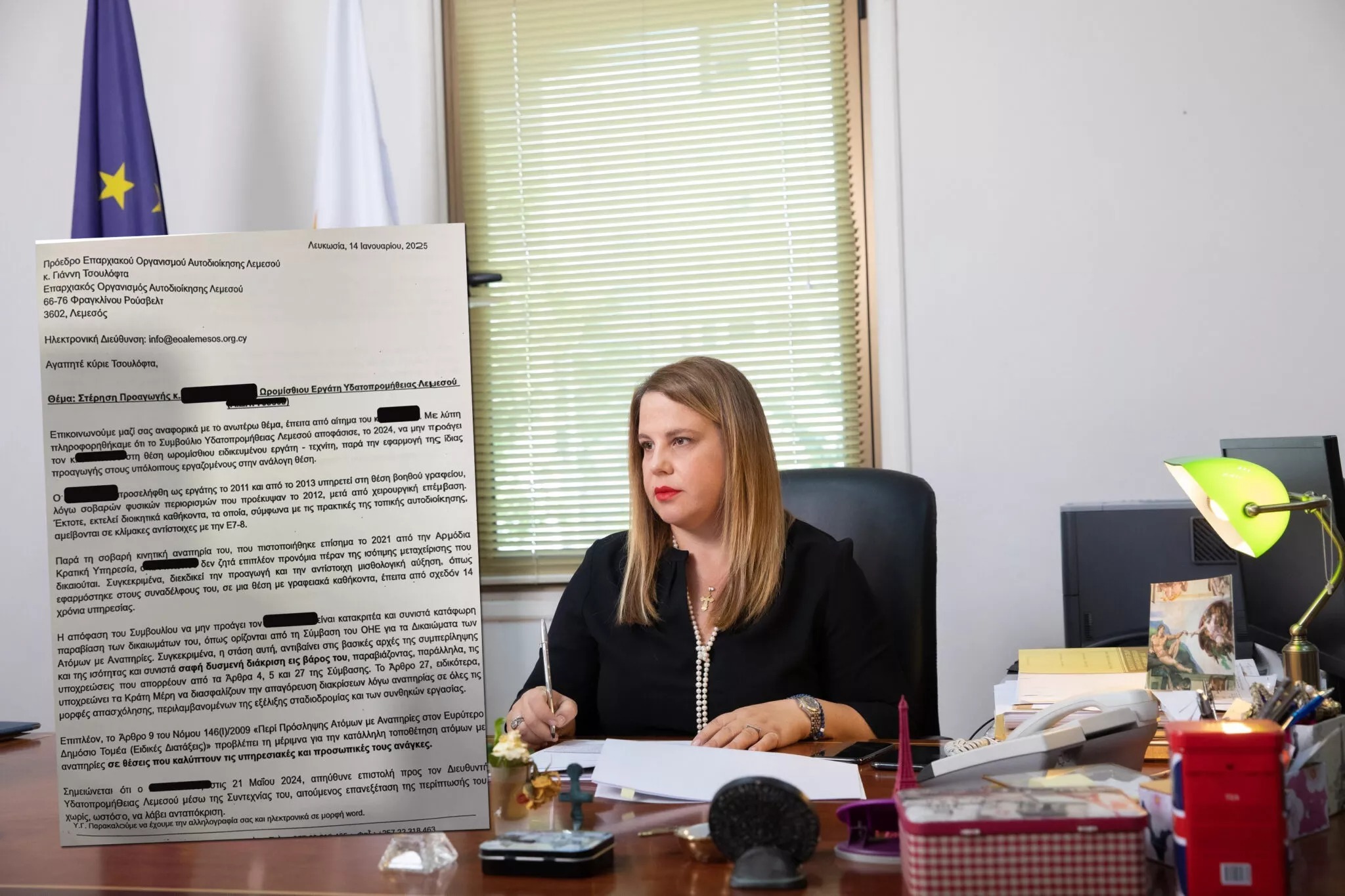
    An employee with disabilities claims he was unfairly denied a promotion, sparking a complaint to Cyprus’ Commissioner for Administration and Human Rights. The complaint, filed last Thursday by lawyer George Karapatakis, represents a former employee of the Limassol Water Board, which has been dissolved and integrated into the Limassol District Local Government Organisation (EOA).

    The complainant, a father of three, suffers from a serious spinal disability following surgery. Despite his challenges, he has continued to fulfil his job responsibilities from a different position with commitment. Notably, he is not wheelchair-bound and manages to commute independently.

    Karapatakis argues that his client was overlooked during a promotion process at the Limassol Water Board in spring 2024. He asserts that this decision was influenced by the employee’s health condition. To support this claim, the lawyer references the promotion of two other workers who had been appointed in the same year as his client, suggesting that the promotion criteria may not have been applied consistently.

    In his appeal, Karapatakis draws attention to the fact that individuals with disabilities are typically promoted within security bodies like the Police and National Guard without negative repercussions. He also mentions similar practices in the Civil Service and the wider public sector, implying that his client’s situation is an exception rather than the norm.

    The issue is complicated by the status of the Limassol Water Board, which no longer exists as a legal entity. In a response letter, Sokratis Metaxas, the General Director of the EOA and former director of the Water Board, stated that there is no authority to intervene in previous promotions because of this dissolution. He acknowledged that he participated in the promotion process in question.

    Metaxas addressed the situation after being informed of the complaint. While he refrained from discussing specific personal circumstances, he emphasised that the contributions of the affected employee would be recognised and valued in the future. He defended the promotion decisions made, asserting that they were in the best interest of the service and reflected appropriate sensitivity to all employees’ circumstances.

    The legal argument presented in the complaint highlights the serious implications of alleged discrimination based on disability. It references relevant legislation and European directives, stressing that employment for individuals with significant disabilities is essential for their self-esteem, social integration, and personal fulfilment. Karapatakis states, “Work not only enhances the physical and psychological well-being of these individuals but also reduces the feeling of isolation.”

    The complaint concludes with a strong assertion that discrimination has occurred in the employee’s career development due to his disability. Karapatakis hopes for decisive action from the Commissioner, urging that the alleged discrimination be addressed.

  • Pro-palestine protests — Pro-Palestine Protests Gather Momentum in Nicosia, Larnaca, and Paphos

    Pro-palestine protests — Pro-Palestine Protests Gather Momentum in Nicosia, Larnaca, and Paphos

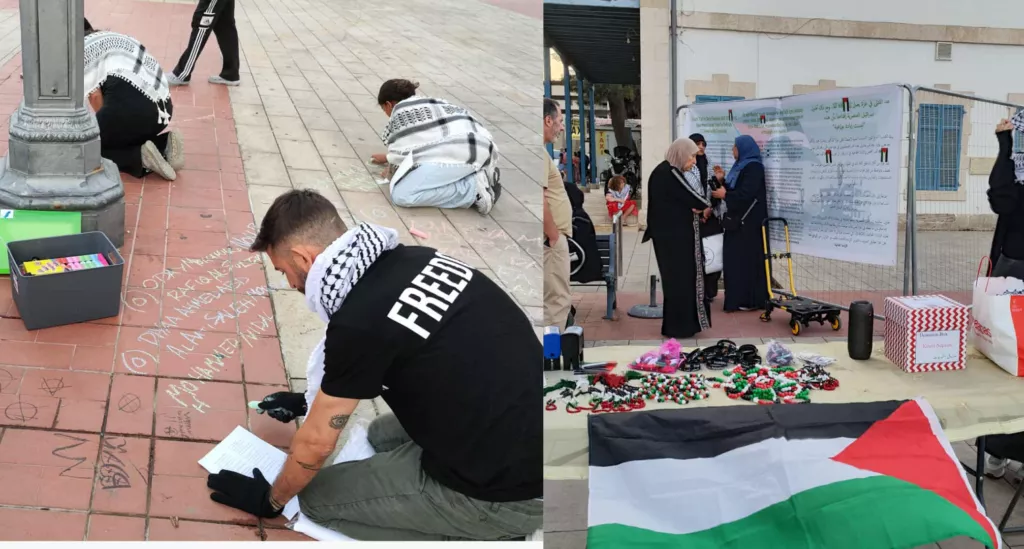
    pro-palestine protests — Pro-Palestine protests are currently underway in Nicosia, Larnaca, and Paphos, organised by the online group United for Palestine CY. The demonstrations began as calls for solidarity with Palestinians echo across the island.

    Photo: in-cyprus.philenews.com

    Pro-palestine protests: Gatherings Across Major Cities

    In Nicosia, participants started to assemble at 4:00 p.m. in Eleftheria Square. The crowd then marched along Ledras Street, returning to the Square via Onasagorou Street in a show of unity and purpose.

    Photo: in-cyprus.philenews.com

    Meanwhile, in Larnaca, the event kicked off at 6:00 p.m. at Europe Square (Finikoudes), where demonstrators expressed their support for Palestinian rights. In Paphos, the protest began at 5:30 p.m. at the Municipal Hall Square (Platia Dimotikou Megarou), where the atmosphere was similarly charged with passion for the cause.

    Police Presence and Regulations

    The police have been deployed in all three cities to oversee the events, ensuring they proceed peacefully. In line with the Public Gatherings and Processions Law 151(I) of 2025, organisers are required to maintain the peaceful nature of the protests, cooperate with local authorities, and adhere to any restrictions set by law enforcement.

    In an official announcement, it was stressed that the police possess the authority to impose restrictions or disperse gatherings if they turn violent or pose a risk to public safety. This includes situations where participants may obscure their identities.

    Community Engagement and Solidarity

    The protests serve not only as a demonstration of support for Palestine but also as a platform for community engagement. Various local leaders and activists have joined the gatherings, amplifying the call for awareness on the Palestinian plight.

    As the evening progresses, the sights and sounds of the protests have filled the air, drawing attention to the ongoing struggles faced by Palestinians. The sense of unity among participants reflects a growing movement within the community, manifesting in solidarity beyond borders.

  • Nicosia protest — Nicosia protest: Protestors Rally in Nicosia Against Israel and British Military Bases

    Nicosia protest — Nicosia protest: Protestors Rally in Nicosia Against Israel and British Military Bases

    nicosia protest — nicosia protest — Dozens of protestors gathered in Nicosia on Sunday afternoon as part of a rally against Israel and the British military bases in Cyprus. The event, dubbed the “Global Rally Against this supply chain of death,” was organised by multiple groups, including United for Palestine, AFOA, BDS, and the Cyprus Peace Council.

    • As tensions in the region continue, the voices from this rally serve as a reminder of the ongoing struggles faced by many and the significance of public discourse in shaping future policies.

    Nicosia protest: Mobilisation and March

    The mobilisation began around 4pm outside the Nicosia District Court, where participants assembled before marching towards the British High Commission. Throughout the event, police forces were present to ensure safety, and officials later confirmed that the demonstration was conducted peacefully.

    Chants and Placards

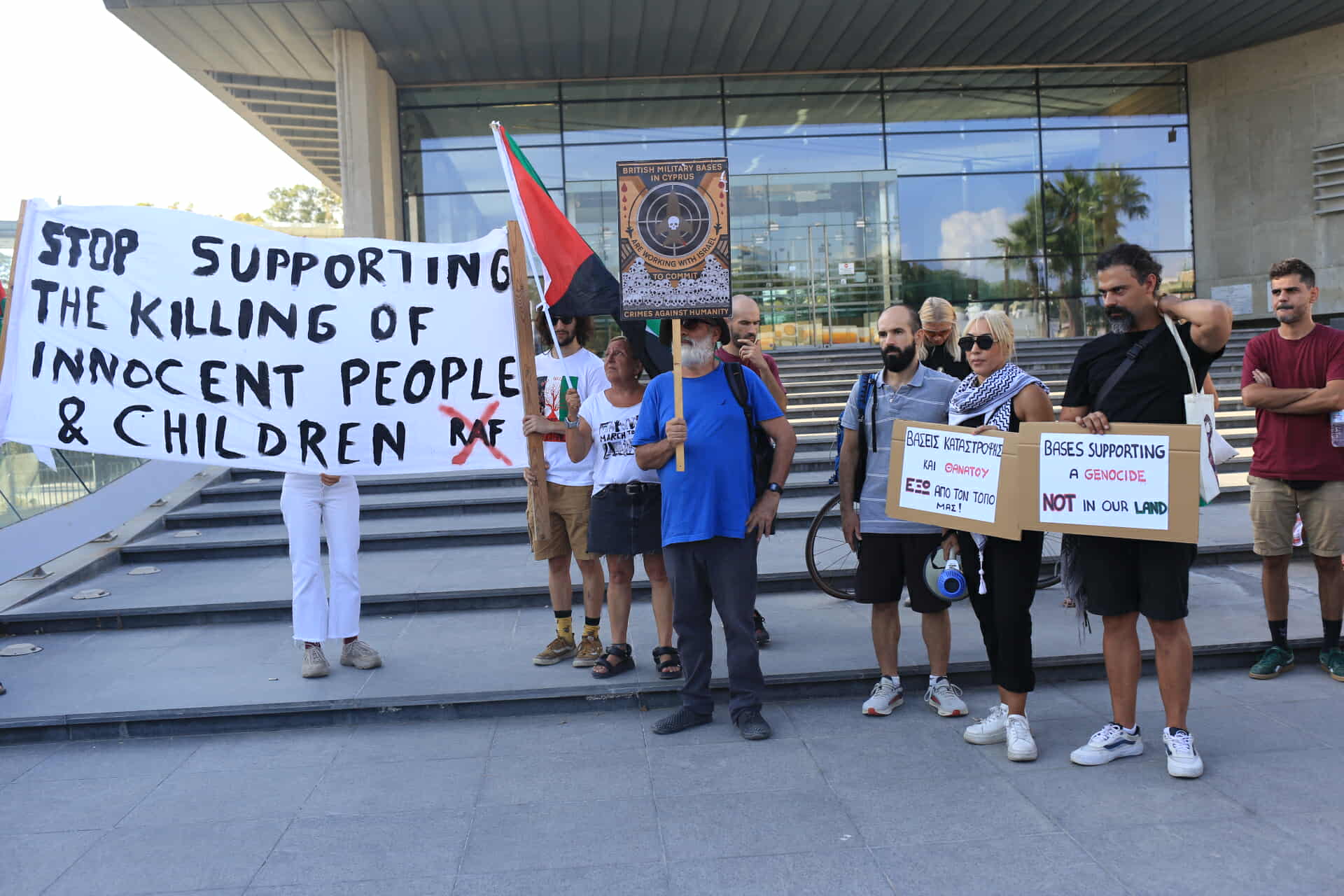
    Carrying Palestinian flags and various placards, the demonstrators voiced their concerns with chants such as “Freedom for Palestine. Stop the genocide.” The placards conveyed strong messages against the British military presence in Cyprus, with one reading: “Bases of destruction and death, out of our land.”

    Another placard stated, “The British Bases, in cooperation with Israel, commit crimes against humanity.” These messages reflected the protestors’ call for an end to support for violence against innocent civilians, particularly children.

    Demographics of the Protest

    The march saw participation from individuals of all ages, each bringing their perspectives on the ongoing conflicts in the Middle East. Some placards highlighted Britain’s historical role in regional conflicts while others specifically condemned Israeli actions in Gaza and the West Bank.

    Legal Framework for Demonstrations

    The police issued a reminder to the organisers about their legal obligations under the Public Gatherings and Parades Law 151(I) of 2025. This legislation stipulates that organisers must ensure demonstrations remain orderly and peaceful, cooperate with local authorities, and adhere to guidelines set by a liaison officer appointed for the event.

    Moreover, the law grants police the authority to impose restrictions or dissolve a protest if it becomes violent, breaches conditions, or poses risks of harm. Despite these provisions, no such measures were required on Sunday, and the demonstration concluded without any incidents.

    Significance of the Protest

    This rally in Nicosia is part of a broader movement calling for solidarity with Palestine and a reassessment of the UK’s military involvement in Cyprus. The protestors’ voices echoed a growing discontent with international policies perceived to support violence and conflict in the region.

    Community Reactions

    Local reactions to the protest have varied. Many supporters have praised the demonstrators for their commitment to raising awareness about the situation in Palestine, while critics argue that such protests may not effectively foster dialogue or resolution.

    Future Implications

    The peaceful nature of the demonstration in Nicosia suggests a willingness among protestors to engage in dialogue rather than violence. The event could pave the way for future gatherings aimed at addressing complex geopolitical issues and advocating for peaceful resolutions.

    As tensions in the region continue, the voices from this rally serve as a reminder of the ongoing struggles faced by many and the significance of public discourse in shaping future policies.

  • Fani Anastasiou Calls for UN Support to Light Public Buildings on Sign Language Day

    Fani Anastasiou Calls for UN Support to Light Public Buildings on Sign Language Day

    Cyprus Advocates for Global Recognition of Sign Language

    Fani Anastasiou, a Limassol sign language tutor, has called for the United Nations to establish a global tradition of lighting public buildings on Sign Language Day. Her proposal seeks to elevate the visibility of deaf rights and promote inclusion on an international scale.

    Photo: cyprus-mail.com

    Illumination in Greece Highlights the Cause

    Anastasiou’s comments came shortly after the Greek Parliament was illuminated in purple on Saturday to honour the international day of sign languages. This annual celebration occurs during the last week of September, coinciding with the international week of the deaf.

    Photo: cyprus-mail.com

    The Significance of September 27

    The UN officially recognises September 27 as the international day of sign languages, marking the founding anniversary of the World Federation of the Deaf in 1951. This day underscores the human rights of deaf individuals and celebrates sign language as both a cultural and linguistic identity.

    Cyprus’ Need for a National Symbol

    Unlike Greece, Cyprus currently lacks a nationwide event to commemorate the international day of sign languages. Anastasiou emphasised that this absence diminishes Cyprus’ voice in advocating for deaf rights and inclusion. “It is significant that the Greek Parliament participates in such a European initiative. Cyprus must follow suit, not only for visibility but for equality,” she stated.

    A Call for Equality

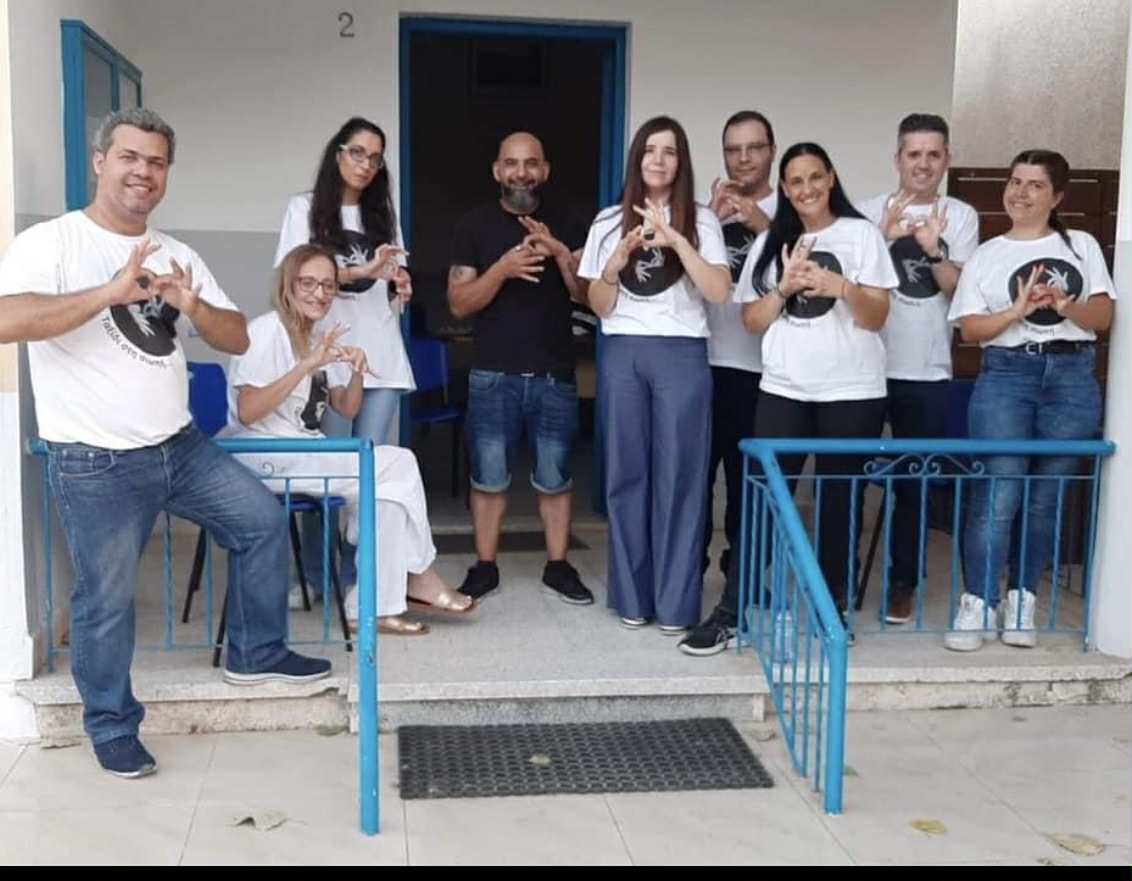
    Anastasiou, who founded the Limassol-based centre Taxidi sti Siopi (Journey into Silence), described the illumination of public buildings as a “powerful symbol of recognition and inclusion.” She believes that similar initiatives in Cyprus would enhance awareness and respect for sign language and deaf culture. “Cyprus should embrace such initiatives to make a statement on equality,” she added.

    A Personal Connection to Sign Language

    Born in Cyprus, Anastasiou lost her hearing at the age of five during a medical examination. Although she regained partial hearing in one ear, her experiences motivated her to study sign language extensively, both in Cyprus and abroad. Now, she teaches deaf and hearing students, creating cultural projects that translate songs and theatrical works into sign language. Her work has reached both local and international audiences.

    Sign Language: More Than Communication

    “Sign language is not merely a tool for communication,” Anastasiou remarked. “It is a culture, an identity, and a way of expressing emotions for millions of deaf people worldwide.” Her centre aims to bridge the gap between deaf and hearing communities through understanding and language.

    Global Statistics and Human Rights

    The World Federation of the Deaf estimates that approximately 72 million deaf individuals use over 300 different sign languages globally. Anastasiou highlighted that recognising sign languages is crucial for ensuring human rights and equal access to communication. She expressed concern that Cyprus’ lack of a national programme undermines progress towards inclusivity and international recognition.

    Creative Initiatives and Advocacy

    Anastasiou’s advocacy extends beyond teaching; she has composed original songs dedicated to the deaf community, some of which have been performed by well-known artists. Additionally, she serves on the scientific committee of the education ministry focused on documenting Cypriot sign language.

    The Potential Impact of UN Involvement

    “The UN’s involvement would give such initiatives real global reach,” Anastasiou asserted. “When public buildings everywhere light up on sign language day, the message is clear: sign language matters, and equality matters.” She believes that this initiative would place Cyprus on the world stage for human rights advocacy.

    Moving Forward with Awareness

    As Cyprus considers its place in the global conversation about deaf rights, Anastasiou’s call for action reflects a growing momentum for change. The illumination of public buildings could serve as a vital step toward fostering greater understanding and respect for sign language and its users.

  • Pro-Palestine Protesters Demand End to Gaza Conflict in Cyprus

    Pro-Palestine demonstrators marched through Nicosia on Sunday, calling for an end to the Gaza conflict and criticising Britain’s military presence in Cyprus. The protest attracted participants of all ages, who carried flags and placards bearing slogans such as “Freedom for Palestine. Stop the genocide”.

    Photo: in-cyprus.philenews.com

    The rally, titled “Global Rally Against this supply chain of death”, commenced outside the Nicosia District Court and made its way towards the British High Commission. This demonstration was part of a broader movement, with activists around the world advocating for Palestinian rights and highlighting the humanitarian crisis in Gaza.

    Photo: in-cyprus.philenews.com

    Among the signs displayed, several specifically targeted the UK’s Sovereign Base Areas in Cyprus. One banner proclaimed, “Bases of destruction and death, out of our land,” while another asserted, “The British Bases in cooperation with Israel commit crimes against humanity.” Such messages reflected the protesters’ sentiments regarding the perceived complicity of the UK in the ongoing violence.

    As demonstrators made their way through the streets, chants echoed the call for the UK to cease its support for military actions that lead to civilian casualties. “Stop supporting the murders of innocent people and children,” one protester shouted, encapsulating the urgency and emotion that characterised the event.

    The protest in Cyprus mirrored similar actions occurring in the US and the UK, where activists have taken to the streets voicing their opposition to military involvement in the Gaza conflict. Organisers of the Cyprus rally have indicated plans for further protests as part of their ongoing campaign to raise awareness and demand accountability.

    Images from the event captured the determination of the crowd, with many participants expressing their solidarity with Palestinians and their desire for peace in the region. The atmosphere was charged with a mix of hope and frustration, as protesters rallied not only for an immediate cessation of hostilities but also for a long-term resolution that respects human rights.

  • Cyprus sexual — Cyprus Sexual Harassment Laws Lack Protection for Workplace Victims

    Cyprus sexual — Cyprus Sexual Harassment Laws Lack Protection for Workplace Victims

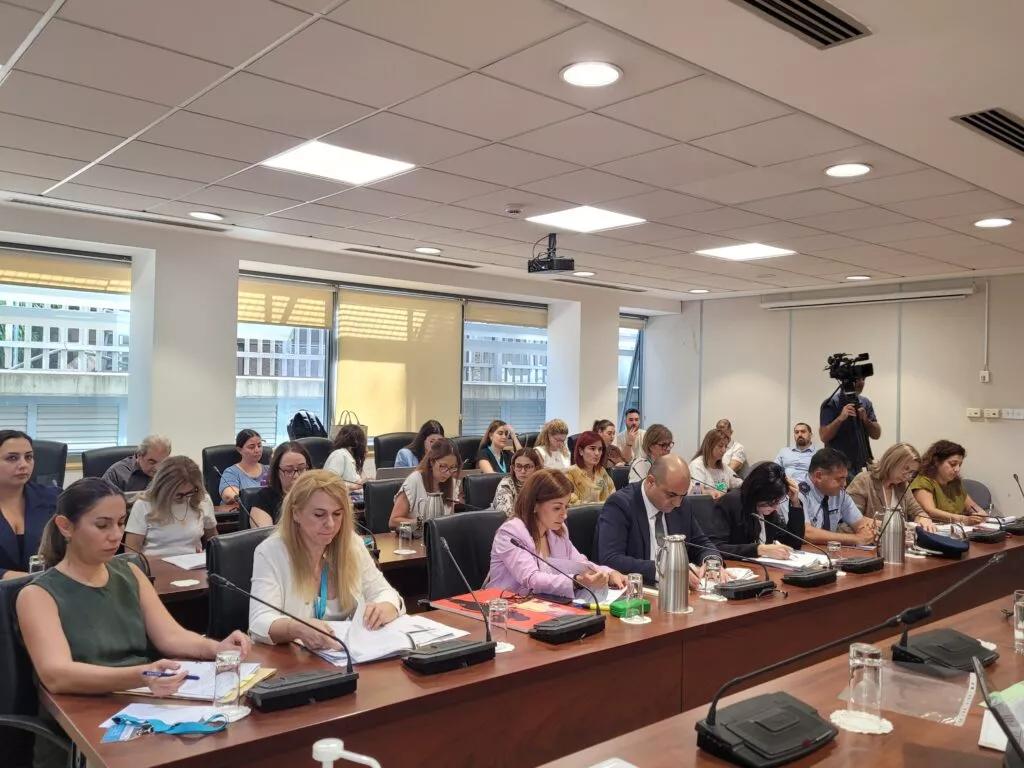
    cyprus sexual — Concerns about the inadequacy of Cyprus sexual harassment laws were raised during a House Human Rights Committee hearing on Monday, where parliamentarians discussed the pressing need for better protections for workplace victims.

    The hearing was prompted by recent reports from Phileleftheros detailing allegations of sexual harassment involving Education Ministry officials. In this case, a superior was cleared in a disciplinary investigation and subsequently promoted, despite now facing criminal prosecution.

    Eleni Kouzoupi from the Law Office highlighted the troubling provisions allowing cases of sexual harassment to be settled out of court, labelling it “absurd”. She argued that such inclusions in legislation are fundamentally flawed and fail to address the complexities of different employment relationships, especially in sectors that often fall into grey areas.

    Nasia Dionysiou, representing the Ombudswoman’s office, outlined the existing administrative gaps, stating, “It took us 15 years and a conviction to establish a Code”. However, she noted that the Code lacks the power to enforce responsibilities, serving merely as an informational tool for employers and employees. When a complaint is lodged, minor cases can be resolved internally if the victim consents, but if not, disciplinary proceedings are initiated.

    Dionysiou pointed out that sexual harassment was not even acknowledged in public service until her office intervened. In a recent incident, her office recommended disciplinary action after uncovering improper investigation procedures and called witnesses to testify due to concerns about how evidence was initially managed.

    Questioning the Education Ministry’s handling of the recent case, Dionysiou remarked, “How do we proceed? The Education Ministry tells us they are awaiting the Law Office’s position. But right now the legislation is being violated and the Ministry is committing an offence.” This highlights the urgency for legislative reform and proper enforcement mechanisms.

    Labour Minister Yiannis Panayiotou defended the existing framework, asserting, “If victims remain exposed, then policy has failed”. He expressed confidence in the direction authorities are taking and emphasised the need for collective protection without undermining the criminal and employment laws. Panayiotou noted that 80% of citizens are now employed, a figure bolstered by the integration of women into the workforce, which has reached a participation rate of 75%.

    In response to the growing concerns, the Labour Department initiated an investigation into the handling of sexual harassment complaints in workplaces. Labour Department Director Alexandros Alexandrou reported that over the past three years, only ten complaints were received: four in 2022, one in 2023, and five in 2024, all of which were investigated.

    Trade union representatives voiced their frustrations regarding the complex and often intimidating procedures faced by victims. A representative from PASYDY described the procedures as “labyrinthine”, while representatives from the Isotita union called for improved protection for employees. Christina Kaili from the Mediterranean Institute of Gender Studies underscored the necessity for modernising procedures and establishing clear protocols to support victims.

    Parliamentarians expressed their condemnation of workplace sexual harassment. AKEL MP and committee vice-chairman Giorgos Koukoumas characterised such harassment as a form of gender-based violence and discrimination, citing examples like unwanted touching and harassing messages. MP Alexandra Attalides labelled sexual harassment as the worst form of workplace harassment and stressed the importance of allowing victims to report incidents safely without fear of retaliation. She also noted the vague responses received from the Labour Ministry following parliamentary questions submitted in August 2024.

    MP Rita Superman acknowledged the seriousness of the issue, pointing to the discrepancies between legislation and its implementation. She questioned why sexual harassment is not treated as a criminal offence from the outset, calling for urgent legislative reforms to better protect victims in the workplace.