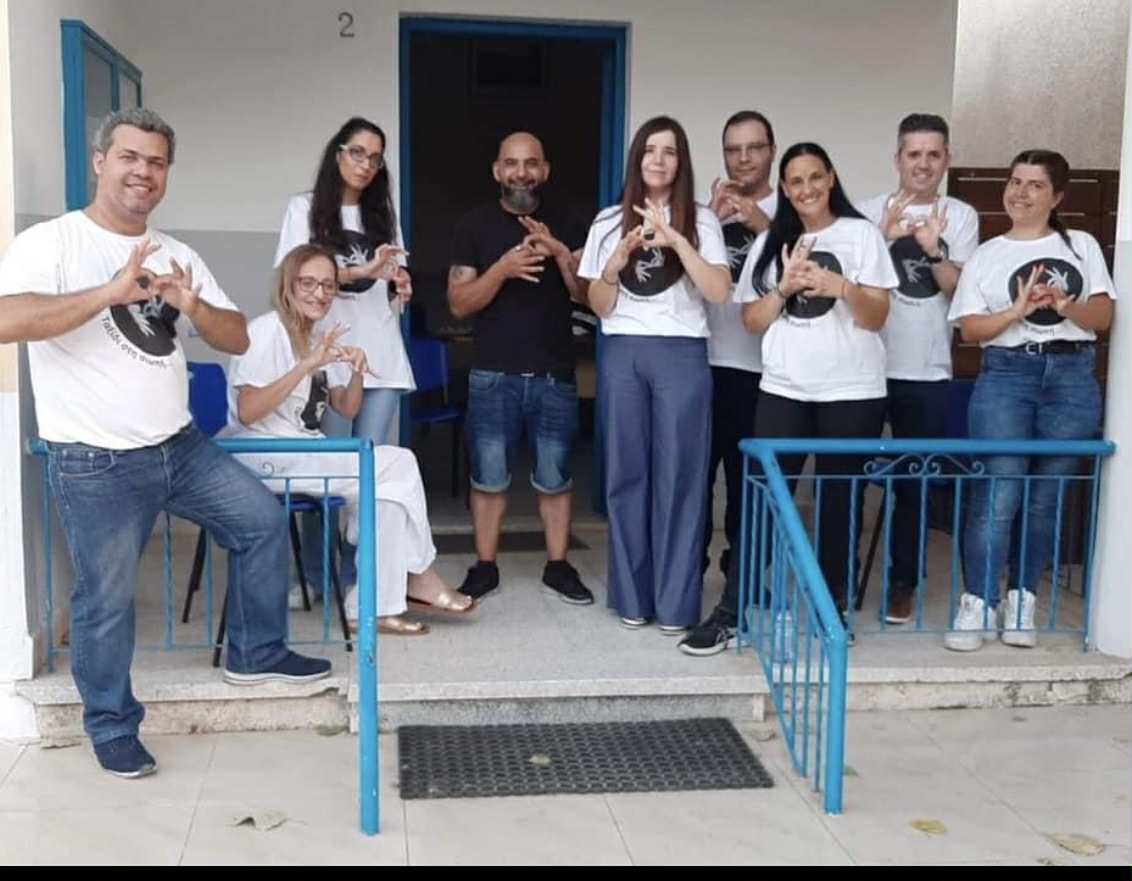
Cyprus Advocates for Global Recognition of Sign Language
Fani Anastasiou, a Limassol sign language tutor, has called for the United Nations to establish a global tradition of lighting public buildings on Sign Language Day. Her proposal seeks to elevate the visibility of deaf rights and promote inclusion on an international scale.

Photo: cyprus-mail.com
Illumination in Greece Highlights the Cause
Anastasiou’s comments came shortly after the Greek Parliament was illuminated in purple on Saturday to honour the international day of sign languages. This annual celebration occurs during the last week of September, coinciding with the international week of the deaf.

Photo: cyprus-mail.com
The Significance of September 27
The UN officially recognises September 27 as the international day of sign languages, marking the founding anniversary of the World Federation of the Deaf in 1951. This day underscores the human rights of deaf individuals and celebrates sign language as both a cultural and linguistic identity.
Cyprus’ Need for a National Symbol
Unlike Greece, Cyprus currently lacks a nationwide event to commemorate the international day of sign languages. Anastasiou emphasised that this absence diminishes Cyprus’ voice in advocating for deaf rights and inclusion. “It is significant that the Greek Parliament participates in such a European initiative. Cyprus must follow suit, not only for visibility but for equality,” she stated.
A Call for Equality
Anastasiou, who founded the Limassol-based centre Taxidi sti Siopi (Journey into Silence), described the illumination of public buildings as a “powerful symbol of recognition and inclusion.” She believes that similar initiatives in Cyprus would enhance awareness and respect for sign language and deaf culture. “Cyprus should embrace such initiatives to make a statement on equality,” she added.
A Personal Connection to Sign Language
Born in Cyprus, Anastasiou lost her hearing at the age of five during a medical examination. Although she regained partial hearing in one ear, her experiences motivated her to study sign language extensively, both in Cyprus and abroad. Now, she teaches deaf and hearing students, creating cultural projects that translate songs and theatrical works into sign language. Her work has reached both local and international audiences.
Sign Language: More Than Communication
“Sign language is not merely a tool for communication,” Anastasiou remarked. “It is a culture, an identity, and a way of expressing emotions for millions of deaf people worldwide.” Her centre aims to bridge the gap between deaf and hearing communities through understanding and language.
Global Statistics and Human Rights
The World Federation of the Deaf estimates that approximately 72 million deaf individuals use over 300 different sign languages globally. Anastasiou highlighted that recognising sign languages is crucial for ensuring human rights and equal access to communication. She expressed concern that Cyprus’ lack of a national programme undermines progress towards inclusivity and international recognition.
Creative Initiatives and Advocacy
Anastasiou’s advocacy extends beyond teaching; she has composed original songs dedicated to the deaf community, some of which have been performed by well-known artists. Additionally, she serves on the scientific committee of the education ministry focused on documenting Cypriot sign language.
The Potential Impact of UN Involvement
“The UN’s involvement would give such initiatives real global reach,” Anastasiou asserted. “When public buildings everywhere light up on sign language day, the message is clear: sign language matters, and equality matters.” She believes that this initiative would place Cyprus on the world stage for human rights advocacy.
Moving Forward with Awareness
As Cyprus considers its place in the global conversation about deaf rights, Anastasiou’s call for action reflects a growing momentum for change. The illumination of public buildings could serve as a vital step toward fostering greater understanding and respect for sign language and its users.
Leave a Reply