Tag: inclusion

  • Cyprus Implements Pilot Programme for Social Workers in Schools

    Cyprus Implements Pilot Programme for Social Workers in Schools

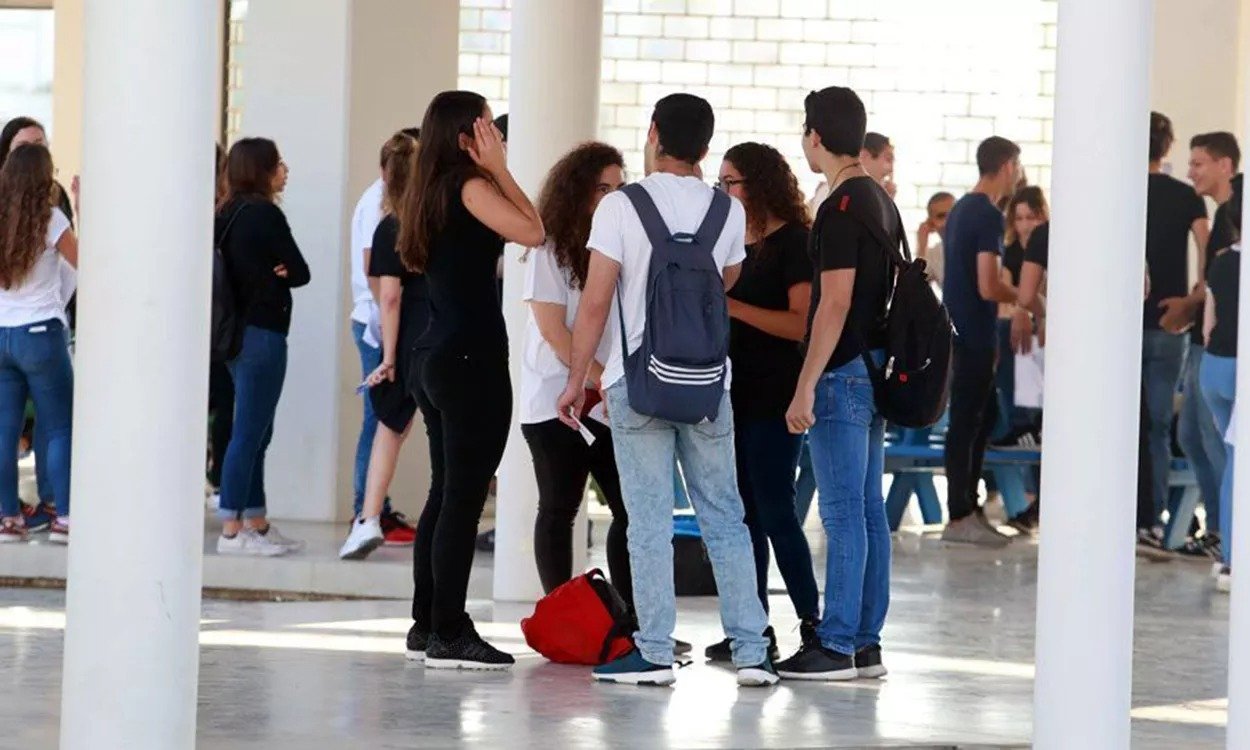
    Cyprus will pilot social workers in schools this year as part of a significant educational reform initiative designed to enhance mental resilience and address violence among students. Education Minister Athena Michailidou announced this innovative programme, which will also include educational psychologists, during a recent address to the Cyprus News Agency.

    The ministry’s 2026 priorities reflect a shift towards equipping students with practical skills rather than relying solely on rote learning. Michailidou emphasised the importance of moving away from ‘content, rote learning and excessive theory’ to foster skills vital for navigating both the job market and everyday life.

    Social workers: Transforming Educational Approaches

    This shift aligns with broader European educational priorities, but Michailidou insists it will be approached in a balanced manner that integrates humanistic education and values. The introduction of social workers in schools aims to provide a holistic support system for students, tackling issues of violence and delinquency while also promoting mental well-being.

    Addressing Special Education Needs

    The ministry is also making strides in special education reform, with Michailidou revealing that consultations are at an advanced stage. The proposed amendments aim to create a more unified and inclusive educational framework for students with diverse needs.

    New Protocols for Violence Prevention

    In conjunction with the pilot programme, the ministry has developed protocols and recommendations to assist teachers in addressing delinquency. These resources are being distributed to schools in both electronic and printed formats. Teacher groups dedicated to violence prevention are being established, alongside enhanced roles for school counsellors and class teachers, all of which aim to foster a supportive environment.

    Statistical data indicates that these roles have been effective, with students feeling more comfortable reaching out to trusted staff members. Furthermore, the ministry is investing in security measures, including surveillance cameras and the deployment of security officers in many secondary schools, to create a safer educational setting.

    Modernising Work Experience Initiatives

    Another component of the ministry’s agenda is the reintroduction of a work experience programme for Year 11 students, set to launch in March or April. Under this programme, students will spend three days a week in workplaces of their choice, supervised by school staff. This initiative is designed to enhance career skills and provide students with a clearer understanding of their vocational paths.

    Michailidou expressed the importance of ensuring that students are well-informed and prepared for their future careers. The ministry has also begun piloting career guidance in 16 primary schools, helping students explore various educational and career options.

    Commitment to Disability Rights

    During her address, Michailidou also addressed concerns regarding the treatment of people with disabilities. She stressed that all students, regardless of their abilities, must be treated equally and with respect. The minister condemned any statements that may degrade or insult individuals with disabilities, particularly in the educational context.

    As Cyprus moves forward with these initiatives, the focus remains on creating an inclusive, supportive, and modern educational environment that prioritises both academic skills and the personal development of students.

  • Equality framework — Cyprus University of Technology Unveils Ambitious Equality Framework for 2025-2028

    Equality framework — Cyprus University of Technology Unveils Ambitious Equality Framework for 2025-2028

    equality framework — equality framework — Cyprus University of Technology is setting a new standard for equity with its comprehensive 2025-2028 Equality and Accessibility Plan. This initiative builds on years of policies designed to foster a safe and inclusive academic and work environment, underscoring the university’s commitment to equality, inclusion, and respect for diversity.

    The new plan aims to create a culture of acceptance and support within the university community by integrating principles of equality and inclusion into every aspect of university life, from education to administration. Officer Constantia Kousoulou highlighted that these principles are not seen as isolated measures but as essential values that underpin the institution’s strategic goals.

    The previous 2020-2024 Equality Plan laid the groundwork for this new initiative, focusing on creating a more inclusive environment. This was further enhanced by the Equal Access Plan for People with Disabilities and Special Educational Needs. Following a thorough review and engagement with the university community, the latest plan consolidates the goals of these earlier frameworks.

    Equality framework: Five Pillars of Progress

    The 2025-2028 Equality and Accessibility Plan is structured around five key pillars:

    • Fostering an organisational culture of equality and inclusion.
    • Providing access and support for individuals with disabilities and special educational needs.
    • Ensuring equal support for professional career development.
    • Incorporating gender perspectives and accessibility into funding, research, and teaching.
    • Implementing a zero-tolerance policy for bullying, discrimination, harassment, and gender-based violence.

    To facilitate the implementation of these policies, CUT has established the University Equality Committee, which operates at the Senate level, alongside the Diversity and Inclusion Office. This office is instrumental in coordinating training and awareness initiatives aimed at the university community.

    Collaborative Efforts Across Europe

    In addition to its internal initiatives, CUT is a member of the European University of Technology (EUt+) alliance, collaborating with eight other European institutions through the Equality, Diversity & Inclusion (EDI) Office. This partnership fosters the exchange of best practices and the execution of joint actions that enhance the equality dimension at a European scale.

    Kousoulou noted a positive shift in attitudes within the university community, particularly with the adoption of inclusive language in official communications. The university is committed to continuous improvement through training and awareness campaigns, as well as the systematic collection and analysis of gender data to support evidence-based policy planning.

    Accessibility as a Priority

    Central to CUT’s strategy is the commitment to accessibility and equal opportunities for all members of the community. This encompasses not only physical access to facilities but also participation in educational, research, and professional activities. The university is actively investing in both physical and digital infrastructure to ensure that all educational materials, electronic platforms, and administrative processes are accessible.

    To support individuals with disabilities or special educational needs, CUT provides necessary adaptations and assistive technologies, allowing for equal participation in the educational experience. The university also collaborates with specialised organisations to create an inclusive environment where all community members can thrive.

    Recognition and Future Goals

    Recently, CUT received the “Employer of Equality” award, which acknowledges its sustained efforts to promote equality and inclusion within the academic and professional spheres. This recognition not only affirms the university’s commitment to transparency and equal opportunities but also serves as a motivational tool to enhance ongoing efforts.

    Looking ahead, CUT plans to revise its Code of Practice for the prevention and handling of bullying, harassment, and sexual harassment in 2026, aiming to make it more inclusive and accessible. The university is also dedicated to addressing issues relevant to underrepresented groups and actively involving students as agents of positive change both within and outside the institution.

  • Fani Anastasiou Calls for UN Support to Light Public Buildings on Sign Language Day

    Fani Anastasiou Calls for UN Support to Light Public Buildings on Sign Language Day

    Cyprus Advocates for Global Recognition of Sign Language

    Fani Anastasiou, a Limassol sign language tutor, has called for the United Nations to establish a global tradition of lighting public buildings on Sign Language Day. Her proposal seeks to elevate the visibility of deaf rights and promote inclusion on an international scale.

    Photo: cyprus-mail.com

    Illumination in Greece Highlights the Cause

    Anastasiou’s comments came shortly after the Greek Parliament was illuminated in purple on Saturday to honour the international day of sign languages. This annual celebration occurs during the last week of September, coinciding with the international week of the deaf.

    Photo: cyprus-mail.com

    The Significance of September 27

    The UN officially recognises September 27 as the international day of sign languages, marking the founding anniversary of the World Federation of the Deaf in 1951. This day underscores the human rights of deaf individuals and celebrates sign language as both a cultural and linguistic identity.

    Cyprus’ Need for a National Symbol

    Unlike Greece, Cyprus currently lacks a nationwide event to commemorate the international day of sign languages. Anastasiou emphasised that this absence diminishes Cyprus’ voice in advocating for deaf rights and inclusion. “It is significant that the Greek Parliament participates in such a European initiative. Cyprus must follow suit, not only for visibility but for equality,” she stated.

    A Call for Equality

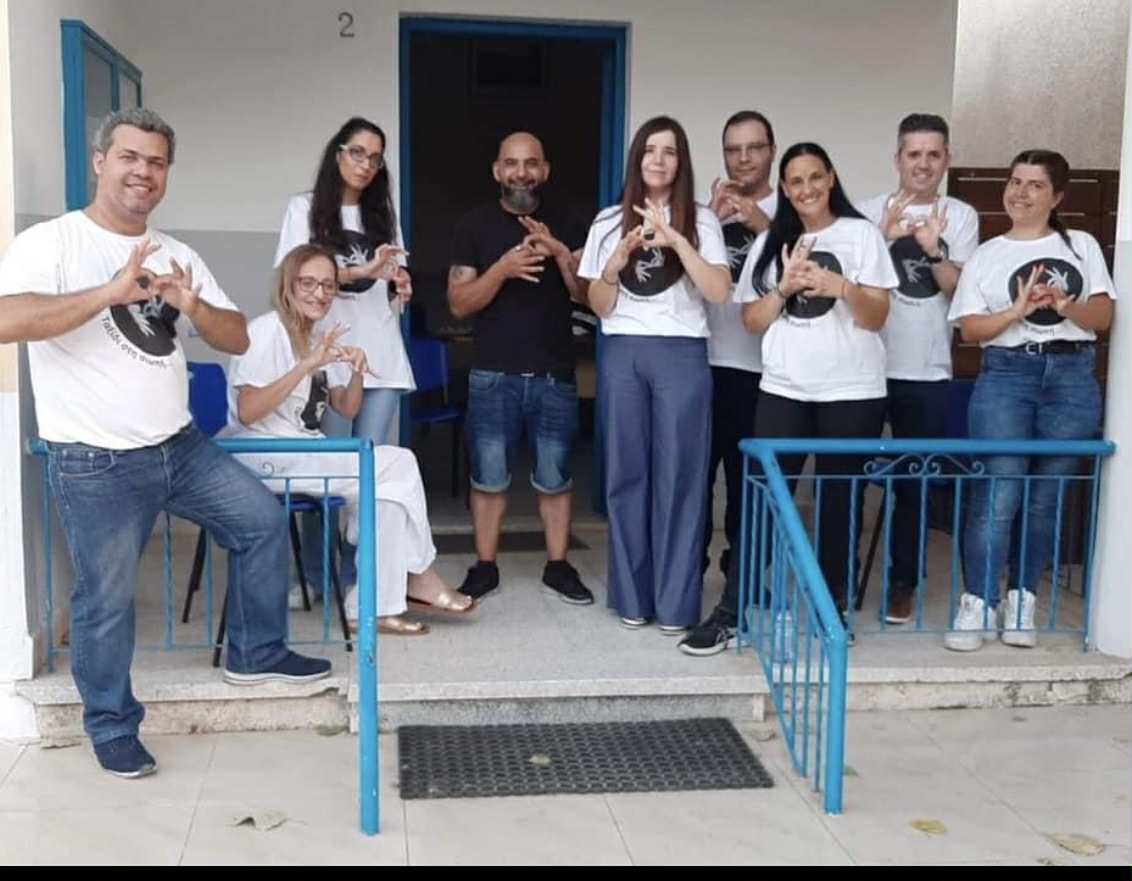
    Anastasiou, who founded the Limassol-based centre Taxidi sti Siopi (Journey into Silence), described the illumination of public buildings as a “powerful symbol of recognition and inclusion.” She believes that similar initiatives in Cyprus would enhance awareness and respect for sign language and deaf culture. “Cyprus should embrace such initiatives to make a statement on equality,” she added.

    A Personal Connection to Sign Language

    Born in Cyprus, Anastasiou lost her hearing at the age of five during a medical examination. Although she regained partial hearing in one ear, her experiences motivated her to study sign language extensively, both in Cyprus and abroad. Now, she teaches deaf and hearing students, creating cultural projects that translate songs and theatrical works into sign language. Her work has reached both local and international audiences.

    Sign Language: More Than Communication

    “Sign language is not merely a tool for communication,” Anastasiou remarked. “It is a culture, an identity, and a way of expressing emotions for millions of deaf people worldwide.” Her centre aims to bridge the gap between deaf and hearing communities through understanding and language.

    Global Statistics and Human Rights

    The World Federation of the Deaf estimates that approximately 72 million deaf individuals use over 300 different sign languages globally. Anastasiou highlighted that recognising sign languages is crucial for ensuring human rights and equal access to communication. She expressed concern that Cyprus’ lack of a national programme undermines progress towards inclusivity and international recognition.

    Creative Initiatives and Advocacy

    Anastasiou’s advocacy extends beyond teaching; she has composed original songs dedicated to the deaf community, some of which have been performed by well-known artists. Additionally, she serves on the scientific committee of the education ministry focused on documenting Cypriot sign language.

    The Potential Impact of UN Involvement

    “The UN’s involvement would give such initiatives real global reach,” Anastasiou asserted. “When public buildings everywhere light up on sign language day, the message is clear: sign language matters, and equality matters.” She believes that this initiative would place Cyprus on the world stage for human rights advocacy.

    Moving Forward with Awareness

    As Cyprus considers its place in the global conversation about deaf rights, Anastasiou’s call for action reflects a growing momentum for change. The illumination of public buildings could serve as a vital step toward fostering greater understanding and respect for sign language and its users.