Tag: infrastructure

  • Strovolos Centre Revamp Begins Monday with Road Closures

    Strovolos Centre Revamp Begins Monday with Road Closures

    strovolos centre — strovolos centre — Works to remodel Strovolos’ historical centre begin on Monday, marking a significant development for the local community. Mayor Stavros Stavrinides has described the initiative as “a milestone project that will radically change the image and functionality of the historical core.” This ambitious endeavour aims to create a more appealing and accessible environment for residents and visitors alike.

    Strovolos centre: Traffic Changes in the Area

    During the construction period, Ayia Marina street and surrounding roads near the church of Saint George will be closed to traffic. Access to Ayia Marina street will be limited to residents and business owners, with parts of the road being temporarily blocked off for sewerage works.

    Project Timeline and Duration

    The works are expected to last six months, with the municipality indicating that the majority of the construction will be completed within three months. Despite the disruptions, rubbish collection in the area will proceed as usual, ensuring minimal inconvenience for the local community.

    Investment and Objectives

    This extensive remodelling project comes with a price tag of €5.6 million, primarily focusing on the historical churches of Strovolos. The initiative aims to enhance safety and accessibility, introducing new pedestrian pathways, improved infrastructure, upgraded aesthetics, and effective flood-prevention solutions.

    EU Support for Local Development

    Implemented under the social cohesion programme Thalia 2021-2027, the project benefits from EU funding, emphasising the commitment to revitalising urban areas and fostering community engagement. The remodelling is poised to breathe new life into the historical centre, making it not only a more attractive destination but also a functional space for everyday activities.

  • Energy waterloo — Odysseas Michaelides Labels Cyprus-Greece Interconnector Project an ‘Energy Waterloo’

    Energy waterloo — Odysseas Michaelides Labels Cyprus-Greece Interconnector Project an ‘Energy Waterloo’

    energy waterloo — The Cyprus-Greece interconnector project has been described as an ‘energy Waterloo’ by former Auditor General Odysseas Michaelides, who has raised serious concerns about the management and direction of the initiative.

    In a recent social media post, Michaelides referenced a report by Phileleftheros detailing ongoing pressure from the Greek Independent Power Transmission Operator (ADMIE) on the Cypriot regulatory authority (RAEK) to receive tens of millions in payments. He highlighted a troubling lack of decisiveness from President Christodoulides, suggesting that the government’s approach is complicating the project further.

    Energy waterloo: Concerns Over Government Decisions

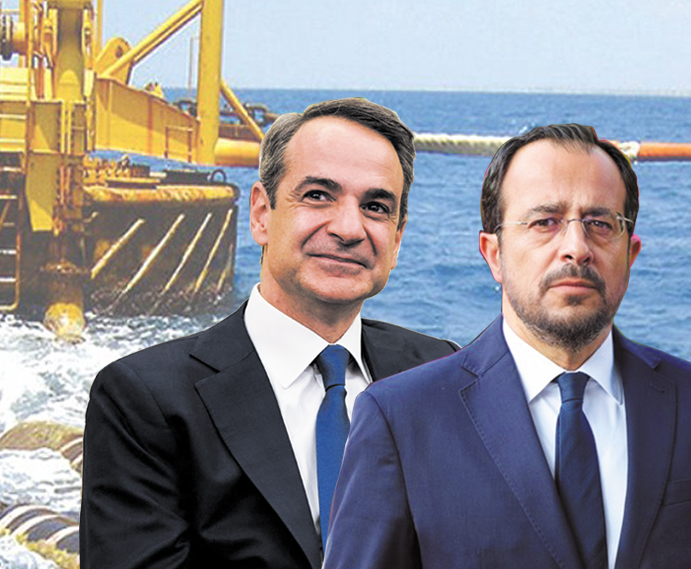
    Michaelides specifically called out President Christodoulides and his main governmental partner, Nikolas Papadopoulos, for their persistent support of the project “at any cost.” He argued that this insistence is leading Cyprus into a precarious financial situation as costs continue to escalate.

    In August 2023, Michaelides informed both the European Commission and Cypriot Energy Minister G. Papanastasiou about issues surrounding the project’s Implementation Body, citing a troubling history of bankruptcy among its affiliates. He advocated for an open tender to find a more suitable entity to manage the project’s execution, but his warnings were disregarded.

    Financial Implications and Investigations

    Despite these red flags, the Christodoulides Government in October 2023 permitted the Implementation Body to sell the project’s “air” to ADMIE for a questionable sum of €48 million, a decision that is now under investigation by the European Public Prosecutor’s Office.

    The situation escalated in September 2024 when the Council of Ministers decided to commit Cyprus to a prepayment of €125 million to ADMIE, prior to the project’s completion. This prepayment has raised eyebrows, especially given the latest cost estimate of €1.9 billion, which Michaelides claims is no longer realistic.

    Calls for Accountability

    Michaelides’s concerns resonate with many who fear that the current trajectory of the project could lead to significant financial repercussions for Cyprus. He emphasised that the only oversight comes from the Minister of Finance, who has publicly documented the disconnection between the revised cost estimates and reality.

    As the project progresses, the community watches closely, questioning who will ultimately bear the financial burden. The ongoing developments surrounding the Cyprus-Greece interconnector project remain a point of contention, with implications that extend beyond mere financial figures to the broader energy strategy of Cyprus.

  • Great sea — DIKO Leader Criticises Government Inaction on Great Sea Interconnector

    Great sea — DIKO Leader Criticises Government Inaction on Great Sea Interconnector

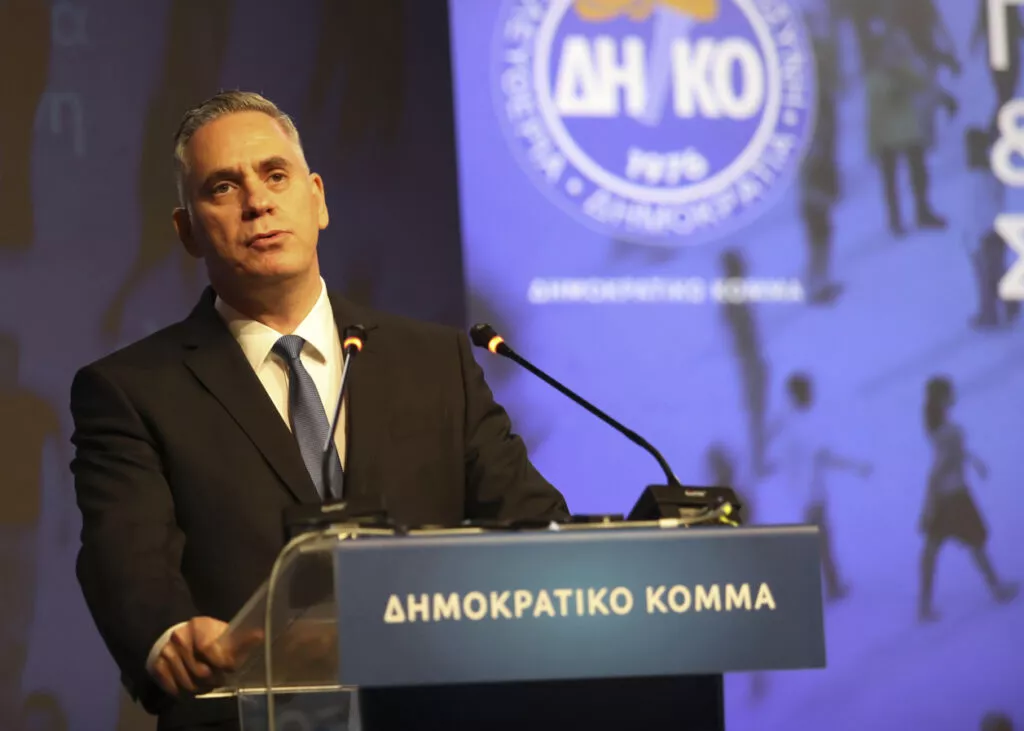
    The Great Sea Interconnector has become a point of contention between President Nikos Christodoulides and DIKO leader Nicolas Papadopoulos, who has expressed frustration over the government’s inaction regarding the critical subsea electricity cable linking Cyprus to Greece and the broader European grid.

    Great sea: The Letter That Sparked the Crisis

    In mid-December, Papadopoulos sent a formal warning to the Presidential Palace detailing his concerns about the project’s management. He specifically pointed fingers at Finance Minister Makis Keravnos, accusing the government of hesitation that he believes is jeopardising national interests. The letter, which went unanswered, has ignited a public outcry from Papadopoulos during recent parliamentary sessions and media appearances.

    Warnings of Catastrophic Consequences

    In his correspondence, Papadopoulos outlined several dire outcomes should the Great Sea Interconnector fail to progress:

    • Financial Penalties: Cyprus has already invested approximately €302 million in the project. If cancelled, the state could face hefty compensation claims from the French contractor, Nexans, due to loss of revenue and breach of contract.
    • Legal Fallout: Nexans is reportedly in the process of cancelling sub-contracts and may shift responsibility to the Greek grid operator, ADMIE, which could then hold the Cypriot government accountable for not honouring agreements.
    • Diplomatic Rupture: The current governmental stance threatens to sever relations with key stakeholders, including the Greek government, the European Commission, and France.
    • Energy Isolation: A failure to complete the interconnector would leave Cyprus without access to a stable energy supply, enabling local monopolies to maintain high prices for consumers.

    Accusations of Sabotage

    Papadopoulos has been vocal about his belief that the progress of the interconnector is being undermined from within the government. He has directly accused Finance Minister Keravnos of questioning the project’s viability and withholding the necessary €25 million annual funding, despite a Cabinet-approved Memorandum of Understanding. Papadopoulos dismissed the Ministry’s requests for updated studies, referencing EU Energy Commissioner Dan Jørgensen’s assurance that existing studies are adequate.

    The Ultimatum

    In his letter, Papadopoulos called for an emergency meeting with President Christodoulides and the Ministers of Finance and Energy to discuss the deadlock. He warned that failing to hold this meeting would compel him to take his dissent public, a promise he has now fulfilled.

  • Cyprus and Lebanon Finalise Exclusive Economic Zone Agreement After Two Decades of Negotiation

    Cyprus and Lebanon Finalise Exclusive Economic Zone Agreement After Two Decades of Negotiation

    exclusive economic — Cyprus and Lebanon have officially signed an exclusive economic zone (EEZ) delimitation agreement, concluding a dispute that has lasted two decades and paving the way for collaborative energy exploration in the eastern Mediterranean.

    Exclusive economic: Historic Signing Ceremony

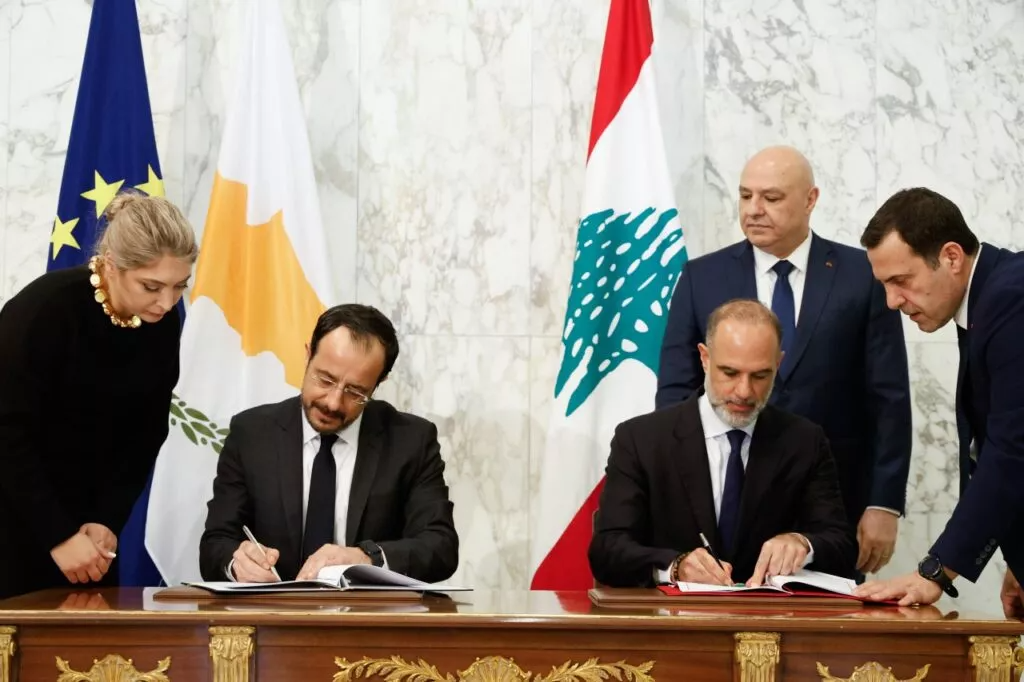
    The agreement was signed on Wednesday at Baabda Palace, with President Nikos Christodoulides of Cyprus and President Joseph Aoun of Lebanon presiding over the event. The Cypriot President, alongside Lebanon’s Minister of Transport and Public Works, Fayez Rassamny, represented their respective nations in this significant accord.

    Legal Certainty for Investors

    Both leaders expressed that the agreement establishes maritime boundaries, providing essential legal clarity for potential investors interested in energy exploration. Following the ceremony, President Christodoulides remarked that the signing is a milestone for bilateral relations, emphasizing the importance of international law and good neighbourly relations.

    A Strong Political Message

    President Christodoulides described the signing as a strong political message, indicating that Cyprus and Lebanon are committed to fostering trust and mutual respect. He highlighted the role of Lebanese political will in making this agreement possible, acknowledging the efforts of President Aoun, Prime Minister Nawaf Salam, and Lebanon’s political leadership.

    He commended the negotiating teams led by Rassamny and Cyprus’s national security adviser, Tasos Tzionis, for their diligent work, which he described as “tireless and methodical” and conducted “in a spirit of trust and transparency.”

    Strengthening Bilateral Cooperation

    During his address, Christodoulides noted that this marks the third exchange of visits between the two leaders in less than a year, reflecting the strong ties that bind the two nations. He underscored the agreement’s potential to enhance cooperation in crucial sectors such as energy and infrastructure.

    Exploring Maritime Resources

    President Aoun welcomed the agreement, stating it would enable both countries to begin exploring their maritime resources and bolster cooperation at this level. He outlined potential new joint projects in various sectors, including renewable energy, telecommunications, electricity transmission, and tourism.

    Joint Defence Initiatives

    The Lebanese president also noted the ongoing cooperation in defence and security, mentioning a joint search and rescue centre operated by both nations’ defence ministries. This initiative signifies a commitment to regional stability and collaboration in addressing common challenges.

    Feasibility Study for Electrical Interconnection

    In a significant development, both presidents announced their intention to pursue a feasibility study for an electrical interconnection between Cyprus and Lebanon. They have approached the World Bank to assist in this project, which has the potential to enhance energy cooperation.

    Broader Bilateral Discussions

    Aside from energy cooperation, the leaders engaged in discussions on broader bilateral cooperation, regional developments impacting both nations, and Lebanon’s relations with the European Union. Aoun expressed anticipation for Cyprus to assume the presidency of the Council of the European Union in the first half of 2026, hopeful that it will facilitate stronger ties with the EU.

    Invitation for Future Collaboration

    In closing, President Christodoulides reaffirmed Cyprus’s support for Lebanon’s sovereignty and territorial integrity, declaring Cyprus as a reliable partner in the region. He extended an invitation to President Aoun for upcoming events, including the EU presidency assumption ceremony on 7 January and a Council meeting in April, where sectors such as energy and education will be discussed.

    This EEZ delimitation agreement not only marks a significant step in Cyprus-Lebanon relations but also opens the door for future collaboration in energy and infrastructure, reflecting a commitment to mutual prosperity in the eastern Mediterranean.

  • Dispute Over Payment Structures Clouds Great Sea Interconnector Project

    Dispute Over Payment Structures Clouds Great Sea Interconnector Project

    great sea — A longstanding difference over payment structures is at the heart of the ongoing dispute involving the Great Sea Interconnector (GSI) project. Sources revealed that the energy regulator of Cyprus is at odds with Admie, Greece’s independent power transmission operator and the project promoter for the GSI.

    • In a clarification issued after President Christodoulides’ remarks, Admie stated it was not demanding the entire €251 million immediately but was contesting Cera's verification of €82 million.

    The issue resurfaced following strong comments made by Cypriot President Nikos Christodoulides, who asserted that the state would not be “blackmailed” by Admie. This statement came in response to a report from the daily Phileleftheros, which highlighted the tensions surrounding the project.

    President Christodoulides reiterated that there is “no crisis” between the governments of Cyprus and Greece, despite the apparent disagreements over the GSI. He acknowledged that some “technocratic differences” exist regarding the project.

    On Monday, the Cyprus energy regulatory authority (Cera) confirmed it had received a letter from Admie concerning its expenses on the GSI. The letter, dated September 26, appeals a previous decision made by Cera in July, where only €82 million in capital expenditures (capex) was verified by the regulator. In contrast, Admie claims it has spent €251 million to date.

    In a clarification issued after President Christodoulides’ remarks, Admie stated it was not demanding the entire €251 million immediately but was contesting Cera’s verification of €82 million.

    This disagreement stems from a history of disputes dating back to when EuroAsia Interconnector Ltd, a Cypriot company, was the original project promoter. After EuroAsia withdrew in October 2023 due to financing issues, Admie took over but found the existing agreement with Cera unsatisfactory. The previous agreement allowed for some expense recovery only after project completion, while Admie insists on the ability to recoup costs as they occur.

    Differences in regulatory practices between Cyprus and Greece exacerbate the situation. In Cyprus, it is customary for the implementing entity to be reimbursed after completing a project, whereas Greece permits reimbursement of expenses as they arise. This fundamental disagreement remains unresolved, with Admie’s recent letter being the latest development in ongoing discussions.

    Cera has not accused Admie of dishonesty regarding the €251 million claim; rather, it has requested evidence in the form of invoices to support the expenditure. Currently, Cera maintains that only €82 million can be substantiated.

    In July 2024, Cyprus and Greece entered into an interstate agreement committing Cyprus to pay €25 million annually into the GSI project from 2025 to 2030, totalling €125 million. However, this agreement does not address the core issue of when expenses can be reimbursed, leaving Admie’s costs to accumulate.

    It’s important to note that the €251 million claimed by Admie does not represent Cyprus’ total liability. Cyprus is responsible for 63% of that amount, while Greece covers the remaining 37%, as per the agreed division of costs.

    The overall cost of the interconnector project is estimated at €1.9 billion, and as time progresses, Admie’s financial claims may increase beyond the current figure. Complicating matters further is the ongoing Turkish interference, which has halted depth surveys necessary for mapping the subsea cable route. So far, surveys have only been conducted in the territorial waters off Crete and Cyprus, with Turkish claims of continental shelf rights preventing exploration in international waters. This leaves significant gaps in the necessary seabed mapping for the project.

  • Cyclomedia Enhances Urban Planning with Advanced Digital Insights

    Cyclomedia Enhances Urban Planning with Advanced Digital Insights

    Cyclomedia is revolutionising urban planning by providing detailed digital insights that allow officials to assess city infrastructure without leaving their desks. This innovative technology has already proven invaluable in Cypriot cities like Nicosia and Paphos, where managing urban roads and planning infrastructure upgrades have become more efficient.

    Cyclomedia: Transforming Decision-Making for Safer Cities

    Municipalities across Europe and the United States have long turned to Cyclomedia’s street-level data to optimise city management. The platform delivers ultra-precise 360° street-level imagery and LiDAR data, tailored specifically for governments, municipalities, and large infrastructure operators. The focus is clear: smarter decision-making leads to safer streets and more effective project planning.

    Key Benefits for Cypriot Municipalities

    • Conduct remote inspections of roads, sidewalks, signage, lighting, and vegetation.
    • Enhance traffic safety through analysis of hazardous intersections and poorly marked lanes.
    • Prioritise public space maintenance more efficiently.
    • Support environmental goals with accurate tree and surface mapping.
    • Accelerate permit processing by providing visual context for planners and stakeholders.

    This kind of digital insight becomes especially crucial when resources are limited, allowing local governments to make informed decisions that can significantly impact urban living.

    Supporting Cyprus’s Digital Evolution

    As Cyprus continues to digitise its government services—evidenced by the rise of platforms like gov.cy—Cyclomedia fits seamlessly into this modern, digital-first approach. By integrating its technology into GIS platforms and urban planning software, Cyclomedia enables city officials to respond to citizen reports, such as damaged sidewalks or inadequate lighting, with remarkable speed.

    This efficiency is not merely about saving time; it’s about leveraging better data to make decisions that inspire trust and confidence among the public. Improved communication between local governments and citizens is vital, and Cyclomedia’s realistic imagery enhances transparency.

    Adapting to Seasonal Tourist Influx

    Tourism plays a significant role in Cyprus, with cities like Ayia Napa and Larnaca seeing a surge of visitors each summer. This influx places additional stress on infrastructure and public services. Cyclomedia’s detailed data offers local governments a clearer perspective of on-ground conditions, even during peak tourist seasons.

    Optimising Infrastructure for Tourists

    • Plan pedestrian and traffic flows effectively around beaches and popular attractions.
    • Monitor wear and tear on public facilities due to increased seasonal usage.
    • Deploy waste services and maintenance crews strategically to meet higher demand.
    • Ensure that signage and safety measures are adequate to handle temporary surges in visitors.

    In tourist-heavy areas, even minor adjustments—like relocating a crosswalk or adding shade to public spaces—can significantly enhance the visitor experience. Cyclomedia provides planners with the necessary insights to implement these changes swiftly and effectively.

    Enhancing Public Engagement and Trust

    Effective communication between government officials and citizens is crucial in modern urban management. Cyclomedia’s high-quality imagery helps local authorities share plans, articulate changes, and invite community feedback in a visually engaging manner. This clarity fosters greater buy-in from residents and improves coordination between public and private entities.

    The Urgency for Adoption in Cypriot Cities

    As urban populations in Cyprus grow, so do the demands on infrastructure. Local governments face the challenge of maintaining aging systems while ensuring that public spaces remain safe, green, and accessible. With resources often stretched thin, the time has come for municipalities to embrace data-driven city planning.

    Cyclomedia’s technology represents a proactive approach to urban management, enabling officials to see, understand, and address issues effectively. From enhancing urban safety to promoting sustainable development, access to quality street-level data is now an essential tool for city planners.

    Whether it’s modernising traffic flow in Nicosia or upgrading infrastructure in rural areas, Cyclomedia equips local governments with the insights necessary to make informed decisions swiftly. The future of urban living in Cyprus depends on the integration of smart technology into everyday planning processes.

  • Daily Reprocessing of Desalinated Water Due to Pipeline Shortages

    Daily Reprocessing of Desalinated Water Due to Pipeline Shortages

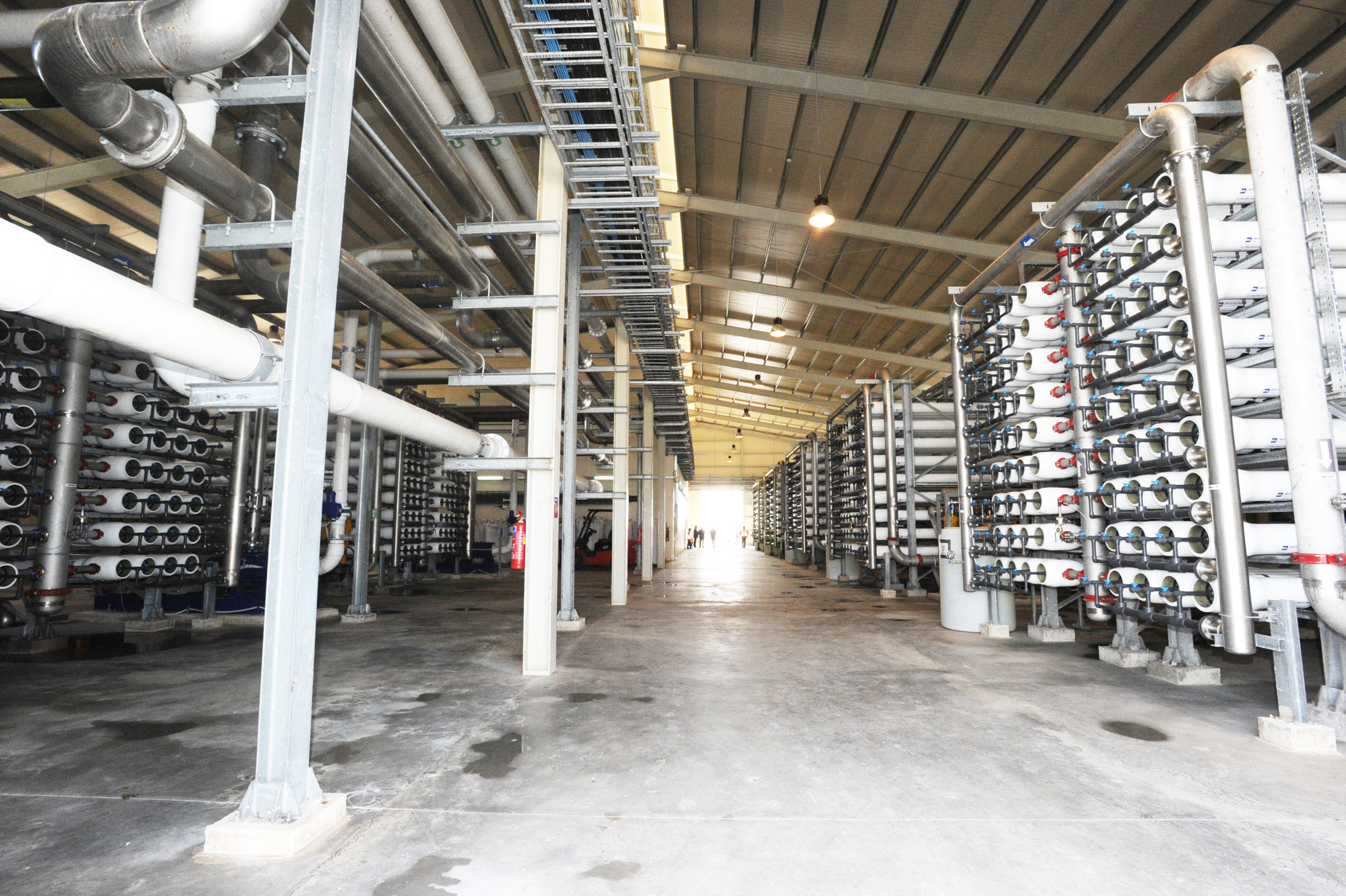
    Every day, 60,000 cubic metres of desalinated water are re-processed instead of reaching the general water supply, according to Akis Kikas from the Audit Office. This revelation was shared during a meeting with MPs on Thursday, highlighting significant inefficiencies in Cyprus’s water management.

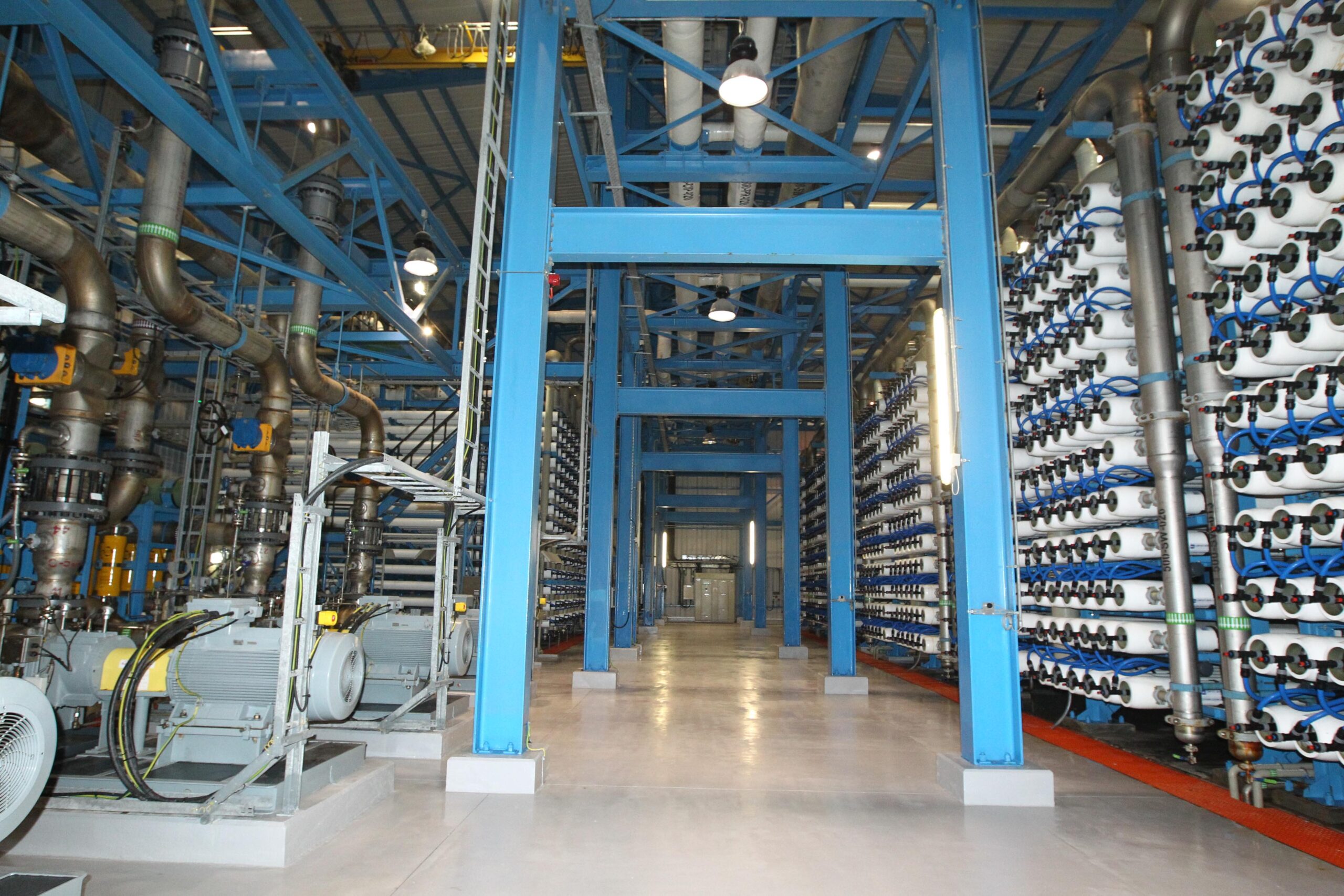
    At the facilities of the Electricity Authority of Cyprus in Vasiliko, the desalination process generates a substantial amount of water. However, due to inadequate pipeline infrastructure, this water is diverted to the southern conveyor, the island’s largest water development initiative.

    The southern conveyor is designed to collect excess water from the southwest of Cyprus, transferring it to regions in need for irrigation and domestic use. Unfortunately, this diversion leads to the desalinated water mixing with dirt, necessitating further cleaning at a refinery in Tersefanou. As a result, consumers end up paying twice for the same water.

    Kikas noted that this has been an ongoing practice for the past decade, although he clarified that only a small percentage of the total desalinated water is affected by the pipeline issues. The Audit Office is currently preparing a report on the management of the island’s water resources, with publication expected by the end of the month.

    During the same meeting, Kikas raised concerns about 15 privately-owned dams that fail to meet legal safety standards. Among the most hazardous are the dams at Tamasos, Yermasoyia, and Polemidia. The House audit committee gathered to address the maintenance of these dams, with MPs expressing alarm over the shortage of qualified engineers available for necessary repairs.

    Adding to the urgency of the situation, parliamentarians pointed out the critically low water levels in the dams amid ongoing drought conditions. The Kouris dam, the largest on the island, is currently at just 12 per cent of its capacity, while Asprokremmos and Evretou dams sit at 11.5 per cent and 14 per cent, respectively.

  • Paphos water: Paphos District to Ensure Stable Water Supply Throughout 2024

    Paphos water: Paphos District to Ensure Stable Water Supply Throughout 2024

    paphos water — paphos water — Paphos will enjoy a stable water supply next year, with assurances from the agriculture ministry that there will be no disruptions, even in adverse weather conditions. Andreas Gregoriou, the undersecretary of the agriculture ministry, made this statement during the harvest festival in Panayia, reinforcing the government’s commitment to addressing water supply challenges in the region.

    Paphos water: Ministry’s Commitment to Water Security

    Gregoriou stated, “We are in the final stage. It seems that we will manage to avoid any cuts, even though we are at the beginning of the new hydrological year, because we have expectations that we will have more rain than the previous dry year.” This outlook is bolstered by the ongoing development of new desalination units, which are expected to enhance the district’s water supply significantly.

    Desalination Units Under Construction

    According to Gregoriou, the construction of desalination units will eliminate any concerns regarding water supply in Paphos, regardless of weather fluctuations. He confidently remarked, “Therefore, Paphos’ water problem can be considered solved for 2026 as well.” This statement indicates a proactive approach to managing potential water shortages that have historically affected the area.

    Local Officials Weigh In

    Charalambos Pittokopitis, the governor of the Paphos district, also addressed the festival attendees, highlighting the resilience of the district’s water supply system. He noted that the supply has been maintained under “very difficult conditions,” indicating the challenges faced in recent years due to weather patterns and increased demand.

    Mobile Desalination Units to Boost Supply

    One key development is the installation of a mobile desalination unit near Potima beach in Kissonerga, which is projected to produce approximately 12,000 cubic metres of water. This unit, along with the return of a previously damaged desalination facility in Kouklia, will play a crucial role in ensuring that Paphos does not encounter water supply issues in the near future.

    Pittokopitis expressed confidence in the district’s water supply, stating, “I can state with certainty that the water issue regarding drinking water in both the town and in the district of Paphos has been resolved.” This statement serves to reassure residents and stakeholders about the reliability of their water resources.

    Recent Developments in Water Infrastructure

    In addition to the new mobile desalination unit, the water development department’s district engineer, Charis Kasioulis, confirmed that studies to repair the Mavrokolympos reservoir, which was drained in January, are complete. He stated that work to fix the corroded vent will be finished before the winter season, allowing the reservoir to reopen and contribute to the water supply.

    New Mobile Units from the UAE

    The recent arrival of 12 mobile desalination units from the United Arab Emirates marks a significant step forward in addressing water scarcity in Cyprus. The first of these units entered service in July, with George Kazantzis, the acting director of the water development department, describing the installation process as “extremely complex.” These units are designed to support the broader water supply network across the island.

    Excess water produced by these units will be redirected to other districts currently facing supply challenges, ensuring a balanced distribution of water resources across the region. This cooperative approach is crucial in mitigating the effects of prolonged droughts.

    Government’s Proactive Measures

    The Cypriot government has taken proactive measures to prevent future water shortages, with President Nikos Christodoulides announcing the new desalination units in April. Government spokesman Konstantinos Letymbiotis assured the public that there would be “no risk” of water cuts during the summer months due to the imminent arrival of additional desalination units.

    Christodoulides emphasised that the units would be provided “free of charge,” which he described as a testament to the strength of international relations and the importance of sound internal policy regarding water management.

    Looking Ahead

    As Paphos prepares for the coming year, the combination of new desalination units, improved infrastructure, and a commitment to sustainable water management suggests a promising future for the district’s water supply. Residents can look forward to a year without the worry of water cuts, thanks to the concerted efforts of local officials and the agriculture ministry.

  • Cyprus Invests €5.6 Million to Enhance Kato Pyrgos Fishing Shelter

    A significant investment of €5.6 million aims to resolve long-standing issues at Kato Pyrgos fishing shelter. The area has faced chronic problems due to sand and dead seaweed accumulation, primarily Posidonia, which has led to operational difficulties requiring costly and frequent cleaning and deepening efforts.

    Photo: in-cyprus.philenews.com

    Kato pyrgos: Addressing Operational Challenges

    President Nikos Christodoulides announced the project during his recent tour of the Tillyria region, emphasising the importance of supporting sea professionals for local development. The Public Works Department has reported that each cleaning intervention costs between €400,000 and €500,000 and occurs approximately every 1.5 to 2 years, imposing a significant financial burden on the state budget.

    Photo: in-cyprus.philenews.com

    A Permanent Solution in Sight

    The need for a permanent, technically viable, and environmentally compatible solution has been underscored by these recurring expenses. The new improvement project has undergone detailed planning, supported by an approved Environmental Impact Assessment Study. Notably, the European Union is expected to co-finance the initiative through its Maritime, Fisheries and Aquaculture Programme for 2021-2027.

    Details of the Proposed Improvements

    The proposed solution is designed to be both technically and environmentally optimal. Key components include:

    • Construction of new windward and leeward breakwaters.
    • Repositioning the entrance towards deeper waters.
    • Demolition of existing structures with plans for reusing rock blocks where feasible.
    • Creation of access corridors for cleaning vehicles, enabling future maintenance without dredging.
    • Installation of pipes and channels for harbour basin water renewal.
    • Creation of a fresh seawater system through a fountain.

    This selection process was guided by technical and environmental criteria aimed at ensuring calm within the harbour basin, effectively addressing the silting issue, and reducing long-term maintenance costs while protecting the sensitive marine environment.

    Long-Term Project Viability

    The construction of this project is expected to have a lifespan of 50 years, with functional adequacy projected for 25 years. Plans for re-examination and potential upgrades will be implemented as future needs arise. Additionally, based on a request from the Department of Fisheries and Marine Research, the project design will include provisions to double the number of berths from 16 to 30, accommodating both professional fishermen and vessels from the Naval and Port Police.

    Environmental Considerations at the Forefront

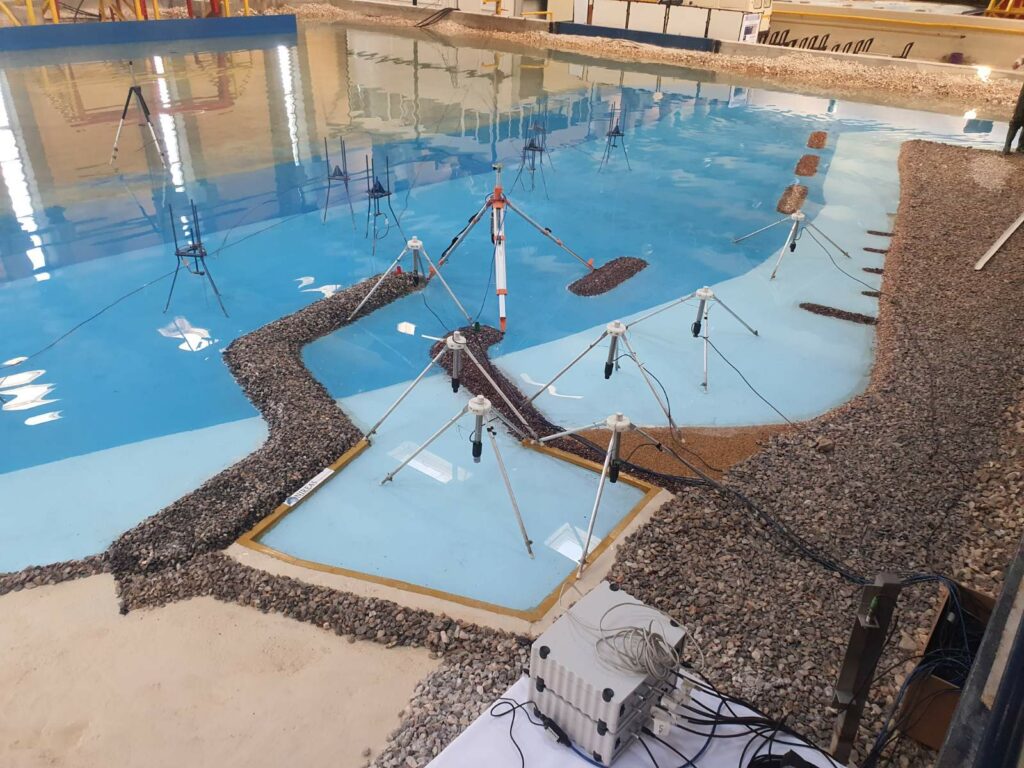
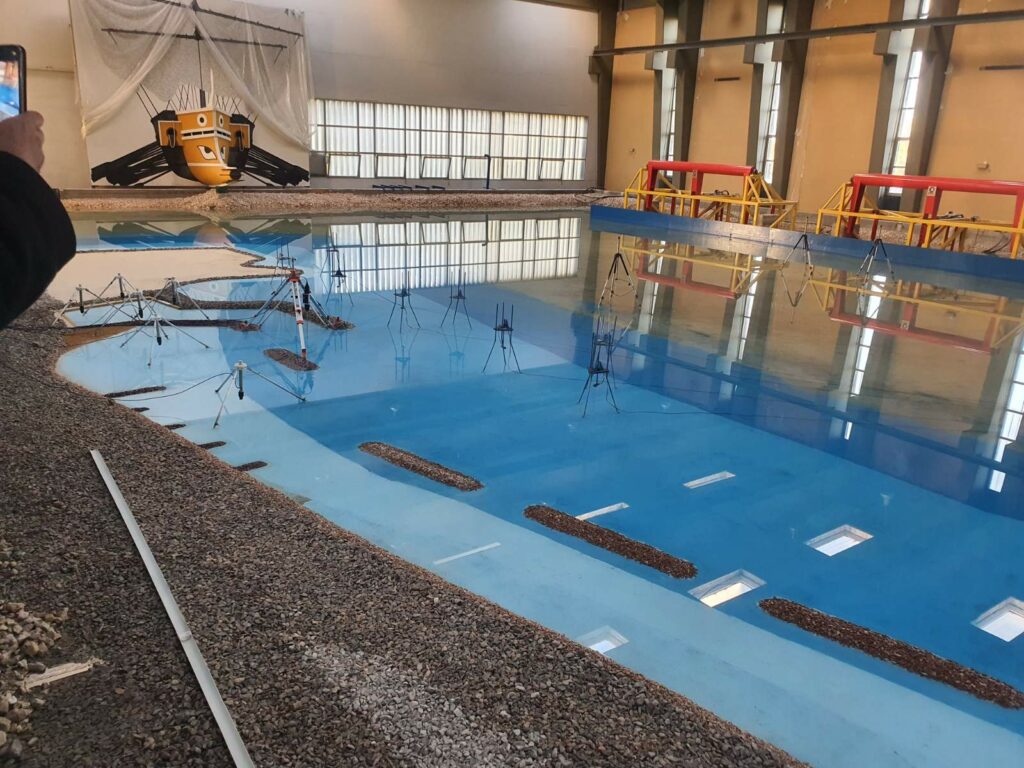
    Environmental protection is a priority, with the ecological study encompassing an inventory of local biodiversity, shoreline evolution simulations, and 3D physical modelling. The project aims to avoid extensive deepening that could affect the seabed, ensuring minimal disruption to the local ecosystem.

    President Christodoulides indicated that the Agriculture Ministry, in collaboration with the Public Works Department and the National Technical University of Athens, is already studying optimal solutions, with the related study expected to complete by 2025. Following this, project tendering will commence, with completion and operational functionality anticipated around 2026.

    Local Economic and Social Implications

    Kato Pyrgos fishing shelter plays a vital role in the local economy and the social fabric of a geographically isolated area. The planned upgrades are expected to enhance vessel safety, ensure the sustainability of fishing professions, and promote tourism and environmental development in the region.

    The state’s commitment to this significant investment signals that the future of Kato Pyrgos will rely not on temporary fixes but on substantial, long-term interventions that respect and protect the natural environment.

  • President Affirms No Disagreements with Greece on Great Sea Interconnector

    President Affirms No Disagreements with Greece on Great Sea Interconnector

    great sea — President Nikos Christodoulides has confirmed that there are no disagreements with the Greek government regarding the Great Sea Interconnector (GSI) project, a vital initiative aimed at connecting the energy grids of Cyprus, Greece, and Israel.

    His remarks come after Greek Deputy Prime Minister Kostis Hatzidakis urged the Cypriot government to clarify its stance on the GSI during a press conference. Highlighting the project’s significance, Hatzidakis noted that Cyprus stands to gain substantially from the interconnector, which would alleviate the island’s current energy isolation.

    Despite the enthusiasm surrounding the project, Hatzidakis pointed out a crucial financial concern, stating that the costs of the GSI cannot rely solely on Greek taxpayers. He stressed the need for shared funding, with a particular reference to a request made by Greece’s independent transmission system operator, Admie, for the Cypriot government to contribute €25 million towards financing the project. This request has faced resistance from Cypriot Finance Minister Makis Keravnos, who has yet to give his consent.

    Admie holds a 51 per cent stake in the GSI, making it the majority stakeholder and responsible for its execution. President Christodoulides reiterated the strategic importance of the project for Cyprus and expressed confidence in Admie’s commitment to fulfilling its responsibilities. He emphasised that the sustainability of the GSI hinges on Admie meeting its obligations.

    In a related development, the President revealed that the European Public Prosecutor’s Office (EPPO) has initiated an investigation into potential criminal offences linked to the electrical interconnection project. This announcement came after an earlier inquiry into an alleged €101 million corruption case involving the liquefied natural gas (LNG) import terminal in Vasiliko.

    Christodoulides acknowledged that the EPPO investigations may be causing delays in the implementation of both projects. However, he asserted that these delays are necessary to maintain the country’s international reputation and ensure transparency in the management of public funds. The investigation, which began in March 2024, is reportedly scrutinising bank accounts of various politicians, state officials, and civil servants, amidst allegations of procurement fraud and misappropriation of EU funds.

    While the EPPO has remained tight-lipped about specific details, sources suggest that a court request to lift bank confidentiality has revealed significant evidence currently under examination in Luxembourg. As the investigations unfold, both governments are keenly awaiting results that could impact the future of the GSI and the broader energy strategy for Cyprus.