Tag: overcrowding

  • Neglect and Overcrowding in Cyprus Cemeteries Reflect Cultural Differences

    Neglect and Overcrowding in Cyprus Cemeteries Reflect Cultural Differences

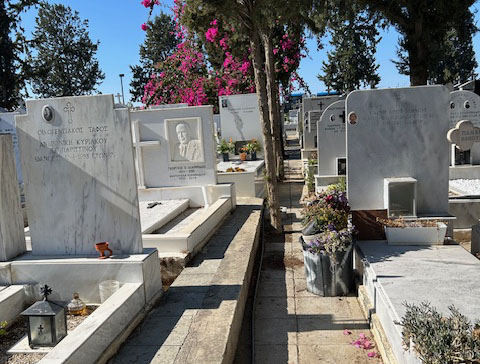
    Neglect and overcrowding in Cyprus cemeteries highlight the stark contrasts with grave management in other countries, particularly in Europe. A recent visit to a cemetery in Nicosia revealed a disheartening scene: narrow pathways and overgrown graves, many of which have been unattended for decades.

    Photo: cyprus-mail.com

    Overcrowding: Contrasting Cemetery Experiences

    In stark contrast, cemeteries in countries like Germany are often designed as serene parks, where people not only pay respects but also enjoy leisurely walks. A local resident from Dortmund remarked, “The main cemetery in Dortmund is where most people walk their dogs. It is a place where you feel at peace.” This sentiment speaks volumes about the cultural integration of cemeteries into daily life in northern Europe, a stark difference from the experience in Cyprus.

    Photo: cyprus-mail.com

    The Role of Land Ownership

    One key factor contributing to the overcrowding in Cypriot cemeteries is land ownership. The Church in Cyprus owns vast amounts of land, which raises questions about prioritisation. While they have the capacity to develop luxury housing, it prompts the question: why not allocate more land for peaceful resting places? A local visitor pondered if the Church might consider enhancing these spaces for the living, as well as the deceased.

    Cultural Influences on Grave Management

    Graveyards reflect societal values and traditions. According to an AI analysis, “Differences exist in cemetery design and grave space management, which can be influenced by region, climate, and cultural traditions.” In Cyprus, older cemeteries are often overcrowded, with perpetual rights to grave plots meaning families can reserve a space indefinitely. This contrasts sharply with the practice in Germany, where graves are typically leased for a set period, often ranging from 20 to 30 years. After this time, families are contacted to remove headstones and belongings.

    The Value of Perpetual Rights

    Perpetual rights to graves in Cyprus cater to a society that cherishes long family traditions. This arrangement allows families to return to visit graves of their loved ones over the years. However, challenges arise when there are no surviving relatives to maintain these graves, leading to neglect and abandonment. As the island’s population ages, the cycle of care for these graves may dwindle.

    Reluctance Towards Cremation

    Another layer to this issue is the cultural reluctance towards cremation in Cyprus. In northern Europe, cremation is widely accepted, with approximately 779,100 cremations in Germany in 2022, accounting for about 78 per cent of total deaths. The preference for burial in Cyprus requires more space and maintenance, yet there remains no crematorium on the island, further exacerbating the space limitations in cemeteries.

    Looking Ahead

    As discussions about cemetery management continue, the differences between northern and southern European attitudes towards death and remembrance become increasingly apparent. It raises crucial questions about the future of burial practices in Cyprus and the potential for change in how communities honour their deceased.
  • Justice Minister Commits to Reform Central Prisons Following Inmate Deaths

    Justice Minister Commits to Reform Central Prisons Following Inmate Deaths

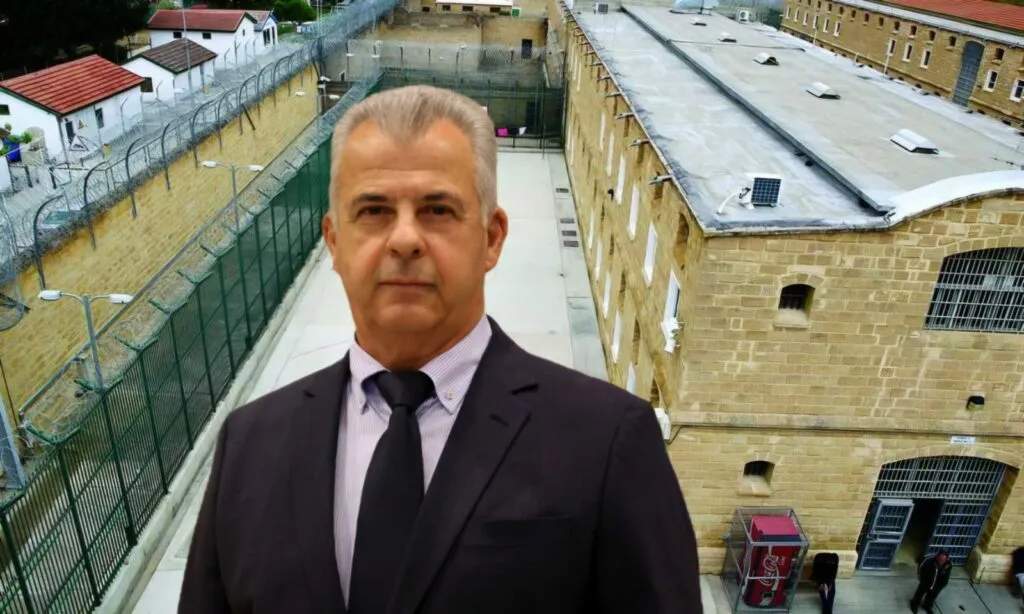
    The Justice Minister has pledged significant changes to the Central Prisons after two inmates tragically died within a week. Costas Fytiris announced a “swift, substantial and comprehensive intervention” to tackle pressing issues within the facility, emphasising the need for urgent improvements.

    This announcement came after an urgent meeting with President Nikos Christodoulides, which followed the unsettling fatalities. The Minister visited the prison to receive updates from law enforcement and prison administration regarding the initial findings of the ongoing investigation into the deaths. He has since called for a prompt completion of this inquiry to clarify the circumstances surrounding the incidents.

    At the meeting with President Christodoulides, Minister Fytiris outlined his vision for addressing the “long-standing problems” plaguing the Central Prisons. He affirmed that he now had a clear understanding of the facility’s needs and expressed his determination to implement necessary changes.

    The Ministry of Justice has identified several priorities as part of its response, focusing on immediate, medium-term, and long-term measures. These initiatives revolve around three main axes:

    • Decongestion of the Central Prisons.
    • Improvement of inmate living conditions.
    • Upgrading surveillance and control measures to prevent delinquent behaviour.

    The Ministry highlighted that these actions are crucial to ensuring the prison operates in accordance with the rule of law and adheres to national and international human rights standards for all detainees and staff. Discussions also addressed the pressing issue of appointing a permanent director for the Central Prisons, a position that has remained vacant.

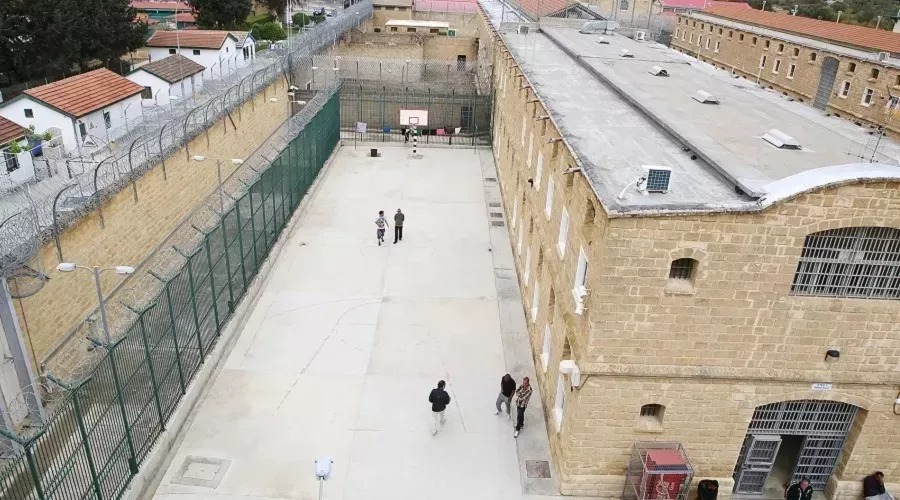
    The recent deaths have brought renewed scrutiny to the Nicosia Central Prisons, which have long been under fire for their conditions. Reports from the Council of Europe’s Committee for the Prevention of Torture (CPT) have classified the environment as one that constitutes inhuman and degrading treatment. The CPT’s visits in 2023 and 2025 confirmed that the facility is significantly overcrowded, with many inmates confined to spaces of less than 6m² and often forced to sleep on the floor.

    This overcrowding crisis is compounded by chronic understaffing, undermining essential safety and security protocols and resulting in heightened levels of violence among inmates. The volatile conditions have been linked to inadequate support for vulnerable prisoners and a significant risk of suicide.

    Moreover, the CPT has condemned the ongoing practice of holding minors in unsanitary conditions lacking basic services, urging authorities to immediately transfer all children and young adults to appropriate facilities.

  • Crisis at Central Prisons Deepens with Two Inmate Deaths

    Crisis at Central Prisons Deepens with Two Inmate Deaths

    The operational crisis at Cyprus’s Central Prisons has reached a critical juncture following the death of an inmate by apparent suicide in the early hours of Saturday. This tragic event marks the second inmate death within a week, prompting urgent discussions at the highest levels of government.

    In response to the alarming situation, President Nikos Christodoulides convened an emergency meeting with Minister of Justice Costas Fytiris. The Minister had made a swift visit to the prison to assess the circumstances surrounding the death, which is pending a formal autopsy report. His findings revealed severe issues within the facility, including chronic overcrowding and understaffing, which have been longstanding concerns.

    Central prisons: Urgent Calls for Reform

    Minister Fytiris is in the process of preparing a comprehensive report for the President, detailing the urgent needs and proposed remedial actions for the prison. Among these is the pressing requirement to appoint a permanent director, a position currently left vacant, thereby exacerbating the operational challenges.

    Alexandros Clerides, President of the Association for the Protection of Prisoners’ Rights, has vocally condemned the prison conditions, labelling them a “crime” that endangers the lives of inmates. He highlighted findings from the Council of Europe’s Committee for the Prevention of Torture (CPT), which pointed to severe deficiencies in resource allocation and staff levels. “No inmate can feel safe under this regime, and their families cannot be at ease about what tomorrow will bring,” Clerides stated, emphasising the urgent need for action.

    Government Under Fire

    Clerides also took aim at the government’s choice of advisors, arguing that those responsible for the current crisis cannot be trusted to provide effective solutions. He asserted that many in the Central Prisons Administration have faced disciplinary and criminal allegations without proper investigation, yet they remain in influential positions. This lack of accountability has raised serious concerns about the safety and welfare of inmates.

    In a bold demand, Clerides insisted on having representation from his association at any high-level discussions regarding prison reforms, asserting that they have been consistently validated in their warnings about the deteriorating conditions. “We have been proven absolutely correct on all the points we have been shouting about for so long,” he remarked, calling for immediate reforms to ensure the safety of all inmates.

    A Call for Transparency and Action

    The deaths of the two inmates within such a short span have ignited a firestorm of criticism against the prison system and the government’s handling of the crisis. The public is increasingly aware of the dire state of the Central Prisons, with many calling for transparency and accountability in the management of the facility.

    The government now faces mounting pressure to act swiftly and decisively to address the serious shortcomings that have led to this tragic situation. The urgency of the matter is evident, and the eyes of the nation are on the leaders as they navigate the complexities of prison reform in Cyprus.