Tag: rural life

  • The Disappearing Shepherds of Cyprus

    The Disappearing Shepherds of Cyprus

    The role of shepherds in Cyprus is fading, with fewer individuals embracing the traditional occupation as the modern world encroaches on pastoral life.

    Photo: cyprus-mail.com

    • The role of shepherds in Cyprus is fading, with fewer individuals embracing the traditional occupation as the modern world encroaches on pastoral life.

    Shepherds: Life as a Modern Shepherd

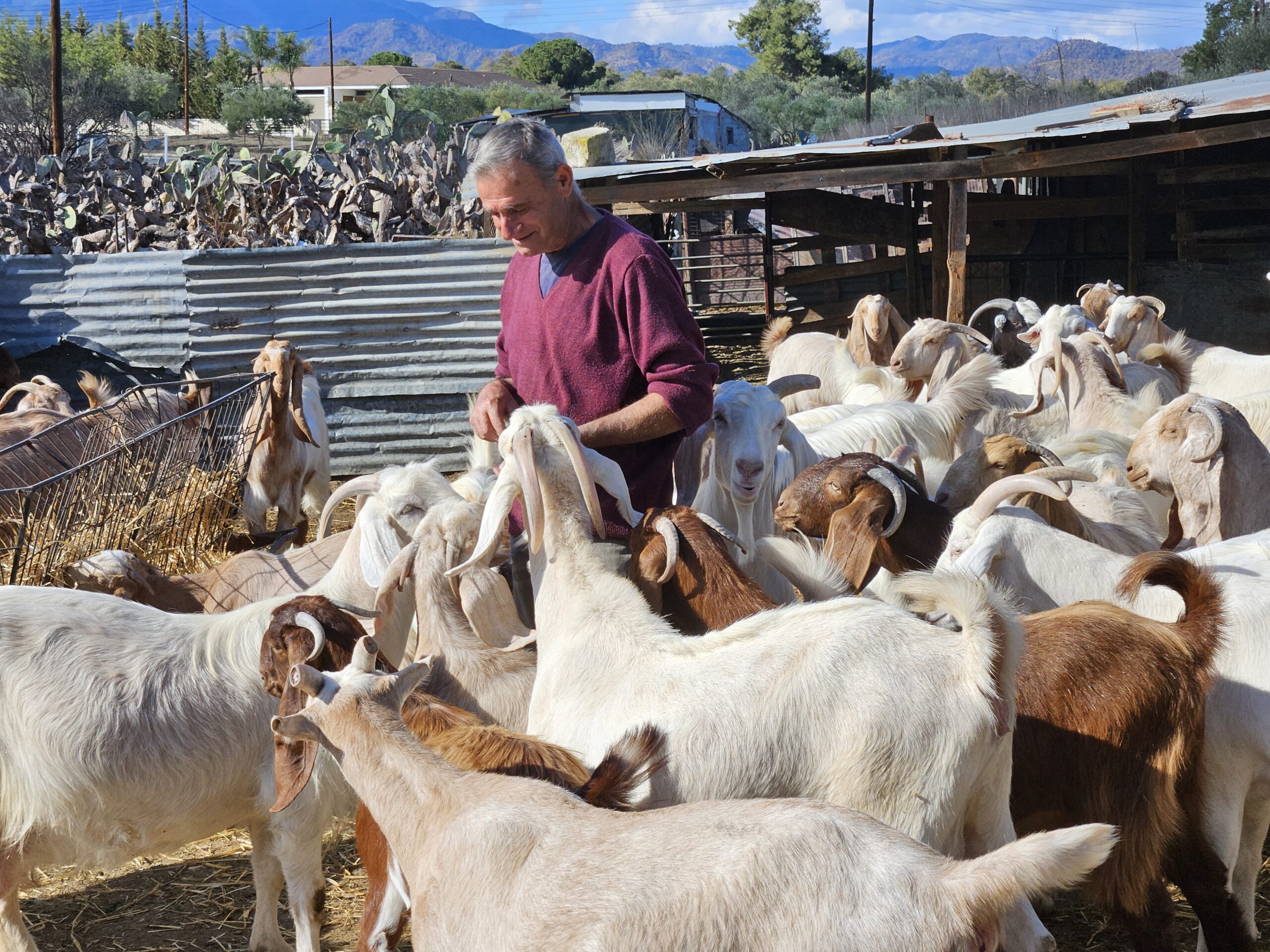
    In the village of Mathiatis, only three shepherds remain dedicated to the age-old practice of watching over their flocks. Among them, George Kasapis stands out, having transitioned from a full-time goatherd to a semi-retired enthusiast. At 66, he reflects on the challenges and joys of his past life, where he supported his family through the rigours of shepherding.

    Photo: cyprus-mail.com

    George’s Journey

    George’s experience as a shepherd was demanding, requiring unwavering commitment every day of the year. “You’re tied to it,” he recalls, explaining how the responsibilities of caring for his animals overshadowed personal and family emergencies. After selling his herd and taking a job with the forestry department, he returned to goat-rearing as a hobby following his retirement three years ago.

    Shepherding in a Changing Landscape

    With the landscape of Cyprus evolving, George now operates from an old enclosure that belonged to his wife’s uncle. His day begins early, involving the production of fresh halloumi before tending to his goats. Despite the challenges, including a recent surgery that left his right arm nearly immobile, he remains agile and spirited, often sharing stories from his time in the fields.

    The Cost of Tradition

    While George enjoys his pastoral life, he acknowledges the financial strain of modern farming regulations. The European Union’s requirements complicate the shepherding landscape, making it difficult for traditional farmers to thrive. Licences and specifications for milking areas and equipment have deterred many from continuing the craft. George laments the decline, stating, “Since we joined the EU, it’s all gone.”

    The Joys of Goat Rearing

    Despite the hurdles, George finds joy in rearing goats. He estimates that a goat costs between €200-250, but he bought ten kids for around €40 each, now nurturing a thriving herd. With December marking the season of births, he anticipates the arrival of new kids, reflecting on the simple pleasures of watching them grow.

    Connections with Animals

    George expresses a profound bond with his goats, asserting their intelligence and emotional capacity. “They love you,” he says, recounting how they acknowledge his care and companionship. His daily routine includes talking to them, feeding them treats, and ensuring their well-being, reinforcing the connection between man and beast.

    A Contrast in Farming Approaches

    Just down the road lies a stark contrast to George’s humble farm—the ultra-modern, EU-funded sheep farm owned by Marios Michael. With 500 sheep and only two staff members, Marios’ operation showcases a mechanised approach to farming. Unlike George, Marios admits he does not take his animals out regularly, preferring to maintain control over their environment to optimise milk production.

    Tradition Versus Technology

    While Marios’ methods reflect efficiency and compliance with modern agricultural practices, George’s approach embodies a connection to traditional shepherding. The mechanised farm may ensure better standards of food safety, yet it also highlights a shift away from the pastoral lifestyle that has defined Cyprus for centuries. George’s memories of leading sheep to slaughter contrast sharply with the sterile environment of Marios’ farm, reminding us of the deep-rooted traditions that are at risk of being lost.

    The Future of Shepherding

    George, despite the financial impracticalities of his work, continues because he loves animals and the life that comes with them. “Where am I going to go?” he muses, acknowledging that his rural existence is a choice shaped by a lifelong connection to nature. As fewer people choose the path of shepherding, the future of this ancient practice hangs in the balance.
  • Cyprus cows: Cyprus’ Cows Celebrate Heritage in New Documentary

    Cyprus cows: Cyprus’ Cows Celebrate Heritage in New Documentary

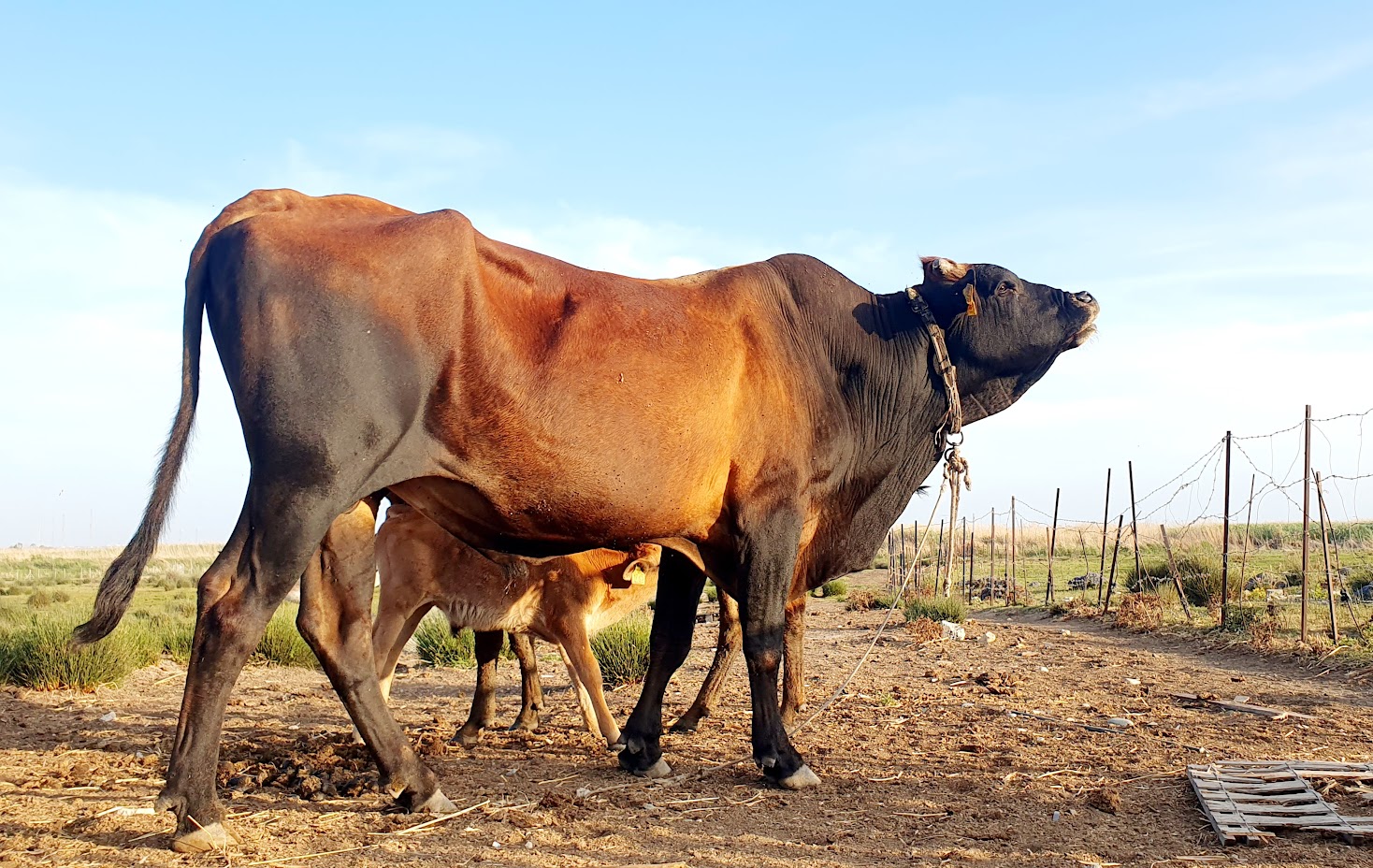
    cyprus cows — cyprus cows — Cyprus’ cows take centre stage in a new documentary that highlights their historical significance and current challenges. The film, titled The World Shrinks, premiered earlier this week at the Pantheon Cinema in Nicosia and brings to light the unique role of these animals in Cypriot agriculture and culture.

    Cyprus cows: A Rich Tapestry of History and Science

    The documentary delves into the story of the Cypriot cow, a creature that has been integral to farming on the island for centuries. It combines elements of archaeology, history, genetics, and folklore to showcase both well-known and unexpected facets of the cow’s legacy. This multifaceted approach aims to educate viewers on the importance of agricultural biodiversity and the rich heritage these animals represent.

    Voices of Expertise

    Anna Spyrou, a researcher involved in the film’s creation, expressed her fascination with the cows, attributing it to a blend of scientific inquiry and personal narratives from individuals she has met over the years, some of whom have since passed away. “These cows have seen it all,” she remarked, underscoring the deep connection between the animals and the people who have relied on them.

    Dr Efi Snow, representing the agriculture minister, referred to the cows as “a living treasure” of Cyprus. This sentiment was echoed by India’s High Commissioner, Manish Manish, who highlighted the genetic links of the Cypriot breed to Bos indicus, suggesting a surprising connection to Indian cattle.

    Scientific Insights and Cultural Significance

    The documentary is grounded in the Areti research programme, a collaboration involving the Cyprus Institute, the agricultural research institute, and Dublin’s Smurfit Institute of Population Genetics. It features genomic profiling of 10 per cent of the island’s local cows, marking a scientific first for Cyprus. This research provides crucial insights into the breed’s adaptation to the island’s unique climate and terrain.

    Dr Anastasios Leventis from the AG Leventis Foundation noted that the research has resolved many queries regarding this ancient breed, further emphasising their vital role in the rural landscape of Cyprus. Professor Thilo Rehren from the Cyprus Institute added that these cows are not merely livestock; they are interwoven into the very fabric of rural society and deserve robust protection.

    Capturing the Rural Experience

    The film not only presents scientific data but also captures the essence of rural life. Viewers are taken through the daily realities of farming, which involves hard work, dedication, and, at times, the stubbornness of the animals themselves. The documentary aims to foster an appreciation for the labour that goes into maintaining the agricultural heritage of Cyprus.

    The Importance of Preservation

    One of the film’s key messages is the importance of preserving agricultural biodiversity. As farming practices evolve and modernisation takes hold, there is a risk that traditional breeds, like the Cypriot cow, may vanish. This documentary serves as a timely reminder of the need to protect these animals, not just as agricultural assets but as symbols of cultural identity.

    Engaging the Community

    The screening at the Pantheon Cinema was well-received, attracting a diverse audience eager to learn more about the cows that have shaped the island’s agricultural landscape. The film’s engaging narration and visual storytelling have sparked conversations about the future of farming in Cyprus and the role of these animals in it.

    As the documentary gains traction, it is hoped that it will inspire further discussions on sustainable farming practices and the importance of maintaining local breeds. By highlighting the historical and cultural significance of Cyprus’ cows, The World Shrinks aims to instil a sense of pride and responsibility among viewers.

    Looking Ahead

    In an era where many traditional practices are at risk of being lost, documentaries like The World Shrinks play a crucial role in preserving cultural narratives. They remind us of the intrinsic value of our agricultural heritage and the animals that have been by our side throughout history.

    As the conversation around agricultural sustainability continues to evolve, the insights shared through this documentary could serve as a catalyst for renewed interest in protecting not just the cows of Cyprus, but the ecosystems they inhabit.