Tag: water management

  • Cyprus defence — Cyprus Defence Minister Engages with Israel on Regional Security Ahead of EU Presidency

    Cyprus defence — Cyprus Defence Minister Engages with Israel on Regional Security Ahead of EU Presidency

    cyprus defence — cyprus defence — Cyprus’s defence minister visited Israel to discuss regional security and bilateral cooperation ahead of the island’s upcoming European Union presidency. Vasilis Palmas met his Israeli counterpart, Israel Katz, on 15 and 16 December to exchange views on the security situation in Cyprus, Israel, and the wider Eastern Mediterranean and Middle East, according to a ministry statement.

    Photo: in-cyprus.philenews.com

    Cyprus defence: Strengthening Defence Ties

    The two ministers examined ways to reinforce bilateral defence and security ties between their countries. Palmas highlighted the importance of collaboration, stating that the Cypriot government will utilise its forthcoming EU Council presidency to enhance European unity and foster strategic stability in the region.

    Photo: in-cyprus.philenews.com

    Promoting Cooperation and Stability

    During his discussions, Palmas expressed Cyprus’s intent to deepen cooperation with Israel, aiming to encourage dialogue in areas of mutual interest while promoting regional peace, stability, and respect for international law.

    A Visit to the Civil-Military Coordination Centre

    While in Israel, Palmas visited the Civil-Military Coordination Centre, which serves as a key coordination hub for military, humanitarian, and international organisations involved in supporting the Gaza ceasefire implementation. He met with the centre’s commander, Major General Patrick D. Frank, to discuss ongoing efforts and collaborative strategies.

    Looking Ahead

    This visit comes as Cyprus prepares for its significant role in the EU, where it aims to address pressing issues in the Eastern Mediterranean. The discussions reflect a growing commitment between Cyprus and Israel to not only enhance their bilateral relations but also contribute positively to the broader regional landscape.

  • Cyprus Aims for Water Self-Reliance by 2028 with New Desalination Units

    Cyprus Aims for Water Self-Reliance by 2028 with New Desalination Units

    Cyprus aims to achieve 100 per cent water self-reliance by 2028 through the installation of two permanent desalination units, as announced by President Nikos Christodoulides.

    • Cyprus aims to achieve 100 per cent water self-reliance by 2028 through the installation of two permanent desalination units, as announced by President Nikos Christodoulides.
    • This remark elicited a strong rebuttal from Andreas Gregoriou, the permanent secretary of the agriculture ministry, who asserted that Cyprus has “not been left without water.”

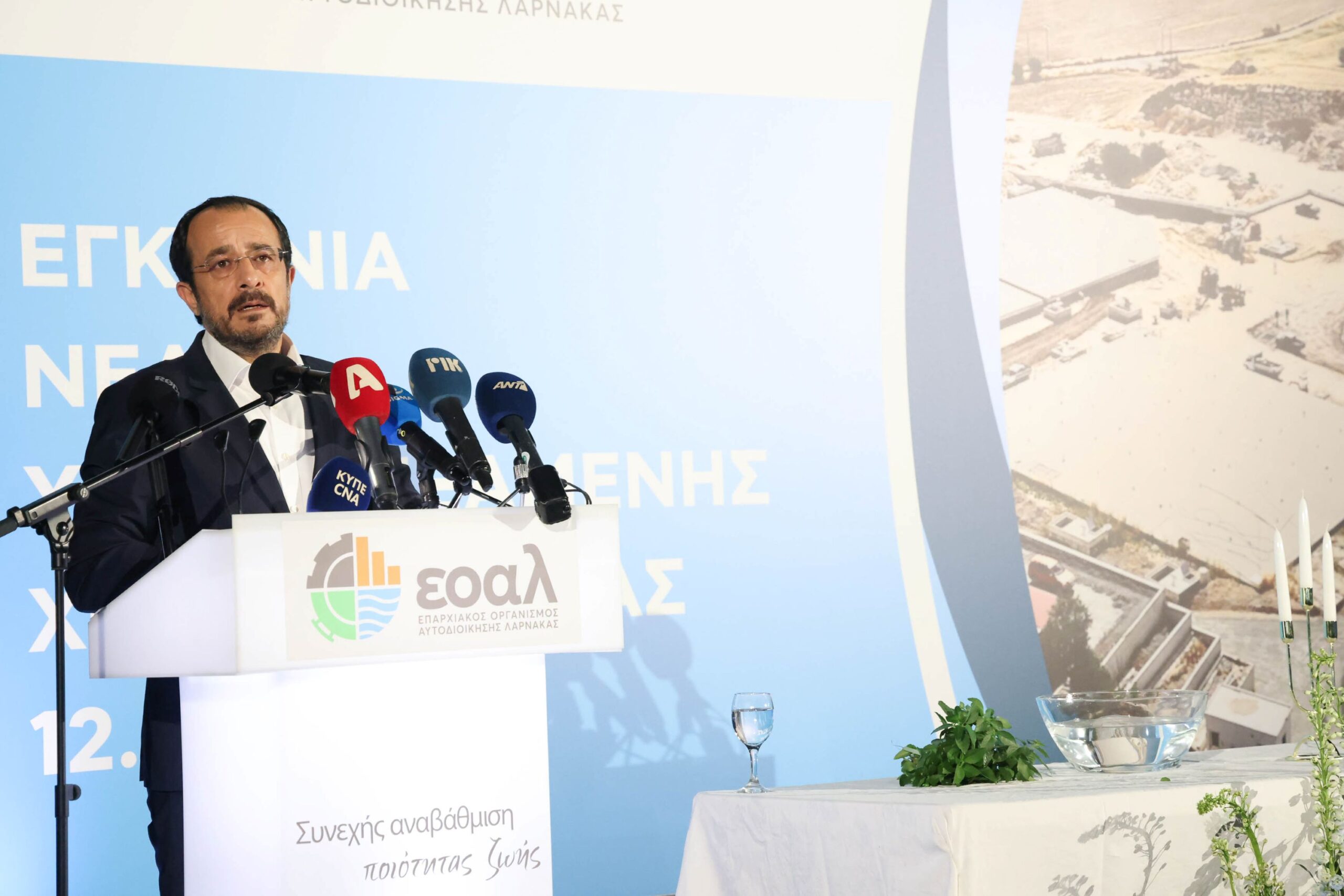
    During the inauguration of a new water reservoir in Larnaca, President Christodoulides emphasised the critical need for effective management of water resources. He stated, “The effective treatment of water scarcity and the rational management of water resources are of utmost importance and a strategic priority for the government.”

    The President pointed to concerning climate trends, noting that regional temperatures are rising at a rate potentially double that of other parts of the world. He cited a decrease of approximately 10 to 15 per cent in average annual rainfall since the mid-1990s.

    In a proactive response to these challenges, the government has decided on the establishment of three additional desalination units, with completion expected by summer 2026. These units are projected to increase the volume of water sourced from desalination facilities by 32 per cent.

    Plans are also in place to initiate studies for the implementation of two permanent desalination units powered by renewable energy by the end of 2025. Christodoulides articulated a goal to boost Cyprus’ self-sufficiency in water supply from the current 70 per cent to a full 100 per cent by 2028.

    Further emphasising the significance of infrastructure development, he mentioned the construction of additional tanks and reservoirs, similar to those recently established in Larnaca, which are deemed strategically important for the entire island.

    Christodoulides highlighted that Cyprus’s geographical position makes it particularly vulnerable to the impacts of climate change, underscoring the necessity for building water resilience in anticipation of extended and more frequent droughts.

    Projects in areas such as Polis Chrysochous and Kokkinokremmos were also referenced, illustrating their critical roles in enhancing and safeguarding the island’s water supply. Looking ahead, a total of 31 water-related projects are scheduled for completion by 2026.

    Currently, Cyprus’s dams are operating at only 11 per cent capacity, a situation that has drawn sharp criticism regarding the government’s water management strategies. In a recent heated discussion at the House agriculture committee, Disy MP Kyriacos Hadjiyianni expressed dissatisfaction with the administration’s actions, branding it a “disability government.”

    This remark elicited a strong rebuttal from Andreas Gregoriou, the permanent secretary of the agriculture ministry, who asserted that Cyprus has “not been left without water.”

  • Cyprus Water Management at Breaking Point After Years of Neglect

    Cyprus Water Management at Breaking Point After Years of Neglect

    Water management: Long-Standing Issues Persist

    Cyprus’s water management is at breaking point, with many problems highlighted in a 2016 audit remaining unresolved nearly a decade later. A recent report from the Audit Office has raised alarms about the delays and inadequacies that threaten the sustainable use of the island’s water resources. As climate change intensifies and water scarcity becomes a pressing issue, the findings underscore the urgent need for reform.

    • Concerns also arise from the absence of marker buoys for underwater pipes used for brine discharge or water transport, which poses risks for passing vessels and coastal activities.

    Audit Findings Raise Serious Concerns

    The follow-up audit conducted by the Water Development Department uncovered various issues with the management of water resources. Auditor General Andreas Papaconstantinou emphasised that the situation is critical, noting, “the prolonged period of drought our country is experiencing provides an opportunity for the best possible preparation and taking of measures, for example maintenance of dams.”

    The report pointed to administrative weaknesses, project delays, dam safety challenges, significant water loss, poor aquifer conditions, and inadequacies in water quality management as ongoing failures that require immediate attention.

    Stalled Water Projects and Financial Oversight

    Out of 60 planned water projects outlined in the 15-year Water Development Plan (2016-2030), only 14 have been completed. With €767 million allocated from the state budget, the lack of adequate monitoring raises questions about the sufficiency of funding and whether additional resources are needed. The delayed submission of the River Basin Management Plan and Flood Risk Management Plan to the European Commission has also led to a reasoned opinion for violating European legislation.

    Ageing Dams and Safety Risks

    Cyprus operates 104 large dams, 56 of which are registered with the International Commission on Large Dams (ICOLD). Many of these facilities are ageing and lack comprehensive maintenance plans and safety certificates. Alarmingly, there has been no independent inspection of large dams, and not a single final certificate has been issued for private dams. Most dams have exceeded their designed lifespan without ensuring compliance with reservoir safety regulations.

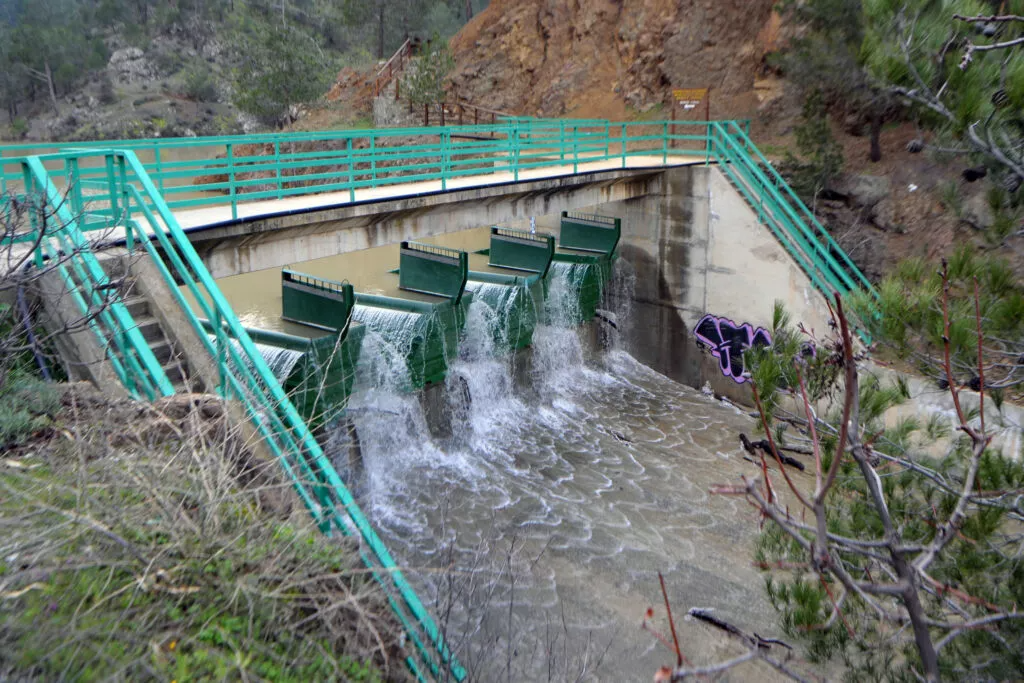
    The audit highlights the absence of operation and maintenance manuals for all dams and the failure to conduct timely inspections by independent engineers. It also stresses the importance of preparing inundation maps in case of dam failure, particularly for those near populated areas such as Kouris Dam. In January 2025, a leak at Mavrokolymbos Dam, caused by pipe failure, exposed critical issues regarding accessibility and preventative maintenance.

    Environmental Concerns from Desalination Plants

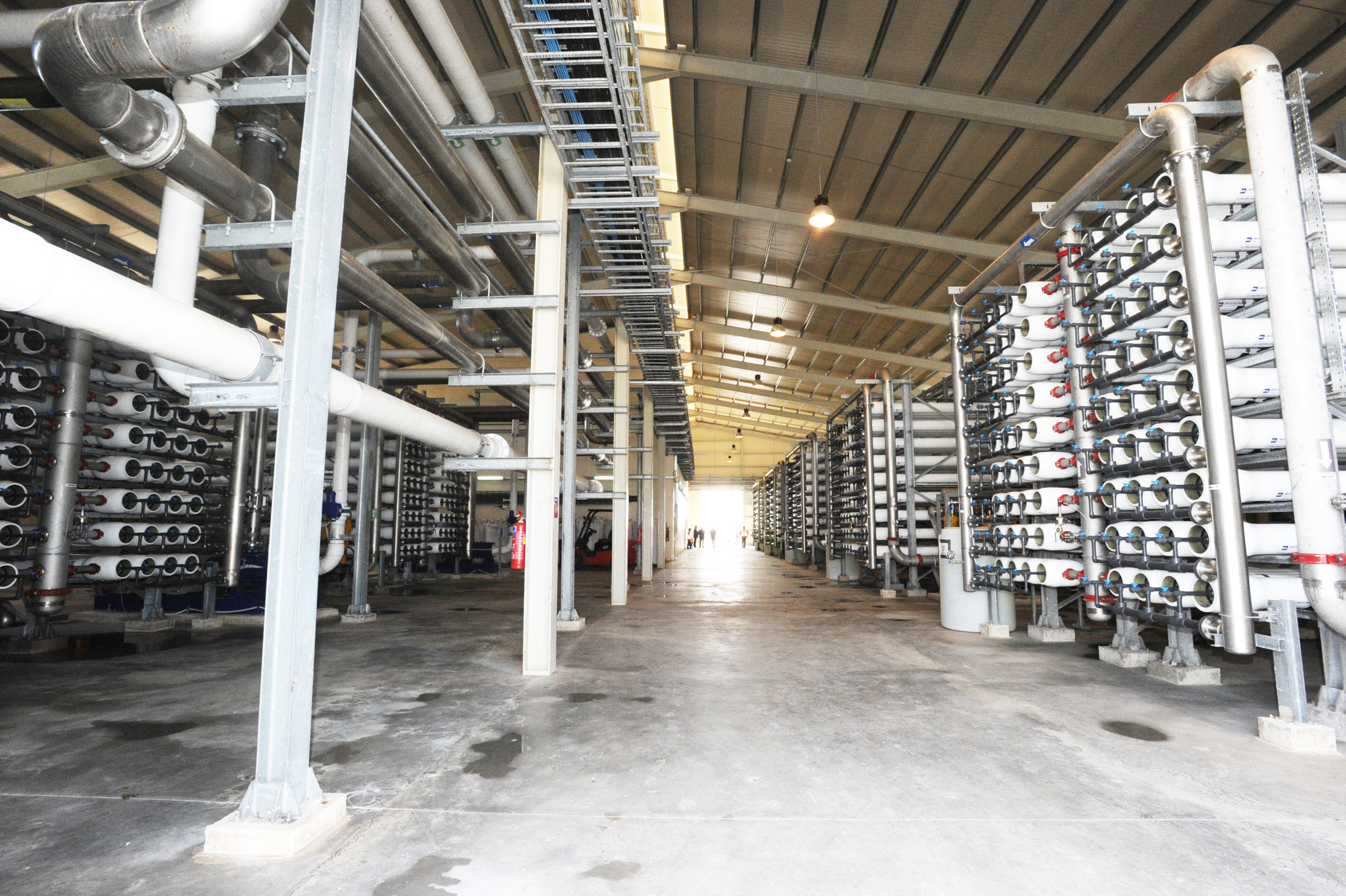
    Desalination plants have been pivotal in meeting Cyprus’s water supply needs, but the report raises serious concerns about their environmental impact and the economic burden on consumers. The brine produced by these plants is discharged into the sea, affecting marine vegetation near discharge points at the Larnaca and Dhekelia plants. As of the audit date, only two plants had secured necessary waste discharge permits.

    Additionally, the corrosive properties of desalinated water have led to significant issues for pipework and household installations, including water heaters. The report suggests interventions such as enriching desalinated water with calcium or carbon dioxide to alleviate these problems.

    Concerns also arise from the absence of marker buoys for underwater pipes used for brine discharge or water transport, which poses risks for passing vessels and coastal activities.

    Critical State of Aquifers

    Cyprus’s aquifers are in critical condition, with approximately 64% classified as chemically compromised. The primary causes include nitrate pollution, salinisation, and inadequate controls, making it challenging to estimate available water quantities and undermining effective planning.

    Widespread Water Loss

    Water loss remains a significant issue, with unaccounted-for water rates in Local Water Boards reaching or exceeding 29%. Total water losses across Cyprus are estimated to exceed 200 million cubic metres annually, largely due to ageing infrastructure. Most Local Water Boards do not conduct systematic monitoring of drinking water quality, and only 26% of boreholes have designated Protection Zones.

    Need for Stronger Institutional Framework

    The Advisory Committee for Water Management meets infrequently, only once or twice a year, and has not provided substantial guidance to Local Water Boards despite suggestions for a more active role since 2016. The Audit Office calls for strengthening the institutional framework through clear strategic planning, effective resource allocation, and better coordination among authorities.

  • Paphos water: Paphos District to Ensure Stable Water Supply Throughout 2024

    Paphos water: Paphos District to Ensure Stable Water Supply Throughout 2024

    paphos water — paphos water — Paphos will enjoy a stable water supply next year, with assurances from the agriculture ministry that there will be no disruptions, even in adverse weather conditions. Andreas Gregoriou, the undersecretary of the agriculture ministry, made this statement during the harvest festival in Panayia, reinforcing the government’s commitment to addressing water supply challenges in the region.

    Paphos water: Ministry’s Commitment to Water Security

    Gregoriou stated, “We are in the final stage. It seems that we will manage to avoid any cuts, even though we are at the beginning of the new hydrological year, because we have expectations that we will have more rain than the previous dry year.” This outlook is bolstered by the ongoing development of new desalination units, which are expected to enhance the district’s water supply significantly.

    Desalination Units Under Construction

    According to Gregoriou, the construction of desalination units will eliminate any concerns regarding water supply in Paphos, regardless of weather fluctuations. He confidently remarked, “Therefore, Paphos’ water problem can be considered solved for 2026 as well.” This statement indicates a proactive approach to managing potential water shortages that have historically affected the area.

    Local Officials Weigh In

    Charalambos Pittokopitis, the governor of the Paphos district, also addressed the festival attendees, highlighting the resilience of the district’s water supply system. He noted that the supply has been maintained under “very difficult conditions,” indicating the challenges faced in recent years due to weather patterns and increased demand.

    Mobile Desalination Units to Boost Supply

    One key development is the installation of a mobile desalination unit near Potima beach in Kissonerga, which is projected to produce approximately 12,000 cubic metres of water. This unit, along with the return of a previously damaged desalination facility in Kouklia, will play a crucial role in ensuring that Paphos does not encounter water supply issues in the near future.

    Pittokopitis expressed confidence in the district’s water supply, stating, “I can state with certainty that the water issue regarding drinking water in both the town and in the district of Paphos has been resolved.” This statement serves to reassure residents and stakeholders about the reliability of their water resources.

    Recent Developments in Water Infrastructure

    In addition to the new mobile desalination unit, the water development department’s district engineer, Charis Kasioulis, confirmed that studies to repair the Mavrokolympos reservoir, which was drained in January, are complete. He stated that work to fix the corroded vent will be finished before the winter season, allowing the reservoir to reopen and contribute to the water supply.

    New Mobile Units from the UAE

    The recent arrival of 12 mobile desalination units from the United Arab Emirates marks a significant step forward in addressing water scarcity in Cyprus. The first of these units entered service in July, with George Kazantzis, the acting director of the water development department, describing the installation process as “extremely complex.” These units are designed to support the broader water supply network across the island.

    Excess water produced by these units will be redirected to other districts currently facing supply challenges, ensuring a balanced distribution of water resources across the region. This cooperative approach is crucial in mitigating the effects of prolonged droughts.

    Government’s Proactive Measures

    The Cypriot government has taken proactive measures to prevent future water shortages, with President Nikos Christodoulides announcing the new desalination units in April. Government spokesman Konstantinos Letymbiotis assured the public that there would be “no risk” of water cuts during the summer months due to the imminent arrival of additional desalination units.

    Christodoulides emphasised that the units would be provided “free of charge,” which he described as a testament to the strength of international relations and the importance of sound internal policy regarding water management.

    Looking Ahead

    As Paphos prepares for the coming year, the combination of new desalination units, improved infrastructure, and a commitment to sustainable water management suggests a promising future for the district’s water supply. Residents can look forward to a year without the worry of water cuts, thanks to the concerted efforts of local officials and the agriculture ministry.