Blog

  • Police and Trust Insurance Collaborate for Safer Neighbourhoods

    Police and Trust Insurance Collaborate for Safer Neighbourhoods

    safer neighbourhoods — Police and Trust Insurance have launched a comprehensive plan aimed at enhancing neighbourhood safety and protecting private property. This initiative, known as “Together for Safe Neighbourhoods & Property Protection”, was unveiled during a press conference at the Hilton Hotel in Nicosia.

    Safer neighbourhoods: An Ambitious Partnership

    The memorandum signed between Trust Insurance, one of Cyprus’s leading insurance providers, and the police marks a significant step in revitalising the neighbourhood police officer system. This collaboration is designed to forge a shared commitment to crime prevention and community safety.

    Community Engagement at the Forefront

    Police chief Themistos Arnaoutis described this partnership as a milestone based on collective responsibility and shared values. He emphasised that the neighbourhood police officer institution is crucial for building a safe environment, even acknowledging staffing challenges during the Covid-19 pandemic. “The time has come, now that I am chief, to definitely strengthen the institution of neighbourhood police officers and observers,” he stated.

    Arnaoutis highlighted three key pillars of the memorandum: public education and information, leveraging Trust Insurance’s expertise, and enhancing corporate social responsibility through public-private collaboration. “We systematically invest in prevention through information, training and practical advice,” he added, reiterating the police force’s commitment to public safety.

    Strategic Objectives of the Action Plan

    Trust Insurance executive director Christos Christodoulou presented the action plan, detailing its strategic objectives aimed at bolstering community safety. The first objective involves increasing crime awareness through dedicated social media campaigns and community presentations. This proactive approach aims to empower residents with knowledge and awareness of potential threats.

    Another focal point is the increased presence of local police officers in communities, especially during peak hours. This visibility is expected to not only deter crime but also foster trust between officers and residents.

    Infrastructure Improvements for Safety

    Infrastructure also plays a critical role in the safety initiative. The action plan includes addressing deficiencies in street lighting by identifying areas that lack adequate illumination. The police will collaborate with local municipalities to improve infrastructure and ensure safer routes for residents.

    Modernising Public Spaces

    The initiative also stresses the modernisation of public spaces. Plans include installing panic buttons in parks and enhancing lighting in playgrounds, coupled with a public campaign promoting safe park use. This focus on public areas aims to make community spaces more secure and welcoming.

    Embracing Technology for Safety

    Perhaps the most innovative aspect of the partnership is the development of the Safe Zone Cy app. This AI-driven application is designed to provide a digital map with real-time police announcements, safety recommendations, and emergency alerts. Christodoulou expressed confidence in the app’s potential, stating, “We are committed to working alongside the police so that our actions have a substantial impact on society.”

    A Collective Responsibility

    Trust Insurance board member Kikis Kazamias, a former finance minister, added that both organisations are built on “trust and security”. He expressed optimism that this collaboration will yield measurable improvements in the daily lives of residents. Both the police and Trust Insurance have underscored that security is not solely the responsibility of authorities; it requires active involvement from the wider public.

    This partnership represents a proactive approach to community safety, blending traditional policing with modern strategies and technology. The focus on education, infrastructure, and community engagement aims to create safer neighbourhoods across Cyprus.


  • Cancer drug — Cyprus Oncology Society Addresses Cancer Drug Approval Delays

    Cancer drug — Cyprus Oncology Society Addresses Cancer Drug Approval Delays

    cancer drug — cancer drug — The Cyprus Oncology Society (OEK) has responded to concerns over delays in the approval of cancer treatment drugs by the Health Insurance Organisation (HIO). These delays have raised significant worries among patients and healthcare professionals alike.

    On Wednesday, OEK clarified its position, highlighting procedural issues related to the transfer of the nominal requests committee from the Health Ministry to the HIO. This transition, which occurred in May, has been cited as a contributing factor to the delays.

    OEK has engaged in consultations aimed at streamlining and improving the drug approval process. Following a meeting with HIO on May 26, both organisations agreed on a scientifically accepted timeline for updating and completing therapeutic protocols. OEK noted that these updates have already resulted in a decrease in the number of nominal requests.

    In cases where requests for drugs are rejected, OEK reassured physicians that there is a mechanism in place for appeals to be made to a review board. This process aims to ensure that treating physicians can advocate for their patients effectively.

    Amid rising complaints about critical delays, OEK emphasised its commitment to transparency and seriousness in applying the new criteria for drug approval. The society continues to monitor the situation closely and is prepared to intervene further if necessary.

    Earlier in May, the issue of obstacles in the oncology drug approval process was brought to light, with oncologists reporting instances of rejections or lack of communication after submitting urgent requests. The society’s proactive stance reflects its dedication to addressing these pressing concerns in the field of cancer treatment.

  • Pharmacies Operating Overnight on November 19 Across Cyprus

    Pharmacies Operating Overnight on November 19 Across Cyprus

    Pharmacies throughout Cyprus will remain open overnight on Wednesday, November 19, ensuring that residents have access to essential medications and health services during the late hours.

    Night-time Pharmacies in Nicosia

    • Solomou Ourania, Strovolos Avenue & Pythonos 4, next to the Glass Building, Strovolos, tel. 22313123, 22283622.
    • Triantafyllou Frankiskos Marios, Prodromou 24, opposite Evangelistria Medical Centre, next to Pandora bakery-patisserie, Engomi, tel. 22332315.
    • Konstantinou Dimitris, Stasandrou 26A, SEK Shareholding Pharmacy, Nicosia, tel. 22764691, 22484828.
    • Kitsa Marina, Kyriakou Matsis Avenue 21C & Samos, at traffic lights, Agioi Omologites, Nicosia, tel. 22441780, 22420506.
    • Chatzigianni Klio, Larnakos Avenue 129, next to Andreas Charalambous Ltd store, Nicosia, tel. 22333311, 22436322.
    • Kyriazo Anna Maria, United Nations & Mother Teresa 1A, after Carlsberg roundabout towards Idalion restaurant, next to Anytime kiosk, Dali, tel. 22313525.

    Limassol’s Overnight Pharmacies

    • Charalambous Charis, Miltonos 56, BMW Pilakoutas turn, towards Zakaki, opposite febalcasa furniture, Agios Spyridonas, Limassol, tel. 25710330, 25770285.
    • Malioti Chrysanthi, Georgios Averof 26, north of FOUI traffic lights near Agios Ioannis Lyceum, Limassol, tel. 25567939, 99461515.
    • Paraskeva Olga & Stavroula, Makarios III Avenue 98, next to Fairways, Polemidia traffic lights, Limassol, tel. 25335220, 25387104.
    • Koskinas Savvas, Archbishop Makarios III Avenue 8, Mesa Geitonia road, Mesa Geitonia, tel. 25728205, 25728210.
    • Koupepas Andreas, Anoikodomiseos 37B, north of Linopetras roundabout, Agios Athanasios, tel. 25724545, 99468643.

    Pharmacies in Larnaca

    • Sergiou Andreas, Archbishop Makarios 9, near Police Station, Larnaca, tel. 24623110, 24530445.
    • Andreou Despoina, Artemidos Avenue 30, near Faneromenis traffic lights, Larnaca, tel. 24656884, 24361084.
    • Christoforou Andreas, Larissas 21, Kamares towards Limassol, 400m after Cineplex cinema, Larnaca, tel. 24364270, 24646753.

    Paphos Pharmacy Listings

    • Kyrou Charitini, Neofytos Nikolaidis 18, 100m from new government buildings towards Geroskipou, Paphos, tel. 26949219, 26945762.
    • Taliotou Maria, Alexandros Papagos 57, Technical School roundabout towards RIO CINEMA, Paphos, tel. 26910276, 26932950.
    • Kallasidis Emmanouel, Mariou 17, Polis Chrysochous, tel. 26221877, 97744094.

    Famagusta Region Pharmacies

    • Stylianou Stelios, Sotiras 7A, opposite Lito clinic, Paralimni, tel. 23812040, 23744313.
    • Mastrou Androula, Petraki Giallourous 2E, Liopetri Square, next to traffic lights, Liopetri, tel. 23942028, 99524643.

    These pharmacies are part of a broader effort to ensure that citizens have access to necessary health services at all hours, reflecting the importance of community health in Cyprus.

  • Cyprus Forum Brussels: Vision for Digitalisation and Competitiveness in EU Presidency

    Cyprus Forum Brussels: Vision for Digitalisation and Competitiveness in EU Presidency

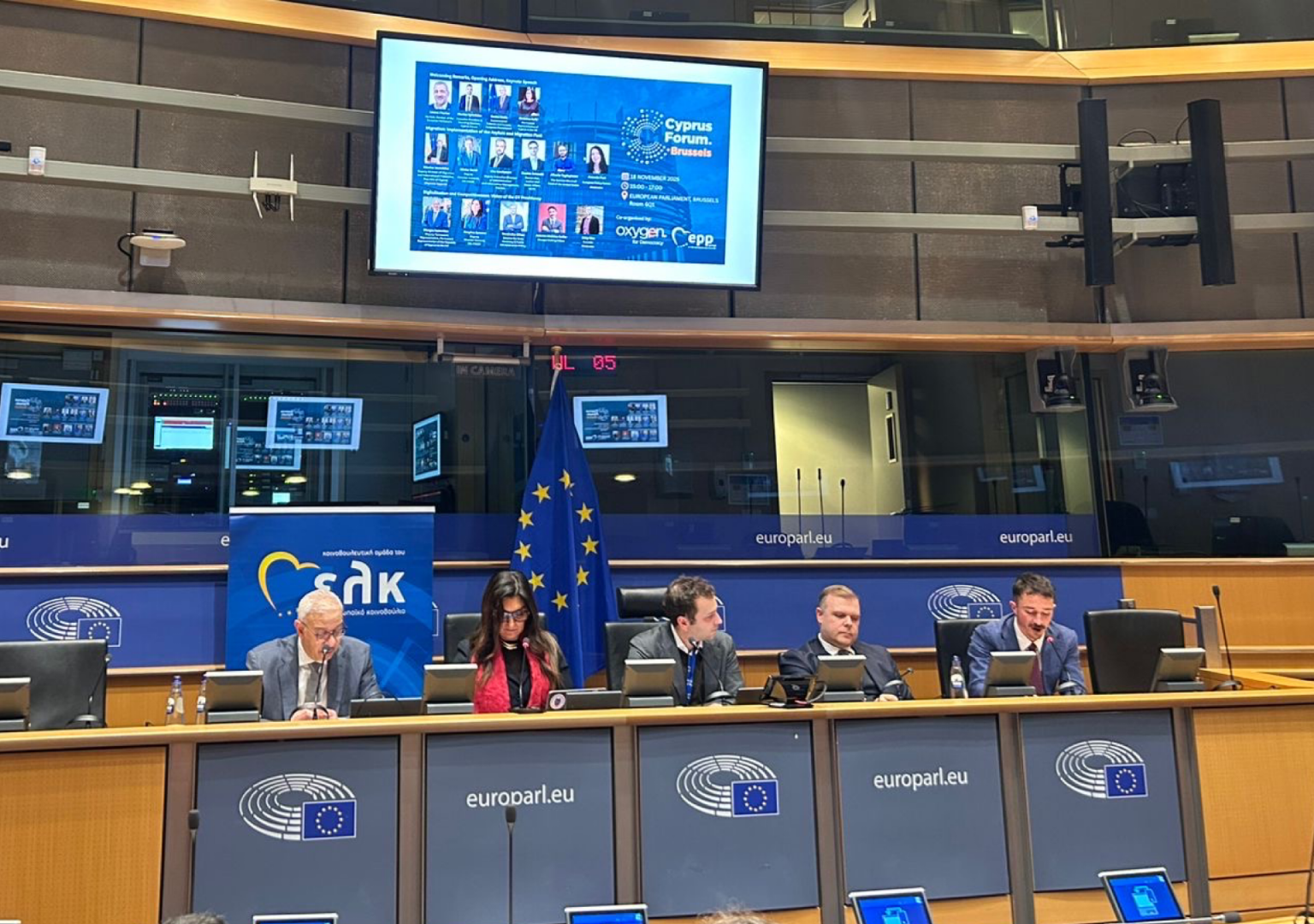
    digitalisation — The Cyprus Forum Brussels has set a clear vision for digitalisation and competitiveness as Cyprus prepares to take on the rotating Council Presidency of the European Union.

    Digitalisation: Steering the EU Digital Agenda

    During the event, a high-level panel discussed how Cyprus intends to influence the EU’s digital strategy, particularly through significant legislative initiatives such as the Digital Omnibus, the Business Wallet, and cybersecurity reforms. Cyprus aims to create a coherent and investment-friendly digital environment that enhances European competitiveness.

    Key Panel Participants

    Key figures in the discussion included Giorgos Ioannides, Deputy Permanent Representative of Cyprus to the EU; Despina Spanou, Deputy Director-General for Networks & Technology at the European Commission; Tzvetoslav Mitev, Director for Data Economy & Public Administration; and Antoine Mathieu Collin, Visiting Fellow at Bruegel. The session was moderated by Eddy Wax from Euractiv.

    Presidency Philosophy and Principles

    Giorgos Ioannides articulated the overarching philosophy of the Cyprus Presidency, emphasising that digital transition is essential for enhancing competitiveness, resilience, and European sovereignty. He stated that rather than introducing new regulations, Cyprus aims to serve as a “guardian of balance,” ensuring that negotiations around digital files remain coherent and streamlined.

    Ioannides highlighted three guiding principles for the upcoming presidency:

    • Proportionality
    • Avoidance of regulatory overlaps and inconsistencies
    • Predictable rules that attract investment

    He stressed the importance of agility in the EU’s approach, especially as companies operate in a competitive global market. He suggested that strategic public procurement could act as a catalyst for innovation and enhance the EU’s technological capabilities.

    Understanding the Digital Omnibus

    The Digital Omnibus package is a significant initiative from the European Commission aimed at simplifying the EU’s digital regulatory framework. Despina Spanou clarified that the focus of the Omnibus is on simplification without lowering existing standards. She reiterated that the General Data Protection Regulation (GDPR) remains a global reference standard, and the emphasis is on clarifying obligations rather than diluting rights.

    The Omnibus is designed to provide a consistent regulatory framework, reducing administrative burdens on businesses, especially small and medium-sized enterprises (SMEs). It aims to replace fragmented obligations with clearer, more predictable rules that align with cornerstone laws such as the GDPR, Digital Services Act, and Digital Markets Act.

    Cybersecurity Reforms

    During the forum, Spanou also touched on upcoming cybersecurity initiatives. A unified cyber-incident notification mechanism, referred to as ‘report once, reach many’, is set to replace the current fragmented reporting system under GDPR and other frameworks.

    The review of the Cybersecurity Act will focus on clarifying the mandate of ENISA and streamlining certification schemes, thereby addressing supply-chain security gaps more effectively. Spanou emphasised that while simplification is essential, it will not come at the expense of maintaining robust cybersecurity standards.

    Business Wallet: A Tool for Competitiveness

    Both Spanou and Tzvetoslav Mitev highlighted the Business Wallet as a crucial element for enhancing Europe’s digital economy. Described as “an eID for businesses,” the Business Wallet will allow companies to authenticate themselves securely and conduct administrative or financial procedures without the need for paperwork or physical presence.

    Mitev pointed out that for the Business Wallet to achieve its intended impact, public administrations must adopt and integrate it into their core procedures. He warned that a purely voluntary approach could lead to low uptake, a concern that has affected previous eID initiatives.

    Caution on Regulatory Simplification

    Antoine Mathieu Collin provided a cautionary perspective on the implications of regulatory simplification. He argued that while easing compliance requirements could foster innovation, it might also disproportionately benefit major platforms that already dominate the digital landscape. Without appropriate safeguards, such simplification could exacerbate the competitive disadvantages faced by smaller European firms.

    Collin highlighted the EU’s challenge of finding a balance between fostering innovation through simplification while preventing excessive concentration of digital power in the hands of a few large players.

    Looking Ahead: Making Existing Rules Work

    Across the panel, a consistent theme emerged: the Cyprus EU Presidency aims to be evaluated not by the number of new initiatives launched but by the effectiveness of implementing existing rules. The priorities include cutting overlaps, simplifying compliance, and ensuring that cybersecurity regulations remain robust yet workable.

    As Cyprus prepares to assume the presidency, the choices made in the coming months will significantly impact Europe’s digital competitiveness for the next decade. Ensuring that the simplification efforts empower small and mid-sized firms remains a critical challenge for the EU.

  • Cyprus Leaders Condemn Union Chief Over Sexist Remarks

    Cyprus Leaders Condemn Union Chief Over Sexist Remarks

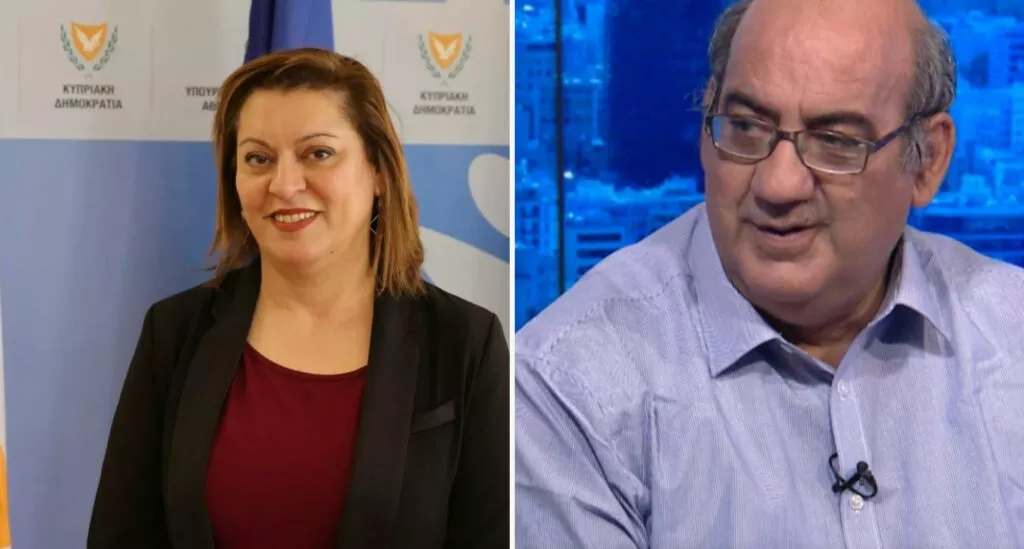
    sexist remarks — sexist remarks — Cyprus’s ombudswoman and education minister have strongly condemned a teachers’ union leader following his controversial remarks about a woman changing education legislation for the first time in 50 years.

    • Stylianou-Lottides concluded that genuine progress requires more than just superficial gestures towards equality; it necessitates substantial actions aimed at protecting human rights.

    Education Minister Athena Michaelidou expressed her disappointment over the comments made by OELMEK President Demetris Taliadoros during a television programme. She stated that such sentiments are unacceptable in the education sector, a realm that should be at the forefront of combating sexism and stereotypes.

    Sexist remarks: Minister’s Strong Rebuttal

    Michaelidou highlighted the importance of fostering an environment of respect and equality, especially within educational institutions. “Education is the place par excellence for combating stereotypes related to sexism and every form of disrespect,” she asserted during her appearance on ANT1’s Mera Mesimeri programme. She questioned how a leader of a significant trade union could make such an assertion, acknowledging the commitment of teachers towards gender equality.

    Union Leader’s Controversial Comments

    The controversy ignited when Taliadoros remarked that some people wished to suggest that it was significant that a woman was finally changing legislation after decades. His comments were perceived as dismissive of the progress made in gender equality within the education sector.

    Michaelidou further noted that Taliadoros’s refusal to retract his statement was even more troubling. She emphasised that discussions about gender issues should be grounded in reasoned arguments rather than resorting to derogatory comments.

    Ombudswoman’s Perspective

    Maria Stylianou-Lottides, the ombudswoman, voiced her concerns in a written statement, criticising Taliadoros for revealing a troubling perspective on gender equality in the context of modern governance. She pointed out that even after significant milestones in women’s leadership globally, such as the tenure of prominent female figures in Europe, outdated attitudes persist.

    Stylianou-Lottides remarked, “In 2025, after Gandhi, Thatcher, Meloni, after two women are at the helm of the European Union, Mr Taliadoros came to expose the truth that was well hidden under the festive wrapping of equality.” Her comments illustrate a wider frustration with the ongoing struggle against ingrained sexist attitudes.

    Continuing Challenges in Gender Equality

    The ombudswoman further noted that despite Cyprus ratifying the Convention on the Elimination of All Forms of Discrimination Against Women (CEDAW) in 1985 and implementing laws against sexism, deeply rooted power imbalances continue to challenge progress. She called for collective action across different political and social groups to dismantle these inequalities.

    Stylianou-Lottides concluded that genuine progress requires more than just superficial gestures towards equality; it necessitates substantial actions aimed at protecting human rights.

  • Eu presidency — CARDET Takes Lead as National Coordinator for EU Presidency Project Ahead of 2026

    Eu presidency — CARDET Takes Lead as National Coordinator for EU Presidency Project Ahead of 2026

    CARDET, an independent research and development organisation in Cyprus, has been appointed as the National Coordinator for the EU Presidency Project (EUPP). This significant role heralds a new chapter in Cyprus’s involvement with European civil society and global development initiatives, especially as the nation prepares for its upcoming Presidency of the Council of the European Union in 2026.

    Eu presidency: A Partnership for Progress

    The EU Presidency Project is a European Commission-funded initiative that aligns with the Presidency Trio of the Council of the European Union, which includes Poland, Denmark, and Cyprus. This collaborative project is jointly executed by national NGO platforms: Grupa Zagranica from Poland, Global Focus from Denmark, and CARDET from Cyprus, in close partnership with CONCORD Europe.

    Empowering Civil Society

    The primary goal of the EUPP is to enhance civil society’s influence in shaping EU policies on development cooperation. This involves a strong focus on policy coherence, solidarity, and sustainability. As the National Coordinator, CARDET will spearhead national efforts and facilitate civil society engagement within Cyprus.

    Key Responsibilities of CARDET

    In its new role, CARDET will undertake several crucial tasks that will drive the project forward:

    • Facilitating dialogue among stakeholders in Cyprus regarding EU development priorities.
    • Leading national initiatives to ensure coherent and impactful development policies.
    • Supporting joint efforts across the Presidency Trio to amplify the role of civil society at the EU level.
    • Contributing to a forward-looking and inclusive agenda for the EU Presidency in 2026.

    Strategic Implications for Cyprus

    This appointment not only enhances CARDET’s profile but also positions Cyprus strategically within the broader European context. As the country gears up for its presidency, the EUPP offers an opportunity for Cypriot civil society to engage more robustly with EU institutions, ensuring that local voices are heard in the corridors of power.

    Building Bridges with European Partners

    The collaboration with Grupa Zagranica and Global Focus allows CARDET to leverage shared experiences and best practices from Poland and Denmark. This partnership is pivotal in creating a cohesive approach to development cooperation and civil society engagement across the member states.

    Long-Term Vision for Development

    As part of the EUPP, CARDET is committed to fostering a long-term vision that prioritises sustainable development. This includes advocating for policies that not only address immediate needs but also promote resilience and adaptability in the face of global challenges.

    Looking Ahead to 2026

    With the 2026 EU Presidency on the horizon, CARDET’s role as National Coordinator is more critical than ever. The organisation is tasked with ensuring that civil society’s contributions are not only acknowledged but actively integrated into the EU’s policy-making processes.

    Encouraging Participation

    To achieve these objectives, CARDET plans to encourage widespread participation from various stakeholders within Cyprus. This includes civil society organisations, local governments, and the private sector, all of which play a vital role in shaping the future of EU policies.

    Resources and Further Information

    For those interested in learning more about the EU Presidency Project and CARDET’s activities, additional information can be found on their official website. This resource will provide insights into ongoing initiatives, stakeholder engagement opportunities, and updates leading up to the presidency.

    To explore more about the EUPP, visit: CARDET EUPP.

  • Audit Report Reveals Defence Ministry Waste and Staffing Shortcomings

    The defence ministry is facing significant challenges with wasteful spending and staffing levels, according to a recent audit report. Released by the Audit Office, the report examines the years 2021 through 2024, highlighting ongoing organisational issues and structural inertia that have led to fiscal costs.

    Long-Standing Issues with Departmental Mergers

    One of the primary concerns identified in the report is related to the merger of various departments within the defence ministry and the army general staff. This merger was part of a strategic plan initiated in 2015, aimed at streamlining operations and reducing operational costs. By April 2019, the integration was physically realised with both entities being housed in the same premises.

    However, contrary to expectations, the report reveals that the number of military personnel assigned to defence ministry departments has actually increased rather than decreased, undermining the intended efficiency of the merger. This rise in personnel contradicts the rationale behind the consolidation, which was designed to optimise resources and enhance operational effectiveness.

    Widespread Leasing Practices

    Another critical issue raised in the report is the delay in relocating to government-owned premises, resulting in a reliance on leased properties. The continued practice of leasing not only incurs additional costs but also illustrates a failure to fully implement the merger’s objectives. By prolonging the leasing arrangements, the defence ministry is potentially wasting valuable financial resources that could be redirected towards other essential services.

    Inefficiencies in Data Management

    The report also highlights the lack of modernisation in administrative processes within the defence ministry. There has been a notable failure to implement computerised systems that could efficiently track vital functions, such as requisitioning and orders of expropriation. Instead, data is being entered manually into spreadsheets, such as Excel, which significantly increases the risk of human error.

    Attempts to establish a computerised system that could connect with a central governmental database have not materialised, leaving the defence ministry reliant on outdated methods. This inefficiency not only hampers productivity but also poses risks to the accuracy of critical data management.

    Irregular Financial Commitments

    In a related section, the Audit Office recounts an incident from early 2023 involving then-president Nicos Anastasiades. During a visit to Athens in February 2023, he pledged a €2.5 million grant to Greece’s air force as a gesture of solidarity following a tragic crash involving a Greek Air Force plane. This public commitment resulted in the disbursement of funds that were not accounted for in the defence ministry’s budget, raising concerns about the irregularity of such financial commitments.

    Misuse of Military Vehicles

    The audit also uncovered continued misuse of military vehicles for transporting both military and civilian personnel from their homes to work. This practice has resulted in excessive fuel consumption, straining the fuel quotas allocated to various military units. Such actions not only violate existing regulations but also highlight a disregard for resource management within the defence ministry.

    The auditor-general has stated that if the army general staff wishes to continue this practice, it must formally request a change in the law, underscoring the need for adherence to legal frameworks and proper governance.

    Missed Opportunities for EU Funding

    Furthermore, the report notes delays in the installation of photovoltaic systems at National Guard camps, which is critical for harnessing renewable energy. These delays pose a risk of losing out on potential EU funding, which could have provided financial support for sustainable energy initiatives. The inability to capitalise on such opportunities reflects a broader pattern of inefficiency and missed potential within the defence ministry.

    The Defence Ministry’s Core Mission

    Despite these challenges, the Audit Office’s report emphasises that the primary mission of the defence ministry remains unchanged: to protect the territorial integrity and independence of the Republic of Cyprus from any hostile threats. However, the ongoing organisational problems and fiscal waste identified in the audit undermine the ministry’s ability to fulfil this essential mandate effectively.

    In light of these findings, there is an urgent need for the defence ministry to address these issues comprehensively. Implementing effective management practices, enhancing operational efficiency, and adhering to legal standards are crucial steps necessary for restoring public confidence and ensuring the ministry can meet its obligations.

  • Child abused — Child abused: One Child a Day Reported as Sexually Abused in Cyprus, Sparks #20ForYou Campaign

    Child abused — Child abused: One Child a Day Reported as Sexually Abused in Cyprus, Sparks #20ForYou Campaign

    child abused — child abused — In Cyprus, one child a day is reported as sexually abused, highlighting a pressing issue with 483 cases documented in 2024 alone, according to the child commissioner’s office.

    Child abused: Alarming Statistics Reflect Reality

    The staggering figure translates to one new case every 20 hours, revealing the urgent need for action. These numbers only represent children who have found the courage to speak up, indicating that the true extent of the problem may be even greater.

    #20ForYou Campaign Launches for Awareness

    To coincide with the European Day for the Protection of Children against Sexual Exploitation and Abuse, the child commissioner’s office announced the launch of the #20ForYou campaign. This initiative aims to cultivate awareness and mobilise the public to break the silence surrounding the sexual abuse of children.

    Empowering Children’s Voices

    Central to the campaign is the commitment to give children a louder voice. The initiative seeks to promote a society that acknowledges, addresses, and speaks out about abuse. By encouraging dialogue, the campaign hopes to foster an environment where children feel safe to share their experiences.

    Five Key Demands for Change

    The #20ForYou campaign calls on individuals and organisations to support five specific demands:

    • Specialised psychological and social support for victims.
    • Enhanced education on the subject in schools.
    • Placement of psychologists in all schools.
    • Recognition of early warning signs of abuse.
    • Immediate removal of online child abuse material.

    A Call for Public Participation

    As part of the campaign, all adults are encouraged to dedicate 20 minutes from 10am to 10.20am, translating into one minute for every hour that passes until another child is abused. During this time, participants are invited to photograph their teams with the #20ForYou hashtag and share it on social media, amplifying the message.

    Interactive Engagement with Children

    Actions planned across Cyprus include children writing messages about what would make them feel safer on post-its. These notes will be displayed on a board titled ‘The wall has a voice’. Schools are expected to post images of their ‘walls’ on social media, further driving home the campaign’s message.

    Promoting Safety and Support

    The underlying message of the campaign is clear: “No child should grow up in fear, no child should remain unaided, no child should stay silent.” By focusing on support and education, the #20ForYou campaign aims to create a safer environment for all children in Cyprus.

    Collaborative Efforts for Long-Term Change

    In addition to raising awareness, the campaign seeks to engage various stakeholders, including schools, community organisations, and policymakers, to create lasting change. By working together, the hope is to establish a robust support system for victims and a preventative framework to protect children from future abuse.

    Moving Forward Together

    The #20ForYou campaign is not just about raising awareness; it is a call to action for everyone in the community to take part in safeguarding children. Each effort, no matter how small, contributes to a larger movement aimed at ending the silence around child sexual abuse.

  • Morea Residences: Coastal Villas Offering a Unique Living Experience in Cyprus

    Morea Residences: Coastal Villas Offering a Unique Living Experience in Cyprus

    Morea Residences is a gated community featuring 30 private villas that redefine coastal living. With classic Mediterranean design, modern engineering, and smart home systems, these villas provide an ideal blend of comfort and luxury. Each villa boasts its own private pool and is set within beautifully landscaped green areas, all just a short walk from one of Cyprus’s most stunning beaches.

    Photo: cyprus-mail.com

    Morea residences: A Coastal Retreat in Paphos

    Situated in Pegeia, near Paphos, Morea Residences captures the essence of tranquil living by the sea. While Paphos has seen rapid development, Pegeia retains its charm with a unique combination of coastal access and privacy. Residents can enjoy warm days and open spaces, creating an atmosphere conducive to relaxation and reflection.

    Photo: cyprus-mail.com

    Thoughtfully Designed Villas

    Morea Residences features three distinct villa types, catering to various lifestyles. The two-bedroom poolside villas are compact and bright, making them perfect as holiday homes or rental investments. The three-bedroom options offer additional space, with choices between a private pool or a courtyard, suitable for families or longer stays. The six-bedroom villas, located at the top of the site, span three levels and include a private infinity pool, lifts, and breathtaking coastal views.

    Modern Living Meets Natural Beauty

    The design philosophy at Morea is based on harmony with nature. The villas incorporate natural stone and wood, with clean lines and extensive outdoor areas that enhance the living experience. Inside, residents benefit from modern amenities and smart home systems that simplify daily routines, allowing for a more enjoyable lifestyle.

    Community Amenities for a Resort-like Experience

    The shared spaces at Morea Residences contribute to a sense of community, akin to a private resort. A striking 40-metre river-style pool runs through the heart of the development, accompanied by a separate children’s pool, a playground, and a clubhouse ideal for gatherings. Outdoor fitness zones, yoga decks, barbecue spots, and tranquil green corners provide numerous opportunities for relaxation and social interaction.

    Investment Potential in a Thriving Market

    Morea Residences also presents a compelling investment opportunity. The Coral Bay area ranks among the strongest short-term rental markets in Paphos, with consistent demand for modern villas near the beach. With limited two- and three-bedroom homes available in gated communities, the potential for rental income and long-term value is promising. As construction progresses, current pricing reflects advantageous conditions for early buyers.

    A Thoughtful Approach to Coastal Living

    Morea Residences does not aim to revolutionise coastal living; instead, it embodies the concept with clarity and purpose. Designed as a small, well-planned community near the beach, the layout prioritises privacy and comfort for each home. Whether as a full-time residence, a smart investment, or a holiday base, Morea offers something for everyone.

    A Rarity in Today’s Market

    As projects of this scale and location become increasingly scarce, Morea Residences stands out for its quality and vision. It promises a comfortable home by the Mediterranean, crafted with an emphasis on durability and aesthetics. This is a place where residents can enjoy the fundamental joys of life—air, space, and proximity to the sea.

    Morea Residences isn’t just another development; it is a lifestyle choice that resonates with those seeking a harmonious balance between comfort and nature. With its unique features and prime location, it offers a rare opportunity to embrace coastal living in Cyprus.

  • Cyprus Airspace Breached by Turkish F-16 Fighter Jets

    Cyprus Airspace Breached by Turkish F-16 Fighter Jets

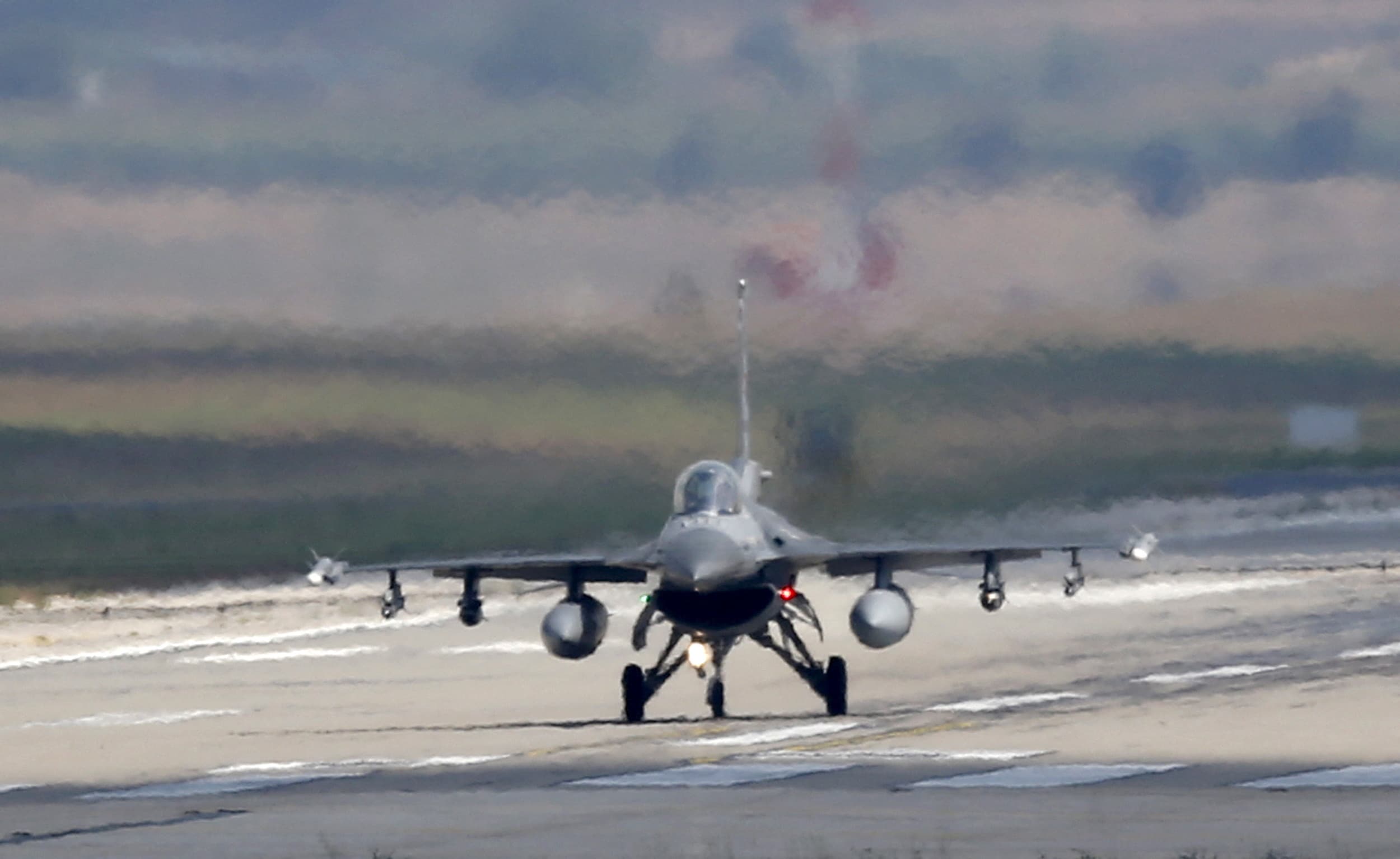
    cyprus airspace — The violation of Cyprus airspace by Turkish F-16 fighter jets has raised significant concerns regarding regional tensions. On Saturday, four Turkish aircraft entered the airspace of the Republic of Cyprus while participating in celebrations marking the anniversary of the illegal unilateral declaration of the breakaway regime in northern Cyprus.

    According to sources, two of the F-16s also reportedly flew over a small section of the UN-controlled buffer zone, heightening the situation’s sensitivity. The National Guard General Staff responded promptly, taking all necessary steps to address the incursion.

    In a statement to the Cyprus News Agency (CNA), the National Guard confirmed that representations were made concerning the incident. This action underlines the ongoing military and political tensions between Cyprus and Turkey, particularly in light of historical grievances and territorial disputes.

    The Turkish aircraft’s actions were seen as provocative, particularly given the timing of the flights coinciding with a day of significance for the breakaway regime, which is only recognised by Turkey. The incident exemplifies the fragile nature of peace in the Eastern Mediterranean and the complexities of airspace sovereignty in the region.

    Cyprus airspace: Military and Diplomatic Reactions

    The National Guard’s immediate response reflects a broader strategy to ensure the security of Cypriot airspace. Military officials are closely monitoring the situation, with the potential for further diplomatic engagements to address such violations in the future.

    Local authorities and international observers have expressed concern over the implications of increased military activity in the area. With Cyprus caught between its historical ties to Greece and the ongoing tensions with Turkey, such incidents could escalate if not addressed swiftly and effectively.

    Implications for Regional Stability

    This airspace violation serves as a reminder of the precarious balance of power in the Eastern Mediterranean. Analysts suggest that continuous military provocations could undermine efforts for dialogue and peaceful resolution of ongoing conflicts.

    The UN has previously called for restraint from both sides, advocating for diplomatic solutions to long-standing disputes. The recent actions by Turkish F-16s might complicate these efforts, as they signal a willingness to assert military presence in contested areas.