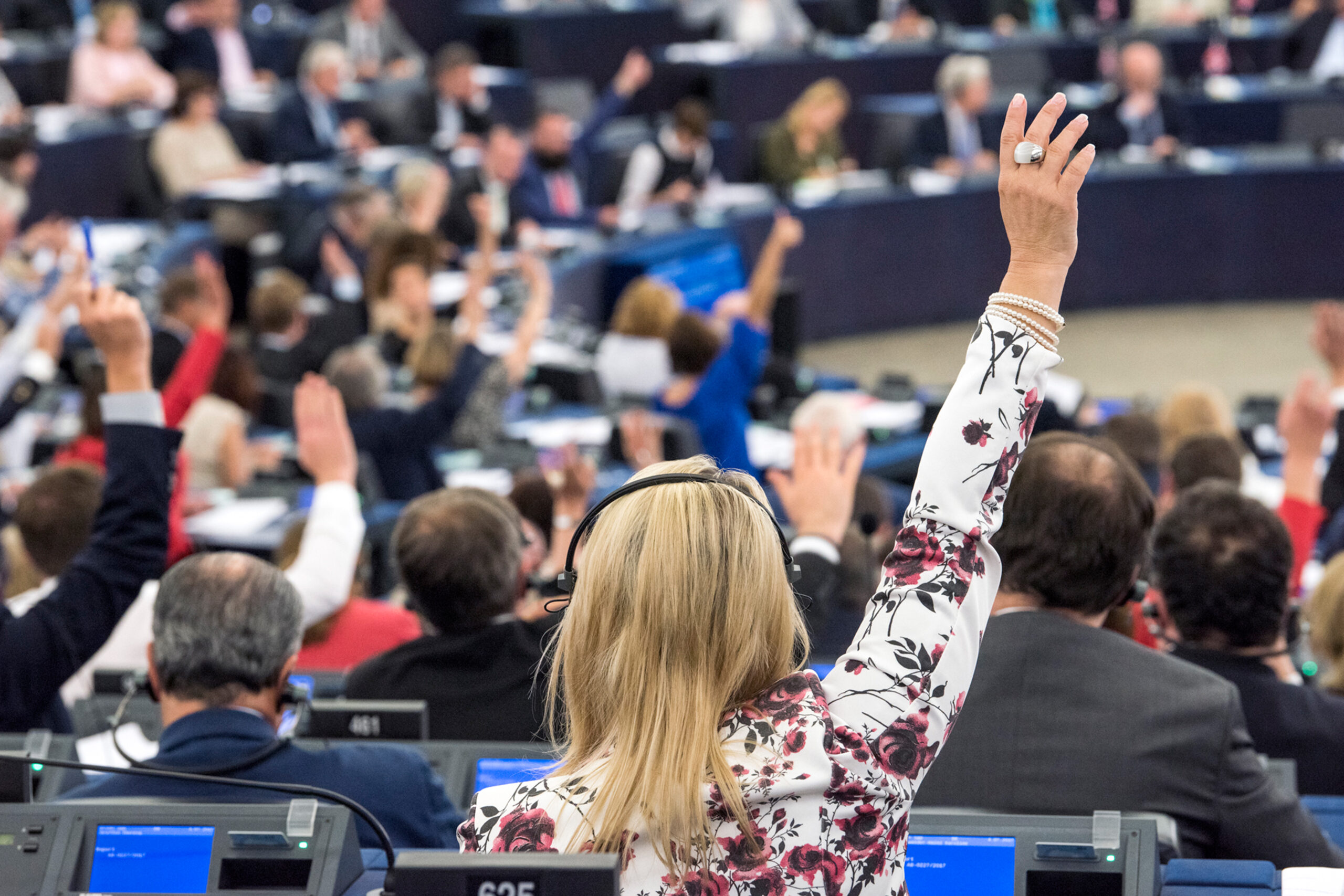
Concerns over the Chat Control legislation are intensifying as it approaches a vote in the European Parliament. Critics argue that the proposal, championed by the European Commission and the Danish presidency of the European Council, poses significant risks to individual privacy and invites a new era of mass surveillance.

Photo: cyprus-mail.com
Chat control: What the Legislation Entails
Under the guise of combating child pornography, the EU aims to mandate that every messaging platform, including WhatsApp, iMessage, and Telegram, implement scanning technologies that analyse private communications through artificial intelligence (AI). This would require platforms to report any suspicious content directly to authorities, effectively undermining the confidentiality of user messages.

Photo: cyprus-mail.com
The Potential Pitfalls
Experts have raised alarms about the unintended consequences of such measures. For instance, sexting among teenagers could be misinterpreted as suspicious activity, leading to unnecessary police involvement. Moreover, parents might face scrutiny for sharing benign images of their children. Critics assert that AI lacks the ability to accurately discern context, which could exacerbate these issues.
Political Perspectives and Opposition
Cyprus MEP Giorgos Georgiou has expressed strong reservations regarding the proposal, highlighting that it violates fundamental rights to privacy and undermines the role of encryption as a safeguard against cyber threats. He noted that during the proposal’s preparation, the Left Group in the European Parliament opposed it due to concerns about privacy violations.
Georgiou stated, “Our goal is to protect children effectively with targeted, evidence-based solutions, which will minimise issues of violations of privacy.” He emphasised the importance of discussing these issues thoroughly with other political groups to reach a balanced decision.
Loucas Fourlas, from the Group of the European People’s Party, echoed the sentiment of seeking a balance between child protection and privacy. He acknowledged the concerns from many constituents about the potential erosion of end-to-end encryption and personal privacy that the Chat Control legislation could cause.
The Urgency of the Situation
The timeline for deliberation is pressing, with various EU member states holding differing views on the legislation. Currently, Germany, with its 96 MEPs, remains undecided and could significantly influence the outcome. Notably, four member states, including Austria and the Netherlands, have openly opposed the Chat Control initiative, while 15 states, including Cyprus, support it.
The proposed legislation requires backing from 55% of member states, representing 65% of the EU’s population, to pass. This intricate political landscape illustrates the complexity of the issue and the diverse opinions on how best to protect children online without infringing on privacy rights.
The Broader Context of Surveillance
Concerns have been raised about the motivations behind the Chat Control legislation. Andreas Shialaros, a lawyer, remarked that it is becoming increasingly difficult to view Chat Control as merely a child protection measure. He observed a troubling trend as democratic nations, including the EU, the UK, and Switzerland, pursue similar mass surveillance capabilities under the pretext of safeguarding children.
Shialaros articulated, “The timing is too coincidental. When authoritarian and democratic governments alike pursue mass surveillance using nearly identical technical approaches, we must ask: is this really about protecting children?”
This sentiment is echoed by experts who warn that the introduction of client-side scanning could lead to a slippery slope where the technology is repurposed for broader surveillance, targeting a range of issues from terrorism to political dissent.
Privacy Concerns and Technological Risks
Research highlighted by news analysis website Balkan Insight indicates that AI-driven scanning systems may be misused for facial recognition without users’ knowledge, posing further privacy risks. Professor Ross Anderson from Cambridge University cautioned that the debate surrounding AI scanning for child sexual abuse material has overlooked the potential for misuse by law enforcement agencies.
He noted, “The security and intelligence community have always used issues that scare lawmakers, like children and terrorism, to undermine online privacy.” This raises critical questions about the long-term implications of such technologies on individual freedoms.
Exemptions and Double Standards
Critics have also pointed out the hypocrisy in the proposed legislation, which exempts politicians and state functionaries from its provisions. Article 1 of the proposal explicitly states that the regulation does not apply to professional government accounts used for national security or law enforcement purposes. This has led to accusations that policymakers are aware of the potential dangers inherent in the technology they wish to impose on the public.
Digital rights activist Patrick Breyer highlighted this double standard, asserting that the exemptions indicate a lack of trust in the effectiveness and reliability of the surveillance algorithms proposed for public use.
A Call for Thoughtful Consideration
As the EU prepares for a critical vote on the Chat Control legislation, the balance between child safety and privacy rights remains a contentious issue. The voices of concerned citizens, MEPs, and experts must be heeded to ensure that any measures taken do not compromise the fundamental rights of individuals while striving to create a safer digital environment for children.
Leave a Reply