Tag: EU

  • Cyprus wildfires: EU Allocates €2.3 Million for Cyprus Wildfire Recovery

    Cyprus wildfires: EU Allocates €2.3 Million for Cyprus Wildfire Recovery

    cyprus wildfires — cyprus wildfires — The European Commission has allocated €2.3 million from the European Union solidarity fund to aid Cyprus in recovering from the devastating wildfires that swept through the Limassol and Paphos districts in July.

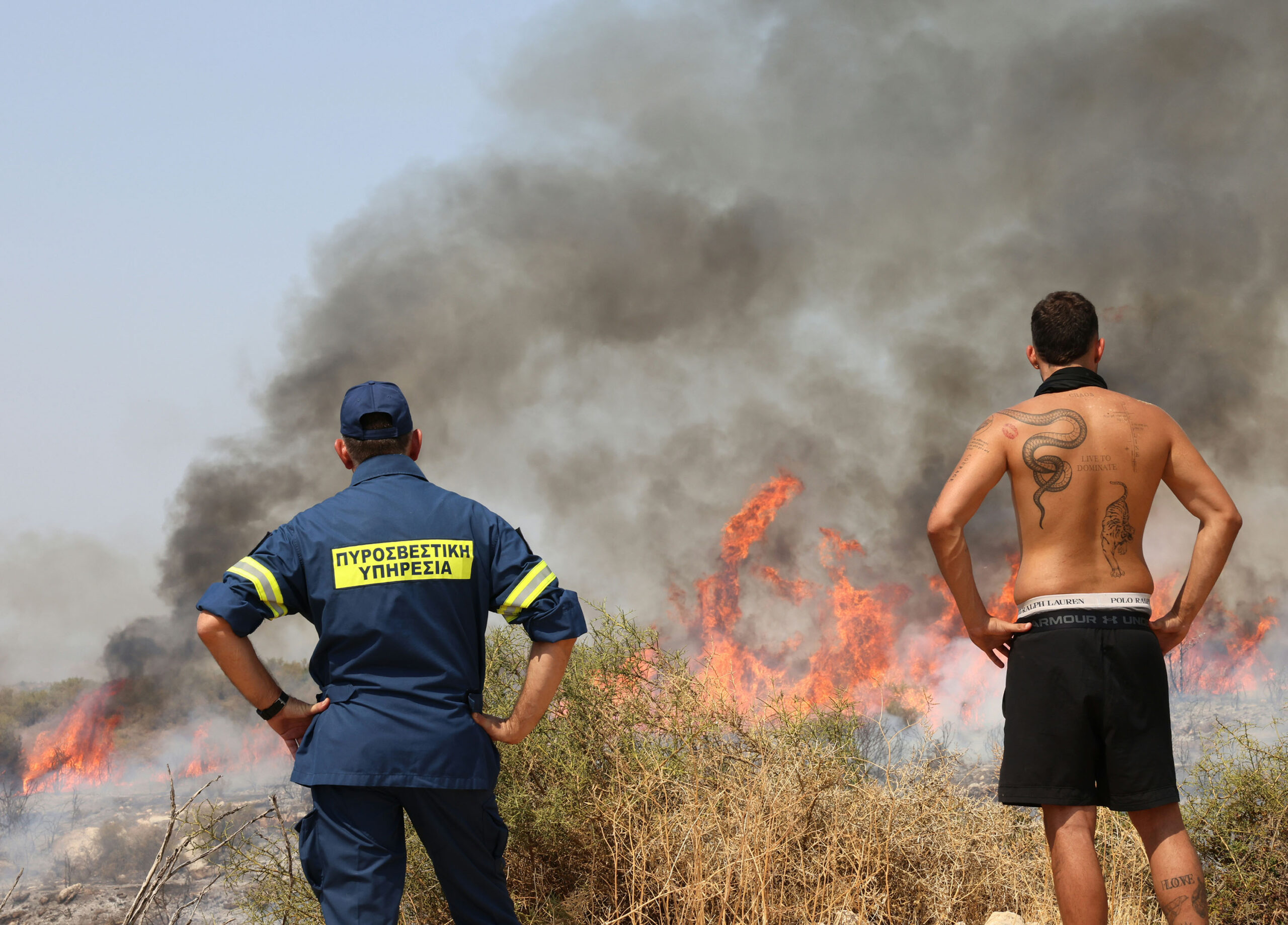
    Raffaele Fitto, the commission’s executive vice-president for cohesion and reforms, announced the funding on social media, detailing that the money will be used for “emergency operations, infrastructure, housing, and restoration.” These wildfires not only ravaged the landscape but also tragically claimed the lives of two individuals and destroyed over 700 structures, burning an area of 124 square kilometres.

    Earlier this year, Cypriot members of the European Parliament had voiced their concerns, calling for increased EU assistance to combat wildfires, which have become an alarming trend across the region. Giorgos Georgiou from the Akel party was particularly vocal, critiquing European Commissioner Hadjia Lahbib for her comments regarding wildfire management. Georgiou lamented the lack of timely support, pointing out that Cyprus has experienced significant losses, stating, “Cyprus unfortunately holds the lead, in a negative way, for the proportion of its total territory burned in the last decade.” He highlighted the EU’s shortcomings, referencing a delayed request for firefighting planes from Spain that took three months to respond.

    Geadis Geadi from the Elam party echoed these sentiments, asserting that the rescEU mechanism has left many countries, including Cyprus, vulnerable to the devastating impacts of wildfires. He proposed reforms to enhance the EU’s response capabilities, aiming to avoid future tragedies.

    In response to the summer’s catastrophic events, European Commission President Ursula von der Leyen expressed the necessity for a robust solution during her State of the European Union address in September. She proposed the establishment of a new European firefighting hub in Cyprus, noting, “This summer, we all saw the pictures of Europe’s forests and villages on fire. The scale of the damage is enormous. And we know it is not a one off. Climate change is making each summer hotter, harsher, and more dangerous.” President Nikos Christodoulides welcomed this proposal, describing it as “momentous” and “hugely important” for the region’s future safety.

    The EU solidarity fund, created in 2002, provides crucial financial support for regions affected by disasters. Member states may access this funding when the estimated costs of a disaster exceed €3 billion or 0.6 per cent of their gross national income, enabling them to recover and rebuild after such catastrophic events.

  • Cyprus Forum Brussels: Vision for Digitalisation and Competitiveness in EU Presidency

    Cyprus Forum Brussels: Vision for Digitalisation and Competitiveness in EU Presidency

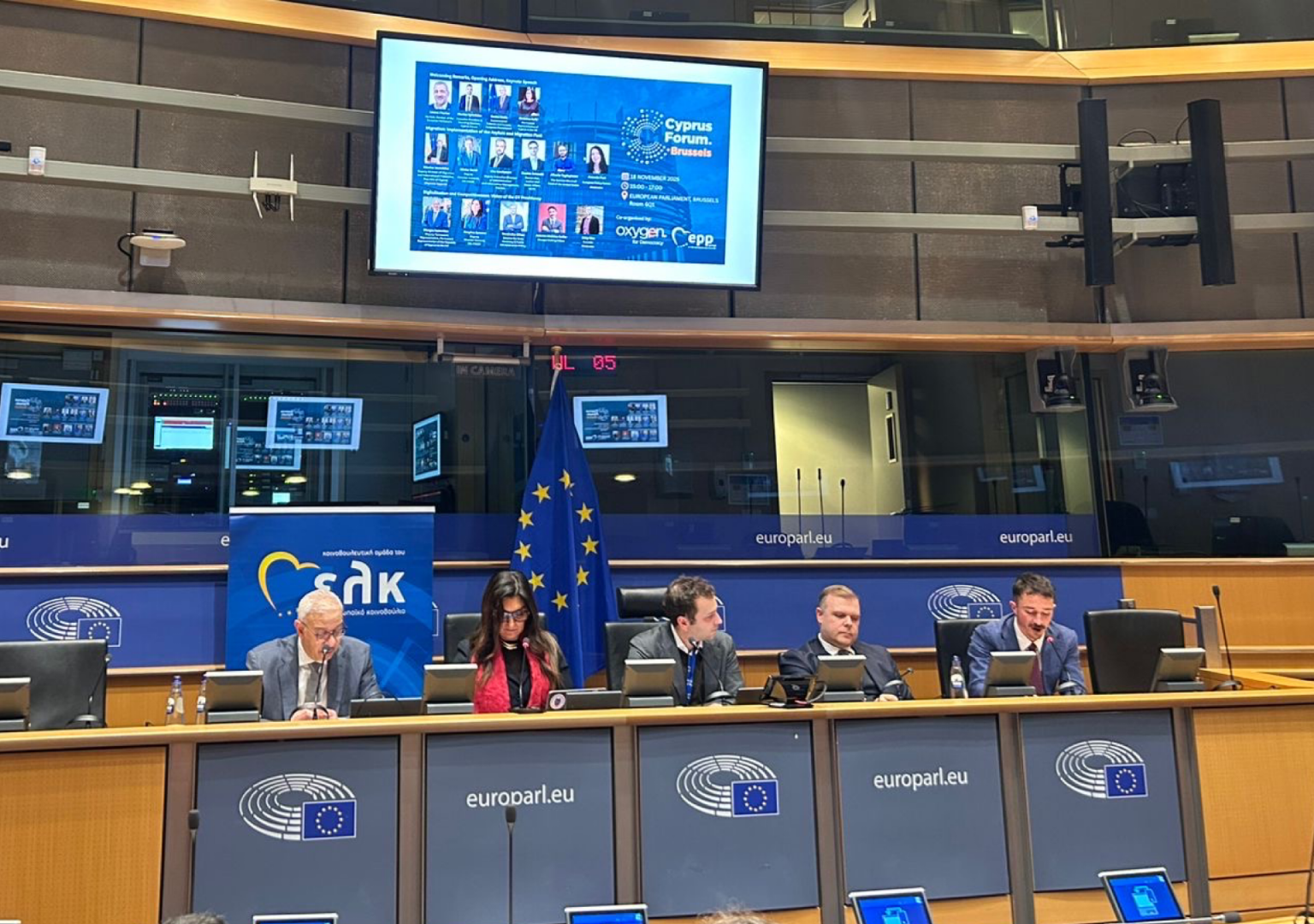
    digitalisation — The Cyprus Forum Brussels has set a clear vision for digitalisation and competitiveness as Cyprus prepares to take on the rotating Council Presidency of the European Union.

    Digitalisation: Steering the EU Digital Agenda

    During the event, a high-level panel discussed how Cyprus intends to influence the EU’s digital strategy, particularly through significant legislative initiatives such as the Digital Omnibus, the Business Wallet, and cybersecurity reforms. Cyprus aims to create a coherent and investment-friendly digital environment that enhances European competitiveness.

    Key Panel Participants

    Key figures in the discussion included Giorgos Ioannides, Deputy Permanent Representative of Cyprus to the EU; Despina Spanou, Deputy Director-General for Networks & Technology at the European Commission; Tzvetoslav Mitev, Director for Data Economy & Public Administration; and Antoine Mathieu Collin, Visiting Fellow at Bruegel. The session was moderated by Eddy Wax from Euractiv.

    Presidency Philosophy and Principles

    Giorgos Ioannides articulated the overarching philosophy of the Cyprus Presidency, emphasising that digital transition is essential for enhancing competitiveness, resilience, and European sovereignty. He stated that rather than introducing new regulations, Cyprus aims to serve as a “guardian of balance,” ensuring that negotiations around digital files remain coherent and streamlined.

    Ioannides highlighted three guiding principles for the upcoming presidency:

    • Proportionality
    • Avoidance of regulatory overlaps and inconsistencies
    • Predictable rules that attract investment

    He stressed the importance of agility in the EU’s approach, especially as companies operate in a competitive global market. He suggested that strategic public procurement could act as a catalyst for innovation and enhance the EU’s technological capabilities.

    Understanding the Digital Omnibus

    The Digital Omnibus package is a significant initiative from the European Commission aimed at simplifying the EU’s digital regulatory framework. Despina Spanou clarified that the focus of the Omnibus is on simplification without lowering existing standards. She reiterated that the General Data Protection Regulation (GDPR) remains a global reference standard, and the emphasis is on clarifying obligations rather than diluting rights.

    The Omnibus is designed to provide a consistent regulatory framework, reducing administrative burdens on businesses, especially small and medium-sized enterprises (SMEs). It aims to replace fragmented obligations with clearer, more predictable rules that align with cornerstone laws such as the GDPR, Digital Services Act, and Digital Markets Act.

    Cybersecurity Reforms

    During the forum, Spanou also touched on upcoming cybersecurity initiatives. A unified cyber-incident notification mechanism, referred to as ‘report once, reach many’, is set to replace the current fragmented reporting system under GDPR and other frameworks.

    The review of the Cybersecurity Act will focus on clarifying the mandate of ENISA and streamlining certification schemes, thereby addressing supply-chain security gaps more effectively. Spanou emphasised that while simplification is essential, it will not come at the expense of maintaining robust cybersecurity standards.

    Business Wallet: A Tool for Competitiveness

    Both Spanou and Tzvetoslav Mitev highlighted the Business Wallet as a crucial element for enhancing Europe’s digital economy. Described as “an eID for businesses,” the Business Wallet will allow companies to authenticate themselves securely and conduct administrative or financial procedures without the need for paperwork or physical presence.

    Mitev pointed out that for the Business Wallet to achieve its intended impact, public administrations must adopt and integrate it into their core procedures. He warned that a purely voluntary approach could lead to low uptake, a concern that has affected previous eID initiatives.

    Caution on Regulatory Simplification

    Antoine Mathieu Collin provided a cautionary perspective on the implications of regulatory simplification. He argued that while easing compliance requirements could foster innovation, it might also disproportionately benefit major platforms that already dominate the digital landscape. Without appropriate safeguards, such simplification could exacerbate the competitive disadvantages faced by smaller European firms.

    Collin highlighted the EU’s challenge of finding a balance between fostering innovation through simplification while preventing excessive concentration of digital power in the hands of a few large players.

    Looking Ahead: Making Existing Rules Work

    Across the panel, a consistent theme emerged: the Cyprus EU Presidency aims to be evaluated not by the number of new initiatives launched but by the effectiveness of implementing existing rules. The priorities include cutting overlaps, simplifying compliance, and ensuring that cybersecurity regulations remain robust yet workable.

    As Cyprus prepares to assume the presidency, the choices made in the coming months will significantly impact Europe’s digital competitiveness for the next decade. Ensuring that the simplification efforts empower small and mid-sized firms remains a critical challenge for the EU.

  • Nis 2 — EU Members Urged to Implement NIS 2 Directive Amid Ongoing Cyberattack

    Nis 2 — EU Members Urged to Implement NIS 2 Directive Amid Ongoing Cyberattack

    In light of a recent cyberattack, EU members are urged to implement the NIS 2 directive to ensure a high common level of cybersecurity across the Union. The European Commission has stressed that until all 27 member states adopt this directive, vulnerabilities will persist across the bloc.

    As of now, Cyprus is among the few countries making strides in compliance, having recently completed the full implementation of the NIS 2 directive after facing non-compliance procedures. This compliance comes after Cyprus received warnings in November 2024 and a reasoned opinion in May 2025, highlighting the urgency for all states to align with the directive.

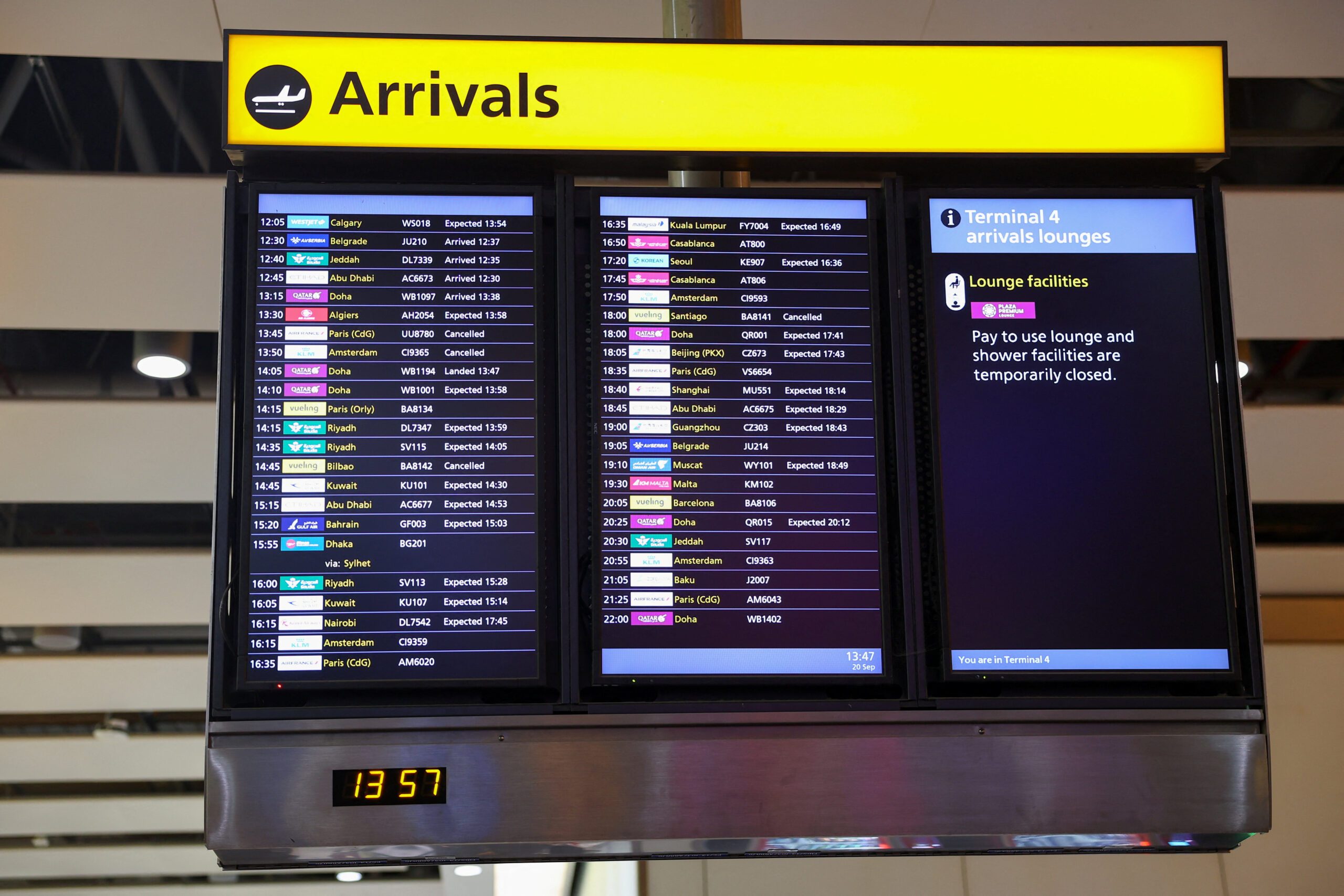
    During a midday briefing, European Commission spokesperson Thomas Regnier addressed concerns regarding an ongoing cyberattack that has severely disrupted check-in and boarding systems at multiple airports. Passengers are facing significant delays, though air traffic safety and control remain unaffected, providing some reassurance amidst the chaos.

    Regnier noted, “the Commission has been closely monitoring the cyberattack, both over the weekend and today, which has caused disruptions.” He assured the public that efforts are underway to restore operations swiftly. “On our side, I can confirm that the Commission is working with Eurocontrol, Enisa, national authorities, airports and airlines to restore operations and support affected passengers,” he added.

    Currently, 12 member states have successfully incorporated the NIS 2 directive into their national laws, including Belgium, Croatia, Cyprus, Denmark, Greece, Italy, Latvia, Lithuania, Malta, Romania, Slovakia, and Slovenia. However, until all nations comply, the risk of cyber threats remains a pressing concern.

    The urgency surrounding the NIS 2 directive and its implementation is underscored by the current situation, as it illustrates the potential vulnerabilities in the EU’s cybersecurity framework. As the bloc grapples with these challenges, the call for swift and effective action has never been more critical.

  • European affairs — Marilena Raouna to Represent Cyprus at EU European Affairs Meeting

    European affairs — Marilena Raouna to Represent Cyprus at EU European Affairs Meeting

    Marilena Raouna, the Deputy Minister for European Affairs, is set to represent Cyprus at the upcoming Informal Council of Ministers responsible for European Affairs in Copenhagen. The meeting, organised by the Danish EU Presidency, will take place on September 1 and 2.

    The Informal Council is anticipated to commence with a working lunch, welcoming participation from candidate and potential candidate countries for EU membership. This gathering highlights the EU’s ongoing dialogue with nations aspiring to join the bloc.

    On September 2, the focus will shift to discussions around the significance of the Copenhagen criteria, which are pivotal for assessing potential EU members. Raouna and her counterparts will deliberate on how to bolster the necessary reforms that align with these criteria, ensuring that candidate countries are well-prepared for EU integration.

    Additionally, the agenda includes a dedicated session for the 27 EU Member States to discuss the strengthening of the rule of law within the Union. Ministers are expected to exchange insights on enhancing the EU’s rule of law toolbox, both in preventing violations and addressing existing issues.

    As the discussions unfold, the Informal Council will also engage in a forward-looking dialogue regarding the future of Europe. This reflects the EU’s commitment to continuous improvement and adaptation, particularly in the context of the upcoming European Commission’s pre-accession policy reviews scheduled for the autumn.

    In preparation for Cyprus’s own presidency of the Council of the EU in 2026, Raouna will be conducting bilateral meetings on the sidelines of the Council. These engagements are crucial for establishing strong relationships and exchanging ideas that will benefit Cyprus’s future role in the EU.

  • Concerns Mount Over EU’s Chat Control Legislation

    Concerns Mount Over EU’s Chat Control Legislation

    Concerns over the Chat Control legislation are intensifying as it approaches a vote in the European Parliament. Critics argue that the proposal, championed by the European Commission and the Danish presidency of the European Council, poses significant risks to individual privacy and invites a new era of mass surveillance.

    Photo: cyprus-mail.com

    Chat control: What the Legislation Entails

    Under the guise of combating child pornography, the EU aims to mandate that every messaging platform, including WhatsApp, iMessage, and Telegram, implement scanning technologies that analyse private communications through artificial intelligence (AI). This would require platforms to report any suspicious content directly to authorities, effectively undermining the confidentiality of user messages.
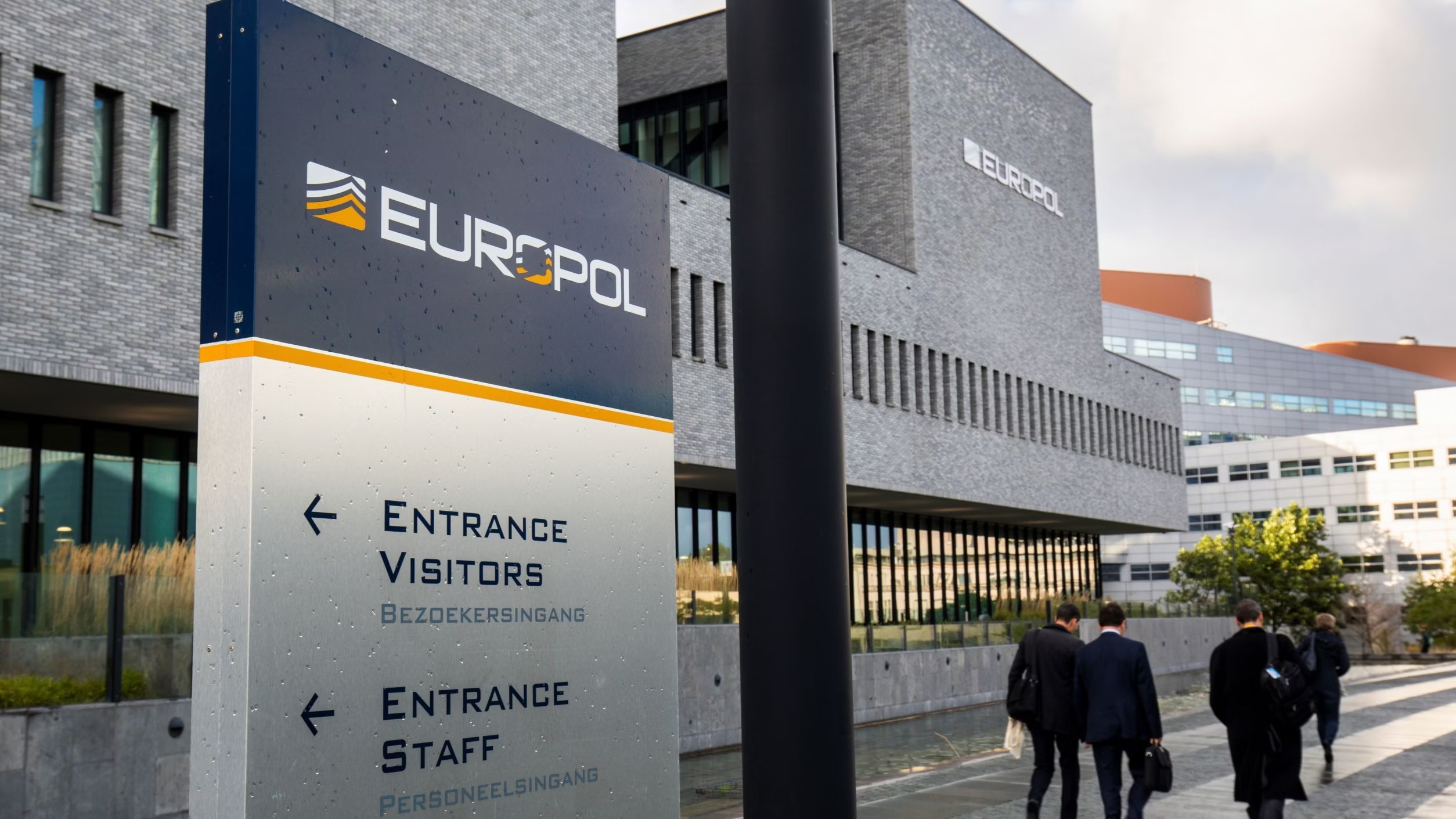
    Photo: cyprus-mail.com

    The Potential Pitfalls

    Experts have raised alarms about the unintended consequences of such measures. For instance, sexting among teenagers could be misinterpreted as suspicious activity, leading to unnecessary police involvement. Moreover, parents might face scrutiny for sharing benign images of their children. Critics assert that AI lacks the ability to accurately discern context, which could exacerbate these issues.

    Political Perspectives and Opposition

    Cyprus MEP Giorgos Georgiou has expressed strong reservations regarding the proposal, highlighting that it violates fundamental rights to privacy and undermines the role of encryption as a safeguard against cyber threats. He noted that during the proposal’s preparation, the Left Group in the European Parliament opposed it due to concerns about privacy violations.

    Georgiou stated, “Our goal is to protect children effectively with targeted, evidence-based solutions, which will minimise issues of violations of privacy.” He emphasised the importance of discussing these issues thoroughly with other political groups to reach a balanced decision.

    Loucas Fourlas, from the Group of the European People’s Party, echoed the sentiment of seeking a balance between child protection and privacy. He acknowledged the concerns from many constituents about the potential erosion of end-to-end encryption and personal privacy that the Chat Control legislation could cause.

    The Urgency of the Situation

    The timeline for deliberation is pressing, with various EU member states holding differing views on the legislation. Currently, Germany, with its 96 MEPs, remains undecided and could significantly influence the outcome. Notably, four member states, including Austria and the Netherlands, have openly opposed the Chat Control initiative, while 15 states, including Cyprus, support it.

    The proposed legislation requires backing from 55% of member states, representing 65% of the EU’s population, to pass. This intricate political landscape illustrates the complexity of the issue and the diverse opinions on how best to protect children online without infringing on privacy rights.

    The Broader Context of Surveillance

    Concerns have been raised about the motivations behind the Chat Control legislation. Andreas Shialaros, a lawyer, remarked that it is becoming increasingly difficult to view Chat Control as merely a child protection measure. He observed a troubling trend as democratic nations, including the EU, the UK, and Switzerland, pursue similar mass surveillance capabilities under the pretext of safeguarding children.

    Shialaros articulated, “The timing is too coincidental. When authoritarian and democratic governments alike pursue mass surveillance using nearly identical technical approaches, we must ask: is this really about protecting children?”

    This sentiment is echoed by experts who warn that the introduction of client-side scanning could lead to a slippery slope where the technology is repurposed for broader surveillance, targeting a range of issues from terrorism to political dissent.

    Privacy Concerns and Technological Risks

    Research highlighted by news analysis website Balkan Insight indicates that AI-driven scanning systems may be misused for facial recognition without users’ knowledge, posing further privacy risks. Professor Ross Anderson from Cambridge University cautioned that the debate surrounding AI scanning for child sexual abuse material has overlooked the potential for misuse by law enforcement agencies.

    He noted, “The security and intelligence community have always used issues that scare lawmakers, like children and terrorism, to undermine online privacy.” This raises critical questions about the long-term implications of such technologies on individual freedoms.

    Exemptions and Double Standards

    Critics have also pointed out the hypocrisy in the proposed legislation, which exempts politicians and state functionaries from its provisions. Article 1 of the proposal explicitly states that the regulation does not apply to professional government accounts used for national security or law enforcement purposes. This has led to accusations that policymakers are aware of the potential dangers inherent in the technology they wish to impose on the public.

    Digital rights activist Patrick Breyer highlighted this double standard, asserting that the exemptions indicate a lack of trust in the effectiveness and reliability of the surveillance algorithms proposed for public use.

    A Call for Thoughtful Consideration

    As the EU prepares for a critical vote on the Chat Control legislation, the balance between child safety and privacy rights remains a contentious issue. The voices of concerned citizens, MEPs, and experts must be heeded to ensure that any measures taken do not compromise the fundamental rights of individuals while striving to create a safer digital environment for children.
  • Paphos airport — US Proposal Enhances Prospects for New Paphos Airport Road

    Paphos airport — US Proposal Enhances Prospects for New Paphos Airport Road

    A new proposal from the United States is set to boost the prospects of a new road connecting Paphos with its airport, according to high-level sources. This move comes after the originally planned route faced significant environmental challenges.

    Paphos airport: Navigating Environmental Challenges

    The proposed road’s initial design encountered obstacles primarily due to its intended crossing over the Ezousa river near its estuary, an area designated as a Natura 2000 protected site. Such environmental restrictions typically imply that the Cypriot government would face hefty fines from the European Union if the project proceeded without addressing these concerns.

    Public Interest Justification

    However, sources familiar with the proposal indicated that if an infrastructure project can be classified as being in the public interest or necessary for national security, the EU may waive these fines. This could allow the road’s construction to move forward without further environmental hindrances.

    In this case, the significance of the Andreas Papandreou airbase, located at the Paphos airport, plays a pivotal role in the proposal’s justification. The US aims to underscore the airbase’s importance to common security, thereby bolstering the argument for the road’s development.

    Extending Existing Infrastructure

    If approved, the new road will effectively extend Spyros Kyprianou avenue, which currently runs from the Kings Avenue Mall to the Ezousa river, directly to the airport. This extension is expected to enhance accessibility to the airport and facilitate increased traffic flow.

    Strengthening Defence Ties with the US

    This proposal is part of a broader effort as Cyprus strengthens its defence cooperation with the United States. Plans are underway for significant upgrades to the Andreas Papandreou airbase, estimated to cost between €10 million and €14 million. Earlier this year, President Nikos Christodoulides had hinted at potential US financial assistance for these upgrades, which also include enhancements to the Evangelos Florakis naval base in Mari.

    Financial Implications and Military Hardware

    Defence Minister Vasilis Palmas has indicated that upgrades at the Mari naval base could exceed €200 million. In parallel with these infrastructure improvements, military collaboration between Cyprus and the US has intensified. The US has authorised Cyprus to procure military hardware directly from the US government, a significant shift from previous arrangements where purchases could only be made through private companies.

    Benefits of Direct Purchases

    Inclusion in the US defence security cooperation agency’s foreign military sales (FMS) programme allows Cyprus to acquire military equipment at more competitive prices. This is because the US government typically purchases its military apparatus in bulk, making it possible to offer lower prices compared to private sector suppliers.

    Maintaining Sovereignty and Collaboration

    Despite the growing military ties, Palmas has emphasised that both the airbase in Paphos and the naval base in Mari remain “of Cypriot interest and Cypriot ownership.” He reassured that these facilities will not be transferred out of Cypriot hands, regardless of the collaboration with American and European forces. “We will continue to serve allies in terms of training, information exchange, and in broader missions, including the removal of their citizens from crisis areas,” Palmas stated.

    The Future of Paphos Infrastructure

    The potential construction of the new road to Paphos airport represents not only a logistical improvement but also a strategic enhancement in the context of Cyprus’s evolving role in regional security matters. As discussions continue, the impact of this proposal could resonate beyond infrastructure, influencing Cyprus’s geopolitical stance and its relationship with both the EU and the US.

  • International students — Cyprus Ranks Third in EU for International Students

    International students — Cyprus Ranks Third in EU for International Students

    Cyprus has emerged as a leading destination for international students, ranking third among EU member states with nearly one in four university students hailing from abroad, according to Eurostat data released on Friday.

    Prominent Statistics Highlighting Cyprus’ Appeal

    In 2023, Cyprus welcomed a significant number of international students, with the figure standing at 22.3% of its total tertiary education enrolment. This statistic is a testament to the country’s growing reputation as an attractive locale for higher education.

    Across the EU, the total number of foreign students engaged in tertiary-level studies reached 1.76 million, making up 8.4% of all students. These numbers reflect a broader trend towards the internationalisation of higher education across Europe.

    Leading EU Nations in International Student Enrolment

    Luxembourg leads the EU with a remarkable 52.3% of its tertiary students coming from foreign countries, making it the most internationalised higher education system in the bloc. Malta follows closely with 29.6%, while Cyprus occupies a commendable third place.

    This trend contrasts sharply with Greece, Croatia, and Spain, which reported much lower percentages of international students, at 3%, 3.7%, and 4.3% respectively. This disparity highlights Cyprus’s unique positioning within the region.

    Origin of International Students in Europe

    The majority of foreign students in EU universities come from within Europe. Slovakia boasts the highest percentage of European students at 91.3%, followed by Slovenia at 89.4% and Croatia at 89%. This indicates strong intra-European mobility among students.

    In contrast, students from Asia dominate in countries like Ireland, Finland, and Germany, with notable percentages of 45%, 43.35%, and 40.1% respectively. This diverse influx enriches the cultural fabric of educational institutions across the continent.

    Regional Trends in International Student Demographics

    France and Portugal present interesting statistics as well, with more than half of the foreign students in France (52.3%) originating from Africa. Similarly, Africa also constitutes the largest group of foreign students in Portugal, at 42.1%. This trend signifies the growing educational connections between these regions.

    Spain shows a different demographic, with a substantial 46.7% of its foreign tertiary students coming from the Caribbean, Central, and South America. This highlights the varied international student landscapes across Europe.

    Cyprus’ Growing Reputation

    The data signifies a notable shift towards the internationalisation of Cypriot universities, making them appealing to foreign students seeking quality education in a diverse environment. The Cypriot education system’s capacity to attract such a significant proportion of international students is indicative of its strengths and the efforts made to enhance its global outreach.

  • Long working — Cyprus Ranks Second in the EU for Long Working Hours

    Long working — Cyprus Ranks Second in the EU for Long Working Hours

    Cyprus has been identified as the second-worst country in the EU for long working hours, with 10 per cent of its workforce putting in 49 hours or more per week, according to Eurostat’s latest report. This figure places Cyprus just behind Greece, which has the highest rate at 12.4 per cent.

    • These variations raise questions about work culture and economic conditions in different member states, as well as the effectiveness of labour regulations and protections.
    • As these statistics reflect broader themes of work culture and economic reality in Cyprus, they also point to the need for ongoing dialogue about work-life balance and employee welfare.

    Eurostat’s findings reveal that the EU average of workers engaged in long hours stands at 6.6 per cent. While this data illustrates a concerning trend in both Cyprus and Greece, it also indicates an improvement over the years.

    European Trends in Long Working Hours

    The report highlights a gradual decline in the percentage of EU workers facing long hours. In 2014, the figure was as high as 9.8 per cent, dropping to 8.4 per cent by 2019. This downward trend suggests that, while long working hours remain a challenge, there is a slow but positive movement towards better work-life balance across Europe.

    Comparative Analysis of Member States

    In the context of long working hours, Cyprus’s 10 per cent is significant compared to several other EU nations. Following Greece, France is close behind with 9.9 per cent. In stark contrast, countries with the lowest rates include Bulgaria at 0.4 per cent, Latvia at 1 per cent, and Lithuania at 1.4 per cent.

    These variations raise questions about work culture and economic conditions in different member states, as well as the effectiveness of labour regulations and protections.

    The Self-Employed and Long Hours

    Interestingly, the self-employed demographic in Cyprus experiences a much higher incidence of long working hours, with 27.5 per cent working 49 hours or more weekly. This is substantially higher than the 3.4 per cent of employees who report long hours. This disparity raises concerns about the pressures faced by self-employed individuals, who often work longer to sustain their businesses.

    Occupational Groups Most Affected

    Certain occupational groups are also more prone to long working hours. According to the international standard classification of occupations (Isco), skilled agricultural, forestry, and fishery workers represent the highest percentage at 26.2 per cent. Following closely are managers, with a significant 21.1 per cent also reporting long hours.

    As these statistics reflect broader themes of work culture and economic reality in Cyprus, they also point to the need for ongoing dialogue about work-life balance and employee welfare.

  • Trilateral cooperation — Greek and Syrian Foreign Ministers Explore Trilateral Cooperation Involving Cyprus

    Trilateral cooperation — Greek and Syrian Foreign Ministers Explore Trilateral Cooperation Involving Cyprus

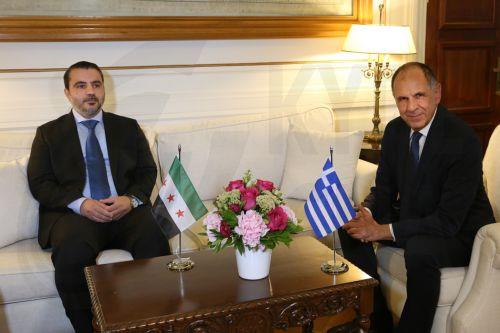
    Greek Foreign Minister Giorgos Gerapetritis and Syria’s interim Foreign Minister Asaad Al-Shaibani met in Athens to discuss a trilateral cooperation scheme involving Cyprus. The meeting, announced by the Greek foreign ministry on Wednesday, reflects a strategic intention to enhance regional collaboration.

    Trilateral cooperation: Commitment to Regional Cooperation

    During the meeting, both ministers underscored their commitment to fostering regional cooperation through the establishment of a trilateral format that would include Cyprus. Lana Zochiou, spokesperson for the Greek foreign ministry, relayed this intent, stating, “The ministers confirmed their will to promote regional cooperation by establishing a trilateral format with the participation of the Republic of Cyprus.”

    Potential Meeting at the UN General Assembly

    The first meeting of the proposed trilateral partnership could occur during the 80th Session of the United Nations General Assembly, scheduled from September 9 to September 29 in New York. This platform presents an opportunity for further dialogue and the potential for solidifying agreements among the involved parties.

    Awaiting Concrete Measures

    While the discussion marks a significant step in diplomatic relations, specific details outlining how the trilateral cooperation will manifest remain undisclosed. The absence of concrete measures raises questions about the practical implications of the proposed collaboration.

    Cyprus’s Role in Regional Diplomacy

    Cyprus has been actively pursuing better relations with Syria, as highlighted by Foreign Minister Constantinos Kombos in a statement made in May. He noted that Cyprus was “actively pursuing good neighbourly relations” with Syria and advocated for the lifting of sanctions on the nation. Given Cyprus’s geographic proximity to Syria—approximately 350km—this initiative could facilitate a more robust interaction between the two countries.

    Addressing Migration Challenges

    Amid rising concerns over asylum seekers and irregular migrants arriving in Cyprus, the government has initiated efforts to engage European Union partners regarding safety declarations for parts of Syria. Interior Minister Constantinos Ioannou labelled the situation as “alarming,” prompting Cyprus to lead a group of EU members to explore this issue further.

    Collaborative Efforts with Greece

    In a recent meeting with Greek Migration Minister Dimitris Kairidis, Ioannou emphasised the necessity for “joint actions” to effectively manage the ongoing migration situation. This collaboration aligns with Greece’s expressed intent to join the Cyprus-led EU Syria Group, aiming to address the complexities of migration flows in the region.

    International Meeting on Migration

    In mid-May 2024, an international meeting of interior ministers was convened in Cyprus, featuring representatives from Austria, the Czech Republic, Denmark, Greece, Italy, Malta, and Poland. This gathering aimed to discuss coordinated strategies to tackle the pressing issues related to migration and asylum seekers.

    Looking Ahead

    The discussions between Greece and Syria, with Cyprus as a participating nation, signal a potential shift in regional dynamics. While the specifics of the trilateral cooperation scheme are yet to be defined, these diplomatic efforts could pave the way for enhanced collaboration in addressing shared challenges.

    The ongoing dialogue between these countries illustrates the importance of regional partnerships in navigating complex political and humanitarian issues. As the situation develops, the involvement of Cyprus alongside Greece and Syria could prove pivotal in shaping future cooperation in the Eastern Mediterranean.

  • Cyprus Draws Parallels Between Its Occupation and Ukraine’s Territorial Integrity

    Cyprus Draws Parallels Between Its Occupation and Ukraine’s Territorial Integrity

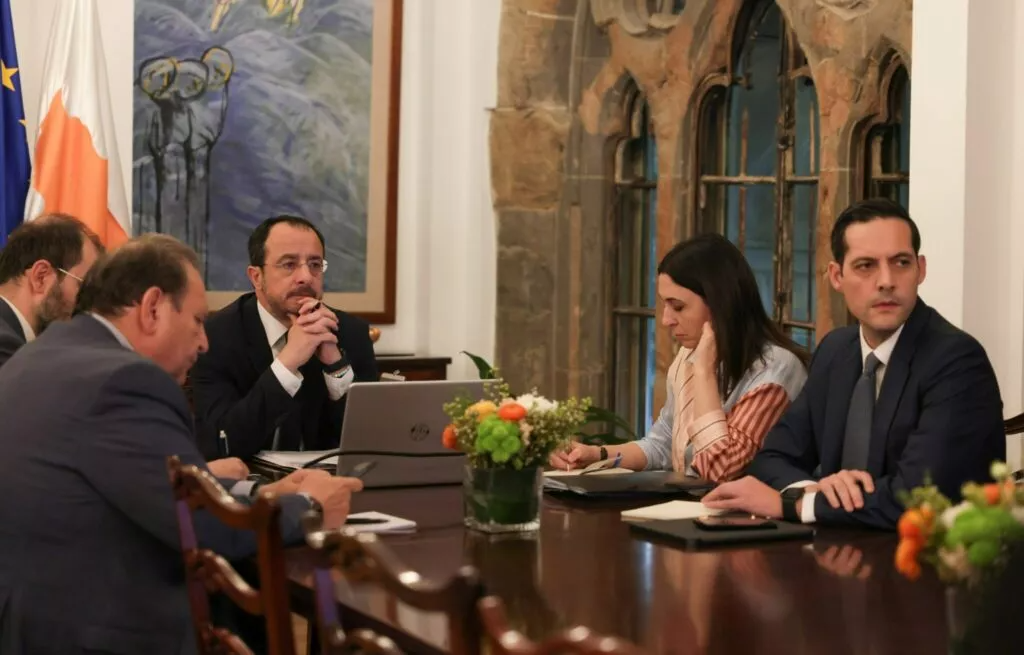
    Cyprus has drawn a poignant connection between its own experience of territorial occupation and the ongoing situation in Ukraine. During three consecutive European Union videoconferences focused on establishing a peaceful resolution in Ukraine, President Christodoulides underscored the importance of sovereignty, independence, and territorial integrity. His remarks were informed by Cyprus’s 51-year experience under Turkish occupation, which has seen 37% of its territory remain under illegal control.

    • The discussions reflect a broader acknowledgment of the interconnectedness of territorial integrity across Europe and the shared commitment to oppose any form of occupation or aggression.

    Territorial integrity: Emphasising Sovereignty and Independence

    In his interventions, President Christodoulides highlighted the urgent need for any resolution to the Ukraine crisis to uphold these fundamental principles. The government spokesman, Konstantinos Letymbiotis, reported that the president expressed significant concerns regarding potential ramifications for Cyprus stemming from developments in Ukraine and any agreements reached with Russia.

    “Any solution must be based on full respect for Ukraine’s sovereignty, independence and territorial integrity,” Christodoulides stated. He reiterated that Cyprus’s historical experience, which includes enduring 51 years of illegal Turkish occupation, reinforces the necessity of defending these principles without concessions or exceptions.

    Regional and International Support for Ukraine

    Greek Prime Minister Kyriakos Mitsotakis also weighed in on the discussion, reiterating the importance of border inviolability. He voiced satisfaction with the United States’ intentions to provide security guarantees while reaffirming Greece’s commitment to border integrity. This united front among leaders reflects a broader consensus within the EU regarding the need for a stable and secure Europe.

    Key Meetings and Strategic Discussions

    The videoconferences included critical meetings involving the European People’s Party and the Coalition of the Willing, following up on previous discussions held the prior Sunday. European Council President Antonio Costa convened EU member state leaders to provide detailed briefings on the recent meetings between Ukrainian President Volodymyr Zelenskyy and US President Joe Biden.

    During these discussions, leaders engaged in substantive exchanges of views on the ongoing crisis, underscoring the pivotal role of international cooperation in addressing the situation. Cyprus affirmed its unwavering support for Ukraine’s quest for freedom and the restoration of its territorial integrity, drawing parallels to its own struggles as an EU member state under occupation.

    The EU’s Commitment to Peace and Security

    European Council President Costa stated that the EU remains committed to supporting efforts aimed at achieving a just and sustainable peace in Ukraine. He remarked, “Russia must immediately end the violence,” framing this as an essential first step towards resolving the conflict.

    “Ukraine was – and will remain – at the top of leaders’ agendas in coming weeks and months as we continue supporting efforts for just and sustainable peace,” Costa affirmed, highlighting the EU’s proactive stance in addressing the crisis.

    Progress in Peace Efforts

    European Commission President Ursula von der Leyen referenced the ongoing discussions about the progress made in peace efforts concerning Ukraine. She noted that talks in Washington had advanced regarding “strong security guarantees for Ukraine,” aiming to end the bloodshed, impose sanctions on aggressors, and facilitate the return of abducted children.

    The solidarity displayed by EU leaders during these videoconferences emphasises a collective determination to uphold international law and protect the principles of sovereignty and territorial integrity.

    Unity Among EU Leaders

    Annita Demetriou, president of the ruling Democratic Rally party in Cyprus (DISY), participated in the EPP leaders’ summit via videoconference. She, alongside other leaders, stressed the importance of unity and steadfastness regarding the principles surrounding developments in Ukraine, particularly in light of recent diplomatic engagements in Alaska and Washington.

    The discussions reflect a broader acknowledgment of the interconnectedness of territorial integrity across Europe and the shared commitment to oppose any form of occupation or aggression.

    Looking Ahead

    The situation in Ukraine continues to be a pressing issue for European leaders, with ongoing discussions aimed at securing a peaceful resolution. Cyprus’s experience serves as a poignant reminder of the importance of safeguarding territorial integrity and the implications that unresolved conflicts can have on regional stability.

    As the EU leaders prepare for future meetings and negotiations, the commitment to uphold these values remains at the forefront of their agendas. Cyprus’s perspective reinforces the necessity of learning from history while advocating for a future where sovereignty and independence are respected and protected.