Tag: public health

  • A e: Doctors Criticise A&E Raids by Audit Office Officials

    A e: Doctors Criticise A&E Raids by Audit Office Officials

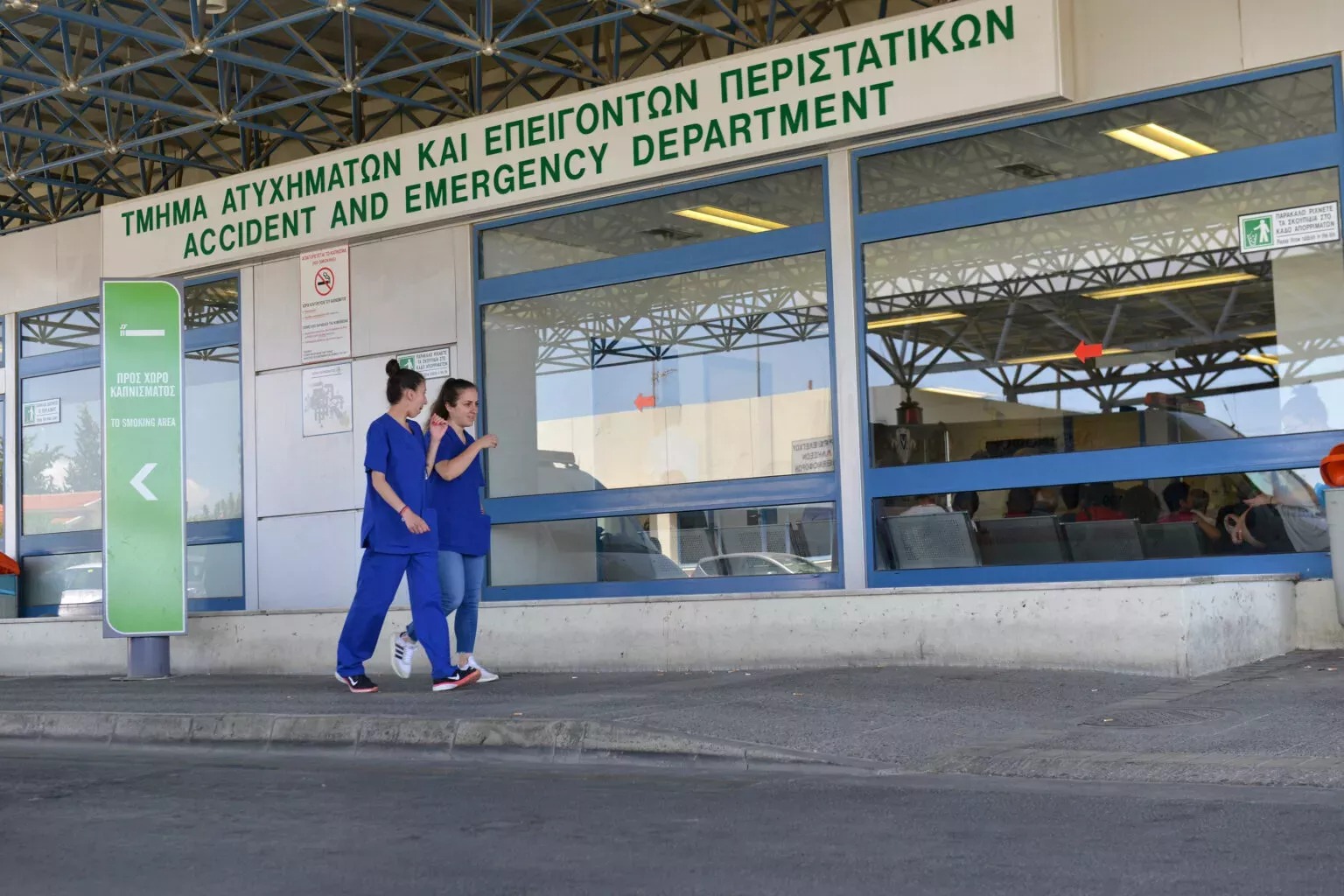
    a e — a e — Doctors are voicing their outrage following the unexpected overnight raids by Audit Office officials at the accident and emergency departments of both Nicosia and Limassol general hospitals on October 1. The inspections were conducted in a manner deemed offensive by the medical community, raising serious concerns about patient privacy and the integrity of medical data.

    Sotiris Koumas, president of the Pancyprian Union of Government Doctors, expressed his frustration about the demands placed on the medical staff. He stated, “The manner in which the inspections were conducted and the demands made by Audit Office officials were offensive and certainly exceeded limits in some cases, as they asked doctors, amongst other things, to prove they had served a patient by presenting data in the electronic files of General Healthcare System beneficiaries.”

    Koumas highlighted that no entity has the right to access the medical data of any patient who has visited the A&E, questioning the relevance of patient medical information to the purpose of the Audit Office’s inspections. “This is also a violation of patients’ rights, amongst many other things,” he added.

    During the raids, doctors on duty were reportedly asked to present their identity cards to verify their registration as medical professionals on duty that night. Koumas commented, “In other words, you call a doctor to leave his post whilst they are on active duty, and you ask them to show you their identity card. I think this is not the way for the Audit Office to conduct an inspection.”

    Adding to the controversy, officials are said to have contacted on-call doctors at home to assess their response times. Koumas explained, “At 1 am and 2 am they were telephoning doctors to check whether they would respond. If this is indeed true, it means that other serious issues arise.” These actions have prompted the union to consider the implications of such practices on the working environment for medical professionals.

    While Koumas acknowledged the Audit Office’s mandate to investigate potential abuses of power or misuse of public funds, he firmly reiterated that this does not justify the demand to access patient files. He stated, “With all due respect to the Audit Office and the Auditor General, access to patient files is permitted only to their doctor, and this is why only doctors have access to GHS files.”

    The union leader expressed concern about some colleagues who complied with requests to access patient files to confirm their treatments. He noted, “It is also very serious that some colleagues accepted and accessed the files of patients they had served in order to prove it.”

    Koumas concluded that the actions of both the audit officials and the doctors who acquiesced to these demands reflect a troubling environment that requires further scrutiny and discussion. He remarked, “The specific behaviours, both from the audit officials and from the doctors themselves, are the result of a climate that has been created and requires both analysis and criticism. Unfortunately, we have set a precedent.”
  • Thalassaemia — Thalassaemia Patients Represent 34% of Blood Transfusions in Cyprus

    Thalassaemia — Thalassaemia Patients Represent 34% of Blood Transfusions in Cyprus

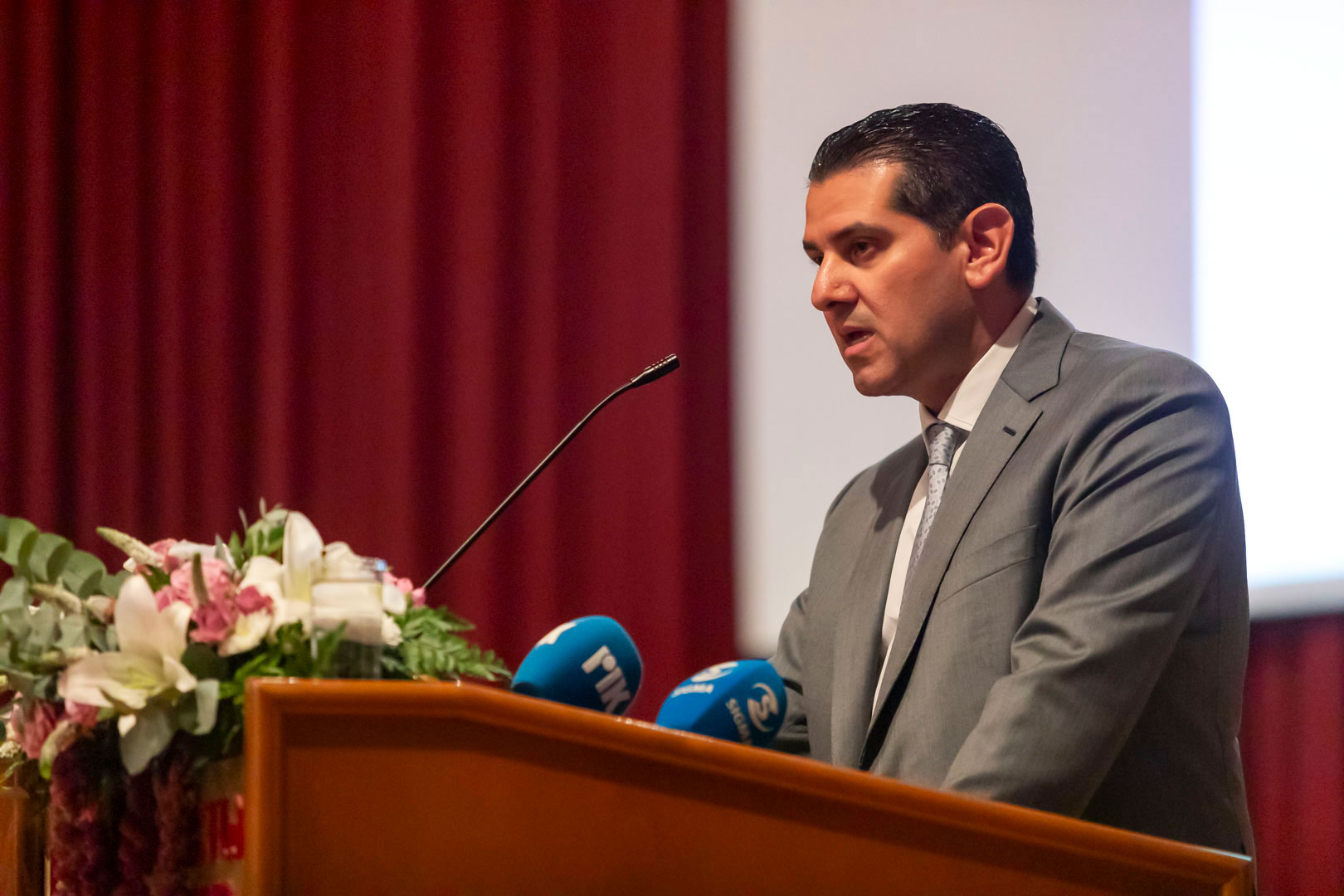
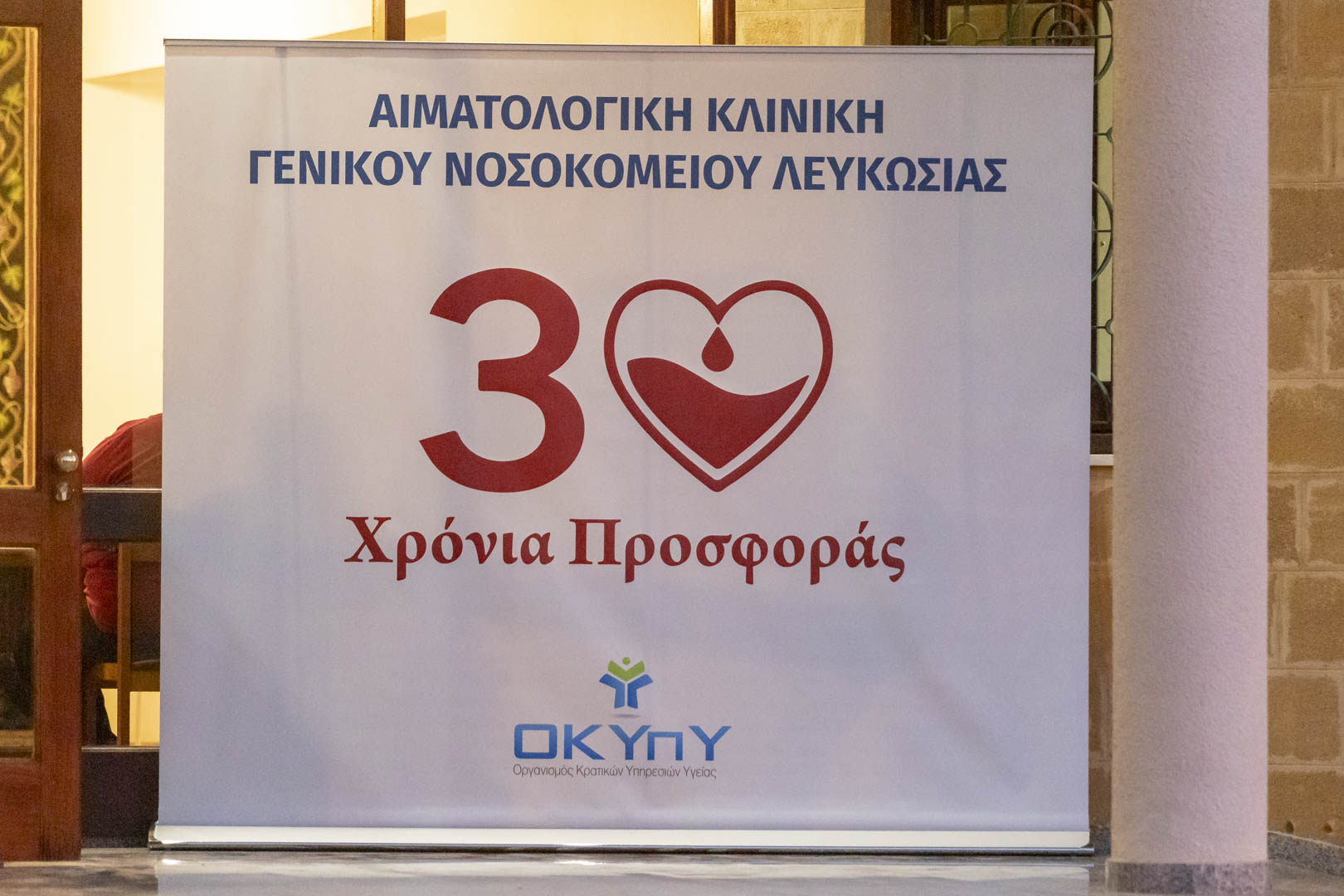
    thalassaemia — Thalassaemia patients account for 34 per cent of all blood transfusions in Cyprus, as highlighted by Health Minister Michael Damianos during a recent press conference. The announcement comes ahead of the launch of a national blood strategy aimed at addressing the ongoing challenges in blood supply.

    Photo: cyprus-mail.com

    • “Emergency health situations, such as pandemics or epidemics, adversely impact the availability of donors,” he stated, underscoring the need for a robust strategy to encourage blood donation.

    Damianos emphasised that the island faces significant difficulties in maintaining sufficient supplies of blood and blood products, similar to trends observed across many European nations. He identified several factors contributing to this shortage.

    Thalassaemia: Challenges in Blood Donation

    Among the issues raised by Damianos are the declining number of age-appropriate blood donors, with young people increasingly leaving Cyprus to pursue studies abroad. The Minister noted the challenges posed by a low birth rate and stricter European Union criteria for blood donors.

    “Emergency health situations, such as pandemics or epidemics, adversely impact the availability of donors,” he stated, underscoring the need for a robust strategy to encourage blood donation.

    National Blood Strategy Implementation

    The Blood Centre, which oversees blood donations in Cyprus, is responsible for implementing EU standards and World Health Organisation guidelines. The national blood donation council has been instrumental in drafting the new national blood strategy, aimed at enhancing the country’s blood collection efforts.

    “Transfusions of blood and its derivatives is not just a medical procedure, but a crucial therapeutic intervention that covers a wide range of clinical conditions,” Damianos remarked, highlighting the importance of maintaining an adequate blood supply.

    New EU Regulation and Compliance Timeline

    In addition to addressing immediate challenges, Cyprus is working towards compliance with a new European Union regulation concerning substances of human origin. This regulation, approved recently, grants Cyprus until August 7, 2027, to fully align with the new standards aimed at enhancing safety and quality in blood treatments.

    Damianos expressed a commitment to not only maintain but also improve Cyprus’ high ranking in Europe regarding blood collection, the low risk of transmitting infectious agents, and the overall quality of blood products. “Our goal is to ensure self-sufficiency based exclusively on voluntary, unpaid practices,” he added.

  • A e: Larnaca Hospital’s New A&E Department Set to Open This September

    A e: Larnaca Hospital’s New A&E Department Set to Open This September

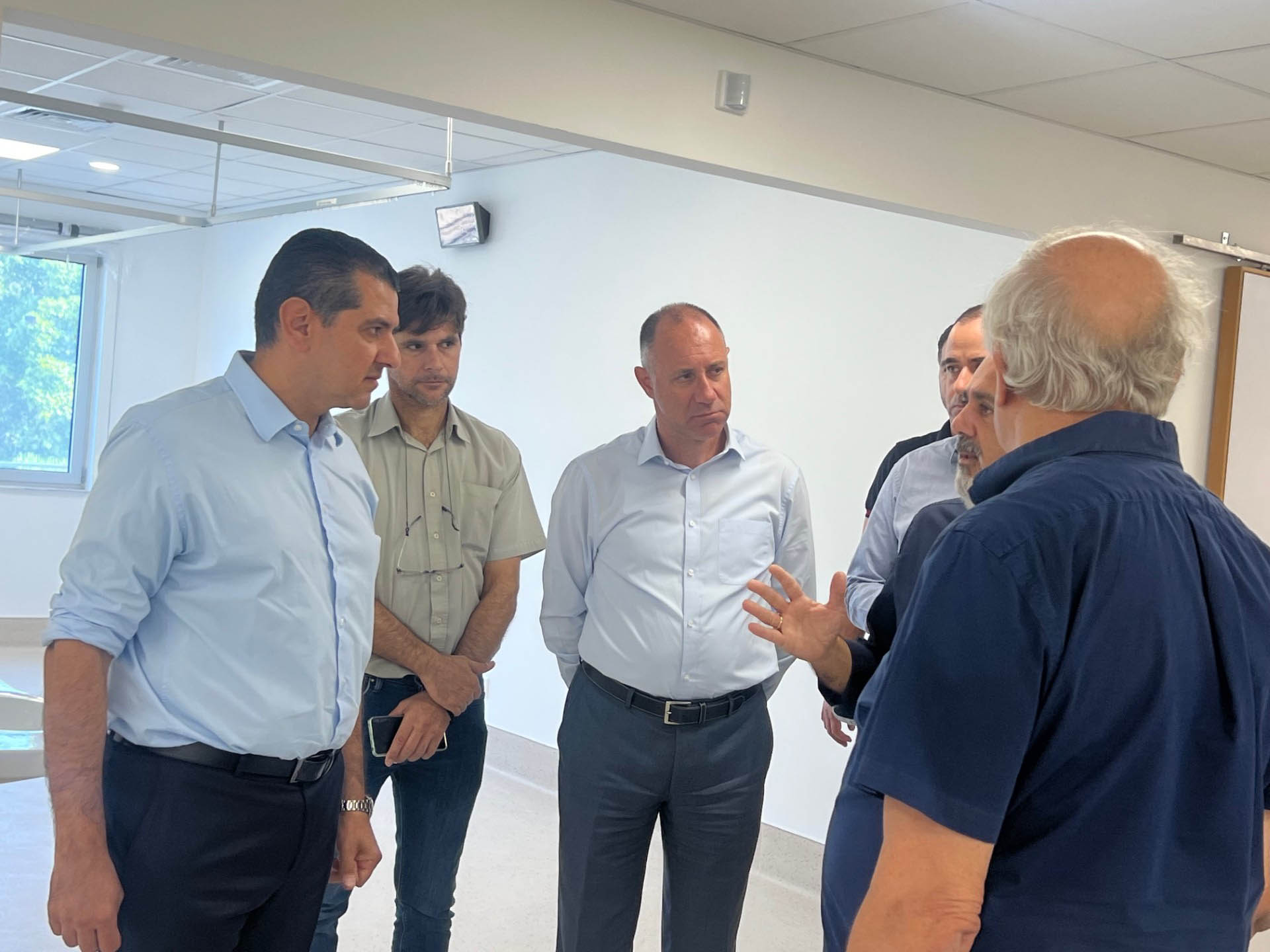
    a e — The new accident and emergency (A&E) department at Larnaca General Hospital is set to welcome patients between September 5 and 10, as confirmed by Health Minister Michael Damianos.

    • a e — The new accident and emergency (A&E) department at Larnaca General Hospital is set to welcome patients between September 5 and 10, as confirmed by Health Minister Michael Damianos.

    During a recent visit to the hospital’s fast-track clinic, Damianos highlighted the significance of this new facility as a major upgrade for public health in the region. The A&E department aims to enhance healthcare delivery, providing a range of new services that will benefit the local community.

    A e: Improvements to Emergency Care

    Minister Damianos addressed longstanding concerns regarding lengthy waiting times in A&E departments, mentioning that the introduction of fast-track clinics has already “significantly reduced the problem.” These clinics are designed to handle low-risk cases, allowing designated doctors to treat patients more efficiently and alleviate pressure on emergency wards.

    Fast-Track Clinics and Their Impact

    Fast-track clinics began operating on a pilot basis earlier this year, with Nicosia launching its service on March 31, followed by Paphos on June 2. Larnaca’s clinic opened its doors on July 18, now operating from Friday to Sunday and averaging 18 patients per day. By August 26, the clinic had treated a total of 329 patients, showcasing its vital role in the healthcare system.

    Summer Services at Famagusta General Hospital

    In addition to Larnaca, a seasonal fast-track clinic commenced operations at Famagusta General Hospital on August 18, catering to the increased patient load typical of the summer tourist season. This clinic has reportedly treated around half of the hospital’s patients since its opening, averaging 16 visits per day within its first nine days.

    Future Developments at Larnaca General Hospital

    Further upgrades are underway at Larnaca General Hospital, including enhancements to the mental health clinic, dental clinic, and mother and child areas. These improvements are expected to be completed by the end of September, with the handover of new facilities planned within a month.

    Addressing Staffing Challenges

    While discussing the challenges faced by Famagusta General Hospital, Damianos acknowledged the unique demands placed on the facility due to the influx of tourists during the summer. He assured that the state health services organisation (OKYpY) is exploring options to bolster staffing levels to ensure a smooth operation during peak seasons.

    Transitioning to the New Building

    The transition of services from the old Larnaca hospital to the new building is progressing, with the first phase on the second floor nearing completion. This initial phase is expected to be finalised within a month, paving the way for OKYpY to begin the relocation process, including psychiatric services.

  • Cigarettes: Significant Cigarette Seizures at Checkpoints Highlight Ongoing Smuggling Issues

    Cigarettes: Significant Cigarette Seizures at Checkpoints Highlight Ongoing Smuggling Issues

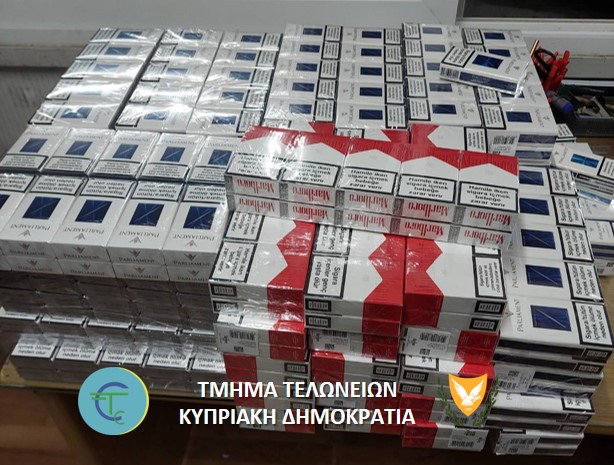
    Large quantities of cigarettes were confiscated at checkpoints as authorities continue to tackle smuggling operations. Three separate incidents reported by police on Monday revealed the extent of unregulated tobacco products being transported through Ayios Dometios and Famagusta.

    Cigarettes: Multiple Incidents Uncovered

    During a routine inspection on Saturday, customs officers investigated a vehicle driven by a Greek Cypriot man known for previous smuggling activities. The search resulted in the discovery of 50 packs of 20 heated cigarettes and 750g of rolling tobacco, all of which were promptly seized.

    The man was arrested and, upon giving his written consent, officers conducted a search of his residence. This led to the seizure of an additional 28 boxes of 200 cigarettes each, two boxes of 200 heated cigarettes, and another 500g of rolling tobacco. He was subsequently fined €3,500 for the offences.

    A Day of High Seizures in Famagusta

    On the preceding day, Famagusta police stopped a vehicle driven by a 58-year-old man who was carrying a substantial amount of cigarettes. Authorities confiscated 57 boxes of 200 cigarettes, three packs of 20 cigarettes, and rolling tobacco weighing a total of 2.64kg. After agreeing to an out-of-court settlement, the driver was released, having paid a fine of €5,000.

    Checkpoint Scrutiny Leads to Arrest

    In yet another incident, a taxi driven by a Turkish Cypriot, carrying an Israeli passenger, was inspected at the Ayios Dometios checkpoint. The inspection uncovered 67 boxes of 200 cigarettes each and four packs of 20 cigarettes each. The passenger was arrested, and the seized products were taken into custody.

    Following a one-day remand order issued by the Nicosia district court, the passenger was eventually fined €8,000, with the court considering his prior involvement in other offences when determining the penalty. The seized tobacco products were destroyed as part of the settlement.

  • Snake risk — Civil Defence Alerts Public to Increased Snake Risk in Dense Vegetation

    Snake risk — Civil Defence Alerts Public to Increased Snake Risk in Dense Vegetation

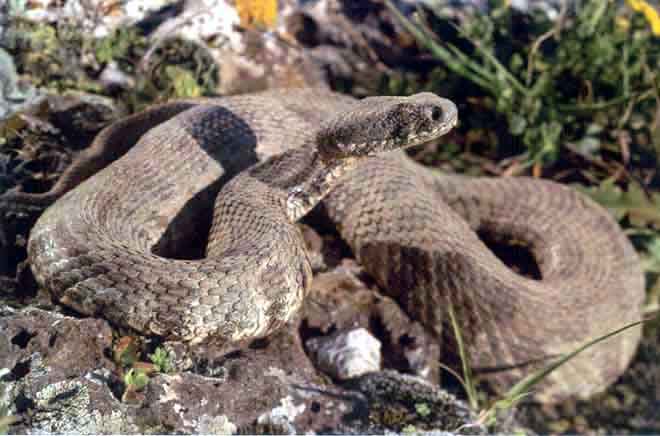
    snake risk — Areas of dense vegetation currently pose an increased risk of poisonous snakes, the civil defence warned on Friday, urging outdoor enthusiasts to exercise caution.

    • snake risk — Areas of dense vegetation currently pose an increased risk of poisonous snakes, the civil defence warned on Friday, urging outdoor enthusiasts to exercise caution.

    This warning comes on the heels of a serious incident where a man was hospitalised in critical condition following a snakebite. The victim was discovered suffering not only from the bite but also from heatstroke, highlighting the dangers that can accompany outdoor activities in warmer weather.

    In Cyprus, there are three species of poisonous snakes, with one of them known to be particularly dangerous to humans. The civil defence emphasised the importance of vigilance for all citizens when spending time in nature, especially in areas with dense vegetation where snakes are likely to be concealed.

    After the snakebite incident, a rescue team promptly attended the scene and provided critical care. The man was treated in the intensive care unit of Limassol general hospital for eight days, a testament to the seriousness of his condition. Following his discharge, he has been advised to take great care when engaging in outdoor activities.

    The civil defence’s warning serves as a reminder for residents and visitors alike to remain alert in natural habitats, especially during the warmer months when snake activity is heightened. Outdoor enthusiasts are encouraged to wear appropriate footwear and to avoid areas where snakes may be hidden.

    As the season progresses, the likelihood of encountering snakes increases, making it essential for everyone to be aware of their surroundings. The civil defence urges the community to share this information, fostering a culture of safety in the great outdoors.